Why Your Practice Lacks Clarity, Consistency, and a Real System
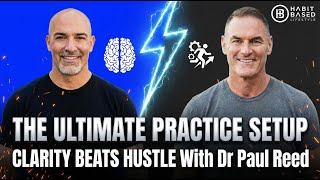
Dr. Paul Reed, a chiropractor who scaled and sold multiple clinics over 28 years, explains why practices fail: they lack clarity on their core service, consistency in execution, and real systems. He built ChiroFest over 16 years and now coaches full-time, emphasizing that you must keep the main thing the main thing while adding congruent services, invest in your team and patient experience, and use multi-channel outreach instead of relying on one marketing tactic.
Questions this video answers
1998
December 1997
About 16 years
About 3 years ago
Chapters
Welcome back to the Habit Based lifestyle podcast. I'm your host, Jesse Yule. Today I got a very special guest, Dr. Paul Reed, who's been a chiropractor and just in the industry 28 years, also runs a coaching consulting company called Unstoppable Cairo. Paul, I want to welcome you on the show today.
Thanks, man. Thanks for having me. Appreciate it. Appreciate the connection we've had the last four years. Maybe three and a half, four years, something like that.
Yeah, yeah, man. I mean, you know, you're back in the PNW and yes, right now, stomping grounds.
It's beautiful. 60 degree sunny day right now, which is nuts for January. So I'll take it. This whole week's gonna be nice.
Nice. Supposed to be 75 here today.
All right. Don't rub it in.
I would take 60 in January all day there.
Yeah, it's gorgeous.
Cool, man. Well, for our audience who doesn't, doesn't know you, can you just kind of talk about a little bit, just what got you started as a chiropractor and then you know, what kind of transition into what you're doing now?
Yeah, you know, unlike, unlike a lot of today's chiropractors. I had an experience with chiropractic when I was in eighth grade and that really ignited my passion, enthusiasm, excitement to become a chiropractor. And so, you know, after my, my college career pursued, pursued chiropractic right away, straight away, you know, got practice, got licensed in 98, scaled and grew five clinics, exited and sold those had, you know, 30 some employees. And then, you know, now I'm just fully well run Chirofest as well, which is one of the, you know, we're 16 years deep into that, one of the profession's largest events for sure. The largest in the Northwest. And then had coached previously in my career but it wasn't right timing with a buddy of mine, we both had young kids, just wasn't. And full practicing, we just wasn't. Right. So yeah. So then I started mentoring coaching, inspiring docs here again about three years ago. And so full time, full time mentorship helping docs, you know, create, I like to say create their next best. Whether it's scaling with, by themselves, scaling with multiple docs, scaling with multiple clinics, whatever, whatever they need as well as most importantly, working on themselves.
Nice. And dude, the one thing I'm always curious about is, you know, when I see your pictures from college, you know, I know you, you played it do which I actually, I got to play on that field. When I was in high school, because we used to play Pullman High School. And I was probably there because you're.
A couple years younger than me, just a couple, so I was probably.
Funny, funny story, man, is I actually remember playing there and I think it was about 30 degrees, and I remember getting tackled for the first time on the concrete. No, no, like elbow, anything. And I just remember, like the skin getting shaved off my arm and was like, dude, this is the most painful thing I've ever felt in my life. And that, that was a funny. That was a really funny memory. But I was like, man, this like, hurts worse getting tackled on this than anything.
It was. The art turf was terrible at the time. I.
It was like the ultimate rug burn slash, like spot burn.
Horrible. It was horrible.
What did you, what did you weigh in in college, man?
You know, I showed up about what I weigh now, about 230. And then I. When I left after my transition through a few positions post injury and skill set, I left it about 280. So about. About 50, 50 pounds heavier than I am now.
So, I mean, I know a lot of guys that play o line, you know, in college or even the NFL. I mean, they typically don't look like you. Yeah, you know, so what have you done, you know, in the last, whatever, 20 years to keep the weight off?
Yeah, I've been, you know, I've. I've always been a gym rat. I started training, dude. I rode my bike to a gym. You know, I was 14, and my parents bought me a membership at the gym that was probably five miles away from our house. I used to ride my bike there, you know, when I was to start working out. So I've been a gym rat. Like, I've been a gym enthusiast in high school. I actually, once I got my license, started working at a gym in the off season, in the weekends. And so I just think fitness has always been a part of my life. And so I really, that weight, for one, is unhealthy. And two, it wasn't my genetic makeup. It was a force, like eating late at night and eating way beyond my. What my caloric intake should be. And so I just did a heart. When I started chiropractic school, I did a heart reset. I had always wanted to do bodybuilding show. Growing up in a gym, I'm like, you know what? This is a great time to do a bodybuilding show. So the Northwest natural was like 18 months into me starting chiropractic school. So I'm like, all right, I'm Going to pick that show. And so I did a show, I went from 280 down to 212 and 4%, four and a half percent body fat and you know, 16, 18 months or something like that.
Nice. So was that the end of your bodybuilding career?
It was, it was my first and my last. I thought about maybe doing a physique show now, but yeah, that was, that was, that was the beginning and the end of my bodybuilding career.
That's funny. I did my first show in at 17 years old.
Oh, wow. Nice.
And I remember, I don't know if you remember Nasser L. Somebody. Yeah, he was a guest poser and he was about 300 pounds at about, you know, 5% body fat giant. And I was like, oh my gosh, this guy looks like an alien.
Yeah, right, they do.
Yeah, that was kind of my first intro to that. But yeah, it was different for sure.
Different.
Hold on one second. So yeah, man, let's talk a little bit about like, I mean, obviously you've been in the industry almost three decades. Like talk to me about early on in your career, like when you first started your clinic. Like what were, you know, maybe like the top three things that you had to do. Because like everything's different now.
Right? We don't have way different start difference.
Like what were things you had to do then to become successful at being a chiropractor?
Man, then honestly, I mean it's, there's different degrees of success, but first and foremost I knew and I think this is where a lot of docs struggle today, that I'm, that I'm working with and, or that I speak with that choose not to work with me. Like they really don't have clarity on what they want to build. And I hired, you know, again, full transparency. Like everything I teach and do is something that I either learned from a mentor or, or I learned the hard way. Right. And which is the easiest way, learning from a mentor. Right. They've already paid the dummy tax. And so I hired my first coach six months before I opened my practice. Like, hey, I know nothing about business. I'm going to take a risk and hire you. Literally wrote, predated or Post dated 12 checks for 650 bucks and mailed them to him. My wife, we were married, she's like, what are you doing? Let me open our business. But it was the best thing I ever did. And so that said is I think that most docs today and even back then really don't have clarity on what they want to build. And so he really forced me to sit down and like, what does it look like? What does it smell like? What's the experience going to be for your patients? And so that, I think that was the jump started my success because I didn't open my doors and then go, now what it was like, okay, here's what I want to build, here's what the space looks like, here's the amount of people I want to serve, here's how I'm going to serve them, here's the outcomes I expect to get. And then I was able to, you know, to craft, reverse engineer what it would take to build that from that point. But today it's too many docs like, oh, I'm gonna do this. And then they jump in with no clarity, no certainty. And then it's like, well, so you can't reverse engineer something you don't know you don't want to build.
Right? Yeah, I mean, I think, I think that's important, you know, is like, hey, most people are doing things because they're passionate about it, but they don't know how to define, you know, kind of like begin with the end in mind. Right. And absolutely, you know, once you have a destination you want to go to, reverse engineering, that process is a lot easier. And, you know, that's kind of a big thing, you know, when it comes to your business, because, like, passion isn't enough. You gotta have, you know, you gotta have the outcomes that you help patients get. All right? So obviously hiring a coach is huge, you know, kind of like defining the results and outcomes you want your patients to get. Like, at what point, you know, going into your chiropractic is like, what point did you know that it would work for you?
You know, again, there's, it's, it's always ambiguous and you don't really know. But once, once I got going and within a. I hit my target goals within my 90 days, I knew that I had a formula that was, that was functioning at a high level. I didn't, you know, obviously there were some little roadblocks, but I really, I accelerated extremely fast. One, you know, two, I think. One, I knew what I was doing and, you know, God got on my side, like, opened up some doors and allowed things to really flow, flourish in a short amount of time. Again, based on, I think I was following and doing what I was supposed to be doing. Yeah, but it's, but it. But once. So I, I would say probably within 90 days, I saw that the formula that I was teaching and practicing teaching My practice members and was working, it was getting the results and patients were referring, they were staying, they were paying all the things that we, you know, as a business owner, you want to want.
Yeah, no, that's so important. So talk to me about like kind of like the three biggest things you see today with you know, chiropractors just you know, with how they practice, how they show up kind of those things.
Yeah. Again, you know, our industry is, we have a, and it may be in other industries too, but I think we have a, we have a tendency to chase shiny objects. Right. And, and, and you can't be, you can't be a master to too many things otherwise none of them are going to work. And so really knowing that one thing. And it's great to have ancillary, ancillary options for your practice members to serve them. Right. Because you know my opinion, I was hardcore like spine and nervous system needs to come first. Then everything else that serves the spinal nervous system, you know, can fall in suit behind that. As long as you're second fold of that. As long as you're congruent with it. Right. If you're offering a service that you're incongruent with and you're doing it to chase dollars, that there's incongruence and you're serving the wrong master and you're going to get bad results long term.
Right.
But really understanding and knowing who you are and how you want to serve those practice members and then doing, you know, doing your best to do that. So again, there is lots of options today. We've evolved as an industry. Healthcare has evolved not only just chiropractic, but healthcare and the things that we can provide for people to help them not only get well but stay well. And I think you just need to, it's okay to offer those ancillary things but make keeping the main thing the main thing. And I think what happens is a lot of chiros shift from their primary. Like I went to school to be a chiropractor and it's great that I can offer nutrition advice and weight loss advice and all these different, different modalities or things. But if you, if you, if you lose sight of the main thing from being the main thing, then everything's diluted. And while again, while you might have some short term success, what's going to happen when the trend shifts? Right? Like if, when, when the trend shifts and you're going to have to shift and. But if you keep your, your core thing is your primary source of revenue, your primary source of messaging, and then you add these other ancillary things that are serving that primary message, then it's okay. But I think today I've seen too many chiropractors get, you know, start chasing niches which are really, if they're out of alignment with who they are, then there's just incongruence and it's not going to, you know, I would equate. It's like you were a gym guy, right? Before you. In your previous life, you had some free gyms. Is that what it was?
Yeah, yeah.
So. So, I mean, you know, an easy, to me, an easy correlation, like the primary, I'm guessing and speculating, but was the primary revenue generator memberships.
Well, I had training gyms, so primary training. But, you know, I mean, I think, I think what you're saying is, like, look, the foundational part of your practice should be training. If you're a training gym, the foundational part of a chiropractic clinic is chiropractic. And if that's not the foundation, then, yeah, ultimately, you know, trend shift, niches shift. You're. You're probably not going to have that foundation to land back on. And so, like, I mean, I would say I agree with that because ultimately, you know, if you're a trainer, in order for me to add, like, niche services to that, I got to have foundation principles in training, because if they're not doing those things, the other things aren't going to make that big of a significant difference. And so, you know, chiropractic is the same way, man. I really think that all health is the same way. You know, it's like the foundation has to be the foundation, and that goes deep and that goes wide. And then what you build on that, I mean, ultimately is your choice absolutely how you want to do things, but you got to have that foundation. And I think that's important in any business. Right? Yeah.
And I would, yeah, 100%. I would tell you that the chiropractors that, I mean, and there are a lot doing well with doing niche services, but they would even do that much, in my opinion, if their core to your foundation, to your point, was strong, they would even do that much better.
Right.
If your core is weak and you're adding this over here and adding that over there and they're all doing okay. Yeah, you're winning, but not to the level of degree that you could win if your core was really solidified and had a firm foundation like we should be built on.
Right.
Same thing. Like, if La Fitness. Right. They offer, they got, they got tanning salons and they do, or, you know, tanning beds and supplements. But if they can't, they can't rely on the tanning beds and the supplements. It's, it's their core foundation of, like, we're a gym, like, but we add these other things to your life.
Right? It's more of a, you know, it's more in alignment with, you know, what they're already offering. Right?
Yeah. And absolutely.
But most of those box gyms, you know, they're not going to say, hey, we're making all our money doing supplements or we're making all our money, you know, doing tanning beds.
So, yeah, that's, you know, I, I, I. And again, it's, we should offer those things. And again, healthcare has completely evolved and shifted from when I started 1990s. You know, I graduated in December 97. Right. So it's, it's been 29 years. And so stuff is, is way more accessible. People themselves are more knowledgeable because we have information at our fingertips that we didn't have, you know, 30 years ago almost. And so I think we need to evolve. But again, without that foundation, that evolution's just, it's going to be weak and over time, you'll die.
Yeah, for sure. I think, I think the biggest thing for me is like, because I come from a different industry, but it's really the same. It's like health. People want outcomes, they want results. Right. And I think what's maybe shifted in chiropractic more so in the last five years is people are looking for more answers. You know, like maybe 10 years ago, they didn't, they didn't know what they were looking for other than just, I got to get out of pain. Now you have, you know, people are talking more about nervous system, people are talking more about, you know, whole health, and people are talking about, you know, all these different things. And I think that people are open to, you know, other avenues of health than going to a traditional doctor. And I really think that that's why people are looking at chiropractors for the answers is because they just don't trust the traditional medical system anymore as much as they probably did five years ago. And then going back 10 years to where now you guys have been preaching like, dude, vaccines are like this now. People are actually, like, believing it versus thinking, dude, my chiropractor is crazy. And so that's what I really think has evolved as much as anything in your industry. But I think it's cool because you guys have an opportunity to be like, well, dude, we've been preaching this message for a long time and people are more open to Hear that message 100%.
I think, you know, and it simply. Because I think that's where the Internet has honestly benefited us because it's easy to expose things that are false and not working anymore. And that same knowledge of, like, how do I fix myself? Well, this, this doesn't work. And now we're seeing that it really never really did. And it's helped the consumer understand that, like, the things that we have been preaching and teaching and saying for decades are actually true and foundational. It's important to listen. So, yeah, I think, I think 100% you're right. It's great opportunity, a great time to be a chiropractor because people are, are open, are listening, are, are reaching out and wanting to, to adopt other approaches to getting and staying well. So it's great.
Yeah, yeah, no, for sure, man. So a lot of the, you know, let's talk about. Because obviously you have a huge, you know, presence in the chiropractic space. You have your, you know, CEC events, you're doing chiro festival. Like when you do events like that, what, you know, what are the things that you want chiropractors to know when they come to an event like that?
You know, my event is back to that. You know, we bring in speakers from all over the world, all great individual, you know, at their vertical, whatever space they're in. But it's really, you know, my event is anchored around helping them reestablish that foundation of who they are and why they do what they do. Again, yes. Do we have people that sell lasers at our event? You know, vendors? Yes. Red light? Yes. Shockwave? Yes. Like all of those ancillary things. But the takeaway from the event is really grounding yourself because you are a chiropractor and re. Grounding you in those principles of being a chiropractor to solidify that foundation so that you can go back and serve at a higher level, but incorporate some of those other things are going to benefit people in healing as well. So it's, you know. Yeah, so we're super diverse at our speaker, usually have 20 some speakers. Super diverse. But it's again, I would say my aspiration and premise behind doing is helping chiropractors, you know, keep their core principles as close, as close to their heart.
As possible when, when you guys talk. Because, like, here's kind of what I, I see is like, it's almost like chiropractic on one side is like a religion.
Yeah.
If you don't do it, you know, this way, and then, you know, there's chiropractic on the other side, which is, is different. But it's, it's funny because it reminds me of like training. I remember going to a seminar one time and a guy, basically, his name is Dan John. I don't know if you ever read his books, but he used the analogy that working out is like Mexican food. And we're all kind of sitting there like, well, what do you mean? Like, well, it has rice, it has beans, it has some type of meat and it has a tortilla. And he's like, I don't care what you call it as long as it has. And, and so, you know, which is really like, those are the foundational things that you do. And if you get away from those, all of a sudden it's not, you know, Mexican food anymore. Right. It's maybe Italian. And, and I think, you know, that's what's important. And I think that's any industry. Right. It's like, hey, getting away from the foundational principles then, you know, it may not be that thing anymore. But yeah, I mean, people, the industry, like, I think every industry in the health space has changed tremendously in the last five, six years. And you know, there's continued, we'll continue to change.
I just met this morning with a buddy that's involved in a piece of technology that here in the Northwest that somebody's developing that you literally stand on and it scans you, does a 360 scan. You're holding these things as well and it gives you, do you need this orthotic? Gives your height, your body fat, like your, checks your blood. Like it's crazy. The technology that is, what is it.
3D or it's, it hasn't.
It's only that there's a few high level teams that are using. It's not available for the general public yet. It's. But it's pretty nuts. He was showing me it's super cutting edge. So you're to your point, like, yes, it's constant. And that would be great, you know, if we could figure out a way because it's checking your posture and joint mobility and where you're going to break down and have injuries, like for the, for the chiropractic space, like it's, it's preventing you. It's like it's helping you, you know, diagnose, you know, at a super high Level of what's not performing and functioning right, that's going to cause injury down the road. So, I mean, it's super cool, right?
They have, they have a device like that for body fat.
Yeah, yeah.
They would scan like whatever it is.
Yeah, yeah.
It wasn't, it's not dexa. It's like 3D something. It scans like your whole body and then tells you where your adipose visceral fat is. It's. It's pretty wild.
Yeah. That's nuts.
What are, you know, and you obviously have a coaching program, but like, what are kind of the foundational principles of that for somebody who comes into your program?
You know, first and foremost, we get clarity on what they want to create and where they're at. And I see docs a year in 30 years in that have, that have kind of gotten off. Off core and, and then, you know, when, when they're off core thing is, isn't fun. It's fun and it doesn't. You don't get the results that you're. You're hoping to get. And so really helping them first and foremost anchor back to who they are and why they're doing what they're doing and creating, helping them get clarity on where they want to go and then reverse engineering who they got to become in order to create that in their life. And I, you know, I would tell you that I'm not, you know, my, my, every one of my docs, I tell them, listen, like, chiropractic is chiropractic. And I'm not going to tell you or share with you anything you don't already know. I'm just going to help you get clarity on where you want to go and then help you hold your line to that process of executing on the things that you need to execute on. Because a day one is day one, A day two is a day two. Yes, I might get to help you refine a little bit, but it's gonna be within a certain percentage of what you're already doing. So just first and foremost helping them anchor to who they are and keeping them accountable to become who they need to become.
What's the hardest part of getting people once they've defined, you know, kind of like what they want to, actually applying it, like.
Yeah. Taking action as, you know. Right. And same with your space, like getting them to actually do the work that they know they need to do and then not just do it, you know, short term, stop stopping, keep on keeping on, you know, in the process and know that it's Going to work. And then obviously, you know, you want to analyze your work and make sure that it's moving you in that direction and when it's not, you know, pivot and course correct. But, yeah, to get them to keep on keeping on.
For sure. Yeah, for sure, man. I think, you know, I mean, that's just coaching, right? It's like, there's what you want. Here's what you said you want. You know, here's what we defined as far as the work you got to do. Like, why aren't you doing it? Right.
Yeah.
You know, and it's. I mean, I think that goes all the way back to football, you know, and it's like, you guys say you want to. You guys say you want to win the championship, but, you know, a lot of you guys are sleeping in and.
Like, showing up early and staying late and doing the work.
Yeah. So I think that's. I think that happens all throughout all of this. Who are, like, some of the mentors, man, that you've had that have really, like, impacted you and, like, helped you grow in your industry?
Yeah, I think my very first. You know, probably the one that helped me the most was my very first coach that I already brought up, and that was. It was Ron Oberstein, at the time, the most recently retired Life west president. So I started working with Ron literally six months before I opened, and he really helped me establish that core that I'm talking about is who I wanted to be as chiropractor. And does that evolve and change as you evolve and change and as the industry evolves and change? 100%. But that. That core foundation was always the core foundation. And so Ron, of all the mentors I worked with and I continues to work, you know, I. I'm an advocate of. You should always have a coach or two or three, depending on, you know, how much you want to move the needle life. And so I've always still do and always have had coaches, but Ron was probably. I'd say, if I had to go back and look at my chiropractic career, he probably had the biggest influence in me by far.
And that was your first coach?
Yep. Yeah.
Oh, wow. Okay. Well, I mean, that's pretty good, man. If you. If you got that good of a coach right off the bat.
Yeah, he's just a great human and, you know, helped me just so many things, you know, even beyond chiropractic, just the, you know, the relationship he had with his family and. Yeah, just a lot of foundational principles for life. So it was great.
Well, let me ask you this, man. Knowing you've built multiple practices, knowing you've sold them, what would you do different now in the way that you build your practice versus maybe when you very first started?
You know, honestly, I probably wouldn't have sold, you know, hindsight's 20 and it was great. It was a God thing and aligned and it worked and all those things. But I had a really, really, really well running highly, you know, high retention with our practice team members. Like, we had longevity with our, with our team and I think that's, you know, based on the culture that Heidi and I had built. But we had a really great thing going and making a really big impact and allowing our employees to live great lives. And so if I go back, maybe I wouldn't have done that hindsight' best. But in regards to the practice, it was, it worked really well. I mean, I could always, I could have learned to be a better communicator. And I think as DCs or any business owners and entrepreneur, like something after, you know, an afterthought is like, I didn't communicate my expectations of my employees early on. I just thought that they knew what I wanted of them. And that doesn't, that's, you know, I like to say pre unspoken expectations is premeditated disappointments. Like, I was like, you know, maybe looking to get upset at them. And so I, you know, looking back, like always moving forward, I want to make sure that I'm super transparent, authentic and clear on what I expect of an employee, which I don't think a lot of employers do very well. So.
Yeah, I mean, I think, you know, I think for business owners, you're, you're a hard charger, right?
Yep.
And sometimes, you know, when it comes to leading a team, you can get too far ahead of your people and then you're like, well, why the heck aren't they following me? And you're like, I forgot to actually like tell them where we're going, Right?
Yeah, yeah.
But I always tell people like, look, if you don't have a system to manage your people, you're going to manage them based off feelings and you're going to burn out your team, you know, doing that.
Yeah, I hear a lot of Cairos. I'm five years in and I'm burnt out. I'm like, bro, that's because you don't have a system. And so you're memory managing everything instead of communicating to your team, telling them expectations of deadlines and responsibilities so that you can show up and know. And then you have once a week. Okay. Mary was supposed to get me that by noon at Friday. I don't have it. Hey, what's going on? Why don't I have that? But yeah, so that's. You're 100% right. Without a system. And that's the only thing that allowed us to scale was systems and process. So everybody knew what each team member was supposed to do. And that evolved as we grew. One office was different than two, and two was different than five, and all the intricacies that needed to happen in between. But that's part of growth.
Yeah.
What.
Would you speak into that a little bit as far as, like, I see a lot of chiropractors, you know, not even have employee meetings every week or not having team meetings and team trainings. And then they have this expectation that people are just gonna, you know, do the work. And it's like, dude, did you have a meeting and set some expectations? And then you're upset at the end of the week because they didn't do it, you know, but you didn't really, like, paint it out for them.
Yeah, you have to. It doesn't matter if you have one office and one ca yourself and three CAS yourself. You want to bring in an associate. You know, I would say maybe in my space, I'm. That's one like my. I don't want to say zone of genius, but something that I've been able to help a lot of docs do is you have to have. You have to have those systems and processes. You have to train your team. Rarely be, you know, it'd be like the. The, you know, guarantee of the Seahawks practice this week. They didn't know who they were going to play until yesterday, but I guarantee you they practiced all week and set expectations of how they're going to perform and what they're going to be running. And so it's. It's you. You have to, like, every team has a system and process and that. And you have to train on a regular. Look at any reproducible model. Right back to The E myth. McDonald's has. Has a reproducible model, and they train on that model. Chipotle, like, all of them, Chick Fil A, like, they all have a system and process that they follow and everybody knows their roles and responsibilities and the expectation. Docs that think they can just show up at, you know, start serving patients at 9. I'm going to be there at 8:59, and things are going to go well. It's not going to Happen.
Yeah. I think. I think my favorite thing actually about the Seahawks now that's different than even when Pete Carroll was there is listening to their coach talk about being committed to the process. And, like, he says the same thing, and you even catch the players saying the same thing. And I think that when. When that becomes your culture, you're now creating a winning culture, right? And, like, look at them, like, in two years, right? They're 14, three. But it's like, you. Success leaves clues. And, like, hearing him speak that out and then hearing the players, and then you're like, well, how did they get to 14 and 3? And you're like, well, they've all bought into that culture. And I think that's really cool. That's kind of why I like listening to, you know, coaches from, like, the NFL or coaches from teams that are successful is to understand what is their process and, like, how do they do things.
Look at. Look at University Indiana. I mean, they have, like, zero five star recruits on their team. Yeah, they're essentially the, you know, this morning we're talking about, they're almost like the Moneyball of. Of the Oakland a's in the 80s. Like, they just. They put together a bunch of guys that have a will to win. They strategically are working within their. Their zone of genius to excel. And they're. I mean, they put a beat down on Oregon. Like, nobody's put a beat down in Oregon a long time, right.
Besides the Huskies, you know, There you go.
You had to get that in. You couldn't talk about the Cougar without bringing the Huskies in.
I gotta always. You gotta always put it in there. Well, I mean, the outline of the, you know, my thing is purple.
Yeah, there you go.
You know.
Oh, good stuff.
But, you know, Paul went to wsu. I was a big U Dub fan, so there's always a little bit of banter. We got a mutual friend that's a coo, too.
Yeah, we have some. We always have some. Some banter going on a little bit in the background.
Yeah, man, talk to me. Like, what are, you know, two to three trends you're really seeing in the chiropractic space and, like, how you see it kind of like shifting, you know, over these next two to three years.
Yeah. I think the ongoing, you know, AI is obviously super, super evolving. I'm still a high touch person, and so I think as much as these docs, you know, Kairos, I'm sorry I'll say it, but most of y' all are lazy, and so you're Looking for the path of least resistance. And if you can find an AI application or program that's going to allow you from having to train your team or having, you know, preventing you from having to do these steps with practice members, most of them are jumping on it, which is okay. But again, we're in a service industry like there's still a human to human that needs to be. And so I think there's a huge push and AI is starting to get pretty deep and rooted in all of our EHR systems and phone systems and things. And while it has its place, I just strongly encourage, as I'm seeing that trend like docs to stay involved. We are in the human service business, so that's one. And then I think our reach is continuing to expand, is the Internet is expanding. And I think it's important. As much as I'm 54, as much as you can't teach old dogs new tricks, I got to learn and stay current to reach people. And so it's no different with your practice have to be in online. You have to have an online presence. People are looking for that information and it helps them. Whereas when I first started, they literally had to come. I either met them at an event or they had to come to the office to meet me. Whereas now you can, with posting regularly, people can people connect, right? We all connect with different people differently, you and I. I feel like we have a connection when we first met. And so it's like it's, it's that same thing in the chiropractic space. Somebody that really resonates with me might not resonate with this doc. And your online presence is giving them an opportunity to resonate with you before they, they show up in your practice, which I think is an advantage. So those are really two of the things that I see. And then outreach. I guess the third thing I would say is new patient acquisition is evolving way more today than it's completely different. Like if there's two stark differences, I would say that that's probably the biggest Stark difference from 1998. Like I ran this back in the day we had these things called killer ads where I put a newspaper insert and it was a full page or not full page, but an eight and a half by insert. That thing would produce 70 to 100 and something new patients every time I ran it. It's different. Today I teach my docs, you have to be all out, all outreach verticals, whether it's social media, your Google, your website, your, your internal referrals, all those platforms you need to be doing at all times and reaching people in all verticals.
Yeah, man. I. I mean, I think back, even my first job at a gym, I remember the manager, he's like, hey, you seem kind of quiet, and you don't really seem approachable. He's like, I want you to go out and meet five people on the gym floor and come back, bring me their name, and bring me their goal. And I'm sitting there thinking, like, dude, I want to punch this guy right now, but I really need this job. So I went out, I come back, and I. I slapped down, like, 10 names, 10 goals, and I was like, all right, here you go. He's like, you got the job. But I remember that because it was like, I had to go out and actually talk to people and learn how to communicate. And what I see today, whether you're a chiropractor, trainer, whatever, is people have stopped communicating. And it's like, we had to go hand out business cards. Like, you meet a guy at a grocery store, he's like, hey, what do you do? I was like, actually, I'm a trainer. I'd love to get you in for a free workout. You had to, like, pitch right there on the spot. And I really think that's what is missing. And we have to. We have to communicate about what we do so much to where it becomes like, you know, almost like a. A language. Like, like you said, it's like people aren't clear on who they help. So it's like, if I run into you, run into you in the store, you're like, hey, man, like, what do you do? And you're like, hey, I'm a chiropractor. Versus saying like, actually, I help people, you know, get out of pain, restore their health, and fix their nervous system. They're like, whoa, dude, I gotta come in and see you. Right? And so that clarity of messaging is so important today. Now you actually have the ability to, like, turn on social media and have thousands of people seeing you every single day. And I think that's the power of it. But I still think people need to, you know, they got to learn how to communicate. Right?
Yeah, I went, you know, and. And I think the docs that I'm seeing there, that they're, in my opinion, winning at the highest level, are doing all of those things.
Yeah.
Getting out in the public. I. I went door to door before I opened my office back in 98. Like, literally in the neighborhood. Knock, knock. Hey, I'm Dr. Paul. Can. I'm doing a Health survey. Can I chiropractor opening out here? Anyhow, so it was, dude, all that.
Training I think is what makes us.
Yeah.
Successful, right? Because I, I was like, I had to go do that to, I hired these kids. I remember we had like a 15 membership thing that we had a contest for and whoever got the most got like a three thousand dollar bonus. So I printed off all these flyers and I went and hired these like three high school kids that I trained. And I said, dude, anybody who comes in, I'm gonna give you guys like 15 bucks. Because I was like, I want the 3,000. I didn't care about the 15 enrollment so I hired them and I ended up signing up like 93 people in like one day. And I made $3,000 the bonus. But people were all upset at me because they're like dude, you went and hired people? Of course I was like, well they never said the rules, they just said you had to sign up as many people as possible. But it's like the more outreach you have, the more people are going to see you. And here's the thing is social media today, people aren't looking at your TV screens in your office, they're not looking at your signs, they're looking at social media when they're in your clinic. So if you're not on there, they're not going to know what you have to offer and how you can help them. You know, bringing up, you know, other services that you may offer. I think a big reason why people aren't successful with those is because their clients don't even know that they have to offer them. So it's like, hey, you can go buy a hundred thousand dollar softwave machine, but if it just sits in an office and you put a sign up in your office, don't expect it to be successful. Right. And so I think social media is a way that we can kind of bridge the gap between, you know, being able to be in front of a client all the time when they turn on their social media and they're more likely to follow through with, you know, whatever we're asking them on the other side.
I, a thousand percent agree. No matter what what it is, the adjustment to softwave, to nutrition, whatever it is, like it's yeah, 1000% agree. Yeah.
So yeah man, what's that?
That's where, where technology is benefiting.
Yeah. And you know, I even see AI. To me AI is like take something that you constantly have a conversation with your clients about, plug it into AI and now start creating you know, PDFs, handouts, curriculum around that because it's your own experience and your own conversations you're having with clients and start learning how to monetize that for your people to be more successful. And that's where I see like AI really helping people. Is that, hey, are you, are you taking the conversations you're having with people and creating resources or curriculum for them where they can be even more successful with what you're doing?
Yeah, I agree. So, yeah, good stuff, man. Love it.
Yeah, man. Well, talk to me. I, I got like a couple questions. So one is obviously, you know, you've sold your businesses, you've done those things. But like, what are things that you invested in that you felt like paid off the most, you know, when you had your clinics?
One, coaching is getting, getting a mentor. One that, you know, again, we've paid the dummy tax, we can get you there in a short amount of time. And then two, reinvesting in the business, I think is, I think docs get shortsighted and they start investing, you know, just spending more at home instead of reinvesting in the business and creating that, maximizing your opportunity to create a great patient experience because that's going to pay dividend over and over and over again. And so I think, you know, I see too many times docs get, again, get short sighted, short minded, like minded, whatever you want it is and not reinvesting in their, in their business to really create that wow experience. I remodeled like every two to three years. I did something like if you look at the trends, like look at, we'll just say Starbucks, love them or hate them, like they're constantly updating their stuff to create a great customer experience. And so I think, you know, first and foremost you have to reinvest in your business and then, you know, reinvesting yourself as well.
So yeah, what is the my, my guy that does life insurance talks about you are your number one asset and your business is your number investment.
Yep.
Yeah, I mean that's, that's a huge thing, right?
Yeah.
And people, you know, I think the other thing too is a lot of times we want to outsource investing. Right. So it's like If I invested $100,000 into my business, I would get probably a higher rate of return than anywhere else. If I invest $100,000 in the stock market, I'm letting someone else ultimately control that outcome. Right. And you know, I think that's what's cool about being a business owner is like you can invest in yourself and you can invest in your business and like, that's your highest rate of return.
Yeah, yeah. Back to not selling. Right. Like, I. Because now I. I completely had to shift where those were. Invested in something else. Whereas if I had five, who knows, I'd have eight, now nine, who knows where I'd be, you know, so.
Yeah, yeah, well, I mean, I sold my gyms and I think I just was kind of like grew out of.
Yeah, yeah.
That model of business. And, you know, I think sometimes it's easy to be like, well, if I still had it, I'd be taking over the world, you know, so. But yeah, I mean, I think it's cool, man. And I, I think, you know, for you, like, knowing your story and knowing your history is like, I think, you know, maybe God's got something bigger for you that is like, you needed to go back to and get some other training to be able to kind of like take, you know, whatever you're going to do next to kind of like that next level.
Yeah, I agree. Still, still, still digging in and trying to be obedient.
Yeah, man. I mean, it's, it's tough. Like, maybe our last thing is, is like, what was the hardest part of you Selling? Like, because nobody ever talks, Everybody talks about selling. You're like, dude, I got all this money, but nobody ever talks about what happens to your identity after you sell and that transition.
Yeah. You know, so a couple fold. Right. Like, it's, it's easy. It's easy to get complacent. Right. Like, it's like. And so that, that's first and foremost thing. But then for me, it was the hardest part was seeing my baby essentially not running and performing to the, to the way that I left it, you know, which, which is, which was tough, you know, again, we're in the relationship business. So I had, you know, at the time, whatever, 24, 25 years of relationships that I had built with practice members that, you know, knew me personally. You know, you become, you know, essentially friends and, and Right. Seeing them outside and then like, yo, I'm like, sorry. You know, so that was probably, you know, partly the hardest part. But, but, but to your point, like, identity too, right? Like, I had to. Yeah. I was gone. Yeah. So is, is the. Yeah. So it's, it's.
I think the hardest part. I think the two hardest things were like, hey, if I'm not a trainer, then like, who am I?
Yeah.
Right. Because I'd been a trainer for like 20 years, and then I'm like, all of a sudden now you're not. That was like, I didn't think that was going to be a big deal. And then I was like, dude, I gotta like, redefine who I am.
Yeah.
And then I. The other thing was like, people always telling you how great you were. All of a sudden, like, that just like, was gone. Right. And, you know, it's like, where did I get all my fulfillment from? And so it was kind of crazy to go through that whole process, but that was, you know, that could probably be a whole nother podcast.
Yeah, right. Yeah, exactly.
Well, hey, man, I mean, you're in.
The same journey right back to like, you feel like God's got something bigger for you, and I do too. And, and some of that even got spoken over me at my last, my last event. So I. But I'm still trying to, you know, still being obedient and marching forward and like, all right. Waiting for that door to, to open up where it blossoms. So.
Yeah, yeah, yeah, man. I, I really, you know, I really think just from the conversation, I think there's something big for you coming that you've been prepping for, you know, the last, like three to five years. And like, I see you kind of stepping into that, you know, whatever that is. Right? Yeah.
Thanks, brother. Yeah, I appreciate that. Thank you. Yeah.
But hey, man, it's. It's so good to catch up with you and I really appreciate being on today. If somebody wants to know about Unstoppable Cairo, how do they get in contact with you?
Oh, man. Social's easiest at doctor at Dr. Paul Reid Official insta. You know, Paul reed on Facebook. DrPaulRead Co is the site, but yeah, yeah, cool.
Okay. And guys, if you're listening to this, go into the Show Notes. There'll be a direct link to Paul's website or. And, or Instagram, so go check it out. If you guys are looking to connect with a group of like minded health professionals, go ahead and go into the Show Notes, our habit based lifestyle secrets group where we talk about ways you can grow on, you know, Facebook, you know, everything to do with your business and habits. Hope you guys have a great week and look forward to talking soon.
Thanks, brother.
More from Jesse
Trainers Can You Sell Yourself #fitnesstrainers #personalbranding #fitnessbusinesscoach

Taking The Leap Ashlee's Entrepreneurial Journey #entrepreneurmindset #entrepreneurjourney
Debunking Misinformation #factcheckteam #healthfacts #mythvsfacts #youtubeshorts
A Game Changer For Weight Loss #weightlosstips #healthyweightloss #healthandwellness #youtubeshorts

From ER Nurse To Entrepreneur #careertransformation #healthcareentrepreneur #youtubeshorts
Beyond Hustle: How Men Can Win in Business Without Losing Themselves #mensleadership #habits
First Steps To Better Health #healthylifestyle#healthjourney #wellnessmindset #youtubeshorts

Fault vs Responsibility #accountability #mindsetshift #personalgrowth #youtubeshorts
Blame VS. Responsibility The Key To Progress #personalgrowth #mindsetshift #youtubeshorts #shorts
Taking Responsibility In Business #leadership #accountability #entrepreneurship #successmindset

Love Hate Relationship #gymlife #workoutmotivation #fitnessmotivation #healthylifestyle