Full interview with Jessica Hickman and Cookie @cuppaoflifecafe
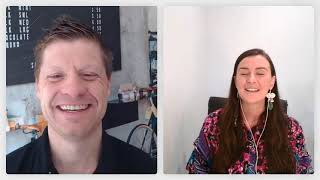
In this live interview hosted by Cookie at the Cuppa of Life Café, Jessica Hickman, founder of Bullyology and driver of the Upstander movement, shares her personal journey from a youth community worker in Wales to a senior people‑and‑culture leader on a large oil‑and‑gas construction project in Darwin, where she endured severe workplace bullying and harassment by a senior HR manager. She describes the escalation from subtle undermining tasks to public beratement and physical intimidation, the toll on her mental, emotional and physical health, and the moment she collapsed from burnout, prompting her to leave the company. Jessica recounts her healing process—mindfulness, Reiki, and spiritual work—and how these experiences led her to establish Bullyology in 2017 to help organisations and schools prevent and address bullying. She defines bullying as repeated intentional health‑harming behavior and distinguishes it from harassment, discusses the rise of cyberbullying, and explains the bystander effect and the role of an upstander. Throughout the conversation, Jessica offers practical advice for HR professionals, leaders, parents, and teens on recognizing, reporting, and intervening in bullying situations, and emphasizes the need to shift organisational culture, build trust, and nurture an “upstander generation.” The session includes audience polls, questions about HR handling of bullying, generational changes, and how to support cyber‑bullying victims, concluding with resources for mental‑health support and a preview of a future mindfulness session.
Chapters
We'll stop the music right there. Good morning everyone and welcome to the Cuppa of Life Cafe. I'm your host Cookie. If this is your first time in the cafe, please give a big hi in the chat room. Welcome. We're going to be talking about bullying today and many other different areas when we invite Jessica Hickman in very, very shortly. But before I kick it off, I just want to acknowledge the traditional custodians of country throughout Australia. And recognise their continuing connections to lands, water and community. I pay my respects to them and to their cultures and to the Elders, both past, present and emerging. Good morning, Brodman. Good morning, Rob. Good morning, Rebecca. Good morning, Jim. Good morning, Pam. Good morning, Sharon. Welcome everyone. We just released a poll in the chat room. If you haven't answered that poll, can you please just do that right now? We're very keen to see how everyone is tracking and if you've ever been bullied in the workplace. Before I kick it off, I just want to share our virtual cafe menu because if this is your first time, welcome. We've got a very loving community in here, a community that loves to communicate with each other. Please play nice, be kind, use the chat room, answer the polls, make this as interactive as possible for you. Also, if your screen freezes, don't stress, just refresh your page, try a different device, or maybe even a different browser. And if you love what you get out of today's session, please make sure you tag us @bullyology and also @cuppahoflifecafe. Just tag the one thing that you get out of today's session. Now, if you do need support, if you are experiencing any bullying at work and it is having an effect on you, please make sure that you seek support. The numbers are there: Lifeline, Beyond Blue, or Kids Helpline as well. It is important that we seek help when we need it, OK? All right, so let's kick off today's session. Can I bring in Jessica Hickman into the Cuppa of Life Cafe? Good morning, Jessica, how are you?
Good morning, good morning.
Now, before we kick it off, you've got a special cup.
I have got a special cup. It says, "I commit to action. I'm an upstander." Then it's got a picture of me to remind me to always be an upstander against bullying and harassment.
So good. We're going to be talking about what upstander means very shortly. We've released a poll in the chat room. Have you ever been bullied in the workplace? I'm gonna end that poll right now. 56% of our audience this morning has said yes.
That doesn't surprise me. Wow. Very unfortunate.
Wow. Yeah. We've got such an important topic area to cover today, and we'll get to a lot of it at the start, but I'm very keen to understand a little bit about your journey, right? Because you've got to this place and the support that you provide companies and schools and all that type of stuff because of your journey yourself. So can you just give everyone a little bit of background around who you are and the journey that you've been on to establish what you're doing right now.
Yes, thanks, Cookie. So, hi everyone, I'm Jess Hickman, and I'm the founder of Bullyology and really the driver of the Upstander movement. So, my journey began in the humble hills of Wales, as you can tell by my accent. I actually became an Aussie citizen this week.
Hey, I saw that.
Congratulations. Only taken me 8 years and an uphill battle with bullying and harassment, but I got there. So, um, in the UK, I started my career working for government and local councils. So my background has been in youth community work and a leader in local council running youth drop-in homeless centers. So I've always really had a passion for social impact. And I came to Australia in 2013 with a backpack and a dream. And I came for a 4-month career break trying to decide what I wanted to do. And 8 years later, I'm finally here and a citizen. Woohoo!
Did you start off in Bondi?
Oh, typically Bondi, Coogee, and then went up the East Coast, travelled across the Great Ocean Road and then landed in Darwin.
You went into Darwin?
Well, I spent 3 and a half years working in the Top End, and that's really where my story began in Australia. So I was very fortunate to be offered a role leading people and culture teams on a large oil and gas project. In Darwin. So, uh, culture shock, uh, living in the outback, crocodile country, dodging all things that can kill you. But really, that's where I had the highlight of my career, one of the best and worst experiences of my life, right? So we were on a large construction project with 7,000 to 10,000 workers, and that was really where I had my first introduction to mental health in Australia. Particularly in the construction industry where I was working and looking after a workforce that were fly-in, fly-out workers living on our camps for 4 weeks at a time away from friends, family, isolation, loneliness that come with all the complexities of alcohol, binge drinking, and really mental health. So it really allowed me to— I can hear someone saying they love my Welsh accent, so thank you. Really allowed me to do what I loved and create a nurturing workplace environment, which was actually new to the company. So, I was allowed to create amazing culture-based programs, make local partnerships, really focus on mental health. So, you can imagine me stood with my Welsh accent, a Welsh chick going, "Let's talk about mental health," to Aussie and Kiwi scaffolders. So, it was an uphill journey that over 6 months I would spend every day walking 6K in my hard hat and Minion boiler to really nurturing and building a strong relationship of trust and really driving and creating a psychologically safe workplace where people could bring their whole self to work, be authentic. So it was amazing. People started to use the mental health hotline, started to look after their peers, even crack some of the tough nuts that didn't believe about talking about mental health and got them as champions.
Very hard to do that, especially with their vulnerability and their emotions. And, you know, we launched this with Got You 4 Life, which is all around, you know, supporting mates and being there for each other and showing that vulnerability works. So it must have been a really big uphill battle to support those guys up there.
But so, so rewarding to see that and get people coming to you and, you know, save lives. So I was doing what I loved and it didn't feel like work at the beginning. I was very lucky that got a lot of traction and funding and a lot of media support, and I was nominated for Northern Territory Young Achiever of the Year and Exceptional Women in Resources. All great on paper, but 6 months in, I had a new HR manager and my life drastically changed. So for 3 and a half years, I was at the front line of suffering extensive bullying and harassment. And the more successful I became in my role, unfortunately, the more the bullying and harassment heightened over a period of time.
So just let me just stop there. So you got bullied and harassed by a HR director?
Yes. Yeah. The person responsible for people, culture, the well-being and creating a safe workplace. I suffered bullying from—
There is a word that I was about to say that I can't say this time in the morning.
Let's keep it PG. But yes. So what was really interesting was I stayed, one, because of the work that I was doing and I built up such rapport and trust that sometimes my supervisors and team leaders would come to me and say, 'we know what is happening, but if you leave, you know, someone may end their life.' And that's a lot of pressure to put on someone's shoulders.
What? So then, okay, so hold on, I need to stop again. So they didn't take any action from that, but they're telling— they're putting pressure on you to stay to support the mental health and well-being of others?
Yeah. Well, it keeps—
what is that language?
It came from a loving place that the fact that we created this environment and there were some really toxic leaders. So we were kind of trying to balance the act between the both. And also I was on a visa, so little Miss Stubborn in me was thinking, why should I be pushed out of a company, let alone a country, for doing a very good job and helping people? So the bullying started really subtly with unrealistic work tasks trying to set tasks that couldn't be achieved. And then also, as I became more successful, this person really, now I understand, they felt threatened by my competency.
Sure.
So I was very much nurturing in the H, the human element, and this person would say they're very much IR, and the soft fluffy stuff had no place in the construction industry. So we were kind of chalk and cheese and butted heads. But really, over time, it escalated to even physical bullying where I'd have to be publicly berated, have things thrown at me. So it was challenging. I was the only female in that leadership team of 8 males. And over time, the bullying predominantly got worse and worse and worse. But what was really interesting was the fact that I would sometimes sit back and observe. 'How can people allow this to happen?' Grown men and women that would just keep their head down, work, sometimes pretend they didn't see it or just defuse responsibility.
So I've just got a question that I want to pose into the chat room right now, and I'd love for you all to answer it. What would you do if you saw someone being bullied at work? Can you put that into the chat room now? I want to start the conversation in the chat room. Just put down what you would, what you would do because it's such an important part. And is this where the upstander comes in? Because so often we're just bystanders and let things go by.
Yeah, so it was really interesting, and if you're happy for me to continue, Cookie?
Please.
And so what happened over the period of time was little Miss Resilience in me was putting on my mask every day, going to work, doing a good job. But what happens over time when you're working in a toxic environment and you're in that fight-flight mode? My body was heightened for such a period of time. We're in the construction, oil and gas industry, so I was working 60, 70-hour week, filling everyone else's cup but not filling and nurturing my own. So what happened was I started to develop a lot of physical, mental, and emotional signs really that I ignored. And I luckily, I journaled the whole situation over a period of time, which is now my book. But through that, I started to develop early on aches, pains, stiff neck from constantly being tight, sitting upright, watching my back, looking over my shoulder. And that really manifested into anxiety. Sleepless nights, heightened constantly, and sometimes I would even vomit before work when the bullying was at its height because I was just so anxious that, okay, retracing my steps from the day before, laying in bed going, is there anything I could have possibly done today? Because that person was so threatened by me, they would even make rumors up, accuse me of having interpersonal relationships with a client, didn't understand how a female could become that successful let alone a young person in the industry. And because women should be seen and not heard.
Oh, well, yeah. So how did the choice come where you just decided that enough is enough?
Yeah, so I reported the bullying 32 times, and we went through a pretty horrific, uh, period where I remember watching him bully another person. Um, it was actually the cleaner and her in tears. And I thought, enough is enough. And I really took it to the formal process because what had happened was, and this is really what I understand now, wrong people were in the wrong roles. And it was, yeah, but you're strong, you're confident. Oh, keep being your bubbly self. I'll have a word with him. Oh, I know, but we're trying to win this extra job and he knows people on that job. Just all the, the typical excuses leaders make when they sweep it under the carpet and it becomes too hard. But what happened in June 2017 was I actually collapsed at work where I suffered extreme burnout, where my physical body had been heightened for such a period of time. I just collapsed at work. And I remember coming in that day and I'd had another sleepless night and people coming to me and telling me what was going through them, happening to them. And then I heard he was coming into the office that day and my colleague recalls that I was just great. And I remember just being killed over and just got pain and just my body was just so sore. And yeah, and I ended up collapsing. And that was really a sobering experience to find myself in a Darwin hospital where friends and family on the other side of the world, young girl thinking, I've done everything in my power and even won this company millions of dollars of work for the culture-based program in all the media. Awards as long as my wall, and yet they couldn't even protect me. So how could I create this culture? And it was just a feeling of like disappointment, but also a wake-up call that enough's enough, Jess. Yeah, you need to leave this company because now your psychological, emotional, and even physical health has been damaged working in this environment. Um, so yeah, that was really, uh, when had to leave because a long time I believed the false promises that it would stop. I felt that I needed to also support everyone else. But yeah, I had to learn a bit of a tough lesson that shook me and woke me up.
So the journey afterwards would have taken time as well. What sort of process did you have to go through to, you know, you know, find a little bit more of you again? Yeah.
So I went on a healing journey and that's where you know, you always find light in the dark. And really, I found, uh, the spiritual element of myself. I found meditation, mindfulness, holistic health, studied as a Reiki energy healer, and just really emerged myself into understanding the mind, body, and spirit connection. Yeah. And from there, um, I went on a journey, and I was actually so traumatized that I actually left the company and pretended I went back to the UK because I was made to believe because I got originally sponsored by them that I owed the company. And it's crazy what you believe when you're programmed for a period of time. And I moved to Sydney and that was really hard because I built a strong life in the NT of, you know, my friends and my family. I just met Troy, who is now almost my hubby.
Yeah.
Wedding goes ahead and I had to pack my bags, leave Darwin, leave my apartment and just move to Sydney and move into a shared house, start to rebuild my life again, thinking, how did I get here? But really knew deep in my core that this had happened to me for a purpose. And that's when I made a commitment to not allow myself to be a victim of my circumstances, but really harness and use the power of my learnings to immerse myself into understanding bullying, harassment, tall poppy syndrome, and really understand why people become bystanders and not upstanders. And that's when I founded Bullyology in October 2017.
All right, so with Bullyology, uh, you not only support businesses, you also support schools. But what's some of the stuff that you actually offer up to the, to companies and, and, and, uh, yeah, schools alike?
Yeah, so I work with organizations and what I call courageous leaders, um, who are willing to actually have proactive conversations because often bullying harassment just comes when someone's in a hospital bed or they're about to end up in a courtroom or the media and their reputation's damaged. So what I really do is actually not only raise awareness and education on bullying, harassment, and toxic behaviours, but shift people from bystanders to upstanders and take a proactive approach similar to schools. Really, the core concept behind Bullyology and what I do with the Upstander Movement is help people build capability to recognise one's own unconscious bias or language, modernise mindsets, and create change.
That's awesome. Define bullying for me. What constitutes bullying? Like, what's the spectrum? Like, and, you know, or is it just about when people feel uncomfortable? Yeah, like, what is it?
So bullying is repeated intentional health-harming behavior. So the person has intent to damage the health and safety of an individual or a group of people. And then we've also got harassment, which really falls under the banner of discrimination. So, as you've seen in the media recently, sexual harassment has been really showing up, which has been around for a long time. And after the MeToo movement broke and Black Lives Matter, we've started to see really these conversations coming to the surface, which is unfortunate but also exciting for someone like me that is been fighting the uphill battle to get people to even recognize that bullying is a problem in their organization. People hide behind, oh, it's just his or her personality, or it's just their leadership style, and that's just not acceptable.
No, it's not.
And also, I hear the language, well, this is the way we've always done it, and in this 21st century modern world, that's not what we can stand by now. So I spend a lot of time just educating business leaders on how damaging bullying can be, not only to their top line, but also their employee health and wellbeing.
Love it. We put in the chat room how many people are estimated to experience bullying in the workplace. The numbers are pretty average here, like 35% say 65%, 28% say 50%. It's roughly around 50%, which is replicated in what we just surveyed this morning as well. So it is a big issue out in the market to have so many people experiencing it. And the forms of bullying has changed. Cyberbullying now What's your take on cyberbullying?
Well, just on the point of the survey, so they say that at least half of Australians will suffer bullying at least once in their career. So, if you haven't already suffered bullying, which a lot of people have, there's a big chance you might, or someone you love will suffer bullying. So, it's good to now know how to deal with that. But with regards to cyberbullying, that's just changed the landscape of bullying, because if we typically look at schoolyard bullying, it would end at the school day, or even workplace bullying, you would come home and being hopefully in the safe haven of your home where maybe you could unwind, get some family support. But what we're seeing now with technology, and I know firsthand from cyberbullying, really my emails, and one of the tactics my old boss liked to do was email me at 11 at night and set me a task to do by 5 AM when we go into work the next day. And, um, oh, he would call me late at night and ask me for confidential information, or who's using the EAP number, and threaten my job on the phone at night. So really, there's no break between working, school, or coming home. And unfortunately, that's really impacted a lot of stuff I do with youths at the moment, is looking at the anxiety and the addiction to mobile phones. And again, let's just look at the Olympics. I'm always shocked about how good people in very senior roles can become keyboard warriors and bullies 2 people that are Olympic stars or celebrities, or like, look at the England football match when them 3 guys that are young guys suffered a barrage of discrimination and racial abuse from people when I was looking at their LinkedIn or reading articles going, wow, you're a professional, you should know better.
Okay, let's— what does it mean to be an upstander? Let's talk about what people can do if they do see bullying in the workplace, and then we're going to get to a few questions. So if you've got any questions for Jessica, please put them in the chat room. I can see one already that I'll ask, but yeah, can you define upstander for us? How do we be better as individuals?
Yeah, so really upstander is recognizing when something is wrong and acting to make it right, but it's hard to understand upstander without first recognizing when we become a passive bystander. So right back to my story, I couldn't understand how good people became passive bystanders. But what I've really come to know is something called the bystander effect. Have you heard of this, Cookie?
Never.
So the bystander effect is a widely recognized psychological theory that dates back to a lady actually called Kitty Genovese, and I encourage you to read her story. But the bystander effect, really, the easiest way I can describe it is we're driving down the highway, someone's broken down or had an accident, and one or two people at the scene. What do we do? We think, ah, not our responsibility, someone else will deal with it. If there's 4, 5, 6, the more people that are at the scene, the less likely we are to stop and involve ourselves. So if we take bullying and harassment in a workplace environment, particularly from someone in a leadership role, we can see, we can be in meetings and we hear a comment, or we know, we know when something's not right because we feel it in our gut. Right? We go, "Something doesn't feel right here." Someone else seen that, actually it's not my responsibility. So it's called the bystander effect, it's diffused responsibility. So really, a key mission, um, of mine is to help people understand the bystander effect so they can recognize where they've become a passive bystander, or maybe where they have a bit of unconscious bias towards a certain person or gender, whatever it may be. So when we can actually recognize the bystander effect, we can actually counteract it by going 'Actually, I'm actually going to take action against this. I'm going to speak up. I'm going to challenge this behaviour, or I'm going to report this behaviour, or even I'm going to chat to the person who was the target of that.' Because even for me, having one or two colleagues say to me, 'We've seen that, and it's not right,' for me, I was made to believe it was me for a long period of time, and I would question myself, my self-worth. So even having one or two people go, 'Hey, this isn't right. You should call the EAP number,' or 'This is a policy,' or, 'This is a resource that can help you.' That potentially saved my life. So there's a lot of things we can do to be an upstander that isn't necessarily taking on the bully, but really it's understanding how we can actually recognize and act.
Love it. All right, we're going to get into some questions now. So if you've got any questions, put it into the chat room. We'll get to those very shortly. The first question I've got is from Michaela. And by the way, we've got some incredible businesses on here supporting their team, and this conversation is going to kick us off for August because we've got some plenty of amazing conversations coming up. Michaela's asked, so as an HR professional, what advice do you have for dealing with our colleagues in HR who may still take the approach of sweep it under the rug, or seeing that addressing bullying in the workplace has so many benefits, even if the short-term conversations may be difficult to have?
So that is a really hard one when you're working in HR. And again, that was something I would come up against a lot of the time. I would really say that you need to actually lead by example and have these challenging conversations. And again, if it's not being resolved within your team, that's probably something you need to escalate up, um, leadership change, because the standard you walk by is the standard you accept. Ah, well. So, so if really you're allowing these behaviors to happen, uh, within your team, really that's just something that is accepted throughout the organization. So again, it is uncomfortable and it is challenging, but my advice would be to seek advice with your leader or someone, a peer you trust across the organisation, of how to approach this because it's not a one-size-fits-all. And maybe that person, do they know they're participating in that behaviour or has it become the social norm because it's happened for 10 years and it's just the way it's always been done? So sometimes you have to shake up those behaviours and have those challenging conversations.
Barry said, 'This cuppa conversation is so personable to me. Thank you so much, Jess, for bringing this to the forefront.' Thank you, Barry, for sharing. Hearing that. Steve has asked, over the past 10 to 15 years, bullying in schools has been, been a focus and kids are now acutely aware of bullying. Are these kids starting to grow up and enter the workforce? Are you seeing a change at all in the next generation?
That's a really good question. And something I'm super passionate about is really educating what I call the upstander generation, because the people that are in school now are really our next corporate leaders, our next country leaders. And what I am finding is a difference in behaviors, and I'll give an example. So let's call them youth, so kids entering the workplace now, even in apprenticeship positions. We have a real problem in Australia with retaining apprentices, and a lot of the time when I work with business leaders, they ask, how do we actually connect and nurture what our millennial or Gen Z workforce, because they've grown up in a different era of social media and access to information, So really, hopefully, the Upstander movement is really what I want to actually nurture the next generation of leaders and educate them on right or wrong, because sometimes we've got people in leadership positions now, middle management up, that are participating in behaviours and activities, and even apprentices. I had this conversation last week with someone about workplace behaviours, and the comment was, "Well, when I was an apprentice, this is the way I was treated." So again, we can no longer participate in these behaviours. So again, we need to have these conversations at the school level. But when I speak to school leavers, they're very shocked that workplace bullying happens because they thought that was school behaviour.
So it is a school behaviour at the end of the day.
It is, yeah.
So again, behaviour, actually. But yeah, now we're going to ask another couple of questions. So before we get into that, I know it's right on 9 o'clock. So if you do need to leave, please make sure that you Come and join us on Thursday. We have the incredible Chelsea Pottinger in, one of the most sought-after corporate speakers in mindfulness. You're going to get so many tools out of the back of this. And if you haven't, I recommend attending this, encouraging your team members to come along as well, and enjoying the session on Thursday. But I've got another question here to ask you, Jessica. Where is it? It's not there. There it is. From, is it better to confront the situation if you see it happening in a group situation by your boss to one of your peers or to speak to them following it? If there is no HR in the business you can bring in, so is it best to check with the person who's just been bullied first before even approaching what the—
Yeah, I can only speak from my previous experience. When I've had one-on-one conversations with someone, that has been a lot more comfortable than challenging it in the room. But again, it's just, it's a really hard one to do depending on the comment, you can actually say, I've said in board meetings, actually, that comment isn't appropriate, and challenged it. But I would always have a conversation with them afterwards, because a lot of things with unconscious bias or behaviors or language, they don't know until you challenge it. If there is bullying, harassment, and it is making you uncomfortable, and it is your leader, they would definitely prefer you speaking to them one-on-one, because if you challenge a leader in a group setting, that could actually turn, um, quite nasty. And what I have seen happen is they could actually turn on you.
Getcha. Wow.
Um, it's really complex.
It is really complex. Uh, Jenna's asked, unfortunately my son, 16 years, has had 2 mates attempt suicide. Wow. And 1 girl suicide in a 3-week period last school term. Oh, um, all due to cyberbullying. How can you advise teens to be upstanders? As so often, cyberbullying is very targeted to the personal and the individual.
My advice to parents always is to trust. So really building that trust with your child to let them know no matter what has happened online, whether someone shared, you know, a sexual image of you, which we see all the time, or nasty comments, or taking pictures of you at a party you shouldn't have been at, whatever it is, you can trust us and speak to us. And I think parents need to reiterate that they will not not overreact. So when I speak to youths about why they didn't go to the school, or parents, it's, "Oh well, I thought they would overreact or storm down the school," or can't comment or speak to their parents. So really, you need to build that trust with your youth that they can come to you and tell you whatever. And that's my biggest advice to parents, really. And check in with them constantly and tell them that if there's something you've seen online, you must tell us and we We'll support you the best we can.
Love it. Jessica, thank you so much. That's so hard to hear. So hard. Jessica, thank you so much for joining us today. And remember everyone, if you are struggling out there, there is appropriate numbers that you can get in contact with— Lifeline, Beyond Blue, or Kids Helpline as well. So please make sure that you do check those out if you are struggling. To all the businesses and their employees who joined today, thanks for attending today's conversation with us. On Thursday, we have Chelsea Pottinger. Please make sure that you do join that as well. Jessica, you are amazing. We're going to send out a takeaway document to everyone with all the appropriate links once again. Thank you, Jessica, for attending today. We really do appreciate your conversation.
Thanks so much.
Thank you everyone for joining us. Jess, you can switch off your camera and mic now. We do see you on next Thursday. Thank you so much for joining us here in the Cuppa of Life Cafe and continuing the conversation with us. It is important that we stay connected in this time. It's important that we open up the conversations and learn a little bit more. Can everyone please give a wave of gratitude, which is what I'm seeing right now in the chat room, to Jessica today, because we always do send our chat room to our amazing guests. Thank you so much for joining us, everyone, and we'll see you on Thursday. Bye!
More from Jessica





Breaking the Bystander Effect: Transforming Workplace Culture Through Awareness and Action 🤔

Refilling Your Cup: Insights on Self-Care to Prevent Burnout with Dr. Jo Braid 🌟



Combatting Cyberbullying: A Parent's Guide to Protecting & Supporting Youth Online

Recognising Burnout: My Personal Journey & Warning Signs | Dr. Jo Braid's Burnout Recovery Podcast

Leading the Change: Out with Toxicity, In with Upstander Cultures for the Modern Workplace