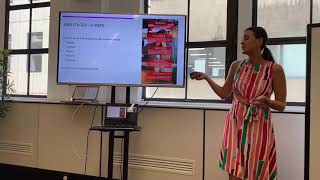
Jessica Hickman explores why people stay silent when witnessing harm. Fear of financial loss, safety risks, and social backlash keeps bystanders quiet, even in cases of prolonged bullying. She argues that choosing to be an upstander, through concrete action, can shift workplace culture toward support.
Chapters
get help, even if it's local people at meetup.com where you can meet people, like-minded entrepreneurs or whatever. And just on the entrepreneur point, research where to get help, because when you're an entrepreneur, you don't have work colleagues in the initial startup, and that becomes a really lonely space. So reach out as much as possible and research where to get help. And the last one is be an upstander. So with regards to upstanders, I couldn't understand why grown men and women were allowing this to happen to a a young 23-year-old girl. It went on for 3 and a half years and people turned a blind eye or pretended they didn't see stuff, and eventually a lot of people said they didn't want to get involved. I couldn't understand why, but now I do. It's because people are fearful. They're fearful of their livelihoods. They got cars, debts, family, and they don't want to become the next target of the bullying. People don't want to generally involve themselves. If you see something out on the streets or someone's going through something, generally we just don't want to involve ourselves. But within the organization, there's many things people can do to be upstanders, not silent bystanders. And this could be simply guiding people