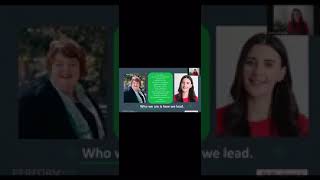
Jessica Hickman and Nat created Connect Masterclass after meeting through The Hub and discovering shared interests in community work, HR, and organisational development. Jessica founded Bullyology after three and a half years of workplace bullying, and now advocates for upstanders rather than bystanders. The masterclass invites people to be vulnerable and connect around shared values.
Chapters
Thank you, Marn. So who are we? So me and Nat met last year when we were working at The Hub through an introduction, and really we connected on a deeper level because we both realized that we've got a passion for community work, HR functions, organization development, and learning and development. So a fun fact of us both is we are both Reiki energy healers, so we have a deeper connection with, with others and and a real proactive stance, I guess, of natural healing. So we have endless deep conversations. So the power of connecting with an individual and getting to know them, their hobbies and habits, has really led us to today. So what we wanted to do is create the Connect Masterclass. So unfortunately, due to the current climate, we're unable to do the face-to-face work. But as an extrovert, I'm thriving off that connection. With individuals, we decided to create this space to really share knowledge, wisdom, and learn from others. So we are learning in this process, and I think that's the beauty about working with Nat as well. Nat, I haven't said this to you, is, is just being vulnerable and, and sharing that what we're struggling with on a deeper level. So we want to bring this to the Tribers. So I think you've got a lovely quote here, Nat, from Brené Brown.
She's one of my favourite thought leaders, is that who we are is how we lead. And I think really you can see there in the green box, Jess and I have sort of shared some of our principles that we both mutually connect with, which is around, you know, giving yourself permission, step into your own power and shine a light into who you are and who you could potentially be. And to take the opportunity today with your fellow Tribers to be vulnerable, to share and to be open to what's possible. Personally, my background— I'm a current— I shouldn't say currently. I am joyfully working at Perform HR. Really very blessed to be part of the team there. I've been there for the last year. Beyond that, my background is in community services, adult education, learning and development, HR, and organisational development. I'm a qualified coach as well. So, I'm pleased to see there are other coaches on the call today. And so, really, Jess and I really connected, I think, mainly because of our real passion for social inclusion, and that we see people who are at work and at home and in community, and that we want everyone to be their own version of success. Moving forward— Yeah.
Let me just give an insight into who I am. So, I'm the founder of Bullyology, before we move on from this slide. And I decided to quit my business after suffering extensive workplace bullying for 3 and a half years. Some people on the call have heard my story, my why, and how I came out on the other side following the adversity and decided that it was actually my greatest gift. And I wanted to share learnings with people. And what you can see on this green box is Be an Upstander. So this is what I preach. This is how everyday individuals can be upstanders rather than silent bystanders. So I want to bring this topic into this tribe and really start to question self about how I'm being a bystander and how some of my behaviors are affecting or not affecting other people and really learn to start being an upstander.