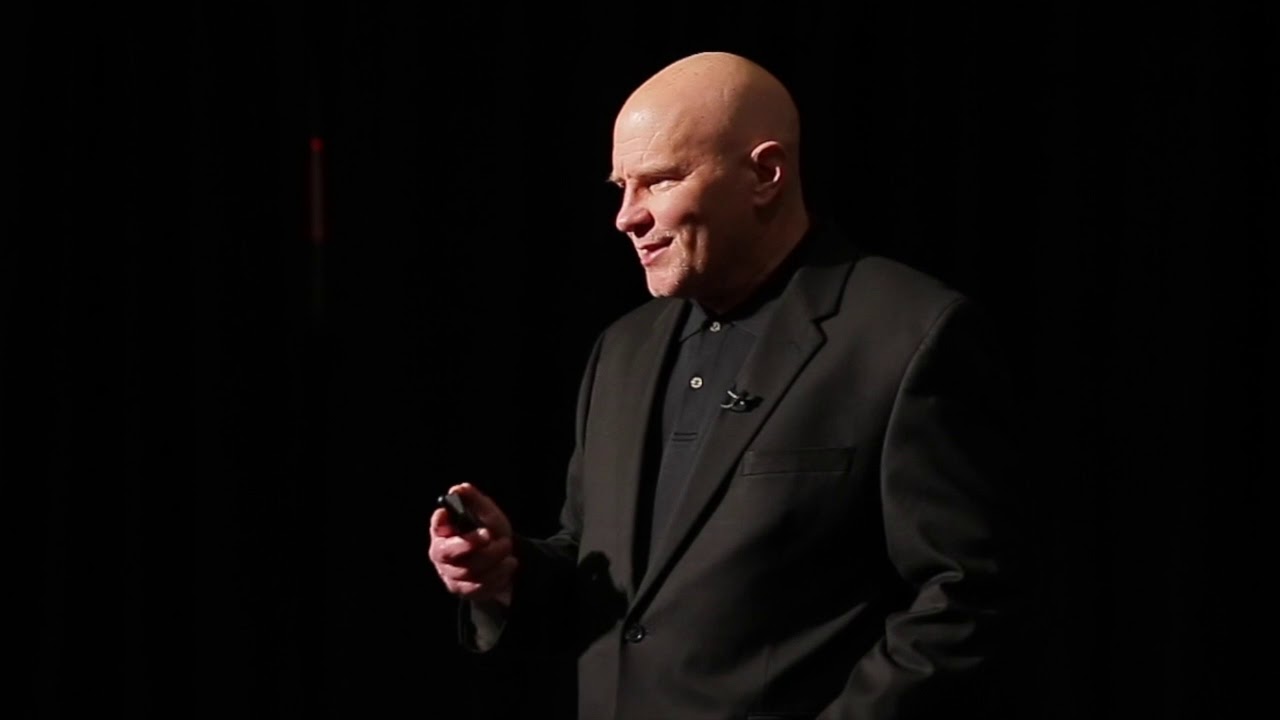
Jim Bouchard went from college dropout and drug addict to black-belt sensei and argues managers and leaders are different. Managers motivate and delegate; leaders inspire and empower. Real leadership isn't about rank or authority but about creating shared purpose and turning me into we.
Chapters
Please join me in welcoming leadership activist, international speaker, and the author of The Sensei Leader, Jim Bouchard. Thank you. We've got to understand this difference between the manager and the leader. Now, it'd be nice if all managers were also really effective leaders too, right? But it's not so much. So we gotta kill the manager. Now, before you get the wrong idea, the manager motivates, the leader inspires. The manager delegates, The leader empowers. And a manager pushes or drives. The leader guides. So when we're talking about dealing with people, we're talking about killing that manager in us and letting that inner leader shine through. The age of command and control is dead. Do you want to be in command of a bunch of people who can't think for themselves? What do you want leaders? Leaders, people who see what needs doing and they do it. People who are innovative and creative. People who are self-directed, self-motivated, and want to go the extra mile. Leadership has nothing to do with authority. You got plenty of people right on your front lines that are terrific leaders that have little or no authority, right? And let's face it, we all know there are plenty of people with a lot of power and authority who are just plain lousy leaders. Again, we don't need rank or title or even permission. We can lead or we can refuse. Now, before we go too much further, I suppose I should give you my resume. Why should you be listening to me anyway, right? Well, I'm a two-time college dropout and a former drug addict. Aren't you glad you came to see me today? Now, what has this got to do with you good people, and what has it got to do with leadership? Well, first of all, I used to think drug addict and dropout was a pretty damn lousy resume for someone training leaders. I came to the realization that it's a pretty good resume. Here's why. Most experts today concede that almost all leadership, at least to some degree, is situational. Would you agree? The best leadership today, though, is transformational. Transformational, right? Because the world is changing at such an incredible pace, if you're not constantly engaged in a process of transformation as an individual and as an organization, you're in serious trouble. So who better to talk about transformation than someone that had to learn that process intimately in order to survive?
Jim transformed himself from loser to leader. From dropout and drug addict to black belt and later to sensei. The sensei has a very special relationship with people. It's a relationship built on respect, trust, and loyalty. Jim helps you cultivate this type of relationship through interactive keynotes, experiential workshops, and retreats. He helps you inspire, empower, and guide others to their very best. He helps you become the sensei too.
So what can the sensei teach you about leadership? Tighten them up! Tighten them! Is that helping at all? Double that! Oh damn, I got a ringer up here! Be very careful, kids. We don't want you flying across the room. Come on, you gotta move people more! The sensei's job is just to inspire, empower, and guide people. Isn't that what you do? Inspire, empower, and guide. Our jobs as leaders is to try to pull everybody into the same direction so we can all succeed, right? To turn me into we. If we want people to perform at their best, they will only perform at their best when and only when they know their leaders care about them. When they know their work has meaning, and when they have a real opportunity to learn, to grow, and develop. Now, in order to achieve this, we need leaders with a high degree of emotional intelligence, very strong interpersonal skills, and a well-developed— and I'm gonna add, an accurate sense of self-awareness. This is the type of leader we call a human-centric leader. In a dojo, we call this person sensei, you see? So my job here today really is just to help you be the sensei too. When people press me to sum up leadership in just one idea, it's this simple. And you expressed the same thing, didn't you? Leadership is sharing. A leader shares. Thank you so much for your attention today. Really appreciate you guys.