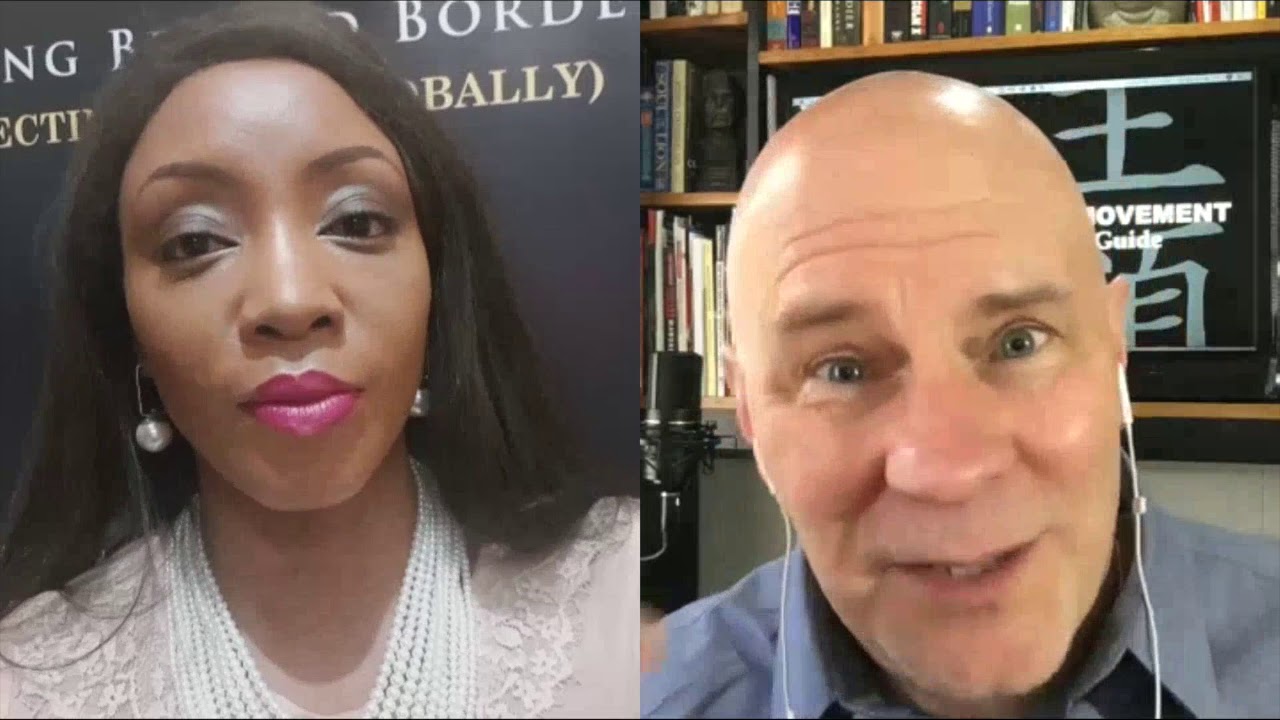
In this segment of the "Sensei Leader" series, a Kenyan participant expresses a strong desire for a global, human‑centric view of leadership, emphasizing that Kenyan organizations operate within a worldwide trade network and therefore need insights that transcend local borders. Jim Bouchard responds by affirming that human‑centric leadership is a universal, shared human experience, not limited by geography or culture. He reframes the common mantra “diversity makes us stronger” to “diversity makes us interesting,” noting that diversity can be a source of strength only when differences are embraced with respect and discipline. Bouchard stresses that meaningful, cross‑cultural conversations among leaders at all levels are essential, and that traditional management processes cannot substitute for a human‑centric approach that prioritizes appreciation, respect, and discipline when working across cultural differences.
Chapters
I want to, you know, to share with you the feedback I've had so far, uh, that locally we are looking forward to getting a global perspective on leadership, on human-centric leadership, and I say global perspective deliberately because we don't do business as Kenya alone, we trade with the globe. So most, or rather let me just say all, 100% of the organizations I've talked to here, uh, are very open and hungry for a global perspective, a global injection of what you've thought of on leadership, specifically human-centric leadership. So we are Looking forward to actually, uh, learning a lot from that angle.
You know how excited I am to become This idea of human-centric leadership, it's not restricted to any geography or culture. We're seeing this is a shared human experience. That's all we're tapping into. What's interesting, I know I get myself in trouble for saying this sometimes, but people say, "Diversity makes us stronger," and so on and so forth. Not so much. Diversity makes us interesting. It can make us stronger if we're willing to embrace one another's differences and respect it, enjoy it. Incorporate, right, the different perspectives, different skills, different ideas that we have. But it can also drive us apart if we allow it to. So the important thing, like I said, is to engage in a meaningful conversation with leaders all over the world at all levels, at all levels, right? There's no just— we can't put anybody in that bucket. And when we do that, like I said, we're finding that we're really tapping into our basic human desires and ambitions and needs. And that doesn't change. I haven't been— you know, we worked in Cuba last year, getting to know more about Kenya from you and from some of our other friends there, uh, you know, all, all over Europe. I'm not seeing— with these fundamentals, I'm not seeing any differences. The rest of the differences, like I said, make us interesting and bring a lot of different perspectives, and that can be powerful, but it takes discipline for us to be able to work with people across those differences. And that's why we have to— right, that can't be accomplished with a management process. That needs a human-centric leadership approach. So we look at each other, appreciate each other, and respect each other as people, as human beings. And that's when we're going to do our best work together.