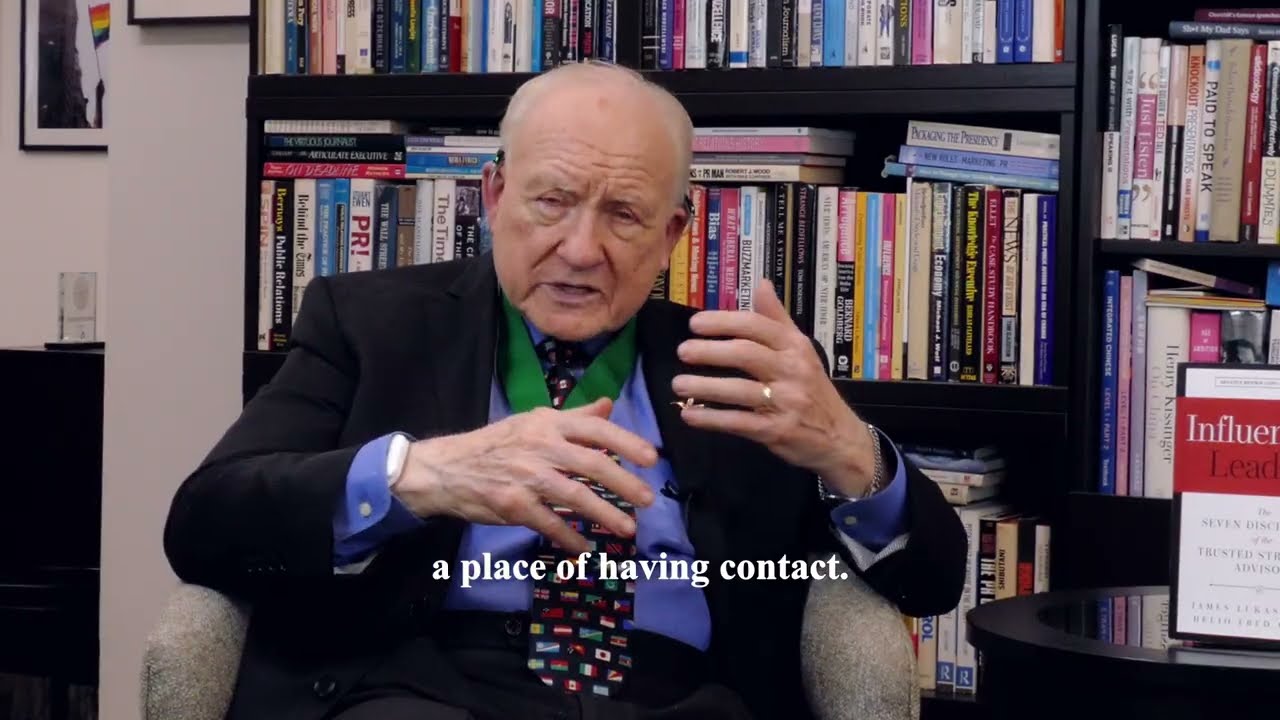
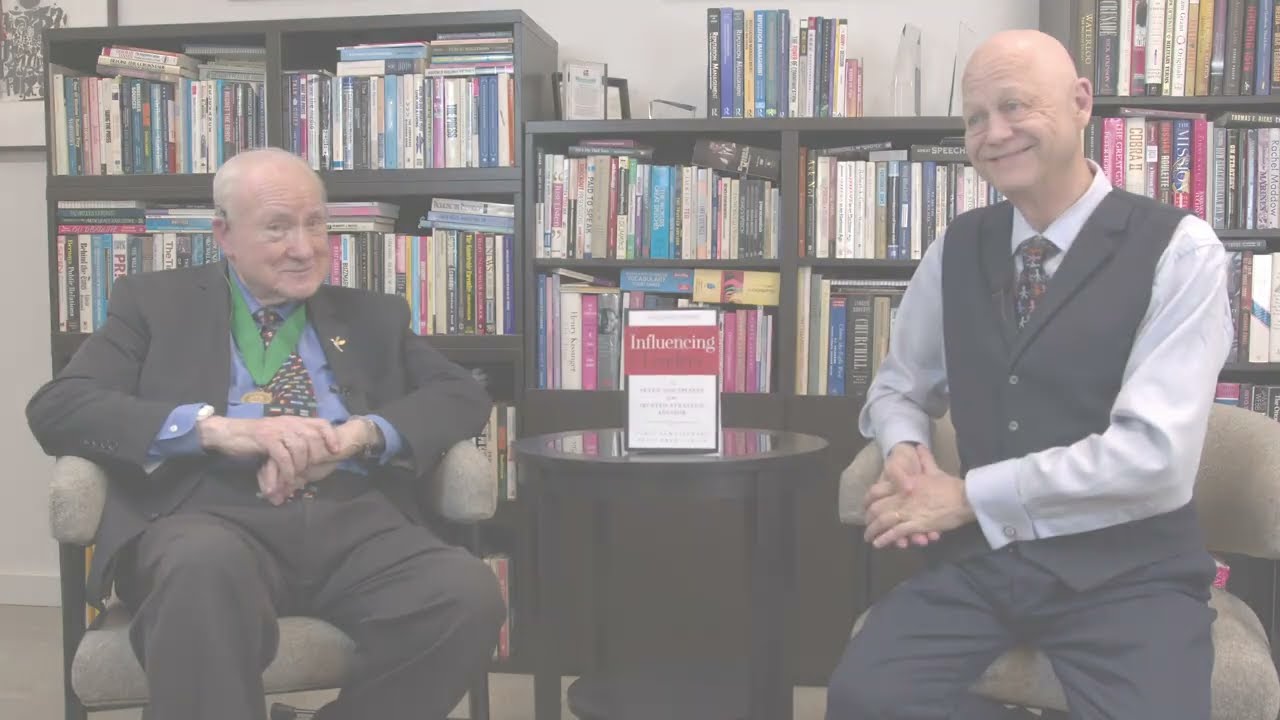
Crisis communications expert Jim Lukaszewski argues that truth and genuine empathy are the foundation of crisis response. He defines apology as the "atomic energy of empathy" and warns that inflammatory tactics worsen conflict. Instead, he advocates direct dialogue and reconciliation to rebuild trust.
Chapters
The questions you ask here are the same questions we ask in these circumstances. And these are pretty tough questions, and we only have time to deal with. With just the first one today, right? And it's my judgment the most important question, is it the truth? I define trust as the absence of fear, and fear as the absence of trust. But the seventh one I like the best, it's also the shortest, clearly convey that core values matter more than profits. The thing I've learned, too, is that the bigger the lie, interesting enough, the more obvious the truth turns out to be. I define candor as truth with an attitude delivered. Now I'm in the truth finding business. I'm a crisis person, and I meet people when something bad has happened. I rarely meet people in a general way, and typically, when I do meet people who are in trouble, the first thing I want to say they say to me is, jim, I never thought I'd ever talk to you in my entire. And I'm not very happy about it right now. You know, it's about doing stuff. I'm a public relations person. And the old definition, well, maybe the current one for public relations is do good. Take credit for it. What I'm talking about is do good and let the good speak for itself. That's what empathy is. It's doing things that every culture I work in, every culture I work in has a phrase similar to actions speak louder than words. And they always do. The time for ethical education, it seems to me, is not so much in those early years when there's such certainty, but it's in these later years when our ethical balance is challenged daily by things at work. I define apology as the atomic energy of empathy. And we talk about empathy. What is empathy? Well, most of us learned that empathy was putting ourselves in the shoes of someone else and kind of appreciate their circumstances. How do you put yourself in the shoes of the families of seven people killed by a company and say, I know how you feel. You can't. Apology is the toughest thing leaders have to do because they don't want to do this. Why don't they want to do this? Well, the biggest reason, in my experience, is what I call the sissy factor. They don't want their, you know, they don't want their sorority sister or their fraternity brother to call them up and say, hey, what are you doing? The rest of us are hanging out here. Now, you made it tougher for us because you apologized to these people. But apology does an amazing thing. It solves the problems victims have. And crisis is all about creating victims. The thing that's so interesting about what I do is that and because I look like I do, people say, you know, what are the trends you've seen over your lengthy career in crisis work? And the answer is none. Say to myself, say, well, you know, there's a puzzle. Look. And the reason is, you know, unless they've slipped another commandment in when I wasn't looking, they'll still break in the same 10 every week. Like, they don't read the newspaper, they don't listen, you know, and quite often I know of the people that I'm going to be working with. And my first question is probably the same question their mothers asked them. What were you thinking if someone directs you to the mailroom to get information? What have I learned? Problems like this never start in the mailroom. They don't know anything. In the mail room. When someone called me and said, jim, we got this problem. We've got these people who are really angry at us. And I said, well, why are they angry at you? Gee, I don't know. Well, it's hard to help you if you don't know. By the way, where's your senior staff? Well, they're right next door. We've been working on this problem. I said, tell you what, lock the doors, start serving a lot of coffee and water, and don't let them go to the bathroom. And by 7:00, someone will fess up because somebody in that room knows what's going on and may be the person who caused it.
Oh, and Chief Harteau was sure as heck heard. But was she heard the way she intended? I went to find out from a crisis communications professional.
My advice is we need to have a different approach here. We have one that emphasizes peace, trust, conciliation, reconciliation.
This is not that.
This is the opposite of that.
I asked one more time, was it directed at the Black Lives Matter leaders and movement participants? The answer, no. So again, as a whole, how did this video land to a man in crisis communications?
In this case, this just adds to the accumulated inflammatory nature entire situation. You know, there's something to be said for advance notice of things, but I would more rather have them talk about what the plans are to keep the city safe as opposed to simply talking and drawing lines and, and showing some pretty inflammatory video.
But it's not all doomsday. In his opinion. There is a solution here. This heightened the conversation from sides on either side of the line. Now it's time to cross it.
To me, the remedy for this thing, this situation is to get on the phone and call these people and maybe even put on your civility clothes and go talk to them. So the moment they explain, they even mention what the situation is. I probably know more about it than they actually do. And I can lead them out of the jungle if they want, Sam.