A Kwik Confidence Boost with Jim Kwik
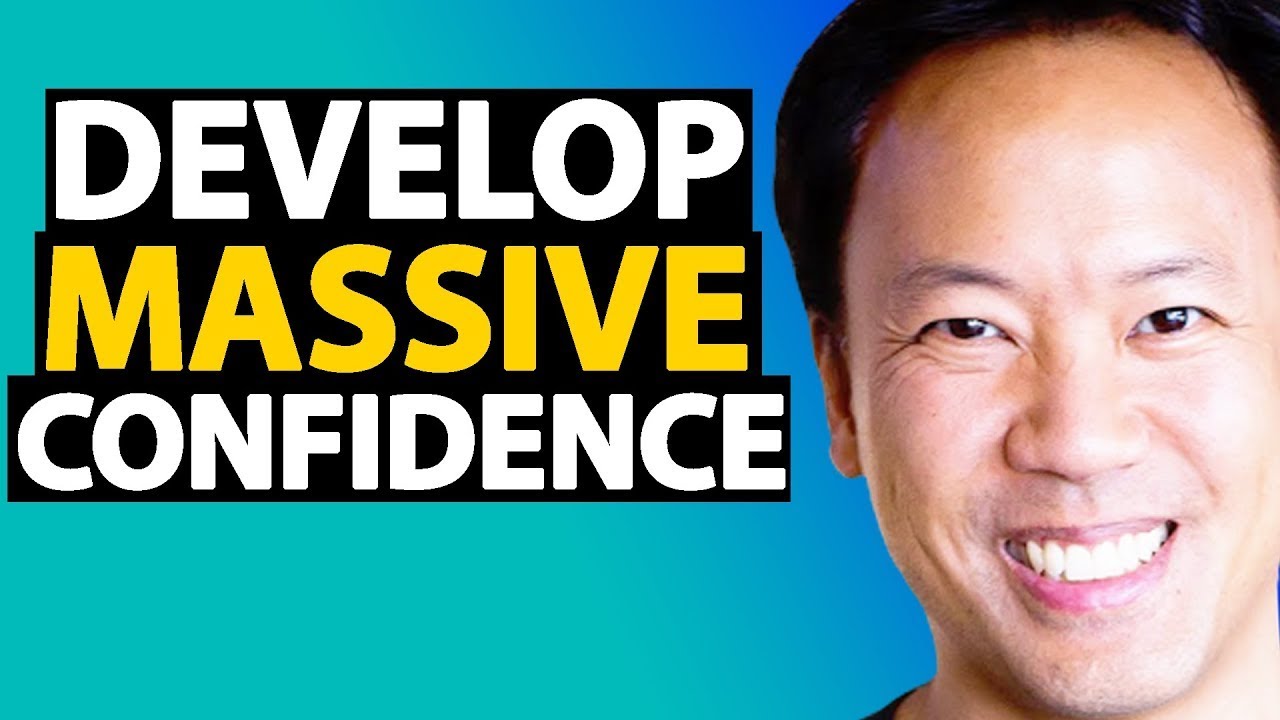
Jim Kwik talks about building confidence after childhood struggles with a head injury and bullying. He frames growth around curiosity to know yourself and courage to act as your authentic self, using superhero metaphors and a time-travel exercise where you imagine advice for your younger self.
Chapters
Welcome back, Kwik Brain. I had to come into the studio today to riff on this thing called self-esteem. Now, if you're watching this on YouTube, which I always recommend because, uh, you could not only hear it but you could actually see it, and we put some notes here, we also always put the extended version of our podcast. And please subscribe on YouTube. So I'm— I don't use notes and I don't use a teleprompter. My goal is something comes into my mind, there's a question on social media, many of you have texted us. All this contact information is in my Instagram link profile on how to reach us. And you have questions about things. And there was one story about a young lady who's struggling with self-esteem. And instead of just responding, you know, with a few characters or texts in a message, I thought I would just come into studio for a moment and just, just stream of consciousness talk about some of my, my issues around self-esteem. You know, when I'm thinking about self-esteem, self-esteem is like how I functionally think about it is our own perception on our self-worth. And I didn't have a lot of that growing up. Many of you know I had a head injury when I was 5 years old, and from it I had some learning challenges. I didn't feel like I fit in. I just didn't know things, right? You know, besides the fact that, you know, coming from immigrant parents and maybe having some little bit of barriers, looking a little different, and, you know, growing up in school. I just didn't— I think we all have a need to be able to want to fit in and also to be able to stand out. And it was interesting growing up in school, my superpower, if you see my shirt about superheroes, is— was all about becoming invisible. You know, called the boy with the broken brain. I was bullied a little bit. I don't wanna make this a sob story 'cause everybody has their own story. But I say this as in those formal years, I didn't know who I was. I didn't believe in myself. I would doubt myself and I would always be shrinking, you know, and I would always be hiding. And I saw a movie, it was a new Martin— it was a Marvel movie when it came out and it was Shang-Chi and it's this amazing martial artist And there was this, this 2 words. There's no spoilers here if you haven't seen it, but it was like, stop hiding, stop hiding. And that's what I was doing through school. I was just always shrinking, becoming invisible, sitting all the way in the back, sitting behind the tall kid in class because I didn't wanna be seen. Maybe deep down I wanted, I think we all wanted to be seen. We all wanna be heard. But at that time, I certainly did not. And so when I'm talking about self-esteem and self-worth, when I'm thinking about it, I'm thinking, you know, like self-esteem, like self-worth or self-respect, Doesn't come from anybody else, right? It has to only come from you. Self-love, right? No amount of love or encouragement or pride could fill your spirit's, your soul's yearning for, you know, coming from yourself. You know, and I really think the 2 keys to this is having the curiosity, first of all, to get to know yourself. Self-awareness is a superpower also as well. If you want greater self-esteem or self-worth, you know, the first part, self, is get to know yourself, right? Have the curiosity to know yourself because that, that's what makes us special, I think. Meaning that nobody is the same person, right? Even identical twins, where we all have different values in life, the things that we hold dear. That's why we meditate, right? That's why we journal. We talk therapy. It's a discovery inside where it's not interpersonal, self to others, it's intrapersonal, self to self, getting to know ourselves. So having the curiosity to know ourselves. And then also the other side of it, once you kind of get to know yourself and you have that self-awareness, you have the curiosity to know yourself, having the confidence and courage to be yourself, right? You know, you need to have, once you get to know who you are, what you stand for, things that you believe, your I am statements, right? That's one thing, that's half of it is discovering it, but the other part is really living it and really developing it. And so having the confidence and the courage to be that person, to be yourself. You know, for me, many of you know my story with the X-Men, how I used to ride my bicycle as 9 years old, 'cause I was 9 years old when I was defined by a, An adult said, that's the boy with the broken brain, and that label became my limit, right? So when I was 9 years old, I used to ride my bicycle in my neighborhood because I saw in the comic books— comic books helped me to learn how to read because it took me an extra few years to learn how to read. I used to ride my bicycle around my neighborhood because I found out that the X-Men school was actually in my neighborhood, right? And so I used to ride my bicycle because I wanted to find this school. Professor X's— I'm getting a little geeky here— School for the Gifted, where he found these mutants. Because X-Men were my favorite superheroes growing up, because not because they were the strongest, they just didn't fit in, and they were marginalized, right? And a little bit bullied. And I just, I wanted to find my superpowers. I wanted to find my super friends, you know, as what was different made them different, that I felt like made them special. But I felt my difference was was not making me special. And it's interesting being— going from there because years later, obviously I never found the school when I was 9 riding my bike around the blocks. Years later, I got to work with the X-Men. And then the first shoot that, you know, I work with actors helping and crew, helping them speed read scripts, memorize lines, be focused on set. And And it's interesting because the first shot was shot in the X-Men school, right? And you know the story. When I got home, I mean, I got to see my superheroes come to life. But when I got home, there was a package waiting for me. It looked like a television almost. I rip it open and it's this photograph of me and the entire cast of X-Men. And in it, there's a note from the chairman of the studio saying, Jim, thank you for sharing your superpowers with all of us. I know you've been looking and searching for your superhero school since you were a child. Here's your class photograph. You know, if you're watching this on YouTube, you could see that image of me with Hugh Jackman and Patrick Stewart and Jennifer Lawrence and Halle Berry and James McAvoy and those amazing individuals. But Elliot Page and so many, right? Michael Fassbender. But that image really, it's prominent in my office because it just reminds me of this thing where I was struggling with this self-esteem and this self-worth, but I was really committed to get to know who I was, right? And what my passion was, what my purpose is. I think passion, we did a whole podcast episode, is what lights you up. And purpose is how you use that passion to light other people up, right? And that was part of my self— part of building my self-esteem is finding more of my purpose, right? And also living more of that purpose. So it's like you're discovering your superpowers, but you're also developing it and sharing those superpowers. 'Cause just having a superpower doesn't make you a superhero. you have to use those powers to help others, right, for purpose. And that's really the key, power and the purpose. And if you could find that power and the purpose and also, you know, 'cause, and you have this, right? You have purpose. You have something that lights you up and others. You have powers, your talents, your unique skills, your unique ability, right? Your traits, the things that you could excel in. And then also, if you could turn it into a career, I think everyone could add 5 days, you know, to their week if they could love what they do and also do what they love also as well. So if you could make it also profitable, you know, in your— then you could actually live and do those things. And I encourage you to do that. But that's also about the courage to be yourself. If you found— if you're finding more and more of your passions because you get stimulated, if you expose yourself to new experiences, you see where your heart goes. I think you should follow your heart. I think you should bring your brain with you also as well. But you follow your heart and you bring your brain. And it's interesting because this, this movie that they shot with the X-Men, it was about time travel. It was called Days of Future Past, and it takes place in the future where it's very dim and dark and dreary. Bad things have happened, and Professor X, the leader of the X-Men, the superhero group, Sends Wolverine back in time to meet the younger version of himself to give him advice to be able to change the direction of the future. That time doesn't actually happen, right? And how many— I mean, who would love to do that? Who would love to go back in time and talk to the younger version of themselves and give them a message? You know, what would you tell that person? Your 9-year-old self. And it's interesting because we could do these thought experiments going through and, and project in the future, you know, uh, 10 years from now, 20 years from now, um, 30 years, or maybe in the past also as well. So I'm curious. My thought on this when it comes to self-esteem and self-worth, again, is 2 parts: having the curiosity to know yourself, because self, that's the big part of it, and having esteem for yourself. And I think a lot of it comes through discipline, honestly. I think that self-respect and self-esteem is the fruit of self-discipline, getting yourself to do the things that you need to do, really being that person, right? And so here's the question for all of you, is if you were in the future, what advice would you want to give to that younger self if you could talk to that? that 9-year-old self of yours, what would you tell them? What do they need to hear? And I would also say the second exercise to do, in an exercise of having the curiosity to know yourself and the courage to be yourself, you know, if you were to go back and maybe in the future, like right now, what's the advice you would give to younger version of yourself? Like who you are right now, what's the advice? And going into the future, What do you think your future self would tell you right now? Like, if you were to project in the future, sometime when you're older, looking back at your current self, what would they say to you? It might not even be advice. What would the comments be? Because I really think, you know, when we're talking about self-worth, part of it is having pride, right? And not, not ego, but, but pride, you know, acknowledging, you know, um, how amazing you really are, right? And really acknowledging the good qualities that you have. Because if you want pride, you know, the 2 most important people to make proud, who do you think they are? I think many people would think about their parents, or they'll think about their kids. You know, for me, who I want to make proud is the 9-year-old boy. The 9-year-old boy that was labeled broken. I wanna make that boy proud. And the other part of it is, you know, doing this thought experiment, I wanna make the 90-year-old version of myself proud also as well. You know, we can't always control how other people, family members and friends and society views us, but ultimately I believe the life you live are the lessons that you teach. You know, and part of it is like thinking about, You have the ability in your imagination to go through time. Is that younger version of yourself, are they proud of you? Can they look at me right now, the older version of themselves, and say like, well, I'm really proud of them. You know, I'm really proud of who he's become. You know, and also going in the future, doing this little time travel, if you will, you know, how do they feel about you, right? Are you living with integrity? Have you, are you spending time Are you being kind? Are you getting to know this person that you are, the person in the mirror, right? Because sometimes part of self-love is loving that person in the mirror who's been through so much but is really still standing, right? You know, our friend Mel Robbins would say, like, you know, the high-five habit. You know, high-five that person every morning after you brush your teeth with your opposite hand, right? You know what we teach. But really coming back to this, My message for you right now is, you know, if you're here and your heart is beating, like, touch your heart right now. Please do this. Touch your heart. If it's beating, you know what that is? That's purpose. You're here for a reason, right? And you don't need anything on the external to dictate what you are worth. You know, your own personal value, that's for you to discover. So have the curiosity and know yourself. But as you get to know yourself more and more, have the courage to be yourself. Don't do what I did for so long and shrink down and try to become invisible and hide, right? Right now we need more people to step into really who they are, right? Right, because so many people dim. It's because they're just scared that it's gonna hurt somebody's eyes, right? And we shouldn't be doing that. If anything, we should be burning even brighter, right? And being an example for the people around us, right? And we should all burn brighter and go brighter because You know, sometimes we need it now more than ever in this sometimes very, very dim world. So that's my message for all our Kwik Brains today. I wanted to come in studio just to share that. Have the curiosity, a reminder to get to know yourself, and then have the courage to be yourself. And who are you gonna make proud? That 9-year-old version or that 6-year-old version of yourself, and also that 60-year-old version or that 70, 80, 90-year-old version. You know, make that proud because the life you live are the lessons that you teach. When we're taking our final breaths, and it's not a fun, you know, thought, but really none of other people's opinions, their expectations about our own worth, you know, their opinions of us, none of it's gonna matter. You know, that version of ourselves, whatever age or stage we are, what's gonna matter is how we loved, You know, how we learned, and really how we lived. Now, if you'd like to go more into this, we have created a course. It's a very short program where we're gonna talk about and have an honest conversation about self-confidence. Like, what does it mean to have, to believe in yourself, to know and really own your self-worth? And if you'd like more information, just go to kwikconfidence.com, K-W-I-K confidence.com. It's a brand new program we're really excited about because so many people are asking, they're just like, Jim, you know, I'm learning your skills, you know, on how to remember names, but I just don't feel confident talking to new people. Or I don't feel confident of asking for, going for that interview or asking for that raise. Or I don't feel confident when I'm going in for that test or giving that TEDx talk or that book report, right? Or making videos. Or I don't feel confident launching my new business. I've just been procrastinating. So if you're suffering or struggling that area, please join us at kwikconfidence.com. I went through so much stuff. I grew up with a fear of public speaking. When you have learning disabilities, I would do a book report, and if a teacher asked me to present it, I would lie because I was so terrified. I had zero confidence and self-esteem. I remember I had to speak in front of just like 8, 8-year-olds, right? And I was like terrified. And so, you know, if you'd like to learn some of the things that helped me in my mind get over those things, Then again, join us at quickconfidence.com right now. You get all the details of it, and I'll see you in the program. This is your brain coach, Jim Kwik, and remember this: be limitless.
Hi, Kwik Brain! It's your brain coach. I want to thank you so much for watching this video. 3 things to do. Number 1, make sure you share this, because when you teach something, you get to learn it twice. Update your learning so you can update other people's learning as well. Number 2, make sure you subscribe To this channel, so you don't miss a thing. Because if you miss a video, you miss a lot. And finally, make sure you hit that bell so you're notified and you find out when we put out the latest and the greatest. One extra thing: if you want really close attention, then text me. Here is my phone number: 310-299-9362. Did you remember that number? 310 0-299-9362. Shoot me a text and we'll stay in touch. Ask me your burning question. And I wish your days be full of lots of life, lots of love, lots of laughter, and always lots of learning. I'll see you in our next video.
Bye.
More from Jim





The Library of Minds: Brain Coach: How to Stay Sharp When AI Does the Thinking | Jim Kwik





