How Trauma Shrinks Your Brain (And How Exercise Reverses It)
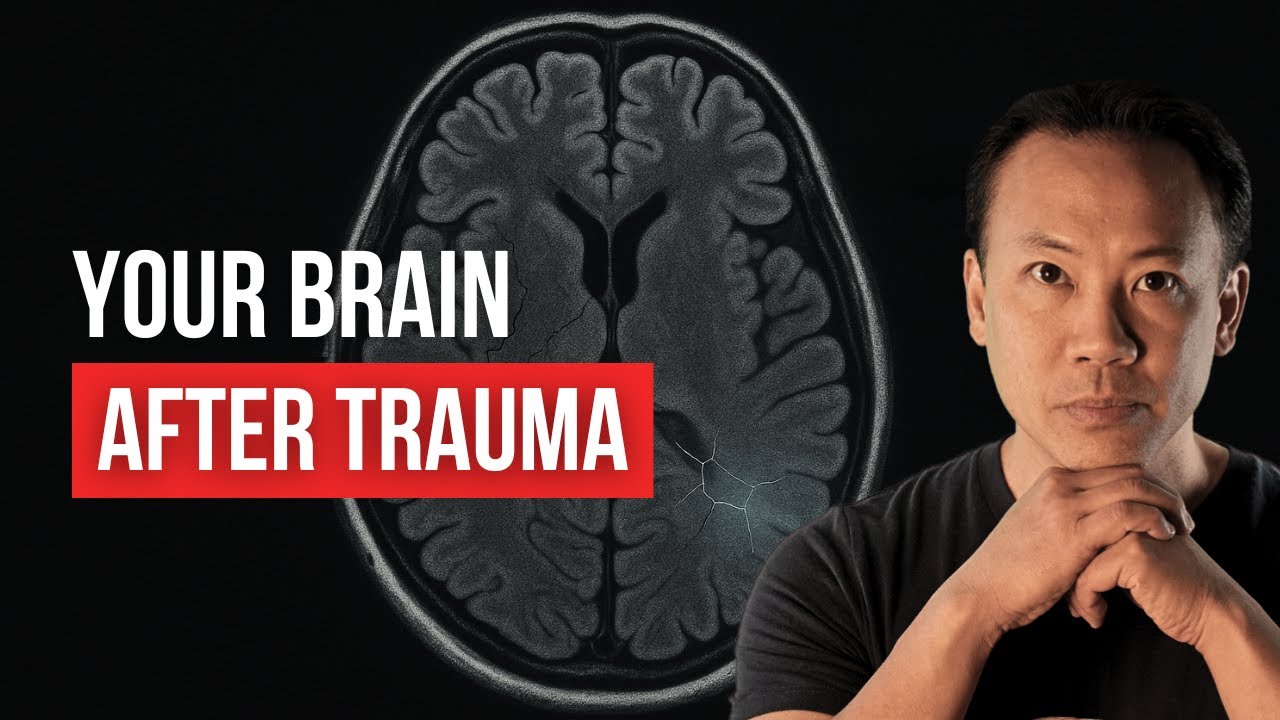
Jim Kwik explains how trauma shrinks the hippocampus and damages focus and memory, then shows how aerobic exercise reverses this by releasing BDNF and growing new brain cells. He offers a five-step plan starting with 5-10 minute workouts, plus a seven-day brain-healing challenge combining movement, journaling, and breathing.
Chapters
In this video, you are going to learn how trauma rewires your brain and what part it impacts the most, the science behind why exercise heals trauma on a neurological level, a step-by-step action plan you could use even if you're busy, and some bonus strategies backed by research that could accelerate your healing. By the end, you'll not only understand how to begin your healing, You'll have the tools to start rebuilding your brain today. If you've ever felt trapped by your past or wondered why your brain feels like it's working against you, stay with me. This could change your brain and your life. Let's start with what trauma actually does to the brain. When you go through something traumatic, Your brain's survival circuits, they light up. The amygdala, your brain's fear center, goes into overdrive. It supplies your body with stress hormones like cortisol and adrenaline. That's useful in the short term. It keeps you alive. But over time, too much cortisol can become more toxic and can really hold you back in life. Trauma can also shrink the hippocampus. The part of your brain that forms new memories and helps you learn. That's why people who have experienced trauma often struggle with memory lapses or feel like their mind is more foggy. Trauma also disrupts the prefrontal cortex, the area that helps you make decisions, plan, and regulate emotions, leaving you feeling less in control of your life. And these changes don't just show up in brain scans. You feel them every day. You forget simple things. You can't focus. You overreact. You feel trapped by emotions you can't seem to regulate. If you've experienced this, you know how frustrating it can be. So trauma doesn't just live in your memories. It reshapes your brain. And it, if left unchecked, it can keep you locked in survival mode for years. But here's the good news. Your brain is not fixed. It's adaptable. Neuroplasticity is your brain's ability to rewire, to regrow, to form new connections At any stage or age. And exercise is one of the most powerful triggers of that process. When you move your body, especially with aerobic exercise like walking, running, cycling, maybe dancing, you release BDNF, brain-derived neurotrophic factor. Think of BDNF as fertilizer that helps brain cells grow and to connect. Exercise also improves blood flow to the brain, delivering oxygen and nutrients where they're needed the most. most. One study found that adults who exercise regularly grew a larger hippocampus, reversing trauma-related shrinkage and improving memory. Another study showed that exercise after trauma increased neurogenesis, the birth of brand new brain cells. In simple terms, trauma shrinks your brain, but exercise can potentially rebuild it. Every step you take Every beat of sweat, every movement, it's like telling your brain, grow, repair, reconnect. And here's the best part. Even a single workout can boost your focus and memory the very next day. That means you don't have to wait months to feel a difference. You can start noticing results almost immediately. You don't have to wait for permission. You don't have to wait for the pain to disappear. You can start rebuilding today. One Step at a time. All right, let's get practical and pragmatic. How do you actually put this into your life, especially if you're busy, stressed, or you don't feel motivated? I'm going to give you a plan that's simple, realistic, and effective. Step 1, start small. S3, small, simple steps. Don't think you need an hour-long workout to make progress. That thought alone Stops most people before they even start. Instead, aim for something you can't fail at. Start with just 5 or 10 minutes. Go for a short walk around your block. Put on your favorite song and dance in your living room. Do a few bodyweight squats or pushups during TV commercials. Those little movements may not seem like much, but you start to build momentum, and momentum is what gets you moving from 5 to 10 minutes to 20, from— 1 hour. 1 day to 3 days a week, and eventually it's just part of your lifestyle. Step 2, aim for consistency over intensity. Research shows 10 to 20 minutes of moderate movement 3 to 5 times a week is enough to boost brain health and even grow your hippocampus, the part of your brain that's most affected by trauma. You don't have to become a marathon runner or a CrossFit athlete. You just Need to be consistent. Remember, consistency compounds. Think of it like brushing your teeth. You don't brush your teeth for 2 hours once a week. You brush every day for a few minutes. The same principle applies here. Small, regular doses of movement gives your brain the ongoing signals it needs to repair and to grow. So pick something you actually enjoy. If you hate running, don't run. Try cycling, yoga, swimming, hiking instead. The best exercise for your brain is the one you'll actually do. Step 3, pair exercise with mindfulness. This one has been a game changer for me personally. A study by Dr. Tracy Shores combined aerobic exercise with meditation and called it MAP training. The results showed dramatic reductions in trauma symptoms, depression, and rumination compared to either practice alone. It's a neuro stack. Here's why this works. Exercise gets your blood flowing, primes your brain, helps to potentially activate neurogenesis, the birth of new brain cells. Mindfulness then helps rewire those new cells into healthy patterns. Instead of letting them attach to old cycles of fear or stress, it's like planting seeds and then training them to grow in the right direction. This combination of movement and mindfulness creates a double dose of healing for your brain. Real quick, as you feed and fuel your mind with this information-rich podcast, it's just as vital to feed and fuel your brain and your body with high-quality nutrition. You know, I'm always looking for the best, simple, quick ways to optimize my energy and my mental performance. Nourishing my cells is something I take very seriously because we are only as healthy as our cells. It's where your energy, your strength, and your focus comes from. If your cells aren't working, nothing else works. So I started taking Timeline's MitoPure every day, and I noticed a huge difference in my recovery after workouts. And also my focus, my productivity, and my performance. It comes in soft gels, gummies, powders. Our favorite is really the gummies because they taste great. MitoPure is backed by gold standard clinical trials shown to improve muscle strength, enhance mitochondrial function, and support your brain so that you can think, focus, and age better. Our friends at Timeline are giving you 20% off just for listening. Head over to timeline.com/kwik to get started. That's timeline.com/kwik. Now back to our episode. Step 4, make it fit your life. I know what you might be thinking, Jim, I'm busy, I don't have time. I'm going to push you a little here because I'm a coach. Be creative. If it's important to you, you'll find an extra few minutes Take the stairs instead of the elevator. Park further away and walk. Stretch for 5 minutes between meetings. Do a quick bodyweight circuit. You can do pushups, squats, planks while dinner is cooking in the oven. 2 5-minute bursts of movement add up to the same brain-boosting benefits as a 10-minute block. The point is, You don't need to wait until you have time. You can integrate movement into the flow of your day. Once you realize that, exercise stops feeling like a burden and starts feeling like a natural part of your lifestyle. Step 5, track your wins. You can't manage something if you can't measure it. Here's something most people overlook: progress tracking. Your brain loves evidence. When you can see that what you're doing is working, it motivates you to keep going. Use a notebook or even a notes app on your phone. Each day, write down your movement— 10-minute walk, yoga class, 20 squats— and then rate your mood, your energy, or your focus on a scale of 1 to 10. Keep it simple. After a couple of weeks, you'll notice a pattern. On days you move, You feel better. On days you don't, you feel a little off. That awareness becomes powerful motivation because now you're not exercising out of guilt. You're exercising because you see the clear link between movement and your mental clarity. Remember again, what gets measured gets improved. Tracking makes your progress more tangible, and that's what turns a habit more into a lifestyle. So here's a sample 7-day, let's call it a brain healing challenge for you to get started. Day 1, go for a 10-minute brisk walk. Afterward, sit quietly for just 2 minutes and focus on your breath. Day 2, add 5 minutes of light strength training and then journal one word that describes how you feel afterward. Day 3, I challenge you to walk again, but this time practice gratitude during your walk. It's a neuro stack. Name 3 things and feel it. What are you grateful for as you move? Day 4, try something new. Maybe it's a dance video, yoga if you haven't done it before. Maybe it's cycling. Novelty sparks neuroplasticity. It's just like building your body. You give it some novelty, you give it some exercise, and you give it proper nutrition also as well. Day 5, combine 15 minutes of exercise with 5 minutes of journaling. Write down one, let's say a limiting belief, and practice reframing it into a new empowering belief. Day number 6, go for your longest session yet. 20 minutes of moderate exercise. Afterward, do 5 minutes of mindful breathing. Day number 7, reflect. Write down in your journal, how did this week affect your mood, your focus, or your stress levels? What changes did you notice? At the end of 7 days, you'll not only feel different, you'll have proof that movement and mindfulness together can change your brain. And once you See that in yourself, you'll be more motivated to keep going. We covered how powerful exercise can be, but it's even more effective when paired with other habits that support your brain health. Nutrition plays a massive role in how your brain recovers and performs. The foods you eat literally become the building blocks of your brain cells. Certain nutrients support memory, focus, resilience, while others protect your brain from stress and aging. When you fuel your body With the right foods, you're giving your brain the raw materials it needs to rebuild stronger connections. Sleep is another non-negotiable. Most people think of sleep as rest, but it's actually one of the most active times for your brain. When you're asleep, your brain consolidates memories and clears out toxins that build up during the day. Without quality sleep, even the best learning strategies or exercise routines, they won't stick. It's the reset button that allows your brain to function at its best. Connection is just as essential. Trauma often isolates us, but healing accelerates when we feel supported. Positive relationships and social interaction boost resilience. It can lower stress and create a sense of safety that your nervous system needs to begin to rewire itself. Your brain thrives when it's not just exercised, but also connected to others in meaningful ways. And finally, keep learning. Challenging your brain with new skills, whether it's a language, an instrument, or even a puzzle, stimulates neuroplasticity. Each new challenge builds new pathways, reinforcing the very areas of your brain that trauma tends to weaken. Learning keeps your brain flexible, adaptable, and resilient. So remember, exercise is powerful, but when you combine it with smart nutrition, restorative sleep, strong connections, and lifelong learning, you create the ultimate brain-healing environment. And if you want to learn even more brain-boosting tips, make sure you watch my video, 30-Minute Morning Routine. It's packed with daily practices that set you up for clarity, energy, and focus. Focus. When I was a kid labeled the boy with the broken brain, I could never have imagined I'd be here teaching millions of people how to train their brains. But I'm living proof that your past does not define your future. Your brain is capable of more than you realize. And if you want to go deeper into this journey, check out our courses at kwikbrain.com, K-W-I-K brain.com, where I teach you the secrets to speed reading, memory, productivity, focus, and more strategies to help you unleash your brain's fullest potential. If this video helped you, be sure to like, subscribe, and share it with a friend. I read all the comments, so share in the comments what one small action you'll take this week to use movement as medicine for your brain. Until next time, stay curious, stay consistent, And most of all, stay limitless. Stay limitless.
More from Jim





The Library of Minds: Brain Coach: How to Stay Sharp When AI Does the Thinking | Jim Kwik





