Liana Werner-Gray explains how refined sugar, corn syrup, and artificial sweeteners like aspartame trigger anxiety by acting as neurotoxins. She recommends swapping them for coconut sugar, honey, stevia, and monk fruit to curb cravings without withdrawal. Werner-Gray healed a tumor at 21 through diet and now connects food choices directly to anxiety and depression.
Chapters
So a lot of science shows us that foods can induce anxiety. They can actually create anxiety, and they're called anxiogenic foods or substances, and they're proven to actually cause anxiety immediately. So as soon as we put them in our mouth, it triggers off our neurotransmitters in a negative way. They're neurotoxins and it increases our stress levels and our nervous system gets fired up and creates like a flight or fight response. So obviously, we want to stay away from those foods and then—
Now, I'm sure people who are watching are curious like what foods in their home are creating that kind of effect because you don't want to add on top of everything that's going on in the world to your— Right. You know, what's in the external environment, you don't want to add to your internal environment.
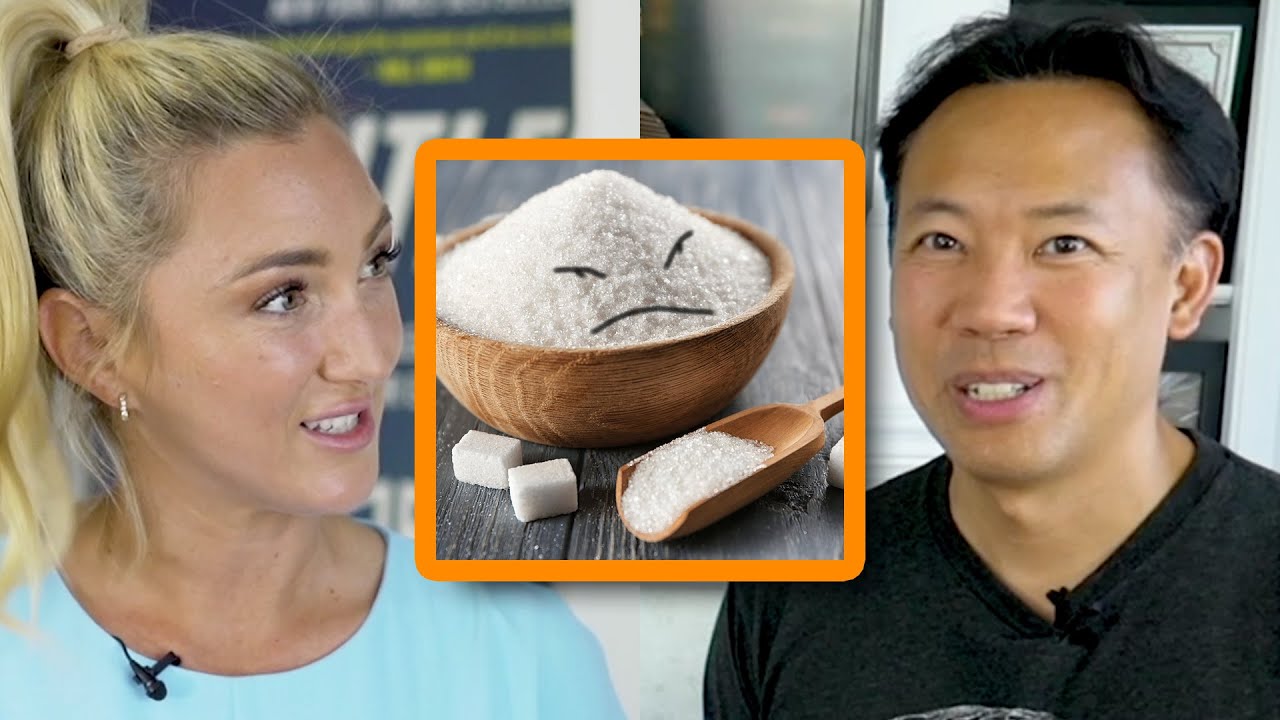
Yeah, exactly. So what are some of the, like, the big culprits? The biggest neurotoxins are— well, this one is probably not a huge surprise to you guys— is sugar. So refined sugar, so white sugar, corn syrup, or artificial sweeteners like aspartame, Sweet 'n Low, Splenda. Those are all really, really bad for the brain and trigger anxiety. But the good news is you can have natural sugars like what we put in the hot chocolate Okay. We did a coconut sugar, honey, maple syrup, stevia, monk fruit. Those are not neurotoxins, so we can switch those sugars out and that's called replacement therapy. So therefore, we won't crave refined white sugar or we won't go like have withdrawal symptoms if we're trying to give up sugar.
How did you come across this food and anxiety, this connection?
Yeah. Well, I've always done books on food as medicine because I healed myself as we talked about in the last podcast, of a tumor when I was 21 with food. So I'm a huge advocate for food as medicine and food as power, and I really believe that food does create our chemistry in our body and our brain chemistry. And so my— I was talking to my publisher and they're like, well, what do you want to write about next? And I have been wanting to write about food and mood and food connected to depression and anxiety for many years. So I was like, you know what, this is the time to do it. And now because of this year during the pandemic, anxiety stats have gone so crazy, and the, the stats are showing that 1 in 3 people have anxiety, like severe anxiety. So I really dove into the researchers and the science behind it, and more than any other health subject on earth, there is more evidence that shows that food can help reduce anxiety than any other health issue, more than cancer or psoriasis or acne or any other health issue, it also shows that food really does support our mood and our mental health.