The Breakthrough Formula with David Nurse & Jim Kwik
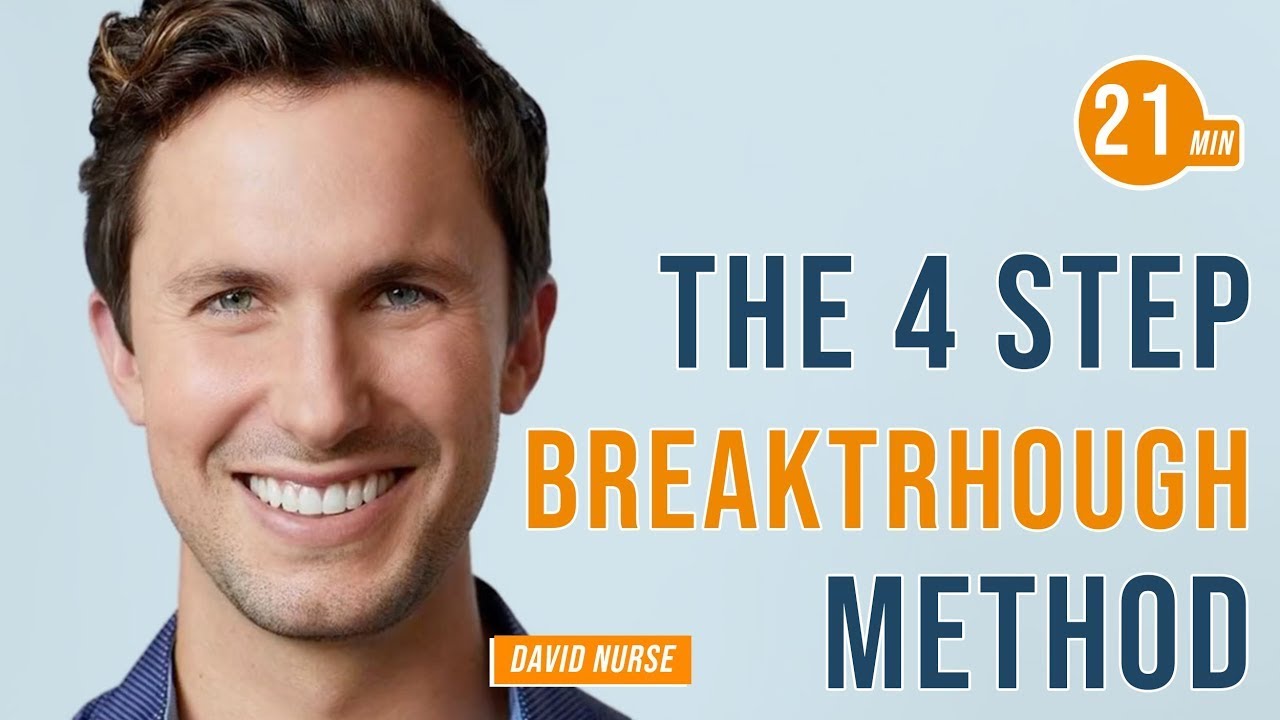
NBA coach David Nurse breaks down his four-part Breakthrough Formula: confidence through the "foggy mirror" technique, cooperation by building your team, service with a hand cue, and purpose through relentless consistency. He shares how he once helped a struggling shooter who turned out to be Mark Cuban.
Chapters
Welcome to the Kwik Brain Podcast. I'm your host, Jim Kwik, and we are gonna talk about, as we always do, how to live like a limitless life. And your question for today, what we're gonna really focus on, is how do you really create breakthroughs? What's the formula? And I'm really excited to have a dear friend on our show. His name is David Nurse, and he's author of Pivot and Go. And he's an NBA life coach. He also has been an optimization coach. You've helped over 150 different NBA players, not only on the court, but off the court also, also as well. You work with CEOs. I could go on and on, buddy, but you're like the mindset guy. And our audience loves, you know, we know success is an inside-out process. So, thanks for taking the time to come by.
Jim, thank you for being the best agent. I would love to hire you full-time after that introduction. Thank you.
And congratulations on the new book, Breakthrough.
Thank you.
I love this word breakthrough. And you and I, I think everybody here, I want you to get ready, take some notes, screenshot it, tag David, tag myself, and share it with your people. Let's talk about breakthroughs. I think everybody who's listening to this, you know, whether they're on the court, if they're an athlete, or the court of life, right?
Totally.
You know, they wanna be a better parent, they wanna be a better student, they're entrepreneurs, You know, what's your approach when you're working with clients to take them through this process? I know you got a formula and everything.
Yeah. So, a breakthrough is— it's very abstract. It's something that's intangible. And we all, at the core, we want to find a breakthrough in our life. It just sounds great. How do you find a breakthrough? But it ends up being these little happy accidents that happen, Jim. And it's like, how do you recreate those? Like, wouldn't it be cool If there's actually a formula for creating breakthroughs, to be able to live in the breakthrough mode. Because whether your breakthrough is something big, something small, we all want breakthroughs. I mean, that's why you're listening to this. You love the term self-help, self-development, but it's not about self. You can't find breakthroughs on your own. So, there is a formula that I've used with these NBA players, with these high performers.
Mm-hmm.
that's been tried and true. And we can just break down that formula. We'll go into that. We'll give you the 4 points of this formula. And if you live in these 4 points, and it's seamless and easy to do, it's not something like, hey, my morning routine is now 3 hours long because I added this into this. We all have morning routines that are crazy, or my evening routine. So the first point of the Breakthrough Formula is confidence. Now, when people think about confidence, they think about, oh, my stats, my resume, Look at me, the Instagram followers. But that's not what confidence is about. True confidence is about finding your true self-awareness. Like, what do you stand for? What are you more than the identity that people see on you? Like, how, how do you realize, like, this is why I'm on this earth, my self-awareness? And I have tools, actionable tools for each step.
Okay.
Because one of the things that, that I find, like, for myself personally, but a lot of these players that I've worked with, if you tell them something, that's great. But if you show them something, like, then they're able to use it forever. It's the, it's the hows, giving people the hows. Like, I love the whys, and Simon Sinek has the great talks, and you guys did some stuff together with the whys, and that's awesome. But I need some actionable hows. So for confidence, One important factor is embracing imposter syndrome.
Embracing imposter syndrome.
Embracing imposter syndrome, because we all feel it, and it all happens, but that means you're doing something great. That means you're on the verge of a breakthrough if you're having this imposter syndrome.
Let's define that for some of our listeners that don't know what imposter syndrome is.
Yeah, so imposter syndrome is feeling like you don't belong. If you're doing something and you're like, man, why am I here? Like, how— I shouldn't be in a room with this. I shouldn't be on an interview with Jim Kwik. That could be imposter syndrome. But that means you're doing something great. So there's an action that I use, I call it the foggy mirror. So we all walk by a mirror at some point in our morning, very early, usually to brush our teeth, hopefully, or go to the shower. And now this mirror is covered with fog. Imagine it's covered with fog. This is the fog of self-doubt. Now you have the choice to either walk by that and live in this self-doubt, live in this I'm not good enough type of mentality. your entire day, or you can simply stand there and take your hands and do this action. If you're watching this, you see me doing this action of wiping away the fog on the mirror. It's similar to the power stance where you just stand in this powerful stance and you feel more confident.
Right.
Same thing. You make this action wiping away the foggy mirror. And now you're telling yourself at the start of the day, all right, I can live in this self-awareness confidence of who I am. It doesn't matter what the rest of the world says I am. It doesn't matter what my identity is. I know who I am. I have this self-awareness. And that's the foundation. That's the first piece.
Foggy mirror technique. And that takes 5 seconds to do.
Max. Yep. And you're living in it. You're ready to go for the day.
Very nice.
So that's the first point. So—
That's for confidence.
That's for confidence. So once you have your self-awareness confidence, now you can't do it alone. That's why I think like self-help and self-development's It's funny terms to me. You can't self-help yourself. You can't self-develop. You need a team around you.
Right, like sports.
Like sports. Every great culture has a great team. That's what— and it's not all the same type of people. Like, we all have different God-given strengths for a reason and a purpose. And far too often we're told that we're our weaknesses. Like, oh, you got to increase your weakness. Oh, this is a weakness. Work on that weakness. weaknesses are just a compliment's wish list. We find the people around us to put together this awesome Avengers team. That's why the Avengers are so great. Or that's why if you go to this place in New York City, Katz's Deli, a Reuben sandwich from Katz's Deli is amazing. All those ingredients to me alone are not that good. Like, I don't want sauerkraut or rye bread, but you put that thing together and man, it's beautiful. So it's creating this culture by finding your team, then it's why the Chicago Bulls in '98, they got Jordan the best scorer, Pippen the best wingman, Steve Kerr the best shooter, Rodman the best crazy man rebounder. You put this together, and that's what makes this cooperation. That's the second term of the breakthrough, finding your team.
And it's not just the players. You have coaches, you have— I mean, there's an invisible team in the background also.
Oh, absolutely. Finding your team And finding your team for like, why are you doing this? Like, why are you coming to work? And an example that I like to share is with— is when I got to spend time with the Golden State Warriors before they were like the Golden State Warriors. And now they got this guy Steph Curry, who's kind of like, what's he doing? You know, he's all kind of crazy dribbling, shooting. And they got this Draymond Green, like, he's a— he's not big enough to play his position. He's slow, too slow for this. So they got these misfits. that they put together. So, I'm going to these practices and I'm going to these preseason, everything. And, what I see there just blew me away. Steve Kerr, one of the best coaches in the NBA, all they would do the first hour of every practice was the boring basics: footwork, form shooting, ball handling, passing.
Hmm.
The basics, boring. He has these great misfit players that he's putting together for this ultimate culture that becomes this dynasty. But the thing that really stood out, Jim, is that they had this banner that just said joy. All it said was joy. So everybody knew when they came to work that day, when they came on the court, they were going to come there with joy, doing these fundamentals with joy, working with your team with joy. Like, that was their underlying message of their culture—
creating joy, bringing joy. And, uh, and I, I don't want—
I, you—
I want to Don't want this to go lost on people who are watching this. And I encourage everyone to watch on YouTube because we put the extended version there also as well. And you could check out this, this, this, this studio that we're in, our friend Jay's. Um, we could also— you mentioned the basics and the fundamentals, right? That's something some people always just, you know, they want the new sexy thing.
Totally.
But those fundamentals, even at the highest level, they're practiced because that's how That's how you get to a level of mastery.
Totally. And that's, that's what's funny. Like, when you see all these people at the highest level, they always come back to their fundamentals, their fundamentals. Kobe Bryant, he worked on his footwork for hours and hours. Like, the fundamentals. The great ones understand the fundamentals. The fundamentals, they're not fun. They say fundamentals, but they're not fun. They're not sexy. But they're what builds your foundation. It's the, it's the stones underneath that you don't see that build this great beautiful castle.
And I'm saying to our listeners, the fundamentals could be something like meditation or journaling or, you know, a little bit of movement and exercise or reading a little bit each day.
Totally.
Yeah, totally.
It could be even just loving your kids, going to get groceries. Like, you have to have those type of fundamentals. And there's an action with this, the cooperation as well. So, one of my favorite stats they keep in the NBA is high fives given. Crazy, right? High fives given. They have so many analytics and all this kind of stuff. And the player that always led the NBA in high fives given was my favorite player growing growing up, Steve Nash averaged 239 high fives a game.
Wow.
Best teammate that anybody ever played with. Anybody I ask, Steve Nash is the best teammate, because he was encouraging. He was, he was picking them up. He wasn't just rah-rah encouraging though. The best leaders, they support, but they also challenge. So challenge and support in this cooperation, that's the type of people you want to be around, because we've been around those yes-men, but we're not gaining from that. When you want to be at the greatest level, you want to be taught, you want to be around the challenge and support. And one great way that we can do this action is high five, whether it's Zoom high five, whether it's just saying high five out loud, or actually giving somebody a high five. That's the feeling, like, how great of a feeling is it when you step on stage in front of thousands of people? Right, right, right. That's the feeling. We want that energy, we want that encouragement, and you can create that daily with this action, the high five hands.
Very nice. Very nice. Okay. So we're going through the formula for breakthrough.
So, so we've got our confidence, our cooperation. So you have you, you have your team. Now, what are you doing? Like, if you're only doing this for yourself, if you're only doing it for the Instagram likes, the bank account, the fame, like, you will never be fulfilled. You will never find contentment or life joy. It just won't happen. It's never happened. In the history of ever. So why is it going to happen to you? So the third piece of the formula of the breakthrough is service. Why are you doing this? The service and living in the service mode, understanding that until you are fully selfless, you will always be selfish. And there's, there's, there's, there's ways to get into this. this service type of mode, and the way I like in this action is looking at your hands. So, when you look at your hands when you open a room—
Yeah.
You say the word serve. This automatically kicks your mind into the service mode. So, any room that I enter, I say serve. So, I know that I'm serving the people in that room, and it's not about me. It's not about what I can get out of it, but it's what I can serve, what I can give to other people. When you do that, when you actually live in this, this service mode, That's when everything comes back to you. I gotta tell you this just quick story.
Yeah.
So when I was coaching with the Brooklyn Nets down in Dallas, I love being the first person on the court. It's kind of my ambiance, my time on the floor. And this time I wasn't the first person out there. There was a guy on the other side of the court in these old raggedy jeans, old shoes, and shooting shots and missing a lot of shots. And I walked by going to my side and he turns to me, he's like, you know, the older you get, the legs go. So being a shooting coach, that's— that was my gift, to teach people how to shoot. It's like, that wasn't really true. So I had to counteract that. And I was like, you know, I didn't want to get into this 15, 20-minute lesson. Like, I just wanted this time to myself. I wanted it to myself. And I told myself 2 weeks earlier, actually, a friend of mine challenged me. He's like, hey, you have this gift, use it. Like, even if it messes up your schedule, spend time with him. So I was like, all right, I'll show this guy some things. So I show him how to get more range on his shot, more consistency, and he's making more shots. He's getting really excited. And the real players had to come out and start practicing, warming up for the game. So we had to get off. And I say, hey, if you want more drills, more than happy to give them to you. He's like, yeah, yeah, okay, yeah, here's my email, here's my business card. So he hands it to me, I just slip it in my pocket, I'm on my way, get a couple minutes before the game. So I'm sitting there before tip-off, and I reach into my pocket and pull out this business card, and it reads Mark Cuban, owner of the Dallas Mavericks. Yeah, I've been helping Mark Cuban harness his inner power for something he was very passionate about. And this was before Shark Tank was Shark Tank. And I live out in LA and my wife's an actor, but I have no idea who is who. So I didn't know who he was. But just there helping Mark Cuban, serving Mark Cuban, going out of my way and serving Mark Cuban. Now I can text Mark, email Mark. If I have a business question, I'm going to Mark. Who better to go through? But it would have never happened if I wasn't living in this service mode.
And going back to that, that hand as you open up the door, the hand is like a little reminder or trigger for you. Trigger. Like giving people a hand. A helping hand.
A helping hand.
Yep.
A serving hand.
Okay.
When you open that door, you just look at the hands and say, serve. So I like it. With our confidence, we have the foggy mirror, right? Our self-awareness. Cooperation, we have the high five, the challenge and support encouragement. Now we have the service hands when we open up a door.
I love the physicality of it.
Yeah, and you know one thing that you have at all times with you? Your hands. So we have no excuses. You can't leave this podcast and be like, oh, I learned a lot, but now I have no actions to do anything. You have, and we'll get into that art of action. That's how you tie everything together. But the 4th piece of this breakthrough formula to tie it all together is purpose with relentless consistency.
Hmm.
So the why you are doing what you do, But doing it day after day after day. Like, if you live in this self-awareness, confidence, and all this for one day, that's great, but it doesn't do you any good. It's day after day after day, and it's, it's what I like to term obsession. So when people say be obsessed, no, you gotta have balance, you gotta have 80/20. I disagree. Be obsessed with your passion. You were given a gift. God's given us all a gift. To be able to use, to become obsessed with. And I think it's the greatest gratitude that we can give to our Creator by going all in to our gift, becoming obsessed with it, making it not just your job, not just your career, but your actual life mission. And when I say obsessed, it doesn't mean like that's all you do 24/7. You work, work, work. You wake up at 4 AM and grind your butt off. No, you're obsessed with your mission and the people you love. There's so many opportunities that are going to come. We all know that the enemy of great is not bad, it is good. And there's so many opportunities, but you know what your why is, your purpose, and you do it with relentless consistency day after day after day. And the action for this one is simply looking at your hands and seeing those calluses, those grooves, man, these hands, Jim, they've been through a lot. They've been through some shit. And the great thing about this too is everything you've been through, you've gotten through. You're going to get through the next challenging time. It gives you a lot of confidence in that alone. So that is the final piece of the breakthrough formula. And if you are living in these 4 spaces daily, which you can see, it's, it's not really something crazy that you have to add on. But now you live, you are in the breakthrough mode. And you are setting yourself up for breakthroughs. Now, I'm not saying it's going to come tomorrow. I'm not going to say it's going to come the next day, but you're giving yourself that opportunity. You're preparing for that opportunity for your great breakthrough to come. And it might not always come the way you think it's going to come. Breakthroughs come in different packages that end up being better than we can even imagine.
Yeah. And that consistency is just showing up. And I believe that there's a version of ourself that we haven't met yet. And the goal is Keep showing up every single day until we get to meet that.
That's it. That's that's exactly that's exactly the breakthrough mode. And the part where we we kind of lose it now is is we hear all this this knowledge this information these podcasts we read these books but we don't actually do. So I'm gonna throw this back to the pre-Socratic times Stoicism all this and before Aristotle Plato Socrates there was this term called techne. And it simply meant the art of doing. But then these 3 gurus come around and they put in this word episteme, which means the art of knowledge.
Mm-hmm.
And they're teaching about knowledge and knowledge and knowledge. And it's great. It's awesome. But it gets lost in the translation of, okay, knowledge is great, but you know what's better is doing. You have all this knowledge. Now you go out and do. But yet so many of us don't do it. We don't take this art of action and go do. We keep it all to ourselves. And, and what's worse than getting a gift getting this God-given gift and ability that you can use for the world to better the world. And oh, you know what? I'm kind of scared what other people will think, or what if I fail and fall on my face? Who cares? Go for it. Do it. You're never gonna know. There's no perfect timing. Like, I get really passionate about this because it is—
Exactly.
It is ready, fire, aim to the max. Like, there's never a perfect time for something to happen. Just go do it and you will create it. And that's when your breakthroughs The Art of Action.
You know, it's interesting because everything that you have is action-oriented, which is amazing, right? And, you know, with the confidence, and that confidence leads to action, cooperation, knowing people have your back and are challenging you will get you to act also as well. Service, you know, going through and being able to help and support other individuals will give you, you know, more purpose to be able to do that. And obviously, per your own genuine purpose. And it's interesting because, you know, you want to be able to help people, but you also want to be able to help yourself. I encourage everyone to think like a person of action and also act like a person of thought.
Nice.
And so, it's so, so, so very important, buddy. And thank you also for writing this book. I think everybody right now is thinking about that breakthrough that they wanna make in a relationship, in a business, in a career, maybe in school, maybe with their family or their level of contribution. And where can people find the book?
You can find it anywhere books live, the Amazon, Barnes& Noble, anywhere you find a book, you will find The Breakthrough.
Amazing. David Nurse, let's challenge everyone to do something. So like in the spirit of action, one small simple step, maybe we could ask everyone to take a screenshot of this and tag us both. Where in social media can people find you?
Social media, David Nurse NBA, Twitter, Instagram, website. davidnurse.com.
Fantastic.
Search my podcast, which Jim has been a great guest of before and will come back again.
Absolutely. Tag myself so we get to see it. And then what do you want them to post? Do you want them to pick one of these 4? Do you want to see— you get some, some joy stories and how they're, you know, when they're, when they're doing and wiping up their, their foggy mirror? Like, what do you want to put them in on the report on?
I want to see this actually put into action. Yeah, not necessarily just picking the one that you might have to you might be struggling with, but pick the one you're struggling with and go do this action. And I want to see the picture of you. If you're struggling with your self-awareness, take a video, wipe it clean. I have my NBA players do that. Like, it's not beyond anybody. It might seem goofy at first, but man, it certainly works.
We did one on brushing your teeth with the opposite hand challenge, and we have people all around the world just like taking pictures of themselves brushing their teeth with the opposite hand. We should turn that into a challenge.
Let's challenge them. Foggy Mirror Self-Awareness Confidence Challenge.
Yeah, take a picture, take a video, tag David so he gets to see it, tag myself, I'll repost it, and I'll actually gift a copy of your book to one person just as a thank you.
You're the man.
Buddy, that's awesome, man. Thanks for being on the show.
Jim, there's the high five hand.
I love it.
Jim, thank you so much, man. You're an honor and a blessing to be on here and be with a great friend like you.
Thank you, man. Thank you. Thanks for tuning in to our show. Make sure you watch the extended version on YouTube always. Just search my channel at Jim Kwik. All the show notes, as always, we'll put that— we'll put links to David's social media, links to his books there also as well, and his website at jimkwik.com/notes. And we'll see you in our next episode.
Hi, Kwik Brain. It's your brain coach. I want to thank you so much for watching this video. 3 things to do. Number 1, make sure you share this because when you teach something, you get to learn it twice. Update your learning so you can update other people's learning as well. Number 2, make sure you subscribe to this channel so you don't miss a thing because if you miss a video, you miss a lot. And finally, make sure you hit that bell so you're notified and you find out when we put out the latest and the greatest. One extra thing, if you want really close attention, then text me. Here is my phone number.
310-299-9362.
Did you remember that number? 310-299-9362. Shoot me a text and we'll stay in touch. Ask me your burning question, and I wish your days be full of lots of life, lots of love, lots of laughter, and always lots of learning. I'll see you in our next video.
More from Jim





The Library of Minds: Brain Coach: How to Stay Sharp When AI Does the Thinking | Jim Kwik





