EO Thought Leadership Forum Episode 012
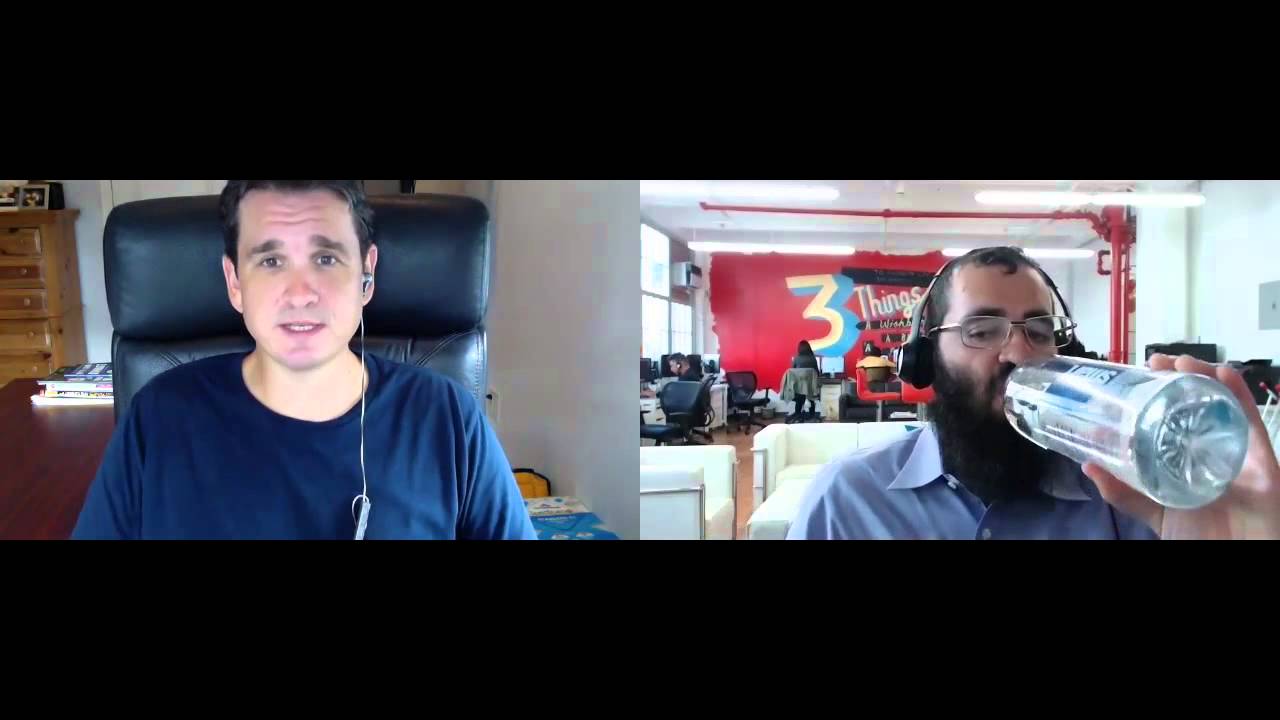
In this episode of the EO Thought Leadership Forum, host Joe Apfelbaum interviews entrepreneur James Ashcroft about the perennial challenge entrepreneurs face: choosing topics to write about. The conversation explores practical strategies such as starting with a blank page and free‑writing, focusing on what excites you, and mining personal experiences for authentic content. Both guests stress the importance of vulnerability (“bleeding on the page”), blending business and lifestyle insights, and writing for yourself rather than trying to please an imagined audience. They share concrete tactics like compiling a list of the ten most‑asked questions in your business, highlighting memorable quotes, and embracing imperfect action—publishing work that is 90 % finished to overcome perfectionism. Throughout, the dialogue underscores that compelling writing stems from genuine enthusiasm, personal stories, and a willingness to be honest, which together create engaging, trustworthy thought‑leadership content for entrepreneurs.
Chapters
Hello everybody and welcome to another episode of the EO Thought Leadership Forum. My name is Joe Apfelbaum from EO Brooklyn.
And I'm a very congested James Ashcroft from South Florida. How you doing, Joe?
I'm doing fantabulous. And why are you congested? What's going on?
I was very sick last week, very, very sick and just the remnants. Feeling great now though, you know, happy to be here and joining you in that Fabulous looking office you got there in the background. New office, it's always nice. So happy to be here, Joe.
Thank you very much. So this is episode number 12, and I'm really excited to be talking about the topic today, which is how do you decide what to write about? Like, how do you find what to write about? You know, a lot of entrepreneurs that I speak to about writing or in general about thought leadership, and they say, I don't know what to write about, like, tell me what to write about. And I'll write about it. So James, how do you know what to write about?
You know, Joe, I think we kind of covered this a little bit in another podcast. I usually start with a blank slate, to be honest with you, and then I kind of just start free writing. Might have an idea, and usually somewhere within that first page is something that then I can kind of edit around and then build out from there. Certainly, um, my writing tends to come from a place of, um, you know, personal development, um, things I've learned recently, thoughts I'm having, um, about my life and, uh, changes I've made and things I'm learning. Uh, because the old, uh, saying, you know, you, you, uh, you learn by teaching, um, is something I really believe in. So something pops in my head during a run or a conversation with someone, then I'll definitely bring that to the table. But, you know, I, I don't like to talk about just straight business or straight personal. I kind of like to blend the two, more lifestyle-based.
Yeah.
I'm always looking for some nugget. There's usually something that kind of tips me off into, into a direction. Um, so for me, it's, it's not sitting down and just I'm going to talk about this. It's usually a degree of that, but usually ends up not being what I thought it was. And it just comes back to just sitting down and starting to write.
I was talking about this issue with my writing coach and I was like, I really struggle with this issue of what to write about because I have so many things that I want to talk about and there's so many great things to write about. What do I pick? Do I pick about networking? Do I pick about sales? Do I talk about digital marketing? Within digital marketing, what aspect of digital marketing should I talk about? Should I talk about SEO, PPC, social media, email marketing? I mean, I've been doing all that stuff for a decade and a half. Should I talk about public speaking? Should I talk about sales? You know, I can keep going on and on. But in reality, she's like, okay, stop all that. It doesn't matter what you write about. It matters that you're excited about it. And when you read something and you're super excited about that, or you have an idea that you want to express and you're excited about that, that excites you. If it excites you, write about that, because when you're at a cocktail party and you're talking to somebody, when do you become passionate? When does the truth come out? The truth comes out when you're excited about the truth. So I definitely would tell anyone that needs advice what to write about. Write about what excites you. When was the last time you were excited? When was the last time you were pumped and motivated and had an idea that you want to share with the world?
Right. Yeah, no, and I think that that excitement, that passion that you can bring towards a topic comes across. You know, there's so much content out there, just very dry stuff, you know, top 10 tips to do this, do that. I think I'm reading when you say, you know, getting excited, meaning really bringing some personal experience to a topic. I think that's, that's, that's I think that's the great intersection of good, where you can—
Or something that you heard or something that somebody said that was exciting or something that, you know, something that you did that was exciting or something somebody else did, or, you know, a story that somebody told you that like really made you feel like out of this world. Like, wow, did you hear that? I want to tell that to somebody else.
Right, right, right. Absolutely. Absolutely. I'm a big fan of, um, of really getting personal. I think that's really, for me, what separates great content is when you see that author bleeding on the page a bit.
Bleeding on the page, baby. You're bleeding on the page.
Bleeding on it, really exposing themselves for criticism and putting themselves out there. So if you can find that intersection of personal experience that maybe Maybe it's a topic, even if you're writing a business article about firing someone or, I'm just making stuff up, a partner who's stealing money from the company.
Right.
Let's just say that. So you have an experience in that and then you get an idea to talk about that. It's one thing to write an article about the concept or the experience of of what happens when someone gets ripped off. But to actually start writing and saying, you know, it's affected your life in very deep ways, you've lost trust, you know, it's affected your business performance for the last 18 months, you're having trouble, you know, getting over this and it's caused these issues. And, you know, like I said, I'm just making stuff up. But if you can write from that personal experience and blend it with what you're doing to overcome these challenges, I think that's super engaging. I think just writing an article about how to avoid getting ripped off and doing very dry stuff like double signatures on the checks or credit limits on the credit cards and all this stuff is all nice content, but to go the extra mile of explaining to the reader, hey, listen, this has been very damaging to me. I've lost faith in my business. It's been a real challenge for me to overcome personally. I think that's tremendous, tremendous content. So again, just looking at intersection between personal experience and really being out there with it and vulnerable, I think. Vulnerable, offering vulnerable content with the X's and O's of the topic is great.
And for those people that are not comfortable being vulnerable or are not comfortable writing period yet, I would say write about what you know already. You know, like either experiences that you have or something that you know. I've recently heard somebody give a tip to, you know, what are the 10 questions in your business that everybody asks you? What are the 10 things that people should be asking you? And then write an article about each one of those things. What are the things that you learned to make your personal life better?
Sure.
To make your, you know, whatever it is that you already know, that you already have done, that you've already experienced, or an idea that you might have about how to change the world in some way or about why things are working or why things are not working. And once you just, you know, you like, like a lot of people say writing is like a muscle, like anything else, you got to work it in order for it to work. Um, so you just have to go there and just write things, write emails to people, literally sit down and write a 500-word email to somebody and send it.
Yeah. You know, you know, Joe, it definitely comes back. I think we're on the same page here because again, it's content. that you have experience with, right? So yeah, it's the— you own a business, you're running a business, and your customers are all asking the same 5 questions. Those are great things to write about because you're coming from a very personal experience place. Your credibility is getting added to constantly, and you're creating your brand of being a—
Here's another idea that just popped into my head just now as you're mentioning, as you're speaking and saying that. A lot of people are writing for other people. A lot of people sit down and they write something for other people to be able to read. So essentially the content that they're writing is not for themselves, it's for somebody else. And when you're writing with somebody else in mind, that is not necessarily the most effective way to do it. You have to be kind of write for yourself because otherwise you'll be judging your content based on what the other person thinks about your content. You need to tell the truth. within your content. And if you're not going to tell the truth, it's going to be counterfeit writing, writing in somebody else's voice. It's just not going to work. You need to write in your own voice. So tell the truth, whatever it is. You don't know what to write about? Just write the truth, right? What you really think.
Right. Absolutely. Absolutely. It just comes back. This word gets thrown around a lot. Authenticity, right? I mean, it just got to be authentic, you know, and it's not about becoming a great writer. It's not having a best— I think I mentioned this in the other podcast too. It's not the best writer, it's the bestseller, right? So, you know, and if you look at a lot of the books, some of the most endearing books that I'm reading are the ones that— and listen, this isn't Ernest Hemingway writing this book, but I've got a good idea about who the author is and their backstory, maybe a famous person or something, and I'm thoroughly engaged because it feels like they are talking to me. through their work. And it's simple writing, but it's just authentic to their voice and their personal experience. And that's just a terrific read. So yes, like you said, what to write about, Joe? I think it's— you can write about anything, but I think the more personal experience you have with it, the more authentic you are. And it's just better content.
Here's another quick thought. And it's, did you ever hear something or read something and then you had like a double take? Like, you're like, whoa, whoa, whoa, whoa, whoa, whoa, whoa. And you need to read it again or you need to hear it again. Like, you ever rewind a video like 10 seconds? They can already look. No, no, I have to hear that again. Like, what did he just say? Yeah, that is the type of stuff that you probably want to be writing about.
Sure. And you know a good tip for that, Joe? And it's one of the reasons I have to be careful listening to audiobooks because I can't take notes. And I love to read my Kindle and take notes for those very, you know, those, those Those, those words, that cluster of words together that stop you in your tracks, you know, I want to highlight those and I want to, you know, come back to them. So that's why reading is so much better than audiobooks for me for specific content. But then what I do is actually clip those and put those in Evernote and I start literally nothing fancy, just a Word document or whatever. And just those quotes, just try and do 1 or 2 a day as you're reading and thinking like that. And you'll be amazed, you know, after a couple of months you'll have a couple hundred of just these little snippets. You can come back to just for sources of inspiration because they've touched you in a way that's very special. So just to read a whole page of that is really cool stuff.
There's one that recently touched me that I'll share with you, and feel free to share, um, with, with me if you have one that recently touched you. Um, and this was David Allen writing in his book. He writes, if you don't— if your, if your boat is sinking, if your boat is sinking, it doesn't matter which way it's going.
Yeah.
And this is like for people that are like thinking about their purpose and when really like their day-to-day activities are just kind of like not being taken care of, but they're like, hang on a second, do I even want to be doing this? Or like, dude, you got to pay your bills. You know, you're like, you're broke. You know, you got to do the basics. You got to go to work. Um, and they're like worrying, but what if I'm not happy? What if I don't like it? What if it's not my purpose or whatever? And dude, your boat is sinking. It doesn't matter if you're trying to get to here or there, fix the freaking lake.
Yeah. Yeah, absolutely. That's great.
That was like mind-blowing for me. That was like, whoa, whoa, whoa. I even made like a little video about it and everything. I got really excited about that. And you have to identify those things and like highlight those things and underline those things. Like you said, because they'll add a lot of value to your life.
Right. I, um, just one that comes to mind, actually, I heard it a few months ago. A friend of mine, George, um, was teaching, um, something and he said, listen, success follows imperfect action. You know, and which for me really hit home because I can be somewhat of a perfectionist and I can sit there all day with that blog post or this ebook that I'm working on. I can sit there for the next year tweaking it. It's got to be perfect and it will never leave my desk. No one will ever read it and it will become just this thing in my mind that could be great if I just got it perfect, you know. And George's mentality is just share it with the world, move on to the next thing.
Put it out there.
Move on to the next thing. Put it out there. It's 90% fine.
Great.
Just get it out there. Get it out there. Get the experience under your belt. Go, go, go. And that's been a really, really powerful one for me. And it's part of the reason that in the prior podcast we were talking about me putting my book online, 90% done. Listen, I'm not writing Old Man and the Sea here. This isn't Hemingway. This is James Ashcroft's got a couple of things to share. Some thoughts that I want to put on my website, a little longer than a blog post. It's just a short ebook. Just get it out there. I can always pull it down. I can continue to work on it. It's not going out to 100,000 subscribers. Get over myself. Just get it out there. That's been a great quote. And, and back to the original point, you know, just using that quote, and now I get my experience of saying, listen, I'm kind of a perfectionist in many ways, or the, the fear of it not being perfect is probably a better description.
Right.
But now, now I can put it out there, and now I can talk, you know, maybe in 30 days I can talk about my experience of putting an unfinished piece of work that I didn't think was perfect online, shared it with people, and there's gonna be a whole story about finishing the book and wrapping it up. And it's going to be a new experience for me to share and write about. So, so, uh, you know, that's, that's, that's what comes to mind right now.
That's really exciting. Uh, James, thanks so much for doing this with me. Um, for all of those that are watching this, check us out on YouTube. Um, feel free to comment, check us out on Facebook. And, um, if you liked this video and you think it had value, Share it with the world and let's make this world a better place.
Thanks so much, Joe. And like you said, we want comments, so please comment. We'd love to get feedback from everyone.
All right, everyone. See you next time. Take care.
More from Joe




How to Beat the Algorithm: Remove Hidden Watermarks & Scale Content with evyAI






