Technology and Tools for Modern Flipping and Wholesaling
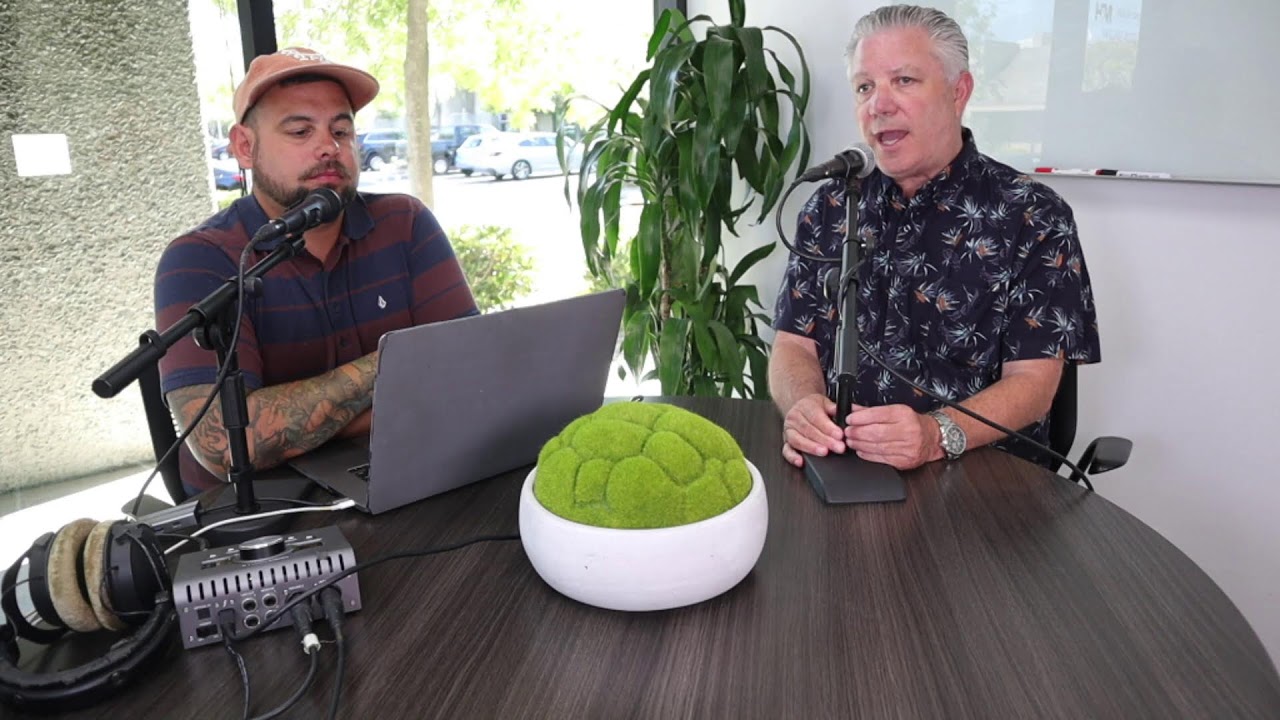
Joe Homs and Alex Barnett discuss lead generation and operations tools for real estate flipping and wholesaling. They cover driving-for-dollars, direct mail, skip-tracing with KindSkip, mass texting via LaunchControl, and AI integrations like ChatGPT in DealMachine. The episode includes demos and a free trial offer for power dialers.
Chapters
Hello and welcome back to the New and Experienced Investor Podcast, the show that helps and connects real estate investors from all walks of life. I'm one of your hosts, Alex Barnett. I'm the new guy.
And I'm Joe Homs. I'm the experienced investor.
Right on. Glad we're here again, Joe. This is, this is fun times.
Awesome.
Um, today we're going to be discussing, uh, technology and tools for modern flipping and wholesaling, kind of, uh, the ins and outs of, you know, real estate systems technology and how everyone's utilizing AI for, you know, their, all their systems and their CRMs and everything. So we're gonna go over that and make sure you guys stay till the end because we have a very special offer that I can't wait to give to you guys, but We're going to give it to you at the very end. So before we start, please help out the channel, help out the show, and share this on your socials right now so we can connect with more investors. Whether you're brand new or experienced, everybody's got something to learn here. So let's jump right into it. And, you know, as we talk about technology, I kind of wanted to refer back to when you got started because a lot of this technology is relatively new. So maybe you could kind of break down how you used to find deals. You know, what, what was that like?
We were talking before we started and he's basically saying that I'm old. No, um, you get a lot done with a pen and paper. Yes. And that's basically how I got started. And I would drive into areas and look at properties and literally jot down addresses on the modern technology back then, which was a pen And a paper. And once I got the addresses, and I'd go home and literally write a letter, you know, are you interested, possibly interested in selling your home? I'm willing to offer you cash. We can close at your convenience. And put a stamp on it and mail it out.
There you go.
And imagine the post office got it there in probably 2 days or less at that time. I don't know how they do nowadays, but, uh, at least, at least, uh, it was getting there and it was getting there in a timely fashion.
Yeah, that's great. I mean, people are still doing direct mail, they're still door knocking, they're still utilizing a lot of those things, which is kind of what I tell people in the beginning— don't overthink it. Because I think with a lot of the technology that comes out, you start getting bogged down by the shiny new AI bot and how you can press one button and have everything done for you. But I think learning those fundamentals of finding a distressed home, just reaching out to them, you know, one-on-one, you're still eventually going to have to have a conversation with somebody.
Yeah. And, um, I, I don't know if I would personally recommend doing mailers at this point because Yeah, people get mail and normally they just throw it in the trash can. They don't even open it up. Um, I, I've been living at the same address for over 40 years and I still get mail every month from this air conditioning repairman.
Yeah.
And of course, of course he used to do a great job and he probably still does a great job, but I know who it's from and it's got his name on the outside. Not his company name, but just his name. And it just literally goes in a trash can. So yeah. Um, I don't know that that's modern technology that should be deployed nowadays.
Um, I think it's just tried and true though.
Yeah. And, and, you know, back then it was, it was literally just grabbing addresses from places that, um, appeared to be in distress. Um, I, I didn't, I didn't do door knocking back then. That came later.
Okay.
And the reason I didn't do door knocking, and I don't do door knocking, uh, for distressed properties that I, um, am driving by, uh, because what, what's the conversation at the door? Hi, knock, knock, knock. My name is Joe. I'm a real estate investor. I just happened to be in your area driving by and thought that, uh, you know, maybe you're interested in selling. And the guy's looking at me like, Joe, why am I interested in selling? You know, why, why are you picking on me? Well, yeah, because you have the ugliest house in the neighborhood. You know, that's like, the conversation's going to go downhill quick after that. Uh, so I don't do that. I do, I do target, I do door knocking. But that's for notice of default, pre-foreclosures, things like that. Because I already know that they're in trouble and they know they're in trouble. And so it's an easier conversation to have than you've got the ugliest house in the neighborhood.
Absolutely. I did that one time while we were door knocking for NODs. I was like, you know what, I'm right here. Let me just go knock on this lady's house. And she said that she was like, hey, look, look, I know I have the ugliest house on the street. And I was like, no, no, no, I was just, Walking by, I figured it was kind of hard to back into a reason why I was starnocking. But she ended up— she inherited her grandma's house, and her grandma said never sell. And so she's sticking to her grandma's word for now.
But good for her.
She did have the ugliest house on there. It was like a nice— one of the nice streets in Santa Ana.
Yeah.
And hers was kind of falling apart. And she's like, I just don't have the money right now. But yeah, it was kind of funny. She called it out right away.
Yeah. And, you know, we're talking about the ugliest house. We do live in California. And, uh, we are, believe it or not, still in the middle of a drought. And so most people's lawns are, you know, halfway dead.
Yeah.
Um, what you're looking for when you're, you know, you're doing this, um, and you're in a neighborhood, you're looking for that. You're looking for 20 cars parked in the, in the lawn.
Yeah.
Okay. 4 in the driveway, 2 in the lawn, motorcycle inside the house. Um, peeling paint, um, you know, damaged roof, uh, things like you could— I mean, when you look at it and you see it, you, you know that it's distressed, that there's something going on. There's a reason why this person, for whatever reason, they're not taking care of it. Um, you know, mostly because they just don't have the money to do it.
Exactly. And that's kind of a perfect segue. We're going to loop back into how we can utilize technology to do exactly what you're saying. And as you're going through these neighborhoods, put them into an app to where you can remember and then reach out to them on, you know, from the app, which makes it super convenient. But let's say, you know, you want to, I mean, California is big. We wanna try and get a bigger footprint. So we can't necessarily just be driving around looking for these people. We're gonna wanna find those Notice of Defaults. How do we do that?
Okay, so, um, let me start with the old-fashioned way. So kind of bring everybody up to date. So the old-fashioned way was literally to go to the recorder's office at the county that you lived in, and you started looking through records of homes. And in those records, it would have what's called a notice of default, which is basically a piece of paper that is provided to The recorder's office from the bank saying that you have stopped making your mortgage payment. So that's just one step in the process. And the process takes 3 months and 21 days. That 21-day period is actually called the auction period. So you have 3 months and 21 days to cure this problem that you have. And if you don't cure the problem in California, since we're a trust deed state, the mortgage company can foreclose on you in that short period of time, 3 months and 21 days. So back in my day, we would look and we would pull microfiche. And I know nobody knows what that is.
No.
Okay. But, um, it is just, uh, you know, dark piece of paper that they shrunk all the paperwork into, and then you had to put in a special machine. But anyways, uh, moving on, uh, to today, Where there's companies like PropStream out there that literally they send somebody down to the courthouse— I'm sorry, to the recorder's office, um, and, and do the, the hand searching. And I don't honestly think anymore they even do that. I think it's just all automated. Once it comes in, then the county sells those records to people like PropStream, and then PropStream gathers that information and sells it to people like you and I and you who are investors.
Yeah.
it easier for us at the end of the day. Um, I like easy, you know, I'm sure everybody likes easy. Yeah. So that's where you get the list.
Okay.
Okay. You pull those lists, they give you dates when it was recorded, how much longer it has, um, what kind of loan it was, if it was a first trustee, second, third, whatever it is. that's foreclosing, it'll give you a bunch of information on there that's very useful that you can use to again, start reaching out to these people. 'Cause you already know that they're in trouble.
Yeah.
They're like literally raising their hands, come help me, come help me, I'm in trouble. And so those are great leads. So those are what I call the low-hanging fruit of the industry as far as leads go, but they are great leads to start with. And start cold calling those leads.
Absolutely. And I wanna kinda just show people really quick, you guys, if you're watching right now, give the show a like. We are live. So if you give it a like and you share this on your social profiles, it helps circulate. And, you know, that's what the algorithm gods love. So let's jump into PropStream because we're talking about it right now. This is kind of what it looks like. And it's a nationwide database. I know just depending on where it is, I think they have better data in certain places than not, but let's go to Orange County 'cause that's where we are. So it's as easy as this. We're gonna go to Orange County and you can, it's right here. It shows you they have, what is that? 968,684. properties right here.
Mm-hmm.
So now you want to, you, you know, you want to either gonna pull a million properties or you want to start niching it down and finding those people. So it says there's 813 people in foreclosure, 145 going to auction, this many cash buyers if you're wholesaling. So they put these filters in here for you. They also have a bunch of extra filters. You can do vacant, liens, pre-foreclosures, bank-owned, high equity, tax delinquents, flippers, failed listings. So this can work for agents, investors, anybody. But let's say we want to do auctions, so we can just choose that filter, and then it's going to pull up right here 145 people going to auction. So all you gotta do is click this, add it to a list, you basically export that, and then you're ready for the next step. But it's that simple, and you can you know, really quickly start honing in on people that are in certain situations that could work for a possible deal.
That seems—
Absolutely. Yeah, pretty cool.
But what do you do after?
Good call. So it's called skip tracing.
Okay.
Um, and basically we're going to get the records from here, from PropStream, and I know they do have a skip tracing within here. Um, I've found it's not the most accurate, and it is a little expensive. Each software company is going to have their own skip tracing, but what I like to do is pull at least 10,000 records, because we're texting, and we're going to talk a little bit more about that. And then come over here to Kind Skip Tracing. And it's super simple. You can get, basically, it's 3 cents a record. And it's pretty accurate.
And is there, is there like a minimum to get that?
There's not, well, they, you can do it 2 ways. You can buy, you can put $300 down, and then you'll get 10,000 credits, which is what I like to do also, because sometimes we'll have a list of just 20 people. Or you can, you know, get 10,000 records right off the bat, and then as you move up, it gets a little bit cheaper and a little bit cheaper depending on, you know, how much you're pulling. But what's cool about Kindskip Tracing is they also have to where you can— You can pick. Let me log in here. You can pick from lists that they already have. So they'll say like you know say you don't want it, you don't have PropStream or whatever. You can come over here and you can just pick from a list to where what is it? Customize a list right here. Twenty-year owner occupants, people with arm. Mortgages, absentee owners, cash buyers, double mortgages, financial distress, full county, never been sold, matured, expired mortgages. So they've, and they've added to this list, but you know, if you don't have PropStream, you can just click on one of these. Oh, I want a potential absentee list. And this is every homeowner that owns 2+ houses, but is not on the absentee list. So you can really get in there and kind of niche it down, and then you just give them basically the zip codes you want or the county or the city, and then they'll pull it for you and send it to you for the same price.
So, um, I'd like to make a small point here that if he's pulling from that list and then I'm logging in a little bit later and pulling from the same list, they're selling us the same list.
Yep.
Okay. Um, if you're, if you're driving for dollars, you are literally pulling a custom list that nobody else has.
Right.
You know, so that's another nice thing about driving for dollars. And I think, um, with the driving for dollars program, there's also what they call virtual driving for dollars.
Yeah.
And they get the Google Map out there and You know, they try to connect that so you can see the houses close, as close as you can. Yeah. Um, so that you don't have to actually drive out there.
I know.
Um, and I thought that was a great feature that they just added.
Yeah.
You know, maybe a few years ago they added something like that. But the difference between literally driving for dollars and just pulling a list like he's talking about now is The Driving for Dollars app is a lot better leads because you're— you've already been there. You've seen that the condition of the house. These leads are, are just basically pulled. They don't know whether it's a great looking house or the ugliest house in their neighborhood.
Yeah.
And, um, and then you have to go through the skip tracing and then go to the next step, which is either cold calling or texting.
Absolutely. And as you start doing this, you, you do realize that, you know, there's There's some wholesalers, some flippers out there that are pulling the whole county. So they're getting every list. And then there's people that go in and they do what's called list stacking. So they'll find like an absentee owner with a vacant property going to auction. And so they'll find that person that has all those distressed markers that they can, you know, go out and market to them.
Yeah.
So it just kind of depends on your style, your budget, what, you know, what you're trying to accomplish, but The technology, which is what we're focusing on here, is just— it makes it super easy, which can make it to where it's oversaturated. But, you know, you kind of got to get creative at that point.
Yeah.
Awesome.
And, and, and real, real quick, I've had people ask me like, okay, Joe, if I start doing this, um, how long do you think it'll take me before I get a, a lead? And that's really hard to say because You know, some people are, you know, I don't want to call them lucky because I don't believe in luck. I believe in, you know, you individually making your own luck, uh, which is called work, by the way. Yeah, you have to get out there and work. And so some people are working and, you know, they step into something that, uh, they end up turning into a deal, you know, a couple of weeks after they start calling.
Yeah.
And then there's people that they've been calling for 8, 9 months and have not received Anything. Yeah, not one lead.
Yeah.
Uh, so if, you know, if you're gonna start doing something like this, please don't be discouraged. Uh, please keep at it. Uh, you learn something new every time you speak with somebody. You look back at your mistakes and, uh, and then you move forward and hopefully you're a little bit better on the next conversation.
Yeah, absolutely. And it's— that's obviously the first question people ask and it's so hard to tell because If you have the money, if you have a W-2 job, you can, you know, go ahead and hire 3 VAs and churn through all this data. And, you know, you're gonna get a, uh, you know, a deal faster than maybe somebody else. But, you know, if you're just— if you have the gumption and the hard work, you could just go out and you're down to make calls all day, you can also get a deal really fast.
Mm-hmm.
So it's so hard to pinpoint, but it's really about finding your flow and then finding What works for you to where you can have the consistency and the longevity, because there's, you know, a lot of ups and downs, especially when you're learning, is there's a lot to take in in the beginning.
Yeah.
So, um, hopefully some of these systems that we're showing you that we use can help you in your journey. If you guys want links, because a lot of these we have discount links, we're going to put them in the show notes, um, and then it also supports the channel. So if you guys do us a favor and you're gonna get, you know, the Driving for Dollars app or maybe the texting app, which we're gonna talk about next, um, please use our links and then that will support the channel. Also, if you guys have any questions, we're live right now. We're here. We're here for you guys. Drop them either if you're watching on Facebook or YouTube and we can answer any questions live right now. So moving on, We have our 10,000 person list. We have all the phone numbers. Now we're gonna do what I love to do, which is just texting people. So we're gonna load that up and let me show the, let me show the viewers right here. We use a platform called LaunchControl. And so we just go ahead and load that in. To Launch Control, it looks like this. This is our dashboard. They're keeping track of all the KPIs, how many hot leads, warm leads, how many drips we have. And what a drip is, if someone isn't interested right away, we can put them on a drip and basically the software will text them in 30 days, 60 days, 90 days, and just kind of be in their ear just in case something changes. 'Cause they may not be ready now, but the fortune is in the follow-up. So it's gonna be something you're gonna wanna do. So, essentially the way Launch Control works is we'll come in here, we'll create a batch, and it's about 150 prospects that will just, will hammer through each of their phone numbers. Because when you skip trace, you'll get like 1 to 7 different phone numbers, usually 1 being the most accurate, the most recent. And so, what it does is it goes through each prospect and it'll hit 1, 2, 3, all the numbers. And, um, 150 at a time to stay compliant because the carriers are really cracking down on, um, I guess you could call it spam, but—
Mm-hmm.
Just— but I'm not selling anything, I'm buying, so it's different. Um, after that, the people— it's just like your inbox, just like your iMessage, just like your Android— they're gonna text back. Um, this isn't Kyle. Um, how are we looking? Thank you. That would be awesome, thanks. Okay, so people are responding. That one's not mine. There's gonna be some don't ever contact me again, a lot of those. And Launch Control just kind of helps you stay up— stay on top of these people and then put them on a drip and you mark them because basically it's all about staying organized and keeping on top of them because when you're dealing with 10,000 records, how are you gonna know Who are the 5 people that I talked to out of that that are ready to sell right now?
Yeah, yeah. And, you know, uh, you talked a little bit of— just real quickly about virtual assistants. Um, if you're, if you're getting started, I always recommend that you start calling yourself because you need to know what people are asking. You need to know what you're going to ask them, all that stuff, before you start Maybe moving into the next phase. So calling yourself, you're not going to be making a lot of calls, um, you know, quickly. You know, let's say an hour, you, you're going to make, you know, 5 or 10 calls. Hopefully those are the ones that answer. You're probably going to make more, but they're not going to answer. So maybe you're talking to 5 people an hour. Um, to increase that, then that's why he's talking about texting. And so obviously he He's texting to a bunch of people and then he's just responding to the people that are texting back and asking questions. And then he gets on there and starts answering those questions. Where a virtual assistant comes in is if, let's say I send the virtual assistant 10,000 leads, I'm not going to be calling 10,000 people. I'm not going to necessarily be texting 10,000, 10,000 people. But what they do is, uh, they have some very, They call them power dialers that are dialing, you know, in— I know in the US you're only allowed to dial 3 at a time. So they dial 3 numbers at a time. The one that picks up, then they start answering, uh, that phone. Who knows if they even have any restrictions overseas where we send these leads? Probably not.
Yeah.
So these virtual assistants are going through probably 100, um, you know, answers People that are answering the phone an hour, and all we tell them to do is— all we've instructed them to do is, you know, hi, um, you know, we, we're a real estate company, we buy houses in your area, um, we're just calling to find out if you're interested in selling your home. That's it. Yes or no? You know, just like real quick. We get a yes, that lead comes back to us, and then Alex jumps on it real quick. If it's a no, then they're on to the next one. So again, if they're going through you know, 100 of these calls an hour, then, you know, it's going to take them, uh, you know, a couple of weeks, maybe a month to go through 10,000 leads. But it's better them doing it than, you know, me or Alex trying to do something like that. So it's a progression. You start you calling, then you go into texting, and then if you want to, you know, blow up the world, then hire a virtual assistant to kind of get you those yeses.
Absolutely. Yeah, it's definitely— you want to spend your time doing the most money-making activities. So that's going to be talking to sellers that are interested. Otherwise, you're going to be spinning your wheels a lot talking to people who aren't. That's just the nature of the game.
Which you like to do.
I love doing that. Yes, I just like getting to know people for hours and hours and hours, even if they're not gonna sell.
Yeah, I'm in the background going like this, like Yeah, we already talked about this. We already talked— cut them off.
Yeah, yeah, it's hard. It's hard for me when I'm sucked into their life story. Um, so after this, uh, in our systems, this is what we do. We'll go from texting, somebody says, yes, I'm interested. Um, so from Launch Control, they have this thing, um, this little button. It's already hit right here, but let me Let me go to somebody else. Push to CRM, customer relationship manager. So we're gonna push that into our CRM, and that basically sets it up in these pipelines. So it's called your pipeline. Then you wanna have your pipeline full of sellers who are ready to sell their property without any movement in your pipeline, you're pretty much dead in the water. So that pushes them over here into our CRM, and this sort of helps us keep track of where they are at that point. Okay, they just came in, this is a new lead. Now I'm gonna move them up over into follow-up because they're not ready today, they're gonna be ready in 2 weeks. But how am I gonna remember that? So that's what the CRM is for. It's gonna, it's gonna cue me and say, hey, you gotta follow up with John Today, you said you would call him with an answer. Move him over. Okay, I've got an appointment with John. Okay, he needs an offer. So on and so forth until it's all the way through to it's a deal. And, you know, we're either flipping it or wholesaling it or holding it, whatever our exit strategy is going to be. But the CRM is sort of like your mothership where everything is together. What's great also is if you bring on other team members, you guys can share the data and everyone's looking at the same map of, you know, where we're going with all these leads.
Nice.
Yeah.
How did you do it back in the day? Just—
Oh my God. Yeah. No, uh, follow-up is very important. I mean, it's probably the most important thing nowadays. Um, and I was going to ask you, when somebody says, you know, hey, call me back in a month, Do you literally wait a month to call them? Or, you know, weeks? Yeah, that's what I do. That's what I do. I half everything.
Yeah.
Um, unless they say, okay, yes, I'm interested, call me on the 10th of next month. You know, you give you a specific date or a time, then I will honor that. But most of the time, I like, like, just like you just said, I just half it.
Yeah.
And call them back, you know, because if not You know, Alex may be calling the same lead I'm calling.
I've honestly—
You'll get to it before I do.
I know. I've had that happen to me where I just, for whatever reason, forgot to call the person. And then by the time I called them back, they're like, I'm literally at the closing table right now.
I'm like, what?
Yeah.
So, um, I guess one thing we got to talk about that's kind of a hot topic now with everything is this AI integration. So with our CRM, we do have AI integration, meaning if we send out like a nurture campaign, which is the same thing as a drip campaign, when somebody responds and we're not there to respond, we can have AI basically respond to them. And so the way that works is everything's hooked up through ChatGPT now, but you basically give it a prompt of like, hey, you're an appointment setter, you're a real estate investor. You want to, you know, help this person sell their property. And so with that prompt, they can respond in a way that sounds, you know, almost like a VA or something.
Yeah.
And then they're basically just pushing them for another appointment, 'cause that's pretty much what you wanna do with all your leads is always be advancing them and not getting 'em stuck in this perpetual, you know, just continuation of, you know, not really going anywhere. So a lot of companies are implementing this AI. It seems like most of them are in the beta version, meaning it's, it's pretty new. They're, you know, everybody freaked out when it first came out, but when you see it, it's still, it's relatively new. Like, it'll give a couple of answers and then you still want to jump in and give the human touch. But I'm pretty excited to see where it's going to be heading in the next year or 2 years because I'm sure even with pulling lists and and getting fresh information, fresh data, it's gonna, it's gonna ramp up people's systems like crazy.
Yeah, yeah, yeah. I mean, I, I use it, I use it mostly now for descriptions on properties that I'm listing. And, uh, AI, ChatGPT, if you, if you have ever used it, there's, there's a learning curve to using it too. You have to put some prompts in there and, you know, Act as a professional real estate agent, provide me with a description and, you know, put down the address and stuff. Um, since, you know, it's— they've added a pool in the last year, it looks like a resort in the backyard. And now please type me a description, you know, that I can use to sell this property. And it does a really good job. It really does. It does a good job. But you also have to make sure that you read it, okay? Because you need to proofread it because sometimes it'll say, you know, hey, uh, there's rolling hills in back of the, you know, home, and there's no rolling hills in the back of the home. So you have to make sure that you read it at the end of the day. Yeah, but that's one of the reasons that I use ChatGPT.
Yeah, it's not perfect, but it definitely cuts a lot of the repetitive stuff out because even with answering questions, you're only going to have a certain amount of responses from sellers.
Yeah.
And you can, you can kind of teach it, you know, what, what you want to do.
So yeah. How much you interested in selling it for? If it's a quick cash offer, what are you looking at? How many bedrooms? How many bathrooms? Um, you know, give it a rating of 1 to 10. What does your property look like? You know, things like that. So the, you know, the ChatGPT features gonna be able to answer those questions quickly and easily.
Exactly. And if you guys need a CRM, everybody always asks which CRM do you guys use? I'm gonna, we're gonna have a link down below in the show notes of the CRM that we use. And if you're, you know, kind of nerding out on this AI stuff, they're implementing new AI features all the time. Um, it could be good if you're just starting out or even if you're experienced and you wanna cut back on some of the mundane, um, I guess tasks that, that you have. So let's pop over now, speaking of AI, into this, um, the Driving for Dollars app that we use. And I just wanna show everybody really quick sort of an example. This is, they came out with their AI. It's hooked up to ChatGPT, but it's called Alma. That's what they're calling it. So let's, let's take a look at this clip really quick.
It's a friendly real estate AI assistant developed by DealMachine and powered by OpenAI. Though still in beta version 1.0, Alma is designed to be smart, direct, and most importantly, helpful in analyzing real estate deals. With Alma, you can quickly and easily decide whether a property fits your investing strategy, receive advice about how best to market to a property, Property owner and get insights on property valuation and rental prices. Please note that Alma is programmed to only answer real estate industry questions. Any questions outside of this domain will not be answered. However, if you have any real estate-related inquiries, Alma is ready to assist you with its knowledge and insight. So let's dive into this demo.
Okay, so that's, you know, she kind of explained it right there. It's And it was kind of cool. So basically, and Joe couldn't see it, but it showed the Driving for Dollars app. So you kind of have that when you're driving around, you click on a property, you can save it to a list. You can start building a list that way, like Joe said, of people that may not be on these other lists that people are pulling. Then right there, it gives you some prompts. And one of them was, it was like, analyze this property for me. And then it said, okay, what do you, what's your exit strategy? They clicked wholesaling. And then it said, okay, your maximum allowable offer is like $103,000-whatever. So right there, that's saving you, you know, like a ton of time.
Yeah.
Especially if you're on the fly. So let's say, you know, you find like a house that's really— that really needs a lot of repair, and you see that it's vacant, or, you know, something pops up, you know, in your neighborhood that you know, oh, something's going on with that house, then you can reach out to the person right away and be, you know, kind of first in line. So, um, but there's a bunch of prompts, you know, they're adding to it. Like they— like I said before, a lot of these are in beta. Um, this is version 1.0, but, you know, it's only gonna exponentially grow from here.
Yeah.
So it's, it's gonna get crazy. You're gonna be able to analyze, send an LOI, send a mailer, send a text, have it dial for you, all that push of a button. Which is gonna get crazy.
Talk to the seller, negotiate the deal, send them a contract. Yeah, I know.
Yeah, they do have some bots I know that, that are doing that for like Facebook ads and all that stuff. So it's just, uh, just a matter of time. Really quick, you guys, I see there's a few people watching right now. Um, do the show a favor, drop us some questions that we can answer, um, you know, regarding technology or just uh, real estate investing in general. Also give it a like, give it a thumbs up on whatever platform you're watching right now, because we're just trying to grow our audience, um, you know, grow the community and, uh, share our experiences with you guys if you're just getting started or, you know, if you're a seasoned investor. So, um, what'd we talk about today? We talked about, um, pulling a list.
Uh-huh.
Uh, we talked about skip tracing.
Uh-huh.
We talked about texting.
Mm-hmm.
And then driving for dollars.
Mm-hmm.
And then keeping that all together in a CRM. And so down below, we listed out all the systems that we're using. We have a flip right now in Huntington that we got using this exact system, and it's gonna be a banger. So, you know, you can do that too using these exact systems. Last but not least, I said we had a special treat for everybody. And yeah, and what this is is, um, 1 week free for a Power Dialer. And we, we touched on, you know, texting and sort of dialing, but, you know, Joe mentioned, um, the, the Power Dialer. But, um, today's podcast is sponsored by Batch Dialer. So Batch Dialer is a predictive dialer, it's a power dialer, and they're giving away 1 week free up to 300 minutes so you guys can try this out and see if it's good for you. I'm gonna drop the link right here. It's kind of on the screen right now, but you know, it's, it's a Bitly link because we like to track how many people we're getting over there, but it's just The Bitly slash best easy dialer, and you're that's going to take you to batch dialer, and you're going to want to use that link because like I said they're going to give you the seven days free. So let me let me switch the view here and then show people kind of what they're getting because this is this is a good deal you guys because if you're new and you're just hand dialing it's just it's going to take you forever okay so. You're going to come over here, you're going to use that link, start your 7-day free trial, put your name in here. And so you're going to get customizable campaigns, up to 300 minutes of dialing, reputation management. What that is, is that'll tell you if your number is marked as spam, which is huge right now. You guys know whenever you get a number that even if you're expecting a call from someone you don't know, it says scam, scam, spam likely, telemarketer. So the carriers are making it really hard. Up to 3 lines. So the way that works is it's dialing 3 different people at once, and whoever picks up, it'll send them through. And then I think it has a thing like if somebody else picks up at the same time, you can have a voice recording and it says like, hey, I'll get back to you in a second. Um, in this free trial, it's going to allow you 1 agent, meaning like if you're going to have your VA call or if you You wanna call yourself, you're gonna get one agent. You're gonna be able to do voicemail drops. So if somebody doesn't answer, instead of leaving a voicemail, you just hit a button and it'll leave the recorded message for you. It's gonna allow you to record the call, to monitor it, and then give you a phone number as well. So all that, you can try it out for a week, you know? Like, you could use this and possibly get a deal in that week.
Oh, that would be nice.
Wouldn't it?
Yeah.
Then that way you could just, you know, keep it going and then, um, you know, keep paying for the dialer. But it's all about kind of utilizing these technologies to cut back on the time. Um, because I don't know how— let's say you had a list of like 1,000 people. If you're dialing 3 people at once, you're gonna get through that list a lot faster than if you're just hand dialing and, and the time in between that you're like Messing around. So, um, use that link again. We're gonna have it down below, but we're just happy to share with you guys and, and stoked that, uh, Batch Dialer is sponsoring the podcast. So, um, with that, that's the special treat. What do you think?
Awesome.
Okay, cool.
Awesome. One week for free. How can you go wrong there? You know?
Exactly.
It's like, try it out and if it works, then fine, keep going. It works.
Exactly.
You know, and I was gonna ask you too, Is there any specific times that you like calling?
They say— I don't know who they is, but they say, um, not during lunch, but anytime like after that. So in the evenings, you got to think about people's lives, but at the same time, you don't want to get caught up too much on that because then you're going to talk yourself out of like, oh, I was going to call this morning, but you know, everyone's like going to work. I've reached people at the weirdest times before. I think the biggest thing is don't call too early and don't call too late.
What's too early and what's too late?
Probably I'd do like, I wouldn't, maybe 9 and then to like 7:30 or even 8, depending on, you know, people, I don't know. It's just always different. But that's kind of where I would stay. And then maybe not—
And weekends, you do weekends?
Yep, weekends for sure. Yeah, weekends for sure. And then some people say no holidays, but people are off. So it's just like, how tenacious are you? You could just be— you've got to come at it as you're helping someone. You're not really— you are annoying some people, but you are helping some people. So maybe you reach them at the right time, and that's on a Sunday or something. After church.
After church.
Yeah.
Yes, definitely.
In the afternoon. So, um, we want to thank you guys for joining us live. This will be posted up on both of our YouTubes, um, and then also check out our Instagrams because we have, um, different videos there that you can't find on YouTube. So check those out and, um, reach out to us one-on-one. You can book some time through our Calendly, which we also have below. And if you're in the Orange County area, make sure you come out to the Orange County Real Estate Network meetup. Then Joe's been running that for, for years. Give them a little rundown of what to expect.
So usually every month we have a guest speaker speaking on different topics. This month is an insurance broker And I wanted him to come and kind of give us an update on what's going on with the insurance industry here in California. If, if you're looking to buy a home, you know, I usually said go get qualified for a loan first. It's, it's literally find out if the property that you're looking at is able to be insured, because there are some homes that are close to fire areas that the insurance companies have just absolutely said no. There are lots of homeowners associations, condominiums, townhomes that are getting their insurance either canceled or raised, you know, triple, quadruple what they were paying before. And obviously that wasn't in the budget. So here comes a special assessment. So I would be very leery about buying in a condominium townhouse community without checking that information first. Location seems to be the biggest thing. You know, are you near a fire area? And then, you know, these insurance companies are losing money left and right. So I can't blame them for pulling out of the market here in California. Because it's so restrictive and, you know, they're consumer-oriented. The problem with that is that, you know, if the fire risk goes up and they have to pay out claims, somebody has to pay that. You know, it doesn't grow— money doesn't grow on trees, so somebody has to pay that. And so now they're just basically saying no thanks. So that's just one more thing that you have to do when you're out there as a buyer looking for a property is You know, check to make sure that you're able to insure that property. Uh, I was talking to somebody the other day, uh, in Florida, because Florida's been kind of experiencing this way before us. And, uh, they said they raised the insurance from $10,000 a year, which is high. They raised it to $50,000. And the person says, I'm not paying $50,000. Um, obviously the property values are different. here than in Florida. And the value of that property, I think, was $150,000. So they decided just to self-insure themselves, you know. So they're saving $50,000 a year, hoping that nothing happens. But, you know, if something does, at least they'll, you know, be able to pay for it in 3 years. But yeah, some people are actually having to think about just self-insuring themselves, which is— To me, it's kind of ridiculous. But, you know, if you can't afford $10,000 to $50,000, then, you know, what are you gonna do?
Absolutely. I mean, even with an investor standpoint, you know, that could just kill your cash flow.
Yeah.
Um, so you're gonna want to check out any, any properties you're thinking of buying if you're out of state or whatever.
Yeah.
Um, that seems to be the, the theme. Yeah, but these meetups are great for that, learning like some topics that I wouldn't have even thought of. And then also just the, the amount of people. I think the last, the last one you had had like 75, 80 people. So you gotta think these are all different types of investors. I've met cash buyers there, other wholesalers, other flippers, um, you know, private money lenders. So anything and everything you could want in your real estate career is going to be at these meetups. And Joe has one of the, the top ones in Orange County. So make sure you're getting out to that. Um, other than that, I think we covered most of it.
Yeah. And, and the meetup's on meetup.com if you want to find it. It's in Orange County. It's not this Monday, it's the Monday afterwards. And, uh, it'll be at BJ's Restaurant in Laguna Hills. So with all that information, you should easily find it. Uh, again, go on, go to Meetup and, uh, you should easily find it there.
Great. Awesome. Yeah. If you guys, again, if you missed, uh, the live, we're going to be recording this or we're going to have a recording Um, on our channels. You can find all the systems, all the links down below that help support the channel as well. It's everything that we use to get our deals. And please share this with your friends, with your family, anybody looking to, um, invest in real estate. Thank you so much for joining us. We'll see you guys next week.
Thank you. See you.
More from Joe

Practical Tax Planning Strategies For Real Estate Investors with Jason Malabute, CPA


Did you know you can buy a home in Orange County with a 2-3% mortgage rate right now? Here's how — A





