👨🏫 Guest Masterclass: A New Story of Sobriety + Psychedelic-Assisted Therapies w/ Alex Olshonsky
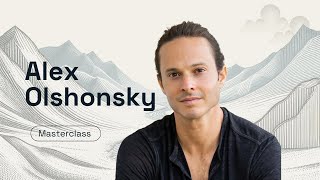
A Jonny Miller-hosted masterclass featuring Alex Olshonsky discussing his transition from polysubstance addiction in tech to a somatic therapist and recovery advocate. Key themes: broadening the definition of addiction (behaviors and processes, not only substances), critiques of recovery language ('sober') and dogma, the role of psychedelics (ayahuasca, iboga/ibogaine, bufo, MDMA, ketamine) in treatment, the critical importance of preparation and long-term integration, somatic/nervous-system practices (yoga, meditation, interoceptive work), and practical guidance for clinicians and loved ones. Notes on high-risk cases (fentanyl) and specific medicine-claims (ibogaine reduces opioid withdrawal; noribogaine activity) and recommended resources (Third Wave, Psychedelic Support, Psychedelics Today).
Okay.
Yeah. See, that's wild, man. I had to just. Eric Epstein. Oh, no.
Good morning, everyone. Good afternoon. Hey, Ocean. Hey, Lyle. Hey, Rex. Hey, Connor. Hey, Steve. Hey, Noel. If you guys would like to share how you're feeling in three words in the chat.
Thank you for getting the door. I'm sorry, I just hate to stop.
My workout when I.
We'll be starting in just about a minute or so. Three minutes past. If you'd like to share in the chat how you're feeling in three words, what if you saw people today by their will, by the Shireen. Hey, Christina. Cassidy. Hey, Brent. Okay. All right, well, welcome, everyone. Thank you for joining today. I'm just gonna put you guys on mute as well. And welcome Alex. So great to have you here.
Thank you, Johnny. Really good to be here and great to see everyone. It's a. It's a privilege to be with you all this morning.
And you're joining us from Costa Rica today.
That's right, yeah. I'm actually at our retreat center in Posada Nature, which is on the. The western coast of the country. We just wrapped up two weeks of a retreat and now our coming into a third and which will be the final one for me facilitating. And so I'm happy that the Internet is working and praise the gods that it will for this session.
Beautiful. Beautiful. Well, for those of you or for those people joining us who aren't familiar with your work, your writing and your story, could you give people a kind of a brief sense of what is the last, like 10 years of your. Of your life? Looked like maybe kind of walk people through a little bit of your personal story, a little bit of the transition you've been through, and I think that will help give context for the stuff we'll go into.
Yeah, sure thing. So, yeah, last 10 years of my life. Well, I. For many years, for about a dozen years, I was working in Silicon Valley and at many exciting tech companies. And at the same time, I was living a really intense double life that drove me into the depth of a polysubstance addiction. And so that intensity and kind of trauma and pain is what led me into the world of the healing arts and psychology. And I, when I finally committed to recovery, is when things in my life started to change and unfold in ways that continue to amaze me. And so for the last seven years now, I have been a. I'm a writer, I am a somatic coach and therapist. So I work with individuals and groups. I help. I work intensively with individuals who faith Addiction to achieve meaningful change in their lives. And I am also working the co founder of a nonprofit that was what we're doing here now, which is a interdisciplinary addiction and psychedelic program. And so I also, you know, just in context of nervous system mastery, I am, I very much am a body. My approach is somatic and body informed and nervous system informed and have found those practices to be so helpful, not just in my own life, but for others. And so, yeah, I just feel deep resonance with what, what you're all working on here and what you're doing. Johnny. So hopefully that was enough. You know, there's so much more to the story, but those are the high level notes.
Yeah, no, that's, that's great. Thank you so much. And I think what I'll say to everyone, everyone here joining us, I think maybe the best thing is we'll just touch on a number of different kind of topics or themes. And as we're speaking, if you guys have questions, if you want to write them in the chat, and then we'll probably, in about like 25, 30 minutes time, we'll invite people in and we'll make this more of a kind of like interactive Q and A. Because Alex and I have had many conversations over the years and I kind of want this to be an opportunity for you guys to, to ask him questions as well. But, but perhaps as a starting point, could you share, like, what, what do you, what do you think of in terms of like a definition of addiction? And you said poly substance. Could you kind of like unpack that for people? And how, like, what was that journey for you? Like kind of going from an addict to someone who is now, you know, working in Hakimi, working in the healing arts, working with psychedelics. Maybe you could speak to that a little bit.
Yeah. Yes. Yeah, that's great. I really appreciate the question. So I think most simply, an addiction is something that is done. And this can be a behavior, it can be a substance like taking like a drug or an alcohol. It can be a process like, such as watching pornography or gambling or shopping or work. And it's something that is done so compulsively that it creates negative consequences. And so I think the two key elements there are the compulsion, meaning that like, we're doing something really rather thoughtlessly without awareness that we're doing it. And then the consequences piece, where whatever we're doing seems to like, hurt us, and yet we still are compulsively doing the thing. And so, I mean, the way I look at addiction in our modern Culture, I think that there's no dichotomy between. We tend to think of addicts as the people huddled up on the streets who need support. And I think that that economy is a false one where in our modern culture, whether it comes to consumerism or the way that the capitalist superstructure operates, technology, digital media, I think, like, we all today interface with elements of addiction. And so part of, like, my work and message is to try to help expand that understanding. Because if it follows that we all today, like, have some elements of addiction in our lives, it would follow that we all could benefit from like, principles of recovery and healing and growth that are universal. And so I'll say that just like definitionally about addiction. And then in, you know, in my own journey, I say polysubstance because the truth was I had severe dependencies on amphetamines, cocaine, opiates. I mean, really everything. Alcohol and cannabis. I was an addict of the serious variety with severe consequences in my life from losing health and wealth, relationships and jobs and much more. And I also realized that in my recovery when I actually removed the substances and was finally, you know, what, what one, one might call sober, which is a word that I personally don't love. And I found myself, like, just as addicted to like, these like, really harmful ideas and like, work and productivity. And it wasn't only then, at that moment when I went into like, these more body based and deeper, like, levels of healing and, and just I'd say like, awareness, Dharma, or other words that come up that I realized that like, the, you know, this can function in like, the process and idea realm as well. And so that. Yeah, I'll pause there.
Yeah, thank you for, thank you for sharing that. And I like the idea of like, expanding the definition of what an addict is. And I know you talked about like high functioning addicts as well and how those are, I guess it's like a less appreciated form of addiction, but still, you know, equally can have equally catastrophic consequences.
Yeah, I.
There's so many directions that we could go in here. I'm curious from, from there. Like, you've also talked about a kind of a new story of sobriety. And you said that you didn't really like the word sober. Like, what would you prefer to use instead? Like, what's a different frame that you might offer?
Yeah, it's a, it's a really good question. And I just want to also acknowledge that, like, when it comes to the conversation around, like, language, for some people who are deeply committed to recovery, as I am, like, the word means a lot to them. And I really just like, honor that and sharing with you all that this is just like, my opinion and perspective is by no means truth. And but for me, I have never, like, identified with that word because I think that just like, even in its connotations, like what, like, if you think of what's a sobering thought, A sobering thought is one where it's like, oh, like, is it death? It's serious, somber. The word itself, I think, comes with this negative connotation, and I think it prevents a barrier to entry to folks who actually maybe want recovery. They want to stop using drugs or they want to stop rolling their phone or looking at porn. But then when they are like, they hear the word oh, the only option for me is to be sober. They're like, well, hell, no, I don't want to have anything to do with that. And so I get that, that, that tendency. And again, some, for some people sober, it means a lot of different things. But I do think it, like, speaks to this, like, almost like, you could say a branding problem that like addiction and recovery has where, like, some of these concepts and ideas can be held really, like, dogmatically and built around, like, abstinence. That I think just the future of recovery, my deep belief is that it will not be abstinence or dogma based. Rather, it will be about, like, what constricts and opens consciousness. What, what, what, what? Yeah, just deepens our, our presence and awareness. And I think that the last thing I'll say on that note is, like, you could technically be a sober individual who is, you know, going to, you know, two AA meetings a day and not drinking or using their drugs of choice yet, like chain smoking cigarettes, chugging monster energy drinks, chasing romantic partners in a really unhealthy way, which happens quite a lot. And so I just don't necessarily think it's the measure that I want to track myself against. Like, I think of more like I think of it as a project of awakening. Even though that's a big word, right? Like the, the. The. If I were going to measure myself around something, it would be. It would be that. And yet also remaining deeply committed to like, you know, it's been like seven and a half years since I've drank or smoked weed or done any of these drugs. And so. Yeah.
Yeah, beautiful. So there's kind of two questions that come to mind. The first is, and I imagine people might be wondering, excuse me, wondering this as well, but what do you think it was about the way that you approached the recovery journey that allowed you to have such incredible results when there are so many people still really struggling with addiction in all forms. And then the second part of that question is, what were some of the traps or the way in which your kind of addictive tendencies or predispositions kind of like, grasped onto other things, not necessarily alcohol or drugs? And what are some ways that you then worked with that as well?
Yeah, that's a really good question. And I first want to just say that in my, you know, I definitely had the benefit of having support around me. And even though my addiction, like, at the. At the depths of it, you know, I was pawning electronics and debt and, like, living, like, a life of, like, you know, things that I'm not proud of and crime, and I had severe consequences. I also had a net around myself. Like, my family was supportive ultimately, even though they're deeply. They had a lot of hard time understanding it. Like, I had families and friends who were there for me when. When I needed it. And there's a lot of folks who just simply don't have that. And in fact, that their family or their social net is the reason why they're drinking. And so I just. There's, you know, as politicized as this word becomes, like, the truth is that there's privilege there. And that was a part of my. My. My journey. And yet, when I had nowhere else to turn, I went to. I went to hardcore AA and multiple meetings a day. I mean, the meetings are free. And I also needed to do medically supervised treatment because I was on such high levels of narcotics that it would be, you know, the. You can die from the levels of opioids and amphetamines and benzos that. That I was on. And so it required a lot. You know, I needed a lot of help and a lot of support. And that was, for me, the. I think the ultimate humbling was, like, someone who, on the one hand, like, had a fancy LinkedIn title, that I really cared about, this LinkedIn profile. And then when I was suddenly at a place where the charade was up and I had to just be like, hey, I need. I need help. Tell me what to do, please. I'm willing to try anything. And so I really had been humbled to the point where I was. I had that openness. And then after doing just the second part of your question, which is an interesting one, was like, I went into these, like, you could say traditional recovery approaches at first, which is hardcore aa and then outpatient treatment. And then I felt Like I was reaching like a limit of that and then that led me to Buddhist based recovery and then that ultimately led me into the world plant medicines. And I did, which is an entheogen tea, antheogenic tea from the Amazon, which probably most people have heard of at this point. But I did that when I was exactly a year into my recovery and I was at a bit of a crossroads where I was like, I don't know what, you know, maybe I knew I couldn't do the hard drugs, but I was thinking maybe I would drink and smoke weed again because, you know, that's how it goes in this sort of process. And, and then it was actually from that experience where I was like just totally. It was the most beautiful and challenging experience I've been through. And since then I've never had any desire to drink or smoke. And it actually like deepened my, my journey into the world of the healing arts and yoga and meditation and contemplative studies. And so I think that I was rather fortunate in that sense that I came into a consciousness expanding journey when I had already established some foundation in my recovery journey which, which allowed that to be like a rocket ship, you know, and, and so because it's really important to approach these things carefully and especially if you have a history of substance misuse. And so I think I got, you know, it all. It's funny, but I did get very lucky on many times throughout the journey and had a lot of support from good people.
Yeah, thank you. And for people listening who maybe are less familiar with plant medicines or maybe, you know, they've read about some of the studies been done. What do you think it was about that experience or about your interpretation of that particular ayahuasca journey that you think led to then the results of you not even wanting to drink or smoke. Like what was the, what was the shift that happens, do you think, during that journey?
Yeah, and this is a, it's a, that's a such a good question and it's a really deep one and there's so many ways to like to answer it. And like what I want to say is that when it comes to like what would be like a well curated or responsible intervention and it's, you know, especially when you're dealing with individuals who have a history of addiction, I think it's important, it's not to say that you can't do psychedelic in a non ceremonial or therapeutic setting, but when you're dealing with individuals who have addiction in their history, it's, I think all the more Important to have structure around it. And what, what it did for me was I was granted exposure to realms of, I want to, for lack of a better term, just mystical presence and spirit and levels of kind of like subtle realms of energy and archetypical realities that were so profound and captivating that it really shattered some of my intellectual atheism and rigidity and rationalism. It very quickly shattered this idea that I knew so much about the world, life and opened up a new possibility. And I think like when you look at this, the, the science of psychedelics, whether it's disrupting the default mode network through predictive processing, where essentially you're, you're allowing particularly someone with proclivity to an addiction to just break open their day to day software and then see entirely new perspectives. And you know, the, literally there are neurons firing in different parts of the brain that don't normally communicate together. So there is this element of like opening up your awareness and perspective to more than we're typically able to be present to. And when it comes to folks like, with addiction that can really, you begin to see like new possibilities for your life or you might even taste hope where once there was only darkness and there wasn't hope. And so for me it was like this undeniable first person experiential encounter with spirit that was so captivating that I knew there was more for me to explore. And then finally, while like my, in the first experience was very empowering, I also psychologically went through one of the more terrifying kind of nights in my life. And which is just to say that like this is not like fun necessarily work to do this sort of thing. But for me, I think it was actually at that moment where that state that I went to was so terrifying. And yet I knew also it was important in a way that I'm still unpacking and integrating even from that very first journey years ago. Um, and I think what it, it actually allowed me to get what like was really underneath my addiction. And not just addiction, but like all of the whatever patterning, you know, we all are complicated and we all carry things like in our hearts and our psyches, in our path that like, you know, whether it's this idea that we're not worthy or intelligent or attractive, you know, whatever it is, like we all have that. And I think that experience for me allowed me to like very quickly get to what, like some of the deeper issues. And you know, I was a meditator, a yogi, I had all the other practices, but I, you know, for Whatever it's worth in this lifetime, I was driven towards this. This path with ayahuasca that allowed me to get to places that I think I. I don't know if I would have got. I think eventually I would have gotten there, but it can get you there faster. And so. Yeah.
Yeah. Wow. So the other two kind of things I want to touch on and then. And then maybe we'll kind of see what questions are in the room are. Firstly, the question around. And I think this is a really important topic, and we might spend a bit of time in this, but the piece around integration. And I imagine there's some people in this room that have had some psychedelic experiences. And my interpretations of. At least what I'm seeing is there's a lot of potential now. You can kind of go to a weekend retreat and drink ayahuasca and have these profound experiences. And then some people will come back and just go straight back into the same grooves that they were running beforehand. Maybe the same habits, the same. Everything else is the same. And I'm wondering what, for you, is the ideal arc of both preparation and integration so that this doesn't just become another peak experience that someone collects and can be something which actually creates the conditions for, or at least the potential for lasting change.
Such an important topic. And my teacher always reminds us that the ceremonies are the easy part, and it's the integrating the realizations into your life or integrating your life into your realizations that is the harder work. And that is the. And so when I think we think about, like, what is. What even is integration? You know, integration begins in the weeks or months leading up to a journey. Like, integration is part of the preparation and the diligence that you do to prepare yourself for a journey. And then it's an equal amount of time on the back end than either in, you know, the care of a counselor or a mentor, a therapist or a spiritual guide. Ideally it's with community as well, because when in this, you know, it doesn't necessarily have to be just through a psychedelic compound. Right. You can. I mean, as Johnny knows you can do, you can breathe really hard for 40 minutes and some interesting stuff will happen, and that needs to be integrated, too. And. And so when I think about, like, how. Yeah, just the kind of psychedelic capitalism where there's like all these, you know, you can just go to a retreat and, you know, go for four days and then it's like, okay, see you later.
But that.
That can be really, I think, disruptive and at times harmful to a person's evolution. And so I think that the future of off of doing this in a way that actually really fosters people's well being on a holistic level involves like ample time for preparation and integration. I mean like I said that first journey I had was about seven years ago and I'm still integrating from it from that seven years ago. And I've done this, you know, I now got at work consulting people through this. And it's just sometimes you know, especially for Westerners who we have like a very rigid and different approach rather than indigenous and first nation people who like the visionary realms are sometimes just easier on the system for them it can be extremely like you, you can have like your ontological reality like shaken and pulled out from under you. And so it's extremely important that you know there's, you have someone has support and ideally people who have, I mean walked the path that you're embarking on, you know, before you. I mean a good, a good trained therapist should be able to help but it's even better when you have someone who like has explored the transpersonal and not the realms of non or faith because it's, it is a terrain that you can get familiar with.
Yeah, thank you. And what are some of the, let's say like supportive modalities that you think complement this work well? And I know you mentioned somatic resourcing before your training in Hakomi. What are some things that you found helpful and why, why are they helpful do you think?
Yeah. And so yoga, a psycho spiritual practice like yoga or Tai Chi are, is just so valuable because like when you're doing that right, when you're doing something like yoga, it's not just the, the asanas or the poses but it's like a quality of attention and mindfulness that you're bringing to those poses and movements. And so it's, it works on both the, the body, the, the psychology and the kind of spiritual nature. And I think those are just super supportive. And then I mean meditation is like almost a non negotiable for like really going into, to work with this stuff at depth because it trains you to be able to like pay attention to what's happening, to somewhat rest in a more expansive state of awareness that can allow what's happening without getting too caught on story. And so and then I think finally yeah like you know, body based approaches because when it was. So when you think about something like addiction, even if you're, you're, you're like throwing your phone, all addictions most Psychological malaise are like embodied acts, right? Like whether you're, you know, if you just think about addiction, you could be in the bar drinking beers, you can be snorting, you know you're doing something right. Especially masturbation is an obvious one which I won't demonstrate the there but, but so it's like most of our malaise or discontent is like they're states of like embodiment or disembodiment. And so then when you're going to explore these new realms like being able to get in touch with what's actually happening in your own body is so, so powerful and yeah, I mean that the inter, interoceptive awareness like capacities that you're cultivating here are extremely powerful, powerful and complementary and synergistic to this type of non ordinary states of consciousness exploration. And so yeah, I mean John, I can talk more about like thematic kind of therapy and stuff but I think for now that's like those you know, I'd say like a psychospiritual practice like yoga, Tai chi, meditation and then you know, and finally just like you know, talk, talking to people and journaling. Super, super helpful as well.
Yeah, I'd love to touch on in terms of meditation, like are there any specific styles of meditation? Because obviously that's a very big kind of category. Is it more specific the meditations that give you that like psychological space to be in the witness and to kind of witness what's going on without getting caught up in it or are there other or like meta meditations? Are there any, any particular styles that you found especially helpful?
Yeah, I mean it's so, and I think with meditation it really depends on the person like because each person like has a different kind of like disposition. And some people find like for instance the more Theravada, you know, Vipassana, like just observing there's some people find that to be really hard and need to work with a mantra or a loving kindness or like the energy body. And so I would say that this is a highly individual thing. And yet I do think that yeah cultivating a sense of witnessing and allowing is probably going to be one of the more impactful and useful skills to have when you're, when you're going into these terrains that can be like a little bit like whoa, what's happening? Because you're training your ability to just walk without jumping into reactivity. Um, and, and so and I think for like most people that's a really good starting point with meditation and that that tend to lead to like the Deeper levels of meditation towards whatever non dual or I mean or other factors. But yeah, having like the other thing would be like having a focus point like around the breath or a mantra like so like meta. Like if someone I, I encourage people to really bring their intention and to, to hone it down into a single phrase that you can remember so that you can bring that into your journeys. And you're not like, oh I'm hoping to get published and you know, get much more like add ten pounds.
Right.
You don't want to be thinking like that when you're in a journey. Rather just like, like loving kindness or just compassion. Right. Just something really simple. And so I think that it's, you know, you can work with like a, almost like a meta like quality in that way.
Nice, nice. Okay, so final question for me and then I'd like to open it up to everyone here in the room. So the question is for people here that maybe they're not full time alcoholics, they're not like a serious addict, but they do have or identify with having certain addictive tendencies, certain kind of habitual patterns. Would something like a form of plant medicine be potentially beneficial? And if they're thinking of exploring that, what would be some things to look for and significant like red flags when considering working with plant medicines?
Yeah, it's a great question. And you know like you definitely don't necessarily need to have addiction in your history to embark on this sort of thing. I mean it a variety of like, I mean you. It can be for personal growth, it can be out of curiosity. Like what I encourage people is like if for whatever reason, if you have a curiosity or a pull and there's something that's like, I'm curious, what could this be like? I think that's what's worth paying attention to regardless of like what is what is going on in your unique world in life. And so if you do feel that sort of like curiosity or call all as they say it's like then worth like researching like really slowly and thoughtfully. And so like one starting with like people in your life who, you know, who have walked this path. I like, I have some, some resources and essays like in particular about ayahuasca that I've written just to provide a trusted resource. Like I will say that when you're researching psychedelics and retreats online you have to be careful because there's a lot of conflicting ideas. There's a lot of unfortunately the psychedelic and like transformational spaces, they attract a lot of narcissistic and Opportunistic individuals. That's just a fact. Right. And it's like anything, you know, like yoga and, or this happens in all aspects of life. But like in particular in the psychedelic space one needs to be careful. And so the things to look at, like one is like only, I would say only go or work with someone who, you know, firsthand, someone who's been through that and can give you a glowing recommendation. The second is to, to like really be mindful of places that are, you know, giving you a sense of like really trying to tell you something and coming on with like a lot of big promises. Like there's all these kind of soul realignment, you know, guarantees that like if someone is just like, if you're kind of like inner red flag is going off like oh, this is like big promises. And it feels like they're trying to upsell me already. Like that's something to, to pay attention to. And, and yeah, and so I would just say to like, you know, to treat this, to treat it with a lot of care and respect and like that. You know, there's a great line that I think Tim Ferriss popularized which is that if you were going to have like brain surgery, you wouldn't go on Instagram to find your, your neurosurgeon, you know, and it's the same thing for this sort of thing. Like you shouldn't go on Instagram or Twitter to find your, a place to hold your, your, this work because it is a type of psychospiritual surgery that can be really delicate. And so.
Yeah, yeah, thank you. I really agree with everything you just said. And I think we're also at a really interesting point in history in a way because it feels like we're at this, this, this crossroads or this turning this inflection point where even just last weekend ayahuasca ceremonies and a number of other substances have been legalized in Colorado, where I am right now. And I know that, you know, MDMA isn't going to be far, you know, too far behind. And so I think that in the not too distant future there is going to be a kind of menu of possibilities for people. And so I think kind of front loading this type of information and like how to really do your own research ahead of time is going to be so important. Okay, well, with that I'd love to open up to questions from you guys if you'd like to raise your hand either physical or virtual and we'll invite you up. What questions do you have for Alex? Yes, Noel. Hey, There. Oh, I think.
Hi. Hi, Alex. I just have to thank you. And you really addressed something that's been a big concern about the capitalism of these ceremonies. But. And I love your humility around all of that. I wanted to ask you because I work in a very poor community in northern New Mexico that kind of predates the opioid crisis. It was the black tar heroin trade, but now they're all just taking fentanyl. And I'm wondering. And what's happening is the people that are out there who are kind of peer to peer workers have no idea what to do. They were, they feel like being a heroin addict was nothing. And they can't even reach these people. What has been your experience? And they're asking, will, will psychedelics help this? Even though it's a very conservative culture, it's very Catholic here. So that the thought of doing anything, even though it still has some traits with currentismo. Right. But it's really going to psychedelics without knowing that ceremony or very difficult. What is just opening up. What is your experience of fentanyl and psychedelics?
Yeah, it's a great question and thank you for the work that you do. So when it comes to fentanyl, I, you know, fentanyl is part of my history as well. The reason there's an opioid crisis is because these, these, these fentanyl and like even oxycontin are very strong. And it produces changes in the brain that is like that, that provides severe physical consequences for folks. And so depending on where an individual is in that journey, they might, they likely will need to do some sort of detox before embarking on a psychedelic journey. Now, when it comes to opioids in particular, there is a. The most promising psychedelic is a is or ibogaine. Iboga tabernacle from. And that's indigenous to Africa. There's many treatment centers in Mexico. And one of its unique properties is that individuals will go into a journey which is a lot more. If, like, if ayahuasca were like the Mount Everest of psychedelics, iboga would be like the K2. It's like the more technical and perilous climb where more people die. And so, however, when it comes to opioids, the remarkable factor about iboga is that it can reduce withdrawal symptoms up to 90% after. And so with the noribogaine qualities. And so it's truly like miraculous what it can do, especially for people with severe addiction. We are partners at natural care programs. Like, we actually take folks who have been through ibogaine journeys and detox, but then bring them through our program. And so that would. For people who are doing heavy fentanyl, that would probably be a good option. And then I would just say, too, like, you know, it's like, when you're working on the front lines and with that. That sort of population, which I do work with as well, like, you have to just meet the people where they're at. Like, a psychedelic journey might not be right for them at that moment. And. And so it just. It depends. Right. And so I. That's what I would just say, too. It's like, I wouldn't just recommend necessarily. Like, they might need to. They might need to do a more like, traditional medical detox onto Suboxone, which is an opiate antagonist.
That.
Yeah, so that's. That's what I would say there.
Thank you.
And Brent. Yeah, that's. It's a good question. There. There are lots of hypothesis. So the Noribogane, which is the active ingredient in iboga, like, stays in the system for three months. And I don't think they fully. I mean, there's a lot of people studying this. I don't think they fully understand how it works, but it does seem to work on the MOO receptors, which is where opioids act. So there's a really unique chemical composition there. And it's also, like, you could talk about from a more crazy spiritual sense that there's an opioid crisis and now this plant is rising as a solution. And so. Yeah, thanks for that question.
Yeah. I'll also add to that piece as well. Michael Pollan has a really wonderful metaphor that I think is applied specifically to iboga or ibogaine, which is this idea of, like, powder snow kind of going in the snow tracks or in the piste. And how in the 30 days afterwards, there is this opportunity of, like, it's like skiing down fresh powder. And the grooves that were there previously have been kind of filled in with the. With the powder snow. Yeah. So, next question from Steve. Do you want to. Want to say hi?
Sorry, I'm killing two birds, one stone. I'm getting a workout at the same time. So I. Someone I love has. Has an addiction to alcohol. And what would you. You know, it's interesting. She's. She's so against. You know, you were talking about dogmatic. You were talking about dogmatic.
And.
And.
And she hates the dogma of. Of aa, you know, and she just hasn't found an approach that she's comfortable with, because this whole idea of stopping Something is just so bad, you know, to her, and she knows something more modern will be created. So what would you say? Like, what advice would you give someone like her?
Yes, I mean, this is a question I think about a lot. And, and so.
The.
What I would tell them is that there are numerous options out there already. Right. And so you don't. If someone is going to be just the AA and the 12 steps and those affiliated programs are not, you just. They just know, which is a lot of people, particularly folks from. Yeah, well, I mean, I, I'm someone. I don't want to get into a whole conversation because I'm someone who appreciates the steps as they've been through root. Very helpful for me. And yet what I would direct them towards are other recovery communities that exist. I could list a few of them in the chat. Towards the end. There are also, like, for someone like that, you know, that's where a more traditional process around therapy might be useful. And someone like that also could be really inspired by like a psychedelic approach to recovery when held in the right way. So I think just, you know, like, for instance, the Deep Fix community that I have founded is like kind of a more modern approach where there's just recovery dialogues and there's no affiliation or steps or dogma and there are a lot of other programs like that. Like my friend Holly Whitaker founded Tempest, which is. She's no longer involved with that organization, but that's an online recovery community and program that has like therapy and group. And so there, there are a lot of options out there. And like, I think more important is for you to just show up with love and support and encouragement and help and help like contact the self directed healing part of that person that wants to get better and keep contacting that part.
You're muted, Steve.
I'm just gonna. I'm just.
Yeah.
I don't know if there's more to.
Would it.
Yeah.
Would it be okay if I.
Think you.
I don't know about you all, but I'm. Questions. If I have further questions, would it.
Be okay if I followed up with.
Future questions by email? Sure. Let's see. Okay.
Thank you.
Yeah.
Okay.
All right.
Thank you.
Steve or Johnny. Should I jump on to the chat?
Yeah. So I was just going to ask. Oh, do you want to add a bit more context to your two questions? Cool.
Hey, Johnny, did you feel me?
Yes. Would you like to add a bit more content? You asked about what type of nervous system work can be done with psychedelics and.
Yeah, some context.
So I've done a lot of work with psychedelics like different ones and within each journey I do feel that there is nervous system aspect that is activated and some like deeper emotional releases. But I'm trying to see if there is some framework to actually target working with dorsal, ventral and like sympathetic states within this sacred space or if there is like any kind of psychedelic like catamine that I refer to with the chat that can be used within again a protocol that is specifically targeting.
I.
Don'T know, like enhancing or strengthening our capacity within the nervous system.
Yeah, I mean it's a good question and I think that when it comes to doing like one on one psychedelic work, ideally a person is being met like with their, where their nervous system is. Like for instance something like MDMA will have a more activating impact on the nervous system and is only right for certain individuals. You know, there's this wholly mysterious concept and I mean wholly with a W, H O L. Like there's a mysterious compact like component to the antigenic compounds like psilocybin and ayahuasca where you can't necessarily predict how a person is going to react. And so in particularly like in the, some of these, these psychedelic medicines that come from indigenous traditions like they wouldn't view it through the nervous system language that we spin things with. Right. And which I'm sure you might be aware of. And so I think the short answer is yes. However like I think that it's. Most practitioners aren't necessarily I think approaching the problem in that way for better or worse. Like if you know someone is likely coming to work on a psychological issue and that issue like could be related to an either hyper or hypo around. It could be related to so many things, to trauma producing, one of the fawning, fight, flight, freeze responses. But like you don't always know until you actually get under the hood. And so, and so I would say that like um. Yeah, I don't know John Johnny might have a different perspective to offer to that question though.
Yeah, I, I have a couple of thoughts to add to that. Um, the first thing I, I think is just the idea of ideally working one on one with a practitioner so that they can take you or the client to the edge of their window of tolerance but not beyond. And that window of tolerance might be in high tone sympathetic. It might also be down in dorsal so that more embodied safety, more ventral vagal can be created in that place. And I think as Alex mentioned, different compounds are probably more suited to people with different tendencies. So, for example ketamine is great for people who have suicidal ideation or people who are kind of really on the edge. It's a powerful disassociative. Something like ayahuasca might be really more suited for people that already have a pretty grounded nervous system and have capacity to hold themselves through big experiences. MDMA might be great for people who are struggling with self love or things like that and trying to find more of a sense of compassion. So I think it's about maybe prescribing the right substance and the right set and setting to whatever the person's specific conditions are.
Yeah, that's a really. And just to build on that point, like, Johnny and I kind of alluded to this, like, it's like, yeah, like, you know, for someone who you want to work in that sort of way and like, has maybe a lot of trauma and they just want to do a lot of what's called groundwork within the window of tolerance. You know, like, having a practitioner who can serve the right medicine and keep. Stay gentle in that approach is key. But I also just want to lift up the fact that, like, in the indigenous traditions and many other traditions, like, you're not necessarily, like, aiming to stay within the window of tolerance. Like, sometimes they want you to go up or below because there's medicine in that. And so that's like a really hard concept for, like, psychology students to, like, grapple with. Right. That, like, maybe even our orientation to like, this is like, somewhat stuck in a reductionist quality. And so, yeah, I mean, I'd say there's. It's a. Both. And like, in. In that case.
Yeah, I love what Alex, what you just said. And I think in. For the context of people looking to engage with kind of therapeutic, like, healing work, the key piece is. Is like, towards the end of the journey, landing and integrating down into that ventral vagal. And so no matter how high or low you get that, as long as you return to that kind of peace place of. Of safety within the window, I think. I think that is still key.
Right, right. And you don't want to blow, like. Yeah. I mean, it's never constructed just to get blown out and then to not be able to. Right. Like that. That's actually like. And I think one of the. The, like, the idea is like, oh, I want to like, dissolve my ego. Like, well, that can be quite stabilizing. Right. If you're not slowly rebro our world. And so. Yeah, it's a good question. Thanks for asking it. Or. Sure.
Thank you very much. I'll Just add like a tip of it. There is one practitioner I've witnessed, his name is Saj Razvi. Probably heard about him from psip and they do some specific work on the nervous system itself. I'm from Israel, so it's not really accessible here. So I wondered if you have. Might like an idea of the concept. But they have, they are like, they have this something inhibition where they inhibit nervous system within like ketamine or like even cannabis states. And they really work with like the activation of the sympathetic nervous system. That, that's like something that I've witnessed like online. I saw the, like the examples and I totally relate as I like did quite a lot of ceremonies. It's really unpredictable, you know, it's not a linear process.
Yeah, yeah. To be totally honest, I hadn't heard of that you mentioned and I'm not sure about that. I mean, yeah, I, I almost want to say like. And I, I feel like this is a bigger conversation, but like, because it's very hard to predict how a psychedelic journey might impact the person's nervous system. Like for someone who. And I'm. And I don't know anything about the work that you're referencing, but like it might make more sense for certain people to start with like a breathwork journey where you have a little bit more ability to work in that sort of way and have a. There's like, there's. There's a, A factor of unpredictability there as well. But. Yeah, yeah, I'm not sure. Thank you.
Yeah, thank you. Thank you all. Sweat sweaters. I'm not sure if I'm pronouncing your name correctly. Would you like to come up?
Yeah.
Hey, do you want to ask a question?
Yeah.
Hi.
Yeah, sure. Thank you, Johnny. Thank you, Alex. I think it's one of my first opportunities to hear about such topics. So that definitely opens up some parts for me that I am struggling myself. So my partner has chronic depression problems and he has had rather tough childhood and he also got into addiction for many years, 25 years. And therapies did not work at all. And we are in Germany and it's rather conservative your place here, when you compare it to Netherlands and all. So I just want to know what would you suggest me? How can I. How can I get help? And by the way, I heard about this bufo alvarious topic from him because he, he bumped into something like that and he said that probably this could be a really good therapy for him. So I want to know what, what's your Take on it.
Yeah. Well, thank you for sharing that. And I mean my heart goes with you for what you're working with and with, so for, with him, like just to be really like simple, like like before even any psychedelics. I think the most important thing that a family member can do is, and I said this earlier, but it's like continuing to contact the part of the person that wants to get better. And so like when it comes to, when it comes to addiction and recovery, like it can be really easy to like shame a person or to be like, hey, you don't want to like I don't want anything bad to happen to you. Like where instead just like really simply, simply like it. And this is rooted in tactics of like motivational enhancement interviewing, which is the type of psycho psychology that works really well for addiction where like you listen to when they say that they want to get better, do things differently and then you kind of just continually lift that up in that person. Right. Because that's the part of them that wants to get better. And so the more that you can speak to that part of him, just in general, the more that you're going to be like buttressing and supporting his, his, his, his recovery. And so I would say that like before even any psychedelics, like that's what, what any loved one can do for someone else. You know, bufo or the 5 Meo DMT, like it's a short acting psychedelic, all these tools can be very impactful and there's, each one can produce amazing effects for certain individuals. Because BUFO is shorter acting and because it also produces a very wide range of responses, I tend to recommend it less for individuals facing addiction, you know, like generally. And that's just my. Yeah, I'll just, I'll just leave it there. I think that like when it comes to addiction, Iboga, psilocybin and ayahuasca, because they have a longer process, because there's also like a purgeted element often that helps cleanse the system because it's harder to binge and abuse those substances. I tend to, my bias is to work with those substances as a first line of defense for addiction. But that said, there are people who do BUFO and have amazing results. There's some people who break addiction with ketamine. And yet ketamine I think is in its own class. Someone asked about earlier of psychedelics that shouldn't be included in the same conversation because it has very severe addiction potential that I have witnessed over and over again with people coming to me. And so it just. There's no right answer here. But what I would say is the three that I mentioned, I think tend to be the most well suited. If I had to, someone was like, you know, you got to make a decision now. Those are the three that I think are most well suited to addiction.
Thank you so much.
Yeah, yeah, thanks. That was a great answer. Okay, maybe. Last question from Ocean. Hey. Hey.
Hello. Yeah, so I'm glad you talked about Eboger. My question is around any kind of thoughts or suggestions in terms of resources for integrating microdosing experiences. So I recently did a microdosing kind of experience with Iboga and I went into like feeling like, okay, I have the capacity for this. I have the space to sort of hold myself in this experience and whatever comes up. And then I did find I had quite an intense experience where I had a freeze response within this movement pattern that I do. And I've been working like, I've been kind of trying to integrate it with my therapist, my talk therapist, who also does some somatic stuff, but she doesn't have any experience with psychedelics and also with my movement teacher. But again, she doesn't really have that experience. And so I've kind of been struggling with how to really integrate that because I feel like there's still a lot of kind of fear and tension kind of around that experience. So. Yeah, outside of the kind of, you know, the longer journeys and the deeper stuff, psychedelic experiences, do you have any suggestions for microdosing?
Yeah, well, that's a, that's a great, great question and thank you for sharing your experience. Like, I think I want to name too, that, like when most people think about microdosing, like microdosing technically would be a sub perceptual dose and usually psilocybin or lsd, although you could microdose virtually anything. However, it sounds like, you know, like microdosing like Iboga and especially if that it's producing that sort of like response, like it. Yeah, it sounds like that was an experience that definitely wouldn't reserve plenty of time, what you're already doing to integrate. And there's a company called Third Wave that has a lot of good resources around microdosing. I would say that for you, like Ocean, just to maybe continue, like, you might want to try to find someone who has a little bit more background and exposure just because, you know, I'll say that microdosing iboga is not as typical as like doing psilocybin or lsd. And so even in that itself, because it has a different Quality and lasts a lot longer, has a much longer half life. Like, it's a different experience, like a different beast than what most people would talk about when they say microdosing. And so I think almost maybe like orienting that to that more as like a journey to integrate. And so I think, yeah, it's a mix, probably a mixture of what you're doing, but just continuing to extend that process and maybe building in journaling and finding someone who has some experience with psychedelics and then giving yourself a few months to continue to work with it.
And do you have any kind of like, suggestions on where you could even begin to find people that would sort of have that experience?
Yeah, well, so there, there's a few places. I mean, I know Johnny has like a schematic, and I think there's some folks who probably have psychedelic. Johnny has a list, however, like, when it, you know, depending on where you're based. For instance, you know, if someone in the US has insurance, like, you can use Psychology Today to find therapists who have specialties in psychedelic medicine and in some cases not have to or go on insurance. And like, sometimes that can be adequate. Otherwise, like checking out these companies like Third Wave and Psychedelic Support Network that have, like, lists of practitioners. And so when I have a minute, I could type in some of these resources, but they have lists of practitioners who do this sort of work. And so, yes, psychedelic Support, Psychedelics Today and Third Wave would be three good resources to start with.
Okay, thank you.
Thank you so much, Aishan. And I'll just add as well, if you're based in the uk, the London Psychedelic Society also has a lot of great resources, and I can share a couple that are UK specific as well. Okay, well, we are. We're pretty much out of time. I wanted to say thank you so much. Alex, before we, before we leave, do you have any final closing comments and are there any resources or places that you would direct people to both your own work and other resources that might be helpful for kind of learning more about this work?
Yeah. Thank you so much, Johnny. Well, thank you all for being here. It's a really privilege to be with you all. And I would just encourage, like, you know, to. To really, like, lean into the tools and practices that Johnny's providing for you here because they're like, this is the. These are like the. It's like the toolkit to awakening, not just nervous system regulation, you know, it's the toolkit to how to like, live a more present, creative and loving life. And so I want to say that. And if you do have anyone in your world who's struggling with addiction Mature Care programs is the interdisciplinary addiction program that I co founded that I can drop a link in there shortly and then other than that, I mean I can try to list those resources as well that have good psychedelic education and list on there. But yeah, other than that, you know, feel free. Anyone who's in Johnny's course here can. Can reach out to me and I'd be happy to help point you in the right direction. So yeah, it's just a privilege to be with you all today.
Thank you so much. This has been. Been a real pleasure. Yeah, really appreciate your time.
Yeah, yeah. Thank you all. Thanks for being here.
All right, well let's close with if you guys would like to unmute yourselves and say thank you, olo.
Thank you, olo.
All right, have a great week, guys. Ciao, ciao.
More from Jonny

🧑🏫 A Panic Attack for Joy? Unpacking Blissful Jhana States w/ Stephen Zerfas at Jhourney Replay


👨🏫 Guest Masterclass: The Art and Science of Functional Breathing w/ David 'Jacko' Jackson

👨🏫 Guest Masterclass: Nervous System Functioning & Cultivating Greater Regulation w/ Satori Clarke

👨🏫 Guest Masterclass: Our Inner Cyclical Seasons & Menstruality w/ Zahava Rose

👨🏫 Guest Masterclass: Tools for Nervous System Regulation + Emotional Expression w/ Satori Clarke


👨🏫 Guest Masterclass: The Science of Touch & Leveraging our Human Physiology w/ Eddie Ulm

👨🏫 Guest Masterclass: The Art & Science of Functional Breathing w/ Conni Biesalski


👨🏫 Guest Masterclass: Increase Body Awareness Through Self Touch w/ Tessa Carolyn