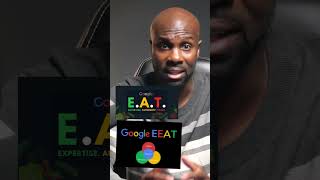
Juntae Kai Delane breaks down Google's EEAT framework (Experience, Expertise, Authoritativeness, Trustworthiness) and how it affects search rankings since the 2015 Phantom Update. He walks through concrete tactics: publish only in your expertise, add authoritative guest contributors, build detailed author bios, secure bylines and backlinks, and use structured data for author information.
Chapters
Hey there. Welcome back. Today I've got some exciting stuff to talk about that can seriously up your SEO game. Now, you've probably heard of eat, but now it's time to meet its new improved sibling, eeat. So stay tuned because I'll break it all down for you. But before I do so, be sure to smash that notification bell to receive more updates and insights like this. Now, before I dive into eat, let's take a quick trip down memory lane and revisit the phantom Update. Back in 2015, Google made some major changes to its algorithm without saying a word. It was like they were playing hide and seek. But eventually they spilled the beans and we've learned that they're looking for people who are actually behind the content. That's right. Google wanted to know if the authors were the real deal or just pretending to be experts. This update paved the way for what we now call E A T. So what's the deal with Eat well? It stands for experience, Expertise, Authoritativeness and Trustworthiness. It's like the four pillars of great content. Experience checks if the author has hands on knowledge of the topic, Expertise, the digs into whether they have the right skills for the job, authoritativeness looks at how well they're known in their field and trustworthiness is all about honesty and reliability. And you might be wondering, why should I care about Eat well? Here's the scoop. Eat is not just another fancy Google algorithm. It's all about improving the user experience. Imagine searching for critical life decisions like retirement plan and stumbling upon content that's written by someone who has absolutely no clue. That's a disaster waiting to happen. Google wants users to trust the top results and rely on them for important decision. Now you might be asking, what's the difference between EAT and eat well? It's a simple extra E, but it makes the world different. The new E in EEAT stands for experience, which means Google is now paying even more attention to whether the content creators have real life knowledge about the subject. No more faking it till you make it. Alright, let's get down to business. How can you boost your E A T score and rank higher in those search results? First up, publish content in your area of expertise. If you're in the your money, you life category, Google wants to see real experts sharing their knowledge. Consider inviting authoritative guests and bloggers to contribute to your website. They can bring a wealth of experience and credibility to your content. Create a strong author bio page on your site. Let Google know who's behind those brilliant articles and why they're the experts in their field contribute guest posts on industry websites, but remember to get that sweet byline and backlink back to your site. It's very important. And last but not least, consider using structured data to add author info to your site. It's like giving Google a cheat sheet on your content creators. So there you have it folks. E A T is the name of the game when it comes to SEO and content ranking. Remember, it's all about experience, expertise, authoritativeness and trustworthiness. If you want to conquer the world of content marketing SEO this year and beyond, make sure eat is your trusted ally. Thanks for tuning in. And don't forget to like subscribe and hit that notifications bell for more insights. Bye for now.