In this solo YouTube monologue, Kashif Khan warns viewers that major retailers, beginning with Target, are embedding Bluetooth trackers in shopping baskets and integrating wireless chips into LED store lighting. These components communicate with shoppers' smartphones to continuously locate them within the store, recording aisle visits, dwell time, and item interactions. Khan cites Target’s privacy policy, which permits the use of Bluetooth and LED signals for indoor positioning. He explains that the data collected will feed into digital price tags—electronic displays that can change prices in real time—enabling personalized pricing for each shopper based on their profile. The video frames these practices as a privacy threat, urging viewers to reconsider their perception of grocery stores and to follow his channel for more daily insights.
Chapters
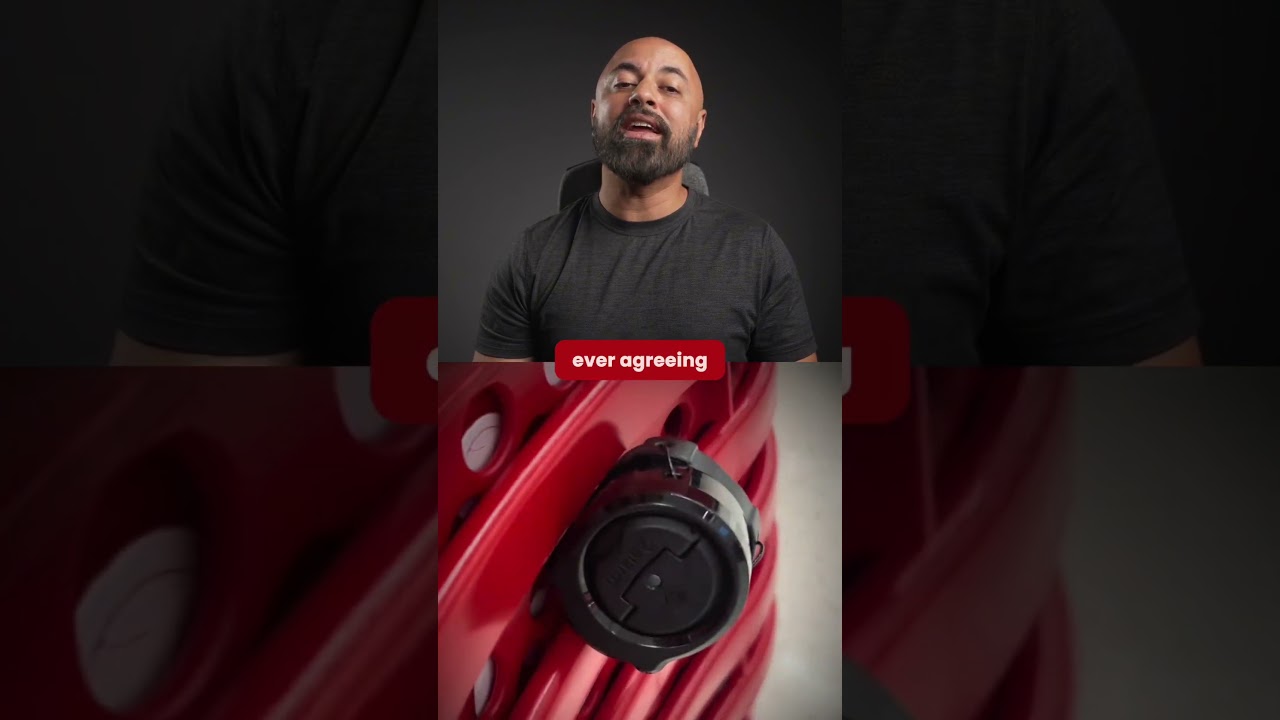
I don't know how many people actually know this, but there's a tracker inside your basket that you're carrying around Target, and soon enough it's going into every major chain. Once you know what they're actually trying to do with it, you won't look at a grocery store or a convenience store the same way ever again. Grocery stores have started putting a small Bluetooth chip in the handle of the basket in the carts you push around the store, which means it knows exactly where in the store you are at all times, which aisle you stopped in, how long you stood there, and what you picked up and put back. Then look up. They also started swapping the store lights for LEDs with wireless chips built in them. So the ceiling is part of the system as well. The lighting talks to the basket, the basket talks to your phone, and you're being quietly pulled into their system without ever agreeing to any of it. This isn't a theory. Target's own privacy policy says they may use your phone's Bluetooth signal and LED light chip technologies to find your location inside the store. And here's what they're trying to do with with all this information. Paper price tags are being replaced with digital ones, screens that can change the number whenever the store wants. Now combine that with a profile of who you are and what you'll pay. That's the endpoint. You'll walk in, the store knows exactly who you are, and you get the special custom price based on your profile. And this technology is already being tested. The digital tags are in stores right now, and these companies have openly talked about pricing that changes from one shopper to the next. If you found this helpful, make sure to follow because I post stuff like this every single day.