In this episode of the How to Live in Denmark podcast, host Kay Xander Mellish explores the Danish March tradition of gækkebrev—an anonymous, paper‑cut Easter letter signed with dots representing the sender’s name length—and uses a newcomer’s surprise at receiving one to illustrate how such tactile customs are fading in a highly digitalized society. Mellish explains Denmark’s extensive digital infrastructure: the CPR personal number, the MitID digital signature, digital mailboxes, cashless payments, and the decline of the postal service, stamps, and physical money. He reflects on the cultural loss of romance and tradition as letters, love notes, and stamps disappear, linking this shift to broader societal changes like declining birth rates. The episode concludes with calls to follow the Danish Year series and related resources.
Chapters
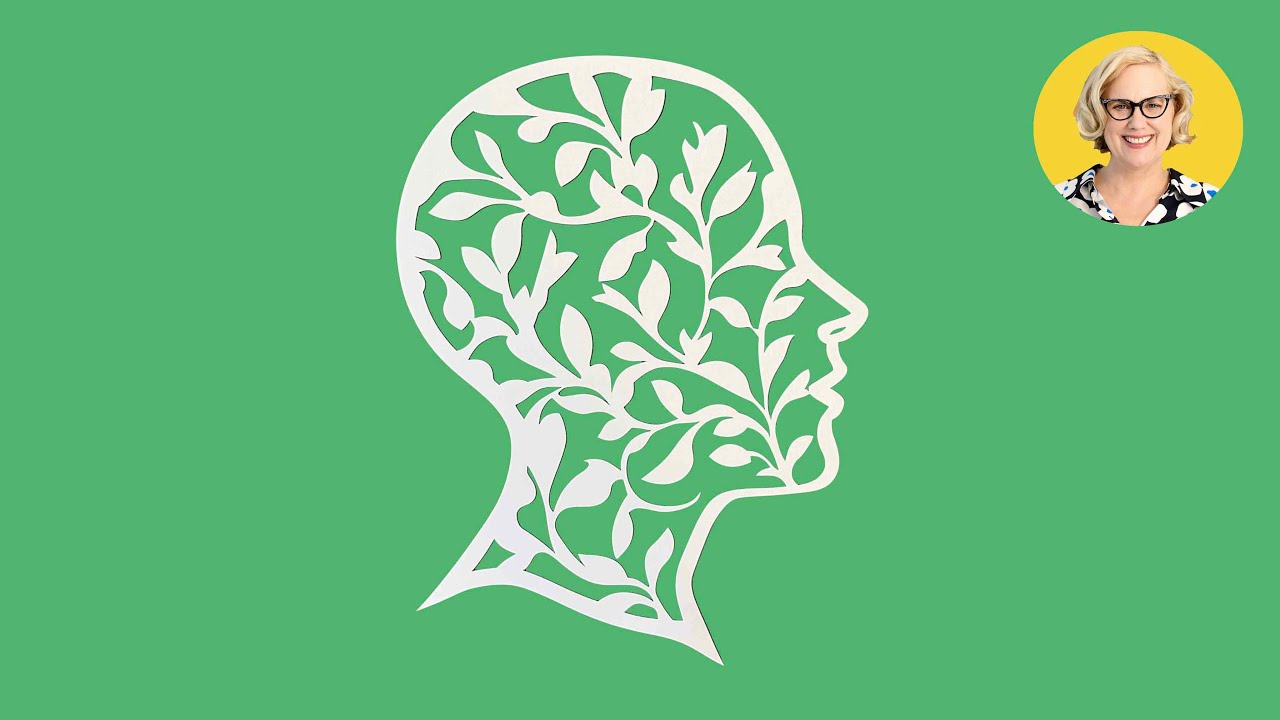
Hello and welcome to the How to Live in Denmark podcast. I'm Kay Xander Mellish. I've referred to the Danish year before on How to Live in Denmark. We're going to look at events associated with each month and put them into context about where Denmark has been and where it's going. March. Am I being threatened? An international professional who had just moved to Denmark asked me this when he received a note. in his apartment building mailbox. Now, this alone is unusual in Denmark. Since the country went digital more than 10 years ago, we get very little paper mail. I don't think I've received anything in months. But he had. He had received a carefully decorated envelope illustrated with crayon, in which there was a single piece of white paper cut into a kind of snowflake pattern. It had some Danish writing on it, a, a few short lines, maybe a poem. And it wasn't signed. There were just a few mysterious dots. The man, a highly educated engineer, was concerned. Am I going to be kidnapped? he asked me. Is this some kind of ransom note? No worries, he was safe. What he had just received was a Gekkebrev, or Gekke letter, named after the Vintergekke flower that used to come with these letters in the 1800s. Gekkebrev come right before Easter, and they are always carefully cut from a single piece of paper, usually in an elaborate pattern. The poems are usually standard, copied from a book, and they are anonymous. But the mysterious dots they are signed with correspond to the number of letters in the sender's name. So if I sent you a gekkebrev, I would sign it with 3 dots for K-A-Y. If you can guess who sent the letter, I owe you a chocolate Easter egg. If you can't, then you owe me a chocolate Easter egg. Gekkebreve are very popular with small children looking for candy. My guess was that maybe this engineer had a young child or a young neighbor who might have made this at school. And he did. Gekkebreve are a great Danish tradition, but like many other Danish traditions, They are fighting with the country's ambitious digital agenda. Denmark is one of the most digitalized countries in the world. The state communicates almost exclusively online. That means letters from the government or banks or utilities aren't available on paper. They come in a digital mailbox assigned to each resident. So if you're checking the post box for a letter from the immigration authorities, You're doing it wrong. When newcomers arrive in Denmark, they get a guide to digital Denmark. They start with a CPR number— CPR stands for Central Personal Register— which is a combination of your birthdate and a secret 4 numbers, the last of which is odd for men, or even for women. When people get gender surgery in Denmark, they often apply to change their CPR. Everyone gets a digital signature application for their telephones. The current one is called MitID, which they use to sign government documents and banking documents online. Digital health cards on your phone, digital driver's license, digital library book checkout, digital communication with your doctor— it's all part of living in Denmark. All this digitalization is slowly killing The Danish postal service, which has a long and colorful history. If you read picture books to children in Denmark, it won't be long until you encounter an illustration of a Danish postbud, or postal carrier, wearing a military-style red tunic with shiny gold buttons. Along with happy bakers, barbers, and butchers played by various animals in the picture books, The postal carriers with their red jackets and their jaunty hats and their yellow cargo bicycles are one of the standard images for children of a safe, comforting Denmark. The red and yellow color scheme dates back to the Royal House of Oldenburg, the family that ruled Denmark in the 1700s. Back then, postal carriers were seen as royal representatives. Delivering letters and documents on behalf of the crown. However, the whole thing got chucked out the window in 2009 when the Swedes bought the Danish postal service and sold off all the real estate. Now postal carriers wear Swedish blue outfits, and they mostly just deliver packages from online shopping. Digitalization has also meant the near disappearance of stamps. And stamp collecting. It's hard to get a stamp in Denmark these days. If you need to send something, you're supposed to go online, buy a code, and then write it on the envelope yourself. Danish stamps generally feature the monarch, the king or queen. We got a new king more than a year ago, but I have yet to see a stamp with his face on it. He did manage to get his face on a coin, although I haven't seen one of those in real life yet either. Digitalization in Denmark means there is very little cash in circulation. You pay for everything with a card or your phone or your watch. Denmark is actually taking cash out of circulation. It recently eliminated the 1,000 kroner note with the justification that nobody was using it except criminals. Digitalization is certainly efficient and good for the environment, since it eliminates a lot of paper and coins and the need to transport them around. But there's also some romance lost in the decline of physical objects like the letter and the gekkebrev. Although gekkebrev are now mostly sent by children to adults, They were originally love letters. Sending an anonymous note with a vintergekke, a flower that symbolizes the coming of spring, was a way to see if a special someone had an interest in you. Would they guess who had sent it? Would they respond? Many young Danish people today will never receive a love letter. They may never stick a stamp on an envelope. They may never flip a coin. And there's something lost in that. A bit of romance and tradition. But the gækkebrev, it was a way to approach someone you like in a gentle and poetic way. It's too bad it's gone. Just at a time when Denmark has a falling birth rate. And that's the How to Live in Denmark podcast for this week. You can follow the whole A Danish Year series at howtoliveindenmark.com. You can also follow us on social media or buy our books at books.howtoliveindenmark.com. See you next time. See you next time.