In this episode of the How to Live in Denmark podcast, host Kay Xander Mellish reflects on two intertwined Danish themes: the May 4th candle‑in‑the‑window tradition that commemorates the 1945 liberation from Nazi occupation, and the contemporary experience of aging in Denmark. Mellish explains the historical origin of the candle as a symbol of rebellious light after the German blackout, notes its fading visibility as the living memory of the war recedes, and connects it to the broader issue of elderly isolation. He describes how most older Danes live alone, receive periodic municipal assistance, and are only placed in care homes in the final months of life. Comparing Denmark’s model to family‑based elder care in India, the Middle East, and senior‑community living in the US, Mellish critiques the Danish policy that encourages seniors to stay in their homes, arguing it can increase loneliness. He introduces the government‑promoted concept of bofællesskab (living cooperatives) where seniors share housing and communal facilities, which also frees homes for younger families. The episode outlines the rising pension age—from 67 now to 70 for those born today—and the difficulty older workers face finding employment after 60, noting a shift from high‑level board roles to lower‑skill jobs. Mellish observes a cultural lack of honorifics for elders, the informal first‑name address, and limited societal roles for seniors, aside from occasional community activism, attendance at classical arts events, or informal gatherings in local bars. He shares personal anecdotes of online hostility, the challenges for non‑Danish‑speaking retirees to build social circles, and advises prospective retirees that Denmark may not be an easy place to age comfortably. The episode concludes with a tribute to teenage resistance fighters buried nearby and a reminder of transcript and speaking‑engagement resources.
Chapters
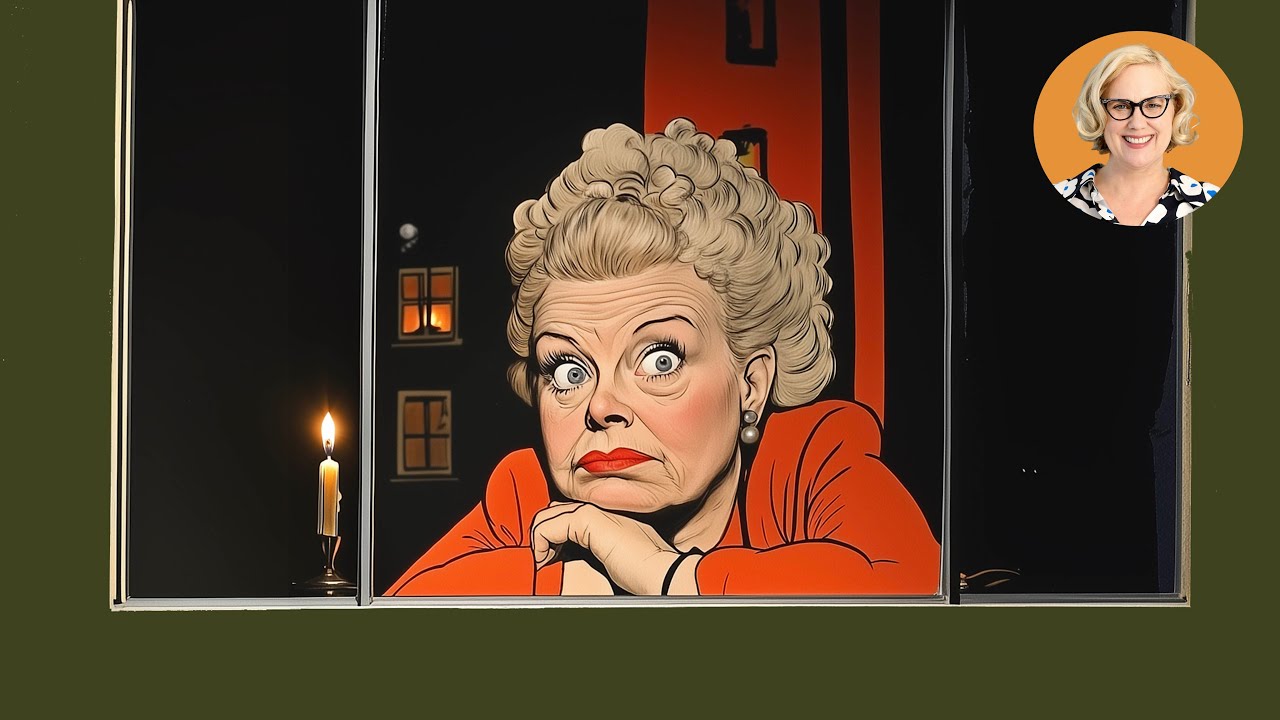
Hello and welcome to the How to Live in Denmark podcast. I'm Kay Xander Mellish. Getting the present to remember the past is always tricky business. All over the world, there are statues set up so that people will always remember that great man so-and-so. But most of the time, when you ask a local, who is that a statue of? They'll say, I have no idea. These great men in their day now spend centuries having birds stand on their head. The past is past, and memories don't always persist. So it is with a lovely May tradition in Denmark: setting a candle in the window on the night of May 4th. This is to commemorate the surrender of the Germans and the end of the Nazi occupation in 1945. The Nazis imposed a blackout on Denmark to confuse the Allied air forces. So now that they were defeated, a candle in a window became a small symbol of rebellious light. I intend to participate every year on May 4th, but I often forget. And to be honest, I see very few candles in windows these days. You'd have to be aged 85 or older now to remember the war, and Germany is one of Denmark's greatest friends. And allies. In addition, the elderly who do remember the occupation and the blackout generally do not live with their families in Denmark— families to whom they might pass on the candle tradition. Old people in Denmark primarily live alone, and municipal employees come to their house once or twice a week to help with cleaning and make sure they take their medicine. When they can no longer take care of themselves, they're moved to a publicly funded care home or a hospice, but this is generally only for the last few months of life. The elderly in Denmark are often lonely. In India or the Middle East, older people usually live with their families. In the US, where I come from, they join active adult communities, where they can golf and have affairs. The Danish policy that encourages old people to remain in their homes as long as they can isolates them, in my opinion. That's why the Danish government, mindful of the fact that the average age in Denmark is advancing quickly, is encouraging the idea of bofællesskab, or living cooperatives. That's when a number of older people live together in a house or a large apartment. A bit like university students, with a shared kitchen and laundry facilities. This gives them a bit of company and, not coincidentally, frees up a lot of individual houses for younger families to move in when the old people move out. Now, when I say old people, I'm talking about people over 67, which is the current Danish pension age. That will crawl up to age 70 for kids born today. The problem for many people is that it is hard to get a job after age 60. Nobody wants to hire you as the hip new designer, or the innovative pharma developer, or the management trainee. Older people at the very top of the success ladder often spend this time on various boards of directors, leveraging their years of business experience. Below that level, I meet a lot of older people who have tossed their career and their specialized educations aside and become office managers, or work in retail, or work in kindergartens. They're done climbing the career ladder and want something people-focused that is, and I quote, something to do until I retire. Older people don't get any special respect in Danish culture. I taught a group of Nepali students in Denmark once, and after the presentation, in the Q&A period, they wanted to know if there was some special Danish word they could use to honor the elderly, an important part of their culture in Nepal. But there's no specific word in Denmark to honor the elderly, especially these days when the people who are old now are the former 1960s hippies who got rid of honorifics. like Herr Hansen and Fru Jensen. The elderly today in Denmark are called by their first names, just like everyone else. There's also no real role for them in Danish society. I guess older people with young grandchildren can pick them up at kindergarten. Or older people can run for office. Local politics in Denmark are often the domain of old people. who have the time to turn up for community meetings about fixing sidewalks or saving trees in the park. Symphony concerts and ballets also attract an older audience. I love these things, so sometimes I sit in the cheap seats at the back, and I see nothing but white and gray heads in front of me. But these are for people who are well-off and old. If you're poor and old, there are the local Brown bars, or bodegas, where you can nurse a single beer for hours and watch TV, or play pool or darts. If all else fails, there's always yelling at each other on Facebook. I'm surprised at how harsh the usually mild-mannered Danes are when they get behind a screen. And older Danes are some of the most vicious, with comments sometimes directed at me. You'll be pleased to know that I should go back where I came from because nobody wants me here. That was a recent comment I received from Ole, which is definitely an old man's name. All of the offline group activities for older people in Denmark require a lot of individual initiative, which is why when people write to me and say that they would like to retire in Denmark, I tell them it's a bad idea. There's not an easy way to develop a circle of friends, especially if you don't speak Danish or don't have family here. It's hard enough for people who have lived here their whole lives to feel useful and wanted. If that sounds sad, remember, it's only the lucky people who get old. Down the street from me in Copenhagen is the cemetery. where members of the Danish resistance are buried. Many of them were teenagers when they conducted sabotage operations against the Nazi occupation. Many were executed in the very last days of the war, when it must have been clear to the Germans that they had already lost. Those teenage resistance fighters never had a chance to get old. So I will try to remember them. With a candle in the window this year. And that's the How to Live in Denmark podcast for this week. Remember, you can get all of our transcripts going back 12 years now, almost 13, at howtoliveindenmark.com. Or you can book me, Kay Xander Mellish, for a speech to your group or organization. Just go to events.howtoliveindenmark.com.