What are the working hours in Denmark? #worklifebalance #danishculture #howtoliveindenmark #denmark
9 Apr 2024 · 1 min
0:58
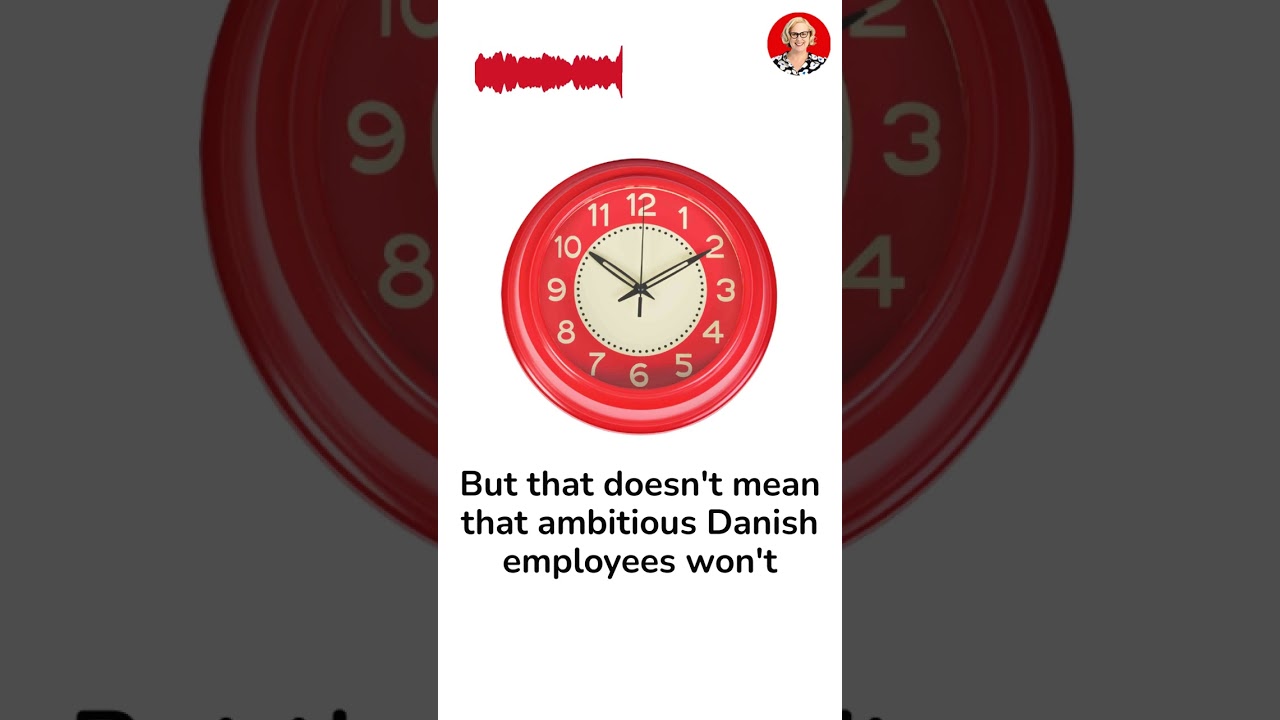
Denmark's standard workweek is 37.5 hours, typically 8 am to 4 pm, set through union negotiations rather than law. There's no cultural expectation to stay late or check email after hours. Managers can't demand unpaid overtime. Danes work hard during paid time, then leave.
Chapters
More from Kay







youtube.com
Classic movies and TV about Denmark 🇩🇰, and what they reveal about Danish culture (Free to Watch!)
4mo ago



youtube.com
What are the secrets of the Danish Year - the events that aren't on any calendar? #livingindenmark
5mo ago

youtube.com
The Danish Year 🇩🇰: Twelve Months of Customs, Quirks, and Rhythms of Everyday Life in Denmark
5mo ago