THE POWER OF RECOGNITION: How Do You Empower People with Zoe Hartsfield

Zoe Hartsfield and Kevin "KD" Dorsey discuss how recognition empowers people. The conversation covers recognizing behaviors, not just results, matching recognition to what each person actually wants, and why specific praise matters more than generic compliments.
Chapters
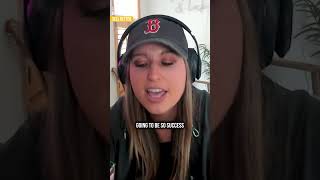
How do you get people to, like, feel empowered? How do you empower people? And I think, like, I've been thinking about that a lot lately because I recently went through, like, kind of a tough season just in my personal life, where I was just feeling, like, so, like, down about myself, disorganized, like, I wasn't capable of anything. There's a lot of reasons why that is the case. But I had a conversation with my manager a few weeks ago, and she was just like, I believe in you, Zoe. I know you're gonna be so successful.
Recognition is one that most leaders don't give enough, and they only recognize the result. You close the deal, you get recognition versus recognizing the behaviors. And when you start to recognize the behaviors, one, you have way more opportunity to recognize somebody. Because if you're working with an SDR and their goal is to book 10 meetings a month, literally, you are limiting Your recognition to 10 if you only recognize them when they book a meeting. Whereas if you're looking at how they're making their calls, how they're approaching their day to day, how they're communicating a good. Like, you can open up the door to so much more recognition. But to your point, one of the first things that my managers go through when they get a new rep, it's this intro survey. And a big chunk of that is recognition preferences. And so I'll put you through this real quick, but these are the exact questions that they ask, and the rep has to give an answer. And the key here is you can only pick one. It's either. All right, so here we go. Money or experiences. So here's 500 bucks. Here's a 500. Like, night out on the town.
Ooh. I think at my core, experiences, probably experiences or things.
Here's a 500 bag. He's a 500. Like, night out on the town or a trip somewhere.
Experiences still.
Okay. Public recognition or private recognition? Probably public recognition amongst your peers. Recognition amongst leadership.
Can I have both?
No.
I think leadership.
Right. Title or responsibility. Congratulations. You're now senior, but everything's the same. You're still in your role, but I've added responsibility.
That one's a tricky one. I. I actually think responsibility, but to a point. Like, if I never ever made more money. If I never ever. If, like, if it gets to a point where it's too lopsided and it's like, here's just a bunch of responsibility and nothing else has changed. Like, then I would get sad.
Money or responsibility.
I love money.
Okay, so now what happens with that now is. I know how to better recognize and motivate Zoe in 90 seconds. Because I can guarantee some of y' all listening, your answers were not the same. You did not have the same answers. And that changes things, right? To know how someone likes to be recognized. And the last one. This is when we were in office, but now it doesn't matter. Physical or non. I'm a hugger. Are you a hugger? Do you like to receive physical recognition or no?
No, I actually hate touch. Like, it's. It's really funny. Now that we're coming back in person, everybody's, like, desperate to, like, give me hugs. And I've really had to, like, almost. It's a gear shift intentionally in my own brain where I'm like, I know other people need and. Or want this, so I will engage in this. But it is like, it was.
It was on the list because, like, not everybody receives recognition that way. And knowing that is important because in that moment, right? Someone gets a big deal or something, get their promo, and I want to give them a hug for it. I think that's making them feel good. On the other side, they're dying inside.
Because they're like, don't touch me, God damn it.
Right? That's a problem. So knowing those things about your people is so, so important because recognition is different.
So, okay, I'm curious about this one, because I think this even comes before the recognition. Like, almost like a precursor to, like, what motivates you? How do we recognize you? Like, how do you get. How do you get people to, like, feel empowered? How do you empower people? And I think, like, I've been thinking about that a lot lately because. Because I recently went through, like, kind of a tough season just in my personal life, where I was just feeling, like, so, like, down about myself, disorganized, like, I wasn't capable of anything. There's a lot of reasons why that is the case. But I had a conversation with my manager a few weeks ago, and she was just like, I believe in you, Zoe. I know you're going to be so successful. And that was such an impactful moment for me to have somebody, like, look me in the eyes and mean it and say that they're, like, somebody who I see as successful, who I want to be, like, someday. Say that they believe in me. Meant something to me. Now, you know, when my mom is like, I believe in you, Zoe. I'm like, yeah, sure, whatever, Mom. Like, it doesn't, like, hit the same. But how do you. And I don't think everybody's going to be the same in receiving that either. Like, how do you, before anything gets started, kind of like put that spark in people.
And that's where recognition is so important. Because recognition is really the affirmation of belief. Yeah, right. Every time I tell you you're doing a good job, that is a reaffirmation that I believe in you. And that is where I think people and leaders miss all the time, is they recognize the result, they don't recognize the person. And that is something that I teach often on, you know, in my courses and everything else is recognition has to have a reason. So you close a deal. I say, great job, Zoe, closing that deal. That's not recognition. Right? That's recognizing the result versus a great job closing that deal. The way Zoe prepared for the calls, handled that legal objection when it came up. And y' all should have seen the follow up video she sent after the disco call that brought things across. That's what we love to see, Zoe. Way to go. Now that was made up and how that feels.
Yeah, it's great. I was like, yes, I love it.
So the point being is like the way that you inspire somebody, right, Is you have to recognize them as a person and find ways to reaffirm that belief. Because if they. If your people do not believe that you believe in them, it's over. It's completely over.
Have you ever read or heard of David Lieberman? He wrote the book Mind Reader? I think it's pretty new, but scoop it up, though. Okay? So he's like a PhD. He studies like human psychology, linguistics, and like behavior. Basically. He works with the FBI and the CIA and teaches people how to read other people and like, understand what they really want, what they really think, what their motivators are, et cetera. And I'm only like, I don't know halfway through the book at this point. But one of the most interesting things is in the first two chapters and he talks about like linguistics and something I observed when you were kind of giving me that feedback is he mentions the importance of specificity and your proximity to the language. So we use first person, second person, third person language. When I say, nice hat, Katie, it's like, okay, that feels good. If I say I love your hat, that's a little bit more impactful because I am now putting myself proximity. Like, the language is closer to the action. So when you use more specific specificity and when you take ownership of the compliment itself, it actually lands harder for people and comes across as more sincere. And so that's something that I've even, like, just in the last couple of weeks observed in myself. Like, yeah, when I am kind of, like, bullshitting somebody or, like, I want to say something nice, but maybe I don't really mean it, I'll be like, nice shoes. As opposed to like, I love those shoes. Where did you buy them? Like, that's like a different. And obviously, I'm like, talking about people's, like, clothes and physical appearance. But even when you're complimenting people or giving that recognition, like, you were so specific, you said my name. Like, those are the things that perk up in the back of our head and make us feel like, oh, this person actually means what they're saying.
And people remember that stuff. Right? Like, and it is like, the more specific, the better with recognition. Even something as simple as like, I love your shoes versus those shoes look good on you. Those shoes are so fashionable. The sparkle on those shoes, girl. Right? Like, get specific with that recognition. Right? Because also that belief. And I want to make sure everyone listening doesn't take this the wrong way. Recognition is actually what makes it easier to deliver tough feedback when it has to happen. That belief in someone doesn't mean that you let them slide. That belief in someone doesn't mean that you don't also have the tough conversations. It actually makes it more likely you can have it. Right? Because at the end of the day and the. I used to say this to my managers. Whether it's good or bad, I don't know, but I'll share. As you go through it is like, one of the things that should motivate your reps the most is not letting you down. There are times and my. All of my manners, Patient pop, they went through this. That the most painful things that most of them ever went through working for me is when I sat them down and said I was disappointed. Yeah, that was worse than any comp, Any commission, any threat, any pip. It was like to sit down and go, I'm disappointed because I believe in you so much and because I know how good you can be. That is why I'm so upset that we're not living up to this. Right. And you pull it back to that belief as well.
More from Kevin










#shorts THE POWER OF RECOGNITION: How Do You Empower People with Zoe Hartsfield
#shorts THE POWER OF RECOGNITION: How Do You Empower People with Zoe Hartsfield