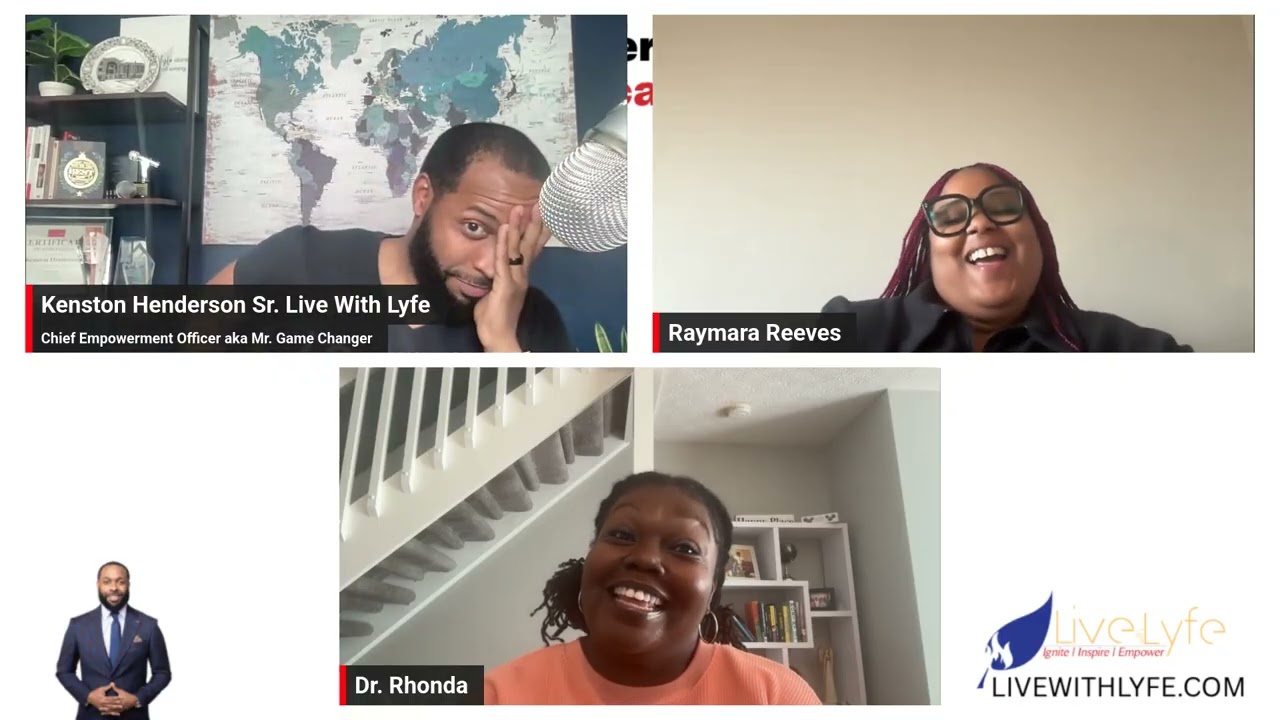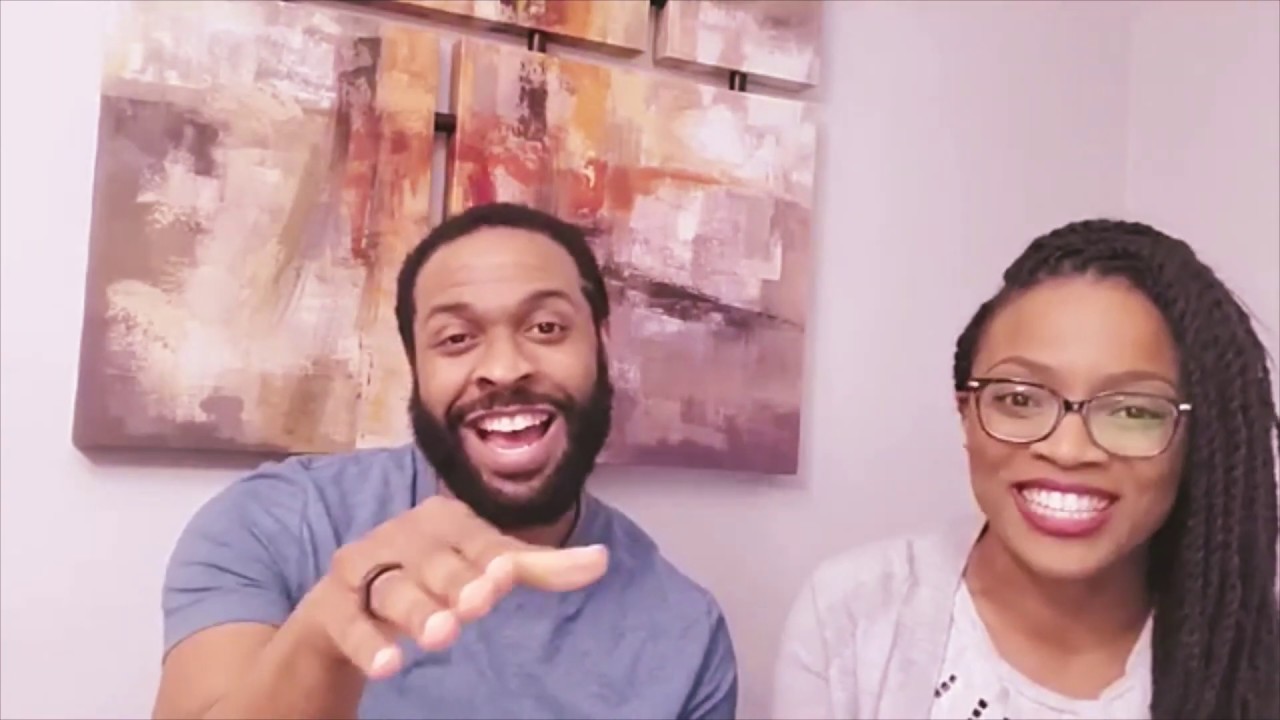
In this informal, conversational YouTube “kitchen talk,” two hosts (Speaker A and Speaker B) walk through a numbered list of why potential customers or supporters may refuse to buy or back a product, service, or business. They begin by noting that many people simply don’t need what’s being offered, often because the marketer is targeting the wrong audience. They then discuss how a bad prior experience—whether with the speaker’s brand or a similar competitor—creates resistance. The third point stresses that people need to like, love, and trust the provider before they’ll take a chance. Proof of effectiveness (testimonials, reviews, case studies) is the fourth barrier. The fifth reason is a lack of desire to support the business at all. The sixth explores “questionable character,” describing inconsistent behavior, bias, and poor reputation. The seventh reason is that competitors naturally won’t support you. The eighth notes that many services are not perceived as urgent, so prospects delay or ignore them. The ninth reason is a perceived lack of qualifications (age, education, experience). The tenth reason is that the service options themselves may not appeal to the target market. A bonus eleventh reason is affordability—people may like the offering but can’t pay for it. After the list, the hosts shift to practical ways listeners can support small businesses: writing reviews, giving shout‑outs on social media, sharing referrals, following and engaging with the business online, and promoting themselves. The tone is casual, conversational, and motivational, with a generally supportive sentiment toward both business owners and potential supporters.
Chapters
Question is, is why don't people support you or your business or your product? You know, these are things that we face, y'all, because we have a business and, you know, we experience life, y'all. So, but we want to share with you. So if you got a pencil, you got your paper, top 10, we giving you our top 10. And I think we got a bonus too. I think we got a bonus. All right, so let's jump in.
Here we go. Number 1.
You want to take it or you got it?
Yeah.
All right, number 1: they just simply don't need what you have. Somebody write that in the comments section. They simply don't need what you have. You see, they're—
what do you mean by that though?
They're not your target audience. They're not your target market. You're, you're marketing to them, but they're not even your target market.
Let me— can I piggyback on that? Okay, so what we're trying to say too is that You might be trying to sell a product or something on Facebook or Instagram, but you don't take into consideration how you've curated your social media audience. So you have a lot of friends that are on your, your Facebook page or Instagram. You have like thousands of friends.
I got thousands.
Thousands. Even if you have hundreds of friends, even if you got like 50 friends or whatever it is, the friends that you do have, it's not guaranteed that they will turn into your customers. So you might not have what they need at that point.
Yeah, that's good, that's good. Another one is they think that they already have what you have to offer or something similar.
Yeah, yeah, or they can get it at a discounted price.
Or they can get it at a discounted price.
Yeah, yeah, yeah, yeah.
Let's go to number 2. You get number 2, number 2. Okay, number 2.
Okay, number 2. They have had a bad experience with something that you offer.
What? They had a bad experience with something that you offer.
It had your name on it. It had your name on it.
It had your name on it. Now I know that might be tough for you to swallow, but it, they may have had a bad experience with you. And so they don't want it again.
Yeah, what does your customer service look like? Because let's say you get frustrated, you're not selling as much.
Yeah.
You feel like your product is worth a lot more, your services are worth a lot more, and you're not getting that back in return., but we still have to realize that they might have had a bad experience. So how can you enhance that? How can you enhance the experience? Because it's about relationships. Yeah. It's truly about relationships, you know? And if you're not like A1 in building relationships, it's going to be a challenge. It's going to be a challenge. Mercy!
Hey, hey, Eric. Listen, and so to go along with that one, because we understand that it may not have been you that they had a bad experience with, but it could have been with someone else that sells, that has a similar product as you.
So that don't work, you know, that's a mentality. Or me, I'm a counselor, so even with getting clients, oh, I already did counseling, counseling don't work, like why would I want to, you know? Yeah, because I've had a bad experience with one coach, with one counselor, and you color the whole, like, the whole room with it, you know? So one bad experience literally can, you know, change, change the game.
Listen, all right, number 3. You're right, you're right. Number 3: people don't like, love, and trust you yet. Yeah, I mean, I gotta sit with that. People do not like, love, and trust you just yet. So you're trying to sell to me, you're trying to give them your product, your service, yeah, show them your business plan, but they don't even like you yet. They don't even trust you yet because —because people gotta like, love, and trust you before they can take a chance, right? You know, if you don't have like a McDonald's or Chick-fil-A, I mean, you gotta build relationship. Hey Omar, nice to meet you. You gotta build relationship.
Yeah, yeah, can I take it back off? Go ahead, baby. Okay, people don't like, love, and trust you yet. So let's say you're the queen or king of inboxing people. Let's say that's your thing. Okay, let's pull it back for a bit. For me, I'm gonna talk about me. I'm not gonna talk about y'all. I'm gonna talk about me. So I personally don't respond to people if they just inbox me with a request, because especially if I haven't talked to you in like 10 years, you know what I mean? So it's not a how you doing, it's nothing. It's just like, hey, that's what I got, boom, I need you to support me. That's not gonna work with me. Does it work for you? Maybe it might work for you.
No, it does not. It doesn't work for you. You know it upsets me because I tell you, I'm like, who is this guy?
Yeah, I'm like, uh, okay, we have no music future friends.
I can't remember, you know what I mean? Y'all know— it's awkward. Y'all know people been hitting y'all up in your inbox as soon as you accept that friend request, trying to sell you something or trying to get you, convince you to introduce them to somebody in your network. But you know what?
You don't even know what it is you're trying to sell. I've experienced that too. Like, people, they will come into your inbox or LinkedIn or whatever it is, and they'll be like, okay, this is what I'm offering. You're trying to Figure out what is it? What is it? I'm confused. Yeah. You know, so if you're confusing me, then I don't want to chime in. I don't want to purchase, you know?
It's crazy. Yeah. It's crazy. All right, number 4. You got it. You got it. You got it. Number 4.
People want proof of what you're offering actually works. Wow.
I want to see it. They want to see it.
They want proof.
They want proof that it actually is something worth investing.
Because it's an investment, you know. Either it's an investment of time, money, resource, whatever it is, is an investment that you're asking.
Yeah, it could be investment. So they, they want to know. Don't, don't be mad when they say, show us the, the proof. Yeah, show us the product.
Where your reviews at? Like, what's happening? Where your reviews at?
Where are your reviews? Who can I talk to? Like, no testimonials happening.
What's happening here? So yeah, people want proof of what you're offering actually works., and also just as a little sub point there, can what you are offering benefit them? Mm-hmm. Can it benefit them?
Does it benefit them? Mm-hmm. Right? Make sure that you're able to offer how it's going to benefit them. Yeah. Yeah.
And you got to know that first. You got to know it first.
Mm-hmm. Another point that we have under that one is not number 5, but number 4 is your vision does not align with their current or future goals. Somebody put that in there. Your vision does not align with their current or future goals.
I mean, it just ain't my cup of tea. I just don't want it. It's not for you. It doesn't look like where I know that I'm going in life. You know what I mean? Yeah, yeah. Or it's not a need, it's not necessary for me at this point. At this point. I can't see, I can't see what you're selling. And how that fits into what I got going on.
Yeah, you know, yeah. And again, it's nothing to take offense to, it's just this is one of those reasons why people don't support you. Hey, Tavaris!
I just see you.
Yeah, you got a lot of people over here popping up over there. All right, uh, let's see, number 5. Y'all ready? Number 5: they just don't have a desire to support you.
That's just, that's just facts. It's facts, facts, it's facts.
It's the truth. There's no way, no other way to say it. They just don't have a desire to support you, you know. You may not have done anything wrong to them, they— but they just don't have—
it's just not a desire. They don't care. They don't care to see you succeed, nothing. So it's like, next, I'ma just swipe, keep it going.
And you got to be strong enough to say okay.
Yeah, you got to be okay with that.
You got to be okay. This is water off your back. Listen, you presented your product, your business, or whatever it is but people don't have the desire to—
wait, wait, wait, so what about, let's say you get added to an email list, you never signed up to be added on an email list, right? And you get all these updates about what's going on, about what's being sold, all of this stuff, but you can unsubscribe from that because why? You don't have a desire for it. And if you are the person that's sending those emails, you can't get offended, or you shouldn't feel offended by that because it's kind of narrowing down your target audience. That person is telling you that, hey, I'm not interested, I'm not your target audience right now. Cool, you save— you save me in that way. Yeah, you know, said I don't need those beats, I don't rap, I don't rap no more. You a mess.
Let me scroll, see what we got. So again, the question is, why don't people support you? Mhm. You know, you just think about it. Let's turn it to you and say, you know, Why don't you support people? You know, people who have businesses, people that have products. Why don't you support them? Put that in the comment section. Just throw that out there. This is some good dialogue that we have, and again, we just thought about a few things and, you know, we got our top 10. This was a kitchen talk. This is what— listen, I was working and then we was like, ooh, that's 10.
And I was like, and is it it? And I was like, write it down, write it down, babe. Let's get it going.
It's started. All right, number 6.
Number 6. You have— wait for it— questionable character. What does that look like? Please tell us, what does that look like? Questionable character, what does that mean? You have questionable character. I mean, we got some stuff to say, but I just want to see.
I want to see what y'all got to say.
What is questionable character?
What does that look like? What does that mean? How would you define that? Someone that had— or some organization, some group, or some people have questionable character. What does that look like to you? Yeah, yeah, and that's the reason why you don't support them. So what does that look like?
Come on, values. Values. Okay, yeah, yeah, yeah, absolutely.
Values, sticking to them as well, does not align with future. Okay, somebody wrote that down.
Awesome, that's what I'm saying. Okay, so as you're thinking about this, when we say questionable character, this is what we mean. It looks like someone who is inconsistent. You act one way around certain people and another way towards others, in a good or bad way.
Yeah, yeah, that's like, it's like, um, you, you know, um, some businesses, some people know who, who the people are who has the money to buy their product, and so their level of customer service is going to be higher to those individuals who have, who they believe had that money, and then lesser towards people who don't believe can afford them. Profiling. That's bias, y'all. That's bias.
That too. Yeah, you're right. Reputation in the community. How do you behave outside the workplace? Yeah, yeah, yeah, yeah, yeah.
Again, too Two sides, two faces. Jared Theory, yo, what's going on?
Let me ask y'all too. I'm trying to say, let me ask y'all too. So when you go into like businesses, organizations, whatever the case might be, um, how do you feel when you are— was it profiled in the, in a certain type of way? Like, okay, well, I, I know she ain't got no money, let me just go on to this one who dress up and looking like Yeah, you know, like, how do you feel in that space? For me, I sometimes I just walk out. You had it.
You had it. You had an experience, huh?
Oh, some of y'all might have heard about this, but I had an experience. Y'all know I like to coffee shop hop. That was my thing when I lived in Atlanta. Almost every week, that's what I was doing. So I went into a particular coffee shop and they got great reviews. Like, I tried to visit coffee shops that had amazing reviews. They had big tables, you know, I like to study. Anyway. So what happened was I walked up to the counter and I was about to order, but what I realized was people that were behind me, they got served before me. What? So, you know, I tried to calm myself down. Yes, I did. I was trying to see Marissa's on this because, you know, she knows this situation real well and I had to turn up a little bit. But the moral of the story is, wow, it got to a point whereas I had to talk to the manager because This was a situation. I did not get served. Everyone behind me got served because I guess he expected that I didn't have any money. I don't know what it was or what experience he might have had in the past, but he started to deny it. He started to deny, and I had to put him in his place because that's not cool. It's not cool, you know. So in that space, he had extreme questionable character. And here's the thing too, he felt the need to say, well, I'm a pastor, I'm a this. And I'm like, oh, don't tell me stuff like that. Don't tell me something.
He said he a pastor.
He said he's a pastor and you a pastor acting a fool.
Okay, what? Yeah, see, see, your cousin Kino said, Kino said that happened to him when he was going engagement ring shopping. See, he had to walk out of 4 stores. What?
I tell you, I tell you. I'm not going to give you my money. I'm not going to give you my money because you're questionable character. There's no way. There's no way. And then like to wrap that part up, he apologized and then he saw that I posted on— what was it? I posted on, uh, it was some review page. It's like a popular review. Yelp. Yelp. So I posted on Yelp and because he got a lot of backlash, that's why he wanted to make things work.
Yeah, suddenly Suddenly want to make things up after you didn't mess it up. Questionable character.
Okay, so it looks like someone who is inconsistent, and you either act one way around certain people and another way towards others, in a good or bad way. Okay, what it also looks like is—
no, we— you go hard in the paint for some customers and not so hard about the other ones. And then we explained that one pretty well. Um, let's see.
They may feel you care about their money more than them as a person.
Yeah, yeah, yeah. Say that again, babe. Say that again.
They may feel like you care about their money more than them as a person.
Now, now, now let's be honest, y'all. You know, some small businesses, some entrepreneurs, they worried about that dollar. They worry about that dollar. They're worried about their income. And so they may not give you that, that, that heart service, as I call it, purpose service, um, and they, they just want your money.
Oh, I just got riled up just now. I had to calm myself down. I just felt that. I felt that all over again. But yes, um, uh, Kenya, I did give him the business, you know. Yes, yes, I did.
Okay, yes, you did.
All right, let's go on. Okay, we're reacting.
We are on number 7. Number 7, y'all put 7. Number 7. Reasons why people don't support you.
That's what we're talking about.
Keep putting the reasons why people don't support you. Why don't you support other people? Put that in the comment section, okay? Why don't you support some people or some businesses, some services? Why don't you do that? Our number 7 is— you got this? Yeah. Okay, y'all ready? They could be your competition.
I mean, you know, that's So I mean, that's simple, right?
Why would you expect your competition to support you? Yeah, yeah, I mean, there's nothing much to that. Why, why would you expect your competition?
There's no reason. Yeah, yeah, if y'all got a reason, then let us know. Let us know. It is what it is. Okay, your service is number 8, 8 out of 10. Your service is not an urgent service.
Your service is not an urgent service. You got to go into that. That's, that's your— okay, that's her wheelhouse, y'all. Me? Yeah. Oh, thanks. That's you.
Okay, so what I mean by your service is not an urgent service— some people don't need your services until there is a crisis or until there is no other option. Yeah, counseling all day, all day. You know, that's what I've experienced time and time again. Like, people don't come to see you until like they have a broken heart or they have like something that's, you know, beyond their control or they're mandated. They're mandated. I had a lot of mandated clients, you know, from the court system and they only did it just to do it, you know what I mean? So your service is not considered an urgent service if it doesn't fit into where they are right now in this present space. Yeah, then it's not really a big deal, you know, you can't take it personally.
That's It is what it is. So I found this to be true because I used to manage benefits at a former company, and we would always encourage the employees to go get your wellness checks, to go get your preventive care checkups. Preventive care? Who does preventive care? Your preventative care checkups. See, it's preventative because it's supposed to prevent before something, some crisis happens, something tragic happens. But people do not go to preventive care care, in which we've had high claims because people wouldn't just go get your normal checkouts.
Yeah. Is your service like a preventative care type of service? Yeah. You know, so it's like you got to think about these things as you're, you know, pushing forward.
So that could be a reason why people don't support you, is because it's, it's not a crisis. It's nothing needed at right now.
Yeah. Yeah. When do you go see the doctor? When do you go see your counselor? When do you see anyone that's, you know, um, in that space, you know. It's not considered urgent service. I really want to get this one right here. Okay, get it, get it. Okay, get it. Number 9, they feel— y'all got this. Number 9, number 9, they feel you are not qualified enough to help them.
You ain't qualified enough to— we are experienced at—
no, you're too young, girl. You're too young. You in your 30s, how you gonna coach Someone who in their 50s got it, got it all.
Hold on, hold on. You don't got your master's degree. What degree you got? What are you gonna be able to tell me? What are you gonna be able to teach me? 'Cause you ain't got your master's degree. Now listen, this is all experience. This is what we know. I've heard it too many times. Yeah. You know, when I worked at a university setting, them people that was very educated with the PhDs, would not listen. I listen to you. She listens to me. Thank you, Jesus. But anybody else, if you did not have a PhD, they wasn't trying to hear a word come out your mouth.
But it's not even that too, though. Like, yes, we understand the qualifications and whatever, but if someone has in their mind what you're supposed to look like, what you're supposed to sound like, then that's it. Like, for me, it was the age thing. I always was the youngest in the class. I always was the youngest professor, the the youngest, the youngest. And it always got thrown in my face until I had to sit in the space of confidence, of knowing that, hey, what I got is valuable, okay? Yeah, my work shows for it. I have proof to show, you know, show for it. So, you know, some of those things you have to take into consideration. And don't take offense. That's what we're trying to get out here. We don't want you to take offense when people do not buy into your products, when they don't buy into what it is that you're, you know—
Again, these are reasons why people don't to support you, right? And so you have to understand, and this is just a nugget to go with it, is you got to understand if people feel that way, that you have to have X amount of years of experience or a certain level of degree, you— they're not your— remember, we go back to they're not your client, they're not your customer, right? They're not for you. They're not. And that's okay, right? Because there is some people that are specifically for you. All right. Yeah.
So All right, number 10. Number 10.
All right, your service options are not appealing.
I like one-on-one. I thrive— he like groups. I like one-on-one. I thrive with one-on-one. That's just me, and I'm not trying to shy away from it. Like, I always would gather in small groups. I like that type of experience. Like, the universities that I went to, they had small classes. I thrive in them because that's what I I need it, you know. So if your options aren't appealing to me, then hey, what we doing?
So, so for people out there who love coaching, who do coaching, uh, type things, um, in her case, she, she likes one-on-one coaching, right? All day. I love coaching in groups. I love facilitating discussions with, uh, small to large groups of people. That's all you. I love it. I get so much energy from that.
What they call it? I'm an ambivert. Introvert, extra something. Introvert with extroverted tendencies. That's me. You just— you're yourself. I'm an introvert too. So anyway, um, so what we got here? We got, you're right about them not needing the service.
Think about the hand sanitizer that always been important but became gold now. Yes, my friend, listen, I just got a, um, a marketing email from a company, marketing company, that's advertising so much sanitizers. They're advertising the face masks. They're advertising the stand sheet, stand here. Like, they pivoted in this market. Wasn't nobody looking at those things, right? But now, like you said, it's gold. Hey, Janelle, sis. Brandon, what's going on? We're talking about— we're talking about— babe, we're talking about why people don't support you.
Exactly. For those that just joined us, that's what we're talking about. We're almost to the end of our top 10. Top 10, listen. The last one was your service options are not appealing, but I think we got something else.
We have a bonus for you. Do you want the bonus? Say yes if you want the bonus. Just say yes, put in the comment section, yes, I want the bonus, or put some hearts on the screen that you want the bonus of why people don't support you. Go ahead, go ahead, we'll wait for it, but give us, give us some hearts, give us some likes, but we need to know that you want that bonus because this is, this is hot stuff, y'all.
We still gonna give it to y'all.
We gonna give it to you regardless, but this is hot stuff. Oh, we got hearts, we got hearts. Okay, keep on going, keep on moving. All right, let's say it at the same time. They just can't afford you.
They just can't afford you.
They just can't afford you.
They just can't afford you.
I mean, I just— it is what it is. Listen, I've had so many inboxes of people who say, you know, they ask me for my pricing, I give them my pricing, and so they have a decision to make, and and some of them have said, unfortunately, I can't afford you. Yeah, and that's real. I really want your services, but I, I can't afford you.
And you gotta be okay with that, because if you're not in a space where you're desperate to sell, that's fine. Like, that's fine. I give the example of— y'all don't judge my life right now— but Facebook Marketplace. I actually sold some stuff on there. But anyway, one of the bigger purchases or the bigger items that I wanted to sell, it wasn't selling. And I got a lot of inbox messages talking about, hey, they offered me like— they was lowballing me, but I knew the value. Okay, I knew the value of the product that I was selling. Yeah. And I didn't budge. It honestly took me like— it sounds like maybe what, 3 months? Yeah, it did. It took us like 3 months to sell. But you know what, when people see the value, when they see what you got and they're in that space where they can't afford it, boom, it's done. Like, and it's sold now, you know. That was a lesson in itself for me. Yeah, you know, I don't have to always, you know, discount this, discount that, discount, discount.
No, too long for this. No, no. And, and just to follow back up with my example of as far as people saying that they couldn't afford me, I've had a couple people come back and say, all right, I'm ready. Yes, yes, yes. Okay, I'm ready to go. I got the goods. So let's make it happen, okay? So it's unfortunate, but that will be the reason why people don't support you. So—
All right, I'm gonna just run through this real quick. So we're gonna give you the top 10 for those that joined a little bit late. I'm just gonna run through what we covered. First one, number 1, they just simply don't need what you have. Number 2, they have had a bad experience with something that you offer. Number 3, People don't like, love, and trust you yet. Number 4, people want proof of what you're offering actually works. Mm-hmm. Number 5, they just don't have a desire to support you. Number 6, you have questionable character, and we talked about what that looks like. Number 7, they could be your competition. Number 8, your service is not an urgent service. Number 9, they feel you are not qualified enough to help them. And number 10, your service options are not appealing. That's it. And oh wait, wait, wait, the bonus will be sad— they just can't afford you.
They just can't afford you. They just can't.
I'm sorry guys, they just can't right now. That's okay, that's okay.
You— and all those 10 things, 11 things, you have to be okay. You have to be okay with it, okay?
And sometimes people want free instead of fee.
Yeah, and again, it's for us, because I'm big on self-leadership. It's for us to own it and say, you know, we're not a good fit.
Well, we got here, um, price is the exchange for value.
Yeah, yeah, yeah, yeah.
We can talk all day about that. Yes, but I just got here. Okay, okay, I think we're good over here.
But cool, cool, we're just checking out our comment section, make sure we respond. I hope you—
yeah, okay, but listen, okay, I think we got Ricardo.
What's going on with the time? Hey, hey, hey!
All right, so what else you got for us?
Listen, so, so with all that said, now that we got that out the way, now we got all that out the way. Yeah, yeah, somebody said free instead of fee. Yeah. All right, now we got all that out the way. We genuinely, if you are a business owner You are a business owner, a small business owner, entrepreneur. A few things that you can do if people do not want to support you by way of buying your services. Here's a few ways that you can be clear about, you know, what you want your audience to do for you, right? One of them is actually have your audience write a review. And so my barber is on the call, bro. I know you see what's going on over here. 911. I can't wait to come see you, my brother. He talks to me every day. He's a barber. And so what I can do for him is write him a review. That doesn't cost anything. I've had his service. His service has been provided. I've bought it. I purchased it. But even now, during this crisis, how I can support him is I can easily write a review for him on Yelp or whatever social media platform. I can actually send a post out via Facebook, Instagram, YouTube. I can give him a shout out like best barber in the world, like I'm gonna do it right now. He's the best barber in the world in Central Ohio. And it's simple.
It goes a long way. It's free.
And it goes a long way. That's how you can support the people around you who have small businesses, and that's a great thing.
Yeah. It's a great thing. Tell your friends and family about the business. Tell your friends and family. Why people don't tell their friends and family? Like, wait, I'm not trying to get all worked up again.
Don't get worked up again.
But why don't people tell their friends and family about your business? Yeah. But you're not gonna be that person. You're actually going to do that.
You're actually going to do that. Yep. And that's, that's again, that's self-leadership. That's what you can do, um, if you have a business. Yeah, right. Because you are your greatest cheerleader. Yeah, uh, spokesperson, uh, representative. Um, and if you don't have that person, then, uh, phone a friend. You can call me, um, and I'll be your spokesperson, but we will make it right. We will get you together. Okay, okay. Ja'Pre. Follow the business on social media. You want to say anything about that?
You go.
Okay, I mean, so this is as simple as that. Follow whoever the business owner is on social media. Follow, see what they're doing, what they're about, and see how you can add benefit to them. Yeah. Okay. Word of mouth is everything. Yes, yes. Business owners typically don't ask for referrals, You gotta ask. So that will help that business owner who don't ask for referrals, um, just simply give, right? Right. Give of yourself to say, you know what, I need to write you a review or referral because that, that's gonna mean everything to my business— I mean, to your business— and, and connect them, right? Yeah.
Even like for our wedding, um, when we wrote reviews and all of that, we didn't know at the time. I mean, we just wanted to give back a little bit more in that type of way., but that led to other business opportunities for them. You know, it's power in your words. It really is. Yeah. And then when you do follow these people, engage with the business on social media.
Yeah. Yeah. Promote yourself. Uh, I do that all the time.
So tell us then, what does promoting yourself look like?
Yeah. Yeah.
What does it look like for you specifically?
Yeah, because here's the thing, in business, as I, I've been in this entrepreneurship world since 2016 is that, you know, I know I'm my biggest cheerleader to promote myself, but it also makes a huge difference when other people support you. They give you testimonies, reviews on LinkedIn, reviews everywhere on Facebook or IG. Please do that, y'all. That's free.
Okay, and a few other things we had here, share about your interactions with the business, use a business hashtag when sharing about them. These are simple things that don't take a lot of time.
Somebody did that today for me. They did? Somebody did it today. Like, so somebody just, you know, posted a, a post about my book Parenting Like a Boss, and they tagged me in it, and they said, uh, you need to buy this book. Yeah, like, I didn't, I didn't tell them. I hadn't even spoke to them, uh, in a few weeks. But they took the time to write a post, tag me in it, added my picture, added my link to my website so people can purchase my book. It might be me.
That's what we got here. I take pics with whoever buys my books and services and promote myself. Yeah, it's good. Also a small business consultant. 80% of my clients come from referrals. The best way to promote yourself is to exceed expectations. That sounds like a whole nother lie.
That's, that's another lie. Listen, we may have to bring you in on that one. Yeah, but that's, that's good. It's to exceed expectations. And see, we come from that good stock of that, that do that, you know.
All right guys, so this has been Why People Don't Support You.