Top 10 Reasons Why People Don't Take Your Advice Final
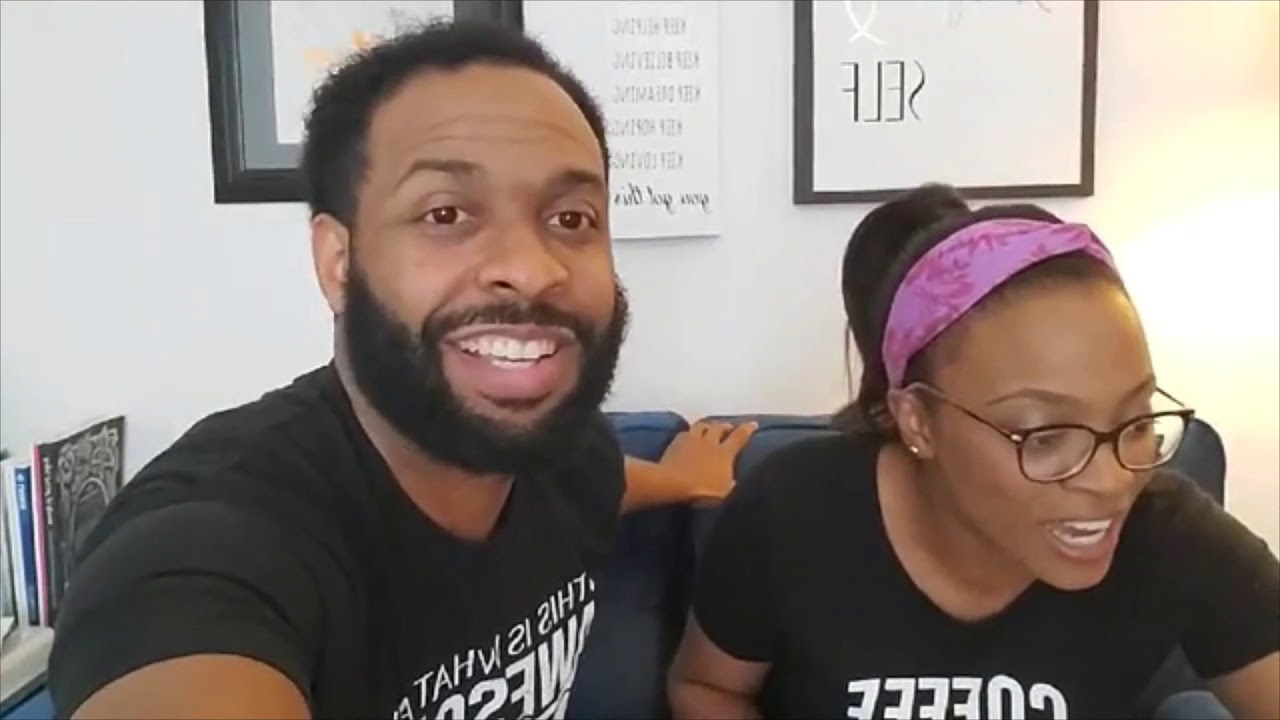
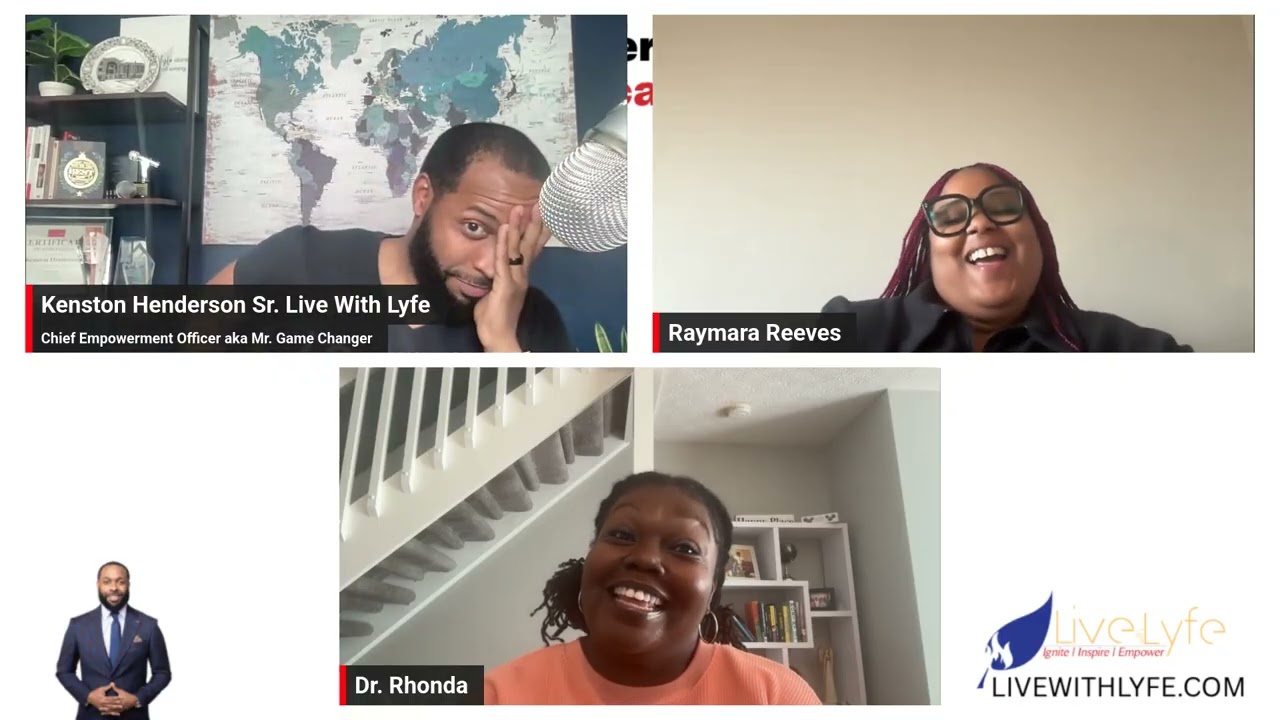
In this informal, couch‑talk style YouTube video, two coaches (one a counselor/professor) walk through a list of ten common reasons why listeners often ignore the advice they receive. They begin by inviting the audience to share their own observations, then systematically present each reason with brief role‑play examples and commentary. The reasons include a "stank attitude," an unclear track record, wishy‑wash decision‑making, being a yes‑person/people‑pleaser, letting past negative experiences color advice, offering unsolicited advice, giving good advice only in one domain, failing to follow one’s own advice, being too close to the situation to stay objective, and being overly judgmental/lacking empathy. After enumerating the list, they reflect on the importance of self‑leadership, emotional healing, and empathy, urging viewers to evaluate their own behavior before giving advice. The video closes with a motivational call to view each interaction as a gift, a reminder to speak life into others, and an invitation for further engagement.
Chapters
section real quick. Uh, top 10 reasons why people don't take your advice.
Yeah, yeah, yeah, yeah.
Um, we, we want to talk about it cuz it's, it's, it's an important, uh, topic. Um, and so we want to give you the reasons, but we want you to put in the comment section right now what, what are reasons or why are— why do people not take your advice? Your advice, what have you found out? Like, what have you found to be true of why people don't necessarily take your advice. Like, we want to know too, and because we give advice, right? We're coaches and speakers and trainers, and so we want to know why people don't take our advice.
Exactly, I mean, no hard feelings, but we just dive into it a little bit.
We trying to figure this thing out, but we want to figure out why people don't take your advice. So go ahead and put that in the comment section. We're going to give you our top 10, and we're going to keep it going. So if you have something to write with, go ahead and bring it out, you know, pull out your phone memo if you're not on it, but get something to write with and we're gonna have some fun and enjoy the show.
Yeah, let us know what resonates with you.
Yes.
Okay, so if either one of these actually speaks to you, like a, oh yeah, that might be it, then let us know. Okay, all right, so let's jump in.
Awesome, you ready?
Yep, yep, yep.
All right, number 1, yo stank Attitude.
You have a stank attitude.
You have a stank attitude. Why would anybody want to listen to that?
I don't know. I don't know. Okay, so this is what it kind of looks like.
Okay.
All right. Okay. Hey babe, um, so I really want to talk about, you know, what happened today at work. Wanting a little advice, uh, with my boss. You know, we had a convo and, you know, I just wanna you know, talking through with you.
So is this the same boss?
I mean, yeah, I mean, same job.
Oh my gosh, why are you— I told you what to do before. Like, why are you still, you know, talking about the same thing? See, if you'd have just took my advice, I mean, we wouldn't be still talking about this.
This is why I don't want to even ask for your advice anymore. Yeah, okay, so that is one example, um, because number one You have stank attitude.
I have stank attitude.
Okay.
So no one might wanna listen.
Exactly. Number 2, you got that? I got it? You got that. Okay, okay. So number 2, your track record is not clear.
What?
What do we mean by that?
What does that mean?
Well, you have no fruit from the decisions you make.
Ooh, that's hard truth for some people. Yeah, yeah, yeah. And that's huge for us, is because if we don't see any fruit from the decisions that you made, Why would we want to take the advice from you?
Yeah, yeah, yeah. So you can get offended and stuff, but the thing about it is, if you can't show that your advice actually works, then why do you expect someone else to take the same advice? You know, that's not wise. I mean, that's what I think.
That's wisdom, right? That's wisdom. And you may think you got some good advice, but we want to see the fruit from your advice for yourself. Yeah. Come on now. Yeah, yeah, let's do better. Let's do better.
Okay, so number 1, for those that are just joining, you have a stank attitude. Number 2, your track record isn't clear. All right, so let's go number 3.
Number 3, I'll call it out, but you got this one. You have wishy-washy decision-making abilities.
Okay, yeah, yeah, what is that? So what we're saying here is that your decisions it doesn't have any pros or cons attached to them. It's like, uh, you remember when people used to say YOLO and stuff like that? You know, I mean, when they say YOLO, it's like you have a YOLO type decision-making process, whereas that might not work for me if I need some wise counsel. You know, I need very thought-out counsel. If I'm seeking advice, that's what I'm expecting.
Yeah.
You know, um, if you have wishy-washy— and this kind of ties a little bit with number 2 Your decision-making skills are wishy-washy.
Yeah.
Okay.
Yep.
I've always heard you should never take advice from someone you wouldn't trade places with. Wow. Yes. Yes. That is it right there. You wouldn't trade places with, like if you had the same experiences as them, like, you know, and they have wishy-washy decision-making skills. No, like think about that.
So yeah. Yeah. Go ahead and put in the comment section. What are reasons why people don't take your advice? Come on. What have you found to be true? Go ahead and write that in the comment section.
You got stank attitude, your track record isn't clear, and you have wishy-washy decision-making skills or abilities. Okay, number 4, I found this out with some friends of mine, you know, and number 4 is you're a yes man or a yes woman. Let's break it down, let's break it down. What does that look like?
You just go along with what the person wants to hear.
So you mean you gonna tell me what I think— I mean, what you think I need to hear in that moment? Yes. Okay, okay.
So, so for example, okay, let's play it out. So for example, we're gonna give it— we're gonna play it out for you now. Now pick it up, right? Pick it up.
Man or a yes woman.
All right, so, so honey, you know, I think, I think I'm gonna start working out in the mornings, okay?
Yeah, yeah, that's a good idea.
It's a good idea?
Yeah, I think you should.
Okay, well, you know what, that might not be such a good idea because I wake up late sometimes, so maybe I should, you know what, I should work out at nighttime. What do you think?
You're right, you're right, you're right, maybe you should.
Y'all get it? She's agreeing with everything.
So you go with whatever is said.
Yes, that's all we got for y'all.
Yeah, so put yourself in that situation. Think of something that's similar where you might have been a yes man or yes woman, or you might not have accepted accepted advice from someone because you've seen them as a yes man or a yes woman. Okay, all right, you got this.
Number 5: Your advice—
your advice—
wait, you gotta take this slow. Your advice is colored with past—
past what?
Past bad experiences. Your advice is covered with bad past experiences. So what does it mean?
That means the residue of your past seeps into the advice that you give.
That's deep.
The residue— I'm gonna say it again, I'm gonna say it again.
Write that down, put it in the comment section.
The residue of your past seeps into the advice that you give.
Give us some of that. Okay, give us an example. Let's break it down.
Okay, so babe, I'm really thinking about having this tough conversation with Chandra. Um, you already know what the situation is. I feel like it's time, you know. I just, I just need to, you know, just talk with her face to face.
Oh, I've seen that before. You ain't even got to go no further. You ain't even got to explain no further. Listen, listen, I've seen this before. I see this. I had this experience with one of my boys, and I can see it's about to be bad. It's about to be bad.
But you ain't even like, okay, okay, thanks, thanks, thanks.
I'm glad we could talk.
But your past bad experience colors your advice. So if you have unresolved issues or un— like you're not healed in certain areas, come on, please don't give advice to someone within that same area. There was times when I had to sit back from giving advice to people because I knew that, hey, I'm not the best candidate right now. You know, I'm not in that space emotionally, mentally, or whatever to give you any form of advice. And the thing about it is, when you sit in a space like that, you are doing so much more harm to a person. Like, in counseling, we always talk about do no harm, all right? That's like our motto, do no harm. But you can't— like, if it's— another thing that I like to do, if it feels too good for me to share, yeah, I'm not gonna say it because then that's when it's totally about me, and it's not about that person's situation or what their experience is. It's like a, whoa, I gotta get it off my chest. Like, I just have another opportunity to get it off my chest. And that's not healthy. Yeah, it's not healthy or beneficial.
And so, and so listen to what we said is because we, we want you— we know, we understand that we— you have good advice, we have good advice. Yeah, but if we're not in a good place to share that advice, it might not, not need to be shared, right? Because you can do more harm than good. You may have good intentions, but you may do more harm than good.
And you know what it is? When people— okay, let's say someone asks me, um, advice on a relationship issue or something, and I just came out of a bad situationship. I'm not even seeing that person's situation. I'm seeing the face of who I was with in that moment, and I'm talking to that person versus who's in front of me. Yeah, because I might not have gotten out what it is that I needed to say to this person, and because I have this unresolved issue with this person, it comes out as projected onto someone else, you know, and then it does, it does harm.
And I'll say it could come out as that. And so for the people who are, you know, who may have had this example of, but you were in a bad relationship and you see a friend going maybe a similar path and you want to share your wisdom with them, let's take a different approach, right? Because we want to do it right. And so before you give advice You should one, ask first.
Ask permission if they want your advice. Whoa. Ask. Yes.
So if you would ask them, hey, I kind of see some similarity, some similarity, ladies. Similarities. Similarities. Right, with the T, right? Just carry it over with the T. So I see that, and would you mind if I share some advice with you?
Yeah.
Before you give off all that stuff, because Yeah, I think that— let's go to the next.
Because you dumping though, like you dumping your stuff and your trash onto someone else.
Yeah, it could be. I would be bald-headed with that. Yeah. All right, so number 1, you have a stank attitude.
Stank attitude.
Number 2, your track record isn't clear. Number 3, you have wishy-washy decision-making.
Yeah.
Number 4, you're a yes man or yes woman.
That's like people pleasing though. Like you might have the characteristics of a people pleaser here with number 4. So it's like, look, I don't want to disturb the peace, like I don't want to cause confusion, I don't want to diss out one of that, so I'ma just be like, cool, yeah, like I'ma stay out of it. And you just say yes. Yeah, but it's not beneficial for that. Okay, we ready? That's good.
All right, sorry. Your number 5, your advice is colored with past bad experiences. Yeah, right.
Yeah, I like this one.
And then number 6, yeah, which gets us to this one with the question It was never asked for.
Nobody asked you.
Nobody asked you for your advice.
Nobody asked you. Why you being so nice? But I just didn't ask you. I didn't ask you for your advice. Okay, so your advice was unsolicited. The person never asked for your opinion, but instead wanted you to just listen. To just listen. Whoa. Okay, we got an example. Hold on, before we get to the example, let's see. What we got here? Self-awareness is a serious thing. Absolutely. So y'all spitting spit. We got, um, there's nothing worse than receiving advice you didn't ask for. It can come off in a weird way.
Yes, somebody called us Martin and Gina.
Uh-uh, see, let me say focus. Let me say, okay, so it was never asked for. So let's play this out a little bit, talk about it.
So Yeah, so, so, so guys, this is more for us because guys, guys that are in relationships and, you know, committed relationships, you know, we're problem solvers, right? We can own that. I own that fully. I'm a problem solver. Many times, you know, if our woman comes to us and they're ranting and raving or just learning everything on us.
Oh, sorry, go ahead, go ahead.
We just got— we just need to listen. They just want us to listen sometimes and not go to, let's get this done, all right, all right, this is what you need to do, here's a plan, follow the plan.
I don't want that, you know. And I think it's also for us as women to take ownership too. It's like, yeah, you might not have wanted advice, but if you didn't say that, or if you didn't ask if I needed your advice in that moment, then that's when it can get like— it can be like two ships passing. It could be, you know, it could turn into a misunderstanding. Yeah, you know, and then, um, temperatures rise, you know, you get frustrated and all of that. And it's like, look, I, I don't even know what's going on.
And so, brothers, before you jumped into Superman mode, just ask them, hey, do you want me to just listen?
Should I put on the cape?
Right, right, put on the cape or no? Should I just, should I just listen?
Yeah.
And not seek to try to save you?
Yeah.
Um, you know, just ask the simple question.
Lose my mind when that happens. I have no clue what to retrieve.
Right, Mike.
Yeah. And another thing that we wanted to touch on a little bit with this, so it was never asked for, it also can show up as Well, I think you should. I think you should. No, don't tell me what I should do.
Don't do it.
I need you to trust me to know that I can make this decision, a well-calculated decision, on my own. Now, if I need help, I'ma ask for it, right? I mean, if you're emotionally sound, yes, that's to that degree. But for me, I know that I can ask for what I need if I know that's what I need, you know what I mean?
So women and gentlemen, if you do not want the person's advice, please let them know respectfully.
Or even, wait, wait, wait, even if it's like, you can say, okay, if I'm talking to you and I'm like, "All right babe, so I just want to chat a little bit about, you know, what went on at work." I'm not really asking for advice, but I just want you to hear me out.
So you don't want me to help you out? You don't want me to try to solve this? No. Okay.
I already tell you what I want, so it's up to you to respect my opinion.
I'm being clear because I'm being clear because sometimes you want me to jump in, but sometimes you don't. And so I just— I'm trying to make sure what's going on.
Communication. I'm going to communicate with you to the point whereas you can understand, you know, what I'm asking for. Okay. All right, I got you. Got it? Y'all got it? All right, so top 10 reasons why people don't take your advice. Tell us in the chat box if there's something that you specifically experience why people don't take your advice. Okay, all right, so let's move on.
Let's move on.
Number 7.
Number 7.
Yes, you give good advice in one area but not in others. You give good advice in one area but not in others. Hmm, what that mean? Break it down.
So, so my boy Michael said you want, you want to, you want to show, you want to show.
So help us, help you please, you know.
Yes, we may give great business advice, but maybe not so great relationship advice. That's what we mean. You may give good advice, like, you know, I do a lot of career development, some self-leadership things. I give great advice in that area, but do I give so— do I give good advice in another area?
Yeah, I can tell on myself a little bit. Okay. So I always, you know, I always thought that I was good at achieving stuff academically. Like, that was implanted in me, like, from a young age. Like, that's how I was raised, that there was no other option but to do well academically, right? So if anyone asks me something about counseling or psychopathology or things that make me excited— it doesn't make you excited, but make me excited— um, then I could give good advice. I could help as it relates to professional development in that area. But then there was a time, not like so many years ago, but there was a time whereas I was not a good candidate to give any relationship advice. You know, that's just me knowing me well enough. I can't give you what I don't have, you know. So I— but the thing about it is we got to figure out where pride comes in. It's like, okay, am I being prideful right now because I think that I'm good in this area, so I'm also equipped to help someone in this other area? No. Wisdom would tell you that, hey, take a step back, help this person figure out what exactly they need and how they can get it, versus you trying to be the save-all, you know what I mean?
I'm on that. Yeah, come on, baby. That's good.
I mean, that was a part of my heart. I just had to share it with you guys.
That's good, that's good, that's good. You know, and, and, and just to throw one more example out before we keep moving, but, you know, I have a few mentors, right, for specific areas in my life, right? I have a career mentor who's been mentoring me throughout my career, but since I've started my own business— yeah, Live With Life, so if you didn't know— um, I had to pick up another mentor, someone in the specific— who has specific experience in entrepreneurship, right? It's a different— it's a whole nother game. Yeah, being an entrepreneur. And, and so there's no slight against my career mentor, but he could not help me, uh, with entrepreneurship.
Yeah, yeah, yeah. So what we're trying to say to you is think about who you are seeking advice from.
Yes. Okay, think about it.
And even if you want to bring it to a personal level, your auntie and cousin and mom and them might not be the correct person. They might not be the correct person. It ain't personal. It ain't personal. I'm gonna leave it right there. Yeah. I'm gonna leave it right there. All right, so you ready?
Oh, that number 8.
Yeah, wait, wait, wait, wait, wait. Okay, so number 7, just a little, little bit. Okay, okay. Number 7 again was you give good advice in one area but not in others. For me, what I was also thinking about is sometimes, uh, people don't hold the same values that you hold, and you expect them to give you a certain level of advice. But the thing is, again, they can't give you what they don't how. Yeah, so it's like you expecting so much, and when your expectations are unmet, you're frustrated.
That's a whole nother—
that's a whole nother topic.
Expectations.
Yeah, unmet expectations. And sometimes people can be bitter or unhealed in the area that you're seeking advice for.
So that's good, babe.
Just a little bit right there.
A little bit.
Number 8, y'all.
Number 8, y'all. Yeah, write it down. Number 8. All right, here we go. You don't follow through with your own advice. Did you hear me? You don't follow through with your own, your own, your own advice.
Yeah, man, I just—
it's the face that hit me.
That hit me a little bit.
We gotta, we gotta follow through with our, our own advice.
And the thing about it is, like, how can you— again, how can you take someone somewhere where you aren't willing to go? You don't even to see the value in going there, you know.
Wait, wait, wait, wait, wait, what you just—
and that's even in like coaching and stuff.
What'd you say?
It's like, I— what'd I say?
What'd you say?
You know how you forget?
How you, how you, you gonna— how you gonna give advice and, and, and you don't even take it?
You don't take it. You don't take your advice or you don't see the richness in it for you to even follow through. So that shows up like in coaches who say, okay, well you need to do X, Y, and Z to get to this spot, but How is that? How can I sit with that knowing that you haven't even, you know, extend or stretched yourself to that point? Whereas you're doing— see, for me, I'm not going to try to take someone somewhere where I haven't been before. Now, the situation, the situation might not look completely the same, but if I don't have some type of relatability, you know, I'm not going to try and say you need to do this and then get mad when a person doesn't follow through. Yeah, you know what I mean? So you give your word, you need to keep it. Yeah, you need to keep it.
Follow through. We got to be people who follow through. Yeah, so that, you know, people will take our advice, right? We're not following through. Yeah, you know, we're not doing our— taking our own, uh, uh, just don't say our own word.
Just don't say it if you're not willing to do it too. Don't say it, you know, that's you doing that little gut check.
Okay, hey, hey, hey.
Okay, okay, number 9, number 9. All right, this— let me put this down real quick. Oh my God, this over here. Okay, okay, okay, okay. Number 9: you're just too close. You're just— you are too close, okay? You don't have the gift of objectivity. Yeah, you don't have an objective standpoint. Maybe you're a family member or a close friend, you're too close to the situation, you know. So whatever you give might not be the best, right? Okay, right. Yeah, so it's not personal, but I don't know, I mean, I think that's self-explanatory a little bit. You're too close to the situation. So let's say it's your, your brother or best friend or something, and you know, you already have a bias, you already have a bias, and you already know whose side you're gonna take and all that stuff. So, you know, really weighing out, is this going to be fully Is this going to be beneficial for this individual? Yeah, yeah, it's too close. All right, y'all, oh my gosh, we're almost done.
All right, let's, let's go down. Number 1, you have a stank attitude, so nobody want to hear it.
Number 2, your track record isn't clear.
Number 3, you have wishy-washy decision-making abilities.
Yeah. Number 4, you're a yes man or a yes woman.
Number 5, your advice is colored with past bad experiences.
You better bitter. Number 6, it was— it was— sorry, it was never asked for. That's number 6.
Number 7, you give good advice in one area but not so good in another area.
Yeah, yeah. Number 8, you don't follow through with your own advice.
And number 9, you're just too close to think objectively, to give objective advice.
Yeah, so this is how we're going to wrap it up. Number 10, I really want you to think about this. Okay, you got this. But oh, you want to listen to that cheesy thing like, no, where we say it together?
Number 10.
Yeah, yeah.
Okay, ready? You're too judgmental.
You said judgmental. We said it, we said it. I mean, I'm not really sorry about saying it. I'm just saying you're too judgmental. That's a reason why people may not take your advice. What are we saying? You lack empathy. You lack empathy. Therefore, people might not want to open up to you. Yeah, we're not— now empathy is different from sympathizing with someone. Empathy means that you're able to put yourself in that person's shoes for that moment that they're asking for. The moment, you know, they're not saying that you need to have everything figured out, but you just need to be willing to understand, to listen, you know. But if you have that judgmental standpoint, like, oh my gosh, I can't believe she's in this situation, oh my gosh, I can't believe he's in this situation, why would he, oh, what, you know, like if you have all of that, like nonverbal reaction and your face looks stank like number one, like why would someone want to seek advice? So, you know, let's just be cautious. Let's find ourselves within any of these areas. You know, I'm literally going through this list and like, all right, so is there any place in my life that I need to, you know, refine a little bit? You know what I mean? Yeah.
Because here's the thing, and we could kind of wrap it up, summarize it with all the, all these things. Yeah, we— you have wisdom, right? We, we're not negating it. Everybody has wisdom, some stronger than others, yeah, um, some less than others, but we want you to, to be able to give it in a, in a good way. Yeah, with good intentions, with good intentions, right? And usually most people do have good intentions. There are some people, hopefully you don't have those people around you, but that have bad intentions when they give you advice, but for the good ones, like, you know, like us and folks we know, we want to be at our best when we're giving advice. Yeah, we truly want people to listen. We understand that everybody won't listen, everybody won't take heed to the wisdom that we have, the experiences that we have, but at the end of the day, we can't expect people to do so. That's their choice. For application, right?
Yeah. And I think I'll close with this, like, let's not rob those that we encounter, um, by giving them bad experiences with us, meaning the advice that we give. Let's do the work that we need to do, whether it's emotional healing, whatever it looks like, you know, let's do that work because we do want to be at our best. I mean, that's what self-leadership looks like, you know, we're able to analyze ourselves on a day-to-day basis to to see, you know, what is it within us that we can refine a bit more, right? You know, not just for others but also for ourselves. We got to desire that.
Yeah, you know, I desire that. And so, so spiritually, relationally, emotionally, mentally, financially, let's evaluate ourselves. Let's get stronger. Let's get, you know, let's, let's just grow.
Yeah.
And so that way when we do open our mouths to, to give advice, that we're actually speaking life into the people that we can. Like, it's an opportunity for us to get to speak life into people. So make sure when you give advice, it is to help someone grow.
Yeah, I got two little things. I mean, I just be, you know, see, it's coming.
It's the bonus, y'all.
We gave the 10, but with this bonus, remember, guys, that every encounter you have with someone, it's a gift that you're in the presence of them. So I think every time you talk with someone, if we start thinking, well, you know, it's a gift that I'm able to give them advice, It's a gift that I'm even here in this moment. You know, we sitting up here in COVID-19 situation. It was a gift when we had those face-to-face interactions. Yeah, you know, but a lot of these conversations that we have, it literally stems out of like kitchen talk, or like I'll be making breakfast or something. I'll be like, ooh, ooh, we should do that. Or it'll be like a couch talk, it'll be like a chill vibe. So we just wanted to kind of gift you guys with this, and we don't take it for granted. So thanks for tuning in.
Yeah, thanks for tuning in.
Appreciate y'all.
Couch talk, y'all. Yes, we talking about—
switched up the space, right, right, right.
We switched up the space. But hey, if there's anything you want us to touch on, yeah, yeah, yeah, you know, put that in the comment section or send us an inbox DM, and we would love to talk about it, um, as these are real life things that we deal with on a day-to-day basis. Yeah, um, because like I said, we're, we're thick in the business of giving advice, right, or helping people think.
I'm a counselor. I help guide people.
And so we're guides, and so we want to guide you to be your, your best self.
Yeah.
Um, as we lead ourselves effectively, because that's what we doing.
Yeah, this is, this is who we are. Because for me, I'm a counselor. For those that don't know, I'm a counselor, a professor by trade. You know, I love talking about mental health. I talk about it all day, every day with students, whatever. I I see the value in us growing, um, emotionally, you know. It comes a time when we're— we just have to stop making excuses. Yes, I know that your family pattern was X, Y, and Z. Mine too, you know. But it cannot be an excuse anymore. We grown, grown, grown. We grown, grown now. And we can't say someone— we can't give the power to someone, um, you know, to hold what our future will look like.
So Time to take the power back.
Yeah, yeah, that's all I got, you know, because I just—
time to take that power back.
Yes. All right, guys.
All right, take care. Peace and blessings. Have a great week.
Bye.