Top 4 Takeaways from Michelle Obama's Becoming Netflix Special
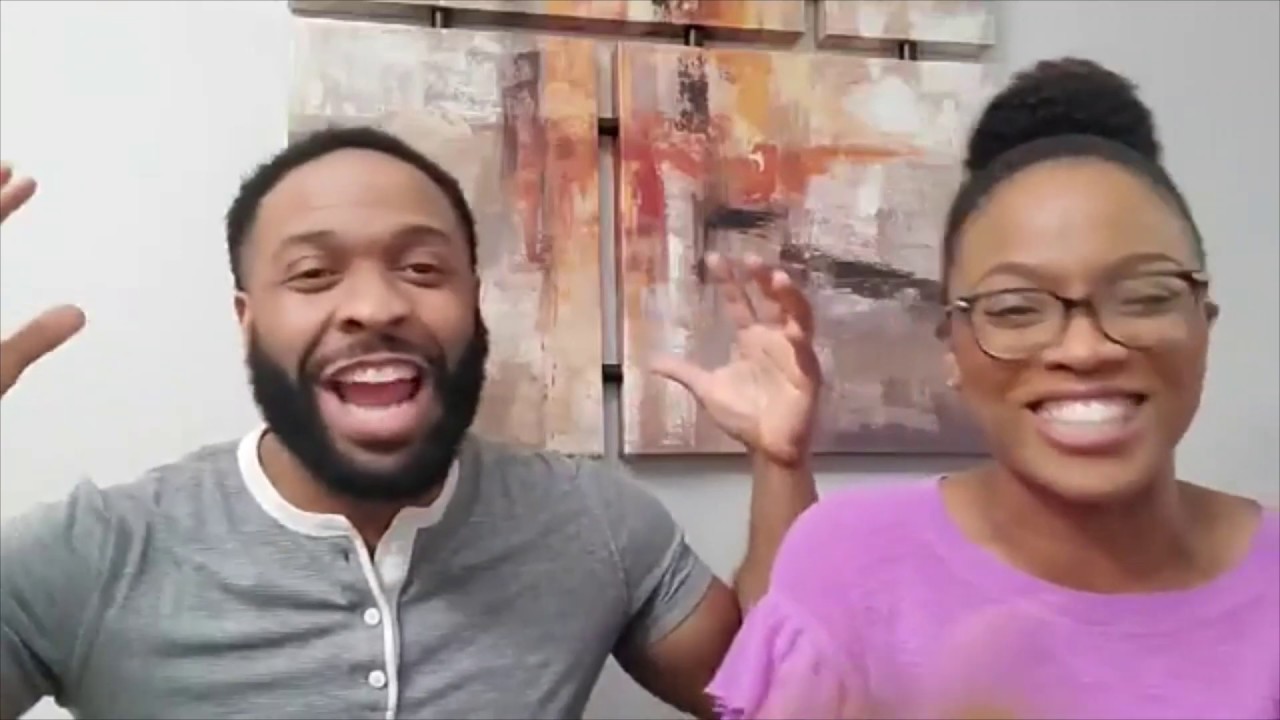
In this conversational YouTube episode of Live With Lyfe, hosts Kenston Henderson (CSP EPIC Experiences Guaranteed) and Tearrah break down the four primary lessons they extracted from Michelle Obama’s Netflix special "Becoming." They frame each takeaway as actionable guidance for personal growth, community building, and parenting. 1. Self‑Leadership – Emphasizes the need to lead oneself before leading others, focusing on personal visibility, discovering internal tools, and maintaining happiness independent of others. The hosts discuss how feeling seen, knowing one’s identity, and not relying on external validation are crucial. 2. The Human Factor / Character – Highlights the power of authentic, vulnerable connection and community. They stress being personable, sharing stories, valuing others’ experiences, and cultivating perspective through empathy and mentorship. 3. Creating New Tracks – Encourages forward‑moving momentum, releasing a “get‑back‑on‑track” mentality, building bridges for oneself and others, and leveraging one’s platform to create opportunities and mentor others. 4. Parenting Like a Boss – Draws parenting lessons from Michelle Obama’s anecdotes about dinner‑table belonging, visibility, life‑skill teaching despite privilege, encouraging children’s voices, and speaking life into them. The hosts tie these points to broader themes of empowerment and legacy. Throughout, the hosts intersperse personal anecdotes, audience prompts, and motivational affirmations, urging viewers to apply these lessons, reach out for coaching, and re‑watch the special for deeper insight.
Chapters
Yo, we are about to— we about to go in. Grab your piece of paper, a pencil, because we believe in everything that we take in, whether it's a book or whether it's a movie. What can we take and use towards our lives? And spiritually, emotionally, relationally, financially, What can we do with this valuable information? And, you know, Michelle Obama did not hold back.
She didn't hold back.
I mean, it was uncut. It was good.
But we're gonna have fun. We're gonna have fun tonight.
Yeah.
Um, as we jump into these, uh, top takeaways, top 4, top 4.
You wanna go first?
Yeah, I thought you was just starting.
Listen, we're gonna start it off first. So listen, yeah, y'all know what, what we big on, and that's self leadership. So self-leadership, if you're not leading yourself effectively, how are you going to lead others? So let's start off with the self-leadership nuggets that she left with us. So the first one: we can't wait for the world to be equal to start feeling seen.
I felt that in my— woo!
We can't wait for the world to be equal to start feeling seen. What does she mean by that?
Y'all tell us, tell us, what does that mean when she said we can't wait? Because a lot of times people, you know, we just sit around and we're like, okay, this needs to happen. I can't believe it's 2020 and we're still dealing with this issue and that issue, and we're so consumed by it. But what she's saying here is that even in spite of everything that's going on, we still need to know that we are seen. So what does being seen look like for you, babe?
Man, being seen just looks like— again, I think it's a part of me knowing who I am.
Yeah.
And walking in it.
Who are you, babe?
Who am I? Who are you?
I am a man of God.
God.
Amanda.
Amanda. Um, but I'm also a go-getter. Hey, Shelita. I'm also a go-getter. I'm also, um, someone who's passionate about Helping people find purpose. Yes, right. And so that's, that's where that comes from, is you knowing who you are so that way you can take others and lead others in that direction. So it doesn't matter what anybody says, you know, whether they doubt you, whether they call you names, put you down, you know who you are. So it don't even matter.
I mean, it is what it is. Say what you want to say.
Say what you want to say. All right, next one: you have to find the tools within yourself to feel and be visible. Again, that's another self-leadership type of thing, is you have to find the tools within yourself to feel and be visible. Yeah, but what I thought about was, do you feel visible? Go ahead and think about that real quick. Do you feel visible?
Let's give them about 2 seconds.
If not, why not? Do you feel— what is that? You know what that means?
Do you feel visible? Yeah, like for me, okay, as you guys are, uh, chiming in, for me with that, like how I internalize that, I felt as though I was visible in certain areas of my life, but then there are people in my life I didn't feel visible to as far as emotionally, you know what I mean? So in key relationships that I had, I didn't feel as though I was visible in that space, you know? And we can go on a whole rabbit trail about that because that's a whole series and all that stuff put together. But do you feel visible? And how would you even define visibility, you know? Like, these are just some things that we kind of pulled out to chew, like to sift and to chew on just a little bit more, you know?
Yeah.
Do you feel visible?
Oh, I feel visible.
I'm visible.
And another thing, and another thing, my happiness—
okay, this, this be on to the other.
If we move on, okay, my happiness is not dependent on your happiness.
What you trying to say? What you trying to say?
Y'all heard what I said. My happiness is not dependent on her happiness.
Yeah.
That's what Michelle Obama said about, you know, her hubby Barack Obama. Yeah, yeah, yeah, yeah. What she mean by that?
Well, for me, I know that, you know, happiness is defined a bit differently than it would be for Kenston Henderson CSP EPIC Experiences. So for me, I like to watch Criminal Minds. I like to watch HGTV. These are things that I enjoy. Now, he could join in sometimes, You know, but if I want that moment of solitude, it's gonna look different. It's gonna look different, and I can't depend on him, like, if I'm feeling sad, to cheer me up. I mean, he does, you know, that's him, you know, that's what he do. But I can't put him in that box, or I can't, you know, just say this is the only way that I'm gonna be happy if someone else steps in. So it's kind of like showing up for yourself. Yeah, you know, we show up for people every single day. We show up in all sorts of different ways, but we got to show up for ourselves by, no, first of all, knowing what makes us happy. But second of all, what does that look like and how can I put that into practice? Yeah. Yeah. So that's, that was like a marital relationship.
Yeah, that was a relational one. That was a relational one.
So yeah, we see you, Michelle.
We see you.
Mm-hmm.
Mm-hmm. Well, on to the next one.
So that was the first takeaway.
That was the first takeaway.
Self-leadership.
Okay. Number 2, the human factor, mm-hmm, mm-hmm, mm-hmm, slash character. That's our second takeaway, the human factor slash character. Somebody write that in the comment section, and if you don't have your pen and paper, you better grab it, or your phone notes section. Let's make it happen. So the power of gathering and sharing experiences. What does that mean? She hit on the power of gathering and sharing experiences. Like, we in COVID, still some of us are back to work and so forth, but there's power in community, right? You know my quote now. Y'all should know my quote by now. If you're doing life alone, you're doing it all wrong. I'm telling you, right? We weren't meant to be— you weren't meant to do life alone.
So isolation—
not in isolation. Even during COVID-19, if you haven't jumped on somebody's Zoom call Or Webex.
Well, get this bit, even if you are introvert, even if you're an introvert, we're not meant to do it alone.
So, uh-huh, I think we can move on from that.
Yeah, good.
All right, don't underestimate the art of being personable, authentic, and vulnerable.
The human factor.
The human factor. Don't underestimate the art of being personable, authentic, and vulnerable. Be open, honest, and transparent with people. But I always have to put the disclaimer out there, but be wise.
Yeah, don't get, don't get got.
Don't get got. Be wise in who you are, you know, giving information to, who you're being authentic and vulnerable to. Hopefully you do have a great circle of people. Like, we have a great circle of friends and family that we can confide to, we can tell everything.
You can just be real.
We can be real and raw, you know, but everybody's not privy to those things. So you should have that. Yeah, you don't have that, get it.
Think about what that looks like for you. And then what she also talked about was, um, showing people the value and power in their story. So that's part 1, showing people— someone can type this if they want— um, show people the value and power in that, in their story. And what she means by that is sometimes we're caught, we have this coffee talk and we say, well, oh, how you doing? Where do you work and for how long? And we ask all of this stuff. I mean, it's important, it's valuable information, but we don't take the time to understand exactly what a person's story looks like. I mean, just asking questions that go beneath the surface of what I can get from this person, how I can line them up in my phone, my contacts list. Okay, what can I call on them for? But no, we need to invest in others to understand who they are. You know, who they are as people first, and this is the human factor that we're talking about.
Yeah, I see that in many cases in the business world is that people are wanting the statistics, they're wanting to get the sale, but it's truly about building relationships.
Yeah, ask them what was it like. Like for me, I love when people ask me, what was it like growing up in the Bahamas? What was that like living on an island? You know, because it tells me that they see more of who I am because that's embedded in me. You know, so of course I'm gonna come out of my shell and talk about it. I'm gonna talk about Junkanoo, I'm gonna talk about, what food I was talking about the other day? Was it crack conch? No, I think it was guava dumpling. But anyway, you see, you see like how it just goes on and on and on. Like you gotta engage people by just caring, caring about them as a person and not what they do. So who they are, but not just what they do.
The human factor.
Yes. And the next one is your presence should make people feel loved and heard. I latched onto this, like when I watched the show, I latched onto this heavy because it really reminded me of my purpose. It reminded me that You know, I am placed in this earth so that people can feel seen, loved, and heard. That's what it boils down to. People need to feel seen, loved, and heard. And for me, in turn, I like to feel seen, loved, and heard as well. You know, so not dumbing down someone's voice and saying, oh, you know, like just not pushing people to the side, but showing them exactly that, hey, I am here not to just get something from you, but I see you. You're not invisible to me, you know. It's good demonstrating.
Oh, that's good, babe.
Okay, okay, okay, okay, okay, okay. And then the last part that we have for the human factor that really stood out was the art of cultivating your perspective. What does she mean by that? She was talking a little bit— Michelle Obama was talking about, um, living in the White House she was talking about, uh, the experiences that she had in the media, you know, just being called all sorts of names and everything like that. But even the fact that this show came out shows that she saw beyond that, because A, she knew who she was. Yeah, you know, she didn't have to question it. You know, she knew that what they were saying about her had no value to it, so she wasn't going to attach that to her identity. She cultivated her perspective and her perspective was, look, I'm going to do what I need to do. We're going to execute to the fullest. But I'm also going to what? Give back while I'm doing this. Give back in the form of continuing, like building community, giving back by writing this book. Not even just that, but giving us the background perspective or the background view of what it took to really cultivate who she is, like who she is present day. So for me personally, I'm like, how can I cultivate my perspective? We sitting up here in COVID-19. I'm seeing him 24 hours a day, 24 hours a day. But it's like, what is my perspective? How can I change or reframe the words that I say? Being stuck in the house? No. What is it? I actually have time. To cultivate my dreams is like uninterrupted time that I have, you know. So how can you— our question is, how can you cultivate your perspective? Whatever it is that you're going through in life right now, um, that no one may even know about, how can you really enrich and cultivate your perspective? You know, in counseling sometimes— it's the last time, I know, I just— I'm getting excited. In counseling sometimes, um, we talk about putting a new frame around the situation. Like, of course you might have been dealt a bad hand, but how can you put a new frame around it, you know?
It's good. Okay, that's good.
I'm done for that right now, just for a little bit.
All right, so we on our third one, our third takeaway. Listen, creating new tracks.
Oh, dare to be vulnerable. All right, we see. That's what I miss about you, T. Yes, yes, yes. Tell us exactly what you felt really from just watching the show. You know, we want to hear from you. Uh, we're giving you what we, you know, found really, you know, valuable to us, but we want to know exactly what did that look like for you.
Listen, we could have wrote a book on it, but, um, we're just gonna give you the 4 takeaways. But here's the 3rd one: creating new tracks.
Yeah, she talked about that.
She talked about creating new tracks, and it was, it was really when— let's just go, um, let's go to that one. Okay, okay, okay. We're just gonna go to Release the get back on track mentality. Go ahead, if you want to write in the comment section, release the get back on track mentality. And what she meant by that was somebody, uh, asked her during one of the sessions that she was holding, uh, was she relieved to get back to her life before the White House? And, and I was, I was, I was like, oh, I wonder how she's gonna answer this question. And she answered it just like this. I'm moving forward. I think Israel sung a song, I'm not turning back, I'm moving ahead.
See, she don't want me singing, y'all. Sing it.
She don't like me singing, y'all. Okay, anyways, I ain't gonna sing it. But really, you know, some people will try to ask you, you know, um, you know, to go backwards.
Yeah, but even sometimes too though, like for For us, I mean, let me speak for myself. I'm not trying to speak for y'all. Y'all can chime in, you know, on what, how you interpreted this. But for me, when I think about getting back on track, it's like, okay, I remember when I was 18 and I was 100 and something pounds. I just need to get back to this. But it's like, no, like I was 18 and then what? Like I thought I was big, but I was a stick. Like, you know, so why go back to a mentality that doesn't serve a purpose for for the now. Yeah, you know what I mean? Yeah. So what does it look like for you to create new tracks? What would that look like? Yeah, what would that look like? Instead of— I mean, I know sometimes that when I go back home, we reminisce, we sit on the porch and we're like, oh, I remember when, you know, back in high school and X, Y, and Z. But how long ago was high school to you? Reminisce, but don't sit in that space to say that's where I need to be, because if you're forward-minded That's self-leadership.
Okay, sorry, we're moving ahead, y'all. We moving ahead. See, uh, your life should be a bridge. Yes, uh, creating opportunities for self and others legacy. And so with that, that's what some of the things she said, uh, Michelle Obama. And so are you a bridge? Are you helping, uh, things move forward? Are you creating opportunities for not just yourself but for other people?
Yeah.
Right? Because that's how we, uh, continue to move forward as a people, as a nation, as a country. And so we gotta move forward by being a bridge.
Hey, Corcor! So Courtney says, my takeaway was to not get stuck where you are mentally. She talked about how small the portion of her life was spent in the White House. She lived so much before that and still has So much life to give.
Yeah, yeah, yeah.
That part, that part. Pursue your passion. Absolutely.
That's good.
Yeah. Yeah. So we think we on the same— we—
Alright, you want to look at that last one?
Yes. And let's not waste the platform that God gave us. So what does your platform look like? A lot of people, you know, out here seeking fame and everything, and that's fine in its own right. Yet I want you to understand, we want you to understand, okay, what platform do I already have? Do I have the platform of being a father, of being a mother? Do I have a platform of teaching students abroad? Do I have the platform of, you know, meeting people at the airport? Because that's, you know, I'm a travel, you know, I'm a flight attendant. So like, what does your platform look like and how are you maximizing it? So that right there was super key because it ties into your purpose. You know, God gave you your specific platform for a reason. I can't do what you do on your platform. You can invite me in all day you want, but the power that is within you in the space that you're in. Yeah, man.
So that, I took that to heart because it's like every time I have a speaking engagement, whether live or on Zoom calls, I have to take advantage of every opportunity and giving everything I got.
Oh, oh, oh, I got one quick thing. So for me, I knew that when I started teaching, I got into this space where I was like, oh gosh, I gotta go to work again. Oh, I gotta teach on this again and la la la la la. But I felt really convicted and I had to really switch how I said this. I said, well, Tira, look at it like this. You are gifted to meet with these people. On a weekly basis. It's a gift. It's a gift. Like, who am I to be, you know, in the same room as, you know, the people that I can share, you know, um, my life with? Like, like, think about it like that. Every person that you encounter is a gift to be in their presence, and vice versa. Yeah, you know. So how will you treat that?
Yeah, you see, that's a goal that goes along with character, right? So a person with good character thinks about these things. Yeah, a person with bad character is not going to think about anybody else but themselves, right? So having a selfless mindset is, is huge for, for that.
Yeah. All right, all right, so that was creating new tracks.
Now we're on the fourth, we're on the fourth one, and this is what I love. This is what, what we love.
Came all day.
Parenting like a boss. Parenting like a boss. We're going to call this Parenting Like a Boss. Feed those.
We clapped at the same time. Did we? We did, we did like that.
Oh, we missed it. Feed those at your table. Now this was huge. There were so many parenting nuggets that Michelle Obama dropped, and we gonna look at those.
Oh, that's cool.
We gonna look at those. All right, first one. Our dinner table was the first table I felt like I belonged.
Did y'all hear that?
What?
Did y'all hear when she said that? I had to pause it.
Listen, we paused it and rewinded, wrote it down, and then played it. Let's say it, let's, let's say it again. Our dinner table was the first table I felt like I belong. So for, for us parents out there, that's very telling that you are the first voice that your young people need to hear to be validated before anybody else.
Yeah, yeah. And she credited, um, this dinner, um, dining room table meeting that she had like with her, um, her parents. She credited that to really who she became as a woman, who she is becoming as a woman, and what really grounded her while she was in the White House and, and after. Yeah, you know. Yeah, it's funny like how we can take some of these little things for granted But the small things sometimes really, really are the big things, you know.
So parents, I have to ask you the question. Listen, are your children feeling like they belong? Are you helping them feel that way?
Yeah.
Are they feeling valued? Are they feeling loved? Are they feeling beautiful? Are they feeling handsome? Those things should be happening around the table. Yeah, right. They— you should be telling them who they are at the table, at home. So when anybody else says anything to them, not so, because my parents told me that I am somebody.
Listen, my dad— I'm laughing now because I couldn't stand when he said this over and over again. So, um, growing up in the Bahamas, he would always tell me, like, from a young girl, he's like, "Tearrah, you are destined for greatness. Tearrah, you are this. You say you want to be a doctor? Okay, Tearrah, that's what you're going to be." Like, he literally validated everything that I said, and he also called out things that I didn't even know was within me, you know. But that happened at the dining room table. That happened at the breakfast table. That happened, you know, in those moments that just seemed mundane. But that's what I remember. Yeah, you know, so you gotta trust that what you deposit in your kids' lives, or what has been deposited in you, will take root. Yeah, you know.
Yeah, it's power. Power in your words, parents. Power in your words.
Say yes. And okay, so next we're talking about parenting like a boss. Feed those at your table. This was a huge theme that was, um, pointed out in the Becoming show. So Michelle Obama also said I never felt invisible. My parents always made me feel visible.
Mm. What did she— oh no, she said—
she said, uh-huh.
I never felt invisible because my parents always made me feel visible.
Yeah, yeah, yeah. And that actually happened, if y'all remember, in the show. She was sitting in a circle and I think one of the teenagers, they asked her, well, She was talking something about, you know, how she felt invisible and she wanted to know like tips on how to, you know, feel more visible and all of that. But that caught me off guard in a good way because she said she never felt like— you don't have to attach yourself to invisibility. Yeah, you know, she said, I never felt invisible. My parents always made me feel visible.
So parents, are you making your children feel visible.
Yeah, look at my mama. Yeah, my mom made me feel visible. I mean, she just, you know, that's probably where I got a ton of confidence from.
So keep speaking life into your children, parents. Keep speaking life to them.
Angela says, I speak those positive words to my grandchildren.
Absolutely. That's good. Keep doing it. Keep doing it. All right, we're gonna move So made kids.
I remember this part.
So she made— Michelle Obama made her kids— when they moved into the White House, now they came into a situation where they had butlers to take care of every, every need that they had. So they, they stepped into a, a larger inheritance of privilege.
Yeah, yeah, yeah, yeah, yeah.
Like a larger inheritance of privilege. And, and Michelle said to the girls, they still got to make their own beds. But she didn't.
Oh, why would she tell them to make their own beds though?
She was teaching them. Listen, she was still teaching them home values. She was teaching them home skills, life skills, okay, that they will be able to continue on in spite of privilege, because she knew that it was only going to be for a season.
So she had to equip her daughters to know exactly how to live out life. Like, they're in college now, So she knew that even though they were in that moment of privilege, she still had to instill these things in, in her daughters. So that was, that was pretty—
so that's a valuable lesson. So parents, listen, even though if you got the means to, to, you know, have a butler or a maid or somebody, still equip your young people with the necessary tools to not be so— I don't want to say selfish, right? And so, and so what I got here is that, um, teach them the importance of equipping your children with life skills— cooking, cleaning, respecting other people.
I'm thankful Miss Ingie taught me how to cook a little bit.
Oh my God, thank you, Mama! I'm just saying, this woman could cook. I ain't gonna show you my belly. Listen, stop. It's cold. It's cold.
So Courtney says, making sure to encourage your child's voice.
Oh yeah, we gonna get to that one. We gonna get to that one, Courtney.
That's big.
That's big. Listen, but yes, so in spite of all privilege, keep teaching your young people the necessary gifts of life. All right, so where we at?
Oh, I like this. I like this one right here.
There you go.
Okay, okay. So she also said while growing up, I could ask my parents, I could have asked my parents anything. So while growing up, I knew that I could ask my parents anything, of course, in a respectful and polite way. But she knew that within herself that she had that right. You know, like her voice was A, gonna be heard, and she was also, would be given a response. What that didn't look like was, stay out of grown folk business. Don't ask that question. Why you asking me that question?
Who was told that? Who was told that?
Yeah.
Who was told that?
You too young to know.
You too young to know. You need to get out of the business. Grown folk business. Who was told that? Now we understand there's some things.
Yeah, absolutely.
But at the end of the day, we're talking about, you know, we could be talking about if they're getting into the teenage, we could be talking about sex, we could be talking about different feelings and emotions that are coming onto our young people. That they should be able to explore with you as the parent.
Right, and some parents, what is big too is your kids, your children may ask these questions. Your response though is based on your level of comfortability. So if you feel uncomfortable about, you know, answering the questions that are given by your children, what can you do on your part? Because then you're robbing them of that connection. You're robbing them of that experience, and you're also robbing them from hearing your response first because they're going to find an answer. Yeah, they're either going to try it out or they're going to ask someone else who's willing enough to give them a response, you know.
And we got to keep in mind that person that they're asking or going to may not have their best interest at heart, right?
Right. So you kind of throwing that to the air. That's the case.
So you got to make sure you, you're there for them. You're there for them.
Have you heard that the saying that how we speak to our children becomes their inner voice?
We do now. Okay, and it makes perfect sense, my sister. It makes perfect sense. So, uh, parents, what are we speaking? Because what we're speaking is becoming the children's the young adults, the adults' inner voice. Yeah, that's, that's— yeah, we can go somewhere with that one a little bit. All right, so let's— I think we're on the last one. Yeah, yeah, we made it.
So we talked first about, you know, self-leadership. That was our first takeaway. The second one was the importance of the human factor and character. That's what we got out of, out of watching Becoming. And the third one was creating new tracks. And the last one that we're on is Parenting Like a Boss: Feeding Those at Your Table. So what's this last one?
So this last one, this, this really caught my attention because Michelle Obama was talking about her grandfather.
Yeah.
And how he was intelligent, um, and he, he was, he was an awesome man, um, but he couldn't seem to get a break.
Yeah.
And because of the times, you know, of you know, when race still was a big issue and not being afforded the opportunities. Yeah, but the, the part that, that we loved was that he still encouraged all of his family, including Michelle, to be great. You see, despite his circumstances, despite his, his own situation, his own, um, being held back, his intelligence being held back, He still empowered his family to be great. And so that is so powerful that we must continue to sow into when we don't get the necessary, the opportunity, who can we still equip to help them succeed?
I might not see this right now, but let me sow this seed. Let me equip so-and-so, you know, who is with, who's in my space, who, um, I have reached to, you know, let me equip them so that this work can still be done. Yeah, you know, that was really powerful. He said, I expect you to be great. Yeah, yeah, I expect you to be great.
Yeah, yeah. I mean, I just heard so many things, especially mentorship. And so, you know, those who are listening and, and even after this, this replay, is, is think about who you can mentor, who you can sow into um, some, some great, uh, tools of life to help people further. And I think that goes along with building a bridge or building a new track.
Yeah. And, and just don't give in to those thoughts of I'm not good enough, I don't have nothing to give, I don't— nah, lies. What? You're still here. Yeah, you still exist. You are in— you are still here. You're still here. So you are valuable. You have something to contribute. Do not let your voice be silenced.
Yes.
Okay. By doubt, self-doubt. You know what I mean? Separate what is true and what, you know, was just kind of passed on to you or that you allowed to be attached to your identity. No, you have so much to give and you are necessary for this time right now.
Right now. Yeah, right now.
We want to hear your voice.
Listen, listen.
We want to hear your story. All of that, you know. So one of the biggest things that I got out of this was the, the fact that I, you know, that connection is big, community is big, you know. You can't just push it to the side and then, you know, pick it back up. Like, be proactive in cultivating relationships, you know. I think that was the foundation that I saw, because even when she was like going to all of these different arenas and everything, like, bring that human factor. Yeah. If you feel like you don't have nothing in common with anyone, you at least Got the fact that you are a human being. Yeah. And so are they.
Yeah. You know, and, and it goes back to, you know, talking about your lived experiences.
Yeah.
You know, that the human factor, you know, and I just remember from the show, she went over to 22 different cities, um, around, around the country. And, but each interaction, personal interaction she had, she was present.
Yeah.
She was in the moment.
Engaged.
She only seen them. Right, there was long lines, extended lines, but she was very personable, and that is going to be key. So we encourage you to, whoever you interact with, be personable. Yeah, be, be present. Yeah, right. Remember, it's a gift to be in front of people. It's a gift to be in front of the person that you're speaking to. Yeah, so value them. Yeah, and, and it'll help you value value.
And, and you know what really stood out to me? This is the last thing I need to go, but, um, y'all remember when she was in the church and she was speaking to, um, the, the, the older ladies? Oh yeah, yeah, she was sitting down like in the pews with them.
Yeah.
Oh, and she asked them, like, she literally was learning from them, you know? So we always got to have a teachable mentality.
Yes.
You know, we can't get to a point where as we think we've arrived, you know, it is always a journey. It's always a journey. And I was like, look at her, you better get your wisdom.
Again, we talk about she was the, you know, the— if we had to rank the highest woman in, in the world, but she yet brought herself down and got amongst other women with great wisdom and learned from them.
Isn't that what we supposed to do though? That's what we supposed to be doing out here.
That's what we supposed to do. I mean, that's just wise. That's wisdom. And yeah, we're not people, especially the ones we connect to, not people that are always on our high horse. Yeah, cool. Any questions? I mean, did y'all get anything else? Because we're going to wrap this thing up. But listen, we got so many great things out of this. And so if you're just now coming on, please get the replay. I am going to make a video out of this, and so you'll be able to go on YouTube to our page at Live With Lyfe. Our YouTube page is Live With Lyfe, and then Instagram, Facebook, that's also Live With Lyfe as well, and that's L-I-V-E-W-I-T-H-L-Y-F-E. But we encourage you to lead yourselves effectively, If anything on here you got questions about, please reach out to us and we will expound on, you know, my baby's a life coach. I'm a life coach, motivational speaker. You know, we are here for you.
What we're trying to say is reach out, just reach out if you have any questions or whatever, but we're glad that, you know, we watched it like it's nothing that we regret.
Yeah, go watch it.
It was a really good— If you didn't watch it. Yeah, if you didn't, sorry, we kind of just called out some stuff, but go back and watch it. It's worth rewatching. I dare say that. I got it. All right guys, so that's all we got. Uh, it's nice chatting with you again on this lovely—
peace and blessings.