What's Your Lane (Occupying your Lane) Anti-Racism, Justice and Equality for ALL
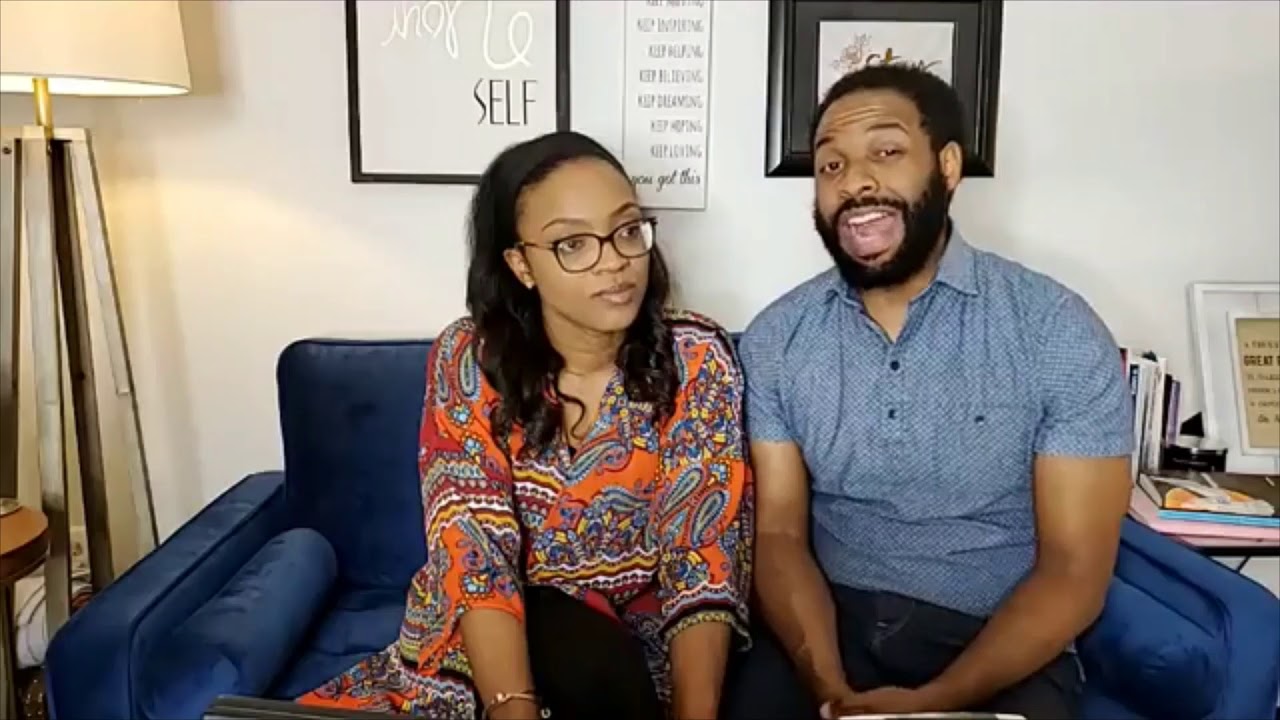
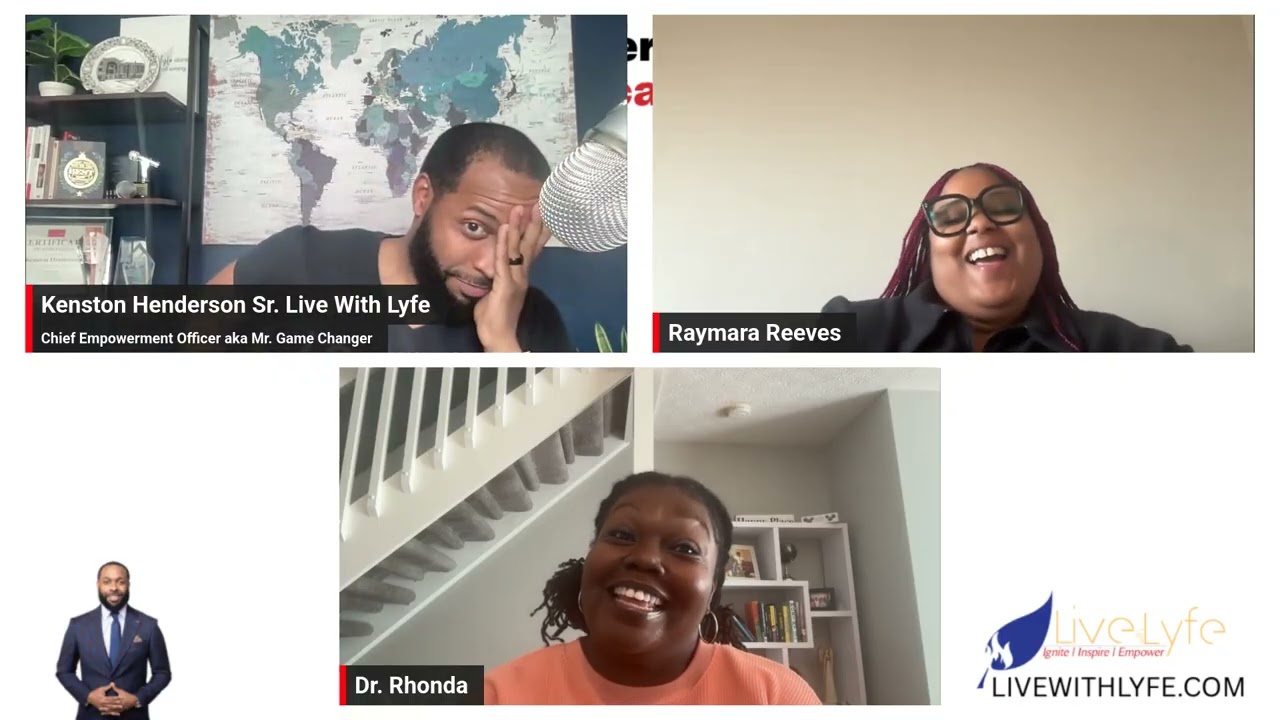
In this live YouTube discussion, hosts Kenston Henderson (CSP EPIC Experiences Guaranteed) and Tira explore how individuals can contribute to anti‑racism, justice, and equality during the heightened social climate of 2020, marked by the COVID‑19 pandemic and the George Floyd‑triggered racial justice movement. They introduce the metaphor of "lanes" – distinct roles or actions people can take – and stress that while many feel compelled to act, no one can occupy every lane. The conversation outlines several concrete lanes (street protest, social‑media advocacy, silent donations, self‑education, tough conversations with family/friends/co‑workers, counseling, art activism) and emphasizes the importance of aligning one's lane with personal strengths and capacity. The hosts provide practical guidance for having "winning" conversations, centered on respect, empathy, and maturity, and they present a self‑assessment checklist of four reflective questions to gauge readiness for such dialogues. They acknowledge emotional fatigue, external pushback (e.g., Jeff Bezos backlash), and other barriers, urging participants to protect their mental health while staying engaged. The session concludes with a call to action: join existing anti‑racism groups, utilize provided resources (including the sold‑out book How to Be an Anti‑Racist), and participate in upcoming virtual workshops on active racial reconciliation.
Chapters
Again, grab your pen, grab your piece of paper, because we really want to talk about, you know, what's your lane.
Yeah, and how to occupy it.
And how to occupy it.
We got some good stuff.
We got some good stuff, so get your pen, get your paper, your memo, your phone memo, because it's about to go down. You ready, babe?
Yeah, I am.
You ready? I'm ready. Alright, so you know, the last few weeks has been a lot, a lot of things going on, you know, it's We got COVID, and we also had a COVID crisis, and then we also had a racial crisis that swept through the nation and the country. And I know you all have felt it in some shape, form, or fashion, some more than others. But I'm excited because we're going to persevere. We're going to move in a greater direction than we ever have before. Or, and so get excited too because change is coming, real change is coming. I'm hearing every day about different policies, different committees are being put together to make sure that we weed out racism and injustice and truly make it a justice for all country. World. And so I'm excited, I'm excited. So, um, the upside of things is we, we really today want to talk to you about what your lane is and, and how you're going to occupy your space as we, uh, as we're working in our lane, right? And so we'll tell you about our lane soon enough, but we want to, we want to talk about, uh, a few things. So as just a check-in, yeah, we really want to know how are you doing?
Yeah, so put it in the comment section. Um, we really want to hear from you. Um, given everything that's been going on, I know social media has been supremely active, so we want to know exactly like how are you doing?
Um, all things considered, all things considered, put it, put it in the chat section because we really want to know how you're doing. And, and I always ask again, when I ask somebody how you doing, like how are you really doing? How are you doing? Time, right? Because like I said, it's been a couple, uh, weeks of roughness. You know, I know I've been on an emotional roller coaster, um, from, you know, from anger, anger to irritation to frustration to like, what is going on in this world?
What about you? Like, for me, I think it's just been a lot. It's been a point of reflection for me. And I think one of the reasons why this is such a necessary topic is because, you know, sometimes you can get so caught up And I hope I'm not getting ahead of myself. Sometimes you can get so caught up watching what everyone else is doing, trying to figure out how you fit into that space or not. And it's been a ton of questions, a ton of questions, a ton of interaction over a short period of time, you know, and the need to jump in and, you know, be active. So I think these past weeks I've been thinking, well, Tira, what, what, what should you be doing at this point? What does it look like? You know, so definitely been questioning a lot, been reaching out. Um, but yeah, I'll jump into that a little bit, um, when we get further along.
But listen, because here's the thing, we, we are self-leaders, and, and so we're, we're being quick to listen and, and slow to speak, uh, doing our best to be slow to speaking. Um, and but really we're, we're asking and we're praying about you know, what is our lane, so to speak? What we're going to talk about? What is our lane as it relates to, you know, the injustice and racism around America?
Yeah, we got some people saying that, you know, they felt exhausted. Oh yeah, mentally and emotionally exhausted. Yeah, yeah, definitely, definitely felt that. Uh, Cordell said grateful. Yeah, yeah, yeah, yeah.
And he said better too.
Oh, better and grateful. Yeah, so tell us really as we, um, go along, like How have you really been feeling? How have you been processing everything? Even if you had a chance to, yeah, you know, because this is kind of like a little pause to check in with everyone and to just tell you guys what we've been up to and yeah, what that looks like.
Can you, um, can you see? Look, we got KJ in the house, y'all. We got KJ in the house. So can you see, is, is there any comments on there?
Yes.
Any comments?
Emotionally drained.
So emotionally drained. Yeah. How are you feeling? That is the question.
I don't know where to go to comment. I need a nap and a hug. Yeah, yeah, nap and a hug. I've been taking a few naps because I'm like, you know what, this is too much, this is too much.
Keith, I've been wanting to hear that saxophone. That's what I've been needing to hear, you know, lately. But yeah, so again, we just want to check on you, see how everything's going. But this segment is called What's Your Lane? And occupy your lane because we understand that there's many things people are charged and wanting to do everything, everything to get rid of finally once and for all racism, injustice, inequality. People are ready and excited, but here's the thing, you can't do it all. Yeah, you can't do it all.
Thelma said, this has been really overwhelming for me. I'm emotionally drained and so sad about what's happening in our country. Yeah, that has been the tone. That has literally been the tone, you know, for the past couple weeks. Um, feeling bad to see person this time. Yeah, yeah, yeah, yeah. So what we really want to do is kind of jump into the importance, like why is it even important for us to travel in our own lane?
Yeah, yeah. So the importance of traveling in your lane, uh, do you want to read that or are you good?
Yeah, yeah, yeah. So the reason why we're talking about this is because we want everyone to understand exactly what different lanes look like and where do you fit in, in that way. So I've been on social media off and on, you know, just kind of pulling out little nuggets here and there, and I've seen quite a few things. But the important part of it is, well, this one quote, it says, "A revolution has many lanes." Be kind to yourself and to others who are traveling in the same direction.
Just keep your foot on the gas.
On the gas.
On the gas.
Yes, yeah, yeah.
And that's the main thing because everybody is traveling in the same direction, right? We all— and I think that's the most important thing on this segment is that we're all going towards the direction of justice equality, anti-racism. We're all going in that direction, but it's going to look differently. And so we need everybody to be in their lane, in their specific lane where they thrive. Yeah, right. The lane where you're thriving in certain areas. Like, we understand with the lane that we're in, and we're gonna let you know what that is. And so it's really, it's easy um, but it's hard where it could be very hard for other people, but for us it's like, okay, we already know, we understand, it's part of our purpose.
Yeah, so let's just talk about some of the lanes. So we're going to outline some lanes, um, and let us know in the comment section too which lane do you see yourself fitting in, or even if it's multiple lanes. Okay, so the first one is protesting in the streets or organizing the protest. Yeah, that's a particular lane.
Yeah.
The second one is posting on social media, but let's talk a little bit about what that looks like, posting on social media.
So posting on social media is, it comes about where you're posting about injustice, you're posting about things that causes injustice. So one thing that I posted last week was systemic racism in the country. And so it was an educational piece that allowed people to get a glimpse of what has taken place throughout history in the US that you probably may have never known about in the Black community. And so now you get a glimpse of seeing what that looks like. And so posting things that causes awareness.
Yeah, yeah, yeah. And awareness is huge, but in the midst of your awareness, also be mindful of how you respond. How do you respond to people? Even if it's on your post, if it's on your wall, that is so, so, so important. Because this is what I always think in the back of my mind. The goal remains the same. Is this conversation moving, moving, moving it forward? Is it moving the convo forward, or is it hindering me from what it is that I'm setting out to do with my post?
No, no, no, no, no. But what if they attack me? What if they attack me? Oh, then what am I supposed to do? I'm not supposed to defend myself?
What type of auntie you want? You want— I'm supposed to defend my No, no. I mean, what is the reason behind defending yourself at that point? Do you have anything to prove to anyone? And I think there's also been this battle of, I'm doing this much more than you, and I'm, you know, it's kind of like a competition. And no, that saddens me a bit, you know. But for me, it's like, do I— what I have to say, is it going to be beneficial for the goal that I have in mind? Will it be beneficial or will it hinder me? Because you can end up spending hours a day just literally responding, responding, responding to people. And if people aren't willing to— if people don't possess empathy or some of the basic characteristics, then you're like, you're wasting your time.
So it's really like my TEDx. And so the 3 ingredients that I give in my TEDx is respect, respect, empathy, maturity. Yeah, you have to have those three elements in the conversation for it to go well.
Yeah, yeah, for it to be a winning conversation.
See, because we all about winning conversations. And so if respect, empathy, maturity is not a part of your post or response back to the individuals, then you may want to pause back away, maybe push it to the side, or delete.
Yeah, what we like to say in the islands is you need to dip out, dip out, dip out. And that's— yeah, that's just what it is. So number 1, we had protesting in the streets or organizing the protest. That's a way, that's a lane. The second one is posting on social media, that's a lane. The third one is donating silently, that's another lane.
Donating to who?
Donating to organizations, you know, Black Lives Matter organizations, you know, donating silently, that's another lane. Then there's also the educating yourself lane. What does that look like?
So educating yourself, I mean, that, it speaks for itself. And so that's you taking a, choosing to take a deep dive. So you've gone from awareness.
Yeah.
Everybody, almost, I would say everybody who's on social media or watching some type of TV is now aware of injustice, inequality, racism. You're aware. Now it's time to move from awareness to education, and so education looks like diving into some books, some articles, some videos, some TEDx's. What else? Conversations.
Yeah, yeah, having those much-needed conversations. And even on the same vein of education, um, you don't want to take yourself out of the equation, um, and say, well, okay, this person needs to be educated on this, so I'm educating them. This person needs— you don't want to take yourself out of the equation because you are also are an active participant. So what that looked like personally for me is that, um, I met up with some people, uh, I met up individually just to understand, to swap books, to, you know, all of that, because I want whatever I have to say or the actions that, you know, that I do to have value in it, you know.
I mean, just, just this weekend, you know, we met up with someone, uh, very, uh, great woman, um, who's been in this work for 30 years, right, right. So this is way longer than us.
Yeah.
Um, and she was able to equip us with some things, some tools, some resources, so we can be even more active in, in our lane.
Yeah, yeah, yeah. So when I post, people start trying to justify racism. I always post this: privilege isn't about just the things you were given, it's about the things you were never subjected to. That's, that's powerful.
That's good.
That's powerful.
That's good. That's good. Yeah.
And then another way, as far as, um, knowing exactly what your lane is, is to have tough, necessary conversations with family, friends, co-workers.
Yeah, yeah.
What would you describe as being necessary conversations? What does that look like?
This topic, this topic again, you know, we're, we're dealing, we're still dealing with racism, injustice, inequality in the 21st century, y'all. Yeah, in the 21st century. Like, slavery was done over a long time ago. Martin Luther the King did all his things, and you know, all the movements that have taken place are sweeping across this, this country, this amazing great country. But still, to the 21st century, we still are, are having family members, uh, church members, friends, and co-workers that don't get it. Yeah, and, and, and it's at a point where, because they're aware now, they're now at the point where they're just choosing.
Yeah, they're choosing not to, they're just choosing not to act.
And so we must, um, those who, who are aware and have already started moving to the educational piece of it, um, we have to start being okay with being uncomfortable.
Yeah.
And, and that does mean if you have never talked about race in your household That is saying, let's take a chance and talk about race. What's going on? You know, we seen this, uh, there was a video that had gone viral about a young lady and she was talking to her parents and about, um, uh, racism and the things that have taken place with George Floyd. And it was, it was saddening at one end that her parents weren't getting it, um, and she was the one trying to to let them know that humanity is important. But then it was exciting to see that these conversations are taking place. And so do it, do it uncomfortable, because if you never do it, then the conversation won't be had, and more change won't take place.
Yeah, yeah, yeah. So here are a few other lanes that we wanted to touch on. So first we have protesting in the streets or organizing the protest, posting on social media, donating silently, educating yourself, having tough necessary conversations with family, friends, coworkers, um, but also counseling. Counseling is a way that you can, you know, travel in your lane. And another thing that we noted too was art activism. So there are many different lanes that you can occupy or that you might find yourself in. So don't feel guilty if you can't occupy all lanes, okay? Because we don't need a bunch of people in one lane and nobody over here in this lane. Like, we need you over here too. Yeah, yeah. So we all need them, that's the main point. Um, for— so let's talk a little bit about the lanes that we fall into though. What does that look like?
So the lanes we fall into is, is the education. So, uh, the educating ourselves We strongly believe in equipping ourselves with tools and resources, connecting with people like my friends Paul and Crystal and Kim and Lynn. Like, we believe in building, you know, community so that way we can see ourselves and see different perspectives, right?
And then, well, it's one way to educate yourself, but I like how you said about being in community. Yeah, so even taking a step back to see exactly what does your circle look like, what do your circles look like, does it reflect what it is that you're advocating for? Yeah, you know, so that's, that's super, super important. And that's even a point for me to kind of look at, you know, what does my circle look like here? Yeah, yeah, that's good.
Yeah, and so it's so, so educating ourselves, and again Paul just asked, what is education yourself? So educating yourself is those deep dives into books, articles, documentaries. Like, I just watched Selma for the first time yesterday, and so, man, he was crying. I was not crying. Why you gonna tell the world?
He wasn't really crying.
Nah, I'm a man, I don't cry anyway. So it was great, it was great. But then taking the next step, our lane is actually educating people. So we're coaches, trainers, and speakers, and so—
I'm an educator by heart.
Yes, we're educators, and so our purpose, and a part of our purpose, is to help ignite, inspire, and empower, equip people with the tools and resources that we have.
Yeah, and by us staying in our lane, occupying our lane, we teach others the art of having those winning conversations. So we're then able to coach and to teach and to train people how to have winning conversations. It sounds simple, but it's really complex. Yeah, you're battling a whole lot of stuff, you know, how to handle conflict. What does that look like to have effective communication? Yeah, so that's really our lane. And then one of the things that we wanted to touch on as well is for you to really think about what is preventing you from getting in your lane. So out of the lanes that we mentioned, um, what is really preventing you from getting into those lanes? Yeah, or to occupy them, you know, just think about it.
So we talked about, uh, 7 different lanes, and so think about— and let's, let's do it this way— think about what could possibly be the barriers, from you operating in the lane and one of the lanes that we said, or even a different lane? What, what could be a barrier? Um, is it fair? Yeah, yeah, what is it fair? You know what we seen the, uh, the other day, um, T-Rex showed me that, um, was the owner of Amazon.
Oh, Jeff Bezos.
Yeah, so Jeff Bezos from Amazon, they posted, you know, Black Lives Matter on their website, and he posted on his social media that he was getting so much pushback from customers. Yeah, and threats almost. Yeah, yeah, really threats that they were going to not do business with him anymore because he spoke up about the injustice and racism around the country, and it's crazy. And so that could be a barrier for you, but that could come by way of family members coworkers, bosses, church members. But we want to encourage you to stay the course, right? Stay the course, stay in the race, because it's not given to the swift nor to the strong, but he that endures to the end.
Come on, babe, you better get up there.
We just got to put the word out there, right? So I need you to keep barreling through any of those barriers because that's what's going to have change sustained. Sustain change.
And what I liked about Jeff's comment, like I know Jeff like that, Jeff. What I liked about his comments is that he didn't just post the uproar from his customers, select customers, but he also showed his response, which also was, hey, look, I understand that you feel this way, but know that I'm not changing my position. So I would much rather lose you as a customer than to change my position. So it also looks like, yeah, what are you, what are you standing for? Yeah, you know, what do you believe in? What do you truly believe in?
And that's the goal. That's, that's having the big goal in mind because people are going to try— evil is going to try to stop this movement towards, uh, anti-racism and, you know, and injustice. People are going to intentionally put more hate messages out there. Ugly faces are going to come out.
Yeah, as they have been.
As they have been. You know, somebody just posted, uh, some VP, I don't know what company, but posted a noose around President Obama's neck. Like, again, the 21st century, and they're thinking that that's still okay, or even to have it in their heart to say that's okay. It's not okay. And so, um, so yeah, and so those are things that could, you know, some different things that people— that things can prevent you.
So I wanted to really just jump in here to say, because, um, this was personal for me, um, and I'm hopeful that it, you know, means something to you guys as well. But for me, I knew my emotional capacity Yeah, and I knew, just know myself, how much I can take, how many images I can see, how many videos I can watch, how many comments I can read. And I literally had to disengage for a while because it's like, okay, Tira, you need to take a step back in order to see what productivity looks like for you in this space. Because I tell y'all, my body literally reacted like stomach knots, everything reacted just based on, you know, seeing everything like 24/7 in your face. So for me, and even for you, if you have to take that step back, if you have to put a time limit, adjust your notifications in IG, Facebook, whatever the case might be, so that you can protect your space, do that. But don't just do that, do that with the intention of, hey, what is my part? Yeah, what is my lane here? So we just want to leave you with some tips if you are struggling um, with having winning conversations. Okay, so we're going to give it in the form of questions. Um, before we jump into that, let's see what we have here. Um, so just seeing what you guys have here. Okay, Mercy said educating yourself and being aware of your own community biases.
That's good. Yes, that's good.
Yes, educated— education without community relational interaction feels far short of a transformational impact. That's amazing.
That's good, that's good, Kim.
People might be uncomfortable to change lanes.
So that can be a barrier. Yeah, that can be a barrier. And so in response to that, you know, if you feel like you're stronger in one lane than another, or if you want to make a switch to a different lane, connect with people, right? Connect with someone who, who is in that lane that does it well. Yes, right. There's, you know, my slogan, y'all: if you're doing life alone, you're doing it all wrong. So if you're doing anti-racism injustice alone, you're doing it wrong. So how can you know, find out how we can help you, or how other people can help you in that lane and push forward, because that's the thing. It's not about getting stuck and stagnant and not doing nothing and just sitting and hoping and waiting that something happens. No, we don't have time for that. We're moving forward.
And the thing is like, we didn't expect that this was going to be a thing in 2020. But it still isn't an excuse not to get involved in some capacity. And again, being honest, for me, even though I know that my lane is education, I needed to know how, or I need to know how to do it well in this capacity. So that's why I reach out to those, again, like the lady mentioned earlier, who has been doing this for 30+ years. Okay, so I'm going to reach out to someone my senior who has been doing so that I could understand exactly what does this look like for me in this way.
So yeah, we got some tools coming, y'all. We got some tools, some resources that I've been speaking and training about. We've been coaching about. And so we got this good book here. I don't know if you've all seen that. We're about to start getting diving into this.
How to Be an Anti-Racist. This is actually sold out right now.
Yeah, it's sold out right now, but I think you can get it on a Kindle um, but the, the hard copy is sold out. But this is what we're gonna jump into soon enough. But again, we have tons of resources that we want to equip you with. So, um, to, to get them out of here—
yeah, yeah. So the things that we wanted to leave you with is these particular questions, okay? If you are having difficulty with having winning conversations— so it's not a matter of if you should have winning conversations, but it's how. What is the first question that you ask?
So ask yourself, because again, we want to win in every conversation we have regardless. Remember, respect, empathy, maturity. Yeah, we got to do it right to be in the room. So number 1, am I able to actively listen and be in the moment with someone without having a pre-made response?
Yeah.
I'll say it again, am I able to actually listen? Ask yourself this, am I able to actively listen and be in the moment with someone without having a pre-made response?
This is going to take a little bit of work, y'all, because our brain already operates a mile and a half. We have responses made, we're like, oh yeah, I'm gonna get this, like, I'm gonna just lay this out. And no, the key word here is actively Actively listen. Okay, so that means you're present, you don't have any responses queued up. Yeah, in that moment, you know. So that's one way, that's one question to ask.
What's the next one?
Um, the second one is, am I able to temporarily push aside preconceived biases, judgments, stereotypes, and/or beliefs? Am I able to do that? Am I able to really lay aside, um, these things in order to have a winning conversation and not push my agenda? That—
I can't have an agenda?
No, no, I need you to be present, and I need you to push those things aside because I need you to see me. People— I— this is something that I've learned in counseling. People need to be seen, or to feel seen, loved, and heard.
Heard.
Seen, loved, and heard. Okay, so if you're not operating like that, ask these questions. What's the third one?
Yeah, and here's the thing, because biases, we all have them. Yeah, yeah, we all have them. We all have— if you, if you are a human being, you experience life.
Yeah.
And so biases are going to be there. However, you know those ones that can be judgmental, that could be stereotypes that don't need to come to the party with you. Yeah, so make sure you're doing what you need to do to not bring those. Yeah, number 3: Am I willing to be respectful and mature in dialogue? You gotta ask yourself these questions because these are real questions. If you're trying to have a conversation about racism, injustice, inequality, You have to ask yourself, am I willing to be respectful and mature?
And mature, yeah.
In dialogue.
Yeah. What does maturity look like though in dialogue? What do you think maturity looks like?
Maturity in dialogue looks like not interrupting.
Yeah, not cutting you off.
Not cutting me off. Not disrespecting me. Not calling me out of my name.
Yeah.
Or calling them out of their name.
Or typing in caps on social media.
Not typing in caps on social media.
Sorry, okay.
Hey, we're seeing this, we're seeing this, and this is real. And so if you can't be respectful, you can't be mature about the conversation, it will probably be best that you wait for a better time.
Yeah, so these questions are also for you to gauge your level of readiness.
Exactly.
Okay, so if you feel a little eh about one or two of them, then maybe those are the same areas that you need to, you, you know, just work a little bit more on. And the last question that we have is, do I have the ability to understand and share the feelings of another?
That's tough.
Yeah, yeah, yeah. Let me put it this way. In other words, do I express empathy and compassion?
Do you express it? Are you able to do it actively in the conversation.
Yeah, yeah, because I don't need you to tell me what needs to be done, what has been, all that stuff. I just need you to empathize with my situation. Not sympathize.
I sympathize.
Okay, empathize with my situation at this point.
Yeah, that's, that's what it's about. Yeah, when we having these necessary conversations, I ain't gonna call them tough anymore because you all are graduating. Those were who are looking at this video, you're graduating from tough conversations to necessary winning conversations. That's what we have to have. We have to have courageous conversations.
Yeah, and you can, you know, use these questions for any form of conflict, really. Yeah, you know, but the point that we're trying to make is in this season, in what we have that's, you know, present before us on a daily basis, I'd say a minute-by-minute basis, is check yourself. Check yourself. Why are you checking others?
No, don't check nobody else until you check yourself.
Um, and we're dropping these things to you guys, but also know that we're also doing the work, you know.
So yeah, yes, we doing work, y'all.
Yeah, yes we are. So it's a little bit different, um, from the previous weeks that we have. We normally do like, you know, our top 10 and stuff. We just go in and then, but we just felt the need to kind of jump in and to just talk to you guys, you know, listen to what it is that you're saying, how you're feeling, um, you know, and really just feel the temperature of what's, what's going on.
So remember, don't feel guilty for not occupying every lane that we discussed. Yeah, we need everyone in their specific lane, right? Absolutely. Um, we don't want you doing everything. You'll get burnt out. And remember, don't start a group like an activist group because there's so many out there. Join in, whether it's with your energy, whether it's with your finances, join in with an already established group and really partner so that way we can do things even better. So Let's make it happen. Let's make it happen, great people. Cool, cool. Well, I think we good.
That's all we got.
Keep your feet on the gas pedal. Keep your foot on the gas pedal. Both of them. Keep both of them. Both of them on the gas.
I just wanted y'all to hear that.
Both.
See, why you trying to— I love it.
All right, guys, have a great, amazing week. And remember, listen, if you're doing life alone, you're doing it wrong. Get involved in some type of Active Racial Reconciliation group. If you want to join a group that we're gonna do soon, a virtual group, let us know in the comment section because we're gonna do a couple walkthroughs of my winning conversations, the path to active racial reconciliation. So if you want to get involved in that, send us an inbox, send me an inbox, send us an inbox, and we will definitely put you on.