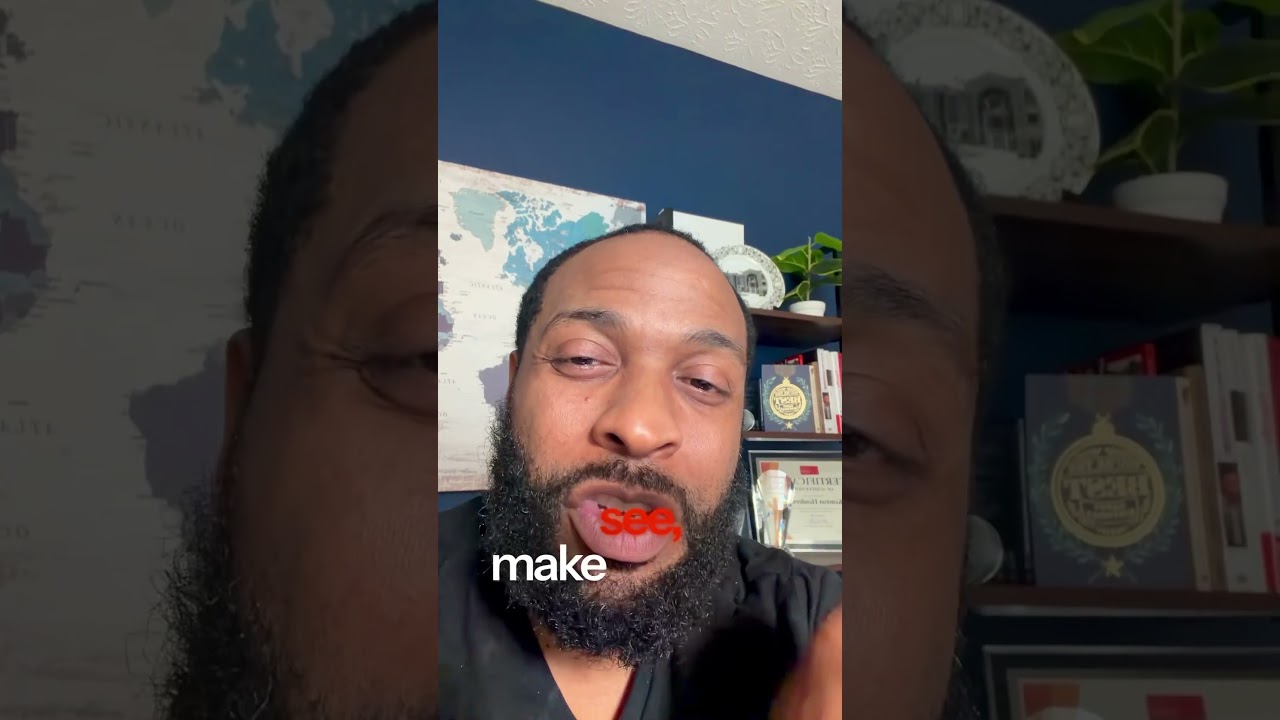
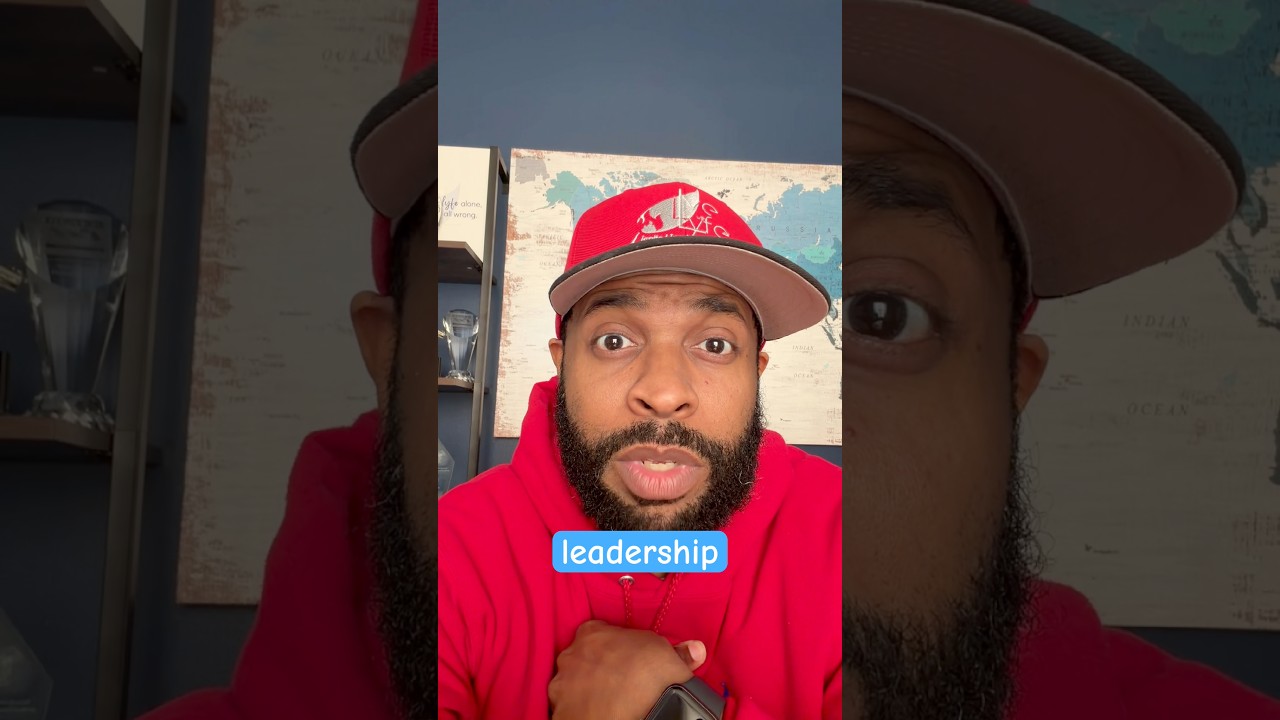
Winning Conversations Interview with THG Leaders Lawrence Henderson and Kenston Henderson Sr.

In this interview, Kenston Henderson introduces his brother Lawrence Henderson, CEO of BOSS, professor at Morehouse College, and a seasoned facilitator, coach, and TEDx speaker. Together they explore the concept of "winning conversations"—dialogues about race, DE&I, identity, and leadership that end with positive, constructive outcomes rather than losers. They discuss why many conversations fail: fear of saying the wrong thing, lack of curiosity, confrontational posture, and unawareness of body language. Both emphasize the need for a winning mindset, curiosity, and body awareness, urging participants to approach discussions as learners rather than experts. Practical techniques are shared, such as feeling and processing emotions before speaking, using simple language, and being aware of facial and bodily cues. They illustrate the challenge of engaging resistant participants, likening it to feeding a baby steak—without the necessary foundation, the conversation can become violent. The solution is to plant seeds, recognize readiness, and maintain a non‑judgmental, curious stance. Lawrence also highlights the importance of positive intent, aligning motive with outcomes, and ensuring both parties leave feeling good. The interview concludes with a call to explore their TEDx talks, the "Winning Conversations" workbook, and to connect with Lawrence via the Boss Lab social media channels.
Chapters
Yeah, so we want to make sure that, you know, you get the proper introduction. So for those who don't know, this is, uh, Lawrence Henderson, uh, we share the same mother and father, and, and, and we have been so blessed and honored to be able to continue on their legacy. That they've left with us to, to inspire and empower, equip leaders and, and groups and organizations. And, you know, we really, uh, we thrive in that arena, and so we're just continuing to thrive. And so Lawrence Henderson is the CEO of BOSS. He is the, the master facilitator, coach, trainer, speaker, TEDx speaker, THG speaker, coach. He's transforming leaders and, again, groups and organizations in such an amazing way. And he's a professor at Morehouse College. And so, you know, Lawrence wears many hats. And if you are not connected with Lawrence, you definitely want to get connected with him because he is that guy. And I'm so proud to call him my brother. And friend and best friend. And so, Lawrence, today, you know, we just going to be kicking this series of winning conversations off and bringing it to everybody's living room that in 2020, we've experienced a lot of questionable conversations that have taken place due to the global pandemic of the COVID due to the global pandemic of the racial crisis. That has crept its head up yet again. Um, and, you know, to, you know, seeing different things take place through, uh, the education system and personally in our lives where parents became at-home teachers. It's a lot going on. Ever been a part of a losing conversation?
Yeah.
And what did that look like for you, man?
Well, I think, I think, and one thing I will always want to be appreciative and mindful of, you know, your audience. And again, you're my brother, but I understand you have, you know, a platform, uh, and I'm so appreciative and honored to always share space with you, uh, as an expert and speaker in your own right, man. So I always appreciate that, um, and then love you for that as well. So when I think about just this conversation, particularly around, you know, and putting this conversation in context, and when I find myself on the losing side of a conversation, that is to insinuate that I was trying to win in a conversation to process something as a loss. And what I think I find, when I find myself in those positions of loss in terms of I feel like something's been taken from me, I felt like, you know, I didn't put in a good effort or whatever that is, there's a lot of emotion tied up into, you know, just thinking that way. And those times, I mean, whether it's me allowing myself to be emotionally hijacked, you know, in a situation where, you know, I'm in a conversation that's contentious, and I found myself there over the last year, as most of us have, as we try to process identity. And again, a lot of us having these conversations for the first time. And I know myself, and, you know, some folks on Facebook, you may be identifying and noticing something that says he series and trying to figure out, and you're stuck right there. What's in parentheses and just the conversation around identity, around gender identity and different things like that. And those are my folks out there that are part of the Christian community that may not feel like you don't need to do all of that. But I believe when we're intending to share a message of any caliber, you need to position yourself, posture yourself, one, first as someone that's not threatening and as a friend, not to say we're going to be besties, but to not always enter a conversation as if you're trying to win in a conversation and not have a winning conversation. And so that's just kind of where I posture myself this year and being really aware around where I feel like I lost.
That's good. That's good. And so, so listen, I'm just going to take you back. And so, you know, thinking about some of the conversations that you've had to have with, you know, whether it's from a professor standpoint to students or to, and to workplace leaders, when the conversation didn't go well. What were some of the reasons why that you feel that some conversations didn't go well or as expected?
Yeah.
I can, you know, really acknowledge again, myself.
And it always, to me, it goes back to motive and intent of these types of conversations. And when you start talking about racial equality, racial inequality, white fragility, leadership, culture, these conversations, there can be a lot of, again, trepidation is the reason why some of these things don't go well, fear, that easy button that a lot of people hit of, I don't want to say anything wrong, so I don't say anything at all., but you sit there and you make a face, and so people are reacting to your body language, and those of you, again, we know communication, and we, a lot of us know, uh, we speak with our bodies, um, we speak with our faces, and there can be a whole conversation had, uh, in silence, and so that's where I see a, and again, those of you who believe that can't happen and be translated virtually, uh, you fooling yourself, And so those are the types of things when I see them not going well is when the people that are involved in these conversations don't posture themselves in curiosity, but they posture themselves in confrontation. Wow.
We've been doing— I can probably bet that since 2020 in conversations, especially around, you know, DE&I, we have done, We've probably spoken and trained at least over, at least over close to 100 sessions, you know, whether that's coaching, whether that's speaking, whether that's training. And so, you know, it's kind of a privilege and an honor to do a lot of this work because we get to help go on journeys with people to help them really, I'll call it, live a fulfilled life when having these conversations. And so, you know, people who are watching, what are some reasons why, you know, you've seen it on social media, why conversations haven't been so effective, right? I can think about when, you know, the whole George Floyd or, you know, Colin Kaepernick conversations and the racial injustice, why conversations didn't go well. You know, I seen people that were very prideful I seen people that were very comfortable. And one of the comfort things that came across when I'm meeting with leaders is that some people say, well, I'm afraid I may say the wrong thing. Lawrence, what do you say to a leader who may have that statement?
Yeah, I think it goes back to, I think a lot of times what I've had to navigate through and help leaders and individuals navigate through is, their perception or something they made real, um, or the misconceptions of what they made real, and then versus the facts. And so if you think about if—
and again, we—
one of the biggest things that I love that you do, um, and the things that we've had conversations about is to really pull this conversation out of the complex and really break it down into, in simple terms and simple form. And if you think about yourself applying for a job, Right? You put your name in the hat because you believe that regardless of if you can meet all 10 things, 10 items listed, you put your name in the hat. You've told yourself that you have the capability and the capacity to do a thing. Well, when it comes to having conversations about the humanity of others, why all of a sudden do you revert back to, "I don't know how to do that. I don't—" All of a sudden, you want to check all the boxes and you want to be able to put— and what I really believe that stems from is, people don't want to be or feel like they're not an expert.
And because they're not versed in that type of dialogue or language, they don't even want to take the time. And what they assume is, they assume responsibility that the conversation or the situation is asking them to be an expert. And so they'll hit that default button is, I don't want to say anything wrong. I don't—
and it's this illusion all of a sudden of perfection.
Not being progressive in mindset, in body, and the things that, again, uncovering unconscious bias is a part of this. And again, you've made something true versus really leaning into it and leaning into that discomfort, or uncomfortability, which my brother likes to say, to make sure that you're showing up and for the moment.
And I really believe that's where it all starts.
We're talking about winning conversations. So I did a TEDx in 2019 on Can We Talk? So make sure you check that out. But along with that TEDx, you know, look up Lawrence's TEDx as well. And he deals with the leadership side. And it's so important that if you're a leader, which I believe wholeheartedly that almost everybody is a leader because we're influencing in some shape, form, or fashion, and How do we lead well in winning conversation? And so that's what essentially what we're talking about and what we're going to be talking about the rest of the month.
To me, it really means you have shown up to a space where there are going to be positive outcomes. And the reason why I choose the word positive is because I've never seen somebody who associated winning anything and they got the sad face. Yeah. And, or they, they like, you know what, I won. And you got some of these people in the back of their— that whole I'm my own worst critic, um, thing. But guess what, a lot of emotion in the feeling, like you feel good when you win, um, and, and I think again, but in these types of conversations, the com— the idea is not to come into this and say there's going to be a loser. That insinuates your motive and intent was to come in your points be absorbed and taken on by everybody. So again, it stops becoming a winning conversation, because that's part 2 of the phrase, winning conversation, not a I won the conversation. And so I think that's, to me, there's positive, there's emotion, there's I feel good after engaging. That's, to me, that's what winning conversations really says to me.
I coined my TEDx workbook is Winning Conversations because I didn't want to name it Losing Conversations, but because that's not what it's about. When we're talking about anything that potentially causes you discomfort or anxiety, we need to come at it with a winning mindset. And so if we get this concept of winning conversations, then I can guarantee you're going to be more courageous. You're going to be more confident in the conversation. Yes, it's going to— it may be a little uncomfortable, but what are you going to do about it? You know, it's the example you just said. You know, I don't think anybody who's watching this ever ran away from a promotion. I don't think anybody who's ever ran— I don't know anybody who's ever ran away from a promotion or a, a new job opportunity that was going to be bringing in some additional crazy income, what they did was they ran towards it. What they did was they leaned in. Like, I remember when I had to, uh, you know, I was at a new job and they needed me to run reports through Excel, Microsoft Excel. And my eyes was like, what? I got to use Excel? And, and they showed me the report. It was like what-ifs and all these concatenates and all these things. And I was like, Lord, am I really about to do this job? Or am I— do I need to quit? Do I— but no, I said, let me phone a friend. They came into the job on the weekends with me, helped me learn Excel, and I did the job, right? And so when we're talking about winning conversations and especially around a lot of the work we do, whether it's D&I or having manager-to-employee conversations, you know, conflict resolution, we can have winning conversations, but we got to get the mindset right first. And so, yeah.
It's, to me, having body control, facial awareness, body awareness, it's all around awareness. It's all around, and again, we talk about having these conversations, and trying to make sure there's— and again, even if it's a— we come to the end of a conversation and say, hey, we're going to agree to disagree, we should both feel good about having had the conversation, right?
Nobody should be going home feeling downtrodden.
But I think body language says a lot.
And again, that's a lot—
a lot of times as people and as individuals, you know, we have reactions, but we don't take notice and we don't—
we don't you know, take account of what just happened to us.
And so when you first— and I can recall going back to George Floyd's murder, and I can recall what happened to me that week.
And what, for a lot of us, we, because we've never took agency or we took stock in how we were feeling and what our bodies were doing to us, we don't know how to communicate when times matter, or somebody asks, hey, Kenston, what's going on with you?
And your response is, why do you ask? I didn't say anything. Well, yes, you did. Your body did something.
And so people have a reaction to what they see, and when people get called out on it, the first almost automatic response is to immediately get defensive, to say, hey, nothing happened, and so it gets worse. And so now they feel judged, they feel blamed. And so for a lot of us, even as it's— this is a two-way conversation, winning conversations, we open up that two-way dialogue to say, in, in coaching, we are taught not to react to a person or a question that we pose to a client. Because if you think about coaching, is about creating spaces where a client can bring anything to us. And so if as a coach, I react to every single thing that comes out of a client's mouth, I'm be reacting and dancing the whole session. And so instead of that, find words. And the words are simple, y'all. Y'all don't gotta go Google Webster or have dictionary.com loaded every time you have a conversation with somebody. Just say something to the extent of if you've— and it's one of the things that's like speaking. In speaking, public speaking, they say hear it before you say it. In emotion and body language, feel it, process it, and be curious about it.
And so when you're feeling something, something got you, like Kenston just said, hey, when at the beginning of his TEDx, you are a racist, like, and I'm watching the crowd as I'm there being a cheerleader for my bro, I'm watching heads turn, head sideways, all the rest of these things. And if you're on the receiving end of that, as the person who's communicating that, you can have a reaction. And so as a coach, I go, do you mind explaining more about what you mean there? Because we get more curious, not confrontational, about people's body language. But as the person who turning their head sideways, you got to know that you look like a slow-motion bobblehead. Or when you react, or when you tense up. Or like me and Kenston, we both have the Henderson man nose flare when we, when we mad. So you have to know when you— you have to feel the strain in your nostrils before you actually say something out your mouth, because the flare in your nostrils and that tight, like, where'd your lips go? Like your nose got big and your lips went away. Like, so, so what's happening with— so it, it really goes to similar to speaking. When you feel it, get curious about it so that you can stay present to the winning conversation. So it's a long way to say that.
How do you have a winning conversation with someone who really doesn't want to have a winning conversation?
You don't.
And again, here's the thing I've learned about these types of conversations. If you've already identified the other person doesn't want to, that's like anything, you can't, you can, you was gonna hold them down and feed it to them. And, and so I liken it like this, um, these types of conversations in, in one minute, I'll give the illustration of the baby. Why do we give babies formulas and we start them off with milk? Because they're building up nutrients. Well, imagine trying to give a baby a steak. The baby may gnaw on it, but the baby doesn't have the tools functionally to process a steak. And so they're going to have potentially a violent reaction. And so in these conversations, if somebody's already displayed that they don't have the nutrients, they don't have the foundation to be in a winning conversation, just continue to plant seeds. Continue to say, hey, I really love to talk with you about this. Let me know when you're available. And understand who's in front of you. Really take stock in who's in front of you. And they're, and again, not trying to judge them and their level of they should know this already. Why should they? There are people in our community who have never been exposed to us as a people. Guess what? Black people, people of color, there are people in our communities that have never been exposed fully to all of our stuff either. Right? I could, I emotionally know there were some things that I wish my father would have had conversations with us about growing up, but it never happened. So in a lot of ways, things around gender, things around all these other things, the hairs on the back of my neck stood up. That comes from background, that comes from proximity, that comes from a lot of different things. And so as we try to navigate winning conversations, we have to make sure we sign up. To be curious first before we ask others to. And so that, that's what I would leave with everybody.
That's good. That's good. Yeah. Yeah. You hit that right on the spot. Lawrence said it. So if you didn't get it, rewind it back, listen to it again. We can't make people have winning conversations. When you, when you sense that, when you feel that they're not ready, that's not the right time to have a winning conversation because it's gonna end up losing and they may take you out of your element. If you had the mindset of winning, they may say the wrong thing that caused you to switch, and then it's really bananas. Like, I've seen that time and time again. Lawrence, we're going to have a part 2, um, because it just makes more sense. And so, Lawrence, where can my audience, uh, meet you at, connect with you at?
Yeah, so you can connect with me across, uh, all social media— Twitter, Instagram, Facebook— at Boss Lab, B-O-S-S L-L-A-B. And if you're on LinkedIn, I'm the only Lawrence E. Henderson Jr. You'll see me with the crazy face pushing it, pushing up walls like Hercules. So connect with me across platforms.
All right, well, y'all heard it from my good brother, from the same mother and father, Lawrence Henderson. Thank you again for being on here with me. Soon enough we'll get together so you can show me all those fancy gadgets and we'll work it out. But To you all, let's continue to have winning conversations. Be looking out for more videos, more posts as we're going to be breaking this thing down. And I'm just going to put it out here. We're probably going to do a workshop. So if you want to sign up for the winning conversations workshop, definitely connect with me as we're going to be diving in deep to have courageous conversations about whatever it is that makes you uncomfortable. You can have it, but you got to have that winning mindset. All right, take care.