How Get Your Message Across to Investors
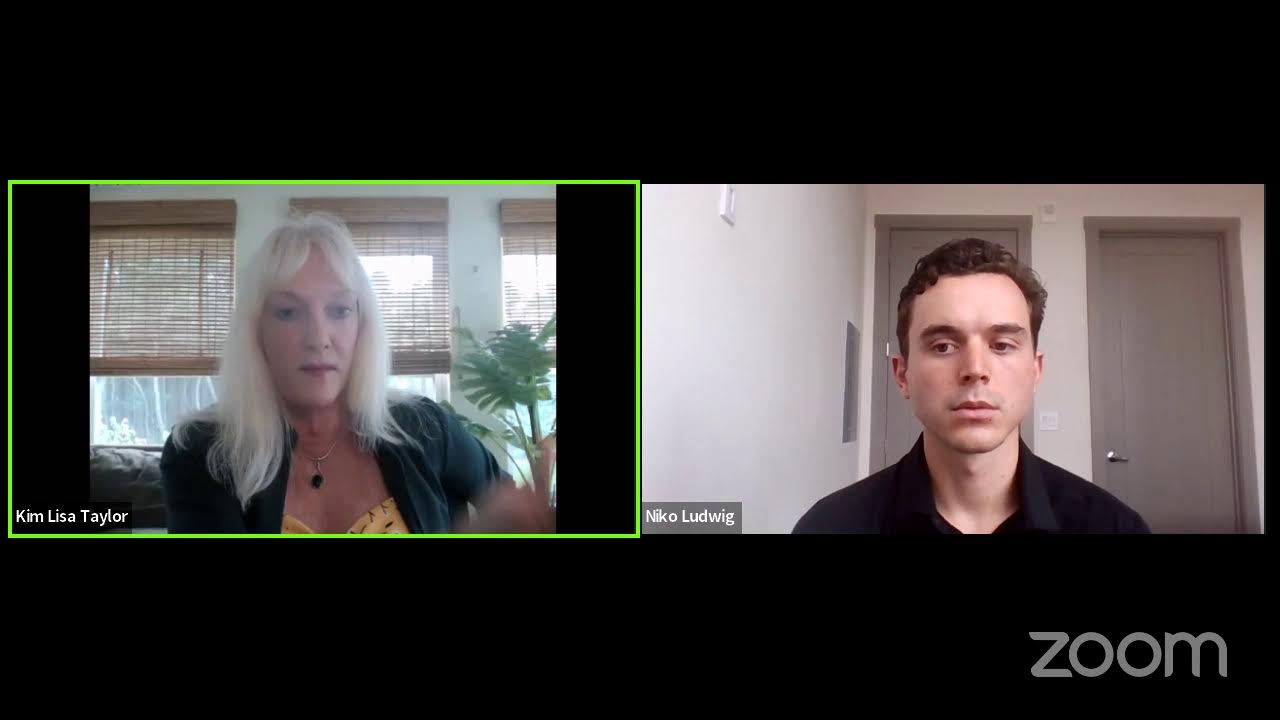
In this live YouTube podcast hosted by attorney Kim Lisa Taylor of Syndication Attorneys, guest Nico Ludwig, founder of BetterPitch, explains how professional slide decks can help real‑estate private‑equity sponsors raise capital, keep investors informed, and sell assets. The conversation covers BetterPitch’s focus on real‑estate private‑equity, the three core deck types they produce (fundraising, investor‑reporting, and disposition/buyer decks), the typical anatomy of an acquisition deck (intro, disclaimer, team, track record, asset photos, comps, market research, aerials, etc.) and what is not included (financial models, which are supplied by the client). Pricing options are described – $100 per slide on a deal‑by‑deal basis or a $3,000‑per‑month retainer with a six‑month commitment – and the firm’s fast turnaround (rough draft in ~3 business days, edits within 1 day). The importance of legal compliance (disclaimer slides, PPM references) and the role of professional reporting decks in maintaining investor relationships are emphasized. Additional services such as branding, logo design, and broker‑partner decks are mentioned. The episode ends with a Q&A covering slide order, disclosures, and how to contact BetterPitch, plus a promotional 10 % discount for listeners.
Chapters
YouTube, just 1 minute. So anyway, you want the recording, you can go right after this show to watch it on YouTube. Just 1 minute. Okay, here we are. We're live on YouTube. Excellent. And now we're going live here. Oh, I don't want to stop the recording. Okay, excellent. Ready to get started here. Welcome to Syndication Attorneys' free monthly podcast. We're actually doing this twice a month now where we talk about topics of interest to real estate syndicators and fund managers with the opportunity for live questions and answers at the end of the call. I'm attorney Kim Lisa Taylor. Before we get started, please note that all of our podcasts will be recorded and may be used for future promotion, posted on our website, or broadcast in a podcast available to the public. If you don't wish to your voice recorded, then don't raise your hand. Put your question in the Q&A. If you do want to have your voice recorded or don't care, you can just put your hand up. We'll only call on you by first name. So, or your other option is to schedule a one-on-one consultation with us. You can do that at our website at syndicationattorneys.com. There's a tab there that says schedule a consultation. And you'll have different options for where you are at in the process and who you might want to talk to. So we would love to talk to all of you. We'd love to have all of you as clients either now or in the future. We do have some low-cost options where you can become a pre-syndication client even if you don't have a deal, and that gives you access to our weekly masterminds where we talk about all kinds of stuff and just try to help you gain confidence raising capital. So information discussed during this free podcast is of a general educational nature and should not be construed as legal advice. Uh, today our topic is getting your message across with Nico Ludwig. So Nico, welcome to our show.
Thank you for having me.
Yeah, happy to have you. So tell us a little bit about you and your company and, and your background.
Yes. So I graduated from TCU. I worked throughout my time there in real estate private equity, graduated, moved on over to Dallas where I was also working in institutional real estate private equity, creating fundraising packages on the financial side for large developments across the United States. Right. So when you want to go show capital, whether that's your equity or debt, on the business plan and the transaction that you're looking to take place, then you need to show them an institutional quality financial model. And so that's what I was doing, right? I was putting together those financial models with a great firm here in Dallas called 3E Management, who I'd recommend anyone who needs a financial model to go, you know, have a conversation with them? But so yeah, I spent time putting together these financial models for large institutions, and these same groups were taking the financial models with all the bells and whistles and putting them into a hodgepodge of a pitch deck, quite frankly, because they didn't have time, right? If you're a smaller group, you have 3 options. You either do it internally, So that takes away from time that you could be spent finding another deal or talking to investors. The second alternative is you hire someone in-house to do it, and that doesn't always make sense because you may not be at the volume where you can justify that. And then the third alternative is you go find a designer. The issue with finding a designer to create these offering memorandums and fundraising decks for you is they don't understand private equity, right? So there's a large disconnect between designers, private equity, you know, and I would say both ways, vice versa, right? A lot of you on this call understand finance. You may not understand design. So you end up doing most of the work yourself if you go try to find a designer. So here at Better Pitch, we create decks for fundraising. investor reporting and the investment sale of real estate private equity assets.
So let's go through those. Let's not get ahead of ourselves. That's a question. So let's stick with this one. So we know a little bit about your background. So the name of your company is?
BetterPitch. BetterPitch.com.
BetterPitch.com. Okay. And solely for real estate investors, or do you also do it for people who are maybe starting a small business or something like that?
So we are laser-focused on real estate private equity. We would like to stay in real estate private equity. That's what we know, and that's our value prop.
And when you say real estate private equity, tell us what that means to you.
Right. So I'm assuming a lot of people on this call are interested in potentially syndicating a deal. So in this scenario, real estate private equity is any transaction where you go raise private capital, right? And then you see Kim that puts together your PPM and your syndication docs, and then you go to investors with a pretty pitch deck and you raise capital with the hopes that you can outperform the S&P or park capital safely in a real estate asset. So that's what real estate private equity is.
Okay. So really, this is going to apply to any of the people on this call who are doing specified offerings where you're buying one deal at a time and the typical syndication model, or also somebody who does a real estate fund where you're going to be buying multiple properties. I'm assuming you can also do pitch decks for them as well, right?
Correct. And we're seeing quite a bit of funds right now. You know, just the state of where the market is. People want to be well capitalized. in the coming months. So if they have or see any distressed assets, they don't want to go try to raise. They would rather have the money ready to discretionally be deployed into these assets.
And so for those of you who are on this call, while Nico makes that all sound really easy, it's really not. It's hard. We do offer— we do create real estate funds, but I've Done a couple of other podcasts about that. So if you're thinking about doing one, there's one that we did just recently called Is Your Offering Viable? I would look that up on YouTube. It's not yet on the podcast platform. It'll be coming soon. But that's a really good one to listen to. And then there's another one that I did a while back called Should You Really Start a Fund? Just talking about what things, you know, different things you have to consider when you're doing a fund. It's, you know, the complexities of it, making sure that you understand it and making sure that you're capable of running one, but also making sure that you're gonna be successful. So, you know, having somebody like Niko help you with the business plan for your fund is certainly gonna help. And I do wanna mention that we also do pitch decks for funds and also for specified offerings. We don't do that many. We do offer a template to our clients, but, you know, I'm certain that with Niko's experience, he would be a great benefit to you if you wanted to check out his what his company does as well. And we don't mind offering competitors a little spot on our podcast because there's some things that Nico does that we don't do that I think you all need. Okay. And we're going to get to those. So let's talk about that now, Nico. What are the products that you offer?
Right. So we create fundraising decks, we create investor reporting decks, and then we create decks for the investment sale of properties. So we can break that down.
Yeah, let's break that down. So the fundraising decks, these are the ones that you have when you just get your offering docs, you're out pitching to investors. I think you all have a good— I think the audience has a good sense of what that kind of a deck is. For an investor reporting deck, tell us about that.
So when you syndicate private capital to go acquire an asset, that private capital is going to expect frequent updates on the progression of your business plan with that asset. So say you're buying an apartment building and it needs to be renovated, right? So you have this business plan that you go to the investor and say, hey, here are our projections. We're going to renovate half the building, and here's the timeline we think we can renovate the building. Here's the budget. and we expect to lease up this quickly after we properly renovate the building. And so those investors are going to see your business plan from the start. And oftentimes syndicators don't update their business plan or their investors until they go to sell the asset. You're leaving these investors in the dark. So The last thing you want as a syndicator is to leave your investors in the dark because they're not likely to come back and invest with you again. So we offer investor reporting. So what that means is we're comparing your projected financials to your actuals. We're updating your business plan. We're showing pictures of the asset if you're doing a renovation. So we get into the nitty-gritty and it's case-by-case basis as to what that actually includes. But nonetheless, we're updating your investors and that's typically on a quarterly basis.
So this is where I should do a poll and say, how many of y'all are doing that right now? And I'm pretty sure there'd only be 1 or 2 people that would answer their answer, raise their hand. So I think that this is a gaping hole and this is what really interested me about having Nico come on as a guest because I don't think that probably anybody is doing it, especially not doing it as professionally as Nico would be able to do it. And, you know, you're kind of— this is one of the ways that you leave money on the table, right? Because you're not keeping your investors informed. They're just kind of like, well, I hope that investment's doing okay. I haven't heard from those guys in 6 or 9 months. So, you know, maybe someday I'll get my money back, or I don't know, right? So they're just in the dark. They don't know what's going on. having somebody like Nico prepare this status report, these interim status reports with you, for you at least maybe once a year. How often do people do these, Nico?
Typically quarterly. But it really comes down to what your business plan is as a syndicator or as a principal in real estate private equity, right? If you're raising friends and family money and you're planning to do just one deal a year with maybe your own money capitalizing the majority of the equity, Maybe it's not necessary, but if you're planning to make a business out of this and to grow this and scale this and impress those investors and then go get referrals from those investors and have a great documented track record throughout your entire investing experience, then it's a necessity, right? If you're a small team and you want to go to a family office or some institutional capital, then you're going to have to effectively communicate your business plan to them. And that can't be done in a Word document with a few bullet points and maybe a blurry picture, right? That needs to be in a pitch deck, right, that effectively communicates what you're doing to the asset and what's happening to the money in simple terms.
Yeah, I love that. I love that you've created this product. I think it's just So needed in the industry. I think any of you that adopted this as your policy, that we're gonna hire a company to create these interim status reports, they're gonna be professionally created. I think you would find that your investors are super impressed. They are referring other investors to you. You're gonna start creating a following where you're gonna be able to buy bigger and bigger deals because you're just gonna get more people in your database that are impressed with what you're doing. You know, one of our more successful clients We interviewed him. If you want to check out a past podcast with Bill Brancucci that we did, he talked about the fact that they have 300 accredited investors in their database that keep investing with them again and again and again, right? And so that's the momentum that you want. And at the same time, you want to continue to develop relationships with new investors. These, you know, these interim reports are just as important as the initial pitch deck. Because you've got to keep people informed and you've got to get a reputation for it. I actually have had a client before tell me, well, all my clients are— all my investors are mad at me because I haven't been able to give them reports. I'm too busy. And it's like, you know, that's kind of a dead-end position. If you can't solve that problem, then those people won't invest with you again, and you're just going to have to keep looking for new investors every time, and everybody's going to be frustrated all the time. So not a sustainable business model. You want to make sure that you're getting these interim reports out. Let's talk about buyer decks. What— I'm sure a whole lot of people have never heard of that. What's that about?
Right. So typically these are created by brokers, right? So we work with a lot of brokers to put together investment sales decks, leasing decks, etc. So as a broker, most of the time you have an internal marketing hire, you know, whether that hire is $60,000, $70,000 a year, Oftentimes it just doesn't make sense with volume. And you end up training that hire, you're putting a ton of resources into them. So we offer a plug-and-play model for a lot of brokers as well. So we are that outsourced marketing arm. So whenever they need even a deck to pitch a property owner on why they should sell or who they could sell to, We do that as well.
So this is really going to take the place of that broker deck, right? Is it or is it a companion to that?
Correct. So it depends. You know, if you're a group that wants to sell yourself, then we can create disposition decks for y'all. And then if you're a broker and you want to create a deck to then go market a property, then we create those for brokers as well. And the third prong to that is I would say, okay, what happens when you successfully dispose of the asset? Are you going to send an email to all of your investors just saying, hey, thumbs up, we just sold this on this date for this amount of money? So you would rather have an institutional quality deck, to then go show your investors saying, hey, here's what we projected, here's how we beat those projections, here's who we sold to, and here's what we made on your money.
That's, that's a fantastic idea. These are all really fantastic ideas. And I can tell you that Nico is kind of preaching to the choir here when he's talking to me, because we— the only reason, the reason that we do pitch decks in-house for our clients is because we told them for years, especially our fund clients, if you don't have an investment summary that's professionally prepared for your fund, you're never going to raise any money. And it's hard enough to raise money in a fund anyway. So you really need to have this. And the problem we had is that we couldn't find anybody exactly like you said that understood private equity, or they took too long. It took them 2 or 3 months to get us a product, you know, and it just was a painful and excruciating process. It was expensive, long, and very inefficient. And And then, you know, we ended up rewriting everything anyway because they weren't using the right language. So finally we just, you know, brought our own editor in-house and trained them. And now, you know, we do have our own and we review all of ours. I review all of ours just to make sure they're compliant with securities laws and consistent with the docs we're drafting. But, you know, I encourage you to check out the product also that Nico has. You know, I just think that this is going to help you, whether it's a specified offering or a fund. It's really, really going to help you look like a professional to your prospective investors. I remember having a client one time that insisted on doing their own decks, and the client was an engineer. And the decks were horrific. They looked like they'd been prepared on a the, you know, on a home computer, and they were using just horrific colors, and, you know, things weren't lining up, and it was just— it just looked so bad. And I begged them, begged them, please, please hire a professional. And I don't know if they ever did or not, but, you know, ultimately it did, you know, whether they thought it slowed their process or not, I mean, they were successful raising money because they had an awesome business model, but, you know, it probably— they probably could have even been twice as successful if they had had the right—
the marketing materials.
I can't tell you how important that is. All right, so let's see. So let me see, we've already covered some of these other questions that we had, but how do you charge? Do you charge, you know, lump sum by the project? Do you charge hourly? What's your model, pricing model?
Right, so we have 2 structures with our clients. So the first is we charge by the slide, right? That's a deal-by-deal basis. So we charge $100 per slide on that account. And then we also do, you know, monthly partnerships. So in that scenario, it's $3,000 a month for a 6-month commitment. And, you know, we're creating every deck for the group. So, you know, essentially for $36,000 a year, we're replacing a $70,000 marketing hire that you would then have to go, you know, train internally and spend a lot of time and resources So that they are caught up to speed. So, you know, what we do is we prefer to work with recurring clients. So when clients are at the scale where, you know, they're doing maybe a deal a month, and then they also have to tack on the investor reporting, and it snowballs from there, right? If they're looking to grow and they have capital behind them and they want to go attract more capital, and effectively communicate the business plan of the asset throughout its hold period, then that's when we prefer to work long term with the clients.
So let me just clarify the $3,000 a month with the 6-month commitment. Is that for one project or is that for multiple projects?
So that's full-time creation. So we're working with the clients and creating— we have one active project that we're working on at any point time. So let's say you have 3 deals this month, right? So we create the first deck, send it to you for edits, and then we start creating the second deck while you're editing the first one. And we work very quickly. So the typical turnaround is 3 business days for a rough draft. And thereafter, we're turning over additional edits in 1 business day max. So we work very quickly. We understand, you know, a big issue in this space is having to wait 2 weeks for a designer. So we are, we see ourselves as an outsourced, you know, part of the team. We wanna work as quickly as possible and we include all edits, market research, branding, copywriting, and design. So it's in our best interest as well to get it done correctly the first time. Right? We're not charging by the hour or by the edit. We're getting it done correctly the first time. So we can do maybe 1 or 2 rounds of edits. And then from there, you know, we're good to go. They're raising money, they're focusing on higher leverage activities than going back and forth on small edits within the deck.
That's fantastic. So yeah, your turnaround time is phenomenal. Do you have a team then, I'm assuming, that does this with you?
We do. We have a team of what will be 5 starting— I have 2 more starting on the 8th of May. So we're growing, we're growing quickly. Um, we have 5 to 10 calls a day of people needing decks.
Mm-hmm.
We have, um, like I said, quite a few. I would say the majority of our clients are on the fundraising side, right? They want to go impress some investors to then go raise some fund or to buy this property that they have under contract, and they want to look professional doing so. And then eventually they'll need decks quarterly or monthly for the management of the property, right? Updating those investors and then the eventual disposition. So we encompass the entire lifecycle of one of these deals.
So let's just talk a little bit about the anatomy of what's in an acquisition deck.
Right. So off the top of my head, first slide, you'll have an introduction. Second slide will be a disclaimer, which you should read over. Third slide will be a table of contents. right, outlining what will be throughout the deck. And then we introduce the team. So we show the team with the headshots and bios. We show their prior experience, how much they've raised in the past, you know, how much they've successfully exited. And then we'll go down to their portfolio, highlight their track record, and then get into the asset. So Photos of the asset. If they have renderings, we'll encompass the financials, then we'll get into the comps. So we have CoStar to pull lease and sale comps for each asset, and then we'll do market research. So we'll have aerials. For example, if you're doing retail, the aerials are a huge proponent of that. You'll want to see what different retailers are in the immediate area. You'll want to see the vehicles per day. Even if you're industrial, you'll want to be near major arterials. So aerials are a huge part of what we do. And then progressing from that, you know, more market research, we have a bunch of databases and reports on each individual market. So, you know, we'll include data and statistics on that. So it gets fairly detailed quick. And at the end of the day, it's what the client wants, all edits are included. So we can include a ton and they could say, all right, delete all of this and we would delete that or say, hey, let's add this.
And what about, what about the financials? Do you guys create the financial, you know, the sources and uses of funds, the projections or pro forma, or do you get that from clients?
We, we don't do any financials. So yes, we typically get that from clients.
Okay. So back to everybody that wasn't here in the beginning of the call. We do have a trusted vendor on our website that does that on a regular basis. Their name is Despard Analytics. So if you go to syndicationattorneys.com, click that Trusted Vendors tab and check them out. Also, we have Bob Bowman, who is another frequent podcast guest. He co-teaches the RE Mentor Private Money Boot Camp with me. He's got his own software called Commercial Underwriter. There's a variety of other underwriting software models out there, but you will need to still do that on your own as well. So, okay, that's, that's good to know. That's fair. And about typically, what's your kind of rule of thumb for how long a pitch deck for a specific offering should be?
So on the fundraising portion, 20 to 30 slides. Investor reporting, 10 slides, and then the disposition, depending if, you know, you're updating your, updating your investors, that will be 10. If you're trying to show and attract new buyers, that will be 20 to 30 as well. And it really depends how many different uses does your property have, how large is your property, how many tenants, etc. So it can vary from there.
So our most of the clients on this call, not all of them, but many of the clients on this call are buying multifamily properties, and a lot of them are not doing doing development, they're doing value-add properties. Is there anything different about what you do for them versus a developer, or is it all kind of the same?
Uh, obviously, you know, you're showing renderings rather than current asset photos. Um, but other than that, you know, you're still showing comps because at the end of the day, you're doing development to that property, you're redeveloping it. So the idea is that old unit that you have will be an entirely different market. So it'll be lower quality, and so you redevelop it, and then it'll be higher quality so that you're attracting different tenants. So really, it's a lot of the same things that are repetitive. You'll have construction budgets, which you'll have a redevelopment budget. So a lot of it, will be congruent across redevelopment and then development.
Okay. So what has been your experience regarding people who have a buyer pitch deck when they go to sell a property versus not having one? What kind of benefits could that offer to people to invest in that?
So as far as if you're a multifamily group and You're putting together a disposition pitch deck? Is that what you're asking?
Yeah.
Okay. So typically it's done by the brokers. 99 times out of 100, it's a broker putting it together. It's how they win over the business of the equity group. So like I said, we work with brokers to put that together for the equity group, and then we make some next buyer assumptions as well. Right? Because someone is buying that asset to either add value to it or to just have a core asset that will continue to clip coupons for them. So the idea is to show that next buyer why they should buy it.
So could potentially result in a better price for the property, could potentially result in selling it faster.
Correct. Yeah, that's the goal. You know, we're communicating to your stakeholders, whether you're acquiring a property, managing a property, or disposing of the property, you know, why they should be a part of this partnership and transaction. At the end of the day, we're just communicating your business plan more efficiently than you would otherwise do it on your own.
So what do you think the number one reason it is that people should hire a firm like yours to do these for them?
If they value their time at anything over, you know, even $250 an hour, then they should not be in PowerPoint or moonlighting as a graphic designer when they could be finding more deals.
Right.
That's bottom line. If you value your time and you want to build a proper business, then get out of PowerPoint. You need to delegate and focus on building your firm.
Yeah.
Because that's not your core competency at the end of the day.
Well, and that's true of so many things in this business. I just want to tell you guys a little story. I had somebody who contacted me one time and said, well, I'm going to drive to every property that I can get to within 12 hours versus taking a plane. And I said, well, why would you do that? And they said, well, because I want to be thrifty. And I said, so you could take 5 hours, 2 hours to get to the airport, 2 hours waiting to get on your plane, an hour and a half flight, and, you know, be at the property, or you could spend 12 or 13 hours and actually double that because you got to drive back, you know, and your plane flight was $350. How much did you make during that time period? Right? The numbers don't work. All right? So don't, you know, think of that every time you think about whether you're going to do something, try to do it yourself. I mean, we have people that try to draft syndication docs themselves. We have people that try to do their own pitch decks and end up with a poor result, or it just takes so much time that it's just very time-consuming and stressful because you've got a million other things you want to do. I remember hearing this at an event one time, and after that I went home and hired a housekeeper because they're like, stop doing $20 an hour work. Now, of course, it's not $20 an hour anymore. Our costs have gone way, way up. But it's still like you said, if you value your time at $250 or more an hour, you are actually making out if you're hiring somebody else to do your stuff that's charging you less or some kind of a lump sum. I mean, your rate of $100 a slide seems very reasonable to me. Very reasonable. So, all right. So anything that we didn't cover that you'd like to share with the audience?
No, I would say, you know, if you're looking to acquire a deal, if you currently own deals and are managing deals, Or you're looking to sell an asset and eventually update your investors, and you're looking to take this seriously and grow a firm, then reach out to us. So for your audience right here, we'll do 10% off and we'll create your pitch deck for a small refundable deposit. So if you hate it, like I said, all edits are included. So we work with you until you love it. And it's in our best interest to create an amazing deck for you to go tell your friends. But if you hate it, we'll refund you and you could go on your way. So we're putting a bet on the quality of our work here.
Excellent. Well, I can't wait to see it, Nico. I'm, I'm looking forward to that. I'm sure we're going to have some people from this audience and, and our larger audience on YouTube and then also on our podcast platforms that are going to be contacting you. How can people reach out to you?
hi@betterpitch.com.
Okay, say that again.
hi@betterpitch.com or nico@betterpitch.com. You could go onto our website, betterpitch.com, and, you know, click on the email button or book a call. So regardless, betterpitch.com is where you can find us.
Excellent. All right, well, I want to go ahead and open up the call to, uh, People with questions. We've got a whole bunch of people with questions. So Mario, I'm gonna let you talk first because you've been hanging out there for a very long time. So Mario, let's see if I can get you here. Mario, are you there?
Yes, I'm here. Can you, can you hear me?
We can hear you. Go ahead, ask your question.
Yeah. So, um, yeah, I just had a question about the, uh, order of like the slide deck, um, and like what typical disclosures you put on a, on a, on the disclosure slide.
Yeah, you'll get those from your attorney. You don't need to worry about that. Ah, okay.
Okay.
I'm not an attorney.
Yeah, we— if you're our client, we're going to provide those for you.
Gotcha.
It's a whole slide of all kinds of questions, things about And what it's primarily about is about forward-looking statements. That's what the securities industry calls it, because you're going to be making assumptions about how, you know, what kind of a— what's going to be the final loan amount and what is it going to cost for the capital improvements you want to make and how much is it you're going to need for this and that. And you're going to have to make some guesstimates in order to raise money to be able to close on the deal. And then after you close on the deal, you should be doing an accounting. And that's another place that Nico could be helping you is when you're doing that initial post-close package that you want to send to all your investors. Hey, we bought the property. Here's how the numbers panned out. Here's how much we raised. Here's what we're still raising. Here's what's left. That would be another great use of Nico's services. So you want to share that with investors. It's going to be different than what we put in the offering documents. And so there's a whole bunch of disclaimers in that deck and in your, your private placement memorandum that describe He, you know, we used our best estimates on all this stuff based on information we had at the time, but it all could change. And, and also your projections, right? You're making projections assuming that you're going to be able to increase rents over a certain period of time, and you're going to be able to decrease expenses. And then even your final ultimate sale projection, your exit strategy, is, is going to be full of assumptions that you've made about what are the cap rates going to be at that time, and you know, how much is your NOI going to be by the time you sell, and whether you've hit those targets. So that, that's what Nico's talking about is comparing your financials that you gave everybody in the beginning to how you're performing as you go so that you're keeping people informed of adjustments. And there will be adjustments. I always tell clients that the only guarantee is whatever projections you make, you're never going to hit them.
I guess my question was more of a, like, on the disclosure deck, that's a lot of information, right? So on a deck—
Oh, you don't do that in the— no, you don't do disclosures in your deck.
Ah, okay. Because I heard him say something about you put disclosures in order. Disclaimer.
Got it.
Okay. Disclaimer slide. Yeah. So that's why— yeah. Disclosures, that's for your private placement memorandum.
Got it.
Okay. That doesn't go on the deck.
Okay.
I mean, that's a long deck.
Well, it's totally okay to make a blanket statement. And I actually have an attorney that works with us. Some of you have worked with him. His name is Michael Fugler, and he likes to say in big bold print, hey, you could all lose all your money. If you don't want to take that risk, don't invest. Okay.
And I'm assuming that's where the, the, you know, about accredited investors, basically like this deck is only for those, or does it matter?
In your disclaimer or one of your intro slides, at some point within that, you're going to describe who is eligible to invest and what kind of an offering it is. You know, so this is one of the reasons that, you know, Nico puts together all the, you know, the relevant details about the project. But this is where it's helpful to have it reviewed by a securities attorney because then we can make sure that the disclaimers are right. They're going to protect you, that they have all kinds of directions to go to the PPM. This isn't the PPM. This isn't— even though somebody calls it a memorandum, this is not a private placement memorandum. You need to read that document. It's a long legal document and understand the risks. And that's why people sign subscription agreements so that they can say, I read the deck, I read the PPM, I read the operating agreement, I understand the risks, I can afford to take the risks. If I lose all my money, it's not going to be financially devastating. Here's how much I'm going to invest. So his document is a companion piece to the legal documents, not a substitute, at least for the acquisition deck.
Thank you.
Yeah, that was a really good question though. Great question. All right, so let's see if we can go ahead and mute you. All right, now we've got a whole bunch of questions in the Q&A, so we're going to go ahead and start. Um, let's see, uh, Oh, Jeff asked, I just logged in, will you repeat the book info please? So we have a new book coming out called How to Raise Capital for Real Estate Legally. It's— the launch date is May 11th. If you're getting— if you got your notice about this particular event, this podcast, and you're on our database, you're going to be getting notifications that we're going to be launching on that date. So we want you all to like hold your sources, don't buy the book before May 11th because that's how we get to bestseller status. We're going to be offering it for one day only at $0.99 on Kindle and $9.99 for the soft copy. This is really a complete rewrite of the first book. I think it's better. It's more in-depth. It's got, you know, some really great organization. I think it's going to be really, really helpful for you guys just even as a handy desktop reference. So that's That's how you're going to be able to get the book. And thanks for asking that, Jeff. All right. So Stephen asks, Kim, I've read some of your book, wanting to raise capital for flipping and rental pool funds. Can I treat everyone as a lender and be good? Also, maybe add a kicker bonus. So if you're going to be getting any kind of loans, like institutional loans from a bank, Or anybody other than your investors, then you are going to be prohibited usually from having subordinate debt. So they're not going to allow you to have lenders in second position on those types of properties. You, if you're only getting money from your lender pool, then that's okay. You can have that. But I can tell you that you actually put yourself in greater liability, or you create greater liability for yourself by using promissory notes than you do by having people invest. In an LLC. And the reason for that is that promissory notes, each— you would have a series of promissory notes with individual investors, and each one has a default provision that says that if this happens, you're in default and the loan balance is immediately due and payable. And then there's remedies for default, which means they can foreclose on the property, they can sue you, they can exercise personal guarantees, all kinds of things they might be able to do. The other complication you have is that if you have a property that requires more than one investor, then you either have to create a fractional note, and you have to get people to agree to buy just a portion of a note. So you're gonna buy a third, you're gonna buy a third, you're gonna buy a third. Now you got 3 people that own that note, or you're gonna have to do 3 simultaneous notes, which is a very precarious position for your lenders, because if you default First one that gets to the courthouse is the one that wins, and the others can get wiped out. So it's not a good position for your investors. It's not necessarily a good position for you, as opposed to having an LLC with an operating agreement. LLC acts of every single state say if your company does not generate sufficient income to pay whatever returns you've offered your investors, you cannot legally pay that. So it's— they can't then come back and sue you. They can't force you to go into bankruptcy and, you know, take all the money out of the bank. bank account and pay them some interest or something like, like you would be obligated to do if you had a promissory note where you have to pay according to the schedule on the promissory note whether the company made money or not. So a different way to think about that is maybe, you know, maybe doing some joint ventures or maybe doing a syndicate that's more like a fund, you know, and you can decide whether you're going to have people invest in specific properties. But a more workable solution for smaller properties like that is just to do a fund where you have the fund buy multiple properties All investors share in all proceeds that the fund generates. There's usually going to be some kind of a lag time between when people invest and when they actually start to accrue a return. And the returns accrue, but you don't necessarily have to pay them until the company starts generating cash. So hope that's kind of a little primer for you guys, the difference between promissory notes and LLC interests. And that's why we typically suggest if there's a way to do it with an LLC that makes sense, That's fine. If you have, you know, a pool of investors where you've got people with, you know, a couple hundred thousand dollars, and they can just fund, you know, deal after deal after deal, then that's a different situation than what most people where they have investors or lenders that have maybe $50,000 or $100,000 cash, and they can't find properties that cheap. Okay, so Paul, Paul asked, and this is for you, Nico, what is a fundraising deck?
So the key components of a fundraising deck, you know, just encompass the private equity asset that you're looking to acquire, and then you're looking to show investors why they should invest in that asset to raise funds. In simplest terms, right? You're buying a property. You need funds for the properties, both from equity and debt. So go show those stakeholders why they should be a part of your partnership.
Very good. Okay. So, David, I think this is a question for you, Nico, but I think I'm going to answer it. David asks, Nico, does your team interface with clients to post your slide decks on your corporate website? And the question there is, David, whether your securities offering allows you to post that kind of information on your website. If you don't have an offering that can be advertised, which will— you— so you'd have to do a Regulation D Rule 506 offering before you'd be able to post your deck. But also, I wouldn't recommend it because the deck is not— so there's 2 things. If you're doing a fund, you're gonna have what we write as an investment summary, which is a written business plan for your fund, and then a deck is kind of the PowerPoint condensed version of that. At least that's how we do our fund offering documents, and I'll ask Nico in a minute how they handle that. But the, the deck is not meant to be a standalone read-by-yourself document. It's meant to be presented, because it's gonna have a bunch of phrases and terminology that you're gonna understand, and it's gonna prompt you to explain things to your investors. But if they try to read it by themselves, they're not gonna have all that background information. It's gonna— not gonna be very compelling for them. Nico, how do you guys do it? Right.
So I wouldn't recommend, first of all, just posting that deck anywhere, right? It should be an ancillary item to a conversation that you're currently having. You know, if you're under contract on a deal and looking to raise money, you don't want to blast that everywhere. You don't actually own the asset yet. So like I said, It's an ancillary item that you can go and show family offices or investors why they should be a part of your partnership, like I've discussed. So it's good maybe to have a quick little teaser like, hey, we're acquiring this property, here are the key items on it. But if you're really interested in this, let's sit down and have a conversation and discuss everything found on this deck.
Very good. And one of the types of decks that we do a lot of are pre-syndication decks. And this is for people who want to start introducing their investors to their new syndication business. And so they're explaining— these are more like explainer decks that are explaining the process of syndication and who's on your team and how the whole thing works and how they can participate and how it generates income for them. I don't know, do you guys do any of those kinds, Niko?
So we typically call those track record decks.
Okay.
You know, so it's all-encompassing. You want to show your experience, your track record, and show what you're going to do in the coming months and years as a part of your fundraising business.
So yes. So yes, what I would translate that to is yes, if you have experience. If you don't have experience and you're just starting out, then the kind of deck that I'm talking about is probably a little bit more a little more basic than the ones that Nico puts together because he's, he's used to dealing with the higher net worth investors and clients. We have a lot of clients that are doing this first time ever, never bought a property before, have been through some training. Those are the ones that we provide those pre-syndication decks for that are really just kind of educational, explaining the process. So, you know, you don't need just us, you don't need just them, you need everybody, you need a team, right? And so your professionals on your team are going to help determine the success of your project. See, who else do we have? So, okay, so somebody says they're providing your team access to their 18-folder due diligence Dropbox that has most of the research already completed. I would suggest that you don't do that and you unshare that immediately. Because you're probably giving confidential information about a deal to somebody that you don't have a relationship with yet. And then I'm not even sure that even if you started that relationship, I'm pretty sure Nico's going to tell you what he needs and he's not going to want to wade through 18 folders to do it. So whoever, anonymous person, I know you're excited and I appreciate your exuberance, but please unshare that folder and maybe give Nico a call and talk to him about whether or not you can engage their services and then he'll let you know what he needs. I can tell you for a fact that if you did that with us, we would not accept that at all. So, Mario, what are some typical disclosures shown on the slide of the deck? We already covered that. We talked about disclaimers versus disclosures, because you really just need a blanket disclosure saying, hey, read the PPM. This is not the PPM. This is, you know, past results aren't predictive of future performance. You know, we do these, we have our best estimates on these deals, but they could be completely wrong, you know, because nobody can predict a pandemic. Nobody can predict rapid interest rate rises. Nobody can predict a recession that happened in 2008, 2010. You know, nobody has that kind of crystal ball. Even the real estate trainers out there, they, they all give us their best guesses of what's going to happen. And, you know, some, they're, they're probably somewhat right and somewhat wrong. Uh, every one of them. So, uh, let's see. Uh, Sameek, I would like to be added to the mailing list database. Sameek, if you got notice of this podcast, then you already are, uh, actually in our database, but I'll go ahead and copy your email just to make sure that you're in there. Um, thank you for that. Uh, we've got a few. Thank you for putting this together. Let's see. Shirley asks, where are you putting the market research for traffic and demographics?
So there's various sources. Shirley, if you want to email me, I'll put the list together and share that with you. Some are obscure names. And quite frankly, you know, there's a ton of different softwares that you could use. So email me and I'll share those with you.
Yeah. And I know, like, Like, you know, there's Marcus& Millichap has data, there's CoStar, there's Coldwell Banker, you know, and I'm sure there's, there's even others beyond that. And then there's the census, right?
The US City Data is another great one that we like, City Data. So take a look at that. If you want detailed lists, just let me know.
And then Shirley is asking again, do you have your own CoStar account, or do we need to do our own research on CoStar information? provide it to you.
We pull CoStar lease and sale comps. At the end of the day, it's not the end-all be-all. So we recommend that you know your market and you know why you're acquiring the deal. So if you want to include specific comps, whether that be sale or lease, we will provide the preliminary research, and then you could go in and say, hey, by the way, this traded down the street, Or they're getting this lease rate here. So we could add that in as well.
And then Shirley asks again, do you do logo design and business package design, letterheads, envelopes, all that stuff?
So if you come to us and you don't have a logo or any branding, any colors, etc., we can do that complimentary to you if you purchase a deck, we won't go and, you know, put together envelopes or whatever that may be. So, you know, if you need something quick, we're able to do that. We have a big group of designers who are very proficient. So.
Yeah. And Shirley, I would tell you that this law firm, our law firm is a paperless law firm. I don't even have a piece of paper on my desk. I was like, if I have to write something down, I've got to put it on my phone. I've been operating that way since 2008. And so I I can't even imagine like when I would need to use letterhead or an envelope to send something. And most investors are also gonna be doing things electronically. All of our offering documents contain electronic provisions that say that you're gonna get these documents electronically, agree to assign them electronically, all of that. So you don't, you probably don't really need those. I mean, it's rare when I have to write a letter. I think once a year I have to show that we have letterhead. to our insurance provider just to show that we're legit, and then I never use it all year long. So, all right, David. So we've just got a couple minutes left, but we were getting really close to the end of our questions, and these are really great questions, you guys. I appreciate how engaged you all are. When do you recommend a sponsor use MBD or placement agent to assist in their offering? Well, I can tell you that that's only when you've got enough experience that they'll even talk to you. Okay, so if you don't have you know many millions, you know thousands of units under management and millions of dollars worth of assets under management, they're not going to talk to you. They're also going to cost you a lot of money, and the people that they're the placement agent would be introducing you to, or the broker dealer would be introducing you to, are going to be looking at that experience. So if if they don't think you have the right experience, they're not going to take you on or take on the risk. So I've been doing this, like I said, since 2008. I've been the securities attorney for hundreds of securities offerings, you know, almost $2.75 billion worth of raises. And I've probably only ever had people use broker-dealers 4 or 5 times. And in one case, they actually were part of the broker-dealer. So very rare that somebody's gonna help you with that because until you get enough experience and then you might consider it, but also it's expensive. Yeah, they're usually gonna want 6 to 10% of your profits, you know, so it's gonna start really biting into the metrics on the deal and how profitable it is for you. In addition to the fact that they're gonna take, you know, 3 to 10% of the money that they raise off the top, but you still owe a return on the full amount. So, you know, it's your best idea if you wanna do— be a real estate syndicator, Unless you're going to start raising $10 or $20 million at a time, you're not going to be in that world. You're going to be cultivating your own group of investors, $50,000 and $100,000 investors, and maybe some co-GP partners that can also bring in some money, and maybe even at some point partnering with some private equity companies. So, you know, you bring in 5, they bring in 5 kind of thing. So we can— happy to have a discussion with you and talk about all those different things. So Allison asks, is this a good way to raise funds for crowdfunding? So crowdfunding is really just a legal offering that allows you to raise private money via advertising. So crowdfunding exemptions include Regulation D, Rule 506 that allows you to advertise as long as you're only raising money from verified accredited investors. So it doesn't matter whether you're raising money from your family or friends, or if you're raising money from off the internet, or, you know, or holding, you know, presenting your deal in front of audience. It doesn't matter. You still need a pitch deck. You need to explain what you're doing and the concepts and the metrics and why it makes sense to even one investor or 100 investors. It doesn't matter. So if you have a relationship with them, you've just gone through the process. If you're doing 506 offerings, you've gone through the process of developing a relationship before you start sharing your pitch deck. If you're doing 506 offerings, you can hold it in a public forum. You can invite people to a hotel, do a morning event, you know, spend half an hour or an hour with people, give them coffee and donuts. You can do that with a 506. So yes, pitch decks are a great way to raise money for anything. All right. And highly recommended. So let's see, Jenny says, Kim, will you be at Private Money Boot Camp in June in Newport Beach with RE Mentor? Absolutely. I will be there. I will be co-teaching that with Bob Bowman. We do that 2 or 3 times a year. If you guys want more in-depth training on securities and deal structures and how to comply with securities laws from me, that is the— I get about 6 hours on the stage to get you guys up to speed on all that stuff. So highly recommend that you consider going to that. So that's rementor.com, Private Money Bootcamp. If you go to their live events, you can look that up on their stage. So anyway, thank you all for coming today. Nico, thanks so much. This was a pretty lively and a great group. I know I'm going to be reaching out to you. I'm pretty sure you're going to be getting some reach-outs from some other people, and we look forward to working with you in the future on some deals. Thanks for the service. It's a great one.
Great. Thank you all for being here.
And Nico, we want it— we need info from you to put you on our trusted vendor page. All right.










