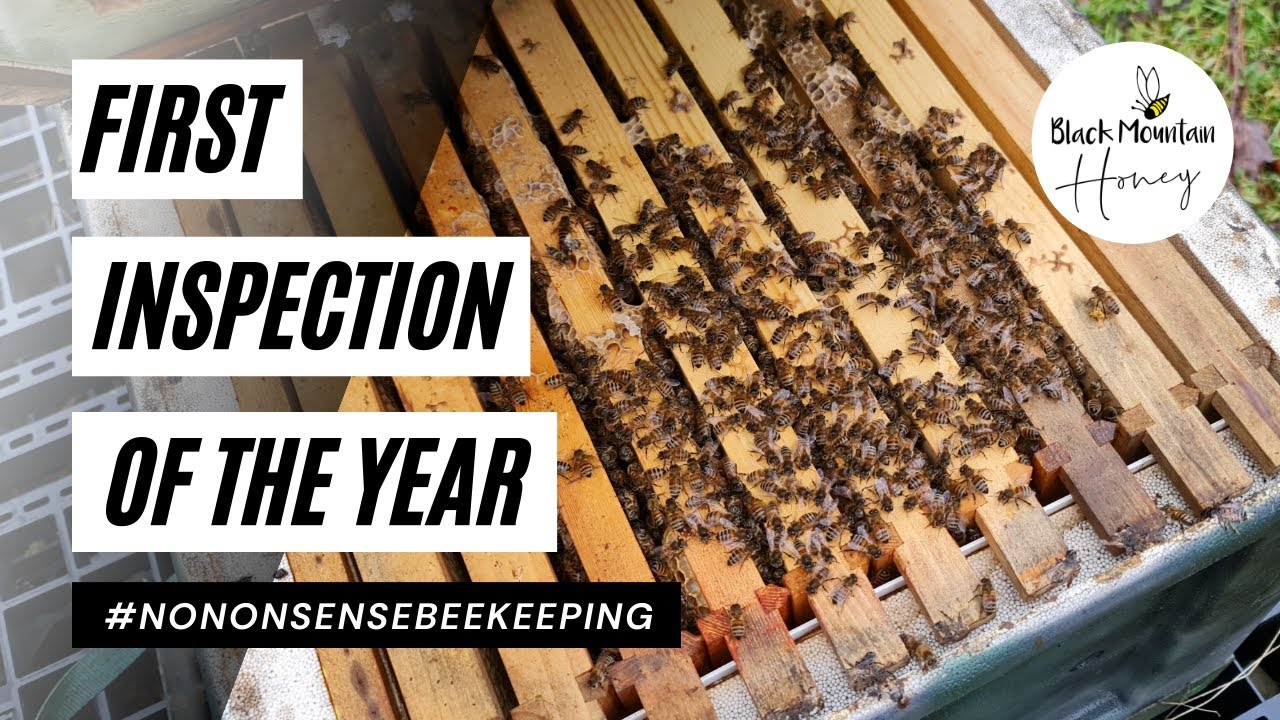
In this concise instructional video, Laurence Edwards of Black Mountain Honey walks viewers through the only practical beekeeping task appropriate for mid‑February: ensuring colonies have enough food to avoid starvation. He explains that at this time the primary risk is lack of stores, and the only effective intervention is assessing weight (hefting) and supplementing with fondant if colonies are light. Edwards advises against opening frames, checking for eggs, or adding protein patties in cold conditions, noting that such actions are either futile or potentially harmful. He outlines a seasonal timeline, recommending that frame inspections and queen‑related interventions wait until late March or early April. The video emphasizes a minimalist approach—heft, verify fondant contact, feed fondant if needed—and cautions against common early‑year practices seen on social media.
Chapters
Hi, I'm Laurence Edwards from Black Mountain Honey. Welcome to another episode of No Nonsense Beekeeping. It's the 20th of February today, it's about 12°C, so I'm going to do my first inspection of the year. So all I'm going to do in this video, it's going to be a short video, is I'm just going to talk you through what you should be doing at this time of the year. The risk at this time of the year is that the bees are building up, they're consuming stores, they're growing, They're rearing brood, and the risk is, is that they're going to starve. That's the only risk that you really need to worry about at this time of the year, because it's the only risk that you can actually do anything about. If you've got a drone-laying queen, if you've got a colony that's got Nosema, if you've got a colony that's failing in any other way, you can do nothing on the 20th of February. What you can do at this time of the year is you can make sure your colony has got enough feed. So I'm just going to quickly run through what I do with my colonies. 20th of February. So the first thing I'd be looking to do is going in and doing a heft, and this colony is a little bit light, but that would be my first feel. If I walk up to a colony and it's the 20th of February and I heft them and they're heavy, don't really need to look inside. Personally, I look inside all my colonies at this time of the year because I've suffered from isolation starving before. So just lifting them and them being heavy doesn't mean everything's Perfect, but when it's kind of like 10, 11, 12 degrees and the bees are flying a little bit, they're going to find that food anyway. So if you get a real cold snap and it's down to like 3 or 4 degrees again, hefting isn't going to fix all of your problems. So you might need to get in there and take a look. So then you've done your hefting and the colony's a little bit light. Now this colony here, I put fondant on a lot of my colonies already, so you might be coming to your colonies here and they might not have any fondant on them. So I open up my colony like that. And there's bees. I can see there's bees. They're not fully clustered up, they're in a reasonably nice pattern. They're probably over 6 or 7 frames, and if you look under here, they've got access to fondant. You've got a hole there and it's sitting directly over the cluster. Now I told you that was going to be a short video. That is my first inspection of the year. All you need to do is make sure the colony has sufficient food. You're doing it with a heft, checking how much weight there is actually in the frames, and then if there's not sufficient weight in the frames or the bees are moving away from it, you can add and feed fondant. That is all you should ever be doing in February. Please don't be fooled by the fact that it might be 15, 16 degrees and you think, it's 15, 16 degrees, I can get in there, I can look, I can want to see if I've got eggs. By looking in to see if they've got eggs All you're doing is satisfying your own curiosity. There's nothing good that can come out of that. Only bad can come out of that. So if you look inside and there's eggs, great, your curiosity is satisfied. You know you've got a laying queen. You could put that hive back together and squish the queen. There's nothing that can come good from it. If you look in there and there's no eggs, you start to think, oh, the queen, there might be something wrong with the queen. I'll go and maybe look to buy another queen. And it's too early to buy queens. So there's no problem that you can fix in the middle of February, apart from adding sufficient food to your colonies. And what I'd be adding at this time of the year still is just a plain old fondant. It's been very, very cold up here recently. You don't want to add your protein patties too early, if you need to add them at all. Definitely don't want to do it when there's a risk of it getting cold again. If you add protein patties to a colony and they're confined to that space, you can cause a lot of damage to that colony, so I really wouldn't advise it. And that's it. That is the first inspection of the year. Heft them, make sure if they're in a cluster they're in contact with the fondant, and if they've not given them fondant already and they need it because they're hefting light or weighing light, add some fondant. Don't pull out any frames. Middle of March at the absolute earliest you want to be going in there and pulling out frames, because at that point the colony might be expanding to fill a box. You might be thinking, oh, actually they're getting a bit big for that box now. They might start to kind of hit the edges and maybe start to swarm early if it's good weather. There's things that you can do that kind of time of the season. Queens are just about getting to the point, kind of back end of March, first week of April, just about getting to where you can get an imported queen. But even then, I wouldn't recommend it. I don't go pulling frames out of my colonies until the last week of March, really. Kind of, that's the average time that I'd even start looking in my colonies. All I'm doing this time of year, checking them for weight, adding fondant. That's all you need to do. So that might have been a bit of a cop-out video, and you might have been expecting me to kind of start pulling frames out and looking at bees and showing you eggs and all of that kind of stuff. But it's just to highlight the fact that you shouldn't be doing that at this time of year. If you see people on Facebook, you see people on YouTube cracking colonies open early Feb, middle of Feb, pulling out frames, they're not doing that right, and you definitely shouldn't do that. So I hope you enjoyed the video. I hope you found that little snippet of information useful. As always, please hit the subscribe button, please hit the bell so you're notified of every video, and I'll see you next time.