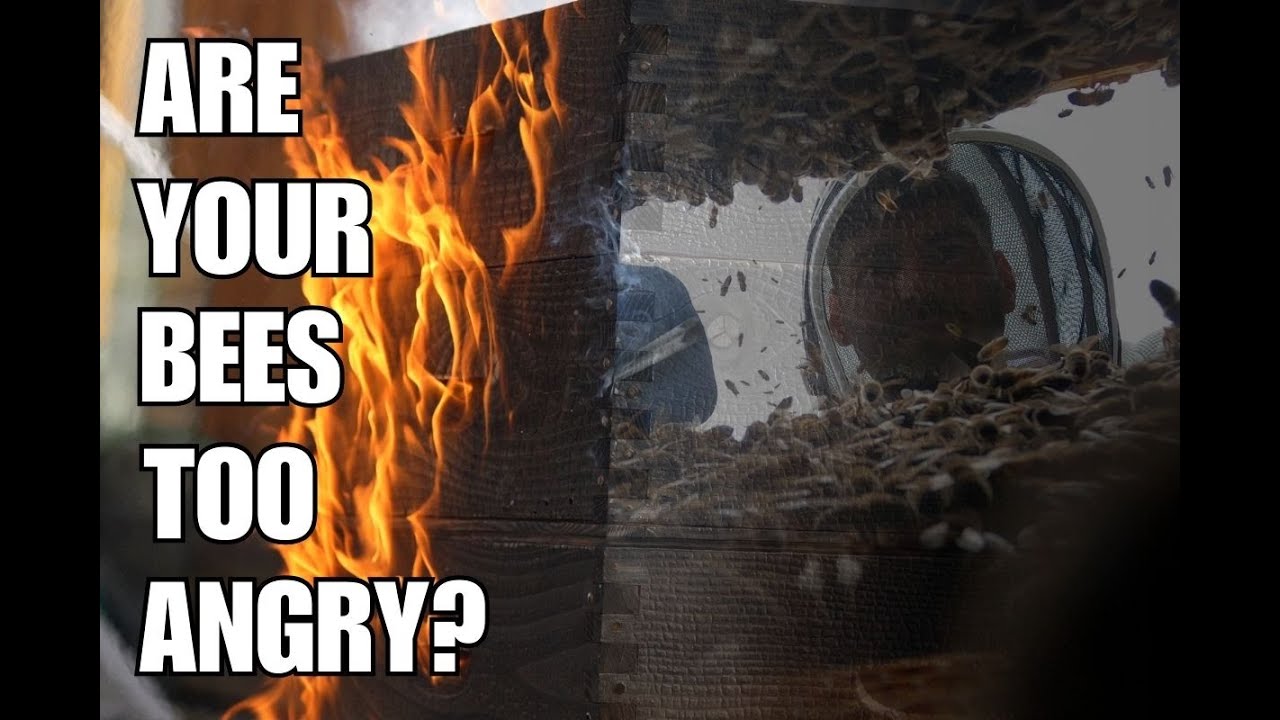
In this video Laurence Edwards of Black Mountain Honey shares his personal journey from battling aggressive local "mongrel" bees to achieving calm, productive colonies using F1 Buckfast queens. He explains why temperament is the top breeding priority, describes the genetics sourced from top EU breeders (Melitta Bees, German/Danish lines, Finnish Lagustica), and outlines the economic case for paying £40‑£50 per queen by showing the honey yield payoff. Edwards highlights two major by‑products of calm bees: dramatically reduced swarming and a 2‑4× increase in honey supers, even in a poor honey year. He asserts Buckfast bees are well‑suited to the UK climate and provides a step‑by‑step requeening protocol (kill old queen, introduce new queen in a cage, wait 8 days, release, expect behavioural change in 2‑3 months and full generational shift the following season). The overall message is that switching to calm, well‑bred Buckfast queens transforms a frustrating beekeeping experience into a safe, productive hobby.
Chapters
Are your bees angry and aggressive and you want to be able to do something like this, which is have a nice calm colony of bees in your back garden that have no risk at all of stinging you? This is the video for you. I've been keeping bees for about 12 years now and I started off with local mongrels, and in my area of the country my local mongrels were really, really bad. I couldn't even be in the same garden as them. because they would chase me. I couldn't mow the lawn or else I'd get stung. My children would get stung, my dog would get stung, my neighbors got stung. I had to get rid of them. I was very, very close to just giving it up completely, and you might be in this same situation at the moment, which is you've got a colony of bees and they're horrible, they're aggressive, and you're thinking, this isn't what I signed up for. I want nice, calm, gentle bees. The bees in the colony here behind me and across this apiary here are F1 Buckfast queens from Black Mountain Honey. That is my company, and we rear a huge amount of queens throughout the year, and we import queens from Melitta Bees, which is one of the top breeding companies in the EU. Now, above all else, above every other single trait, the main thing for us at Black Mountain Honey is calm temperament bees. Bees should be fun. You can see this one here is just kind of taking a little bit of a rest on my shoulder there. And okay, maybe I'm pushing it a little bit here, and I would caveat to people and say, You shouldn't really sit in front of your hives without a bee suit on. But I know that my bees are very, very chilled. In particular, this one here is a German mated Buckfast queen, an artificially inseminated German Buckfast queen that is probably going to be one of our breeder queens in either 2025 or 2026 after we've done a little bit of testing. But what we do at Black Mountain Honey each and every year is we bring in really good top quality genetics. We speak to breeders and we tell them what we want. Yeah, we want honey production, we want low propensity to swarming, we want disease resistance, but I say to them, don't worry about any of those 3 things there if the bees are angry and aggressive. I want calmness prioritized above absolutely everything, and I think it's evident from the bees here that you can see in my apiaries. I rarely get stung anymore, and when I flash back and go back a few years, I used to get stung all the time. I used to open up my hive and there'd be a big cloud of black bees that would be blitzing me. And it really is as simple as just changing the genetics of the bees. Now some people might look at the cost and think, well, £40 or £50 for a queen bee, that's really expensive. Why should I pay £40 or £50 for a queen bee when I could just give them a frame of eggs or give them an emergency cell and they will create themselves a new queen? But my argument would be They don't really cost £40 or £50. What I'm giving you is the ability for the bees to be this calm, and they will pay you back that £40 or £50 like many, many times over. When I did the calculations the other day on one of my live streams, I worked out that in order to pay back the £40 using an average honey price, the bees in this colony here would need to produce one additional brood frame of honey. That's it, one additional brood frame of honey compared to, say, like your local mongrels. When I transitioned over to Buckfast, I transitioned over because I wanted calm bees, but they came with this incredible byproduct— 2 incredible byproducts actually. One, I wasn't chasing my tail because the bees didn't swarm anywhere near as much. You'll still get swarming in bees if you don't give them enough space, and as the queens get older, you will eventually trigger swarming in them. But definitely in the first year, if you give the bees enough space, the chance of swarming is very low. But the even better byproduct that I got was that Instead of getting between 1 and 2 supers of honey each year, I now get between 4 to 6 supers of honey each year. Even in 2024, which has been the worst year in living memory for honey, got about 4 supers on some of my colonies. Really good honey yield. So don't listen to what people say about Buckfast bees not being suited for the UK climate. They are perfectly suited for the UK climate. And not only that, they are bred for the UK climate. They're bred in Germany, these ones, which have a very similar climate to the UK. And we get some Danish Buckfast in as well and some Finnish Lagustica bred queens. We always try and ensure that the bees are well bred for the UK climate. I send bees down to Cornwall, I send bees up to the Highlands, and I know that the bees thrive in both of those locations. The UK is a real easy ride for bees. It's not that warm in summer, it's not that cold in winter. Our Buckfast bees will do well anywhere in the UK. So if you're thinking you've had enough with beekeeping, you don't want angry bees anymore, Take a look at our F1 Buckfast queens from Black Mountain Honey. All you need to do is go in, kill your existing queen, wait 8 days, shake off all the frames, take down the queen cells, pop in the new queen in the cage, leave it 24 hours, pop the tabs, let the queen out, and within 4 to 6 weeks you should start to see some oranger bees appear in your colony. Now you're not going to get an instant transformation. This isn't a case of pop the queen in and next week the bees are going to be nice and calm. The best time to judge them is in the following season, but you will start to see a change in their behaviour after about 2 to 3 months. But the easiest way to do it is just to requeen them late on in the season, close them up for winter, and then when you come back in April, every single bee in the colony will be a daughter of the F1 Buckfast queen. Less risk of swarming, better disease resistance, much more honey, but most importantly, super, super calm bees.