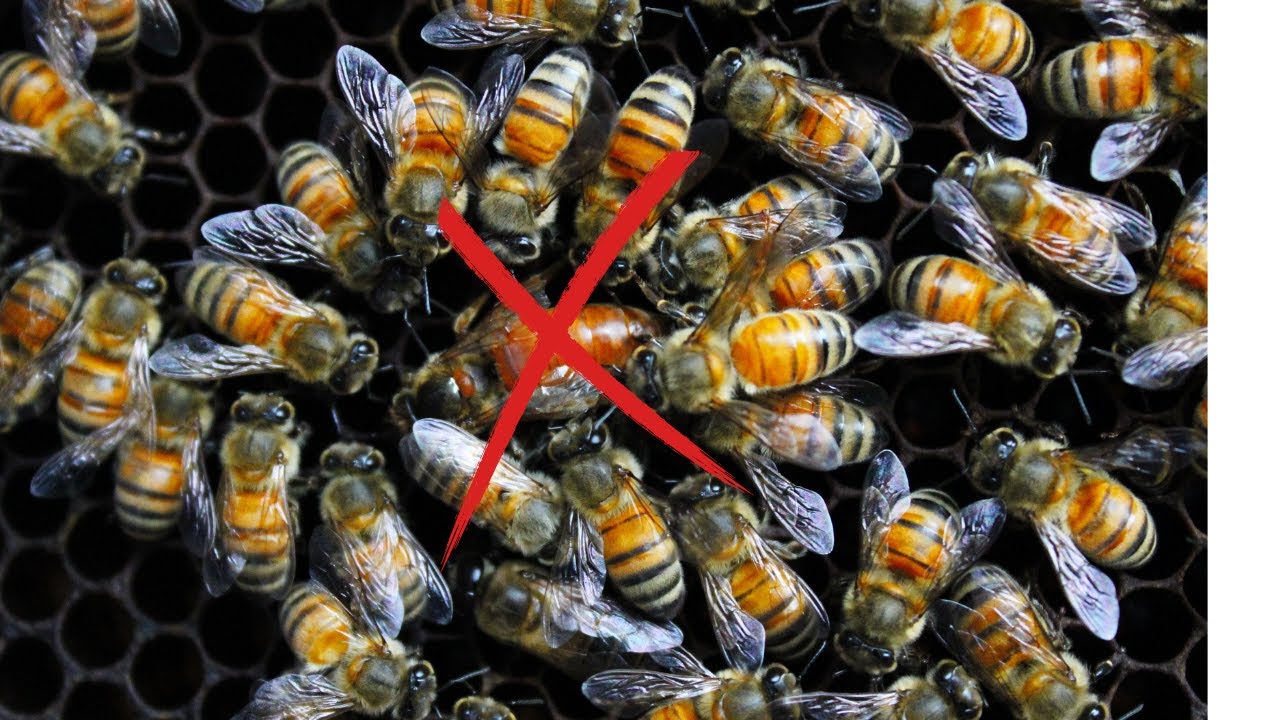
Laurence Edwards explains what to do when a spring inspection finds no queen or brood. For February, wait and recheck. For April, insert a frame of eggs to test: if bees build emergency cells, the queen is gone. Don't buy a replacement queen for a weak overwintered colony; it won't take. Accept the loss instead.
Chapters
In this video, I'm going to tell you what to do if on your first inspection you find no brood and no queen. So I know it's the worst thing that can happen to a beekeeper, especially if you've only got one colony, but you're anticipating going into the colony all the way through the winter and you're thinking you're going to open it up in spring and it's going to be full of bees, and you're looking forward to your beekeeping plans for the next beekeeping season, and then your heart sinks a little bit when you go in and you find maybe a dwindling colony of bees No queen and no brood. The first thing I would do is I would say to you, assess what time of year it is. If you're going into your bees in February and you find no queen and no brood, I would say to you, going in too early, shouldn't be pulling out frames then. But also, just because you've not found the queen or not seen any brood doesn't mean there's anything wrong. Over winter, it's very, very easy for the queen to lose her marking. And I do think early on in the season as well, you lose your ability to find a queen. So just because you've not seen the queen doesn't mean she's not there, and just because there's no brood, depending on the time of the year, doesn't mean that there's anything wrong with the colony. So for example, middle of February, you've gone in, big cluster of bees, you've not found the queen, you've not found any brood. My advice to you is close it back up again, go inside, have a cup of tea, read some books, and sit on your hands until the real beekeeping season begins. However, if you've gone into your colony of bees and it's the middle of April, And you've got a huge big cluster of bees with no brood and no queen, then I would start to worry a little bit. And I would also say that's a very unlikely scenario to happen. Don't generally find big booming colonies where the queens fail in April or May. They tend to fail a little bit earlier than that, which leaves you with the scenario, which is you open them up in the middle of April and you find a little cluster of bees with no queen and no brood. So I'll deal with those 2 scenarios separately. First one, big colony of bees with no queen and no brood. If you're 100% sure that you've not got a queen in there, and I would suggest going at that point and adding a test frame of eggs in there and determining whether the queen is in there. If you add a test frame of eggs in and they do nothing, then there's a queen. If you add a test frame of eggs in and they draw out emergency cells, then there isn't a queen. Now, in middle of April, I wouldn't let them naturally requeen using those cells, but I would add in a mated queen. But as I said, I think that's a very unrealistic scenario to happen, especially in the UK. What you're more likely to find, and what I think the majority of people watching this video will find if you do have a colony of bees like this, is you open up in April, first or second inspection, small colony of bees. I'm talking grapefruit-sized cluster of bees with no brood and no queen. So the options are you add in a mated queen, and as a seller of mated queens, that would be a great option because I could sell you a queen. But that is definitely not the right thing to do. Don't waste your money on mated queens when you've got a cluster of bees that's this big, overwintered-sized cluster, no brood. So all of those bees there are going to be your overwintered bees. I'll tell you what will happen in that scenario is that you might get the mated queen introduced, you might just about get her laying enough, and then all of the bees will die, the queen will die, and you'll just get left with a couple of frames of tiny spots of capped worker brood. Waste of money and a waste of the colony. So what other people might recommend at this point is they say, well, you might as well make use of the resources there and combine it with another colony. In my view, definitely the wrong advice. It's a disease risk, but also you're giving them something that they really don't need. You're giving them a small amount of older bees that are literally about to die. Who wants a small cluster of old bees that's going to die? Nobody needs that, nobody wants that. Now my recommendation to you might seem a little bit harsh, but it's do nothing. There really isn't anything that you can do to that colony. There's no point combining it with another colony, there's no point trying to add a mated queen, there's no way of saving it. You need to suck it up, learn from the errors, and realize that you should never just take one colony through the winter. That's just what happens with bees. We average around 10-15% losses every year, And that's been relatively consistent over the past 6 or 7 years. Definitely improved since I moved my varroa schedule forward, but that's generally where we are. If that's the situation that you're in, don't waste your money on a mated queen. Don't try and combine them with anything else. Just leave the colony to die and look forward to make some new plans for the beekeeping season. If you found that video useful, please give it the thumbs up, hit the subscribe button. We've got loads more tips and guidance for everything beekeeping.