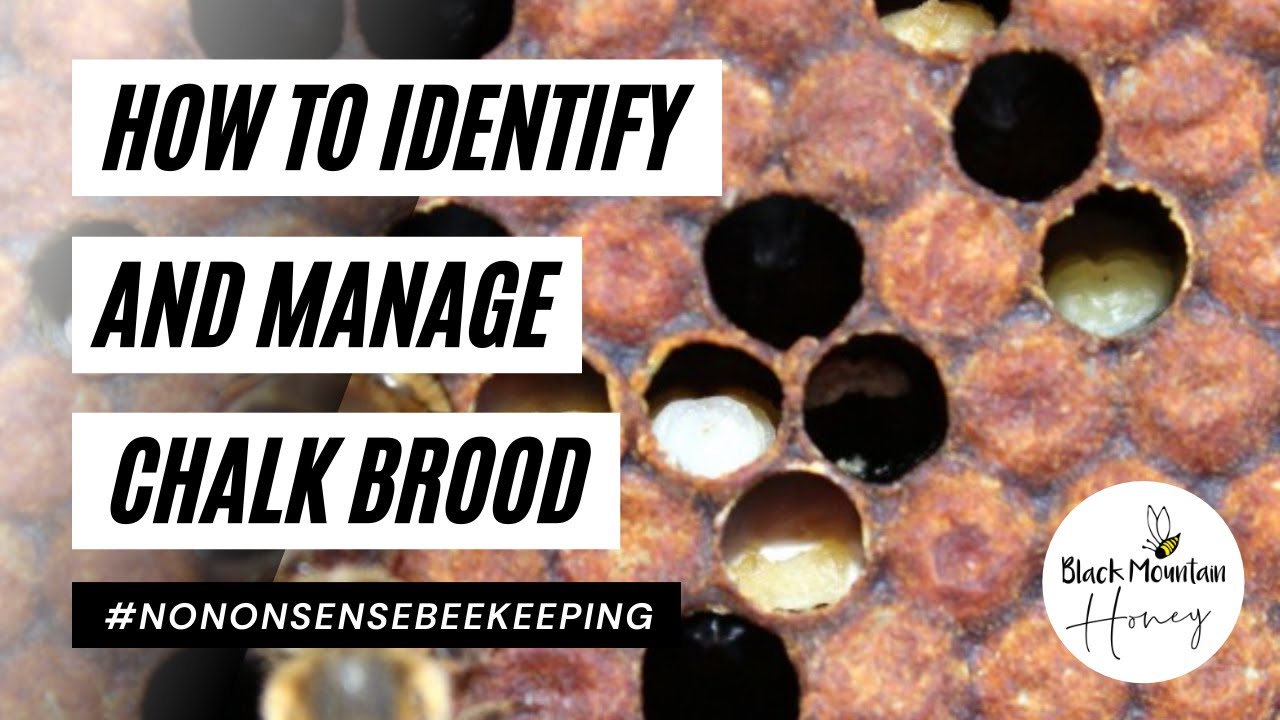
In this instructional video, Laurence Edwards of Blackmans in Honey explains chalkbrood, a bacterial brood disease with no direct chemical cure, emphasizing that its severity hinges on queen genetics. He demonstrates how to recognize chalkbrood by the characteristic white, marshmallow‑like mummified brood in open cells and the presence of dead mummies on the hive floor or mesh. Edwards notes that chalkbrood often appears early in the season under cool, humid conditions and may resolve as weather dries. Management focuses on monitoring mild cases, ensuring ample stores, feeding 2:1 sugar syrup, and, when the infection is persistent, removing the affected queen and requeening with a proven resistant F0 breeder queen. He argues that changing genetics eliminates the need to melt down contaminated wax, allowing the colony to recover naturally and prepare for winter.
Chapters
Hi, I'm Laurence Edwards from Blackmans in Honey. Welcome to another episode of No Nonsense Beekeeping. Today we're doing another disease recognition video, and today I'm going to show you how to identify and manage chalkbrood. So once again, if this video is helpful, please hit the subscribe button, please hit the bell so you're notified of every video, We've got tons more videos like this coming up, and if you hit the subscribe button and the bell, you'll be the first to be notified of these videos. So what are we going to do in this video? I'm going to show you some pictures of some chalkbrood, and I'm going to show you how to identify and manage that within your colonies. So chalkbrood is a really strange disease to talk about. It's a bacterial infection, and there's no known treatment for it. Again, similar to sacbrood, you can't— There's no silver bullet, there's nothing you can add to your hives to get rid of chalkbrood. It's completely dependent on the queen and her genetics. Now again, if I'm going through my colonies and I notice 1 or 2 cells of chalkbrood, I'm definitely not doing anything. Chalkbrood is something that tends to crop up at certain times of the year or in certain weather conditions. So I find early on in the year, I get a lot of chalkbrood in some colonies. And then within 3 to 4 weeks, the weather's perked up, the humidity's less, it's drier and warmer, and the chalkbrood's gone. And the colonies are absolutely fine, and they produce lots of honey and really healthy bees. So it's not something that you need to take action on every single time that you see it. And similar to the sacbrood video that I did, it's only when that bacterial infection becomes persistent or damaging to the colony that I will go in and I'll take an action. So in this video, I'm just going to show you some pictures of some chalkbrood. I'll get into one of my hives that's got a particularly bad case of it, and I'll show you what it looks like when it goes bad. I'll talk about the management and how I manage those colonies to reduce the chances of becoming infected through chalkbrood, and then how I kind of reactively manage them by putting new queens in there. So we'll open up some hives and I'll show you some chalkbrood. So this is the colony where I've had the issue with chalkbrood. So let's get inside and I'll show you some close-up images of chalkbrood. So a couple of ways of identifying chalkbrood. The first one is you look in the frames. Just worth saying, this colony is really low on stores, very different from all of the other hives in here. I think the chalkbrood is affecting their ability to get out and forage. It's affecting their ability to kind of get the numbers up to a level where they've got capacity to get out and forage. So they're a bit grumpy. But that's the frame we're looking at there. Not liking the pattern on this one at all, so this one's due for requeening anyway. But as you can see in this corner here, chalkbrood. Really, really easy to identify. It's these open cells here and here. It looks like kind of a dried-up white marshmallowy thing in the back of it. Got more on this side. Really, really easy to identify. So if you're seeing that in your frames and you want a way to kind of guarantee that that is chalkbrood, you need to look for mummies. So you'll see the bees dragging mummies out the front. You might see them in front of the hive here. Or the other place that you'll almost certainly see them is on the floor or on your mesh. So I'll zoom in and show you some of the mummies. So really, really easy to see what you're looking at there at the bottom of the floor is mummies from chalkbrood. So if you're seeing that at the bottom of your floor or on the mesh, you've got an issue with chalkbrood. So I never waste an opportunity for a positive interaction. That colony is not even filling the brood box, So the super's coming off, queen's in there, she's laying, but obviously she's going to get killed soon. She's going to be replaced with a new cell. The foraging capacity is going to go down, so I want to make sure there's enough stores in there to see them through that period. So feeders on, and the honey season for this colony never even got going and it's finished. So we get these guys ready for winter. We're going to feed them, give them a new queen, get them through the winter. So no messing around, 12 litres of syrup that's gone in there. That's 2:1 syrup. They'll take all of that down, they'll turn it into more bees. There won't be the issue with chalkbrood because they're going to kill that queen, replace it with a new mated queen, um, uh, and then they're going to get ready for winter by expanding the brood nest with a new queen and getting sufficient stores into the colony to see them through the winter. So that colony there, that was a particularly bad infestation of chalkbrood. It is quite clear that that queen, the bees that she produces, just cannot cope with the bacterial infection, and it's really detrimental to the colony. So the only course of action for that hive is to kill the queen. Again, I don't want any queens in my apiary that are going to be severely impacted by the effects of disease. So the queen gets killed, and I'm adding a new cell from my F0 breeder queen, who is proven through my own trials to be really, really resistant to sac brood, chalk brood, and bald brood as well. She's not got a genetic disposition to bald brood. So that, that will resolve the problem. I'm 100% sure of that. And again, there's no real need for me to melt all of those frames. Through my own experience, just by changing the genetics of that line of bees, they will clear that up. And because they've not got that genetic disposition to be impacted by the bacterial infection of chalkbrood, they, they will resolve that problem by themselves, and there's no need for me to melt down that wax. So that's it for today's video. Again, if you've enjoyed this video, please hit the subscribe button, please hit the bell so you're notified of every video, and I'll see you next time.