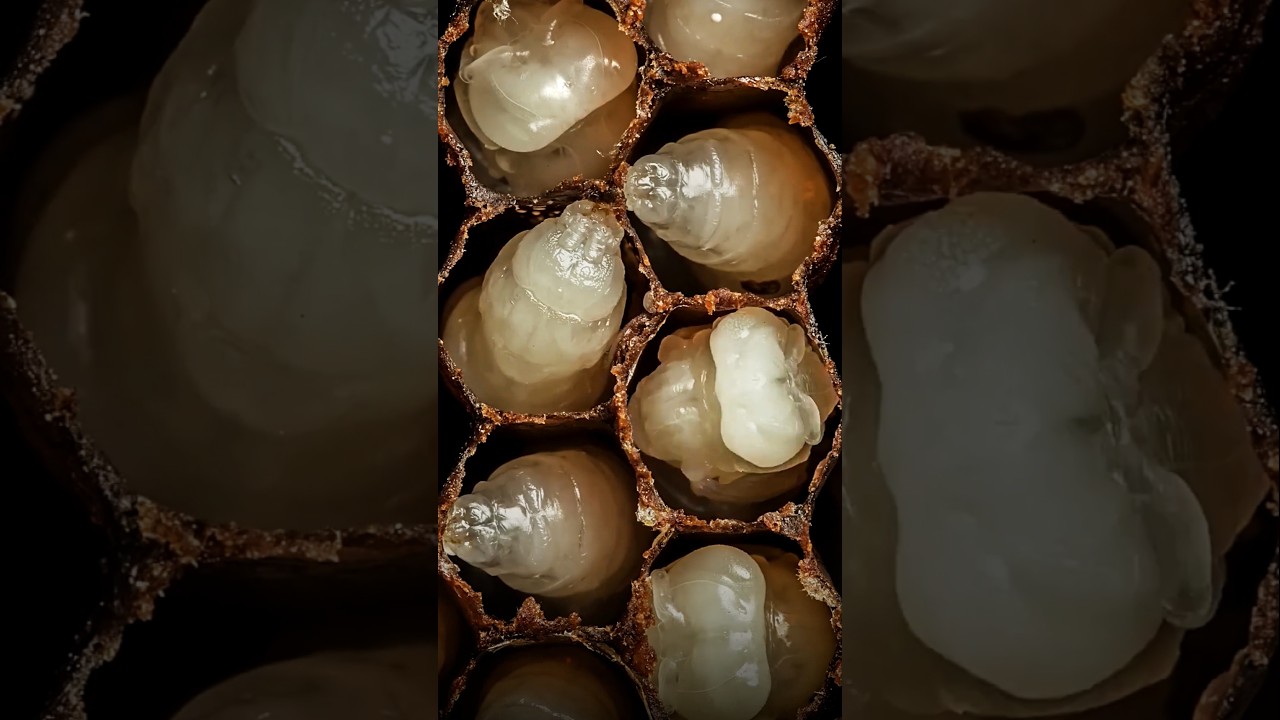
Researchers at the University of Oxford genetically edited yeast to produce six essential sterols bees need from pollen. Mixed into pellets with proteins and fats, the supplement helped colonies produce fifteen times more surviving brood in field trials. If larger tests succeed, beekeepers could have it within two years.
Chapters
The key to saving bees might just come from yeast. Scientists at the University of Oxford have created a groundbreaking honeybee superfood that could protect colonies when pollen is scarce. Bees normally get everything they need from a natural, varied diet of pollens, which provides 6 special nutrients called sterols that are essential for healthy growth. When flowers are abundant, bees are fine, but during periods of dearth, stress, or poor forage, colonies can quickly run short of these nutrients and potentially collapse. That's where this new supplement comes in. Using gene-edited yeast, researchers have found a way to grow all 6 sterols minerals in the lab, something we've never been able to do before. The yeast is cultivated, dried, and blended into a soft dough-like feed packed with proteins, fats, carbs, and micronutrients— essentially a pollen in a pellet. In trials, colonies fed this superfood produced up to 15 times more baby bees that survived to adulthood and stayed healthier for longer. It could be a lifeline during lean times and dramatically improve overwintering success. If larger field tests are successful, this innovation could reach beekeepers within 2 years, potentially transforming bee health, pollination, food production, worldwide.