Live Hormone Health + Menopause Q+A with Dr. Vinita Tandon
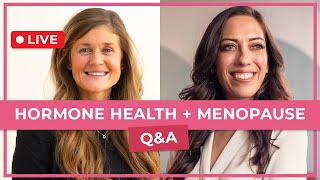
In this live YouTube session hosted by Lindsey Bomgren, board‑certified endocrinologist Dr. Vinita Tandon (Medical Director at Lifeforce) educates a community audience about perimenopause and menopause. The conversation covers common misconceptions (e.g., menopause is a short, untreatable phase), the hormonal drivers of mid‑section fat, sleep disruption, weight gain, and hot flashes, and why treating symptoms with isolated “band‑aid” pills is insufficient. Dr. Tandon stresses the importance of comprehensive lab testing to interpret fluctuating hormone levels and to personalize treatment. She outlines evidence‑based hormone replacement therapy (bioidentical estradiol, progesterone, and optional testosterone), clarifies safety myths stemming from outdated studies, and recommends lifestyle pillars—strength and weight‑bearing exercise, adequate protein (0.7‑1 g/kg body weight), calcium, vitamin D, omega‑3s, and, when needed, DHEA supplementation. The role of Lifeforce’s at‑home biomarker service (50‑panel labs drawn at home, quarterly follow‑ups) is highlighted as a practical way to obtain baseline data and ongoing monitoring. Finally, Dr. Tandon advises women to seek providers knowledgeable in menopause therapy, to advocate for themselves, and to use holistic, individualized care rather than generic symptom‑only approaches.
Chapters
People, a moment to join us. We are so excited you guys to have Dr. Vanita joining us today. We've had so many requests coming in from our community when we asked what experts you guys want to talk about. And the question on repeat is we want to learn more about perimenopause, about menopause. And that's just something I'm like, I have not been able to. I have no personal experience with myself. Something I'm really excited to learn about as well from Dr. Vanita. So we'll let people continue to join. We do have a list of preparations, pre asked questions you guys have already submitted, but we will also be taking live questions, so feel free to drop them in the chat, you guys, if you have like questions. I was just meeting myself here. Be sure to drop live questions in the chat if you have them. We'll take them as they come in. Really excited to just get you guys as much information as we can. So I'll do a quick introduction here. We are joined, like I said, by Dr. Benita. She is an endocrinologist and the medical director at Lifeforce. If you guys have been following along, you know, I've gone on a little life force journey. I was feeling personally really depleted, especially as I'm getting older, but mostly filming workouts. And I was like, is this just. I'm a mom of three little kids, I'm running a business, trying to film workouts. Is this just like, is this a normal tired or is, is my body missing something? And so, you know, I think we can hear all these things about, take this green powder, do this. Like, at the end of the day, it's been my belief that you just, you need to know your own baseline. And so I was like, you know, I've struggled with some thyroid stuff in the past. Maybe that's flaring up again. I'm gonna go in. I just want to get all of my bas measured. And what's really nice about Lifeforce is they come to your house. That was like one of the main selling points for me because I personally just don't have a lot of time to jump in and go to the doctor and get my labs drawn. And when I have done that in the past to get my thyroid labs drawn, I feel like I just get an email that gives me the results and it's like, here you go. And I'm like, well, how do I interpret these? I am not an endocrinologist or a medical professional. And so how do I know how to interpret these if I Am low. What is the next step? And so it's been really helpful. I've partnered with Lifeforce, they come to a blood draw, I've gotten measured by 50 biomarkers and then I've got to have a call with a medical professional and a specialist and they walk me through my results, they talk me through next steps, if I should be taking, potentially looking at any additional supplementation or things of that nature. It's been so helpful for me. I've personally seen some big improvements over the last four to five months. And so like I mentioned, Dr. Benita is the medical director at Lifeforce. And so just give us a little bit of your background, what you specialize in, Dr. Benita. And October is like randomly. This is a funny. It's like menopause month or something, isn't it?
Yeah, it's Menopause awareness month. So this is very appropriate to have this conversation today. So grateful to you for this opportunity to kind of do some education and hopefully answer everyone's questions. I am Dr. Vanita Tanden, Board certified endocrinologist and have been the medical director at Life Force since we launched. Really excited about especially providing evidence based hormone regimens for women as well as guidance on lifestyle strategies as women kind of go through this period in their life which is inevitable for every woman. You're going to go through perimenopause and menopause, it's just the way our biology is. But this is one topic that has created so, so much confusion and there's so much misinformation and fear around it, even amongst women, but also the medical community and women's providers. So really looking forward to kind of diving deep into this topic and hopefully giving some women like some something, some tools to arm themselves with and some more knowledge for women embarking on it or might be in it already. So.
So yes. Okay. So just because we. I live, I live in the world of social media as well and we all kind of do. What if there's like anything that you could debunk out there? What are you like, oh man, I wish I could just debunk this. So many women are getting told this, but this is not true about perimenopause menopause.
I think. Can I say a couple things?
Yes.
I think one is that I think there's this myth that it's just a short period in someone's life and you just have to like pass this hump and then you're good to go. And that is not true for the majority of women. Symptoms can start as early as late 30s. So, like, kudos to you for kind of realizing things were not the same, your health and taking action. I think a lot of women think, oh, I don't have to deal with this till much later. But actually, hormones start to change in our late 30s, early 40s. And for a lot of women, it can last lifelong from the time that they're in their late 30s, early 40s, and then forever and ever. And so I think. And the second thing is that there's nothing that can be done about it that is totally false. There are a lot of treatment options, hormonal and non hormonal, that we can do to not only help alleviate symptoms but also help mitigate the risk for kind of those old age problems, chronic disease states like heart disease, osteoporosis, dementia. So, yeah, those would be the two biggies that I would say. Let's, let's debunk them. Yeah.
Okay. So I think the most common thing that I hear, and I'm just seeing 2 comments pop up in the live chat about it, is, you know, I've been working out my whole life. I'm fit, like, I'm in generally, and then all of a sudden my midsection, like, what's happening here? I have this, like out of nowhere, I'm seeing an over, you know, just like my midsection is just bulging out, like, what's happening? And can you talk a little bit to that or why women might experience that and why specifically in the midsection?
Yeah, so great question. And you're not imagining things when we start to lose, especially estrogen and testosterone. So when both those hormones start to decline is when we start to get more fat in the midsection, the belly area. And you might not have changed anything. You're still working out, you're still eating right, all those good things, but you're still continuing to kind of get some collection of visceral adiposity or midsection fat. And there was a study that was done a few years ago because I think initially the theory was, oh, women are just getting older, they're not working out as rigorously or as intensively. So of course they're gaining weight. And that was totally debunked. This is truly a hormonal change that is the culprit for that belly fat. And yes, women will say, I've never had a belly my whole life. You know, my fat was different areas, but never my belly. And now it's all there. The other thing that women might notice because of the hormonal changes are sometimes more cravings and a little bit more hunger. It's harder to control the hunger they're seeking, especially carbs, often just to kind of satisfy. Or they're not sleeping as well at night, which also affects metabolism and can contribute to belly fat. So there's a whole host of reasons, but definitely it's those hormonal changes.
I feel like that's what's probably most confusing to me about menopause, is that there's so many symptoms. And, like, how do you navigate or know, like, is this menopause? Is this, like, just, you know, like, I feel like it just. It's like a stacking effect, too. It's like, well, it can cause poor sleep, and then we know what happens when we get poor sleep. It's just like a spiral effect. So I feel like that's where it can just get so confusing. And so what is, like, your. Your, you know, the golden solution? Or like, what can women be doing about the. The myriad of symptoms? Like, how do we even start to address them? Because it sounds like it's just like a domino effect.
Yeah, I mean, I think the first thing is to kind of look under the hood. If it's been a while since you've done a good set of labs, checked certain biomarkers, seen, you know, a healthcare provider, it's a good time to get that done and just, like, to your point, make sure nothing else is going on. And this truly is due to being in the perimenopausal or menopausal phase of life. Um, and then, yes, it is symptoms. There's definitely some classic ones that we tend to hear over and over again that women experience. But then there are some kind of outliers, too, that women don't realize are also due to being in perimenopause or menopause. And I think traditional healthcare, we've kind of gotten into this bad habit of just applying band aids to specific symptoms. Oh, you're not sleeping. Here's a sleep medication. Oh, you have vaginal dryness. Use lube. Oh, you feel depressed or anxious. Here's an antidepressant. And actually, that's the totally wrong approach. We should not be just using band aids for all of these symptoms. We should get to the root cause, which is the hormonal imbalance and the hormonal changes. So either with hormonal therapy plus, minus some lifestyle strategies that can help us.
Is it like, common practice if you go to your doctor and say, hey, I'd love my labs Run. I think I'm in perimenopause. Like, is that something that's like pretty common practice that they'll do?
Just.
No, it's not. So you have to, you have to advocate for yourself.
Yes. Yeah, you gotta be that squeaky wheel. Not only advocate for yourself, but also find a provider who's versed in interpreting hormone labs. Hormone labs are not the easiest to interpret. Especially when you're perimenopausal. You sometimes are ovulating, sometimes you're not. Things could, your estrogen could be in the 500s one day, it could be down to zero the next day. That's the, the perimenopause classically is like a roller coaster and you have to meet with a provider who really knows what they're talking about and can look at those hormonal labs and be able to give you, you know, evidence based guidance that's also individualized.
Okay, what are your thoughts reading questions on the book the new menopause by Dr. Mary Claire? I think it's ha. Have you read it? What are your thoughts on it? Do you suggest it?
I have not read it yet, so looking forward to reading it though, when I get a little bit of time. Yes. And then definitely happy to speak to it once I've read it.
Okay, great. So we obviously we provide fitness and workouts. So what would you say is the best form of fitness as you're navigating? Perimenopause? Menopause. I mean, I'm a big fan. I can tell you my two cents. Strength training, I think is the name of the game in all seasons of life. Pregnancy, most part, like, you know, I haven't navigated the perimenopause, menopause, but I just like strength training. Strength is the organ of longevity. You know, your muscle, your muscle is your organ of longevity.
Yes, a hundred percent agree. I think during this time life, it's even more important to empathize. Strength training, building that lean muscle, not only does it help you with body composition and stability and balance, but also bone health. We need to, if you do fall, like as we get older, we get more frail. Just that's how you know life is. And if you fall, you want to have strong bones and strong muscles to be able to protect yourself from a fracture. So I think strength training, but also weight bearing exercises are really important this time of life and to continue that and then nutrition.
Is there anything like a lot of these women are saying? You know, I've been eating a clean diet, I'm pretty You know, I try for hope. Like, is there anything that you're. Like, this is a, you know, essential nutrient we start losing as we lose estrogen and paramount. Like, this is, you know, something I try to focus on. Is it. Is it more fiber? Is it more calcium? Is it, you know, what. Is there anything like that?
Yeah. I mean, from the macronutrient perspective, protein. So a lot of women don't get enough protein, which is, you know, they're building blocks for muscle development. So protein is huge. It's also filling. You know, it gives you that satiety that we need. So that's one thing I would say. Talk to your provider at Lifeforce Week. Our providers are really versed at this. Our coaches are versed at this. Okay, now you're in this time of life. Let's reorganize your macros and make sure you're taking the right amount of each. And then. Yes, calcium and vitamin D are the other two nutrients that we really want women to emphasize just for bone health specifically. And as much as you can get from the diet, the better so that you don't have to rely on supplements. But if you can't get it from the diet, then, yes, take a supplement. And then omegas. Omegas are the other healthy fats that are super important to help you protect your heart from heart disease, which is also something that comes up, you know, in our 40s, 50s and onwards, especially if you have a family history. Yes.
And so I think. Yeah, I mean, I think we're both very much on that. It's like, food first. Like, do everything you can with food. And then, of course, there might be something where if you can get your biomarkers or if you can get a baseline measurement, you can see potentially where you're lacking and add that supplementation in there so you don't feel like you're throwing a million band aids on top and you're truly just getting what you need.
Yeah, exactly. And that's right, too. I mean, you'd have to ask your doctor to check a D, vitamin D, a calcium, these nutrients that usually don't get from your traditional provider unless.
Yeah, yeah. I mean, I was blown away when I got my results. I actually. So I'm. I was over supplementing vitamin D. And vitamin D is not one that you just like, urinate out. It's fat soluble. And so you don't want to be, like, overdoing it, you know, so there's. So it was just so good to get a baseline and adjust from there because I didn't have a baseline to go off of. And I just think we, before we start band, aiding or thinking that we're low in something or thinking that we need to try something that. That's just so important. So I think we kind of touch on a lot of questions about, like, if I'm. If I'm in my 30s and 40s, how can I prepare? And I think it's just getting those habits in place, right? Like strength training, the solid diet in place, making sure that you're starting to pay more attention to your body and just those signs and maybe starting to get a measurement at a baseline so you know where you're at and just keeping that monitored. I know one of the common symptoms is weight gain and hot flashes. Is there anything you can do for hot flash?
Yeah, I mean, so there's some things like avoiding alcohol that can really help. Know what your triggers are. For some women, it's wine. For some, it's lack of sleep. Sometimes it's stress, sometimes it's other foods like cheeses can sometimes do that. So coffee. Hot drinks can also exacerbate things like hot flashes and night sweats. So I think one is even maybe start to keep a little bit of a diary or journal and say, like, okay, maybe you can see some patterns of what your triggers are and then try and minimize or avoid those triggers if possible. Maintaining a healthy weight is super important. The heavier we get, the worse those vasomotor symptoms are. Hot flashes, night sweats. But sometimes it can be a really vicious cycle. Like, you're trying to keep your weight down, but because your hormones are in a decline, it's harder to maintain a healthy weight. And so sometimes you do have to break the cycle with hormonal therapy just to help you kind of reset and get your metabolism back on track.
Two interesting questions that just came in. The first, is menopause perimenopause hereditary? Like, if your mom had early onset, are you likely to have early onset? Or, you know, can you kind of clock, like, if my mom went into menopause at this age, am I likely to go into menopause at this age? Is that. Is that true?
No. We used to think that, but that got debunked, too. Studies show that there really isn't a consistent correlation between what, the age your mom went through it and the age you're going to go through it. Definitely. If you've got other medical conditions, like if you've got pcos, polycystic ovarian syndrome, or you had your when you were a teenager, you had your first period, menarche, at a really early age, then that could be a predictor, or you have fibroids. Like, things like that can play a role, but not just so much your. The mom. You know, your mom's age when she went through menopause.
So if I didn't get my period until I was, like, 17 years old, am I likely to have later?
Yeah, yeah, exactly.
I was a late bloomer.
Yeah.
Does it sounds like some people are still on birth control? Does birth control mask menopause symptoms?
Yeah, it definitely can. Because usually, especially if you're on a combo birth control that has estrogen and progesterone, so it can mask your symptoms. And the only way you'll really know if you're in menopause is to go off of the pill. You, if you're worried about pregnancy, then use a different form of contraception during that time, so condoms or whatever. And then try and stay off the birth control at least a month, if not two, and then check your hormone labs. So that's one way to know. The other way to know is women might notice that even during their placebo week, they might not bleed as consistently. So that could be another clue, and they might have breakthrough symptoms. So they're on the birth control, but they're maybe are feeling a little bit warm, or maybe they're having vaginal dryness or sleep disruptions, then those would be clues as well. Okay.
Can you talk more about hormone replacement therapy? We're getting a lot of questions about that. And just like, you know, maybe what it is. What are the most common, you know, scenarios, or. I know that's, like, so personalized, so it's hard to give some type of, like, general. But maybe just expanding on that topic a little bit more.
Yeah, for sure. It's my favorite topic, actually. So happy to talk about it, I think. Yeah. To my earlier point, it's one of those topics that has induced a lot of fear in women. And the backstory on that was there was a study that was published in 2002 that the media ran with headlines like, hormones cause cancer. Hormones are associated with breast cancer. And it has taken over 20 years for us to slowly turn the tide on that fear. Women were yanked off their hormone prescriptions. Providers stopped prescribing hormones. But what we now know is those headlines were totally false. It was during that time that a certain type of progesterone that was used, a synthetic high dose, was, yes, associated with increased cancer risk. We now don't use that one. Those of us who are verse and educated in menopause therapy, we know which ones to use. So it's bioidentical estrogen or estradiol and bioidentical micronized projection. So those two are for sure what we recommend for most women and at varying doses depending on again that kind of individualized approach. So it's the estradiol that helps with hot flashes, with night sweats, with vaginal dryness, with belly fat. It helps with your overall well being, your mood. Progesterone is the one that helps you asleep, so it helps you fall asleep and stay asleep and get enough deep sleep so that you feel restored the next day. It's the also the one that helps you with your mood. It reduces those symptoms of depression, anxiety, mood fluctuations. So those two are critical. And then we always recommend also thinking about testosterone as kind of the third hormone. It's a hormone we think of more for men's health, but actually it's super important for women's health too. And it also drops in perimenopause and menopause. And it's like our mojo hormone, libido, muscle mass, motivation, ambition. We feel more on our game when we have good levels of testosterone. So it is considered that one's considered off label use. The FDA has not approved it, but we have a lot of good data benefit safety. So it's part of kind of our triad. Estradiol, progesterone and testosterone is what we would think about for any woman kind of going through this period.
Okay, so interesting again more on the birth control questions because a lot of people it sounds like are still consistent on it maybe for other reasons outside of not trying to get pregnant. Is there still a way to know if you're in perimenopause? I think we, I mean you kind of touched on basically like I have endo too. It sounds like it's. People are on birth control because of endo. I don't know what that is.
Endometriosis.
That could pot maybe be it trying to decide what type of hysterectomy to get. So maybe that would be why. But. But yeah, it sounds like in order to you're either going to have breakthrough symptoms or you would just have to go off of it in order to get like your do. Do a lot of people still get their hormones tested on birth control?
No, because there's no point.
There's no point.
Okay. I mean if you think about it, so the average age for an American woman to go through menopause is 51 and perimenopause starts 8 to 10 years before that. So that kind of gives you an idea if you're in the perimenopausal phase.
Okay, that makes sense. Great. Okay. Are there any, any like supplements that are just so I know we talked about hormone replacement therapy. Outside of that. Are there any supplements that are like a go to for someone that's entering this, this menopause, perimenopause, season of life that they should consider? I know you talked about like calcium being important for bone, bone mass. Anything else? Vitamin D, the other supplement.
Yeah, vitamin D omegas and then there's one called dhea. This is a pro hormone, so it converts to the important hormone testosterone. But it also is, plays a big role and declines with aging. So it plays a big role in muscle health, libido, motivation, all of those good things. So that is one that people are often surprised that they're deficient in. And when we restore their levels, they feel a lot better. So.
I was so low, like dha, dhea, non existent testosterone, Very, very bottom, like bottom line. And so I have started. I was a little bit hesitant at first. I was like, okay, I started, I did one dha, now I did two, now I'm up to three, which is like the dosage that three caps a day. And I feel significantly better during my workouts. I'm recovering better. Like I, yeah, dha, DHEA for me has been a game changer. So is that something that people stay on for like lifelong? Are there like the side, because the side effects are pretty minimal. Because I did some research on that, I was like, I, you know, I'm like a really scared to start new supplements. But is that something people stay on for a lifetime? Are there like downfalls of it?
Yeah, I mean definitely you would, you could stay on it lifelong. We again, I would say it depends on the quality of the supplement, whether you're going to have side effects or not. We're really proud of ours because the dose we used, we have three important ingredients in that DHEA supplement which all synergize with each other. So each ingredient we actually were able to use minimal dosages so that you don't get side effects. But because they synergize with each other, you get maximum benefit. But if you use outside supplements, you might have oily skin, acne, breakouts, hair loss. So you do have to kind of vet the supplements you're taking and make sure they're good quality. And then, yeah, you can Use them. But again, they always check levels. You never know. Our bodies keep changing and how we metabolize things keep changing. So it's possible you need three now and maybe five years from now you'd only need two. Like three would be too much. So let's, it's really important to kind of keep looking under the hood and monitor level.
Okay, yeah, that's, that's very true. Can you speak specifically to any whole foods, like whole foods that we can put in our diet that can really help with perimenopause, menopause and are probably just good for us in general?
In general. I mean, there's no one food that going to help take away hot flashes or night sweats. But honestly, I love the kind of. The low carb Mediterranean diet is my go to for most women. Emphasize lean protein, emphasize a variety of colorful veggies, low glycemic fruits that are full of antioxidants like berries. And make sure you're getting enough calcium and vitamin D in your foods as well. And then whatever you're not getting, supplement with. But I think that's exactly right. Whole foods, try and avoid processed foods. Keep your omegas up, your lean protein up and your weight in a healthy range.
And you spoke to protein being really important. Is there like a specific, you know, recommendation we hear? Eat our body weight and protein. Eat 30 grams of protein at every meal. Like what? Do you have a recommendation?
Yeah, I think partly depends on if you're working out how active you are, how muscular you are. But in general, we ideally want around 0.7 to 1 gram per kilo, if not more. So we can go all the way to 1.5. Some are at 2 grams per kilo if they're really working out. Bodybuilding. So again, this is one where like our coaches would really help navigate that and create a nice macro ratio plan for someone. Okay, good. And sorry, get water. Hydration is super important as well.
How do you feel about electrolytes?
Yeah, I think they're great. Again, I don't overdo it. But if it's before a workout or you're working out and you need some electrolytes, I think they can be really beneficial. They can help optimize your workout, they can help you with muscle recovery, prevent dehydration. Again, it's great to do labs and kind of monitor at a regular cadence just so that you don't overdo it. But yeah, I think they can be really beneficial. Awesome.
I want to be cognizant of our time here. We have just a couple minutes left. If there's like a. Anything else that you're like. If I had the public stage and could just tell everybody this thing about menopause or perimenopause, like, is there any, anything else or any final knowledge you'd want to share with this community?
I would say yeah. I think women have a tendency to put everyone else first and this is a great time to put yourself first and take ownership and agency over your health. Find a provider who's versed in menopause therapy, but also who can look at it with a holistic lens. Like everything about you and health, not just the hormone piece or just not the non hormonal piece, but they can put it all together. And. And if you're not satisfied, if you're getting band aids instead of getting to the root cause, or you're with someone who doesn't know hormone therapy or hormone labs, find a different provider. I think it's totally okay to say this person's not working for me and I need to go elsewhere.
Is there like, I know there's like psychology today.com. is there like a site where you can go type in, in my area to find a physician that a doctor who's well, well versed in hormone and hormone therapy. Is there like a general website for that that people register? No, there's like. No, I know, like for pelvic floor pt, there's like a site where people can go and find a pelvic floor physical therapist in their area because they're harder to find.
Yeah, yeah, no, unfortunately. I mean, I think that's why Lifeforce has been so successful, is because we can reach women in all areas where they might not have access to someone who's versed in hormone therapy. And we do a really robust training for all our clinicians in it. So many of us have done like hundreds of hours in hormone therapy and education, but yeah, it's a little harder to find that one directory for. Yeah, hormone specialists at least. Okay.
Well, I would like to say, I mean, I can be like a walking testimonial if you are not happy with your healthcare provider. I definitely think Lifeforce has just, it's been an amazing tool for me, like you said, to just get my biomarkers, my baseline measured and to see that like I was overdoing vitamin D, I was really low in testosterone and dhea and that's the one supplement I've changed in my game. You know, that's like we're just starting with one small change. And navigating that. And so much so that I saw success that my husband was like, well I'm going to do this. My husband's a professional athlete and traveling a ton and gets depleted easy. And so he's like, well I want to do this. And then he did it and like found out that he's really lacking omegas. And so we've upped his omega game and he's seeing a significant rebound effect from his, his endurance level and his like training. You know, just his overall, his, his ability to recover faster and then hit the road again and go to the next tournament. And so for our family it's been really instrumental. And I just love that we get to have these like baselines redrawn every three months. So we do our labs every three months. They come to our house, draw our labs and then we get a full new panel. We jump on with a medical professional, they walk us through our full panel again, give us any type of support that we need. For me, this has just been such a more personalized experience than I've received in our healthcare system. And so I've been really grateful for that. And just knowing my, my biomarkers and my measures or my, you know, my personal data so I can adjust from there. Is Lifeforce only available in the U.S. that's a great question.
Yes, yes, the 48 contiguous states. So just not, not international nor Hawaii or Alaska or Canada. No Canada.
Okay, that's what we're getting questions on. So it sounds like yes, it is just us right now. Maybe hopefully they will expand in the future. But they have offered NML audience or NML listeners. You guys are really amazing. Deal. So I've put the link below this video, the YouTube video. You can click that link. It's going to take you to a landing page where you'll have an offer. And when you check out you can always use discount code NML as well. But basically you sign up for a subscription because you want to get your baseline, go for three months. If you adjust any supplementation, get another baseline. And so normally to start this whole process and get onboarded, it's $549. They're giving NML audience an amazing discount of $250 off that initial screening. And so it brings it down to $299 for your initial labs, get your 50 biomarkers measured and then you get to speak with a medical professional and go through that clinician like get one on one clinician support to walk through your labs, find out if there's any supplementation you need. So it's, it's a really amazing deal. Like, I mean, I pay more than this for labs at my doctor for sure. And so to take advantage of this, you just have to click the link below and then you can use discount code NML at checkout. But you're getting $250 off this initial launch and this initial package. And then from there it goes down to $149 a month is what you're going to pay on a monthly fee and you have access to your clinician and you have access to your labs on an ongoing basis and all of those things. So if you wanted to get this done and even share this with your medical provider. So I've shared my information with my chiropractor because she's like, I'd love to see it. And so, you know, it's so nice to have this tool and then to share it in other areas or faucets of life if you're seeking medical help anywhere else. So it's been really instrumental and helpful for me. And if this is something you think you need to measure, especially as you're entering that like, you know, season of perimenopause and menopause, I think it's just a really great resource. So that's why I wanted to share. I'm so grateful. Thank you for giving us your time, Dr. Benita. It's just so nice to chat with someone who's well versed in this because I feel like it is a very confusing season of life. I'm really glad that more and more information is coming out about this season of life so we can be better prepared. But thank you guys so much for listening to this. If you have additional questions, you can continue to drop them on the chat. We'll continue to try and address things as we can. Again, if you want to take advantage of the Lifeforce discount and get $250 off, click the link below. Use discount code NML. And yeah, thank you so much for your time and thank you guys for joining and I'm just so glad everyone was able to be here and we look forward to our next chat. We always love hearing you guys feedback, so we'd love to hear what expert you would like to see us bring on in the upcoming months as well. Next month we're actually speaking with someone that specializes in lymphatic drainage. Lymphatic drainage for sickness and littles and adults and all that stuff. So we're going to be chatting all things lymphatic drainage in November. But thank you again, Dr. Benitez. Have a great day, you guys all. I'll sign us off here.
More from Lindsey

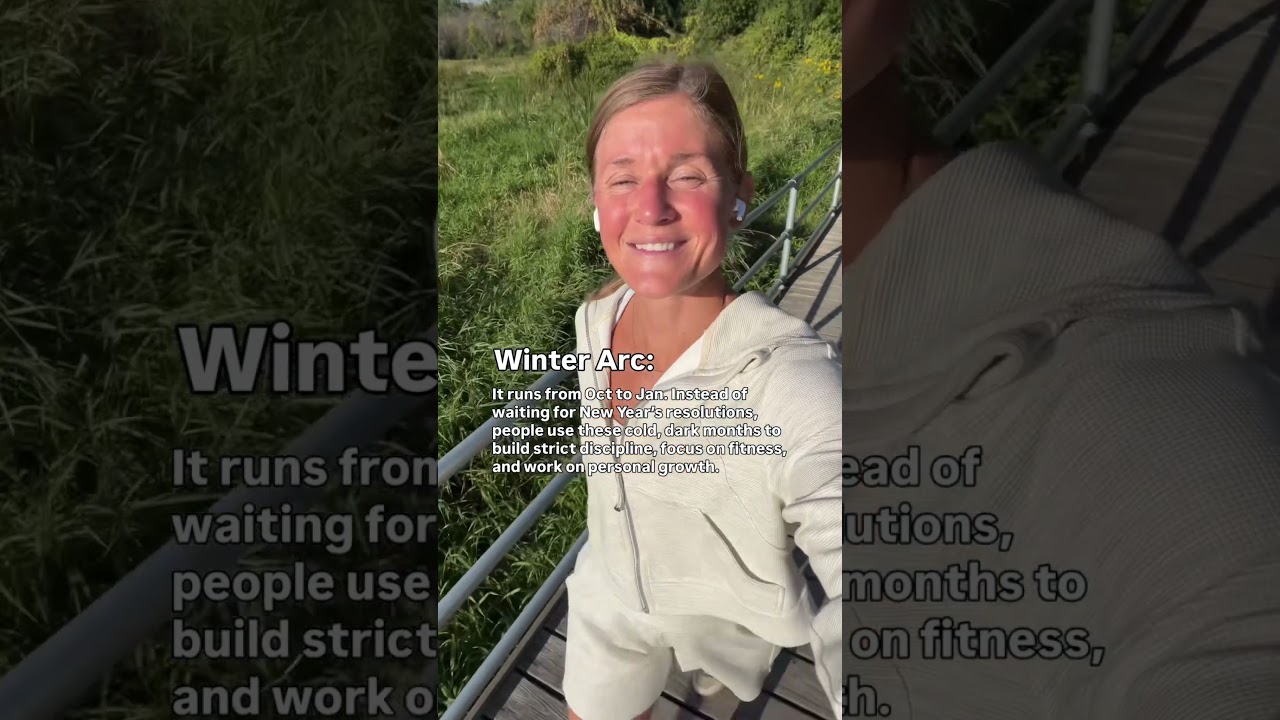
Here's my winter arc 👇 #shorts #winterarcchallenge #strengthtraining #workoutplan

The only lunchbox snack that always comes back empty 🥨 #shorts #kindlingpretzels #proteinpretzels
Strength training is the foundation. #shorts #winterarc #strengthtraining #workoutplan


I’m not waiting until January to reset ... Are you? #shorts #winterarc #12weekplan


LOCK IN your Winter Arc: our 12-week program starts MONDAY ❄️ #shorts #winterarc #workoutplan