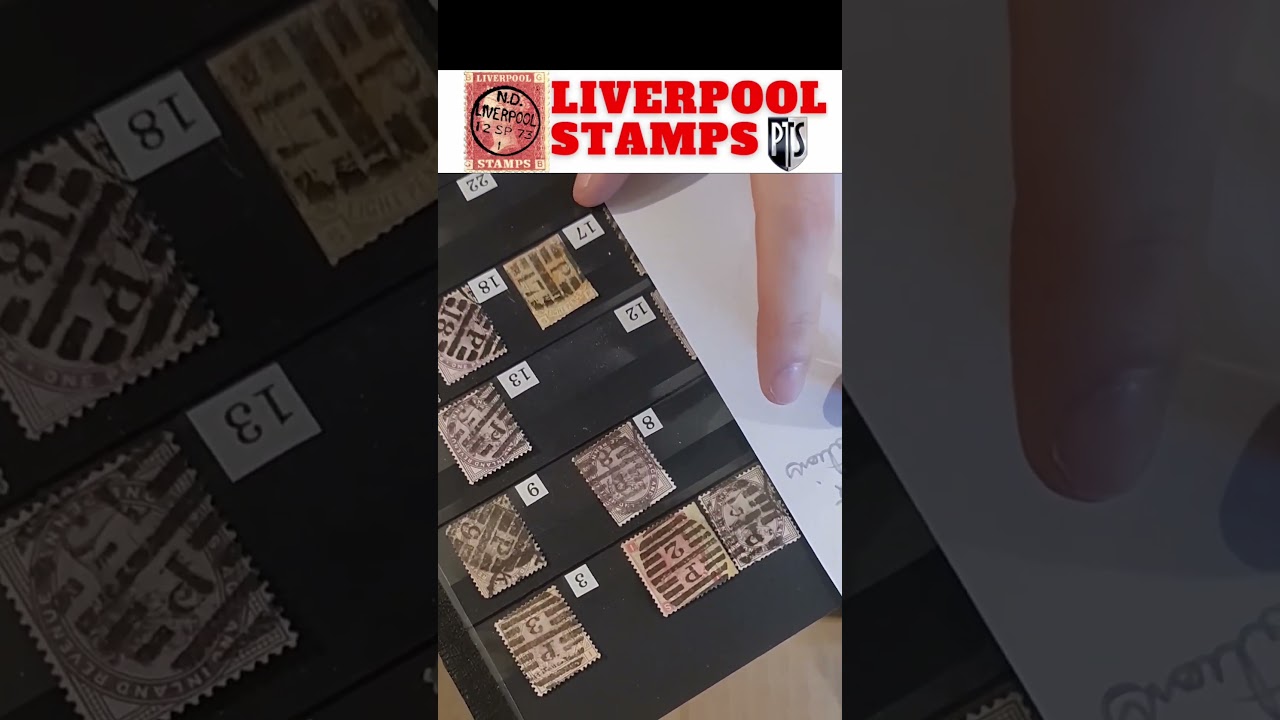
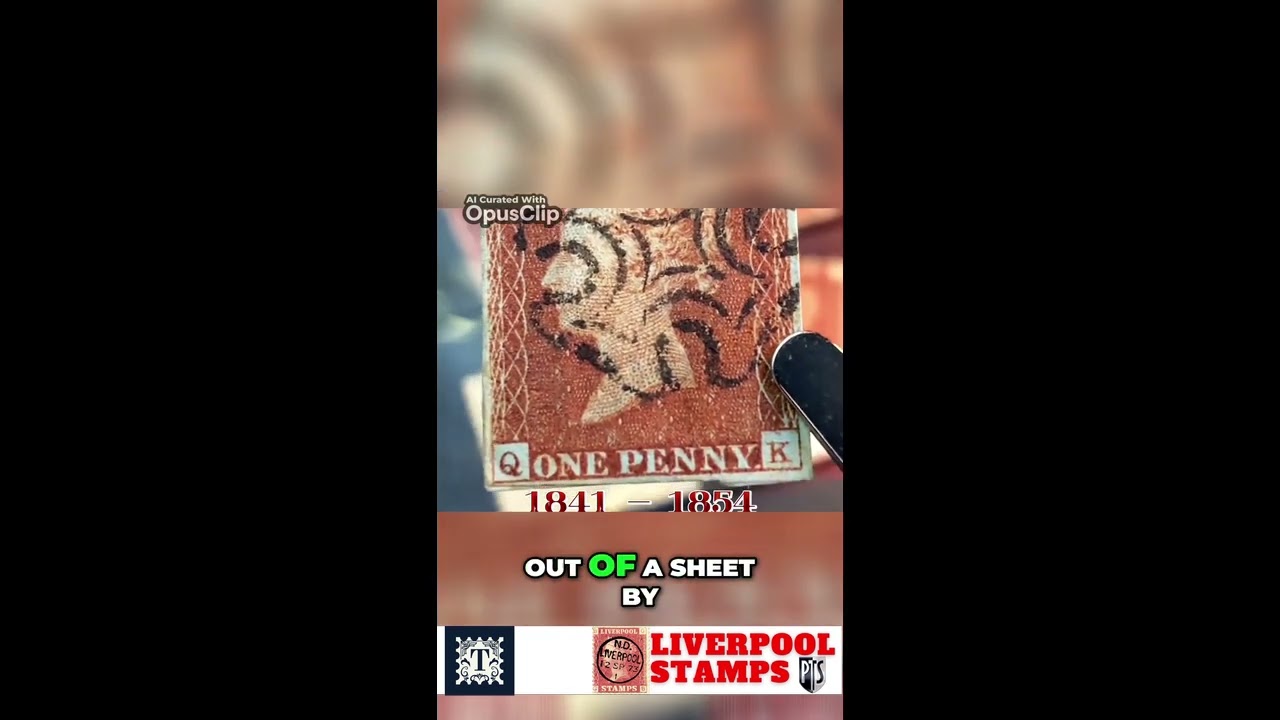
The video narrates the history and philatelic significance of the Victorian 1d Penny Red stamp. It begins with the 1839 Postal Reform Act, which introduced a uniform flat‑rate postage system and led to the world’s first adhesive stamp, the Penny Black. In February 1841 the Penny Black was replaced by the 1d Penny Red, featuring a young Queen Victoria’s profile. Initially issued as imperforate sheets, the stamps became perforated in 1854, greatly easing separation and preservation. Various cancellation marks—Maltese Cross, London, spoon, and CDS—served to post‑mark mail and deter fraud. The video explains why plated Penny Reds, identified by unique corner letters and plate numbers, are prized by collectors, and it explores additional variations such as perfins, underprints, inverted watermarks, plate flaws, and overprints. The narrative concludes that the Penny Red’s evolution reflects Victorian innovation and continues to captivate philatelists.
Chapters
Have you ever wondered how the humble postage stamp came to be? Well, settle in for a journey through time as we delve into the origins and evolution of one of the most iconic stamps in history, the Victorian 1d Penny Red. The tale of the Penny Red began in the mid-19th century, following the enactment of the Postal Reform Act of 1839. This piece of legislation revolutionized correspondence, introducing a flat rate for sending letters anywhere within the British Isles. The tangible manifestation of this reform was the Penny Black, the world's first adhesive postage stamp. However, it was soon replaced by its successor, the 1D Penny Red, in February 1841. The Penny Red was a beacon of simplicity and standardization in a time of complex postal rates. It bore the profile of young Queen Victoria, a symbol of her reign and the era it represented. Originally, these stamps were imperforate, meaning they had to be cut from the sheet with scissors. However, in 1854, a revolutionary invention, the perforation machine, changed everything. The introduction of perforations made stamps easier to separate and significantly improved their preservation. The Penny Red also featured various types of cancellations. From the Maltese Cross to London cancels, spoon cancels, and CDS cancels, Each served the dual purpose of marking mail and preventing fraudulent reuse. For the discerning collector, Plated Penny Reds offer a world of intrigue. These stamps, identified by their unique corner letters and visible plate numbers, hold immense value due to their rarity. But, the world of Penny Reds extends beyond plates and perforations. Variations such as perfins, underprints, inverted watermarks, plate flaws, and overprints add layers of complexity and appeal to this seemingly simple stamp. So, what have we learned? The 1D Penny Red, born out of the Postal Reform Act of 1839, simplified and standardized postage. The transition from imperforate to perforate stamps revolutionized stamp use and preservation. Cancellations serve practical purposes while adding variety to the Penny Red. Plated Penny Reds, with their distinctive features, are coveted by collectors. And the numerous variations of the Penny Red offer a world of philatelic exploration. Exploration. The legacy of the 1D Penny Red is undeniable. It has left an indelible mark on the world of philately, serving as a tangible reminder of a bygone era and continuing to captivate collectors with its rich history and diverse features. This iconic stamp truly embodies the essence of Victorian innovation and the enduring allure of stamp collecting.