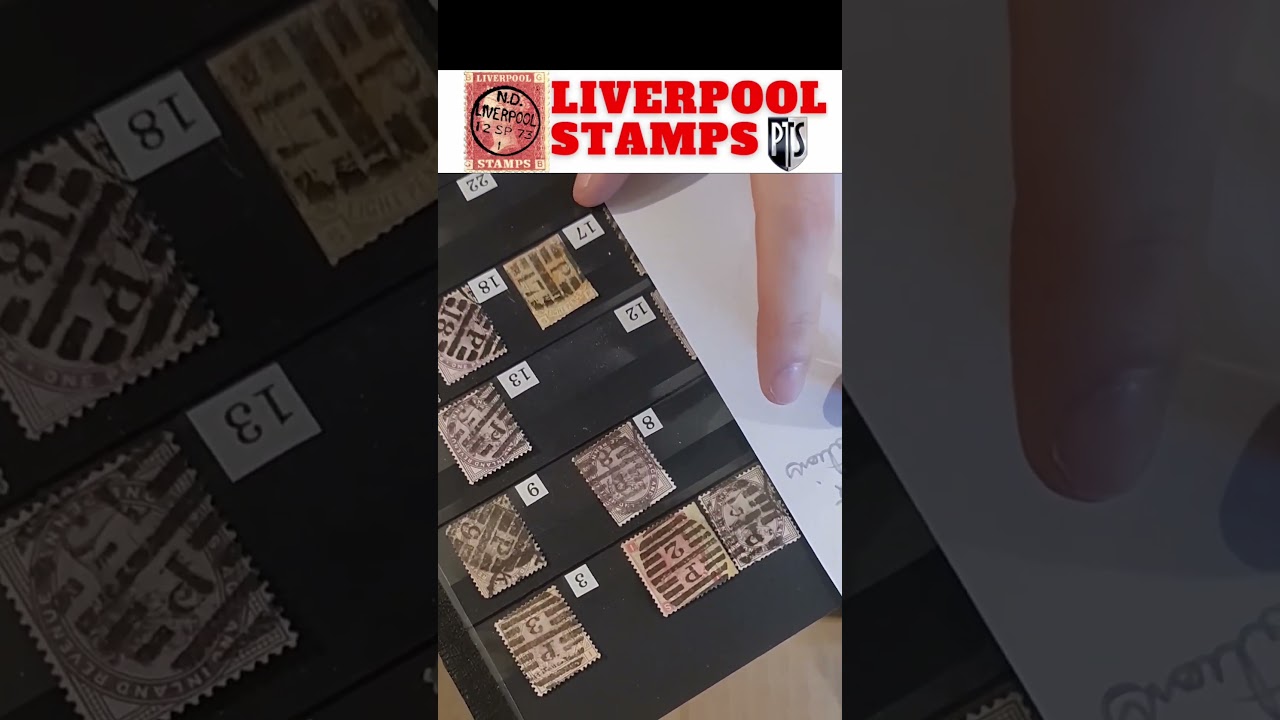
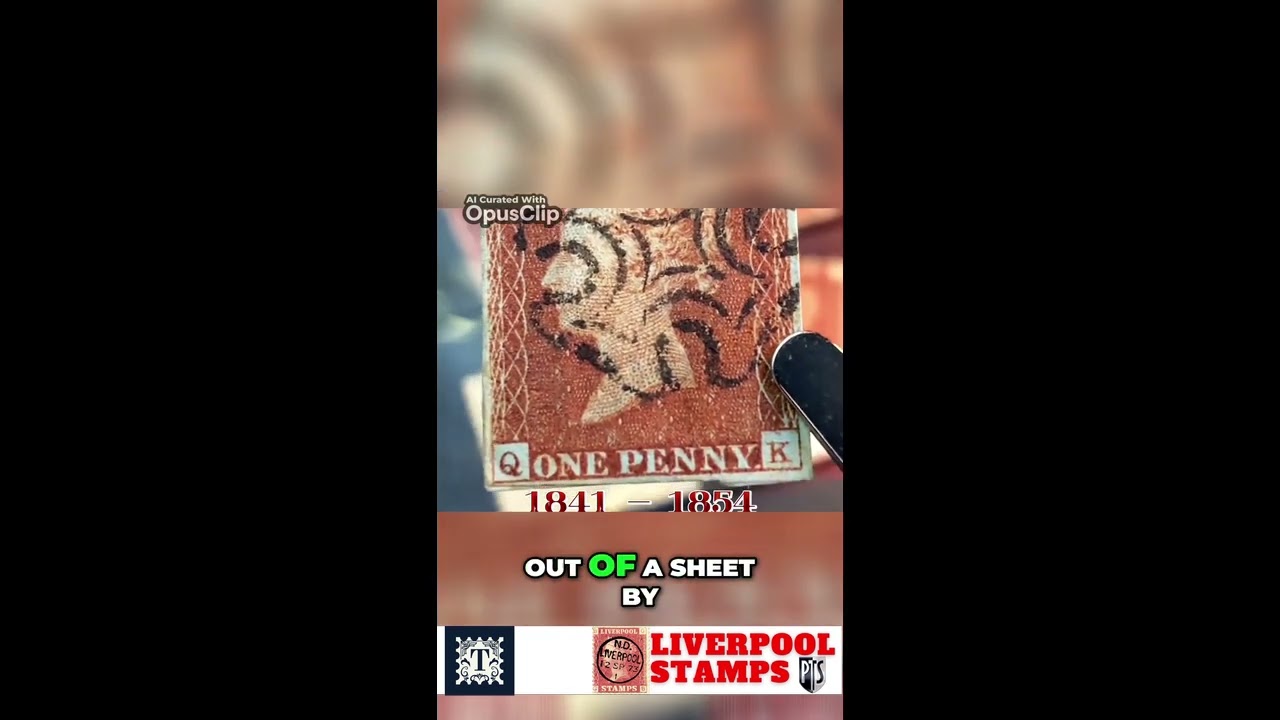
In this narrated YouTube presentation, Stephen Jones guides viewers through the evolution of postage stamps, beginning with the cumbersome pre‑stamp postal system where recipients paid based on distance and pages. He highlights Sir Rowland Hill’s 1837 proposal for a prepaid flat‑rate system, which led to the world’s first stamp, the 1840 Penny Black featuring Queen Victoria. The video explains the subsequent issue of faint cancellation marks on the Penny Black, prompting the introduction of the more practical Penny Red in 1841. The Victorian era’s prolific stamp designs are described as cultural snapshots, reflecting events and British identity. The narrative then shifts to contemporary philately, emphasizing that collecting Victorian stamps is a journey through history, and showcases Liverpool Stamps’ specialization in Victorian issues, offering albums, first‑day covers, books, and accessories for both seasoned and novice collectors. The presentation concludes by framing stamps as treasured historical artifacts that tell stories of their time.
Chapters
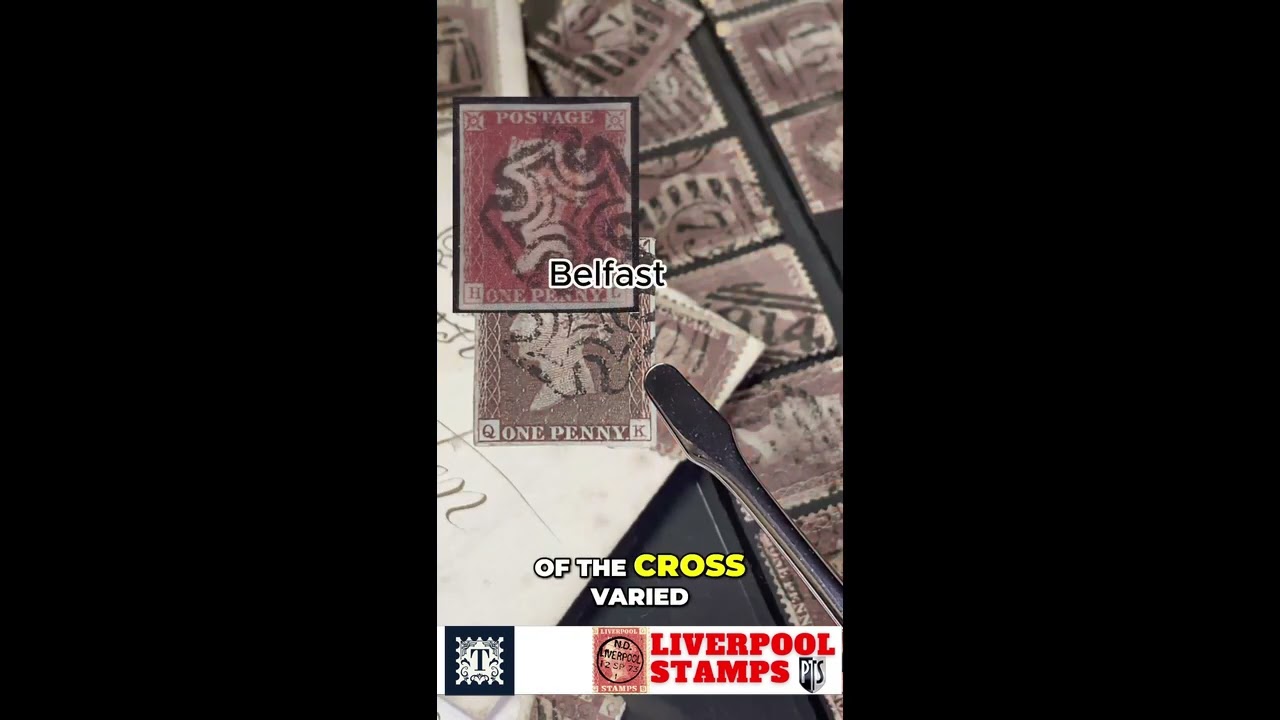
Imagine a world where communication is not as simple as a tap on a screen, a world where every message sent is an event, a journey. Welcome to the era of the postage stamp, a time when letters were the lifeline of communication, connecting continents, cities, and individuals. In the heart of this world lies the Victorian era, a period that revolutionized the postage system. Let's delve into the fascinating world of philately, the study of stamps, and take a stroll down the memory lane of British history. Before the invention of postage stamps, the process of sending letters was tedious and expensive. The receiver, not the sender, paid the postage, calculated based on the number of pages and the distance traveled. This system was far from perfect, leading to numerous instances of refused letters due to high costs. Enter Sir Rowland Hill, a man whose vision transformed this system. In 1837, He proposed a prepaid flat rate for sending letters, an idea that took root and blossomed into what we now know as the postage stamp. In 1840, the world saw the first postage stamp, the Penny Black, featuring the young Queen Victoria. This little piece of paper revolutionized global communication, making it affordable and accessible for all. However, an issue soon arose. The black cancellation marks on the Penny Black were not visible enough, leading to potential reuse of the stamps. To combat this, Queen Victoria introduced the Penny Red in 1841. The red dye of the stamp made the black cancellation marks more visible, preventing reuse and ensuring the system's integrity. The Penny Red became a symbol of Victorian innovation, a testament to the era's ingenuity. The Victorian era saw an explosion of stamp designs, each telling its own story. From commemorating significant events to celebrating British culture, these tiny pieces of paper became a canvas for the nation's identity. They were more than just a means to send letters. They were a snapshot of the times. Fast forward to today, and the world of philately is thriving. Collecting stamps is not just a hobby. It's a journey through history. At Liverpool Stamps, we specialise in Victorian stamps, offering a glimpse into this fascinating period. We also provide a range of philately paraphernalia, including stamp albums, first day covers, books, and stamp hinges. Whether you're a seasoned collector or a beginner, our collection is sure to captivate you. In summary, the postage stamp, a Victorian innovation, transformed global communication, making it affordable and accessible for all. The introduction of the Penny Black and Penny Red marked significant milestones in this journey. Today, these stamps are more than just a means to send letters; they are treasured pieces of history, Each telling its own story. This is the world of philately, a world where every stamp has a tale, every collection a history. So, step into this world and let these tiny pieces of paper take you on a journey through time. Welcome to Liverpool Stamps, your passport to the past. Thank you, Stephen.