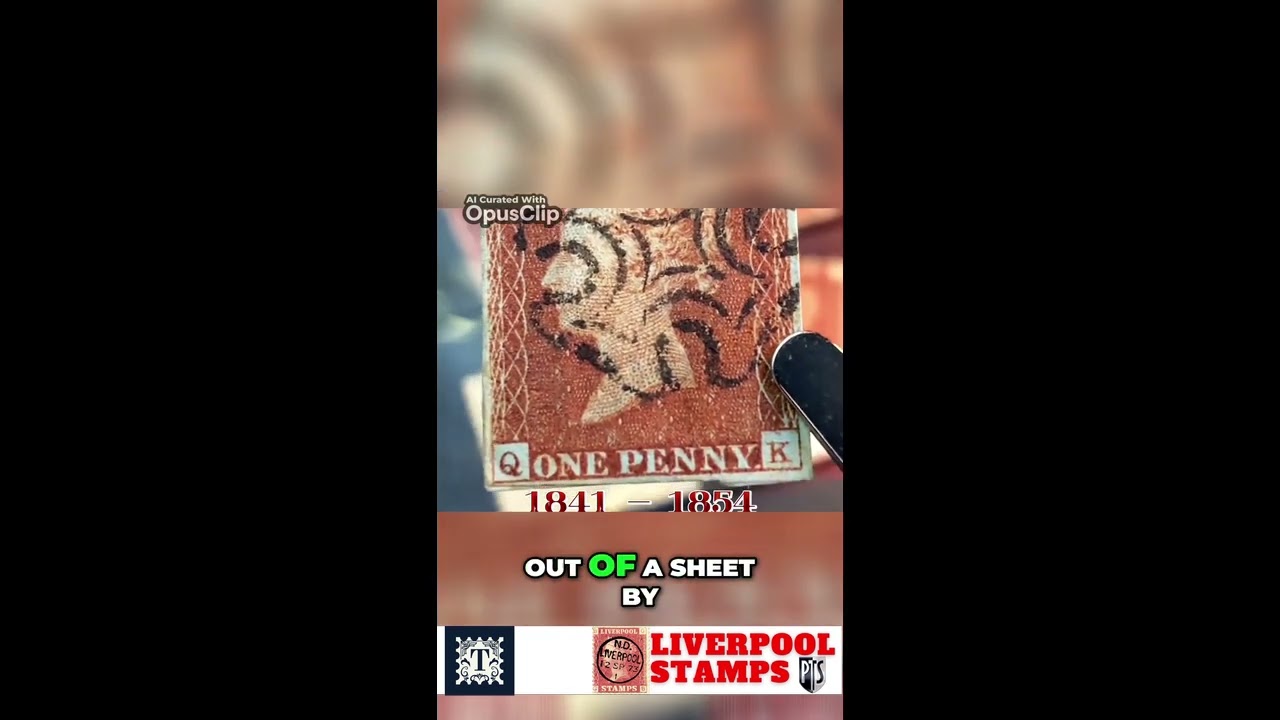
Sir Rowland Hill designed the Penny Black and Two-Penny Blue, the world's first adhesive stamps, which let people prepay postage instead of the recipient paying. The Penny Red followed in 1840 with a black border, and perforated stamps arrived that same decade. The US issued its first stamps in 1847, Australia in 1850.
Chapters
The Victorian era marked a period of significant progress in the field of postage stamps. The period from 1837 to 1901 witnessed numerous developments and innovations in stamp designs, materials, and printing methods. This period saw the rise of the postage stamp as an essential tool for communication, commerce, and art. In this blog post, we will explore the timeline of Victorian postage stamps, their designs, and their significance. The Victorian era began with the reign of Queen Victoria, and in 1837, the first postage stamps were introduced in Great Britain. The Penny Black and the Two Penny Blue were the first stamps to be issued, with the Penny Black being the first adhesive stamp in the world. These stamps were designed by Sir Rowland Hill, and their introduction revolutionized the postal system. Previously, postage was paid by the recipient, but with the introduction of these stamps, postage was prepaid by the sender. This made the postal system more efficient and reliable. The Penny Black proved to be too easy to forge, and it was replaced by the Penny Red in 1840. The Penny Red had a black border, which made it harder to forge, and it became the mainstay of the British postal system for the next 40 years. The Penny Red was also the first stamp to be perforated, which made it easier to tear the stamps apart. In 1847, the United States issued its first postage stamps, the 5-cent Benjamin Franklin stamp and the 10-cent George Washington stamp. These stamps were printed by raw plate engraving, which gave them a distinctive and elegant appearance. The use of these stamps became widespread, and they remain popular among collectors to this day. Australia issued its first postage stamps in 1850. These stamps featured the portrait of Queen Victoria, and they were printed in Sydney by the New South Wales government. These stamps were used in all of the Australian colonies until the colonies were federated in 1901.
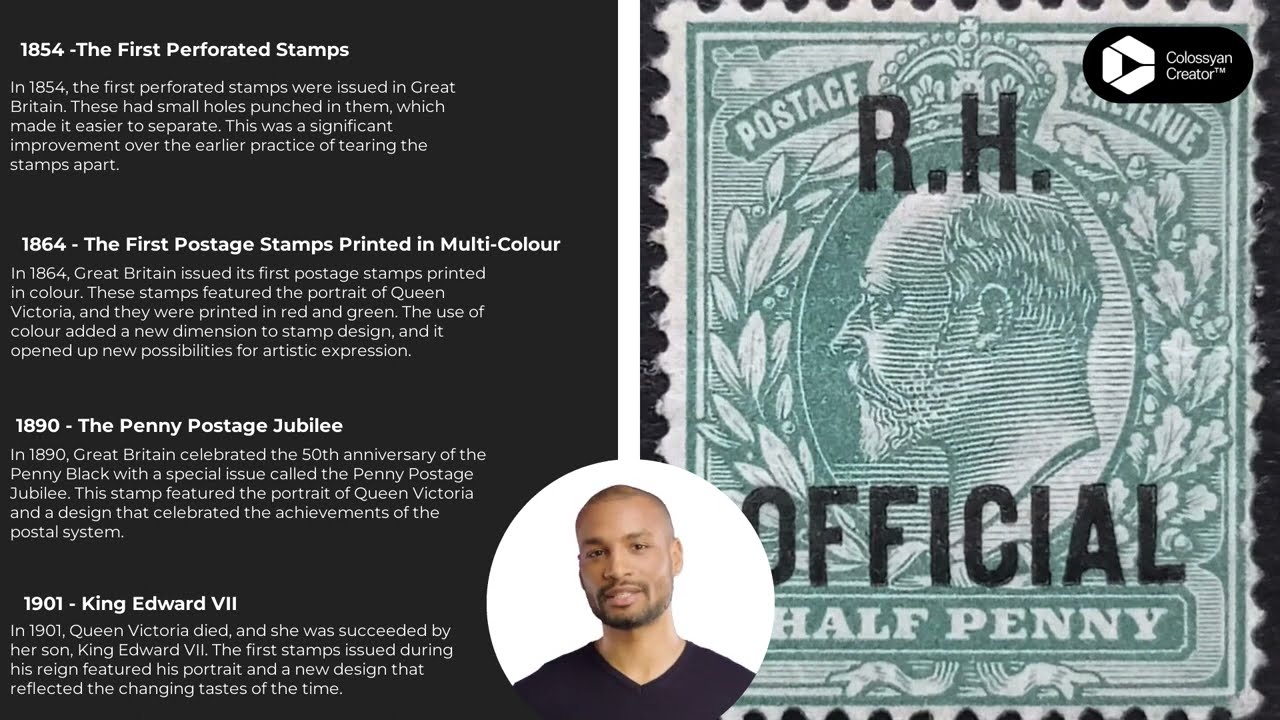
In 1854, the first perforated stamps were issued in Great Britain. These had small holes punched in them, which made it easier to separate. This was a significant improvement over the earlier practice of tearing the stamps apart. In 1864, Great Britain issued its first postage stamps printed in color. These stamps featured the portrait of Queen Victoria, and they were printed in red and green. The use of color added a new dimension to stamp design, and it opened up new possibilities for artistic expression. In 1890, Great Britain celebrated the 50th anniversary of the Penny Black with a special issue called the Penny Postage Jubilee. This stamp featured the portrait of Queen Victoria and a design that celebrated the achievements of the postal system. In 1901, Queen Victoria died, and she was succeeded by her son, King Edward VII. The first stamps issued during his reign featured his portrait and a new design that reflected the changing tastes of the time.