Coach Connect with Ryan | Build Strength & Resilience Against Osteoporosis Naturally
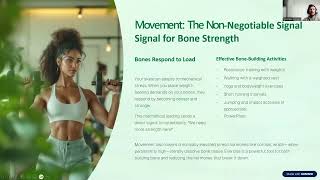
Ryan explains how bone is 35% collagen and 65% minerals, and why osteoporosis happens: nutrient gaps, gut problems, inflammation, hormonal shifts, and inactivity. He covers DEXA scores, which foods and supplements rebuild bone, and why weight-bearing exercise matters more than the drugs most doctors prescribe.
Chapters
Welcome. I'm Coach Ryan, and today's presentation is about something that affects millions, often silently, until it's too late. And that's osteoporosis. But this isn't your average. Take a calcium pill and hope for the best kind of talk. We're going to explore what osteoporosis really is, why so many people, even young women, are now developing it, and what it takes to rebuild bones naturally. Most importantly, I'll be walking you through a functional medicine approach that focuses on nutrition, gut health, movement, mindset, and hormone balance, because those are the true root causes. So if you've been told you have osteopenia or you just want to future proof your bone health, you're in the right place. And let's get started. Let's debunk the myth right away. Bones are not just solid calcium. They're living, dynamic tissues that breathe, respond, respond and adapt. Your bones are composed of 35% collagen protein, and this gives the bones flexibility, which is just as important a strength. The other 65% are minerals. Yes, calcium, but also magnesium, phosphorus, potassium, and trace minerals like zinc, copper, and boron. And inside the bone is marrow, where your red and white blood cells are made. So bone health is also immune health, too. When we only focus on calcium, we miss the bigger picture. And let's not forget, without collagen, bones become brittle. This is why plant based or low protein diets can sound like set the stage for fractures, especially in older adults. Bones are constantly remodeling, which is a process where old bone is broken down and new bone is rebuilt. Think of it like spring cleaning. But for your skeleton, there's two key players that also help to run the show. We have osteoclasts, which break down old and damaged bone. And then we have osteoblasts, and this builds new bone. When we're young, these two stay in balance. But aging, stress, poor sleep, processed foods, lack of movement and hormone shifts tilt the scales in favor of the osteoclast. If nothing is done to support the builders, your osteoblast bone breakdown outpaces rebuilding. That's when you see losses in bone density. So the key takeaway here is that you need the right building blocks and lifestyle signals to keep those osteoblasts doing their job correctly. There's a lot of confusion about osteopenia and osteoporosis, so let's clarify this a little bit. But first we need to find out how to get bone mineral density score, which can be Found through a dual energy X ray, otherwise known as a DEXA scan. Once we have that number, then we can figure out if you have osteopenia, which is early bone loss. And this is indicated with a T score between negative 1 and negative 2.5. And then or osteoporosis, which is advanced bone loss and indicated with a T score below 2.5. But these aren't two different diseases. They're part of the same process, kind of like slipping down a slope. Osteopenia is already a red flag. It is not pre disease. Osteopenia is already disease. Many people don't realize they have bone loss until they fractured a wrist or vertebrae after something minor, like sneezing, tripping, or even lifting the groceries. And here's the kicker. Osteoporosis is often silent for many, many years. That's why we don't want to wait for symptoms. We you want to act early, especially if you're in perimenopause or post menopause, when bone loss accelerates due to the falling estrogen levels. So let's go beyond the surface and look at the root causes of bone loss. Because age alone doesn't just cause osteoporosis. Otherwise everybody would get it. Here's what actually drives bone breakdown. Number one, nutrient deficiencies. Most people are low in vitamin D3K2, magnesium, and trace minerals. These are all essential for calcium to actually go into the bones. Number two is gut dysfunction. Even with the perfect diet, if your gut isn't absorbing nutrients, your bones won't get exactly what they need. Think things like acid blockers, leaky gut and food sensitivities that all impact gut dysfunction. Number three, chronic inflammation. Inflammation activates those osteoclasts, the bone breakers. This is often driven by sugar grains, seed oils, poor sleep and stress. Number four, hormonal imbalances. So things like low estrogen, low testosterone, and high cortisol all slow down that osteoblast activity. Number five is a sedentary lifestyle. Bones need stress to stay strong. Sitting all day tells your bones that they're not needed. And number six are medications. Common drugs like PPIs, corticosteroids, and even some antidepressants block nutrient absorption or directly increase bone loss. The good news, though, is that all of these different factors are all modifiable and changeable. If you've been prescribed drugs like Fosamax or Beneva. Let's talk for a little bit. These drugs work by shutting down your osteoclasts so your body can't break down old bone. Sounds pretty good, right? But here's the problem. Your bones stop renewing themselves. That's the main issue there. That means old, brittle bones stay in place and your risk of spontaneous fracture actually significantly increases. Because of this, there are many who have actually broken their hip simply just standing there. And others have cracked their jaw just simply by chewing. These are side effects of these medications and not the condition itself. And many oral surgeons actually refuse to do implants on patients taking these drugs. Why? Because the bone doesn't actually heal. We want bones that are dense and resilient, not just thick with no flexibility. That's where nutrition, movement and hormones all come into play. So let's talk about what actually builds strong bones beyond just calcium. In functional medicine, we take a food first, root cause approach. And when it comes to bone health, there are five key nutrients that are foundational. So let's talk about what actually builds strong bones beyond just calcium. In functional medicine, we take a food first, root cause approach when it comes to bone health. And there are five key foundational nutrients. The first one is vitamin D3 D3 helps to absorb calcium through the gut. Most people are low, especially in the wintertime, so ideal levels are between 60 and 80 nanograms per milliliter. The second nutrient is vitamin K2, especially the MK7 form. And this makes sure that calcium goes into your bones and not into your arteries. Without K2, calcium can end up in your joints and arteries, increasing the risk of things like heart disease. Nutrient number three is magnesium. Magnesium activates vitamin D and supports over 300 different bodily functions. It also helps regulate calcium. It often is depleted by stress, caffeine and poor diets. So very, very common to be depleted. Number four are trace minerals. So things like boron, zinc and copper and manganese all build the collagen matrix inside of bones. These are found in organ meats, shellfish, nuts and seeds. And then we have collagen protein, and this provides the flexible framework that minerals attach to. Without collagen, bones become brittle. We get collagen from bone broth, slow cooked meats with skin, or a collagen peptide supplement, which is very, very common. So let's take a look at some of the best sources of foods that include a lot of those different nutrients. First we have egg yolks, which provide a great source of vitamin D3, K2 and vitamin A. The next we have grass fed liver, which is nature's multivitamin and contains all the essential nutrients for strong, flexible bones. There is a brand new Company called Pluck that is actually taking liver and they're breaking it down into seasonings. So for those that don't necessarily want to go and eat liver, then you can actually have the seasoning. So it'll help to give a little bit of spice into a lot of your different meals that you're creating. You're getting a lot of those benefits that you would is if you were eating grass fed liver, which is awesome. Number three are sardines with bones. And this gives you a great source of calcium and omega 3s. Then we have leafy greens which offer a great source for magnesium and potassium. And then of course, as mentioned before, bone broth. This delivers collagen, glycine and trace minerals. And on a quick note, if you've ever had your gallbladder removed, you'll need bile salts to absorb these fat soluble nutrients like vitamins, vitamin D, K2 and A. This is optimist, especially in women over the age of 40. So the bottom line is that your bones don't necessarily need more pills. They need nutrient dense real food that supports repair, flexibility and strength from the inside. One of the strongest signals your bones respond to is load. And that means gravity resistance and impact. Your body adapts to stress by building stronger bones. No stress, no signal. The best bone building movements include weightlifting and even just using body weight with good form works extremely well. Walking with a weighted vest on. This adds bone friendly load to a low impact form of movement. Then we have yoga and Pilates, great for posture and balance, jumping and rebounding. This is a great strategy for sending bone building signals throughout the body. But for those that it's appropriate and for those that are able to do that. And then last we have the power plate. The Power plate is an awesome vibration tool. Uses vibration technology to stimulate muscle contractions and improve bone density. Making it an extremely beneficial tool for supporting bone health in individuals with osteopenia and osteoporosis. And also preventing those things. We know appropriate movement actually lowers cortisol as well. And as we know, cortisol actually eats away at the bone. So if you're stuck in a stress mode or not sleeping very well, movement actually becomes even more critical. Not just for your muscles, but also for your entire skeletal system. Your gut is where bone building nutrients are absorbed, but only if it's functioning well. Poor gut health leads to malabsorption, especially with things like calcium, magnesium, vitamin D3, K2, which again are all critical for that bone strength. Plus chronic gut inflammation can trigger leaky gut which activates the immune system and drives inflammation, turning on your bone breaking osteoclast. So those medications I mentioned before worked on pump inhibitors. They suppress stomach acid, but acid is absolutely necessary to absorb minerals. So long term use actually increases that fracture risk. The gut microbiome also helps to regulate estrogen metabolism. So disruptive microbiome can affect hormonal balance as well. To improve gut function, eat fermented veggies, add more fiber, reduce processed foods. And if you've had your gallbladder removed, remember to take those bile salts to help you absorb those fat soluble nutrients. Your bones are only as strong as what your gut allows them to be able to absorb. So your hormones don't just affect your mood, they literally tell your bones what to do. Estrogen protects your bones by slowing the activity of osteoclasts. When estrogen drops like during menopause, bone breakdown actually accelerates. Testosterone and progesterone are also involved. They promote osteoblast activity, helping you build new bone. And let's not forget cortisol, your chronic stress hormone. When it stays high, it breaks down collagen and the bone matrix. So to protect your bones, we have to support hormone balance. Start with sleep, stress reduction and especially eating enough healthy fats, because hormones are literally built from those healthy fats. Also avoid plastic containers and conventional cleaning products as these contain hormone disrupting chemicals. And finally, if you're over 40, consider working with a practitioner to test and optimize your hormone levels. Bioidentical hormone therapy may be a very smart option for you, but that of course would be a conversation between you and a practitioner that that is licensed to do that. Hormones are messengers and when they're balanced, your bones know exactly how to thrive and build properly. So let's bring it all together into a plan, an actionable plan that can work for you. Number one, eat nutrient dense whole foods. This is probably the most important piece of all this. So prioritize collagen rich proteins, organ meats, wild fish, eggs, vegetables. Skip the grains and the dairy as they can be inflammatory and block absorption. Number two is to optimize vitamin D3 and K2. So go and get tested again. Those ideal levels are between 50 and 70 and all the way up to 80 as well. Combine D3 with K2 for the best results. 3. Move with purpose. So lift, walk and stretch. Giving this three to five times a week is perfect, especially if you're doing that weight bearing load, so some lifting. But above all else, consistency will always be intensity. So we want to be consistent. We don't necessarily care about intensity. So doing this routine five days a week is much better than doing it one day a week, even if that one time is extremely intense. We want to balance your hormones, so especially postmenopausal with that low estrogen, accelerating that bone loss, and heal your gut. So addressing things like bloating, reflux, ibs, and those food sensitivities. If your gut is inflamed, your bones are going to be undernourished no matter what. Remember, bone loss doesn't just happen overnight, and neither does rebuilding, but your bones can become stronger. It takes consistency, not perfection. With the right tools, you can age with strength, confidence and flexibility. So let's build better bones starting today. Thanks for watching.
More from Lori



Does Estrogen Cause Breast Cancer? Dr. Felice Gersh on Hormone Therapy, and Risk.






Spirulina in the Morning, Chlorella at Night? How to Use Algae in Your Daily Routine