Kelly & Lori Live – May 12, 2026 💬 | Functional Medicine, Metabolism & Healthy Living
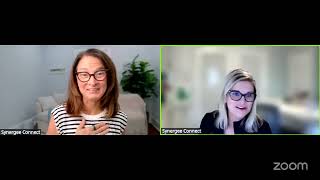
In this live YouTube conversation, functional‑medicine clinician Lori Esarey, MS, APRN‑C, ABAAHP, and host Kelly discuss why creativity matters for health, especially for women navigating perimenopause and menopause. They explore how creative activities replenish energy, boost dopamine and serotonin, and support cognitive longevity. The hosts link low motivation and emotional fatigue to hormonal shifts—particularly insulin, cortisol, and sex hormones—and recommend foundational lifestyle checks (sleep, nutrition, stress management) plus comprehensive hormone testing. Audience questions trigger a deep dive into burnout, the multifactorial nature of motivation loss, and the role of creative space in brain health. Practical, low‑cost creative ideas (coloring, journaling, cooking, gardening, crafting, The Artist’s Way) are shared, emphasizing the need to carve out time for creativity. The dialogue underscores the value of “wise women” mentorship during hormonal transitions and promotes an upcoming webinar on functional health and creativity.
Chapters
It's live, Kelly!
Live! I think we made it! Yay! Yay! We've crossed the threshold of technology. Amazing, amazing. On a Tuesday night.
On a Tuesday night. It's good to see you, Kelly.
Good to see you, Lori Esarey MS. Always good to see you.
So excited to be here. Yeah, absolutely. So, um, I, you know, we always get the pleasure of coming together and having conversations, real live conversations, all about health and well-being, and typically women's health. But tonight we get to have the conversation about creativity. So yeah, and I bet you people are wondering, why creativity, Kelly? Why are we talking about creativity?
I, I feel a little silly talking about creativity because I've never really considered myself like a creative person for some reason. I don't know if that comes from childhood, I really don't know. I have to work hard at it. Um, but it's so important. It's important to, to express ourselves and figure out unique ways to do that. Um, I, I think the most creative thing I do is getting out my calendar each year and putting my stickers in my calendar and just planning everything out for the year. I guess planning trips can be creative. So I don't know about you guys, I don't know about our listeners tonight, you know, how do you guys think of yourselves in the way of being creative or not? And then What is it that you like to do? What about you, Lori?
Yeah, well, I think creativity is a, a very important topic for a couple of reasons, because I do think that oftentimes we don't really plan time to be creative. But one of the things that I have found is that, um, as I am expressing myself— because that's kind of how I see creativity, right?
Expressing yourself.
Yep. So as you were expressing yourself, but, um, as I spend time doing the things that may take energy in being creative, whether that is, you know, uh, whether it's coloring or, you know, I know a lot of people are doing those diamond dots. My mom's been doing those diamond dots lately. Um, um, putting stickers on a calendar or, you know, reorganizing a drawer or a room or whatever. It takes energy to do that. But the reality is, is it gives me back. So much more than the energy that it took to expend it. And I think one of the things you and I talked about in that is, why do we think that is? Why is it that something that takes energy actually fills us back up? And I think that's the reason why we need to have this conversation tonight, because in a world full of so much distractions and so many things that we're doing and going and got and deadlines to make, you know, we don't think about carving out time on our schedule for the things that are creative, but yet it's the one thing we probably need, not necessarily the most, but probably up there alongside of the other things we talk about all the time— what we eat, what we drink, you know, how we think, how we move. All of those things are important, but creativity is important too.
It is. And for those of you that are listening and saying, I don't need one more thing to do, I feel you. I really do feel you. But I think you're right. I think anytime we, um, are allowed to express ourselves, get getting into something that we really enjoy, seeing it play out, like putting the stickers in the calendar, planning, thinking about the future. I think that generates excitement and joy and, um, and all the things that we want to make sure we're having in our life that we're carving out time to do and harness. So you guys have been really good. You've sent us some questions. We always want to make sure that we are speaking to the things that are really on your mind and on your heart. Like, what do you want to learn about your health and well-being, especially as you transition through the different opportunities of life, like perimenopause and menopause? All those are opportunities to learn, right? So we really appreciate the connection with you guys, and we really appreciate you sending in questions for us to ponder and really dig into while we're here together.
Yeah, for sure. For sure. So what question are we starting with tonight, Kelly?
Yeah, so let's see what we have. So one of the things that, that came up was we had someone write in that they used to be curious, motivated, creative, and full of ideas. Now she feels emotionally tired, disconnected from things that once brought her joy, and she's wanting to know, is this hormonal? Is this just a stress response? Do I have burnout? Um, what should I be thinking about in this regard? And then what should I do about it? I thought that was really good because, I mean, how many people feel like that? You know, they're like, uh, I feel like I've lost my oomph. Yeah, I feel like I lost the thing that used to make me happy.
We see that a lot in the clinic, you know, and I think when you have that, um, dark cloud, that just, that maybe feeling of oppression, maybe not necessarily depression, but just that motivation for life, that, that, that, that burning desire to do. It's where do you start with that? Like, what is that about? And I think it's multifactorial. Like, at the end of the day, we always have to go back to, you know, how are we fueling our body? Because of course, some of the foods that we eat can create drag on the system. If we're eating more sugar, higher insulin can make us feel that way. If we're not getting enough sleep, sleep can— or lack of sleep can definitely make us feel that way. Very low resilience. That adaptability, that ability to— we say when life throws you a curveball, being able to shift your stance and still hit that ball, right? Like, all of those things can naturally cause that. But all of those things, you heard it, they're choices that we made are creating, or sometimes made for us, they are changing hormones. So I agree that I think that a big component to that is hormones. You heard me say insulin. Which insulin can make us feel super tired, like we're just dragging. It's pulling that extra ball and chain everywhere we go, like the Little Engine That Could. And then cortisol, of course, making us feel tired, and that disrupts all your other hormones too. But where do you start with that? You know, if you're feeling that way, where do you start with that, Kelly?
Yeah, and some of you are thinking, well, I mean, I've done all these things. I've eaten the same way. I'm moving my body the same. I'm sleeping the same. And I used to feel fine doing all those things, and now I don't feel fine, right? And so yes, hormones can— as they shift, we could start losing resilience, losing the ability to bounce back. And just because you were doing all those things before and not really seeing a consequence doesn't mean you won't see a consequence as we get a little bit older. So I agree with you, starting with the basic things, and you're going to always hear us talk about the basic foundational things like sleep, what we're eating, our stress response, even hydration is super important. But if you're doing those things, or if you're just really wanting to know more, I say test your hormones, you know, and get a good comprehensive look at stress hormones and sex hormones, you know, not just one hormone cascade. Lori mentioned insulin. I would be looking at insulin levels. I would be looking at inflammatory burden just to kind of get a good idea of like, where are you? So that you know what's the next best thing you can be doing to kind of get yourself back. And then sprinkling in some fun, sprinkling in some creativity, making sure that we're looking for opportunities to find joy because we're going to find what we look for. And if we're looking for joy, if we're looking for little small nuggets of things that we can be happy about, we're gonna find them. And so making sure that we're creating space, as Lori Esarey MS said, creating space for those things. So that they have an opportunity to blossom. Yeah.
And I think one of the common things that I have seen in the clinic routinely, and I have personally experienced it, if we're going to get really real here, we're going to talk about things that we've experienced. Like, you know, Kelly, when it is time for you to have your pellet again. Let's get personal, right?
Oh, for sure. Yeah.
Hormones. You know that. Yes, we know when it's time. Yeah, you do. And I would say the same thing. Like, we know when our hormones are out of balance. If you have seen it before, and it's been— you've been working at getting it corrected. And maybe a person's on here today saying, you know, I'm doing those things, I'm working with a practitioner, and, you know, I feel like my hormones have been good, right? But all of a sudden I've lost some of that, that edge, or whatever that is. Part of the exploration is going back because hormones aren't a set it and forget type thing. It is extremely important that they're reevaluated regularly. Because you don't put silos on and just look at your sex hormones. You have to look at your hormones, the hormone cascade. So I just kind of wanted to remind everybody that, you know, maybe you're already even doing a hormone thing, but have you been back to really reevaluate those? And that's what you said is, is going back to, you know, the testing and getting them reevaluated. And sometimes, you know, I, you know, I have to think about even nutrients. You know, there's a huge metabolic demand. We always say it's extremely metabolically expensive to be off track from a food standpoint, from a sleep standpoint. And sometimes we're just not getting the right nutrients in too. So we really—
it's metabolically expensive to live. Really, among other expenses, it's metabolically expensive to live on this earth, right? We encounter so much in the way of chemicals and hormones in our food and things like that that we do have to make sure we're able to offload. And minerals and keeping ourselves nutritionally fit is a big part of that. So it doesn't take much to get us kind of on the wrong path, hormonally speaking, and nutrients are number one.
Yeah, yeah, very much. Yeah, before going on to our next question, I kind of wanted to go back to a conversation you and I had just as we were, you know, talking ahead of time before going live and just wanted to bring it back up because I think, um, when I think about creativity and I think about what that word really means, I think about how is that really— how does creativity and brain health go hand in hand? Um, and I think sometimes we simplify creativity down into maybe the definition of creativity is creating something new or meaningful, and it is. I mean, that's true, it is. But creativity can take other— can, can look, look differently too. Like, the brain loves creative space. Um, it could be solving a problem. It could be how do we adapt in a situation. It could be sitting there and imagining possibilities. It doesn't necessarily have to be active energy. It is space that you create to let the brain do it. It knows how to do, but you got to give it the space to do it.
Yeah, absolutely. And I think one of the things that I like to do in meditation to kind of drive some creativity is really letting my brain think about nothing and see what filters in for a little bit, maybe 5 minutes, just like let— and it's, you know, all kind of things start showing up and then focus on something specific for 5 minutes. And it's, it really is amazing how that does change the way that the brain works for creativity purposes. If there's a problem you're trying to solve, or something that you're really wanting to plan for, or you really are excited about a day and you want it to go well and you want to experience certain things for that day, like your wedding day or your graduation or whatever. Um, it can be a really fun exercise to kind of get your brain in that space to be able to do those things.
Yeah, I love that. Yeah, I love that. Yeah, yeah. I mean, and creativity can look like, you know, cooking a meal. It could be gardening. Some of you love being outside and gardening. Um, it can be building a business. Some of you are strategic planners. Sometimes, you know, some of you love to storytell, and that could be storytelling in a journal, that could be storytelling verbally. Um, it's learning a new skill. I mean, Maddie Dishwall talks about ageless aging in her book, and she talks about, you know, learning a new skill and how important that is. And that takes obviously active energy to learn that skill, but also it takes the— it takes time and space to be able to do that and to, you know, come up with, you know, what is that new skill I want to learn.
So yeah, I always do admire my friends that are serial artists, you know, painters, and then they'll do pottery. And like, I, I just think that it's amazing. I truly do. Now, am I gonna do it? Probably not. I painted my dad a picture one time for Christmas. And he was like, he's like, I don't get it. I was like, you're supposed to love anything your child brings to you. You're supposed to like have a fit over it. He was not exactly excited. So, you know, some of us are just not meant for that type of creativity.
But, um, but you know, Kelly, they do have those places like Painting with a Twist that they kind of give you all the instructions and, you know, and then you can walk out and you don't feel bad about what you did because they, you know, because everyone's looks a little bit different. Um, I was the one that always looked way different than the guide, right? Mine always looked way different, but I'm like, I'm different, right? It's okay.
It's your signature. It's your signature.
I love it. Well, give us another question there.
Yeah, so our next question is, I keep hearing women say that perimenopause changes perimenopause changes them. Sometimes it feels like everything is shifting emotionally, mentally, and even spiritually. What if this season is just asking us to reconnect with who we really are underneath? I thought that was really good insight— more, more insight than question— but I absolutely agree, um, that sometimes we just need to give those things space to see what emerges. I think that if we're not careful I feel like menopause, perimenopause, and menopause is an opportunity to rearrange and decide what we really, really enjoy and really want to focus on for the rest, the next phase of our lives, and what needs to go to the wayside and be given up or passed down or whatever. And I think oftentimes we crash into menopause and we're forced to do a remodel, right? Lori's laughing because she knows, she knows. And I think about what would I have said to myself in those years? Like, what would I have done differently had I had more insight and more wisdom? And maybe I should have had an older friend coaching me through what that could potentially look like. But I think that's great insight. I think it's an opportunity to really harness the things that are most important to us. And to rearrange some things. What would you say about that, Lori?
Well, I'm gonna go back to having that friend that's a little older than you.
Um, don't know who that is.
Phone a friend. And yeah, I do think it's, it's extremely important to have people in your life that, um, you know, we say wise, wise women, right, who have gone before. And sometimes learning by the things that they did that they wouldn't do again. You know, sometimes it's learning from the things that they did that they would do again, but it's having an opportunity to not feel weird, you know, it's, you know, or feel frustrated. It's having a person to really connect with walking through it. But I thought it was very insightful as well. And I think it bears going back and maybe repeating some of the keywords of what you just said and bringing them back up again because as you kind of went through that, there was so much in that statement.
Yes, as she said, sometimes it feels like everything is shifting emotionally, mentally, and even spiritually. And yeah, I think it is. I think our awareness changes during that time. Um, I think our priorities change during that time. And oftentimes that time is when we have maximum demands. We've built a career that we're happy about, but it takes a lot of energy and time. Our kids are getting a little bit older and need to be taken and many different locations every single day. And oftentimes our parents are getting a little bit older too. So there may be layers of demands that just get kind of heaped on us, and it forces some of that thoughtfulness about how we, we ask for help, you know, and how we, how we handle things day to day.
Yeah, for sure. For sure. And I think we have to remember that, you know, creativity, if we really think about the value of creativity, you know, creativity supports our, our cognitive longevity, like our health of the brain, the not long, not living longer, but living longer and vibrantly, which is extremely important. Creativity actually increases dopamine and serotonin. So dopamine, joy, serotonin, happiness, and who doesn't want to have enhanced memory and learning? Like, who doesn't want to do that? So, you know, that whole connection between appreciating the opportunities that perimenopause and menopause give us, while at the same time recognizing that carving out time for the necessary things like creativity kind of maybe re-sparks us too, right? Um, finding— I, I can't tell you how many times we're talking about reinventing ourselves during this time frame. Like, how are you reinventing yourself?
Absolutely. I would love to hear how you guys are reinventing yourselves. Um, definitely give us feedback on what that looks like to you, what you're thinking about, because I think it's— it is a very powerful time. It can feel disempowering at times, but I think it's a very powerful time. I mean, I think about the wisdom that we have. I would not go back to my 30s if you paid me.
I'm right there with you.
That I needed to have the power without the control. And, um, but I, I think that, um, having the wisdom now is just such a powerful place to be. And oftentimes we get hooked into the next best thing, wanting to look like a certain way, wanting, you know what I mean? Like we just get, we're consumers and we just get hooked into all the things that we think we have to have in order to be well, um, or to be okay. And I think we have to be careful with that and really think about what do I actually need? What do I want to be investing in? And, um, it can be a really powerful time, a really good time.
Yeah, I'd love to hear what other people are doing for creativity. Um, you know, I mentioned earlier, I, I get into conversations sometimes with, you know, a lot, um, with my very wise mama, and, um, she is most recently— I mentioned it a little bit earlier, I was telling you about it earlier this week, right, about those—
I had no idea what they were. Yeah, I've never heard of— they had to look it up.
And she's absolutely loving it. And it's not just the hand-eye coordination, it's, uh, you know, a bunch of colors. But at the same time, she's making gifts for people. Like, at Christmas time, she made a bunch of ornaments for all the grandkids and kids. At Easter time, she made some really cool things for outside of her apartment. Um, so it, um, I, I just think there's a lot of cool things things that are out there, um, that, you know, and maybe, just maybe, you haven't found the thing just yet that just kind of captures your attention and you're willing to put time aside for. But don't stop looking because it doesn't have to be expensive. It doesn't have to be one more thing. I think a lot of times people are like, yeah, but hobbies cost time, or they cost, they cost, um, money. The reality is, is that they don't all have to cost money. They're going to cost time, right? You're carving out time to do them, but they're— they give you back so much more. But there's a lot of things out there. So I want to hear— I want to hear in the comment section what you guys are doing for creativity.
One of the things I was talking to a patient about, I think week before last, was something that I used when I was going through perimenopause. Um, and it's old, like super, super old, so I'm going to be really dating myself, but let me just say it was old when I got it, but it's kind of timeless. But it's called The Artist's Way, um, Cameron, Julia Cameron, and it's just a way of creative writing and journaling. Um, it was a really cool, I think a 60-day process that I went through, and I just did it on my own. Some people do it in groups, um, there's all kind of groups that do that, but just did it on my own. But it really was very empowering, inspiring, insightful, and I'm super glad that I did it. I was thinking about actually doing it again because it was so, so empowering for me at that time. So that may be something that's inexpensive and easy to fit into your day first thing in the morning. So we would love to hear from some of you, some others, like what are you doing? What, what feeds your soul? What do you like to do for creativity? How do you express yourself? Lori Esarey MS mentioned strategic thinking. I think that's kind of something that I'll do a lot when I'm wanting to be creative and think about like what's next. Um, that really gets me going. It's not so much the like coloring. My husband loves to do those adult coloring books, and I'll do it some with him, but it's not like something that I get into like he— like he gets really excited about it.
And some people really do, and they have some of the coolest ones now. And yeah, you can go out and you can find like the best pens because some of you I know are the school people that you loved when school was starting because you went about all of the school supplies. Like, I don't know who you are, I know. Yeah, like, school supplies, the best pens, right? And be able to kind of utilize those. But, um, yeah, and, and I don't think there's necessarily girl things or boy things. Like, some of you love taking pictures, photography, right? Very, very artsy. Some of you are scrapbookers. I used to be a scrapbooker. I loved scrapbooking. I loved putting the pictures together on the pages and, and organizing that kind of stuff. Like, that was a lot of fun too. Um, but again, you know, it changes with the seasons, and we have to recognize that we may still be inspired to do those things, but maybe the time commitment for that's not what you have right now. So find something that you like. It doesn't have to take a lot of time, certainly doesn't have to take a lot of money. It just takes starting. Doing something. And this is our month of creativity. This is why we're talking about it. It's the month of Mother's Day, right? We're celebrating mamas. I know we just had Mother's Day, but we can continue to celebrate.
We can celebrate all month long. We need the celebration all month long. That's right. Alluded to it before, but, um, you know, tapping into creativity is a way to actually rewire your brain, rewire your brain for joy, for creativity, for relaxation. And so it's something that will pay you back. Investing just a little bit of time into figuring it out and doing it can be a whole lot of fun. So Lori, what do we have coming up? I think we have something exciting coming up next.
We, we do. Next Tuesday. So next Tuesday we are going to be doing a webinar, and we're excited. You're gonna have to— everyone's gonna have to check it out. We're gonna have more information in the chat and definitely make sure that you are following us to find out more about it. But Kelly and I are on a mission to really help people get real information, real education, and that is empowering to help people live quality, just better quality of lives, just really enhancing health overall, not for living longer. At the end of the day, none of us want to live longer if we're not going to live in a healthy way. We want to live well for as long as the Lord has us here on this earth. And so our mission and passion has been always to come together to inspire, to educate, to increase knowledge so that you guys can apply this to have the lives that you would love to have— healthy and vibrant. So join us for our webinar next Tuesday night at 7 PM so you get a chance to hear all about some exciting stuff that we are doing.
And that's 6 PM Central, 7 PM Eastern. Yes, two different time zones. That's right, it'll be in the chat. You guys can check it out. We would love to have you. We really want to be connecting with you guys. This is something that we enjoy doing. It's our give back, and, um, we can't wait to connect with you again.
Yeah, and share with your friends, your family. This is, you know, this is something that is not This is not just for our local communities. This truly is. I had a patient today say, I'm so excited you guys are doing some things with a greater reach, and I'd love to share this with my daughters who don't live in Florida. Thank you. Please do. For you, you know, they're in Mississippi. Again, this topic and these topics are relevant no matter where you live. So share, share, share. We want to create a tsunami effect for better health. So join us next Tuesday. And this was fun, Kelly.
I thought it was too. Thanks, Lori Esarey MS, APRN-C. See ya.
More from Lori



Does Estrogen Cause Breast Cancer? Dr. Felice Gersh on Hormone Therapy, and Risk.






Spirulina in the Morning, Chlorella at Night? How to Use Algae in Your Daily Routine