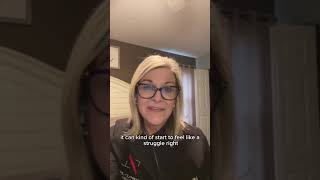
In this video, Lori Esarey explains that quality sleep is not solely a nighttime event but the result of cumulative daytime behaviors that cue the body's circadian clock. She describes how light exposure, movement, food intake, stress, and screen time send signals to the brain about when to be alert and when to wind down. The video highlights practical daytime factors that affect sleep—adequate sunlight, balanced stress, timing of meals and caffeine, exercise timing, and supplement timing (e.g., B vitamins). It also recommends using wearable data (e.g., Oura Ring) to monitor restorative periods throughout the day. For nighttime, Lori stresses a consistent wind‑down routine: a warm shower, breathing exercises, limiting screens, keeping bedroom temperature around 67‑69 °F, and avoiding stimulating supplements close to bedtime. She encourages viewers to treat sleep as an all‑day practice, journal changes, and share outcomes.
Chapters
Lori Esarey here. Wanted to talk to you about one of our favorite things to talk about is sleep. Everyone needs to hear more about sleep, right? It's the month where we're talking about stress and sleep. So maybe you knew this already, but great sleep does not actually start at night. It actually starts the moment that we wake up. So most people think that sleep problems actually begin when their head hits the pillow, but that is not true. What we actually see in practice all the time is something very, very different. You see, your body runs on this internal clock. It's called your circadian rhythm. You've probably heard me talk about it before. And all day long, that circadian clock is collecting signals— light and movement and food and stress— all of those things that tell your brain when to be alert and when it's safe to rest. So if your days are filled with low sunlight, like mine, being stuck inside, or high stress, maybe lots of screen time, those computers or phones, and not a lot of movement, your brain never really gets the message that it's time to wind down at night. So we have to create that for it. And All of that can affect how you fall asleep or even if you stay asleep. It can kind of start to feel like a struggle, right? The truth is that sleep isn't just something you can turn on at night. It's something we have to work on all day long. It's the result of everything that's happened during your entire day. So if sleep has been a challenge for you, Let's not just look at your nighttime routine, although that nighttime routine is very, very important, right? We want to take those showers, settle in, calm down, have some breathing time, have some rest. Those things are always important, but we have to really look at the entire day. So start looking at what you're eating, what you're drinking. Are you ingesting caffeine? Are you ingesting foods that stimulate you, wake you up? Are you eating too close to bedtime? You know, the timing of your food is extremely important. Are you getting enough rest and restoration during the day? So sometimes we have these high periods of stress, but we actually have to counter that with rest and relaxation as well. Those of you who are wearing Oura Rings, you can actually see your restorative time throughout the day, and I think that's extremely helpful. I think it's also important to look at your, your day in relationship to exercise. Some of you love exercising at night, and Maybe that's something that makes you feel energized and really, really good. However, it could possibly be obstructing your sleep at night. We have to look at our supplementation. There are certain supplements like B vitamins too close to bedtime that can actually wake us up. And that's not for everybody, but we have to be aware of those things and really connect the dots. So if you're looking to restore or help your sleep, improve your sleep, You can't just be looking at what you're doing at night, although that's very important. That sleep time routine is, and having the ambient temperatures in your bedroom at 67 to 69, having, um, you know, a, like I said earlier, a period of time in which you rest and relax prior to bedtime, and limiting screen time close to bedtime. All of those things are really important, but effective and healthy and, and restorative sleep actually begins, or quality restorative sleep actually begins, in what you do during the day. So look at sleep being your superpower as an all-day thing, not just a nighttime thing. So think about this, journal it, write it down, let me know what you think. And I can't wait to hear how your sleep is improved this month and the things that you guys are doing to improve it.