Manaan Kar Ray explores 1770 and Agnes Water on Queensland's coast, where Captain Cook landed in 1770. The area sits 491 km north of Brisbane with the northernmost patrolled surf beach in Queensland, plus direct access to the Southern Great Barrier Reef for diving and snorkeling.
Chapters
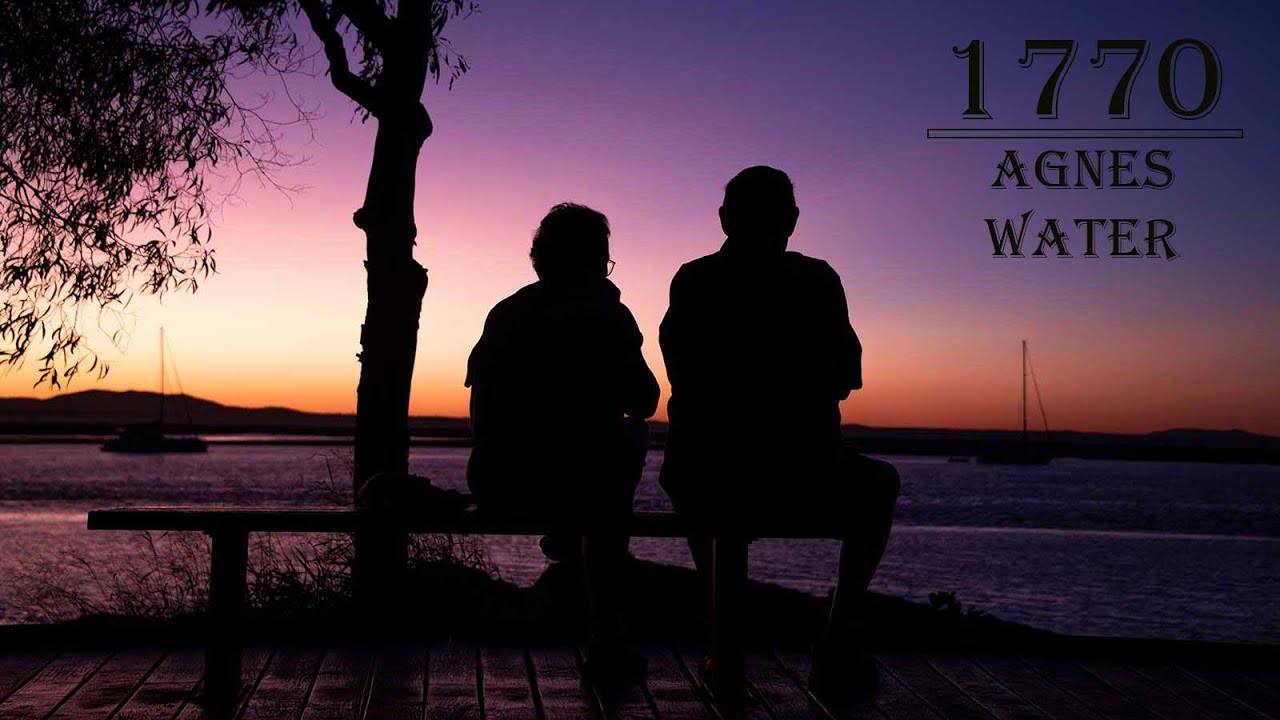
1770 was the second place where Captain James Cook stepped onto Australian soil and the first place to experience European feet in what is now modern Queensland. It was named after the year of Cook's voyage up the east coast of Australia. 1770 is a rare place on the east coast of Australia where you can experience the beauty of the sun setting and rising over the ocean. It is an ideal place to relax and offers an off-beaten-track experience without having to leave the sealed roads or travel to the outback. It's 491 kilometers north of Brisbane and just 7 kilometers north of Agnes Water. Magnificent estuaries, coastal rainforests, national and marine parks encircle 1770 and Agnes Water, providing endless places to explore. The town of 1770 and Agnes Water offer the discerning traveler a piece of paradise. The most northern surfing beach in Queensland, Australia is at Agnes Water. It is safe, uncrowded, and patrolled, great for children and surfers alike. The long golden sand beaches are an ideal place to while away holiday moments enjoying the natural beauty that surrounds this majestic location. Here's a bit of history about the town of 1770. On Wednesday, 24th May 1770, Lieutenant James Cook anchored the Endeavour about 3 kilometers off this part of the coast. By modern standards, the Endeavour was a tiny vessel which was only 32 meters long, 9 meters wide, and weighed 374 tons. At the time, it was carrying 81 tons of water, 9.64 tons of bread in bags, 5,460 liters of beer in puncheons, 4,000 pieces of beef, and 1.13 tons of raisins. At this point, Cook was about to enter the Great Barrier Reef, although obviously he did not know it then, and until he ran aground at Cape Triangulation, he was to demonstrate extraordinary seamanship as he weaved his way through the reef. Cook and his botanist Joseph Banks and Banks' assistant Daniel Solander went ashore near Round Hill Head. It was only the second time during the voyage that he had set foot on Australian soil; the first had been at Botany Bay. Today it is important symbolically because it was Cook's first venture on dry land which today is known as Queensland. The party landed within the south point of the bay where they found a channel leading into a large lagoon. Cook wrote in his journal, in this place there is room for a few ships to lie in great security and a small stream of fresh water. Cook, Banks, and Solander noted many pelicans, and upon the shore, A species of bustard, one of which was shot. They considered it the best bird they had eaten since leaving England. It weighed almost 8 kilograms, and in honour of it, they called the inlet to the west of 1770 Bustard Bay. The crew also caught fish and harvested oysters from the rocks and around the mangroves. Although the party did not make contact with any Aborigines, They did find campsites, fires, and artefacts. However, members of the Endeavour's crew who had remained aboard the vessel observed about 20 members of the Meruni tribe on the beach. The Endeavour set sail at 4:30 the following day. This historic occasion is commemorated by the Captain Cook Memorial at Round Hill Head. Both Agnes Water and 1770 are a unique holiday experience where one minute you feel like you're in the outback and then you're arriving in an uncrowded coastal environment where you can access safe patrolled surfing beaches and explore the Great Barrier Reef. In fact, Agnes Water is the closest access point to the pristine magic of the Southern Great Barrier Reef. Swim, snorkel, and dive around colorful reef fish and coral. Nature is at its best.