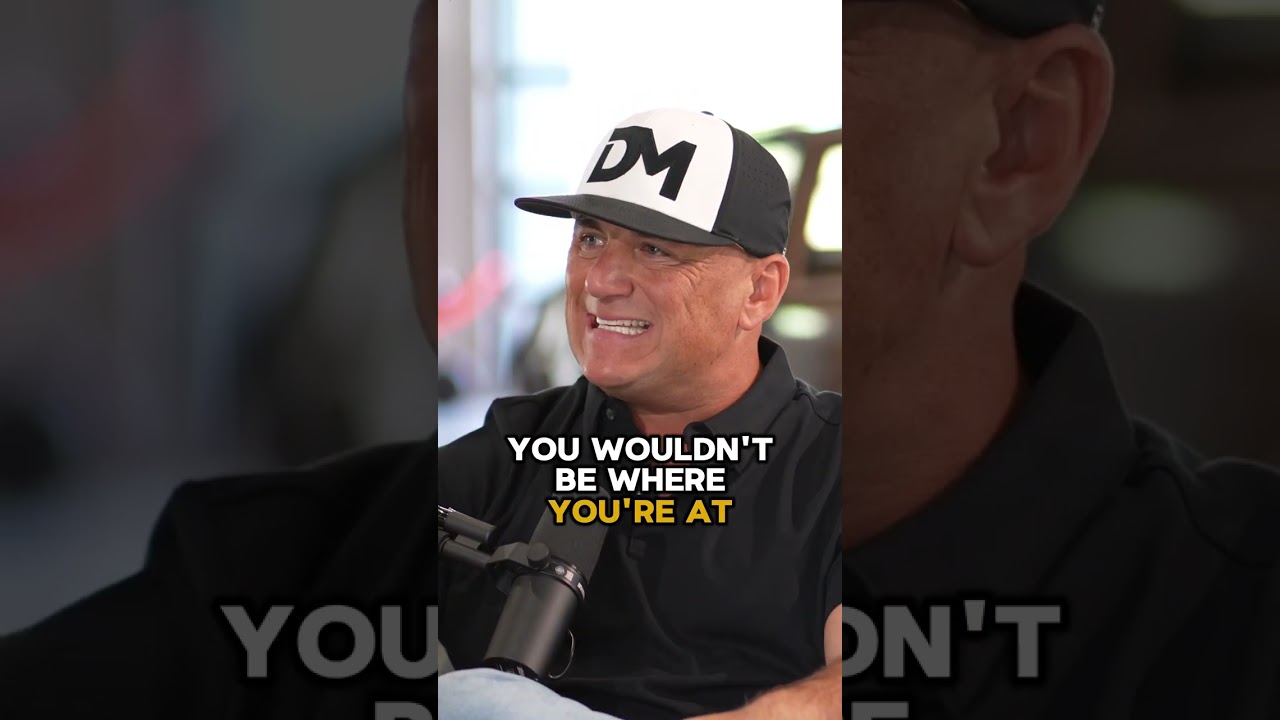
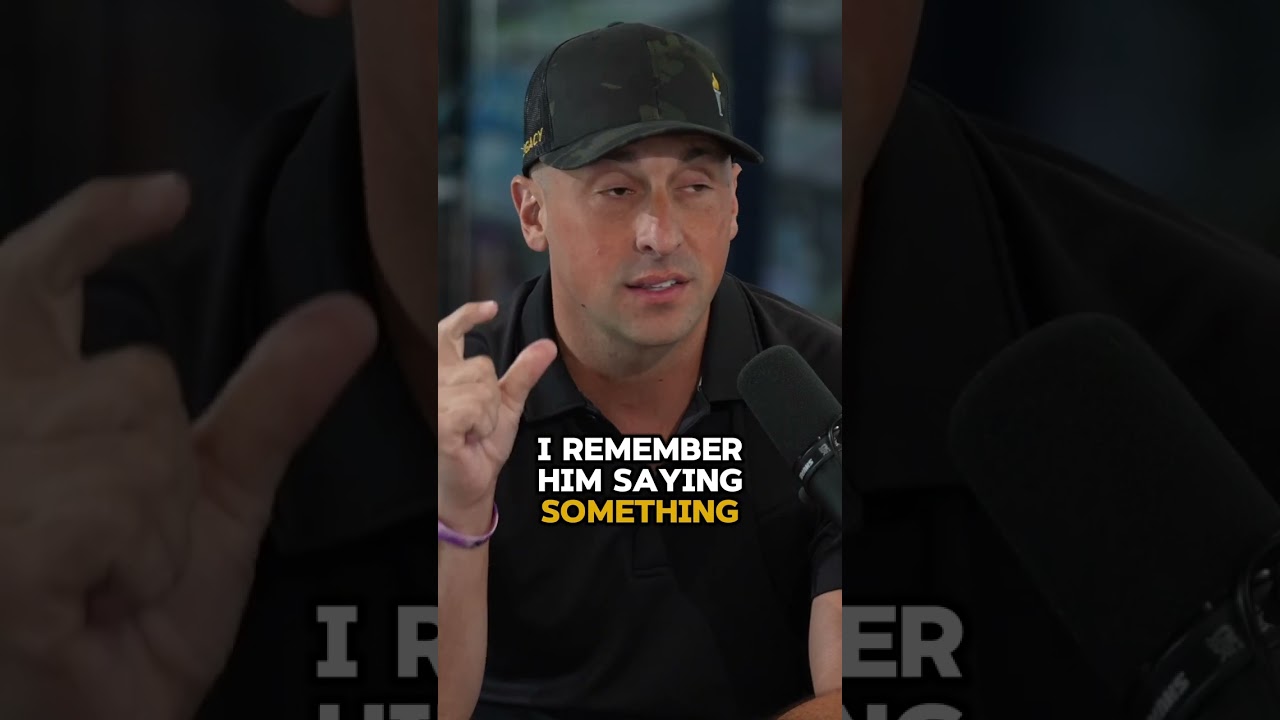
CLOSE BUSINESS DEALS WITH PLEASURE! The Radcast Ep 242 Mark Evans DM Full Episode
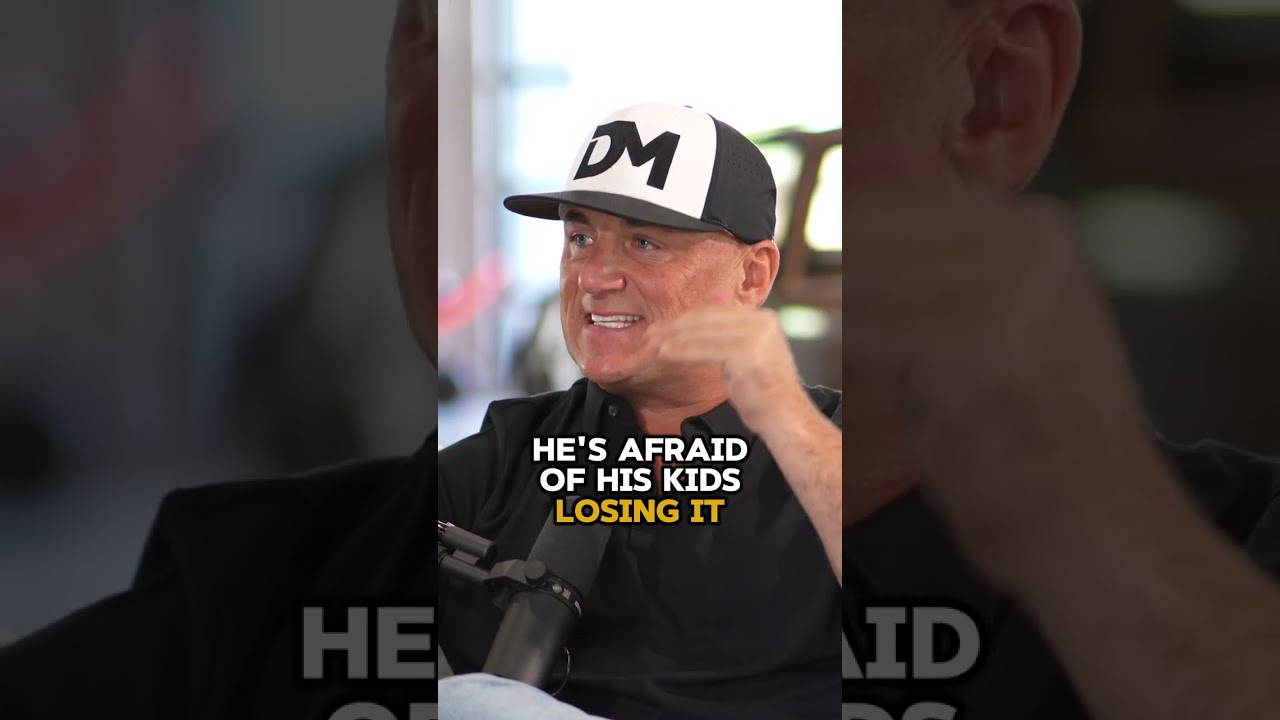
Interview with Mark Evans DM on The Radcast (Ep. 242). Mark recounts his rise from a small-town Ohio construction background into full-time entrepreneurship and real estate investing (26+ years), describes having built/managed teams across >10,000 single-family rehabs, explains his investing and operator preferences (active vs. passive, business acquisitions, pet industry, data and media), and outlines his marketing/personal-brand strategy (large spend, documentary, content). He emphasizes family/non-negotiables, charitable giving (100% net profits of books to charity; work with Caring House Project and anti-trafficking groups), authorship (12x bestselling author), and coaching/mastermind focus on mindset, grit, scaling, and leadership.
Questions this video answers
Over 10,000 single-family houses (collectively, across his businesses).
About 26 years.
October 8, 2005 (10-8-05).
About 700 million emails per month, with a target over one billion by the end of the year.
Approximately $1,000,000 (one million dollars) invested into the Mark Evans DM brand this year.
Chapters
These are each pivot moments. Everything that we dream about, our goal becomes actually just a checkpoint in the moment. You know, everyone's so, you know, so focused on this goal. They get there and you're like, dude, that's it. I can do more. I think the biggest thing is just finding out what you're really, what makes you tick as an investor. If you're not spending 10, 20, 30, 50, 100 grand a month, like, this is why you're frustrated. You don't have a duplicatable, replicatable process. You're listening to the Radcast.
If it's radical, we cover it. Here's your host, Ryan Alford. Hey guys, what's up? Welcome to the latest edition of the Radcast. We're talking deals today, we're talking investing, we're talking best selling author, entrepreneur. Mark Evans, dm. What's up, Mark?
What's up, man? How you doing today?
I'm good, I'm good, man. You know anybody that's the fucking deal maker I need to have on my show, you know.
I love it.
Yeah, man. Yeah. You know, two of the people that I have a lot of respect for and are two of my closer friends and contacts recommended having you on independently of one another. We're like, you know, you need to talk to, you need to talk to Mark Evans. He said, I think, number one, I think you guys are probably pretty similar. And number two, I just think Mark's a great guy and he's doing a lot of cool shit. And I'm like, all right, I got to talk to Mark. And so I'm, I'm happy to have you on, brother.
No, man, I appreciate you having me. Yeah, clearly we gotta get our friends if they're referring me over to you.
Exactly, exactly. I know you, you spoke at like a real estate event a couple months back or. And got my. Actually my trainer Adam, my personal trainer, was there doing training for the, at the event. He was helping the real estate guys do train, personal training and stuff. Like for the four days he was like, you know, they drink too much at night and then he'd wear their ass out the next morning. But he was like, you, you heard of Mark Evans? Like, I don't know, I think I've probably passed his Instagram profile or something. But yeah, but no, cool, man. I do want to talk. And so, you know, if you, you're the deal maker, right? Dm, I did like it from a branding standpoint. You know, after we talked and then I started digging into some of Your background and stuff. I'm like, there was a lot of Mark Evans on the Google search, but kind of branding yourself out as the Mark Evans dm. Don't know exactly when you carve that out, but pretty smart for a brand standpoint.
Yeah, I wish I was that smart. Strategic, actually. The truth is, there was a guy in Ohio where I was doing a lot of real estate deals, and his name happened to be Mark Evans as well. But he wasn't a good Mark Evans. So I had to flip the switch and call Mark Evans DM, even though the guy was like 50 years older than me back then.
Yeah.
But, you know, it just became the dm. Literally no one even calls me Mark. Everyone calls me the dm. It's kind of funny now, but, you know, at the end of the day, man, like I said, like we were talking about earlier, as long as the bank and my kids know who I am, that's all I care about at this point.
Well, I love that. I love that philosophy, especially starting with the kids. I know you're a father, proud father, Saw a lot of that content. I do want to talk about that path a little bit as we get down it. But, Mark, let's. Let's give everybody in the audience, let's do the kind of business journey from your perspective. I know you've done a lot, you own a lot of businesses and have your hands in a lot of things. So I'll let you guide where you start and stop kind of that story. But let's start there.
Yeah, man. Small town, hillbilly Ohio kid, you know, grew up in a town of 650 people. College was not a thought in my mind. I hated high school. I hated school. I just want to get out, make money into the real world. And, you know, two days after high school, I bought a seamless gutter company. I grew up in a construction household. You know, I know how to build houses. By the time I was 12 years old, I was working with my dad every day. And seamless gutters seems simple to me. It's like just put gutters up on the thing and water goes downhill. It's pretty easy. Owner financing. So I learned about owner financing. Two days in, I had literally no money. So if he didn't own a finance, I couldn't do it. But you just have to ask. And he said yes. So I did that. And, you know, and then started doing, you know, garage door, siding, windows, everything goes with the house. Just kind of natural progression. But I kept doing work for this one guy. Kept pulling up on a Porsche, smoking cigars, and I was doing all the work for him. And I'm like, man, I'm driving a crappy truck. He's driving a nice car. I'm missing something here. And I was like, hey, what do you do? He's, I'm a real estate investor. I was like, I don't know what that is, but I want to do that now. And I went to a seminar, man, and learned it, like, when I was 18 years old. The guy actually hosted the seminar. Had to check me in because I was so young. I took every penny I had to go. 2,500 bucks back then was a lot, a lot of money. It was all my money and learned real estate. I saw a guy make a call, close the deal in 96. I was like, I can do that. And I started doing the work. And, you know, this is a process. It's a journey. Almost went bankrupt twice. What they don't teach you is once you learn how to make money, you gotta figure out how to keep it and pay taxes and everything else. That's. That's something else that you learned through the journey. But I didn't have financial wherewithal. My parents really didn't have much money. They taught me, you know, just work hard and, you know, 100 grand a year would be a dream. That was my goal. And now we do that daily. But at the end of the day, for me, it's, you know, I did real estate rehabs. I mean, everything inside the real estate investing space, we've done over 10,000 single family houses now collectively, over the 26 years I've been in business, I've never had a W2 job my adult life. So you know how that is. If you don't kill it, you don't eat kind of thing. And I'm definitely eating over here, you know, and now, you know, it's just a progression, really. Now I'm more of a, you know, not even a CEO. I'd say more of a sitting on the board, kind of like as an investor to my own companies at this point. Not say I don't get dirty once in a while, but, like, you know, I've really built out some good teams and just trying to build companies at another level now.
What's, you know, a lot to unpack there. Do you have, like, a favorite moment? Like, you know, I know, you know, you're like me. We still got a long way to go in this journey, but, you know, you've done a lot. You have A favorite business or a favorite moment, you know, in that journey.
No, I mean, listen, the favor. One of my best moments was two days after high school when this grown man is telling me, yes, he'll sell me the prop, sell me the 1978 truck with the gutter machine in it. You know, with a thousand bucks now, 287amonth. Yeah, I just, just took balls to do that. Right. So I was a huge. I think, as you know, these are each pivot moments. Everything that we dream about, our goal becomes actually just a checkpoint in the moment. You know, everyone's so, you know, so focused on this goal. They get there and you're like, dude, that's it. I can do more. So you know, that. And then hitting 100 grand a year, that was very big deal for me, man. Yeah, you know, this goes about, about clarity. I just wanted to make 100 grand a year. Well, in business, if you make 100 grand a year, it doesn't mean you keep 100 grand. So I should have been a little bit clearer with my goals. I want to net 100 grand a year. And, and then, you know, then you hit the million, 10 million, etc. So it's. Yeah, man, I don't know. I'm still having those moments. That's what I think. That's what keeps us going. It's kind of like golf. You have 80 shitty shots, but you have one. It keeps you coming back, you know, that's true.
And my golf game's so non existent right now. You know, it's funny. I got four boys and twinking that, running three or four businesses. It's like, I don't know where people find the five hours, but, you know, I don't know. My, my, my drives will probably be a hard left right now. We'll see when we get out there. But maybe we'll hit the link sometime. The. So, Mark, you know, I know you do. You've got some coaching and, and a lot of mentoring and different things that you do and you give back a lot. I don't want to not tell that story. Get kind of to that. But. But down the coaching path, as you've been, you know, developing your success, wildly successful, a lot of businesses, you know, a lot of people go, all right, this guy's really figured it out. Are there themes that kind of guide your coaching process, your mentoring, or like key themes that really, you come back to that you think ultimately kind of make or break people having success?
Yeah, yeah. I mean, I think the biggest thing is a Lot of people don't come to me for tactical at this point. It's really going to be for mindset. We get in our head, man. A lot of people know what to do, they're just not doing it. They're afraid, they're stutter, stepping them themselves to the next step. You know, I talk a lot about thought auditing. I wrote a book called Magician vs Meal. You know, we're all meals, we're designed as meals and sit down, shut up, raise your hand if you can. You know, like all this stuff. So like we're really ingrained, it's ingrained in us. So we got, we got, I'm really good at deprogramming people and tell, you know, showing them the path and giving them, borrowing my belief system, they could borrow my confidence, they could, you know, drive through it. And then they, you know, three days, three months, three years later, that a whole different place. Not because, you know, we're better than anybody, it's just because they're actually doing different types of work. And entrepreneurs, man, you know, we, we take a beating every day. And I don't think most people are thinking about what they're actually doing. You know, we could build a job. Lots of people think they have companies, but they have really have high paying jobs. And that's like the biggest thing I've helped a lot of guys do is, you know, stop. You know, they're so busy. They all want to make you know, 100 million a year, $100 million in their lifetime. But everything they're doing is, you know, million dollar activities, you know, to make a million a year. And that's what's holding them back from making 10 million years. They're too busy making a million a year.
Honestly, I love that. It's so interesting, you know, you made that, that comment and then the hundred thousand dollar, you know, kind of mental barrier or not barrier, opportunity. It was funny like in my career, you know, that that moment kind of came and went like when I was probably like 25, 26. And I don't know what it is about entre. You know, the way I was programmed is I just kind of, I've never had a problem making money. It's, it's, it is learning the lessons for how to keep it and how to, you know, invest it wisely and kind of like the multiple streams of income, which, it sounds like you've kind of mastered that on some level, you know. I don't know your perspective on that. You know, it seems like guys like you Typically have multiple streams and kind of learn that lesson pretty early.
Yeah, you know, I think, you know, I, I have 20, probably 30, multiple streams of income, maybe more. I'm not really focused on that as much now. I, you know, honestly, at 27 year, another big moment was 10-8-05. My grandmother passed away, so I was working 16 hours a day. Guys like you and I, we like working, so it's like not a big deal. But I did have a girlfriend now, my wife, Dina. And that was a pivotal moment in my life. I'm like, dude, I have money in the bank, but I have no life. You know, worked really hard for a lot of years and now, you know, so 27 years old, I, I didn't even realize I was financially free. I know I was making money, but I had enough residual coming in. I could live my life back then. That was way different than it is now financially. But, you know, it was kind of cool in that moment. But yeah, I think you got to have multiple streams of revenue. I think the biggest problem I see people do though, they abandoned active revenue to go build residual revenue. And then they never can get in front. Like, you got to make sure you're still keep your active income coming in, you know, and then problem is you can't be spending all your active income either. You know, you got to take the active income, you know, and start parking in different environments. But you really. That was probably the luckiest thing I did, man. Learning about investing, you know, real estate. I just understood investing at a different level and it's helped me a lot. What is, what's today?
I want to give everybody, like an actionable, like, cool tip here. Talking with Mark Evans, dm, the deal maker. Like, okay, everybody, you got Grant. I had Grant on the show. Grant Cardone. I've had a lot of real estate guys. Pace Morby had freaking Torque El Moussa from Flip or Flop. Everybody's into talking real estate, so it's okay if we go down that path, but I'm going to tee it up for you. So, you know, I'm someone listening. I'm thinking about an affordable, reasonable. Exactly what you just said. Can't I. I'm not going to take the eye off the active income ball completely, but I'm ready to pivot into something. Is there, is there a field, a dynamic or something you tell people to kind of look at?
So listen, I think at the end of the day, it depends on how much we have access to. You know, if you have a decent amount of money 100k plus minimum. You might want to park it with a great operator, you know, someone like a GC or someone like. I don't do that. But like other people, you can park their money in deals and make a passive income. Truly passive. See, real estate, a lot of people get confused that real estate's passive. It's a lot of, dude, I gotta, I gotta do it right now. Just got an email from our property manager. Ten has been in there five months. They're gonna stay in there seven months rent free, and then they're gonna trash the play. I mean, it's just, that's not, that's not passive. That's a very active stream of income. You're dealing with BS all the time. But, you know, I think the biggest thing is just finding out what you're really, what makes you tick as an investor. I think a lot of times I'm really good at giving people advice of what, where I'm coming from and where I'm at, as opposed to understanding where they're at and where they want to go. I've realized, and I've had thousands and thousands of investors. I've raised hundreds of hundreds of millions of dollars. All investors are not created equal. You know, if we're off $0.12 with one investor, they're blowing us up. Or scam artist, you ripped us off. It's like, dude, it's 12 cents, here's a dollar, leave us alone kind of thing, as opposed to like, you know, you know, it's business. Things happen. There's a process to it and there's a team and you know, some people get it, some people don't. So I think it's really understanding your investing philosophy and what you're trying to accomplish with the strategies and not only that, how quickly you're trying to do it. Yeah, so.
So I guess I'm not going to get the invest in the ice making machines comment or car washes.
I love businesses. I love investing in businesses. You know, real estate's cool. I can buy a $10 million property, it's going to make a 6% cap, blah, blah, blah. It's awesome. And maybe I'll sell it in the future for a little bit more. But you know, in a business, we're buying one right now for 5.5 million. Literally. The goal is sell that thing in three years for 50 million. I can't do that in real estate. I can't do it. You know, but we have a special set of skills. We have a good team. You know, we Know how to, you know, market. We know how to, you know, build better teams and such and put them all together to drive revenue up, sell for a bigger ebitda. And yeah, it's just a different game.
What kind of businesses are you buying? What are they? Are they just all over the map or are they specific types of businesses they're making, you know, manufacturing something or they're service based? Is there a specific type of business?
Yeah, I love the pet industry. You know, I'm not really in the food space of the pet industry, but more in the service side. You know, the service letters, dog leashes and things like that, you know, hard products, you know, it's very recession proof. I'm looking for recession proof businesses. I like the data companies. I'm pretty big in data. Data is only getting bigger. Understanding the data and how to sell it, extract it and understand what the data is saying. I like media, depending on media. This game is all about eyeballs, right? So, you know, I understand media. We send out 700 million emails a month out of that system. We want to be over a billion by the end of this year. So the more emails we send, the more money we make. The more text we send, the more money we make. I mean, so it's like just understanding marketing at another level.
Hey, you teed it up for me, brother. I was headed down that right there. I know, I knew I liked you. Marketing, branding, as you've grown in your career and your business journey and your multiple business journeys, you know, you just talked about a few tactics and things. But what's been your relationship with marketing or experience with marketing and branding and kind of your perspective, maybe both in how you coach it or talk about it and just kind of your relation, you know, overall perspective on it?
Well, I think everyone needs to spend more money on marketing and branding. You know, I think most people don't understand it. I know in business, you know, I'm accustomed to spending, you know, large six figures, if not seven figures a month in marketing. I've always understood the more money I put in, the more money I get out. So it's kind of a cool dynamic. It's roi, I think. You know, back in the day when I was in my young 20s, our real estate business was suffering because I was still in taking the money out of the company and playing with it. But you know, the. I remember I fired an accountant because she's like, we have to cut this, eliminate this line item. And I'm like, what line item? It's like marketing and I was like, you're fired. Like out at one. Like that's the only thing that's keeping us afloat, you know. But they see it through numbers. They don't understand marketing like we do. But here's the thing, as I always say, especially about branding, because marketing, you know, direct to consumer marketing is a little bit different than branding as you know. Right. Because branding's a little bit longer term play, but direct to consumers, like, you know, I'm just looking for a row as return, you know, as fast as possible. But when we're brand, you know, when we're branding, let's say in five years from now, do you think you'll make more money if you have 10x the amount of people following you or 100x or a millionx more, or if you just stay where you're at today? The answer is pretty simple. So you gotta get to work. Yeah, you know, so I'm very conscious of that. I mean I have three people on my team, all they're doing is working on content distribution, you know, repackaging. I have a documentary coming out. I mean, I'm trying to hit people at all angles, you know, so. And I know you understand all that but you know, you as a listener, you gotta understand like if you're not investing in your, I, I just did a recent case study to my group actually asking them, how much are you investing in marketing? And unfortunately the majority are saying zero to a thousand dollars. I'm talking hundreds of people saying this and these are like semi like people that say they have a business. If you're not spending 10, 20, 30, 50, 100 grand a month, like this is why you're frustrated. You don't have a duplicatable replicatable process and you gotta have, if you don't have front end legion processes out where you spend money and make money, you're always, you're always gonna plan smaller than you plot. You need to play.
Yeah, amen, brother. I'm gonna repackage that two minute right there for an infomercial. Yeah, but it's true, you know, like and, and you've seen the success of that. I mean reach and frequency, that's media. The number of people that see your message or see your brand, the number of times they see it increases your overall awareness. And when you have people aware, they know to buy you, you know, I mean there's obviously layers on that but like, and everybody wants it now, you know, they want it now. They don't want to spend anything and they don't understand why nothing works. And, you know, it's so, so contrary. Because everyone, you know, marketing is an investment. And so many people, you know, fight that and don't understand it, and they go, just like that accountant did. We can, we can nix that off the budget. No big deal. We're just going to make things and sell things and it just happens, right? Nope. I don't know where. I don't know where that, where that perspective comes from. And what do you. What does that originate from? Yeah.
Oh, I mean, they're just trying. They're just seeing the bottom line. They're about to lose their job if no money's in the account, I guess. But yeah, you know, listen, it's never been easier though, right? I mean, you got social media. Everyone has a voice now. I think that's some of the problem, actually. But also a good opportunity for anybody that wants to get out there and start talking. It's always crazy to me, man. They all talk about Will Smith smacking someone and being silly, talking about stupid stuff, but they won't go and talk about their product, their service, what they do, their value to the world. And I'm always amazed by. Cause I'm like, I've had a lot of people, I'm like, do this. And like, well, what if they say this? What if they. I'm like, what, huh? Like, I don't even think about this stuff.
Yeah.
What if they don't? What if they, like, buy. What if they send you more money? What if they tell their friends about you? It's. People are weird about this stuff, man.
I know. So I do want to talk about, like, what's your perspective on. Obviously you're marketing businesses, but you're also marketing yourself. You know, we work a lot with personal brands, you know, telling their stories. And you do an incredible job. You know, I went through a lot of your stuff. I think you do this great balance with family, which I want to get to, and both, you know, sharing knowledge, sharing behind the scenes of your life with your family and all that. But what's the balance for you? And what have you seen as the success of, you know, marketing the Mark Evans DM personal brand?
You know, I just think being real and vulnerable, you know, just share my life. I. I'm taking micro clips. This is my life. I'm not trying to, you know, make everything pretty. I'm just sharing, you know, the raw. Most of the time I'm talking coming from the gym, you know, have a half beer, you know, have a Zit on my family. I just don't care. You know, one thing I've realized, man, no one, you know, we're really not that big a deal, you know, but we make ourselves such a big deal in our head. I just, if the message is important, I'm sharing it. You know, I think this is where I think, man, this is the beautiful thing about social, like literally this thing. We could start shooting content right now. If something pops in your head, shoot it. Don't write it down, don't edit it out, don't go. Do like just shoot and share the message. If it resonates and you want to make it prettier in the future, that's fine too. But like, I think so many people are like, you know, they're just stuttering constantly because they're too afraid to move. Just shoot the content and go. Who cares if you have a list? Who cares if you spit? Who cares if you have a bug? Like it doesn't matter. Like it, it really doesn't matter, man. Honestly, no.
And how many now have you. I know, I know the answer to this, but I want the audience to hear it. Can have you. Do you quantify, you know, your personal brand and what you're spending on your personal brand? I know a lot of it's organic, you just being comfortable and shooting and all that. That doesn't really cost anything but just, you know, remembering to do it. But I know you spend on your own personal brand. Do you quantify that? Have you quantified it? I mean, what, what value would you put on what you've, what you've put into the Mark Evans personal brand?
I mean, this year alone, just straight up, I put a million dollars in real dollars into Mark Evans diem brand through a documentary, through marketing, driving eyeballs to our, you know, our pages. We're not even trying to monetize it. We know if we have more followers and more content and more, you know, connections, we're going to generate more revenue. And the thing is, is where the revenue comes in. I'm not as necessarily worried about that as I used to be. This is a long term play for me, not a direct to consumer play. You know, I'm not trying to like figure out how to put a dollar and get a dollar 20 today. I do that in all my other companies. But like on personal brand, you know, I raise money. I could raise money. What if I post and I raised 50 million today? What's that worth? You know, what's it worth if I, you know, post them? I'M actually doing a yacht trip here next week. I. I posted. I got 10 guys to send 5 grand a piece in. They don't do that because they don't know me. They do that because they're following me. They connect with me, and they like the vibe. So I don't really. It's more. If I put a million, I'm gonna make more than a million.
Yeah.
That's all I know.
Yep. Well, you're playing the long game, number one, and then number two. What you realize that few do is the value of personal brand, is the relationship developments and the connections that you make. Because it's never been more true. I won't say it doesn't matter what you know. It does matter what you know, but it matters way more who you know.
Yeah.
It's like.
And who knows you.
Who knows you. That's right. Yeah.
So that I think if people watch. Listening to this or watching. Right. You know, a lot of my great friends that I know today through social, didn't come from me talking about the next best thing at Kim. It come through more smoking cigars, hanging out with my kids, people seeing that I'm a good dad, and I get. I have, like. They call it balance. I don't really call it balance, but I'm hanging out with my children and having fun with them, and they're evolving, and they're just watching the evolution of the kids grow up, you know, really connecting with people. I think a lot of times people think they need to be the bigger swinging dick in the game. Like, oh, I do more. We're not even talking about that. We're talking about, like, how do we make real money? How do we grow real businesses? How do we, like. And you can connect through charities, cigars, whatever you're into, man. Coffee. I mean, there's a lot of ways to connect on social now. It's way bigger.
It is. That's how we're talking the. Go figure. How meta is that? So, Mark, I. I want to talk about family. I know it's important to you. I see it on your social media. You're one of the realest dudes. Like, once I got to kind of know you, we talked on the phone a couple times. Like, dude, this guy's so real, like, and so available and. But I think the. The family aspect with you is so impressive to me, and I know it's not just to do it or show. It just comes so organically. Is that a. Is that a learned behavior or just a natural? Like, were you One of those that like, you went through something, you're like, damn, my family is this supporter or has it just been natural for you to kind of embrace that?
Yeah, no, I think, you know, my parents were awesome. We didn't have much money, but my parents were always around. You know, I don't know how they did it. I still like amazed. My mom and dad were crazy hours, but they were always at my football games when I was in high school. And I always remember that because again, keep in mind, we didn't make that much money. But there's kids that made a little bit more money, their parents, but they were never there. And I remember coming out of the tunnel now, I didn't have to look and see if my mom and dad were there. I knew they were there. The other kids I'm rolling with, they're like looking, where's my mom and dad? They're not there. Disappointed, disappointed, disappointed. And the thing is I've realized, you know, feeling fear and you know, death motivates me. That's my biggest fear. Dying. It's not big. It's not like a fear of like, oh my gosh. But you know, we only have a short, limited time with our children being 0 to 3, 3 to 6. These are moments and when these are gone, they're gone. They can never get them back. And I'm very conscious of that. You know, today I'll be at tennis at 4:30 with my son. You know, tomorrow I'll be at 4:30, I'll be at Taekwondo. Like we have a, you know, schedule with the kids. I want to be there for them. And again, it's not always fun, you know, watch him hit the same, you know, sweat my ass off here in Florida. It's not always fun, but it's needed, it's, it's mandatory in my life. It really is. So, you know, these are non negotiables. I have, we all have non negotiables. Some are just not serving you and.
Some are, yes, I will, I will, I will. Better your tennis though. Nothing is more boring than swim meets. I have two, two of my four boys swim and you watch them swim for a total of four minutes. And you're at a four hour swim meet.
Uh, oh, wow.
Because they swim and it's like, you know, a minute max, you know, for like two laps. And then it's like an hour until the next race and it's like, oh God, you're sitting in the South Carolina heat. So that's real love, my friend.
Yeah, well, it's great networking too.
Yeah.
One thing I've realized, I meet a lot of the same dads and parents at these events.
Yep.
And guess what, you know, you're. It's an instant connection because, you know, the power of consistency is a real thing. And if there's a consistent behavior in an environment that's conducive to opportunity. Actually, there's a guy at the tennis thing. I mean, he manages billions and billions and billions of dollars. And we always talk, you know, again, come through the kids, come through tennis, the boring stuff that we start, you know, it's like nothing else to do except talk, you know, what's going on. So. Yeah, I think it's just your environment, man. It's pretty powerful.
Yep. So 12 time bestselling author. I know you mentioned one of the books, but talk about, you know, what are the general. Are they are your. Your themes are a few on real estate. I know. And a few, you know, broader business. But how would you categorize them and, you know, maybe talk about, I mean, 12 books? Dude, I'm just trying to write one. I'm like trying to get on, you know, I talked. You're like, you kind of motivated me. I wrote some more notes down. I gotta, like, get you guys contact. But what's. What's the. What are some memorable moments, some of your favorites? And let's talk a little bit about the books.
Yeah, man. Well, 11-21-06 has to be the most memorable book. It was my first one, and that's when I proposed my wife at the same time as well. So I had to have the camera crew there. You know, that's the only way I figured I could catch it on camera. Keep in mind, cameras were different. Back in 06, you didn't have your cell phone available like we do now, so. But no, man, you know, that was the start of the journey. And the truth is, my first three books were Conversation Driven. They were. My buddy wrote a book called Conversations with Millionaires. All I did is conversate with millionaires, transcribe it, turned it into a book, and sold hundreds of thousands of copies. And then I was like, man, I want to pick that up. So I got the girl from, you know, Kendra Todd, one Apprentice, and Michael Gerber e. Myth, and just everyone I wanted to talk to, you know, I put them into a book, transcribed it, became valuable to them. It's free, and it gets them exposure. Real entrepreneurs want more exposure. I've never had a real person say, no, I don't want More free exposure. You know, don't do that. So I. I put them in the first three books. And then. But what's cool about it is, like, now knowing I have kids, I. I'm thinking, how do I write a hundred books? And every new. Every book's in the evolution of me, the way I talk, what I'm talking about, where I'm going, you know, so first three books were, you know, conversations with mortgage brokers, business people, blah, blah, blah. And then now, you know, then we moved over into a little bit more tactical in the real estate side, because I was known as a real estate guy. And then four years ago, I wrote a book called 10 Minute Business Owner, because I'm sitting on the back of the yacht on an island. I'm, like, having anxiety attacks, and I'm like, businesses are running. I'm not doing, you know, this is the entrepreneur detachment. I'm starting to let go at another level. So I just started writing about it, and. And then now you have magician versus Mule. Like, my frustrate. Why do I always feel like I have to work? You know, it's what. As opposed to be a magician? And then, you know, the other book, Me Economy, with everything going on with COVID and all that stuff back in the day, you know, because clearly it doesn't exist anymore, obviously. But at the end of the day with Me Economy, it's like, really, you got to focus on. You really, like, hunker down and get involved with. You got to get, you know, start being selfish. You know, take care of yourself. Focus on yourself. You know, there's a lot. A lot of noise out there now, but. And then there's evil. You know, I got a new book coming out called Money Tree coming out this year. I got two books coming out this year. Honestly, man, one of my books, I'm really. It's really hard to write. I'm working is about raising kids with money. It's a big fear of mine, you know, poor. And I don't want to mess this up. I want my kids to be respectful, understand that, you know, our life's not as normal as, you know, it's different. They're on yachts and jets everywhere. This is not a normal life. So I want. I want them to just be very appreciative and understand that I love that.
And I love the me economy. It's actually. I've got a couple working titles. One's very marketing specific, is around radical and things, you know, the radical formula. But I've been working on this I'm going to go ahead and put it out there and if someone copies it, you know, ideas are easy, but I call it the disease of we. And what happens when you don't put you first? And it's kind of around this whole philosophy that we've been programmed to work to kind of build for the collective. And when you don't take care of yourself because everything starts and stops with you. Like, and if you, if you aren't nurturing yourself, it's kind of back to that notion. I know it's been used a lot now by a lot of different people. The whole. The oxygen on the plane. You give yourself first before you can give it to others. But anyway, so I love that perspective.
Yeah. And plus two, real quick, just to know, 100% of net profits of all these books go to charity.
Oh, man.
That's our number one core value in every company I own called Care. 360. Care for yourself, care for others, and everything else you want more of will come back to, like, just care. And, you know, it's a very powerful thing. It's a cool way to give. Full circle giving, we call it as well, where, you know, you're buying a book, you're giving to a charity that you don't even, you know, necessarily get to meet the people, and then, you know, you're giving to yourself. I mean, everyone wins. It's a win, win, win all the way around.
I love that talk about, let's talk about the charity a little bit. I mean, are there, is it, do you have organizations you give to? Or is it an organization you started, or do you disperse those, those funds across things you care about?
Yeah, man. You know, I, I. So 2006, I met a guy named Frank McKinney. He has a thing called the Caring House Project foundation, where they build facilities out in Haiti. You know, Haiti is a very poor country. We went out there actually with Kendra, Todd and all those people I was mentioning and got to see firsthand how, like, if you live under a bridge in America, you have it made compared to over there. I mean, you literally have, have it made. It just made me realize how much, you know, that's why I want to, that's why I was talking about being stupid, filthy rich, man. I just want to give more money away. Not for the money to be rich, but to give it away to help more people and also provide a service to do that as well. But yeah, we do that. And then, you know, as I started having kids, you know, the underground project with Tim Ballard's company, his group, you know, saving children from, you know, sex traffic and all that stuff, That's a very important thing to me now. Having kids, knowing that it even exists, it's pretty disgusting. But it is something. I feel like we can make a. An impact with our dollars. I'm not good doing the stuff, the work, honestly, because it's very emotional and I'm not good in that environment. But I'm good at making money and giving money. It's a muscle, though, right, man? I think a lot of people's not good at giving money. I know a lot of people's like, well, when I get a million dollars, I'll give 10% away. If you can't give $10 away when you have a hundred bucks, you're not going to ever give it away. It just start now, you know, you can't outgive the world. And it's a. It's. It's served me very well. I teach my kids this strategy, and it's powerful, man.
Where do your foundational beliefs come from, man? Like, you know, like, I have this discussion a lot with people, nature versus nurture, you know, you talked about your parents. I'm sure that's part of. Of the answer. But, you know, where does that kind of moral thread for. For you and kind of your guidepost, where does that.
Where does that.
Does that originate from?
Yeah, I think it'd be my parents, man. Honestly, you know, I think my parents always did the right thing, even when it was hard. My parents had a. They. They raised us in very rough times, you know, like, it was tough, but they always did the right thing. They'd always take their shirt off their back and help other people. I. I saw we had a house fire when we were 10 years old. We lost the house. People gave to us. It was like seven, eight, hundred. But it just showed that people cared. So it's like we're just looking for that light, you know, everyone's like, oh, I see the light at the end of the tunnel. The truth is, most of the time, it's another freight train coming at you, you know, so it's like, dude, I want to see the sun. I want to help people. I call it North Star. I'm looking for the North Star to keep me moving forward when I want to quit. And as long as I look up and see a little bit of, like, a little bit of light, I'm in, and it just kind of refocuses. But now my parents have done an amazing job and not Only that now I have kids. Dude, they're watching me, you know, not what I say, but what I do. And very conscious of that.
What's. Talk to guys like you and everybody. Damn, he's got it all figured out. But I, I, and I know, and that's what I, you know, like, I know none of us do, but is there, is there a character? Like, I'm not asking what's your biggest flaw? But like, you know, like, what is, though? What, what do you work on yourself the most? Or what, what keeps you up at night? Not necessarily about yourself, but, you know, I think you know where I'm going with that. Like, you know, what, what, what do you try to work on, man?
I just don't like to disappoint myself, first and foremost, and then other people around me that are relying on me. I have lots of employees, a lot of team members. You know, leadership. Leadership's tough, man. You don't, you can read all the books you want, but until you're leading and getting punched in the face, kicked in the balls, it's, it's not, it's not always ro, you know, unicorns and rainbows. I mean, I mess it up often. I say the wrong. I'm very aggressive, right? I'm, I'm just hungry. I'm just aggressive. It's the way I talk. It's not, I'm not trying to be a dick. It's just like, dude, I'm moving so fast. And then sometimes now you gotta do emotional, you know, control. They're sad. It's like, I don't have time for this, you know, let's go. But, you know, I think a little bit more patience sometimes could be good. But also, I don't look at my flaws. I look, I just know I don't know everything. So I'm always very self aware. I think, as you know, most entrepreneurs, great entrepreneurs are very self aware. You know, we're very aware when we mess up, we're very aware off, like, we fail every day. We're failing all the time. Right now, as I'm speaking to you, I probably should be on the phone with someone on my team and, you know, helping them through a pro, who knows? Like, I don't, I don't know. But like, I, I do know I don't want to fail at home. That's like, you know, you could be the most successful business person in the world, but if you felt home to me, you're. It's a failure, you know, I think it's not about balance either. It's about awareness.
Yeah.
And you know, if I have a big event going on, I tell my wife, sit down with my kids, we're having dinner, it's like, hey guys, here's what's up. Next two weeks, Daddy's gonna be kind of crazy, you know, but I'm here. I'm just not gonna be as available if you need to call me, kind of like hit me up in the office. But yeah, I think awareness. I just want to be a better leader, man. I just don't, you know, I want to give more. I want to. Sometimes that's, you know, draining to guys like us too. Right. We want to give so much, we end up doing. And then there's, unfortunately, the world. There's a lot of takers.
Yeah.
You know.
Yeah. How.
What?
You know, when you're hiring, you know, that's such a. And I don't know how maybe you have hired people to hire now and so you don't have to deal with it as much anymore. I'm sure that's probably part of it. But, you know, what do you look for in people? Like, you know, is it like minded, I mean, or do you surround yourself with people that are complete? You know, there's a lot of different takes on that, you know, like, oh, I, I get to surround yourself with, you know, people that are better than you and all those kind of that perspective. But I mean, are you real when you are hiring these days or having the past, you know, is it. How do you go about it?
Yeah, I'm looking for. People have grit, number one. Like, if I'm looking for a right hand man or right hand girl, they definitely have to be rolling kind of like they have to have some of a lot of the same philosophies as me. If not, it's gonna be pretty rough. The truth is, man, what's been going on the last two years have really sorted out people. If you roll with a mask, you're out. I like, I just don't get it, you know, like, you know, you and I are on the same page. It doesn't mean you're bad or right or wrong. It's just, I don't like it. It's not how I roll. So. But again, truth is, I haven't hired. I'm not really hiring people at this stage. I do have teams and you know, we have companies that hire for us, but I mean, we, you know, listen, I think where I messed up back in the day, I partnered with a guy just like Me, we were both great talkers, great sales guys, but we're doing all that. But who's taking care of the business? You know, knowing what I know now, how to find the ying and the yang. I'm looking for the guy that I'm not trying to hang out with every day, but I'm looking to build a business with. And I, I have what he doesn't have, and he has what I don't have, you know, and. And that's where I've messed up on partnership stuff. But when I'm hiring, man, I'm just looking for someone that, like, I'm not talking about the guys that tear off their sleeves. I'm talking guys that, like, just get down and dirty, you know, they're ready to work, they're not afraid of it. They don't care what people think. They just want to get the job done. And I have a lot of amazing people on the team, man. But unfortunately, I'm really good at hiring, terrible at managing. Hiring is easy.
Yeah.
You know, and I do the opposite. Everyone's like, higher, fast, higher, slow, fire fast. I flipped that. I've hired fast and fire slow. I'm very bad at it. So, yeah, I'm definitely not someone to follow in that process.
I love the word. You said it right as you answer the question. It's one of my favorite words. Grit. I mean, that is the law.
That is.
That's the characteristic right there. You know, you can be. Don't get wrong. You got to have some skills. But damn, I mean, we got a fucking bunch of soft people out there, you know? You know, I'm just it, you know, it's like grit. Give me, sign me up for grit all day, every day.
Oh, yeah, it's my favorite. That's why it's. If I left my kids with anything, I want to teach them grit.
Yeah, I love it, man. I feel like we could probably talk for three hours, but, you know, as we're closing out, I do want to share with people. I know you do some coaching, some mastermind stuff. You know, talk about the types of people you like to kind of recruit into that and you know where all that's headed.
Well, I like to work with slow learners that have a lot of money. The best clients in the world, man. No, listen, I'm looking for people are full time entrepreneurs looking to get to the next level. I don't really coach. I like to mastermind and direct and help guide, you know, Again, the truth is, most people that I've worked with Pretty much all people I work with, they have the technical skills. They have the chops. It's like, you know, it's like someone has one hamburger joint. Why can't you have a hundred or a thousand or ten thousand? Like, they're already doing it. It's just, how do they do it at scale? These are typically mental roadblocks, not necessarily technical roadblocks. Maybe they're afraid of the money or failing or this or that. So we need to kind of guide them on that process. But, you know, I'm looking for entrepreneurs looking that know they don't know everything. Looking to grow and evolve. More importantly, man, get around great people that will inspire you, tell you great job, keep up the great work, push harder, grow more. Instead of, why would you do that? That's stupid. That's a scam. You're crazy. You know, like, pretty much what most of the world will say, you know, in our world, you make a million dollars, remember? I do. Why don't you make three? You know, as opposed to hanging out with your boys? I call king of the dipshit mentality. Like, dude, quit bragging you made a million dollars and you think you're all king almighty. But, like, you should have really made 3 million, you know, so you gotta be careful who you listen to.
Yeah, that's right. Where can everybody keep up with Mark Evans dm? Where can they fall along? Where can they, you know, hit you up when they want you to invest in their company and take it to, you know, $500 million or something?
Do that for sure. Social media is powerful @ Mark Evans DM pretty much everywhere. We have a podcast show to the making of a dm, but depends on what you're into, what kind of media you want. Listening to books, obviously, Amazon and all that, but yeah, I mean, obviously at social. Social media, any handle at Mark Evans DM would be awesome. Love to connect with.
You. Cool, brother. I really appreciate you coming on. I know. I felt like I was like, you're marking at least seven killer highlight clips from the show and things that people can keep up with. You add a lot of value, and I look forward to kind of building our relationship and staying.
Connected. Likewise, man. Keep doing what you're doing too, man. I appreciate you having.
Me. Yeah, man. Hey, guys, you know where to find us? The radcast.com I want you to go to the search bar. I want you to search Mark Evans DM or the Deal Maker. You'll find all of the highlight clips from today's episode. You know, where I'm at. I'm at Ryan Offert on all the platforms. TikTok, Instagram, Facebook, LinkedIn. Hit me up. Let's talk about how we can grow your personal brand. We'll see you next time on the.