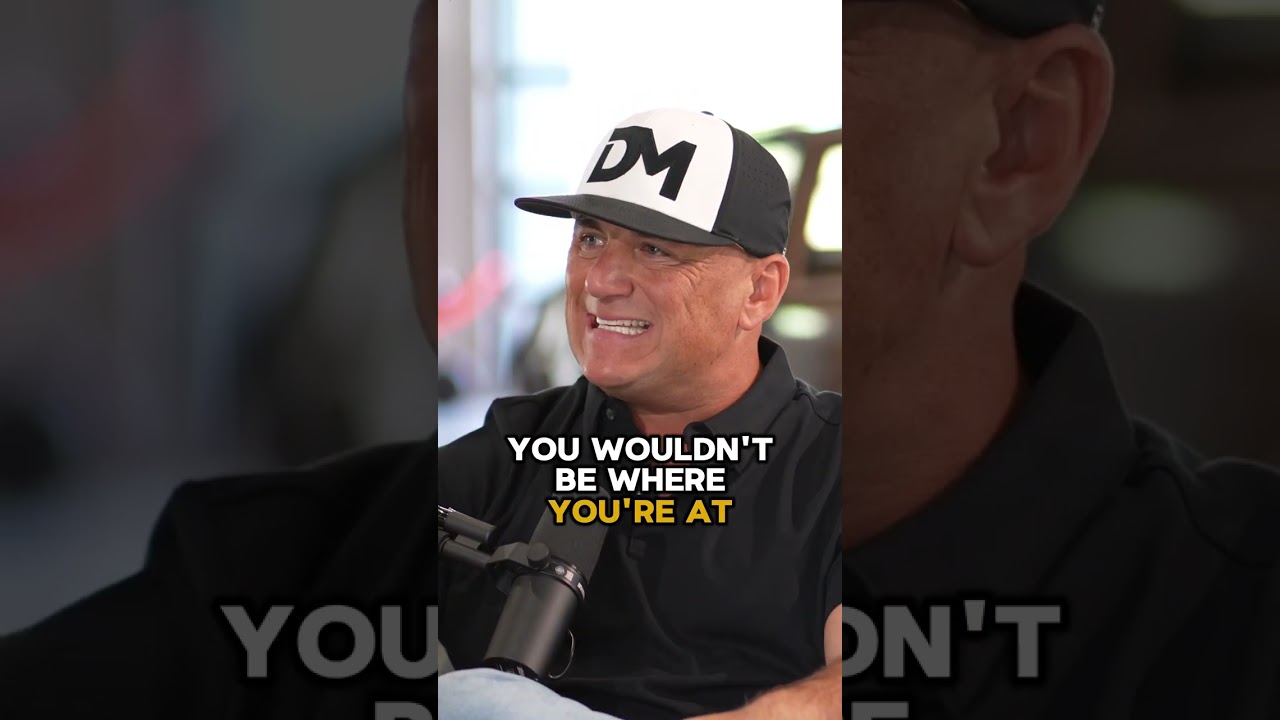
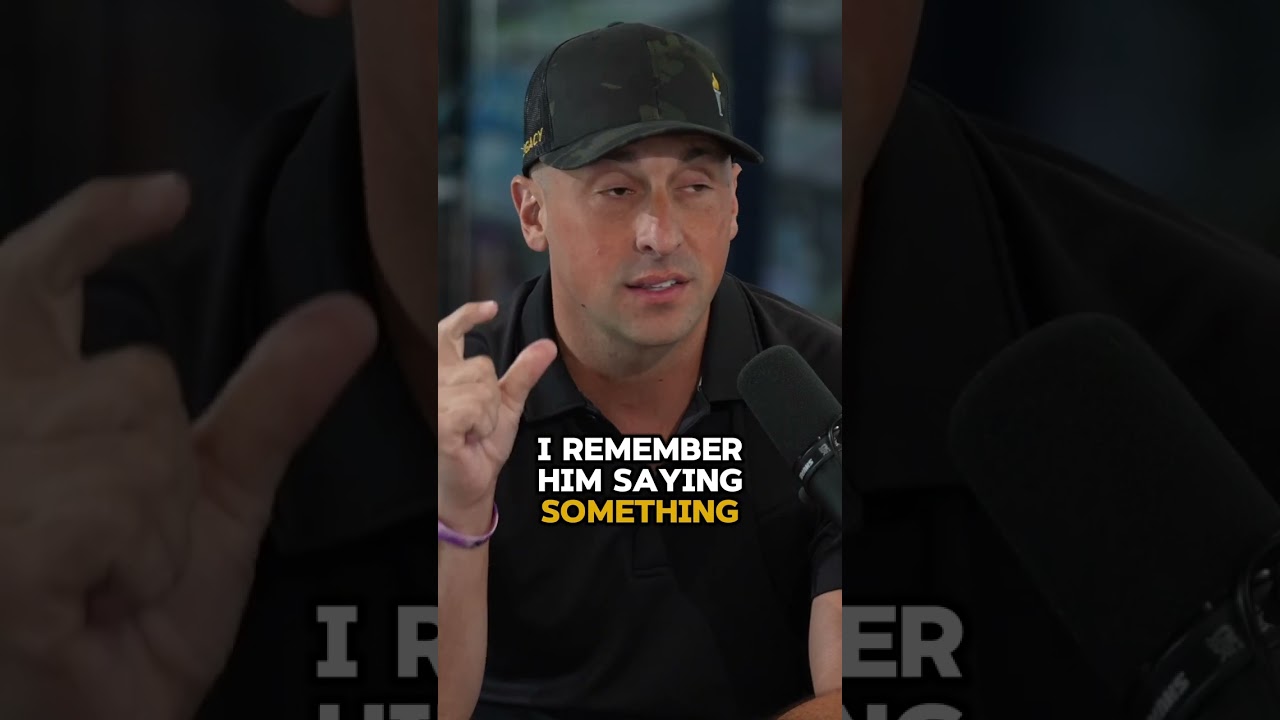
Rollin' With The DM - Real Talk - Real Access I 003

This is a recorded interview (Rollin' With The DM — Real Talk, episode I 003) where host Mark Evans DM talks with Edwin Kelly, a self-described expert ("23+ years") in self-directed retirement accounts. They explain that IRAs, Roths, solo 401(k)s, Coverdells, and HSAs can be self-directed through specialized custodians to hold alternative assets such as real estate. Key themes: using self-directed accounts to generate tax-advantaged, predictable cash flow (rental income, lending), multi-generation benefits via inherited ("stretch") IRAs, small minimum starts (examples: $500 initial contributions), numerical illustrations of compounding (e.g., $5,000/year at 10% for 30 years ≈ $997k; single $5,000 invested at 10% can grow to ≈ $2.5M by retirement), case studies (a client opened a Roth at 53 with $4,000; another client now draws ~$7k/month expected to rise toward ~$30k/month tax-free), and practical transfer advice (direct trustee-to-trustee transfers avoid taxes/penalties; wrongful cash-outs can trigger ~20% withholding plus a 10% premature-distribution penalty). The overall message: learn the language of money, act early, and consider self-direction as an alternative/diversification to traditional brokerage-held retirement plans.
Questions this video answers
23+ years.
1974.
$500 (as an example to start and begin contributing).
Approximately $997,000 ("almost $1 million").
Approximately $2.5 million (Edwin: "by the time they're 65, that account would be worth $2.5 million").
Chapters
Foreign. Hey, everybody, it's your boy, Mark Evans, dm. Rolling with the DM here. Real talk, Real access with Edwin Kelly. What's up, Edwin?
Hey, brother. How you doing?
Awesome, man. How are you, man?
I'm great.
Awesome. So real quick, they're sitting here at home watching us roll down a 1A in the Phantom. And who is Edwin Kelly and why should they listen?
You want me to answer that?
Absolutely.
All right. Well, my name is Edwin. I'm a friend of Mark's. We've known each other for a long time and I'm regarded as one of America's leading experts on self directed retirement accounts. And before you yawn, let me just tell you this is some pretty cool, exciting stuff that can help you create wealth, transform your family legacy, transform your business, and trans your entire retirement.
Yeah, absolutely. We've known each other for many years. How long have you been in the, the IRA retirement space?
Oh, man, it's been, I say, 23 plus years. I used to update that every year because I felt it gave me more credibility. But when I got to 23 years, I realized it's just aging me. So it's now 23 plus years. And 10 years from now, Mark, it's going to be 23 plus years.
Absolutely. So, guys, Edwin's helped me out a ton over the years. He helps a lot of our clients out buy assets and real est. Let's just get this off the table because I do real estate investing, as you guys all know. But like, can you buy real estate assets inside of an IRA, 401k, Roth, Coverdell, etc.
The answer is the government allows it. So absolutely you can. One of the reasons why you may not know that you can is that if you were to go to your local bank or brokerage who holds your IRA now and say, hey, I want to buy an actual piece of real estate in my IRA and rent it out, they're going to tell you you can't do that. And what they mean by that is that you can't do it with them. But that doesn't mean you're not allowed to do it. The government allows it. You just have to find a specialty, a specialized IRA provider that will allow you to invest in things that you want to invest in, Right?
No. It's huge. What's your thoughts on, you know, with so like what we're talking about? Like exactly what you said, like they don't tell you you can go do it. There's reasons why they don't tell you, right? Like financially, they're gonna, you're gonna pull money out and they're not gonna be able make money in the fees.
Right. So most traditional financial institutions, their whole the way they make money is that they charge fees and commissions on assets under management. And those assets have to be what they consider marketable securities, basically mutual funds, stocks, bonds, those kinds of things. And so if you said well I want to go out and put together my own investments, they have no way of making money on that. So the government allowed, when they created these rules, Mark, that firms who offer these services are allowed to impose restrictions on anything that they're willing to hold. So that's why I say really the issue isn't that you're not allowed to do it, you are allowed to do it. The issue is you have to find a firm that will allow you to do it. Right.
Custodian is what it's known as.
We're known as custodians, administrators, self directed IRA providers. And I use IRA just so you know. I'm going to use IRA probably as a general term here because that's what most people do. But as you mentioned, there's all different kinds of accounts that you can self direct. But I'm just going to use IRA as kind of a general catch all term.
And what he means by that 401k solo 401ks self directed kid IRAs, Roth IRAs. I mean education Savings account. Education Savings Account and then the high deductible HSA. Yeah, HSAs. I mean there's so many different variables. So if you're at home watching this and you're in business, you definitely should talk to Edwin about solo 401ks etc HSA programs. If you have children, you want to leave legacies. Inherited IRAs. Can we talk real quick about inherited IRAs? Like what's like a quick two minute dang on inherited IRAs? They're very powerful.
Yeah. So one of the cool things is, and some people have heard the term stretch ira and what that means is, is that you can create an IRA for yourself, contribute to it, invest it, grow it. But the really cool thing is, is that one reason why people use IRAs is for all these incredible tax benefits that the government gives us when you pass away. You can, you, you, you list a beneficiary on that account, somebody that you want that and they get all the same incredible tax benefits you do over their entire lifetime. So if you think about a Roth IRA example which, which you get to spend the money 100% tax free, all qualified distributions come out 100% tax free. Those qualified distributions then can go to your heirs and they can spend it over their entire lifetime. And so inherited IRAs are really, really powerful strategy.
Right? So inherited IRAs, you said stretch. I've never heard of stretch IRAs.
Some people call them stretch because it stretches across generations.
Okay, okay.
So that's a term that sometimes used. You don't hear it very often. But actually the thing that reminds me about is that I had a client ask me about, well, what about the stretch IRA thing? I got that question just the other day and I'm like, oh, yeah, you know, I haven't heard that term in a few years.
Yeah, it's an old school term.
Yeah, well, 23 plus years. That's why I said it's plus now.
23 plus, plus, plus, plus, plus. You're gonna start multiplying it 23 times. Yeah, that's awesome, man. So inherited IRAs are huge. You know, I've set that up with my father in law, so when he passes, the problem is, unfortunately, we're all going to die. Right? What George Carlin say, I know I'm gonna die, I just don't want to be there when it happens. Yeah, something like that. So setting that up, positioning everything we're talking about is important. Unfortunately, a lot of people don't treat it as urgent. Yeah, I mean, this is a powerful stuff, right?
Well, yeah, it is, it is. You know, it's an interesting phenomenon that I've noticed being in my business is that what happens is that people say to me, oh, I don't need to worry about that right now. And so they go from like, one day they wake up and they say, I don't need to worry about that now to the next day they wake up and they say, oh my gosh, it's too late. And so that comes back to that sense of urgency. The reality is it's never too early and it's never too late. The time to do anything is right now.
Right now. Right now. It's in anything. So like my son, I think we got him set up within a couple months after he was born, you know, funded it. How much do you need to fund an account with like an IRA? Can you fund it with a $500?
How much?
What's the minimum?
Yeah, so people start IRAs with just $500 contribution and get going. And that's what I always tell people. The most important thing is behavior. If you want to change the result you're getting, if you want to change your Outcome, you got to change your behavior. And so a lot of people say, well, I don't have a retirement account right now. Well, you know what? You start one and you start with 500 bucks. And if you can only put 20 bucks a month away, put 20 bucks a month away. But the key is to get in the behavior, to change your habits, to start investing in. And, you know, this is one thing that I'll just mention real fast, since we're talking about starting accounts, contributing.
Yeah.
You know, you think about it. You and I, Mark, we make money. You know, people watching make money. And what happens when we make that money, it's almost completely. I shouldn't say completely spent. Depends on the person's situation. But, you know, you buy groceries, you pay utilities, you pay interest on your mortgage, or you pay rent, and you have this money coming in and it goes out the door and it goes to someone else.
Right.
Putting money in an IRA is truly putting money away and investing in yourself, because that's your money, right? That's your future. And so that's why I tell people, don't cut yourself short. Don't sell yourself short. You deserve to start working towards financial freedom, financial security. And you do that by changing your behavior. And you can do it in a very, very small way. You know, 20 bucks a month, 50 bucks a month, you know, 500 bucks. Right. Gets it going. And you're investing in yourself and your future.
Absolutely. So I think the main thing is really what we're talking. I think it starts with habits is huge. But the knowledge and understanding what we're talking about today, they're watching this. There's people from all over the world going to watch this. So they're sitting here and it's like, you got to know the language of money. What we're talking. I don't think a lot of people understand what we're even talking about.
That's probably true.
Like an ira, like, oh, yeah, I got one. I got one of those at work. Or, you know, like, I don't think they really have a clue of what's going on with finances. Heads up. Finances and their goals. We got all these cameras here, guys. Heads up.
Am I supposed to be looking at these cameras, by the way?
No, just look out. Look out at the beautiful $50 million mansions everywhere.
Okay.
But I don't think a lot of people understand the language of money. Like, you know, hey, If I put $50, what does that even mean? It's only $50. Yeah, but $50 times 12 months, times 25 years, like that adds up. And then if you're investing it from my experience is like, just get started. And then you, and you start going in the system and playing around with it and trying to figure out how to grow it. Right?
Yeah. Well, you know, just to put it in perspective, and I'll just give you, I'll just give you some, some quick numbers. Like if you were to take as an example $5,000, right. A year and put it into a retirement account and you made 10% on that money every year in 30 years, your account would be worth $997,000, almost $1 million. Now here's, here's the interesting thing about that, is that what we all need to stop working, living to maintain or enhance our lifestyle is consistent, predictable income. Well, if you're making 10% on your money, 10% on $997,000 is basically $100,000 a year. And oh, by the way, when you take that out of one of the accounts we're talking about, you pay no tax, no income tax, no capital gains tax, no tax at all. So that's a true hundred thousand dollars that you have every year to spend for the rest of your life. And one of the reasons why Mark is talking about that, you look at that, you make a one time $5,000 contribution for your child, you get 10% on the money. By the time they're 65, that account would be worth $2.5 million. Close to two and a half million dollars. Again, 10% a year on that, $250,000 a year, 100% tax free.
Right.
When I talk about rewriting or transforming your family legacy, those are the kinds of things we're talking about. And that's what's really possible.
I mean, it doesn't end. I mean, we're only talking 10%. If you're an active investor and you know how to make 20%, you know, maybe you don't have every time, but the key is, is a front. Load this thing as much as possible. And then, you know, who knows, by the time you're 35 or 45 or 55, maybe it's $10 million. Making a million dollars a year, you know, not working tax free, it's powerful stuff. What's a quick story? Like, can you share like a story of someone's recently what they've done or not done with their ira? Like, what kind of stuff are they? What kind of results are you seeing? Well, some cool stories.
Yeah. Yeah. So it's interesting. We see, I mean, that's a great thing about sitting in my seat. I see so many cool things go through these accounts and I see people doing all kinds of things. And we obviously teach and educate on a lot of these strategies. So let me give you one quick scenario. We have a client and a longtime friend of mine by the name of Gary. Gary opened up his very first Roth IRA at age 53. And when he opened it up, he put $4,000 in it, because back then, that's all you could put in the account. He says, okay, I've got $4,000 in this Roth IRA, but what do I do with it? You know? And so one of the things that Gary learned, again, another thing that most people don't know, is that if you don't have enough money in your retirement account, you're actually allowed to borrow money in your retirement account. Now, there's some rules around that, but that's the concept. So we helped Gary create a strategy where he was using other people's IRA money. He wasn't doing anything. In the stock market, they lent their IRA money on a property that his IRA purchased. So they basically acted that this is a bank, his IRA owns the property. And subsequently he's now about 62 years old. And every single month he is taking out distributions from that Roth IRA. Last year they started around $7,000 a month. And every month it goes up. And the reason why is because he's buying properties, he's paying them off in five years. So when that property becomes free and clear, he starts distributing that rental income to himself through his Roth ira. And so every single month his income is going up. And within the next year or so, he's going to be at about $30,000 a month, 100% tax free. And that's a guy who started at 53, said, I haven't saved a dime. Is it too late? The answer is no, it's never too late. I mean, so that's a really cool.
That's a great story.
I mean, that's huge to me. That's what self directing is all about. It's about using these strategies to create a consistent, predictable income for yourself for the rest of your life and, you know, your spouse and your kids.
Absolutely. I mean, even with my father in law, you know, that's a Pretty big number. 30,000amonth. Some people might be like, oh, that's, it's not comp. Achievable for me or whatever. But my father in law, we set him up, I think he makes an extra 800 bucks a month, that's like game changing for him. Yeah, like 800. It's, it's like what a third of what he makes through is, you know, he's retired. What is that called? I don't even know what it's called when you collect money from the government after you retire, but pension and all that stuff, right? So I think he gets like $2,400 a month or 2,000 and now he gets an 800 extra dollars a month. Like that's to him it's like a win, a massive win.
Oh yeah. And the thing is, is that, you know, I use Gary's story, but the reality is most people don't want or need that much money. What I find most people looking for is about 5,000, somewhere in the neighborhood of five to $10,000 a month to live a pretty darn good lifestyle when they're not working anymore. And those are the numbers that will average, see people shooting for. And those things become very possible in a retirement company. I mean, let me ask you because you're a real estate investor, Mark, if somebody said, hey, you know, I want to retire in 10, 15, 20 years and I want to have five to $10,000 a month in income and by using these accounts, right, they wouldn't have to pay any taxes on the income that they receive. How many pieces of real estate would they need to acquire in the next 10, 15, 20 years? Pull that off?
No, I mean this is what my team talks to people every day doing this. I mean you only need about a half a million saved for our kind of product. They average about 12 to 12, you know, 10 to 12% on their money. So they buy 10 houses now they got the five to $7,000 a month cash flow. I think a lot of times people think like they're getting a check from work. So if you make 10 grand, you only get to keep 5 or 6,7000 depending on your take home pay. So like you said, when this is tax free money, you only need about a half million to $700,000 to accomplish your goals. It's huge. It's not. You don't need $25 million. There's guys we talked to, oh, I need millions. And I'm saying, but you just said you only need 5,000amonth. You know, I think they've been lied to. We've been lied to so much and we just have no, no clue of what to do with our money.
Yeah, right.
What about 10%? I mean, you see behind the scenes a lot of times I was Just talking to this guy actually is about $3 million in cash. He just went to all cash. He's 74 years old. This just happened a couple weeks ago. He's New York guy. So they understand who Bernie Madoff is, right?
Yeah.
So we're talking to him about doing lending on loans and stuff. And I'm like, buying property or lending on deals. And I was like, you can easily, you know, almost bank on 10% a year with your money. He's like, oh, my gosh, Bernie Madoff was paying people 10% a year. Must be a Ponzi scheme. And I'm like, well, that's not how real estate works. Real estate is very simple, right? You. You give, say, 100 grand, you own the asset free and clear. It's recorded across the world. Anybody can go see it. And then you collect checks every month from management. So there's no Ponzi scheme things. But behind the scenes, I mean, 10%, super doable and achievable, right?
Yeah. I mean, you know, that's the great thing about self directing is that clients are able to leverage their own knowledge, expertise, relationships, connections. Right. That they create. And so the numbers, you know, range based on what the client is doing. But we've seen just some incredible returns come back to accounts, again, depending upon how active or passive you want to be in the process. I think one of the mistakes that people make is that they hear about self directing and they think, well, I have to go all alone. Well, you don't. You don't have to be an expert real estate investor to go out and find, buy and hold real estate. As an example, you can find someone who knows how to purchase real estate, rehab it, put a tenant in there, manage it, and you can buy that investment property for the rental income. So, you know, you don't have to do it on your own. There are lots of resources out there to help you. And what I will say is that the more active you choose to be, and I would say this is really the relationship we see in the accounts between return and relationship that they have with the investment. If you're more active and you're taking on more of a role, putting in more time and effort, you increase your return. If you don't have time for that, you know, the returns will probably be more like the 10% we're talking about, where you're working with other people who are helping put those investments together. And so the returns just vary based on what the investment is and how it's working.
But I mean, 10%. I guess a lot of people, because we talk to people that's in the stock market, if they make 4%, they're like praying to God every day like, oh my God, this is amazing. I didn't lose 30% in the real estate space. 10% is a very passive opportunity. Or you don't have to be super involved at all. You just have, like you said, just know a couple people that have the connections that could put these types of deals together. Right. I think my big mission, and I know your mission is this is how do I turn my active cash into passive cash flow. Right, right. That's a huge thing. So everyone's working, everyone's busy. So you take, you and I even busy. I mean we own businesses, we're busy. So it's like, how do we take that cash, active cash, building it and growing it. Now we have all this money now, how do we put it into monthly cash flow to keep growing it?
Well, and that's really the name of the game. I mean, at the end of the day, you want to be as hands off as you possibly can. That's ultimately the goal because you can make a lot of money. But like, like you said, you know, well, you're, you're a little different situation than I am. But I work a lot, unlike Mark here.
We're working. What do you mean we're working?
Yeah, but, but I work a lot and, but I don't always want to work a lot. Right. And, and I love what I do. But there's going to come a day where I say, you know what, I want to work less or, you know, I want to have control over my time. But that comes by having a hands off approach. That's really what retirement accounts are great for. Because what you're talking about is you choose the investments that take your asset and convert it to cash flow, convert it to an income, something consistent and predictable. That's the end game. Right now if you're in that accumulation stage, you're growing your asset base, like I said, to get to a certain number, we're, we're starting to generate that income. But the challenge to your point, and one of the reasons why so many people are starting to think about this and look at this as an alternative or a diversification tool to the stock market is I'll give you two quick stories. I had one client recently who actually went and did the math. Mark, this is interesting. This literally happened last week. We were having this conversation and he said, yeah, so I did the math, I got all my statements out from the last five years. He says my account value is basically the same as it was five years ago, but I've been contributing the whole time. Oh wow. So he hasn't, in his mind, he says I haven't lost ground. Well, we know he has because he actually was contributing. Right. So, so he's actually lost some ground but, but he hasn't gained any ground. And the reason why he's looking at this is he says, look, I've been flat for the last five years, I can't afford to be flat for the next five. Right. It's going to be too costly for me. You know, I had one client who moved their account over in February and she had brought her October 1st statement, her year end statement and then we did the transfer. She transferred over to a self directed account in February and from October 1st to February, the first week of February, when we did that transfer, she lost enough money in her retirement account, she could have bought a brand new Mercedes.
Wow.
And that's the challenge, Right. And really the challenge with, with that is the fact that she had no idea that was going to happen. If she knew was going to happen, she would have sold out beforehand. Right. That's the problem. Nobody knows what's going to happen in that world.
Yeah.
But you know, you can, you can invest in, like you said, the variables are known. You know the property, you know the condition, you know the rental income, if that's what, if that's the type of deal you're doing. Right. So there's a lot of knowns in that where you, you have a lot of unknowns in the market and where it's going to go.
No, it's huge. And you know, again, we're going to talk about a lot more stuff here. Edwin's here for, you know, a little bit, but like on the other side of the page too, we're going to go deeper and you know, answer some higher level questions as well. So make sure you follow us. So Edwin, real quick on that point because you're talking to people every day about financial stuff, retirement stuff. To me, when you tell me someone loses five years or flat for five years, in my head, that's five years of ultra compounding opportunity. And five years, we can't get time back. We can always get the money back. But five years of losing five years of that opportunity is pretty massive. I mean that could mean lots and lots of money, right. Depending how big the account is.
Well, it is lots and lots of money. And the reality is like what you said. And that's the thing that people don't realize. I think when people start out, they think that money is the name of the game. Right? That's what they got to focus on. The reality is, like, what you just said, Money comes and goes.
Right?
Right. But there's one thing that I've learned in all my 23 plus years is that I can't get those 23 years back. Those years are spent. That money is never coming or that time is never coming back. And that's the challenge, the biggest challenge we have. The only limitation we really have is time, and we can't afford to squander it. So it's about making the most of the opportunity. Opportunity with the time that we're given and the money that we have to use. And so, yeah, five years flat is, is a problem. I mean, that's it. That's a big problem for people.
It's massive. And it's. Listen, you might be watching us and you're like 30 years old. Like. Yeah, but I'm gonna, you know, I got, I got 35, 40, 50 more years left. And the problem is, is like, that kind of thinking, that's going to be the problem when you turn 50. That's. You're gonna say the same stuff when you're 55, 60. I mean, it's. We see it every day. Every single day. So talking about that, like, we get clients and, you know, some clients are stubborn, more stubborn than others. But, like, you're gonna get that client that's bought this stock. They're down 30% in their portfolio. They understand what we're talking about, they're excited about what we're talking about. But yet in the back of their head they're thinking, but, Mark, the stock's gonna go back up. And I can't wait. I can't liquidate until it goes back up. And unfortunately, sometimes it never goes back up. Do you get client? Like, you said, that lady lost that money could have bought a bins.
Right.
Like, timing is. We don't know how to time it. That's not our world. So it's like, I personally think if you find something, you make a decision, you sell and move on and, you know, lick your wounds and recoup it on something else that's more predictable.
Well, yeah, I mean, you know, everybody has to make a decision of what they think is best for them.
Right.
But I do think that one of the things that people confuse is speculating and investing.
Right.
That's something that I see Pretty common. So as an example, my definition of investing is I look at something and it says it's going to provide me with certain income if I pay this, if I invest this amount of money, I'm going to get this amount of return and it's based on cash flow coming in on a monthly basis. And there's a contract that says, this is the amount of money that's coming in and here's the person who's going to pay it to me. That is an investment I can evaluate. I can look at what it is, I can look at the cash flow, I can look at what my investment is. I can calculate or forecast a return. There's a lot of knowns there. There's some things that I can figure out. Speculation, on the other hand, is I'm going to put money in something and I have no idea what it's going to do, but I hope and pray to God it goes up. That's speculating. And so to your point about the market going down and people saying, well, I want to stick with it, that's a decision everybody has to make for themselves. But what I will say is that ask yourself some questions. Why do you think it's going to go up? When is it going to go up? What happens if it doesn't go up in that period of time? What's your next step? What's your next decision? And if you can't answer those questions, the question is, are you speculating? Are you investing? And by the way, what's going to drive it up? You know, what was going to make it go up? I mean, these are all things that you need to know, because remember, this is your money and nobody cares about your money as much as you do. And so it's just important to make the best decisions you can. But factor, you know, take the emotions out of it, which is hard to do a lot of times. Take it. You got to take the emotions out of it and really think through these scenarios and ask yourself these questions.
You know, why I think it's hard for people to take the emotion? I think it's easy. Here's why I think it's easy. And I think it's harder for other people. I think they're looking at one pixel. So picture a tv. If you only see one pixel and it's broken, it's a big deal. Yeah, if you look at the full picture, you're not even going to really notice it. So when you're planning, you talk a lot about planning and, you know, strategizing like, okay, we're gonna go 5,000 a year. We're gonna do this, accelerate, do this and that, pull from here. Like, if you see the full picture, actually the emotion goes away. And now you take the fear of losses that you're losing maybe and put it into the opportunity that you're going to make on investing. Like you said, not speculating, right? So now you see the full picture. I think a lot of people get that confused too. Like, it is scary. Like if you're just looking at one piece, like even in real estate, we, everyone's like, oh man, I would never pay 12% on money to do a deal. I'm like, but you're gonna make 40,000 on the deal. If you see the full deal, it actually is not a big deal at all. It's pennies. You're tripping over pennies for the massive opportunity. Does that make sense?
That makes perfect sense. And you know, I think, I think people make that mistake, you know, throughout their, their lives and their financial lives because I cannot tell you and I know you hear it too, you don't want to become a full time investor. You don't want to start a business, you know, that's too risky. Well, I don't know. I think being 50 years old and somebody else, one person controlling your financial income, if they decide they like you or they don't like you, or there's a management change at your company and you get exited because you're not in with the new management, they have their own people that they want to bring in. To me, that's risky. But when you have a hundred real estate transactions, if one goes away, guess what you got 99. I have a business that, you know, I have thousands and thousands of clients. If one client decides to leave me, one person fires me. I don't really, I don't even know it, you know, I don't even know it. And so, so yeah, people have this. I think it's an emotional idea about risk. What really is risky? What not because of our. Just the way we're conditioned. If you've gone to college or whatever. I mean, we're not really taught these things. We're not exposed to these things. It's such a, I think your analogy is great. One, you know, it's looking at the bigger picture and what that really means and looking at it. One of my favorite lines from James Bond, when M says to James Bond, you know, you need to judge the situation dispassionately. That's, that's really what it comes down to it's powerful.
I mean, again, what are you like, if you're a viewer and you're watching, like, what are you trying to accomplish? What do you want your money? I don't think people ask me what is. You're working for money every day, but what do you want your money to do for you? Right? Like, how can your money work for you? How can it produce cash flow? I think you're so. I think there's a lot of people watching that are so close to like a whole nother life if they've just switched, you know, make that switch of what we're talking about, move the money into self directed, get more active, understand the language of money. What you said too about being an investor as opposed to speculator, that's a game changer. I think a lot of people, my biggest fear in life is making or losing money and not knowing how either or happened because I have no control. I'm always a victim. Yeah, if you lose money, you're mad. If you make money, you think you're a genius, but you don't even know how you made it. So when you lose it again, you're like, oh my God, now I'm scared because I don't know how to do it again. And it's like that emotional roller coaster that guy was talking about. He was 70 something years old. He couldn't even go to sleep at night because he'd watch cnn, CNBC and the markets like this and he literally was gonna give himself a heart attack. Literally.
Yeah. No, I mean, and I always tell people, I say, you know, one of the best things you can do for your soul and your spirit and your outlet. Look, I'm like, is stop watching the noise.
Oh.
You know, which most people call the news, but I call it the noise. And that's basically what it is.
It's so bad. It's so bad. So people are sitting here watching, they're like, you know, we'll tell them how to get a hold of you and all that stuff. You know. Another thing too we're doing is called Kitty Roth ira. Where we're going to talk about like getting the kids involved and you know, helping, you know, getting the family involved. I think that's kind of cool. Like you said, they don't teach us stuff in schools or colleges. How cool would it be if our parents. I don't know what your parents said, but my parents, they did. I set them up with self directed IRAs. They didn't even know the stuff existed. So how cool if like people could get that position with Coverdells and all that. So on your side, like what. How else can people follow you, Edwin?
So you know, one of the, one of the great things to do is go to specialized iraseservices.com just published a new book. We're giving it away for free on our website. Go there and get the book.
What's the book? I didn't know you had a book out.
Yeah, it's, it's. You didn't know. I gotta get you a book. I'll autograph before you even.
Please do. Gotta take a picture and autograph and all that.
Yeah, yeah, yeah. It's basically the path to financial freedom. And we talk about these strategies. It's a great read on and it's a great introduction to self directing and some of the things that people are doing and how it works and the things that are available to you. So we do that. You know, our Facebook page. We love our Facebook page. So just like you, we do a lot of great content videos. You get to hear from other clients who are doing things. And so if you want to learn what people are doing, that's a great place to go and become part of our community at special. At Facebook and look for specialized IRA services.
Yeah, we'll put that on the bottom of the screen and all that. I mean, Edwin, you guys have so much. I mean you have 23 plus years of content and information and knowledge. I think the key is people aren't just buying your knowledge or buying your how to expedite. Like you're really mentoring them for free, if you will. Like online.
Right? Yeah.
With all the content and information you guys have.
Yeah, well, you know, you know what people are looking for, for ultimately is that they're looking for result. And that's really what it amounts to is that we're only as good as the result we help you generate. Right. That's the bottom line to the whole thing.
Absolutely. So I mean, people, how, like, how can they start researching others? I mean, you can just go type in self directed IRAs solo. 401ks. 401ks are powerful. We have a lot of people that lost maybe their corporate job. They have 3, 4, 500,000 in cash sitting in a 401k. You know, one thing we get, and I'm sure you've heard this too, like, we're like, well, what'd you generate, you know, on returns last year? And they're like, I'm kind of embarrassed to tell you. I've not even looked at my reports. Yeah, they don't even look at it because they're afraid to see what they.
Well, that's it. They're afraid it's too painful. And I can appreciate that. The key is if that's how you feel about your statement, then it's time to move. Yeah, it's time to move that to someplace else when you get a different kind of statement.
Right. When did I self. When did this stuff start becoming like a little bit normal? Because I'm always amazed that still people don't even know this exists because this is our world. Like I think everyone knows about it. I'm always excited about. But probably what, 2% of the world even knows it exists.
Yeah, maybe, maybe that. Right, maybe 2%.
So how do people, like they're sitting there, they can go online, they can. When did it start? Like what, 76, 78.
Back in 74 really is when IRAs were introduced. And the interesting thing about it is that. So the rules were put into place and it's been around for a long time. So even though this may be new to you, this isn't new at all. It's been around for a long, long time. Long time. It's just what I tell it say is that the larger, basically Wall street, in my opinion, hijacked the conversation through mutual funds and limiting access to investments. That's where the conversation came in. And that's where people started to think that the only thing you can do are mutual funds, stocks, bonds, CDs, those kinds of things. Because that's what the big financial institutions push because that's where their money is made. And so that's. So that's why people haven't heard about it for the most part. But it's been around for a long time. It becomes more and more popular every year because people, as the market continues to do what it does, people are looking for alternatives. They're looking for ways to diversify away from that approach only and self directing is it. I mean, I always say there's, you know, I've looked at this stuff, I've been around it my whole life and there's only. And the reason why I got specifically into self directing is because what I realized was there's really only two paths to go down. There's the path, that is what everybody else is doing. And most people, you know, I mean, walk into Walmart, you know, they should be enjoying their golden years and they're not. They're working at Walmart. So what most people do doesn't work. And then there's the, the road less traveled, at least right now. And that's the path of self directing.
Right.
And that's the world that you live in, right? That's the world I live in. That's the world that Gary that I mentioned earlier lives in. Right. And it just, it behaves very different and that's where the opportunities are.
It definitely is. I think that. And then as I'm sitting here we're like, you know, thinking about this kind of stuff. Like we're so much closer. Like don't shut this off and not dig deeper. Like this is something like, like if someone's watching, what do they need to do? Like right now? Like just set up an account. You can set up an account for what, as low as 500 bucks, $500.
Contribution, first year fees and you're off and running.
Just get it started. Or if you have an ira, you can transfer. We didn't talk about this there. What, what kind of penalties or fees or cost is associated? If they have a hundred thousand of 401k, are they getting penalized? Or if they have an IRA, like aren't they getting hit with tax problems? Or how does that work?
Yeah, so the cool thing about it is, is that if you have an IRA or an old 401k to a previous employer or some other company sponsor plan, the cool thing about it is, is that when you work with us, when you work with your new self direct IRA provider, we're going to make sure that we move that money over in such a way that you don't get hit with taxes and penalties. So if you have as an example, $100,000 in your old 401k today, $100,000 is going to show up in your new self directed IRA account. Right. So dollar for dollar, it will come.
Over, over, come straight over. And so don't pull your money out and then call them up and say, hey, I want to put a hundred thousand in there. It doesn't work like that.
No, it doesn't. I, and I cannot tell you how many people I've seen hurt themselves by doing these things.
Running from the cops.
Wow. Maybe we should follow them with our video cameras.
That would be cool, see what happens. But yeah, no, so like don't do that because you're going to get hit with 30, 40% of tax problems. Right.
They can withhold 20%. And then if you, if it's, if you're, if it's a premature distribution, if that's what's considered, you get a 10% penalty. So. Yeah, you don't want to do that, right? Yeah, let. Let work with us, and we'll. We'll spare you the grief and the pain and make it seamless and. And you won't pay taxes or penalties.
Right? Powerful stuff. Powerful stuff. All right, guys, well, appreciate you being here. Follow Edwin Kelly on the notes below, and we'll make it happen, Guys. You guys are the best. Thank you, guys, for being the there.
Sa.