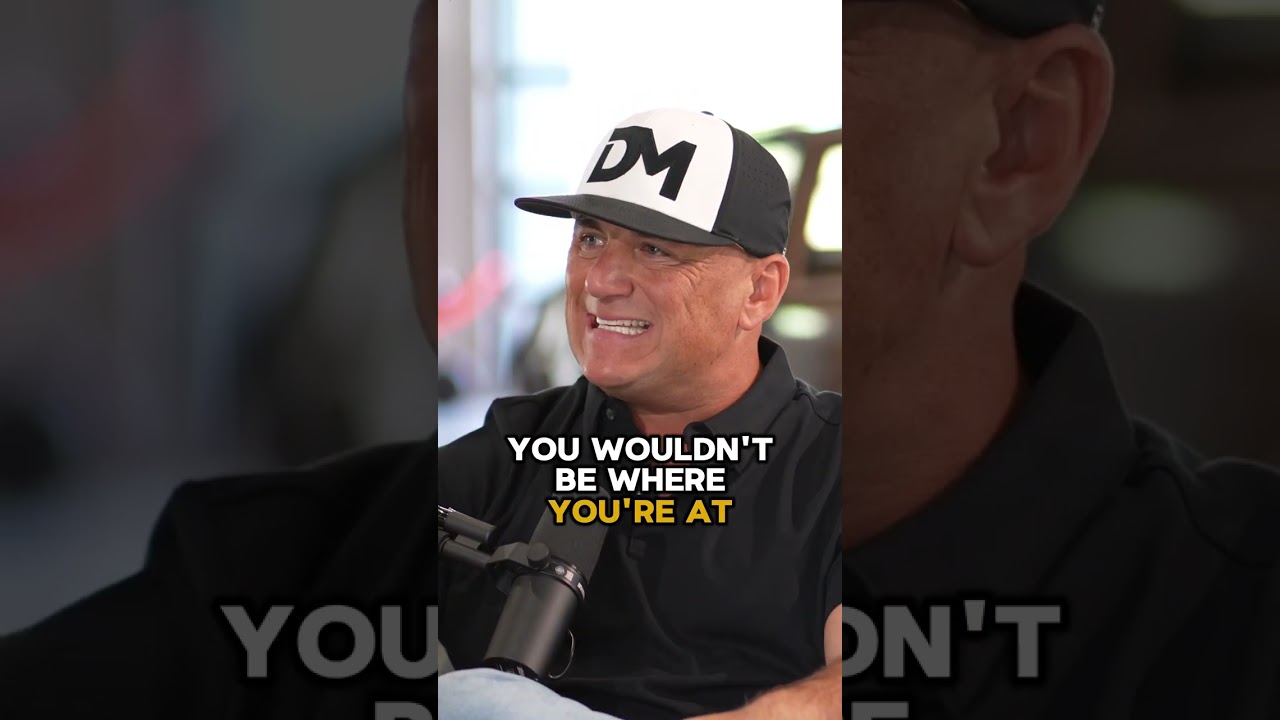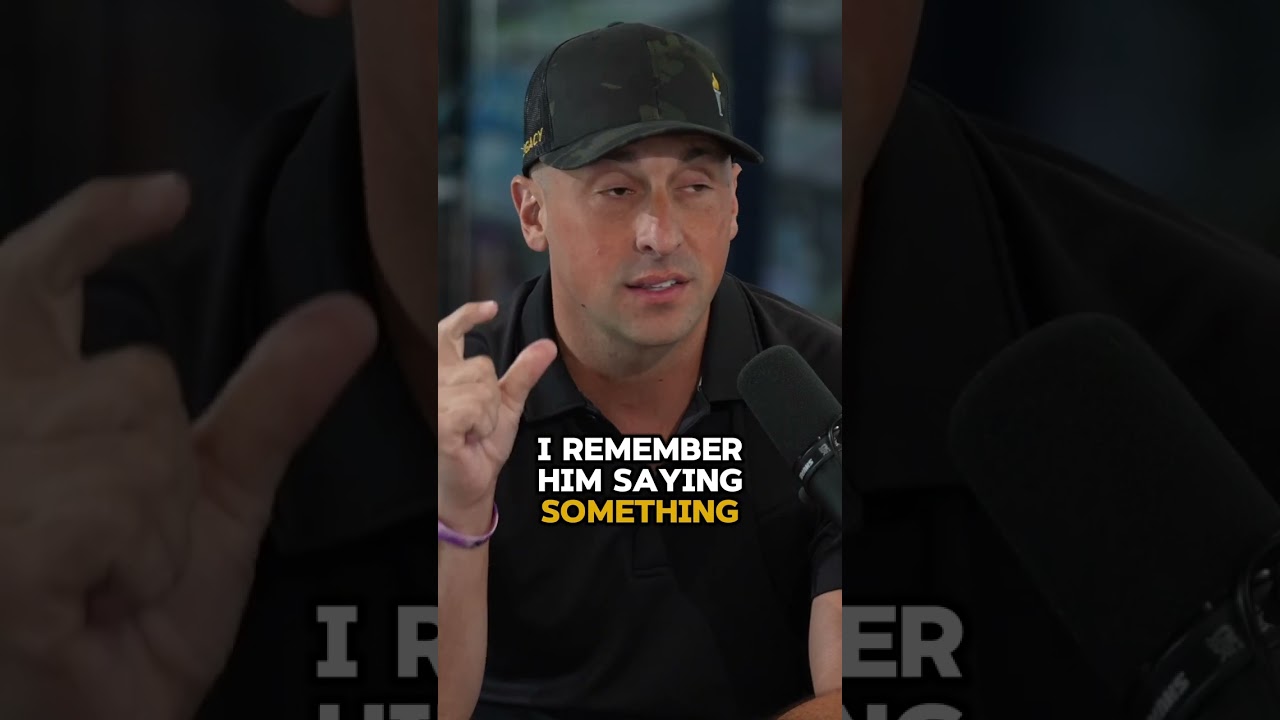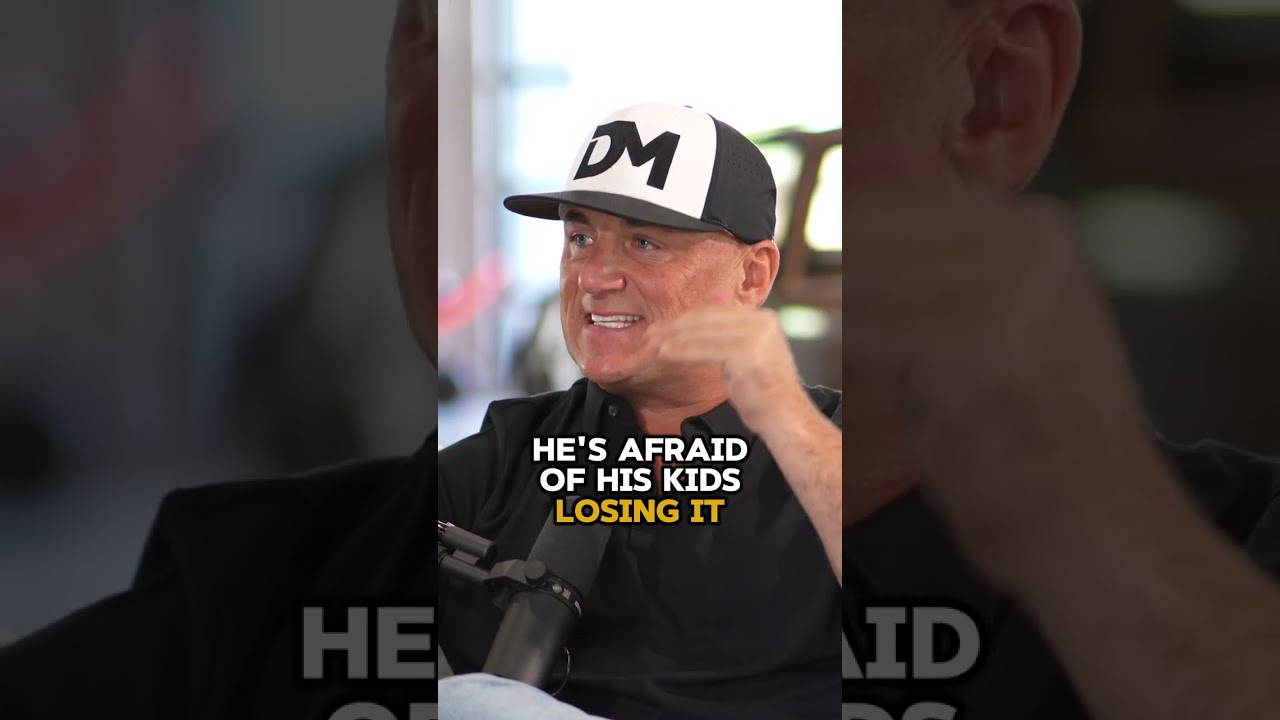
Mark Evans DM talks with Joe Evangelisti, Tim Bratz, and Judson Smith about scaling real estate. Joe does about 100 flips a year, Judson owns 98 units, Tim has 400 units. They cover private money rates (8-13%, sometimes 15%), how they fund deals, and why relationships and momentum matter more than perfect planning.
Questions this video answers
May 23, 2017
Just over 100 flips a year
8% up to 13% (and he recalls paying 15% on his first private-money deal)
Chapters
Foreign.
It's your boy Mark Evans, DM here. Rolling with the. Wait. Yachting with the dm. What's up guys? What's up Joe? What's happening? What's up buddy? What's up Judson?
What's up?
What's up man? What's up Tim?
Great.
So who are you guys? Everyone wants to know Joe.
Who wants to know Joe evangelist the Haddonfield, New Jersey and got him with the DM.
Got him with the DM. Flipking.com.
Flip king.com. that's right.
There we go.
The flip king.com. should we edit that in?
Dan?
What about you Judson?
Judson Smith, Raleigh Durham Market and just happy to be out here man. Learning about some lifestyle stretching and growing and talking about things that'll take us to the next level.
Absolutely.
Hey Tim Braatz. I'm out of Cleveland, Ohio focusing on more on a little bit of turnkey single family stuff and larger apartment complexes mostly in Ohio, South Carolina and Georgia.
Awesome. So just real quick like how did you guys get started in the business? Recarlton Sheets and became a millionaire the next day?
Yeah man, absolutely.
That's how it works.
Yeah. So I actually got started in the business in the brokerage business. I started flipping houses about 10 years ago and did the brokerage thing and then transferred into full time real estate investing fix and flips, buy and holds and wholesale. So now we primarily do fix and flips and new construction stuff and we still maintain a portfolio and stuff like that. So it's cool. And still to this day own and operate a ReMax franchise as well. So keep the brokerage stuff done as well.
That's awesome.
So you guys started your first deal. What was your first deal?
First deal, actually flipped the house by hand, did my first couple by hand, flipped them and did all the work myself. You know that's kind of how a lot of people get started. And learned real quick that that's no way to be able to scale a business and do it yourself.
So.
And put a lot of my own money into it as well. So I kind of did it the hard way, did it the wrong way and learned the hard way not to do it that way anymore. So started to get smart about it, started to learn how to do it with other people's money, with investors and started to scale it and do it with other crews and stuff like that and grow it to a higher level. So started to pick up some steam and be able to do more volume and hire other people to do our work and to the Point now where we do about just over 100 flips a year and we're able to acquire those properties and keep a bunch of them as well while we're flipping them too. So add to the portfolio as well each year. So now it's moving along pretty well. It's nice.
It's a machine. Absolutely. What about you, Judson?
Yeah, so I started in the service business as a pest control owner operator and I was actually doing termite treatments at empty houses and. And I started asking more questions like, hey, who owns this? What is this? It looks brand new. And so I discovered what flipping was and what rehabs were and just started taking those owners out for lunch and coffee and picking their brain and was taking the profits from that company every time we got a nice sliver of profit and putting it into a rental and then putting a little bit into a flip deal to see how it worked and just learned as an investor first, a very, very small time investor and then I was like, man, I can, I can do this on my own. So bit off a little bit more, bought another rental, try to flip. And now what we got going on this year, we just picked up 98 unit single family portfolio and we've got 17 flips open currently.
That's awesome.
Yeah. How much have you made in the past week while you've been on the yacht?
Oh man. Well, made 20 on the yacht. 20K on the yacht. And then just before that, the Thursday or Friday before we closed or the week before we came out here on the trip, what I text you, mark, we put 123, had some change in 123,000 and I never did that. And I again, I was in the pest control truck for three, four years and don't think I ever put that in my, in my pocket. So one week really compressed. Tom, that's amazing, dude.
That's awesome.
Good for you.
What about you, Tim? Your first deal? Well, what about your first deal? Your first deal?
Our first deal was we bought Lauren and I, my wife and I bought a duplex outside of town. It was a deal that had been rehabbed and we bought a duplex. We were in it for it's like 62 and it was our it now. Currently we actually just upgraded one of the tenants. So one side does a thousand, the other side does 685.
So you still have it?
Still have it, man. It's actually still one of my most profitable rentals that I have payments coming down more and more and profits going up.
That's awesome, man.
Yeah.
What about you, Bratz, man?
Graduated from college, moved out to New York, got a job, and read a couple books about passive income, residual income, and realized there's more to life than trading your time for money. And so just read more about real estate and realized I wanted to be an investor but didn't have any money. So went to some guru seminar, and the guy's like, listen, you can just call up your credit card company and increase your credit limit. So I called up my credit card company, and they increased my limit from 3,000 to $15,000 just over the phone, just after I lived in New York. About a year later, I moved to Charleston, South Carolina. I found the cheapest and house in Charleston. It was 25 grand. I offered 10, they came back at 20. I offered 14, which is the most I could do because that's the most I had on my credit card. And they ended up accepting it. So I did the work just like Joe did on his first deal. I'm in there cleaning, painting, carpet, fixtures, flooring, and then I just put up some bandit signs. And I did what you have to do in order to move your first deal. I went and knocked on every single door up and down the street and up and down the two streets next door or two streets bordering that one, and found a guy who's willing to pay me $35,000 for the house. And I closed, made about 15 grand inside 70 days. And I was 23. Didn't even know what I was doing making money. So did it again, did it again, did it again. And, you know, pretty wild, though.
That's awesome. Where you see a lot of people get in trouble, right? They try to learn everything. All these. We're still making mistakes. Like, if you wouldn't have done that knowing what you. You would have never bought that deal knowing what you probably know. And in the beginning, but now you buy it, then, boom, you make money and you just keep going, right?
Yep.
So easy.
You will learn so much more by doing your first deal than reading books for six months full time. You just got to go through the motions. You got to talk to contractors, go through a closing, sign the documents, you know, learn, get insurance. Like, go through all those steps. If you haven't done a deal yet, you just gotta pull the trigger.
The book's got no emotion either. Like when you put, you know, it's your skin or your cash. Or like you're the one sitting up at night wondering if a contractor is gonna come through or if you need to go help or drive by like emotion mixed with, mixed with education equals like change or growth or whatever you want to call it.
No, that's awesome. Joe, on your side, like what's your average D deal size though? Because your, your numbers are way different than ours.
Yeah, we're all over the place a little bit. I mean we're doing, we do flips anywhere from 200 to about, you know our biggest deal right now is a million four. So you know, we cover the gamut because we are doing fix and flips and we're doing new construction in like some higher, higher end areas in South Jersey.
So.
So we got a little bit of a spread.
Right Johnson, what's your kind of deal? Seth?
So the biggest one I've done is the portfolio that we picked up. The two investors were in at 2.4 million. I'm getting super solid, you know, 12% returns in there. So I mean making great money. But lately I've been focusing on picking up the anywhere from you know, 50 grand and below with ARVs of 100 and below. And we were talking about this earlier, that deal, I mean people talk about market cycles and is it going to crash, is it going to fall out? And the real answer is, you know, who cares if you're in the right deal. You hold something like that as a rental or flip it and you know, make your 20, 30, 40k whatever it is and move on to the next one for sure.
Tim, you're in the 50. Well now you're in the higher now.
Well I do, I do the turnkey side of things. We do probably five to eight deals a month and that's usually houses under $120,000. So 50,000 to 120,000. Our average profit is probably 8,000 to $20,000 depending, depending on the deal and then, but you know, my long term holds big wealth. Building is the apartment building. So I have a little over 400 units there and our biggest deal is probably 12 million. I don't know about other 400 units. Probably have almost $35 million worth of property there.
That's awesome. It's awesome. What about private money? You guys using all your own money going to conventional banks? Private money. What do you guys do?
I do a mixture of things. I actually have a, I have a pretty good system of trying to take private money and when we do a fix and flip, obviously we get the private money right back and then we re borrow it again for the next deal. But when we do a fix and we buy it, when we keep it as a buy and hold. We'll re rent it. And then we'll go back to a local community bank and we'll keep. And we'll refinance that property in the community bank. Once I have a certain amount of deals in the pipeline with the community bank, we'll take that to a bigger bank and we'll refinance that thing either to a blanket refinance or, you know, just a bulk refinance into a bigger bank, loosen up the community bank again and then do the whole thing over again. So we have a blend between our private guys and our community, our community banks and our bigger banks. We kind of use it.
What's your term called?
You have a pretty cool term for that, right.
I call it a replacement recipe. But it's pretty damn close to your trifecta, which I kind of read after I invented the replacement recipe. So I kind of got to give you credit for the trifecta.
No, I mean, listen, you're doing it. We're both doing it.
We're both doing.
Call what you want, it's money in the bank.
Absolutely. I kind of been doing it just as long as. Probably since you read.
You wrote the book.
But it's interesting. We kind of all go about doing our thing kind of the same way and we end up, you know, coming. Coming about the same result, the same, you know, our own way. We kind of find our way to do it. But it's interesting, you know, we all got to come up with creative solutions, solutions to our creator, you know, to our issues, you know.
Well, it's. The truth is there's not one direct path to success. Absolutely right. We've all done different paths, different beginnings, different where we're at now, different where we're going tomorrow. Like, there's no direct way.
Yeah.
So, like, I'd rather see someone spend like 50 grand on a house than the 50 grand on a coaching program, you know, Just buy a house. Yeah.
You'll learn just as much, if not more.
Just go do. Yeah, I mean, I just think you'll, like, actually know what a HUD looks like. You'll, you know, it's. I mean, you make. You can make money.
Yeah.
And I'm not saying you shouldn't invest in yourself, but like, there's certain point in time when you should just do a deal.
Yeah.
Just get off the fence and just go. So, Johnson, you've got a lot of private money, right? You're working with a lot of private.
Yeah. So the way it started for me is we started going to the bank learning I were going to the bank for like first Bob rental properties and then they basically pulled it out from under us. They were like, yeah, that's it. So it's not going to work. And it was taking, you know, know 30 to 45 days to close. And that's when I started hearing about, you know, talking to other investors and reading. I was like, there's something called private money. And tried a couple of guys, it didn't work out. I got discouraged, you know, botched the phone calls, got got all nervous on the call, which is, you know, completely normal.
Sure.
And ended up doing the first deal with lending home.com.
Okay.
Which the rate was. I can't even remember total all. And it probably cost ME a over 20% to borrow the money. But then I just kept. That frustrated me, you know, talking about taking action. I was like, man, I just lost, you know, 10 grand and using them as a lender. So then started talking to more guys and more guys. And that's all come to now I've actually got one of my investors who farm. That's what he does. He farms investors and foreign money and brings in that. And we have a good relationship. You know, I've really cultivated that one and paid attention to that relationship. And yeah, now it's like, you know, you think you have to have, hey, you want to run a million dollar business, you got to have 10 guys that you. 20 guys you pull money from. The truth is, man, you could have one or two guys, three guys to fund your whole business, your whole growth.
Sure.
If they got the right amounts and you know, can move like you need them to move.
Absolutely.
That's all it takes. It doesn't have to be huge.
Starts with one. Starts with one, right?
Yeah, yeah.
What kind of points and fees do you think people should expect to pay?
We pay anywhere from 8% to some people, up to 13%.
Yeah, but points and fees you're not into.
We don't do points.
That's more hard money talk.
Right, Hard money lender talk.
When you start talking points and fees and extensions and all that kind of stuff, it's usually more institutional financing when you get to that point, hard money and you know, we don't get into that. Usually when you're dealing with private financing, it's more simplistic, it's more relationship based. You don't generally talk about credit scores and personal financial statements and all that kind of stuff. It's more about the deal and it's about the relationship. I've always Found it that way, right?
Well, yeah, well, the flip side, because where you are now doing those hundred deals a year or 100 flips a year, you've had so many reps where with it and so you're comfortable enough to go to an investor and kind of call out the, the terms and do what you need to do.
Good night, Chris.
Good night, Chris. But I would say, I mean if you're, if you're just hopping in the game like, you know, I had a guy tell me one time like what's too much interest to pay? And I'm coming up with all these numbers and stuff and he's like, dude, if the deal makes sense, the deal makes sense. So the flip side is know you're. When you come into a deal and you know your numbers, hell, you might be able to pay, you know, 18, 20% for a deal and still make, make more money than you've ever made before.
Absolutely.
But, but yeah, I think is it as you get further into it, you, you said it, man. It's relationship. You can go to your guys and say, hey man, this is what I'm willing to do. I've now created a reputation that I can pull this off.
Now listen, I think you make a great point. I always tell that story. When I did my first private money deal, I paid my lender 15% and 20% of the profit on the upside, you know, and I gave away the farm. But that was to get in, that was to get comfortable with him. That was to get him comfortable with me. And I tell a story because at the end I over promised and I over delivered and I did everything I was supposed to do and I performed so well on that transaction. He tried to give me $5,000 back at a lunch and he actually took a check to lunch and gave it to me, slid it across the table, table at lunch and I tore it up and I gave it back to him. And he tells everybody that story to this day. Because listen, when you do a deal, you do a deal, that's it. Period. End of story. When you give your word and that's what you say you're going to do, just follow through with it. And from that point forward, he never wanted profit. He never wanted to be in my pocket, as he called it. He never wanted to be, you know, as part of the deal. He just wanted his interest. And we were 15% for probably the first, I don't know, 10 deals after that. Then it went down to 14 and then I went down. So you know, at the Very beginning. Like you said, until you have some of that, you know, deals under your belt and you're a more safe investment to that investor, sometimes you got to give away more than maybe you're comfortable with.
Absolutely.
But if the deal works, the deal works, you know, period.
Dude, when I got started, I was doing 50, 50 splits with everybody who put up money. And I did that for the first three years, you know, and so, I mean, I was a punk, 23 year old kid. And it takes a lot to invest with somebody and you think they're new, but people saw the work ethic and they saw that I knew what a deal was. And so they were said, hey, I'll put up the money, you do the work. We'll just split it 50, 50. And you know, would I give away 50% of a deal for somebody bringing the money now? Absolutely not. But that's because we learn we're more valuable, you know, it's less risk. It's not only the property, that's that, you know, secures their interest and secures their, their money. It's also the individual that they're lending to. And I know Mark says it all the time, like, are you the kind of person who would go and work third shift at Wendy's to make sure that your investor gets paid back? And I know all the guys at this table are. And that's why, you know, people are willing to invest with us. And that's more important than the asset that they're actually investing in.
Huge.
I think the big thing, right, is like, so many people are so, oh my God, I can get it for 9% or 8%. Like, just get the money.
Yeah.
In the beginning, get whatever money you can get to do the deal. Right. Close the deal, make some money. Make, make them whole. You make money. Like, even if you don't make money on your first deal, you just had the best experience in it. Like, you learned so much, right? So, I mean, the opportunities and the values are there. So what else?
Like, what was your first deal, Mark?
It's a. It was a small 36 unit storage facility in Lancaster, Ohio. Literally just bought it. Owner financing five grand down and turned around, painted it pink. Town went ballistic. And then I wholesaled it out and made like 2 grand just like to get off my face. So I didn't even know that was wholesaling back then. I just kind of sold my contract and interest in the deal for two grand. This guy named Mike. I was like, dude, I'm just done. Take it. He's like, yeah, still, he made money. I made a couple bucks, but I just, again, I just didn't know what I was doing.
Yeah.
And then I started doing, you know, anything. Owner financing, you know, creative financing, et cetera. I had no, I was 18 years old, so I had no clue what was going on. Still, still barely do anyways today. Right. But for us, like, I, I think too, it's not just about doing a deal and making money. It's really pushing ourself.
Right.
Getting out of our comfort zone, getting scared. Even being on the yacht, Judson, like when you came, like when we all came here, right? It's like a big deal.
Yeah.
It's a lot of money. It's a big commitment financially and time commitment away from our companies. Like what's like big takeaways from the yacht piece for, for any of you guys?
Yeah, I mean, we're here for, for me. I mean, I'm here, I'm not speaking, I won't speak for you guys, but you know, I'm here for that reason. I'm here because it's the next level. Push myself out of the comfort zone, you know, design my own lifestyle, you know, put myself in that zone where, you know, you know, if you want to live a yacht life, you have to, you have to put yourself in that place where you're to going to be on the yacht. Like you said, it's an expensive vacation, but it's not about the money. It's about the mindset behind I'm capable and I'm willing and I have the ability and I'm going to drive myself to be able to push myself, to be able to do this once or twice a year. I mean, we're on the yacht and we're already talking about doing it again in the fall. So to me, it's that mindset and then you're sitting on the yacht and we're talking about, you know, buying the yacht one day. You don't have those conversations unless you're on the yacht, you know, you don't have those conversations from home, you know, so, you know, to me it's just about getting around, you know, guys like you guys and then having those conversations and, you know, I'm just grateful to be part of it.
No, it's awesome. What about you, Johnson?
Yeah, definitely a lifestyle piece for me, man. Just, just stretching. I mean, once you've seen something, you really can't go back to who you used to be. I mean, you know, now that I've been up here, like it's hard to go back and not like, take that experience and roll it into my family and my business and just, just be somebody different because of what you've experienced. But one thing I really noticed, like, kind of like what Joe was saying. I mean, when you're around guys who live it and they, they are it, like it, that conversation always flows out. I mean, we could be riding in from a certain snorkel trip and be like, hey, dude, I just thought about how you can do that deal. Or what you've been, you know, dinner. Before we came here, you guys were helping me figuring out an issue with the property and I mean, breakfast. Then it funnels into a bit. So I mean, it's just when you live and that's completely normal, it flows. It's not, you know, annoying to the people around me because we all live it, you know, so it's, it's.
You stop talking about business. Oh my God.
Keep talking about deals.
Yes, deals. Over our lives.
Yeah. We literally haven't stopped talking to us as we got on the boat. And no one cares. That's what we live and breathe seven days a week.
Yeah. Since you said I didn't even think about, like, it's all just what we do.
We do.
I mean, but I don't even know what we would do.
But it's also difficult, I think, for all of us. And I think we can all agree to find guys like us to spend.
This much time at home, especially in our common markets. Right. I mean, like, you know, we all have friends that we grew up with and stuff, but the reality is they're, you know, friends with a common past, not a common future. And the guys that you need to get around are people with a common future that are going in the same direction that you're going to be going in. Are willing to put in the work like you're willing to put in, willing to personally develop yourself like you're willing to do so. I think that's a huge takeaway for me is just making sure that we're all on the same page. We're all thinking big. We're all thinking about how do we take a multi million dollar business, turn it into a hundred million dollar business or a billion dollar business over the course of the next five, 10 years. And I have no doubts that every single one of us is going to do it. Just because we make sure that we surround ourselves with people who are going in that same direction.
Yeah.
Constantly pushing. Right. I don't know about you guys, but before you get on the yacht. Like you're super excited, you're scared, you're excited. Not sure what's going to happen. Okay, what if I do this and then we start making up? I'm going to get seasick. And then what if this happened? Am I going to have much like you start psyching yourself out? So it's like pushing ourselves, trusting the process and just getting involved. Right? Just saying yes. I think it's such a huge saying. People enough people don't say yes to certain things, you know, you know, they get scared or they're embarrassed or whatever.
I don't know what it is. Just scared.
So cool. What else? You know, I don't want to keep them too long, but anything like last, like for Tim, for you, like if someone's watching their new intermediate or even experience, like what's like one or two pieces of high level advice?
Get yourself a mentor. Get yourself in a group of guys or girls or other people who are on the same or who are where you want to be, who are going in the direction that you want to be going in. There's good advice, there's bad advice out there. And sometimes the people that are closest to you are the ones who give you the bad advice because they're trying to protect you. It's your siblings, your parents, your spouse. And it's cool to just realize where they're coming from and then spend most of your time surrounding yourself with people who think bigger, who have more of a positive mindset on being better, doing better and having better. And I think if you be, do and have more as an individual, you'll, you know. Absolutely.
That's great.
Take it to the next level.
Any books or anything? Anybody you should read? Oh, man.
I mean, think, you know, the regulars. Think and grow rich. How to Win Friends and Influence People is probably one of the biggest influential books in my life. There's a great easy read by Jim Rohn called 12 Pillars. And that's an awesome book. It's like less than 100 pages. You can read it in 45 minutes. And that's got a great, especially for like a beginner. Just like get your mindset squared away. That's an awesome book to read.
That's awesome. Cool, man. Johnson, what about you, buddy?
Yeah, man, I would say, I mean, in this game, failing, I mean, fail, you're going to grow in one of two spots. When you're failing or when you're back against the wall and there's no other alternative. I mean, you really can't Force yourself into growth. I mean for as much as we read, for as much as we hang out with one another and feed off of one another, another failure and really being pressed against the wall is, is going to grow. You have to do it because you can, you can compress time and grow in this business.
And failure is all relative because we fell every day, right. So like if someone's like listening to us like, well, like what is failure to you? Because I think to us when we say failure, it's way different than, you know, it's not you going out and seller telling you no, you didn't fail.
Right.
Just got told no. Like one, you probably talked to an agent. Two, you probably talked to a non motivated seller. Like there's nothing, there's no opportunity there, no matter what. Right. So failure like selling on ever all fronts, right? Yeah, you gotta talk. I always say talk to a hundred buyers, talk to a hundred sellers and then figure out what you're doing. Right. You know, but patience, time, energy, effort, you got to actually do the work, you know?
Absolutely.
Right. So failure is all relative.
Yeah.
Make sure we're felt like we're failing right now. Systems are breaking, people are quitting, people are like there's all kinds of stuff wrong between all four of us right now.
And I think, yeah, I think if you're a problem solver, you'll figure it out. Every single time I remember seeing it, Tony Robbins, he said, hey, the best resource is resourcefulness. Meaning everybody says, hey, I can't get in the business because I don't have the time. Well, you need to get in the business because of, it'll give you time, you know, I can't get in the business because I don't have money. You need to get in the business because you don't have money. That needs to be the reason why you're doing something, Something. Not the excuse for why you're not exactly, you know. And if you're resourceful, I think you will find a way. I think, you know, when your back's against the wall and you're either going to, you know, fail miserably and die, or you can push through the barrier and succeed. I think human beings have a nature of pushing forward and succeeding. So I think, you know, hey, I don't know how to find, I don't know how to read a HUD statement. Google it, you know, how do you read a HUD statement? You'll figure it out. I mean there's so much information available that if you are resourceful and you can find the answers you can have a lot of success in.
The answers are online. Yeah, I mean, you just got. But again, I think the problem is everyone's trying not to do the work and get rich. They don't want to do anything. Give it five years, be patient, get involved, make mess up, almost go broke. If not go broke.
Like there's first five years in the business. How many days it was week did you work?
Oh, every single day. Every single day. Yeah. Yeah.
I mean, you're. Me too. You too, you too.
You're not taking vacays and like literally.
Seven days a week, 10 to 12 hours every single day.
Bare bones. Bare bones.
And you're, you're.
I mean, you're in the closet, you're stressed out, you're in your office or wherever, driving to Starbucks, crying. Sad, excited. Super excited. Very sad. Depressed. Yeah. Like literally a nanosecond. All that happens.
So before breakfast.
Yeah, yeah, but no but I mean, again, who do you call with that problem? Who. You know, some of the stuff you just have to work through by yourself and just deal with it and grow from it. So failure. That's a huge piece. Anything else?
Justin, in terms of the books, man, there's two. I mean, obviously, you know, Joe's gonna get on me for this, but, you know, I'm on trifecta profits.
Absolutely.
I've been sharing the book. It's incredible. But yeah, that one. And I've been reading as a man think is. Or yeah, as a man think it. Yeah, a lot lately.
James Allen.
James Allen. Yeah.
You get that online for free? Dude, It's.
There's PDF online. Yeah. And I keep it on the phone here. And I mean, it's simple, it's short and it, it just. If you can read it like a hundred times, you get a hundred different things from it, but basically it's. It's what you think about comes to pass. And yeah, you know, that's, that's it goes. Rolls all the way back around to the yacht. Like, hey, if you're going to be here and think like this, guess what's going to come to pass in your life?
Right?
You know?
Absolutely. That's awesome. What about you, Joe?
I would say, number one thing is take action. I think too many people in this business especially, it's analysis paralysis. Everybody wants to learn everything before they actually take action. And that gets back to failing. I call it failing forward. You know, like, you got to fail as you do. You got to learn, you got to grow, you got to fail. And you know, you got to fail as you're learning, you just gotta, you gotta do it, you gotta learn it as you do it. You're good. Like Tim said, you don't know how to read a hud. Wait til you get to closing and then go Google it. You'll learn how to read a HUD at your closing. Like, you don't have to learn everything until you have to, you know, one day you're gonna figure out as you go, you can figure all this stuff out as you go. If you don't know how to do title work, wait until you have a title to deal with and then call the title company. You know what I mean? Like, you don't have to learn it all until the day it's presented to you. Wait until the day it's presented to you. Just go out and do a deal, take action and get something done. And then my most, my most favorite comment, which is I try to live by constantly, is stay uncomfortable. You know, be comfortable being uncomfortable. And as soon as you feel comfortable, get uncomfortable. Because when you're uncomfortable or when you feel comfortable, that's when shit's not going right.
Yep.
If you think that, you know, you're not making enough money, it's probably because you don't have big enough problems. You know, go create bigger, bigger problems for yourself because you're not solving big enough problems if you don't have enough money. And that's, you know, being uncomfortable.
Yeah, no, it's true. I mean, I think the thing too is like, as people are watching us, I think the problem is people are just soft these days. You know, they get told no. Like we know a guy, all of us know him, like he was doing construction work, driving to before he, to bid a job and he didn't even know what he was doing in Cleveland. And he's like googling it to even know what the words mean, to show up, to get the bid and do the job. So it's like you said, get a HUD and then go online and type in YouTube, HUD, how to read a HUD, blah, blah, blah, blah.
And don't be too proud. What are you too cool to call somebody at the title company and say, hey, can you explain this to me? We were all there, figure it out. Just call somebody, ask somebody who's already been there, done that.
But with that said, ask and do. Don't ask, ask. Don't become an asshole.
Ask as you do, Ask as you do. Ask in the middle of having to do, yeah, call us when you're in. When you're in the middle of a closing and say, how do I do this?
Yeah.
Say, holy shit, I have $110,000 at the title company. I got another deal coming on backside. I get 140,000 plus 30. You know, I'm trying to. I don't know what I'm doing. But, you know, if you ever call.
A real estate investor with that question, the gladly answer it for you.
Absolutely.
If you call them with a hypothetical, they'll hang the phone up on you. I'm so sick of answering hypothetical questions.
In theory, based off of a lawyer doing.
I was reading this book one day.
And I think I might have a.
Deal on my hands. How would you have a deal? Because I read a Craigslist ad. There's a deal for sale.
Yeah.
And it's a great deal.
Everyone's got great deals.
It says motivated seller on it.
Yeah, but no, like, you just got to level up and scout, like, make thousands of calls. Do, like you said. Don't be too. Like, just ask questions. Absolutely. But you got to ask. And do. I think I can't. We all deal with that. People just ask to ask. Like, I see people online like, hey, do you guys know a good lawyer? Dude, the lawyers are everywhere. Let's just find one. Like, what? You're brand new. What do you need a good lawyer for? You wouldn't even know a good lawyer if it hits you in the head. Like, how would you know? Because they charge you more. Like, what is the purpose of. I mean, there's so many other questions to that, but, like, at the end of the day, you just got to ask, do, learn, implement, Redo, mess up. Oh, shit, do it again and just keep doing it until it works. Because it works.
And if you're doing anything and taking action, you're gonna be uncomfortable anyway, so, you know you're doing the right thing.
Yeah. I mean, how many times do we get to situations we're like, oh, shit, I don't know the answer. I never know that. Yeah. Every day, call this person, call that person. We need to do this. Henry Ford. We were talking about it today, right?
Absolutely.
So what's been the biggest. And then we'll wrap it up. But, like, the biggest takeaway in the last four days on the yacht, for.
Me, it's just staying present and getting way more focused. You know, I think. I think, you know, as the business gets bigger and bigger and bigger, you know, we always have to just continue to maintain focus, you know, And I think that that never changes. It's never going to change. You know, I've been trying to maintain focus for 10 years. It's just always going to be there and it's always going to be in my face. And you know, it gets different when you start to become successful. And it's a different type of focus. It's not like you're chasing shiny objects now. It's now you're trying to maintain razor sharpness with the functions that you have with inside of your operation and all that type of stuff. But it's the same type of focus. You know what I mean? It's just now you have more ability to do fun shit. So now you have to start to rein it in. So it's a different type of focus, but it's still the same type of thing. That's my piece was just I wanted to come here and get clarity and think on my business and do it quietly.
And I did.
So that was my biggest thing.
And show off by buying 86 mile per hour jet skis.
That happened long before I got.
What about you, Jess?
This has been recurring in my head since I got here. Just like simplicity is power for me. It's like, you know, I have basically one or two things that I do and just getting the reps in, like how many times a week, a month, a day can I create an opportunity to cash in on a simple deal?
Right?
You know, simple deal that I. That I do.
So it's true.
That's it. Simplicity, man.
What about you, Bronz?
Both of those are awesome. I think. I think focus is real big. I think, you know, when you're first getting started, you're everybody, you're everything. Like, you're the one finding deals, you're the one negotiating deals. You're the one finding the private money. You're the one overseeing the rehabs. You're the one doing property management, project management, like everything, selling the property. And so as you grow and as you start bringing staff on and start hiring people to fill different roles, I think it is super important to just stay focused. Like Joe said is just know what your role Is and be 100% in that role. Don't look left, don't look right, keep your head down. The other thing is momentum. I think, especially in this business, we all know that what you're doing today is what pays you 60 to 90 days from now. And so if you're slacking off today and maybe things are going great right now, and then you take two weeks off, three weeks off, four weeks off all of a sudden. You won't see that right now, but you're going to see it 60 days from now. And 60 days from now you'll be like, oh, shit, how come no deals are closing? It's because I took time off or a month off. Let the rains drop a little bit two months ago. And so it's really important to just keep on doing the reps. You don't see it. You're working right now, and maybe you don't see the results. It's like working out. The first 30 days of working out, nobody sees any results. The next 30 days of working out, maybe you see results, but nobody else does. Not till 90 days down the road that other people are like, hey, you losing some weight? But they didn't see the work put in every single day for 90 days straight. And the momentum that builds and compounds over time. That's the same way the business works too. You got to put in the reps every single day and It'll pay off 69, 90 days from now. And that's, that's the way this business works. So don't, don't get discouraged if you're in your first week, two weeks, month of doing the business, just keep on doing the reps, right?
I know there's people watching. Well, it's easy for you to say because you have the best CRM or management system. How many VAs, you have bubble? Like, it's all BS. You're not gonna have any VAs. You don't need any CRMs to do a deal. You don't need any of that to do 10 deals, 20 deals, right? No pad, pen and a phone.
That's all you need.
That's your weapon in the game. So, like I always tell people, everyone's like, oh, I need to hire a va. For what? You're not doing anything. I need podio or I need this or something. For what? To put two leads in. If you can't manage that, you're in trouble already. Like, you don't need a system to tell you that you're not doing your shit. Like, you're clearly not doing it because you're too busy. Again, that comes down to focus on what's important today, because that stuff's important. But it's not important today when you're brand new, right?
At all.
But it's. If anything, it's more of a distraction, makes you feel good. 90 days later, you're like, well, I haven't done anything yet, but I have the coolest system in the world that's going to discourage you more than help you.
Yeah, it's like buying business cards. No, there's only a handful of things that actually make you money in this business. It's talking to sellers, doing marketing, you know, and if you're not doing those couple of activities, you're wasting your time. And so you need to be focused on those handful. A couple of things that bring deals in the door, that contract properties, that close properties. If you're not doing those two, three, four, five, five things, everything else is a waste of time.
And you know, here's the thing too. Like when I was younger, I remember struggling with this, like, younger in the business, whenever I was looking for a tool or a gadget or a thing, what I was really doing was avoiding the real world. There's this new program getting contracts on that can bring me private money. You know, it's like no phone call can bring you private money. Right. But that phone calls hard sometimes and it can be nerve, you know, not at this point, but like when you first get going, I'm nervous, right? And it's like, you need a system, you need a gadget. No, you just need to go do it. Action. Beats every system gadget that there is, I think too.
Like making these phone calls, it's really easy. If you're calling to help, stop calling to sell, stop calling to buy, Call to help. And if it just so happens, you can buy it and make. Make money and help them, you win. If you call them, you can't buy it. And you still help them by giving them different directions. But like, that kind of stuff, right? Like, then, boom. Now, like, just call to help. And I'm not saying call to like, save the world before you save yourself, but like, just show up and, you know, three minutes. Yeah, just add value to the space. It's not like, hi, is Susie there? Hi, Susie. Are you selling your. Like, people do this silly stuff. It's bad.
It's bad.
It makes. It gives good investors a bad name, you know, clowns.
You're not trying to add value in every conversation you're having during the day to every person you're talking.
Every person.
You're just, you're just doing yourself a disservice. Yeah.
I mean, just thinking 10 years, like, you wake up even a year from now, and you've talked to 3,000 people from title mortgage agents, blah, blah, blah, blah. And then like now you become that resourcefulness person. Like, oh, yeah, call Tim. He's got this great deal on the west side, blah, blah, blah. You just connecting. Like, you'll naturally make money through that process within, like more money than you could ever imagine. Like real money, you know, whatever number they're thinking, it's probably times 10, you know? So cool. Anything else, guys? No. Let's go catch some fish. Let's go catch some fish. All right, guys, hook up with Joe at the Flip Queen. I mean, flip king.com. do you have a website? I don't know.
I'm just on Facebook right now.
But what's funny is I meant to say that, like, you don't even need everyone's got websites. Oh, I need a buyer site. I don't even have site. Like you don't need it. You market, they call. That's how it works. It's marketing. Does having websites work? Sometimes? Absolutely. But like, is that your skill? Is that where you're at? Is that what you need? Like, there's so many other things you do way before that.
Right.
So just judge Facebook.
Jetson Smith on Facebook.
Okay.
What about you, Tim? I got a website, but I haven't.
Checked it in three years, so. Tim Bratz, B R A T Z. Just look me up on Facebook. Connect with me.
Awesome, guys. All right, have a great day, guys. We're getting back on the yacht. Beautiful day. Going to catch a couple fish here. Talk to you soon.
Bye. Bye.
Sa.