Get Paid To Be You -- a free Zoom call with Mary Schiller
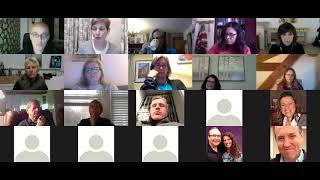
In this informal, interactive Zoom workshop Mary Schiller (author, coach, and founder of maryschiller.com) shares the practical lessons she learned while building a self‑employment business around her strengths. She begins by describing her own shift from a unfulfilling corporate job to a coaching practice, then outlines five concrete principles that helped her launch and grow her business: (1) build trust through consistent, enjoyable content (her daily 5‑minute audio blog “The Daily Principles”); (2) stop over‑defining an “ideal client” and simply serve the people who show up; (3) put a paid offering out early, even before you feel fully ready, to gather real market feedback; (4) never sell a product or service you don’t genuinely want to deliver; and (5) design the business to fit your own life, values, and preferred ways of working. Throughout the session Mary answers participant questions about social‑media strategy, moving audiences to a personal website, pricing, community support, and how to stop doing work you dislike. She emphasizes a mindset of permission, fun, and following one’s own inspiration, encouraging attendees to experiment, iterate, and trust that getting paid for being themselves is both possible and probable. The call ends with an invitation to join her upcoming “Get Paid to Be You” program and a reminder that recordings and further resources will be shared via her email list.
Chapters
So here we go. So welcome everybody to this Zoom call, which I have called Get Paid to Be You. My name is Mary Schiller, in case you're not familiar with me. I'm an author and coach, and my website is maryschiller.com. And I'm really pleased to have you here. This is going to be a rather informal presentation. I don't have any slides or anything like that. What I'd really love to do on this call is a couple of things. One is I'm going to share some things with you that I've learned over the past couple of years in creating this business that I think could be really helpful to you if you are trying to do that for yourself, and some things that I didn't know before that I know now, and that I'd love to share with you in hopes that it can help you create what you want to create faster and better than you might realize. And the second thing is that I really want to hear from you. I'm working on some ways to support people who want to primarily work for themselves. And so I really need to hear more from you about what is holding you back, what questions you have, what seems to be kind of the stumbling block for you. So really, this conversation is that. It's a conversation. It's not going to be me just up here lecturing. It's going to be interactive and really of benefit to me. So I really appreciate you all being here and helping me out as well. So I think what I'll do to start is tell you just a little bit about why I feel so passionate about the fact that I feel everyone who wants to get paid to be themselves should be able to do that. And this occurred to me earlier this year. I was realizing that, you know, there are a lot of people spending a lot of hours during their waking lives doing things that they don't feel called to do. And not only is that, you know, sort of from a quality of life perspective, not the greatest thing. But even if you look past that, you know, what would the world look like if everybody was doing something, spending their time doing something that was inspiring to them? You know, how would the world change if people felt free to pursue their passions in life and they could get paid to do those things? And my mind kind of started to really picture a very different kind of society and a different kind of feeling in the world. You know, for a long time in the recent, in recent years, during the period especially between 2007 and 2016, I was definitely doing work that was not fulfilling to me, that didn't have any excitement around it, was not using my skills. And I spent a lot of that time feeling like I was actually wasting my life. I couldn't figure out how to get out of that, and it felt very hemmed in and sort of like I was in a prison most of the time, to be honest. And since kind of coming out of that and seeing how much nicer it is to do work that I enjoy that doesn't feel like work and get paid to do it, I've really become very, oh, I hate to use the word passionate, but it's the only one that comes to mind, about helping other people do the same. And so before I go into some things that have helped me over the past couple of years, if you could just type into the chat box what you would like to create for yourself. Are you, have you already started to shift yourself into doing different work that's more interesting to you and you kind of want to know how to speed up the process? Are you still considering it? You know, let me know in the chat and I'll just hang out here for a minute or so while you guys do some typing. And I hope you don't mind all being on mute, but I thought with the number of people here, it might get kind of loud if we had everybody's mute off. So feel free to type away. And I will hang out here. I can tell you on my side that I had tried to start a business before. I had worked for myself for a few years before 2007. And after I was in this job that I didn't like, I tried to start something up on the side, and it just failed miserably. It was just— I don't like to use the word failure, but it felt like a failure to me at the time. And now looking back on it, I can see that it was actually helpful to me. But at the time, I just felt terrible, like, you know, what's wrong with me? I can't get this off the ground. And this time, I had a very different approach. To the way I started this business. And I think it made a huge difference. So Doug, definitely exploring new options. Nothing happening yet. Hi, Nikki, creating more expansive vision of yourself. Great. Nina Clausen, have an idea of a product you'd like to sell. Good. Mimi wants to quit her day job. And I know Lori— Lori and I are good friends. She's in process. Tiara, as much as I enjoy the work I do, self-employed development consultant. You'd like to work online. Great. Wow, look at all this. Hi Ingrid, started doing your thing, not sure how to get out of the circles you're moving in. Vivian, couple of books nearly ready, great. Finding your way through the self-publishing process. Graciela's just beginning. Richard, not sure what you wanna do, something better than your day job. I can relate to that. Hi Karen, branching into other areas of business. Brian, written a book, oh fun, playful form of meditation. You'd like to teach it to others. Linda says she wants to get an online course off the ground. And hi, Lori, I'd like to transition from your current business to a new one that you're more passionate about. Still trying to find that. Yeah, it is a lot of work sometimes, right, Ingrid? That's how it seems. Well, I'm going to kind of shift your perspective on that, hopefully. Oh, Brian wants to create a new cabaret act. That sounds like fun. Oh, cool. So I love the fact that you're all thinking in this direction of, you know, trying to tap into something else. That you have inside you. And kind of going back to my point that I was making a little while ago, you know, obviously there are people who can get paid to be themselves and still be in a job. There's a lot of people like that. Like, I think of, you know, medical doctors, for instance, or somebody like that who— or a professor or somebody who needs to work in an institutional type setting. But my particular interest is helping people like yourselves who want to start something and are really interested in being your own boss and kind of controlling things as best you can and designing something in the way that you want to design it. I know— oh, hi, Verena. You'd like to create value for people, not sure how that will look. Yeah, so, so why don't I start with the 5 things, kind of narrowed it down to 5, 5 things that were helpful to me. And if you want to, you know, just jot these down, it might be good. I'm going to do something with this recording, either share the recording or share sort of a summary. So you will get something later. But if, if you're inspired to write something down, this might be helpful to you. Hi, Terry. You want to start something, but you're not clear what it is. Got it. So really, the first thing that became very obvious to me this time around when I tried to start something on my own was that I really needed to be very, very consistent about building trust. I was going to, you know, do something very different from what I had been doing. You know, I had been a professional writer my whole career, a writer and a writing teacher. And I really did want to explore the notion of coaching people, but I had never really done anything like that before. And I thought, well, you know, how am I going to build up any audience for this? I'm kind of starting at zero. I didn't have any real contacts in that arena, and I felt sort of like I was starting from nothing. And so what I ended up doing, and some of you may have initially found me in this way, was I thought to myself that it would be really fun to do a daily audio blog. So I started this daily audio blog that was called The Daily Principles, and it was all based on the 3 principles, which is what my coaching and all of my work is based on. And it was kind of like a personal goal. I wanted to see if I could create an audio every day for a year, something that was short. They were around 5 or 6 minutes. That was some kind of reflection on these principles. And it was, it was kind of both a way for me to explore the principles more for myself and offer something in a very easy to access way for people so they could just subscribe to the list and they would get the audio sent to them every day at the same time. And that was really how I started to build an audience. And I don't mean a big audience either. I think when I first started, I had, I don't know, I should go look at the stats, but I had like very, very few visits to the website, just like 5 a day or something like that. And after a few months, I think I had maybe 150 or 200 people who had subscribed and were getting these daily audios and they were kind of being shared around as well. So that was helpful. So I think that what I learned from that was if I was going to start something new, especially, I needed to build some kind of reputation and some trust with a new audience. First of all, in a way that was fun for me to do. So I chose something that was easy for me, which was audio. I liked talking for 5 or 6 minutes and sharing that. And also something that I felt like my audience might appreciate were these sort of daily lessons. So for me, oh, hi, Steve, sorry. Help people realize it's not just a head or body trip to get anything done, they have to go together. Oh, interesting. Yeah, exactly. And so I think that that is really key, especially if you're starting something new. You want to create some kind of trust with an audience through communication that feels right to you and is also helpful to them. In other words, don't do something that you don't wanna be doing because you won't do it. I get a lot of questions from people saying, you know, should I do XYZ? You know, should I write a blog post? Should I make videos? Should I this? And the way that I see it is that there's no should here. It's more about what do you want to do? You know, give yourself the freedom to do what you want is not what somebody is telling you you are supposed to do. If there's one underlying lesson here, that's the biggie for me, and maybe for you too, is that you're allowed to do what you want and not do what you don't want. And so at that time, doing a daily audio was really, really fun for me, and it also helped people who were listening, and it was a great way for me to build a reputation. Which was quite helpful because about 4 months into doing this daily audio, some of you who have heard this story, I got let go from my full-time job. So I was kind of looking around going, okay, well, maybe it is time for me to start really considering being a professional Coach since, you know, that looks like it sort of was handed to me. By that point, I had developed an audience. So it was very easy for me to then start to make some paid offerings because I had people who were an audience. So I'm going to just pause there for a second, and if you have a question about that, feel free to type it in the chat box. You can also raise your hand. There's a little thing in your controls at the bottom that says raise hand. If you have a question about that, I'm happy to answer. Let me go back. I can't see everybody. But I think the biggest lesson there is— oh, Krista, that would be cool. Yeah, I mean, really, it was a fun thing for me to do. And it didn't feel like it was any effort or work involved. I think that's the big key too is, you know, everybody talks about how creating a business and running a business yourself is all this hard work and everything. And I have not experienced that. It's not that I don't do things. I do a lot of things, but they never really feel like work. You know, it wasn't like when I was going and sitting in a cubicle all day and basically taking orders from people. That felt like work. You know, this feels more like fun and something that I want to be doing. And I think that that sort of changes the whole tone of what you're trying to achieve is if you're focused on something that you want to be doing. Yeah, Ingrid, you're doing a daily drawing. You don't know how many people see them. So I think you're also sending those out on an email list. You know, in a situation like that, you could do something similar to what I did where I had a website and I said, do you want to receive a daily audio from me? Just sign up to my list and it'll be sent to you automatically. And that kind of thing people really like, at least I found. Is they really, I got really good feedback, and it was also, this is another thing I just realized, it was also really helpful to me to hear from people who would listen to something and say, I'd like to hear more about that. It got me in tune with what people were really interested in. So therefore, when I came to offer something for pay, for money, and they had to pay me for it, I kinda knew what they were looking for, and it was much simpler than trying to guess. Yeah, feels like fun, Chiara. That's the key to me. Ingrid, that's great that you have 35 subscribers. You know, I started from zero. So everybody has to start in the same place. So that's cool. All right, I'm going to go on to my second point, which is another area that I know people get stuck in. And I do. I did this too, was they think they have to know exactly who their customer is. Oh, let me ask— answer Karen's question. Lori, did you ask people what they wanted? Sometimes what they would respond to the email with the audio, they would ask, they would put in a request. And so I would talk about that. Karen, did you put up the audios irrespective? Yeah, they were all on a blog. So I had them all in on a website. But the email was nice because then it was just delivered every day at the same time. I set it up automatically in MailChimp. So I didn't have to think about it. So that was attractive to people. So the second point I want to bring up, because this is what really got me all turned around in knots when I tried to create a business before, was there's a lot, there's a lot of talk about you have to know who your ideal customer is. If you're on your camera right now, have you heard that before? Like you have to know who your audience is, you have to, right? You have to do like this big search into what they're all about and, you know, what they're thinking. And right, Graciela? Yeah. It's kind of this big laborious process. And every business training that I took in the past stressed this. It was like the first thing, you know, who is your ideal client? And, you know, all of these things. And I want to say that perhaps it can work. It never worked for me, and I have yet to find anyone in all of the coaching that I've done, I've coached a lot of coaches at this point, I've yet to find anyone for whom it has actually worked. So I'm just putting that out there. And what I can tell you from my own experience is that this time around, when I started this business in like February, March of 2016, I just threw that all out the window. You know, I had a few people who were subscribed, like I said, to my daily audios. I had kind of made myself visible in some groups, in some Three Principles-related groups and things. And I just thought, you know, whoever is showing up to listen, I guess that's my audience then. You know, I just didn't really worry about trying to classify them in any way. And that was very freeing because it allowed me to just work with people who wanted to have contact with me, if that makes sense. So it was kind of flipping this whole thing on its head. I didn't go out and search for a certain type of person I wanted to work with. I did what I wanted to do, and then I worked with the people who showed up who liked what I was doing. So I've never had an issue with a client that I didn't like, for instance, or, or anything I like that because I like the people who are attracted to what I'm doing and vice versa. It's a very nice relationship. So if you are kind of in that part of the internal conversation about like, I don't really know who I'm supposed to be serving. And I also, and this is just a, maybe this is a selfish thing, but I didn't really want to just serve one group of people because what I share is universally useful. And I thought, well, you know, I can help people like I'm doing now with, you know, things related to business and money. I can also help people who are, you know, struggling in a relationship. I can kind of do whatever I feel like I can help people with. And so I just felt it was too restrictive for me to try to choose a type of client and an audience. And probably Despite the odds, I have succeeded in creating a successful business without ever bothering to do that. So just putting that out there, that if that's where you're stuck, you know, that could be part of it. I did get a comment here, you know, that finding your audience helps with clarity. That can be true. I do feel, though, that, that I would rather see people just start. You know, there's, there's something that happens when you simply start because you never really know how people are going to respond until you put something out there. You know, you can play all kinds of games in our heads about this, but until you actually start interacting with people, you put something out and they give you feedback, you're just never really going to know. And some, a group of people that you may have the idea that you want to work with, maybe you find out that you actually don't. So, you know, so that's just where I'm coming from on that. Oh, I'm glad that you think that was helpful. Yeah, I just, you know, I don't know, I can't create something just to fit into some kind of niche. That just isn't right for me. It might be right for other people. But in my experience with talking to a lot of entrepreneurs and other coaches over the last year, year and a half, That does seem to be a stumbling block for people. So let me go back to my notes here. So that was my second point. I'll recap these at the end. So third point, after you have built even some audience, and I mean, like Ingrid has 35 subscribers, and that's plenty. Offer something for a fee. Before you even feel ready to offer it, offer something. Because what I have noticed is that people wait and wait and wait before they put something out there for sale. And it really helps to get some feedback on whether somebody will pay for something. It's not a reflection of you if they don't. It's a reflection of maybe you haven't kind of explained it properly. And you, if you just rewrote the description, people might be interested in it. Or maybe it's not exactly what people are looking and you simply need to ask, looking for, maybe you need to ask them what they're looking for. But if there's, if there's anything I've learned, it's put something up on offer for sale before you feel ready to do that, because you have everything you need. To help someone else. And the longer you kind of delay putting something up for sale, the, the longer it's going to take you to figure out if it's going to work in that form or for these people, or it's just all very, very helpful data to receive whether people sign up or not. So let me just look here. Let's see. So does anybody have any questions about that, about, or comments about, you know, kind of putting something out there before you're ready? I have a feeling a couple of you have already done that from knowing you. But for me, that was a very useful thing to do. When I first put a coaching offer on my website, it wasn't that I didn't feel ready to coach people because I did, but I had no idea what to even charge for it. So this is another piece of this, putting something on offer. So I just picked a number that seemed right to me at the time, which was, I think it was, I had like 3 different packages that I put up there for one-to-one coaching. I can't, I think one was like you could try it for a month for $600 or something like that. And then I had one where you could pay for 3 months altogether. And then another one was like 6 months or something. And what was really— yeah, exactly. So, um, basically what happened was out of the very small email list I had at the time, which I think was around maybe 200 people, I put that offer up and I had 2 or 3 people sign up the very first day, which was amazing. I was like, wow, why didn't I do this even sooner? It's like, I shouldn't have even waited this long. And one of my friends who's on this call right now, actually, she knows that even before I started doing the audio blog, I was just talking to people about these principles for nothing. I was just, you know, whoever wanted to talk to me about them, I would talk to them. And she kind of was wondering when I was going to start charging. So I think you can start charging way earlier than you might imagine. So how does that ring with any of you? Does that ring true? Or does that seem you know, not, not something you want to do, or, or what? I love to hear, um, sure, it makes so much sense. Just do it. It's like an organic iteration process. Exactly. That's what I'm saying is that we, you know, everything we do, if we're creating something like this, if we're wanting to get paid to be ourselves, everything is learning. It's all about trying something and seeing what happens, getting feedback, and, and then making a decision about what to do next, either dropping it entirely, like I have done a couple of times with things that I offered where nobody was interested. I was like, okay, that's obviously not something people are looking for, at least right now. So I'll put that away and I'll try something else. And you just aren't going to know that until you take that step of putting a price on something and just seeing what happens. Fire, aim, ready. Yeah, exactly. You just kind of take the step and, and see what happens. So that would be my third thing. Yeah, I'm going to do that in one second. I'll unmute people who have a question when I get through this presentation. It takes a lot of time to put together something like a drawing class. So that's a really interesting question, Ingrid. And I think another thing that I have found very useful is to put something on offer before it's even done. So I've talked about this in a couple of other settings where you don't necessarily have to have something fully created for you to make it available to people. If it's something that's going to be offered like a class over time, you can give people a broad outline and you can say, you know, you can sign up now and it'll be ready over time. That's a great way to test something instead of spending tons of time putting something together to see if people want it. You can actually see if they do before you put in all that effort. That's been very helpful to me too. Oh, Nina suggested you put your drawing class into an online video course. That's cool. That's very cool. Love that idea. Okay, so let me get to point 4. And when I get to the end of my point 5, I will open up for other questions. So number 4, and I'm laughing because I did this before when I was trying to create a business. And it's so funny and stupid to me. I'm almost embarrassed to say this to you. But don't sell something that you don't actually want to deliver. Okay, so, um, When I was doing work before and trying to create something on the side when I was in my cubicle job, I was doing work that was creative for people, but every time I would get an order for something, I would just have this horrible feeling like, oh my gosh, now I have to do this. And I just was like, what am I doing? You know, but I don't know if that makes sense to you, but Like, if you're really creating something that's yours, you know, only do stuff that you really want to do. So I knew that I could make money. Oh, thanks, Nina. You know, I knew that I could make money doing the thing that I was doing because I was making money. But I think the reason why that business that I was doing before didn't take off, and I won't even bother telling you what it was, it was sort of a techie type job. Was 'cause I really wasn't excited when an order came in. It was more like I had sort of this icky feeling in my stomach, like, oh my gosh, now I have to deliver this and it's gotta be, you know, and I just went through all this weird thinking about it. And this time around, I did not do that and I have not done that at all. I've really just done things that I was inspired to do And if there was anything that I even considered offering and I had sort of this feeling like, hmm, I'm not really sure about that, I just stopped. And I just waited to see what would happen next, you know, to see if a new idea came to me or if there was some variation on that that I could offer instead. So, oh, you did that for some time too, Karen. I'm glad I'm not alone in that. Like I said, now it feels really silly. That I ever did something like that. But I feel like if we're coming at it from this angle of like I was before, which is I have to escape this cubicle job, I'll do anything to get out of here, even if it's stuff I hate. That was not useful to me at all. You know, this time it was more like, okay, what do I really want to be doing with my time? How do I want to be helping people? How can I create value for people? And that simple kind of switcheroo off of myself and more onto people that I could help was amazingly beneficial in terms of building a successful business faster. Oh gosh, it sounds like a lot of people can relate to what I'm saying. Doug and Mike. Yeah, you know, that's an interesting way of putting it. It was like before, I was kind of running away from something and it was all about me and what I wanted. And this time it was more like a combination of, yes, I want to work for myself. I want to make a good living. For me, it was really important to be location independent. So I wanted to do it from anywhere. And I don't want to do anything I don't want to do anymore. I'm done with that. And that whole combination of things was really, really helpful. So my 5th point here, 5th and last point, relates to the 4th one. Which is that— and I didn't really see this before now either— which is, this is your creation. You know, you're creating this business for yourself of, you know, something that will allow you to get paid to use your inspiration and your talents and your skills. And it can look any way that you want it to look. Early on, like within the first maybe couple of months. It was a pretty limited amount of time when I first started to create a coaching practice. I thought it had to look a certain way because I saw all the big-name coaches doing things in a very specific way. And so I thought, okay, well, I guess that's what a coaching practice looks like then. So I tried to kind of fit myself into that mold, and it was terrible. I got no clients. That way at all, none at all. And then when I kind of woke up, like I said earlier, and realized, oh, this is my business, I can do what I want. That was when I got work from, you know, got clients without any effort at all, just putting an offer out there. And not having— in my case, I don't like doing what they call enrollment conversations with people. I don't enjoy that at all. I must have had, I don't know how many of those. I had a lot of those and got no clients that way. And as soon as I stopped doing that was, was when I got people hiring me. So I thought, okay, yeah, Lori, you can do what you want. And so I thought, okay, well, that's what works for other people. And that's what they enjoy doing. That doesn't fit me and the way that I like to talk to people. So I'm going to do it my own way and see what happens. And I have not regretted it because it has worked beautifully. So, you know, if you want to design a business where it's almost all through products that you're selling, you know, quote unquote, passive income, there's not, it's not completely passive, but, you know, you're not doing anything live or anything, you can totally do that. This is your creation. It's an extension of you. So it can be anything that you want. So I felt like looking at anything in terms of rules was not helpful. I wanted to create something that was good for me and good for the people that I'm serving. And every decision that I've made since I kind of came to that realization has followed that line of logic. So any comments on that one? I can see in the chat here. So let me just do a quick recap of those 5 points. The first one was basically taking some time to build trust with people and knowing that it doesn't take a long time if you're just consistent. If you're talking and interacting with people in a way that you enjoy that's consistent and they are expecting to hear from you, that goes a long way pretty quickly. I feel like I probably could have started putting out offers after a month or so of doing those daily audios. I just waited longer than I think I needed to. The second point I made was, if you're kind of stuck in trying to figure out who your ideal customer is, you can just set that off to the side for a little while and, and just do something, you know, start to interact with people and see what's on their minds and see who you like serving and who's kind of being drawn to you. Through your consistent communications with them. The third point was offer something for sale before you're totally ready. And I really do recommend that you try that because it's the best way to start getting data back at you and feedback from people, you know, whether they buy or they don't, or, you know, can give you some idea of pricing and things like that in a way that you can't do if you're just kind of imagining it all in your own mind. Number 4, don't sell something you don't want to sell. You know, give yourself permission to do things you enjoy and skip all the rest of it because life is too short to be doing things we don't want to be doing. And the 5th one is your business can look any way you want to. There's really no rules as far as I can tell, other than being of service and being ethical and dealing with people with love and fairness. So with that, I'm going to stop talking and I'm going to open it up to questions. So if you have a question, if you could raise your hand on the little raise hand thing at the bottom, then I can know that you want to say something and I can unmute you. Or if you're on camera and you want to just wave your arms furiously around, I can see that. Ingrid has a question. Let me unmute you, Ingrid. And I see, is it Emma? Erna? I can't, I don't have my glasses on. All right, Ingrid, you're unmuted. Hi, thank you.
That was great so far.
Sure, good.
I wanted to ask how to get, right now I'm only on Facebook with my drawings. And it's the same 5 people who comment. And sometimes I hear from somebody who has seen it, like talking to me in private, that they have seen it, but I don't know that. I don't know how to get out of these circles to get— you know what I mean?
Yeah, so, you know, I think that I just had a conversation about this with a friend of mine who used to have her own business as well, and I worked with her on that business. And because I was telling her that I was, you know, I've been doing these Facebook Live broadcasts. And I said, I kind of want to go past that. So, you know, what do I need to do? And, and she and I were chatting about that. And I think the key really is, as much as social media is great, and I really think that this is— I don't like to give advice, but I think this is really good advice— is you need to steer people back to your own space on the web. So if you have your own website, you need to keep pointing people there because you have control over that. You don't have control over who sees you on Facebook. You know, if they miss your, your drawing in their feed, it's kind of gone. But if you can come up with ways to keep pushing people back to your own space, especially if you're only online and you're not doing live things. You know, in person. It's really important. Yeah. So it's really important to keep bringing people back to Ingrid's space and creating your own, your own persona, if you will. And also another thing that's interesting too, if you're using social media like Facebook, is, you know, people want to share things that make them look good. Or make them look clever, or make them look insightful. So you might try thinking about that a little bit if you want to make things more shareable. The friend of mine I just mentioned, her husband, believe it or not, is a physicist who works for one of the big tech companies, and he figures out a lot of things about what makes things go viral. And that's some of the stuff that she was telling me is, you know, trying to create create things that people are inclined to share. And you can only guess what that is sometimes, but that's one way to kind of think about what you're putting out there. So I don't know if that was helpful, but—
Thank you.
Okay, sure. And let me go here. Is it Erna?
Yep.
Erna. Erna, sorry. You're unmuted. Thanks.
Yes, well, I'm so glad you brought all these things up also about no ideal client and it's your business, you can do what you want. Because what you said, that all the, the main gurus or coaches do it like that, and that's what I keep getting stuck in, that I'm looking for how are they doing it. Oh, I have to do it like that because that's seems to be successful, but like you said, it's not you in that. That's what I— I'm glad you brought it up. So that's really a big reminder for me again to do it on my own. Yeah, to do it in my way.
Yeah, yeah, because, you know, um I have, I mean, if you guys, if some of you have read some of my things or heard me talk about this, you will know that I spent a lot of time and money trying to follow other people's plans, business things, blueprints, whatever they were called. You know, they're all the same, basically. Step-by-step plan to blank, you know? And what I realized is that, you know, that was that person's plan, but at the same time, I'm not even convinced it was theirs because I couldn't really tell you what steps I've taken. And I hope you're not hearing what I'm saying in that light. I'm just basically saying, here are some things that I noticed along the way that were helpful to me, but I would never, ever, ever tell someone, this is what you have to do. Here are the steps you have to follow in order to be successful. And, you know, if I— there's just no way that I could ever put into any sort of step-by-step format what has occurred over the past almost 2 years now. You know, I— when I was preparing for this, I really just kind of wanted to pick out the pieces that I felt were kind of crucial that I had missed the first time I tried to do this. And even with each of those, I still did them my own way. And, you know, somebody could argue, well, maybe you would be even more successful if you had followed some of these other things. Well, maybe that's true, but maybe I wouldn't be enjoying life so much either. You know, I'll never know. It's— that's water under the bridge now, you know.
And I have a question, if you don't mind.
Mm-hmm.
You—
I heard you talk in a lot of videos, and you said you don't do anything you don't want to do anymore. How did you start doing that? Because I also would like to do that, but I have a lot of things that I still need to do that I don't want to do. So where do you start, or how did you accomplish that?
I just, um, I just stopped. And I know that sounds really lame, but I just stopped. You know, it sort of helped to get fired. It was a shock to my system, but in the end, I think it was really helpful to me because it really just kind of laid things bare. And I was like, I don't want to do that kind of work anymore anyway. I don't want to write books for other people. I don't want to write for other people. I want to do this for myself, and I want to coach people. Those are the things that I want to do professionally. And even now, there are a lot of things that I could probably hire someone to do, but I still like doing them. Like, I like designing my book covers. I really find that creative and fun. I like working on my website because I'm kind of a tech geek. And I enjoy that for a writer. I'm actually kind of technical. So there are a lot of things I could probably outsource, but I really like doing those things. So I'm not really willing to give that up yet. You know, for me it's just about making a decision that I want to do what I want to do. I want to focus on creating value for people, and I'm just going to drop everything that doesn't fit that.
Yeah, okay, that's in your business, but in your—
In life too, same thing.
Yeah, because I hate doing the things in the house, but I don't have a cleaning lady yet, Yeah.
Let me just answer a couple of questions. Lori, are there small tasks you might not want to do but do to accomplish a bigger task? I think if there were ever a task that I really didn't want to do, I would just pay someone to do it. That's all. I just wouldn't, I wouldn't let that stop me. If there was something I didn't know how to do that I, for instance, that I felt like was an impediment, I would hire somebody. Somebody to do. I would just find the money somehow. Lori Vasquez, will the Zoom call be available as recording? Yeah, probably. I'm not sure where I'll put it. But yeah, Lori, thanks for being here. So Erna, you know, I think even in my personal life, it's the same thing. I didn't like where I was living. So I completely— my husband and I completely changed where we live. You know, we used to live in California, then we moved to New York. And now we live in Paris, France, which is where we've dreamed of living for the last 20 years. I, we downsized our home. So now it takes me about 30 minutes to clean every single thing in here. So like, you know, I could say, well, I don't really like going to the dentist, but I found a really nice dentist who I like, who actually speaks some English, which was really helpful because I had no idea what dental vocabulary was in French. I was kind of panicking when I went because I didn't know how to say anything, even filling out the little form. Of your health history. I was sitting there with Google Translate going, I don't know if I have these diseases, I have to look them up. But I really do now strive to not do things that I don't enjoy. I just don't see the point. What's the point of that?
Yeah, but you can always change your thoughts about things that you don't like.
That's true. And maybe someday I like doing them. Yeah, yeah.
And that's what I'm doing right now with the cleaning. So I think I enjoy it more now. So This is helpful.
All right, thanks, Erna. All right, I'm gonna go to Chiara. Am I saying your name correctly, Chiara? No, sorry.
Okay, um, so my question is, uh, more— is it okay if I ask about— I noticed that you have a program online.
Yeah, sure, go ahead.
Um, so my question is, I, I'm interested I really need to change my focus because I really want to be able to work from home. That's my main thing. I moved to the country and I just don't want to travel anymore. My question is more around— I know it's a 4-week do-it-yourself course. I know that there's a Facebook community there. One of the things that I need is to talk things through. With people. Would the community serve as that or not really?
Um, not really. Um, but just so you guys are aware, um, one of the reasons I'm hosting this call is because I'm trying to put something new together that is a little more focused on, uh, business development. And if people want to work online. You know, I'm pretty savvy in that. So I'm really trying to figure out what that will look like to really help people. The Let's Make Money, Honey program is really, really fun. It's designed for more, I think, for people who just want to have more fun around the topic of money and, and want to feel freer to make it and not have all of this heaviness around it. And it's been really, really helpful to people in that way. Some people have started their own businesses or have continued to do that, but it's not really like a business-focused kind of program. So does that help answer your question?
You know, I, I don't need that much help around the business aspect because I've, I've started a few businesses in the past, just never online.
Okay.
I do have the tools. We met through, I don't know if you remember, one of the biggest you know, school. I just decided that it wasn't for me at that time, and so I, I just did something else, which really worked out well. But like I said, I have the business savvy also, and— but that's not what I need. I just need someone, or just need like to talk things through.
Yeah, so then you might, you might consider waiting and seeing what I come up with because what I'm kind of circling around I think could be useful for you or for anybody on here who is thinking they need some more personalized help. That's what I'm trying to put together for the new year.
Okay.
I wish I could be more specific but I can't really because I don't know exactly how this looks yet. I just know that I want to be more helpful to people in this way and I will have it sort it out, you know, soon.
Well, actually, so far it's been great.
Oh, good.
Those 5 tips, I'm just going to go out and do them now, and so it's just already great.
Oh, excellent.
I'm just, you know, I know myself, I just like, you know, would like to talk it through to people on the steps.
And I don't think you're— I don't think that's unusual. I think that for a lot of people it's really helpful to have somebody to say, does this seem logical? Or, you know, that's probably the area that I didn't have for myself. And I think it's part of what's prompting me to try to be more of a sounding board for people or a resource for people.
So yeah, and I also love how you present stuff, just because that's where I'm at right now. It's just not about what everybody else is doing. It's just doing what you need to do, and there's no formula to do that. Just do it. Mm-hmm. And that is what's so attractive to me right now. This is just the only way I can live. I can't live any other way right now.
Yeah, I can relate.
So attracted to what you're doing, and it's cool to see someone online to to doing that, you know, that's doing that. And so that I'm saying that because that's the kick in the ass that I need, you know, just to be reminded of that.
Yeah, I hear you. I hear you. Thanks, Cara. That was great. Thank you. All right. Does anybody else have any thoughts or questions on your mind about— Yes. Oh, Terry's raising her hand. Let me unmute you, Terry. Hi there, good to see you.
Good to see you.
The only thing I have clarity around at this point is this idea of— a lot of ways to say this— navigating from Mind, capital M, or Truth, or allowing. Like, you're talking about not moving forward with what you know you don't want, but for those of us that don't really know what it is we do want, or even The idea of being of service, you know, like, what does that look like? You know, what, how am I being of service? Or so the only thing I have clarity around is this idea of something in me that's bigger than what I'm thinking at this time does know something that I'm not real clear about. And so my part would be to pay attention, open to that, um, whatever, lean into, follow the breadcrumbs. Because I don't have a sense of it. My idea of— from watching you, you do a lot of that, but you also have a pretty big idealist around what you love to do. And some of us are not in that, necessarily in that space where we can make a list of all these things we want to do in our life. We have more idea of what we don't want to do, which can point out what we do want to do. So if you could talk a little bit more to that, or maybe your new program, you know, just as a suggestion. I love what Cara was saying about this interaction and being able to be in conversation around it.
Yeah, I'm actually really glad you asked that, Terri, because that was another stumbling block that I had before. I like to call it before and after. The before me and the after me. The before me, when I was doing stuff and I told you I'd get an order come in, I'd be like, "Ooh, I don't really want to do that." You know, so obviously I was not listening very carefully to what was really calling to me, or I would not have been doing that at all. What was so fascinating to me is looking back on that time, I was also writing a novel that I really enjoyed doing, but I kept putting that off to do this other stuff for money, which really is cuckoo because like, who knows, I could have been the next J.K. Rowling with that novel. I still want to finish it. But I really feel like there's something that happens when we have some kind of shift, for lack of a better word, around permission. And if you guys know me, you know I wrote a book about this because it was so meaningful to me. To really go, you know what, I have permission to do whatever I want. There are no limits. I'm not talking about like going out and committing crimes or anything, but you know, there's no limits around me. And since that's true, not if that's true, but since that is true, what do I really want to be doing with my life? You know, this is my life. What do I want to be doing with it? And not making that like this big heavy question, because sometimes it can turn into that. For me, it was more like, you know, I had spent a lot of years not having a whole lot of fun on a routine basis. And I wanted to just, as I say to people, follow the fun. I was tired of doing stuff that didn't seem fun. And so if you're feeling kind of stuck in that, just do that. Just go do things that are fun. Don't even worry about making money or any of that stuff. Just go do things that you like to do, and you'll be surprised happily at how quickly you'll start to reconnect with the things that you actually enjoy. Sorry, I think— because I think most people— I mean, you guys can wave at me if you think I'm wrong about this, or wave thumbs up or whatever, but, um, I feel like most of us spend a lot of our time doing stuff we don't enjoy. Do you guys agree with that? Anybody? Yeah, and it's like, why are we doing that? There's no rule book that says we have to spend most of our day doing stuff we don't like. You know, we can actually fill it with things that we love doing. You know, I mean, like, just using myself as an example, I have fun conversations like this. I create things that are fun for me to create. I make videos and I coach people and I write books and I walk around this beautiful city that I now live in and I eat really good food all the time. And, you know, that to me is what life is about, is about being in touch with the fact that we can enjoy life and also be helpful. Like, those two things are completely connected. In fact, I think we're more helpful to people when we're living more— if we're looking at the three principles— if we're living more from mind and less from personal thinking, if we're living more from what's inspiring to us, we're going to be able to give a whole lot more to the rest of the world. So go have fun more often. Do fun stuff. And I know that sounds probably kind of lame, but I've seen people's lives transform just from that, just from focusing on doing things they like. So I don't know if that was helpful.
Well, you know, I think there's a lot of thinking, there's a lot of thinking in my mind around, you know, what is that for me? Like, what is really fun? What is it that I really— I mean, I can't think myself into that. It's sort of like it has to present itself moment by moment so that I'm back to listening to mine, listening to—
Yeah, and I think it's also just about saying, you know, doing something really simple like fun, freedom, finance, Clarence says. It's basically just saying, you know, I'd like to just take one day and do what I want to do, no agenda. You know, just get up in the morning and spend all day doing something I like. And some of you have heard this story before. I'll make it really short. Was the reason why— I'll tell you exactly when this came to my mind was, and I know some of you heard this before. You know, I was in this job that I didn't like, and I was on my lunch break in Central Park, and it just occurred to me that I actually didn't have to go back there if I didn't want to. There was nobody making me do that. And that realization was like, wow, I can actually do what I want with my life, can't I? I really can. I can do stuff that I like. I don't have to go sit in that cubicle for 8 hours a day and write really weird marketing emails for companies. You know, I don't have to do that. So, you know, just kind of giving yourself that space and freedom to explore something and do some something fun can be hugely transformative. Beyond working with a coach, beyond any of it. Thanks, thanks, Terri. All right, so we have about 3 minutes left here. I don't want to keep you guys on past the time. Anybody else have any final comments? This has been really helpful to me to just have you guys here and be able to share something with you that I found useful. And just hearing a little bit in the beginning, especially about where you guys are in trying to create something for yourselves. And I just, I guess what I'd want to do is just leave you with some encouragement that, you know, if you have a desire to do something different with your time, professionally in particular, that it's not only possible to do, it's probable. You know, there's not much risk involved. We already have everything that we need just by being human, and we've been given so much that's beyond our comprehension even. And like I said, I feel like when we're— yeah, exactly, Hekalan. We're actually just— I feel like we've been put here to listen to what inspires us and then to act on that. And I just, like I said at the very beginning, I keep imagining how different life would be and how different the world would be if everybody was able to do that, if they all felt the freedom that they possess in order to take that step. And so I just want to offer you some encouragement to keep listening to that and keep acting upon it and just know that you can do this, that if I can do this, you can do this. There's nothing unique about me. You know, we all have access to this incredible well of creative forces within us that we can call on to create whatever we want. And just one last point, like I said, I'm, I am putting together some kind of offering to help people who want to get paid to be themselves, and I will be sharing that before the end of the year because I'd like it to start in January so people get the year off to a good start. So if you're interested in that, I can send it to you. If you're on my email list, you'll get that automatically. So, all right. Well, thanks, everybody, for being here. I will share this video somewhere. I don't know exactly where, but I'll point you all to it. And if you have questions that come to you afterwards, please feel free to send me an email at mary@maryschiller.com. I am happy to answer and be of any help that I can. All right. Thank you guys for being here. It was so nice to have you. All right. I'm glad it was useful. Thank you so much. And happy holidays if I don't talk to you before then, and have a wonderful new year as well. Thanks so much, everybody. Bye now.










