What it really takes to grow a 6-figure coaching business
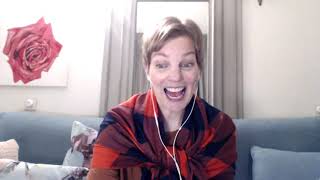
Mary Schiller built a six-figure coaching business without formal training, a big email list, or paid ads. She says the three things that actually matter are living authentically, reaching out consistently to people you know, and listening without judgment to help clients change.
Chapters
Hello, it's Mary Shiller, author and coach of MaryShiller.com. I am so pleased to be here with you today for this conversation we're about to have. Hi, Casey. Hi, Laura. Hi, Adriana. Please give me a shout out in the chat if you can see and hear me okay. We are here for the next hour to talk about what it really takes to grow a 6-figure coaching business, and it's not what you think. Hi, good. Oh, hi Clifford, good to see you. Oh, I'm glad I'm coming through loud and clear. I'm just going to take a quick sip of water here before we start. And thank you so much for joining. I'm so glad to have you with me. Hi, Judy. Good to see you. Thanks for joining. And just a couple of really quick housekeeping details. You can type into the chat box at any time. I'm going to keep one eye over there during this hour, so feel free to type something in there, a comment, anytime. If you have a question that you'd like to pose, the easiest way— hi, Robin— the easiest way to do that is to to click where it says, "Ask a question," and then I will for sure and see your question pop in there. So if it's in the chat, I might miss it. I'll try to keep an eye over there, but just in case I miss it, you can put it in that section and then it will alert me that there is a question for me to answer. So that's really about it in terms of housekeeping here. It's a very easy system to use here on Crowdcast, and I absolutely love this platform, by the way. So if you are a coach and you're looking for an easy to learn and use platform to host calls like this, I highly recommend Crowdcast. So thanks again for joining. And I was gonna use a PowerPoint presentation. Hey, Terry, good to see you. Amazing. I was gonna use a PowerPoint for this presentation, but I think I'm gonna not use that. And just have us talk together, and I'll use it for my own self, for my own outline for what I want to say so I don't forget things. But I think what I'd rather do is make it available to you after the call along with the recording. So I will give you a link to get both a recording that you can download and keep. I'll give you the video as well as the audio version and I'll give you the PowerPoint. And the PowerPoint's actually really cool because at the end of it I have several questions that I think might be very thought-provoking for you. So I will send you a link, or I'll put it in the chat— hi, Ali— at the end, and I'll also email it to you so you can get the presentation and the recordings and everything afterwards. So first of all, I want to start by asking you a quick question. So who here who is joining me live, and if you're live here, that's great. If you're watching the replay, I really appreciate your presence too. Who here who is joining me live is either currently a coach or you want to be a professional coach? Oh, my voice is echoey. Is that happening for anybody else? I hope not. Let me know if it is and I'll see if I can do that. No, everything's fine. Okay, maybe it's, maybe it's something with your computer there, Terry. So yeah, so let me know if you're a coach now or you want to be a coach. So let's see. So Allison, hi Allison, is a coach already. Are you already a coach, Allison? As for wanting to coach, yes, Robin says. Okay, cool. Working on it, Laura says. OK, creative encourager. I love that, Terry. That's so great. Coach. Yes, Ali. Sue, I am a coach. OK, awesome, because I think what we talk about in this next hour will— isn't that good? That's really good. Some coaching now, Mark says. So what we're going to talk about in this hour will apply to you whether you're currently a coach or you have a desire to be a coach. It applies to both groups. So Cliff would like to. Excellent. So Leah says she is a coach. Great. Good to hear that. I love coaches. They're such wonderful people, myself included. Haha. No, I just love the fact that we like to be in service of others. I find it very inspiring. So I really appreciate you guys. So I think that my main reason for wanting to host this call, and I will tell you a little bit about myself in a second, is that I feel like there is a lot of misinformation out there about what it really takes to be a successful Coach and what it takes to have an income, an income that you like, and also the ability to make an impact on people. And just to give you a little bit of my own story, I'll make this part really brief. I started coaching professionally almost 3 years ago now, and I went into it because I had discovered something that was really helpful to me, and I thought it might be helpful to other people. So I decided to just start sharing it with people. And by the time I decided to actually become a paid coach, I had been talking to people for free for almost a couple of years by that point. I was still working full-time in a completely unrelated profession. And at a certain point, meaning I lost my job, I decided, okay, well, I've been having these conversations for a while now, so maybe I will actually call myself a coach and see if I can get paid to have these conversations. And so that's kind of how I got into coaching. It was sort of through the side door, if you will, meaning I didn't go through any official coach training. I didn't really— this is funny to admit this now, but it's true— I didn't really understand what the profession of coaching was about. I had used a coach once. that didn't go very well. It was a business-type coaching situation, and it just didn't go very well. So I didn't really have a sense of what, like, a good coach was about. And so I had a lot of learning to do, frankly, when I entered this profession. But I decided not to enroll in any particular coach training programs because I felt like It was something I wanted to navigate on my own. But what I did do was I started looking at what other coaches were doing in terms of their business, like how were they organizing things and what kinds of offers were they making? And I have to tell you that I was really confused by all of that. Hi, Marina. Thanks for joining. I was really confused by what I saw in terms of the coaching profession and how they were putting together offers for people. And I just, I don't know, I just found that landscape to be very confusing. So I'd like to ask you that question. Does that seem sort of confusing to you? Like, how do you know how to formulate things for your clients, like what you're going to offer them and what the pricing is going to look like and how long should you have these relationships for and, and, you know, how do you sort all of that out? I personally was very confused. And so I started to kind of emulate what I saw other coaches doing. I started to kind of, you know, try to put these quote unquote packages together and and things like that. And honestly, it just didn't work for me. Every time I tried to not copy what someone was doing but sort of emulate the structure of how they were putting something together, it just didn't work. And at a certain point, just like a couple of months into this new career venture, I decided, you know, I think I, I'm gonna try to figure this out myself. I'm going to listen to what is inspiring to me to offer to people and see how that goes. And that's really what I've done ever since. And that's a lot of what this talk is about. So I'd love to hear in the chat if, if you have experienced some of that same kind of confusion about, you know, what to offer people, how to even get started if you haven't started coaching people yet, how to even start that process. Um, you know, it seems like a lot of the discussion is all around what, you know, if you, if you're going to offer one-to-one things or group things or, you know, how it's all going to be structured. And I would like to cut through a lot of that confusion, uh, in our time together here. Really, my mission, if you will, is that I really want you to enjoy being a coach first and foremost. I also want you to enjoy earning money as a coach because this is a profession and professionals earn money. And I also want you to enjoy this process of maybe simplifying things a little bit, of, of really seeing that there are ways of connecting with people and ways of providing services to them that don't have to be so complicated. So how does that sound to you before I continue? Does that sound like something you would like to hear more about? Can you guys still hear me okay? I hope so. I'm gonna take another sip of water. Okay, cool. Just want to make sure. And I'm going to also Oh, great. Thanks, you guys. I also want you to know that during this call— and you can also email me, by the way. I'm very available by email, mary@maryschiller.com. But any time during this call, if you have a specific question you want me to answer, please don't hesitate to either put it in the ask a question feature or type it in the chat box because I'm really an open book. There's nothing that I want to keep from you, you know, no secrets or anything like that. I really want you to feel like you can ask me anything, and I will happily share anything I can that will be of help to you. So I want to start this part of the talk by debunking some myths. And after I debunk some myths, I'm going to then tell you what I feel are the 3 most important things that need to be in place to really have the kind of coaching business that you want to have. So if you want to take some notes, you can. Otherwise, like I said at the top of the presentation, I'm going to provide all of this to you in a presentation download PDF so you can have it to look at. But the first big myth I feel that really is not necessary to create a really nice coaching business that makes you a good living— oh, thank you, Casey, I appreciate that— is, and this is such a big one, this is why I'm putting it as the first myth, you do not need endless coach training. You do not need endless coach training after training after training. And the reason why I am saying this as the first myth that I want to debunk is because most of the people that I have coached since I became a coach are other coaches who don't feel like they're ready to coach people professionally. And I always found that so incredible because to me, they were just amazing people who had so much beautiful, um, I don't know, just a beautiful presence to offer to other people, and they were very kind and compassionate. And yet they seem to have this notion that they just weren't ready and they weren't ready and they weren't ready. So they kept going back for more training and more training and more training. And I tried to gently say, maybe you've had enough training. Maybe you're actually fully ready right now and you can simply go out and start doing the thing that you really want to do. So can anybody relate to that? Robin, good. You know, I worry that I have no real experience. Well, As I said a couple of minutes ago, I have no professional coach training, uh, at all. I went to one very large group weekend workshop that was ostensibly about coach training, but it's not really what it was about for me. It was just about meeting people, I have to be honest. That's why I went. I just wanted to meet some people in person, and I didn't really get much from that weekend in terms of coach training. And I've really relied more and more on, you know, what looks true to me and how I can listen to someone and how I can be of help to them. And that's pretty much it. Does anybody here who's here live have the sense that, you know, maybe you don't have what you need yet in order to be a coach. That's kind of what Robin was referring to, because in my opinion, if you're on this call, you already have everything you need. If you're watching this replay and listening to this, you already have everything you need. If you have a desire to coach and you— there's something that you feel very inspired by, that's all that's really required. And so that I feel is a really big thing to say up front, is that you don't need to keep going for more and more training. You know, it's just kind of a way, I think, of delaying something that you really, really want to do for no good reason. Hi, Mimi. Now, Mimi, I know that that's not true. I know that you are ready. Because you're educated, you're well-spoken, you're lovely to be around, you have a wonderful presence, and that's all that's required. Really, that's all that's required. So, you know, maybe in certain fields like health or certain things like that, there are certain certifications, but even then, it seems to me like there are things you could do to start So that to me is a big hurdle that I feel like a lot of people can get over quickly. Another huge, huge myth. Oh, you're welcome, Mimi. Another huge myth related to— I'm smiling about this because I'm such an example of why this is not true. It's almost— it's very humorous to me. So a big myth around what it takes to create a business that, you know, is profitable and is reaching a lot of people, ironically, is that you have to have some kind of gigantic social media following and/or you have to have a ginormous email list. That without those two things, it's impossible to make a really nice income. Um, Marina, the listening part's huge, right? Exactly. So if you are, you know, someone who listens well, what more training do you need, really? Um, so on this second myth about what it takes to really have a six-figure coaching business, I'm laughing because I still— even I'm coming up to 3 years as I'm talking to you in business, I still have a very, very small email list. A very small email list. If I told you what it was, I think you'd be surprised. I will just say that compared to the income that I earn, it's a really, really small number. And in fact, when in my second year I was able to earn that 6-figure, that $100,000 mark, my list I think was about 800. People. So, you know, there's a lot of discussion out there about, you know, you have to have this huge email list. It's just not true, and I'm going to explain why later on. So if you're, if you're in a place where you don't— well, it does seem like a lot, Robin, if you're starting from zero, but you can— but I actually started earning money as a coach when I think my list was about 200 or 150. So the first offer that I put out there to people, I think my list was around 200 names. And some of those people had nothing to do with what I was coaching on. They were left over from something I had done a few years earlier. And so, so, you know, so you can actually start to become profitable even if you have a very small email list. And again, I'm going to talk about how to do that a little bit later. But if you're feeling like— oh, it froze. Let's see, try refreshing the page. So if you're kind of waiting to get started because you feel like, you know, you don't have a big enough following, you don't have enough people on your email list, and you have, you know, no social media to speak of, Don't wait. You know, you can of course start to build your following, but there's no reason to wait. You know, if you have even 10 people who you know, you know, even if you have no email list and you have 10 people you know and you reach out to them and say, you know, would you like to have a conversation with me? That's really how I got started was before I set up shop, as they say, as a professional, I just reached out to anyone and everyone that I knew to say, would you like to have a conversation about something that I've discovered that is really cool? So how many of you feel like this is something that you hear a lot, that you can't really make a decent income until you have a really large following or you have an email list in the thousands and whatnot? Does that sound familiar? Yeah, it does. And it's always about building your list, building your list, building your list, or, or whatever. And I'm trying to tell you, and it sounds really complicated, Don. Exactly. Yeah, Clifford, totally. And what I am saying is you don't need that. You don't need that. You have so many people that you're already connected to that, you know, that doesn't have to be something that stops you. You know, if you, like I said, if you have, if you have a stack of business cards lying around of contacts you've made, that's a good place to start. You know, it doesn't have to be the way that everybody says it has to be. And I actually was really surprised, to be frank, that when I, when I put a paid offer on my fledgling website almost 3 years ago, and I sent it out to these 200 or so people. And like I said, most of them were from something totally unrelated that I had done a few years earlier related to website design. So I was surprised that I got signups right away because I thought, gosh, you know, I haven't really prepped people for this, and you know, that I'm not sure how this is going to go over. But I learned a big lesson in that. And again, I'll share that a little bit later. So don't listen to people who tell you that you need a huge email list or a huge social media, media following in order to start having an impact and generating an income. You're much more creative than that, and you can look and see who is in your immediate circles and start there. If you have a tiny email list, start with those people. Offer free talks like this, do something to connect to them. I'll talk about that in a little bit. Another myth, gosh, this is such a prevalent one that it's just really, it irritates me. I feel really irritated when I hear this next comment made about not just a coaching business, but about any entrepreneurial enterprise, which is that it's gonna be really hard. You're gonna have to spend a gazillion hours each week. You know, you're not gonna get much sleep for the first year or two. You're gonna probably, you know, endure a lot of stress and struggle, and you're probably gonna fail. Because most businesses fail. Anybody heard, heard that one before? Like, all the time. I mean, uh, yeah, exactly, all the time. You know, you hear this from some of the biggest names, and I'm glad you're agreeing with me because it's just there all the time. It's so common, Laura. Exactly. It's the common theme that you hear even from You know, really big names will, you know, I'm not going to name names, but you probably know who I'm talking about. Big names in the entrepreneurial space, you know, they're always telling you how hard it is and, and, you know, that you have to be willing to put in the blood, sweat, and tears, and even then it might not work. Yeah, that's normal. He says that's what people are saying, and that has been the complete opposite of my experience with this enterprise that I have been creating. And I, I know why that is, and again, I'm going to get to that part in just a little bit. There is a specific reason why I believe that is true, uh, and I'll share that with you in a little bit. If, if you are Feeling like something is taking a lot of effort, there is a way out of that. If you are sort of hesitating to even venture into your own business because of this story that is so prevalent, I want to relieve you of that right now and say it's not true. It just isn't true. There are— there is a very simple solution to that, uh, that is coming up here shortly. So does that relieve anybody's mind a little bit? Because I'm really being honest with you, I don't feel like I work really at all. I have weeks where I do put in more time than other weeks for certain reasons, but it isn't like I'm working 80 hours a week or something like that. I mean, if you follow me on Instagram, you see that I get out quite a bit here in Paris and I do some traveling and things. So it just doesn't have to be that kind of horrible slog that people make it out to. So I hope that helps a little bit, even though maybe you don't believe me right now, and that's okay. But I'm here to tell you that that is a myth. Hi, Dawn. In my limited experience, I've noticed that things that seem to work well are the things that flow out of me fast and easily. You're onto it there, Dawn. So that's a good preview of what's to come in just a little bit. Another myth. Oh my gosh. Okay, this one was— again, I'm saying these things, but this is so prevalent in the conversation, especially around coaching. This one drives me nuts. Um, oh, okay. Sorry about that, Marina. I hope everything's okay. Um, here is something that it does not take in order to build a profitable coaching practice, and that is the N-word, meaning a niche. A niche. Has anybody on this call or watching the replay ever heard someone say You've got to figure out your niche. You've got to figure out, um, um, what's— what your audience is. You've got to figure out who your audience is. Oh, the dreaded niche, Lou says, right? Uh, you have to figure out who your audience is. You have to figure out, you know, you have to write your, um, what is it, the avatar? You have to, you know, figure out what they eat for breakfast and what magazines they read and Veronica says, I feel like that's holding you back big time. Okay, you know, that was your perfect customer, all these things. I'm telling you, that was such a weird concept that I tried— I really tried in the beginning to wrap my head around that and figure it out. Couldn't figure it out. So you know what I did? I just went forward without it. I went forward without it. I called at the beginning, I called myself— yeah, exactly, Mimi, the ideal client. I called myself a transformational coach. Transformational coach, that was me. I had no niche, I had no, uh, specific topics, I had no specific audience that I worked with, and, um up until— so this— I started my business in officially in the spring of 2016, and I would say that only now am I sort of coming around to a niche in that I found that I really enjoy helping people with this business side of things and helping people with money-related thinking and stuff like that. And I'm finding that really exciting. So I'm just now coming around to that. But even without it, I was still able to make an impact on people. I was still able to reach people, and I was still able to generate in my second and now third years in business over six figures. So how do you figure? How do you figure? Uh, Laura says, I've been having trouble with that piece. Helpful to hear you started without and then figured it out. Well, Laura, exactly, because I don't think that most people really know until they get in there and start talking to people and start working with people. Uh, I certainly didn't know that, and I can tell you, uh, how this kind of came about really quickly was, like I said, as a transformational coach, and I helped people with a lot of different kind of life issues, lots and lots of different things. And about, oh, maybe a year or year and a few months into that, I suddenly started getting questions from other coaches saying, hey, Mary, how have you managed to create this business? That seems like it's gone really easily for you. How have you done that? And I was like, well, let me think about that. And so I started to see that those were kind of conversations that I could start having with people. And so gradually I started having more and more of those conversations. And now those are most of the conversations that I'm having. I still have some kind of life coaching things happening, but more and more now I'm much more focused on this entrepreneurial solopreneur business side of things and approaching it in the way that I do, which I think is quite different from the way most people do. But that only came, Laura and everybody, because just over time that started to become obvious to me that it was something that I really liked. Uh, Lou, my recent activities have shown me if I tried to guess my niche, I'd have been wrong. Exactly. It's more fun to do and just see who responds. I think that is so apt, Lou, because I feel like what happens is that people, um, they think they have to have this niche figured out. And so they try to create something without actually really knowing if it's something they like, if it's something that other people are even interested in. So they're kind of coming at this backwards instead of seeing— I'm going to use a word I don't really like, but I'm going to use it anyway— instead of seeing what emerges naturally and organically simply from doing things that you are inspired to do, they try to engineer that process ahead of time. And in my experience, it doesn't work like that very often. It just doesn't. I think there may be a few exceptions to that. If you have a long-standing interest in something and you like a certain group of people, obviously go do that. But if that's not the case for you, I don't want you to panic. I would rather you simply started and see what started to emerge from the actions that you take and the conversations that you have. Um, hi, Wanju, thank you. Um, keynote speaker, I'm wondering if this could apply to me as well, just jumping into a new career after being a consultant in the field. It sounds so right. Yeah, of course. So you, you know, you— because this was a brand new career for me as well. You know, I had worked in communications in some way, shape, or form and teaching and things my whole career. I had never been a coach. I didn't, like I said at the beginning, I didn't really know what that was about exactly. So I kind of went with my instincts, and as questions started to come to me that I enjoyed answering about the business piece, I started thinking, wow, maybe that's something I could do. And it really, like I said, it really wasn't until the end of 2018, now that I'm talking to you, the beginning of 2019 when I really was like, you know what, I really love talking about this stuff. I love finding what is inspiring to people and helping them create a business around that. I love talking about the money piece and how we can be creative with that. I just love all of that. But that only emerged over time and just, you know, doing what was interesting rather than trying to pigeonhole myself into something and then feeling like, oh my gosh, you know, now I'm in something I don't really like. So I feel like the niche conversation has just got to be set off to the side. I would love to just obliterate that, uh, because my guess is that the people who are, who are saying that actually didn't start with one either, that it also emerged for them over time. Uh, let's see. Oh, Marina, I think we're scared what we trust inside of us. Yeah, I think sometimes you know, we're not sure. And every single time I've listened to that and responded, it's always been a wonderful experience. I don't have any attachment anymore to what occurs, you know, what, um, the outcome is. I can't control, but I think it's a lovely way to live from inspiration. All right, another myth that I want to debunk. This is my final one until I get into the stuff that I feel is part of growing a really fun, impactful, and income-producing coaching business. So here's another myth. You do not need complicated sales funnels. You do not need paid ads. You do not need tons of fancy technology. Those are the things also that seem to stop people in their tracks before they've even started. Can anybody relate to that, that you feel like, you know, there are certain things like this that you need to understand before you can even do anything? You know, you've got to have a good website up, and you have to have a way of taking people's email addresses, and you have to have, you know, you have to learn about advertising, and you have to learn about, you know, how to put people through these sales funnels, whatever that is. Or, you know, those things seem to really freak people out. The idea of creating all of that— Jeanette, hi Jeanette. Yes, I stopped before I start. Well, referring to something I said a little while ago, you really don't need any of that to get started. All you really need is a way to connect with someone. Uh, hi Marina. Yeah, exactly. Oh, hi Anya. Um, as a consultant, this is part of what I would set my clients up with, but as a coach It has never felt right. It's kept me a bit stuck wondering if I should be doing it anyway. Nikki, you agree too. Yeah, I feel like there's a lot of discussion out there about all of these pieces that are supposed to be in place. And the, the fact is that yes, over time, of course, you can start to put some of those things in place and they are really helpful to have at certain points. But that's just it, is that most of the time people are thinking that they have to have those things in order to even start. And that isn't the truth. It's just not true. I mean, Lou, who said yes here, she can attest to what I'm saying, that, that you just need yourself and you need a way to talk to someone. That's it. Whether you do that in person, you contact people you know, you look at your Facebook list and see who's on there, you start reaching out to people, you just make some phone calls, you know, whatever the simplest thing is that's right in front of you, that's all you need to get started. Uh, hi Robin, I feel I have all the big plans, ideas, I just really have no idea if I'd be any good. Well, Robin, I didn't either. I didn't know if I was going to be able to make a go of this. I had no idea, but you can't know until you start. And one thing you can do is ask for feedback. I did that, and I still do. I ask for feedback. I have people tell me, you know, what am I helping you with, and what am I doing that's maybe not helpful, or what would you like more from me? And just ask people and they'll tell you. Marina, I think anyone here is good as you are interested in people. Absolutely. You know, it's really— yeah, I think a lot of people can relate to what Robin just said, but the only way to know is to try. And I think that we, we seem to— and those of you who, who know me a little bit, you know how I feel about this, but We seem to have this propensity towards measuring ourselves against some made-up standard or some made-up— I don't know what it is, um, you know, like levels or something. And none of that is real. We don't have to pay attention to it. And I would rather that you simply get out there and start talking to people, connect with them in any way that you can, and just start And then as you need these things, as you need a website, it will become obvious and it will be easy. As you need, you know, a way for people to sign up to an email list, it will— you will be able to do it with ease. But trying to do all of those things before, you know, you need them is pointless, and it's keeping you from the people who could really use you, you know, who are waiting for you. I have a question here I'm gonna answer from Sue. Just ask people and they'll tell you. Can you say more about this? I've asked my list to tell me what they want from me and I get nothing but crickets. How do you get responses? So Sue, I have made the mistake, quote unquote, although I don't really see it as a mistake, it's a learning experience. I have done that and I have learned that that isn't what people want. They don't want to do the work for you, in other words. So you need to engage them first, engage them in live conversations like this. And when you start to engage them more in a back and forth conversation, they will tell you what it is that they're looking for. So, you know, if you try to ask them to do the work, they're not going to respond very well because you're in the professional role. So your job as a coach is to engage people in conversation and really listen to what they're saying, both outwardly and between the lines. And once you start doing that more, it just becomes obvious what things you can, can offer them that would be beneficial to them. So I hope that's helpful, Sue. Let me know if it's not. I'm happy to try again. Uh, let's see. Um, oh good, I'm glad, Dawn. Glad to hear that. Yeah, the, the whole thing about, about— well, I'm going to talk about this in just a second, so maybe I'll hold that thought. So let me just pause here before I go into the 3 things that it does take to grow a profitable and successful and impactful coaching practice. What other questions have come up for you? Let me just take a pause. If you want to put them in the ask a question box, you can. Otherwise, I'll just pay close attention to the chat here for a minute or two. Is there some other question that has really, you know, been on your mind, or, or have you had any light bulb moments? I'd love to hear those as well. Um, yeah, all of the myths that I just debunked were, were things that I heard in the beginning and just chose to ignore essentially because they didn't make sense to me. Uh, hi Mark, trying to get across the value I can give. You know, really I think that, that, that becomes obvious just from your presence, Mark, or I hope I'm saying your name correctly. If it's Marge, I apologize. Um, You know that if you, uh, this is part of what I'm going to talk about next. If you are putting yourself out there and reaching out and connecting with people, the value that you bring to them just becomes obvious. You never have to sell anything. Selling becomes a moot point. It's just not even, even part of it. So again, that's another piece I didn't talk about, that myth. I'm going to save that one for another one. I have a whole presentation in mind about selling, but You don't have to sell your value to anyone. Uh, hi Robin, I've realized I've been doing it back to front, messing about with social media and websites to avoid doing any real coaching in case I'm rubbish. Also a light bulb moment. Well, Robin, in the presentation, the actual document that I'm looking at right now as I'm doing this, um, that I'm going to send to you guys, uh, if you want it, I talk about that in there and how much time you're really spending coaching people and talking to people Uh, Jeanette, uh, did you have an initial question? Uh, did you have an initial question for people you started to have conversations with? You're clear on your focus or mere connecting? I was not clear on my focus at all. Not at all. I simply said when I first started, I was like, are you having any difficulties? I may have something that can help you. So if you want to hear about it, um, sign up for a time on my calendar and we'll talk. And that's what I did for 2 years. I had conversations with anyone and everyone who wanted to talk to me, and, um, some of those conversations went on for 2 hours at a time. And that's kind of how I figured out what I wanted to do professionally. Uh, so that's how I, I started. Hi Anya, I haven't been able to even start contacting people I already know because I'm so worried about coming across as trying to sell something. I spent many years doing free coaching, so not quite sure how to make the transition. How did you approach that? I just put a price up on you and I said, I'm a professional coach and here's how much I charge. And that's all I did. And most of it's funny because I had a friend. I have a friend. She may be watching this replay. I don't know who said it's about time you started charging, Mary. I mean, what have you been waiting for all this time? So there may be people out there who want to pay you, but you haven't given them a way to do that. Hi, Marjorie. Let's see, Manju, light bulb moments. The myths really have stopped me from moving as quickly as I've been inspired to move. Myths have caused resistance. Getting back to something you said on another call, you're free to do what you want. Yes, absolutely. Let's see, Marina, for me too, because I linked this to a wild horse I bought. Big learning. I know it's not a human, but he was not interested when I didn't engage. Listen, I had to throw away all the books, how to break your horse, the same thing. Yeah, totally makes sense, Marina. You, you really need to at some point just listen to yourself and know that some of those things can be helpful at certain points, but they are never truly necessary. So great. So let me tell you the 3 things that from my perspective are required, and fortunately they're really easy, okay? So number 1, you ready? This is my number 1 thing, and this is not gonna come as a surprise to you if you know me at all, but it's live an inspired life. Do what you want to do and stop doing what you don't want to do. And you know, that has changed everything for me, that right there, because what I realized was that I wanted to connect with people like this. I wanted— if that was called a coach, then that was how I wanted to be spending my time. And, you know, it's, it's okay to ask yourself, is coaching what I really want to do? And see what answer comes to you. If it's like, you know, I'm not really sure, that's okay. That's okay. That means that there's something else that may be calling to you and you can listen to that. But from my experience these past few years, I feel like the thing that has helped the most in terms of me personally, in terms of the people that I have interacted with, and, you know, kind of by accident, the business itself, has just been my desire to live with permission, to give myself permission to do what I want to do. Because the— oh, thank you, Robin. Thank you so much. I appreciate that very much about, you know, that it's authenticity and that that's what's drawing you to me. Because if you think about the people who you are drawn to, aren't they people like that? They're the people who, who are you know, on a call like this and they're having fun and they're doing what they want to be doing and they're excited about it. Those are the people who we're drawn to. And as a kind of bonus prize, that's how you can earn a good living as well, because people want that for themselves and they find it inspiring. And so, yeah, absolutely, Robin. And, you know, when I think of the people who inspire me in that way, and who I want to kind of hang out with even in the online space, it's because of their genuine love for what they do and that they're spending their time in a way that really inspires them. Marina, wow, this is huge for me because I listen to other people and I tell myself this is good. Sometimes it's a lie. I know, I know. I'll give you an example of this for myself. When I was at this crossroads, when I had been doing all of these free conversations and then I said, I lost my job. I was looking at, well, I could continue doing professionally what I've been doing all these years, which was communications and writing people's books for them and things like that, or I could do coaching. It was so obvious to me that what was calling to me was the coaching. Like, I just couldn't go back to what I'd been doing before. It just wasn't inspiring to me at that point. It really wasn't what I wanted to be doing. And, uh, it was a big moment for me because I just said, you know what, I'm giving myself permission to start this whole new career at age 50-something and with no, you know, real professional training in this regard because I feel it's what— how I want to spend my time. I want to be talking with people in this way. I want to spend time with people in this way. And whatever happens is whatever happens. It will sort itself out somehow. The income piece will somehow make itself known to me. I don't know how, but it will. And it wasn't like a trust thing. It was just like, it always— there's always a way. We always have a way. And so I just didn't have to worry about that, and neither do you. Uh, Lou, this has changed everything for me, is showing up, being honest and open. I'm amazed at the volume of conversations that have sprung from that. Ah! Not hiding, not sitting on the fence, just out there and having fun doing stuff that matters to me. Ah, so wonderful, Lou. You're amazing, an amazing example to me right now of how this happens. And it's such a natural thing for us that if we're, if we're simply listening and saying yes more to what is calling to us, that's all that's necessary. And then it's like, you know, I, I've said this to people recently that Once we say yes to what we really enjoy doing, whether it's coaching or something else, it's like we suddenly get propelled, you know, miles down the road with very little effort. It just doesn't need all that slogging like I was talking about before. It doesn't need to be this, you know, hard-fought battle all the time. So for me, if nothing else, if you walk away from this talk with nothing else, I hope it's that you feel like you do have permission to live from inspiration, however that looks to you. Even if at some point you say, you know what, I don't think coaching is quite it. Maybe I'll investigate and see what else is in there. That's okay. And if it is something in the coach realm, then simply start having those conversations, start connecting with people. So before I move on to the second piece, has that been helpful at all? Does that feel at all freeing? Does it? I don't know. I'm just curious to know what that's like for you. Oh, good, Robin. I'm so glad to hear that. Thank you. Thank you. So let's go to the second one. Oh, great. I'm so glad, Robin. Thank you so much. So the second thing, so the first thing is live an inspired life. Second thing required, required to have a wonderful coaching practice is what we've been just talking about quite a bit is connecting with people. And it doesn't have to be difficult. Like I said, it can be as simple as seeing who's right here right now and just reaching out. And there's a lot to be said for consistency If you, you know, start to put yourself out there on social media or whatever, you know, be consistent about it and just be bold. You know, I have this whole thing about being bold this year. That's my word of the year, bold. And, you know, just do it even if you have tons of fearful thinking. I had a lot of fearful thinking going on today related to this talk. No idea why, it was just there. And I was like, it doesn't matter. I'm going to be my true bold self and just have this conversation with these wonderful people. Um, hi, Ali. Devil's advocate here, Mary, a well-trained coach. So what distinguishes what you're talking about from, say, a conversation with a friend? Why is it specifically coaching? Well, for one thing, coaches get paid. So that's a big part of it, is, you know, for me, when I was having all those free conversations, I didn't see myself as a coach. I saw myself as somebody who was just talking with people. And then when I realized, oh, hey, wait a minute, you know, I really enjoy this and I would like to spend my time doing this. So other people get paid to have these conversations. So now I'm going to put up a number for how much it costs to talk to me. That's the only difference. I don't know if maybe that sounds super simplistic, Allie, but that to me is the only difference, is that one person gets paid, one person asks to get paid and sees themselves as a professional and puts themselves out, uh, to people as a professional. And really, you know, as you know, because we've had many conversations, uh, as you know, you know, take some responsibility for, uh, for what is happening with the, the people that they talk to. I'm going to talk about that in a second. Uh, Marina, uh, let me know if that was helpful, Ali. Uh, if not happy to try again. Uh, yes, I'm so happy you've given your time. Oh, thanks, Marina. Mimi, does connecting have to be face to face? Uh, no, it doesn't have to be face to face. I think that that is the easiest way to start, is individually. I think it's, um, hard to jump right into offering group things, but there's no reason you can't do that. Just give it a try if that's something that you want to do, you know, host a workshop in your home or, you know, at a bookstore or something, you know, host something live where people can come and charge for it, charge something, you know, see yourself as a professional and charge for that. So again, Ali, let me know if that answered because I'm not sure, but that was the difference for me. That's what I, I saw, you know, that a professional coach was someone who, who put a price on what they did and acted in a professional manner with people. So let's go to number 3. Number 3 is— so we've got, first of all, live an inspired life. Second, connect with people. And the third is facilitate transformation for people. So you need to be able to help people to change in some way. That is your role as a coach. And as far as I can tell, That is my responsibility. You know, there's a lot of discussion out there about, you know, well, the transformation stuff, that's really on the client, you know, it's up to them. I don't see it that way. I really feel like, you know, this is a professional relationship that I have developed with someone if they're paying me, and I need to help bring about some kind of transformation that can look like a lot of different things. It can be tangible or intangible. But that needs to be part of this equation. Um, Ali, yes, kind of. Mary, I guess I'd want to know I was getting something more than that for the big bucks, some coaching core competencies. I'm not sure what that means, Ali. Um, maybe you can explain it a bit more. Um, because when I think of, um some of the coaches who I have worked with now as a client on the client side, I haven't really cared if they've gotten training or that they have certain competencies. I guess if I'm understanding, I just wanted to know, could they listen to me and hear what I was saying and help me see something differently? And if they could I was happy to pay them for that. Uh, like for example, right now, um, oh, okay. Um, so why in light of number 3 would you not suggest some training? If people want training, that's great. What my experience has shown me is that people, uh, get stuck on the training treadmill, and they, they seem to have a sense that they're losing confidence as they keep going through these training processes. It's almost like, um they feel like they don't have enough and they don't have enough and they don't have enough, instead of realizing that even without that they have enough. Even without that they have enough, at least to start. Um, the ability to facilitate transformation takes some insight. Yeah, so I think we're on the same page. I'll give you a pertinent example of something. So there was a specific area related to business is that going forward, I really wanted to teach people. And I have a very good innate sense of this particular skill. I'm not going to tell you what it is because it's not important right now, because it's something that I've been able to do in my business. But I couldn't for the life of me figure out a way to explain this to people. So I found a coach who could do that, and I have paid her to teach me how to teach this to other people. So in that case, I did get some very specific training around something that I know is incredibly helpful to people, but I couldn't figure out how to get across in a way that was clear and concise and easy to do. So that's an example of where I felt training was necessary, but it was on something very specific. Um, so, um, so yeah, I just don't want people to get lost in that training, uh, realm and never get out there and start connecting with people to see what kinds of transformations they can facilitate. Um, so let's just run through really quick, we've got a couple minutes left, these 3 things. And really, I don't see much past this is living the life that you want to live, because that's inspirational to other people and helps them connect to that in themselves. They can sense that in themselves. It's reaching out and connecting with others in any way that is easy, not through these complicated sales funnels and all that. Unless that floats your boat, it's not necessary. If you're not interested in that, don't do it. Do things that resonate with you, that seem fun to you. And then on the third piece, experience this facilitating of transformation in people. And that can happen right away. You don't have to have millions of hours of practice to see that happen. Usually it comes from, honestly, from simply being a presence who will really listen to someone from a place of non-judgment. And that applies to all kinds of coaching, not just life coaching, but even like the business coaching I'm doing. I'm finding that that skill of being a simple listening grounded presence who really sees someone as the fully capable person that they are has made a huge difference and has been part of that transformative process that can occur in any kind of coaching situation. So we are just about out of time. Wow, this went fast. So I want to make sure that you have an opportunity if you want to get a copy of this presentation for you to download, the presentation that you didn't see but I've been reading from, as well as the, the copy of the recording. I'm just going to get you this link really quick here, hold on. I will find that and post it here in the chat. Any final comments or thoughts as we close out this hour together? Oh, I'm so glad, Clifford. That makes me really happy to hear. I always want to be valuable because I know your time is worth so much. I'm going to just put this link here in the chat if you'd like to get a downloadable copy of this recording and the presentation. I'll I will also send this out to you in a quick email after everything is done. So if you go to that link, you'll see you'll fill out a form and as soon as everything is done, 'cause this will take a few minutes to process this recording, I will get that all packaged up and sent to you. And really quick, if you would like to sign up for a 30-minute personalized Bold Business Blueprint session with me, and talk about how I might support you in your coaching business, click that green button on the screen and select a time on my calendar. It would be such a joy for me to talk with you personally and see what we can create together in a short session. And then if it looks like it might be a good fit, we can continue that in a coaching relationship, which would just be exciting for me beyond words. I love helping you with this. So thank you so much, everybody. And again, if you have any questions that come up for you after this, please feel free to email me right here at mary@maryschiller.com. And yes, Marina, please do. We can, on pour parler français, we can talk with each other in French. Come on over. You're very welcome. Thanks, Ali, and everybody for being here. And never hesitate to reach out to me. I'm here to support you. In any way that I can. And one last reminder, feel free to sign up for a 30-minute session with me. It'd be wonderful for me to hear what you would like to accomplish and how we can get you on to that next step to get you out there into the world and doing what you want to be doing every day. Thanks everybody. I will talk to you again soon. Bye for now.










