Building a £100k/Month Digital Product Business at 23 - Billy Harris | Midnight Podcast Episode 2
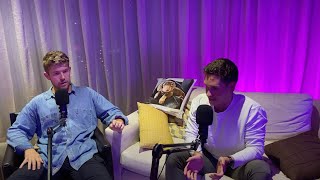
Billy Harris went from personal training at Gymbox to building a £100k/month digital product business by 23. He productized online coaching, partnered with influencers to scale info products, and now runs Info Productions. The conversation covers pricing strategy, early mistakes, and plans to expand into influencer-owned courses and physical brands.
Chapters
Right, we're back with episode two after literally about 43 minutes of trying to make this damn thing work. And I've got a Tokyo pillow with our evergreen mascot. He probably fucked up the sound earlier, but yeah, I guess starting anything new and we're just saying like most people don't bother to start things and been talking about starting this podcast for like a year. Previously did a few episodes and then didn't bother. Etc, etc, because I don't know. And yeah, I guess like with anything in life, doing the first few is always the hardest. And this is number two. Number one. Went down pretty well, I think. Was probably more controversial potentially than this episode. But yeah, I feel like I'm probably gonna have to learn to be a solid interviewer and like do a dramatic. Oh, what's he eating? Christ on plastic. Do a dramatic introduction like Tom Bilyeu on impact theory or something, but I don't have that prepared. So I guess today's guest is Billy Harris. I guess famously or well, getting there. Famously, not infamously. That's the wrong word, famously. Previously a fitness coach in Gymbox, which is where I've trained myself, and then got into the online fitness world. I guess I probably don't know enough about what you actually originally did and I know what you do now to an extent, but we'll go into that and basically just get his take on what I think is a really interesting and certainly a niche I know less about because I guess previously we spoke a lot about E commerce, which kind of is E commerce, but like more product, E comm and I guess you know a lot about personal brands, fitness, kind of translating from kind of like a passion job that a lot of people pursue. I feel like in like personal training and so on, but then they can't monetize it that much. But then you've obviously figured out how to do it on a massive scale. So yeah, yeah, yeah, I guess we'll just give you the stage to start with and then we'll dive into some like back and forth conversation and see where it goes. But yeah, I'm just, I'm interested and I guess our listeners are interested.
Yeah, so yeah, definitely from the beginning there in that case. So I left school at 18, didn't want to go to university, couldn't give less of a shit about university to be fair. Had a place accepted, but I held it as a deferred place. Basically says my parents, if I can make as much money as you in the first year, can I not go to university? That was A deal?
Yeah.
So I did my PT qualification, moved to London. At the time I was doing my PT qualification, it was in Brighton. I was sleeping on my mate's floor at his uni house in Freshers. So I was being like battered every night basically by them coming in after parties and stuff. Anyway, moved to London, had like 500 quid. I had like no money at all. Started doing PT 1 to 1 in gym box. Was living in a family friend's house luckily, so I was paying very minimal rent. Did pretty well. I was doing like four, six, even eight grand a month at one point, which is pretty decent.
In gym box.
Yeah, yeah. Because I was lucky enough to work with some pretty cool clients. I had like little mix at one point, DJ stuff like that.
Oh yeah?
Yeah. So it's going pretty well. I was working my ass off. I was working from like 6 in the morning to like 10 at night at times. Just obsessed with making money basically. Didn't have any social life at all for like two years basically. It was like. It was hell in that respect. But at the same time I got to. I knew that I could put my back against the wall and actually pull something off basically, which is great. But then obviously I was working from 6 or like 10 at night as I said. Realized that it wasn't feasible long term and as a result look for other solutions in terms of moving online. So yeah, bought my first infra product which was a total scam. It was such a waste of money. It was like 15 grand and then.
That's a lot for info products.
Yeah, yeah. By a guy that said he was doing like 500 grand a month from a fitness coaching offer.
Can you reveal who this guy is?
Yeah, Sterling Griffin. I believe he's in like multiple cases in the us.
Oh shit.
Yeah, this whole. His whole business got shut down. But yeah, it was total scam of a product. Literally the first module was filmed on the iPhone. He was like, is this recording? And I paid 15 grand for it. I was like, oh no, I feel.
Like you were the one that. With the fool in that situation.
Oh yeah, mate. Massively got ripped and then yeah, started to try and push things online by building a high ticket offer and was like testing what I could do with it with like a fitness and health offer. Then met Iman and obviously he was doing like 50 grand a month from his education business at the time whilst running an agency. Saw there was a great niche to tap into basically clients like him whilst also I was also training him and then scaled my people From a software to like 30 grand a month. Was running that for about what, two years, maybe pushing towards three. And then, yeah, recently pivoted to build info productions, basically. Yeah, that's the, that's the backstory.
And that's over what, like four years?
Yeah, yeah. So I'm now 23 and I started when I was 18, so five.
And that gym box was that. That's not the one we used to go to, is it?
No, no, that's. That was Old Street.
Oh, okay.
Yeah. So it's like proper, like city based clients. Like they all had cash basically. So you can charge whatever you wanted.
And you were self employed in that gym or what?
Yeah.
Is that how it works?
It's pretty cutthroat. So like you're paying gym rent. I was paying one and a half grand a month to work there.
That's like a barber then, I think. Yeah, barbers rent seats and then it comes down to their clientele.
The gym is massively profiting a few basically. And all the pts in there. So it's like 12 pt.
So the gym would charge out like, I don't know, 100 pound an hour for PT and they'd give you a percentage.
No. So it was like. No. So basically you pay the gym 1.5k a month. That was the rate. And then you could then work in there forever long you wanted and you had to wear the gym box uniform and stuff. But you were technically self employed.
Just name your price.
Yeah, yeah.
So did you. You said little mix. Was that like Perry Edwards and shit?
Yeah. So that was weird. So like I met one of my clients was a guy called Jody Harsh. He's a drag queen dj.
Oh really?
But I had no clue. I just thought he was like really flamboyant and quite camp. And he came into the gym one day and he had like loads of glitter on his face and stuff. And I was like, do you mind if I ask what's this all about? I was like 19 as being quite ballsy when I asked him that. And he's like, oh, I'm the drag queen, did you know that? And I was like, oh shit, no.
And he's like, he was famous.
Yeah, yeah, like pretty big. Like he's got pretty big Instagram if you guys check out. And I went to like, yes. I'm like sus, like MacKinnon ice cream event with him. After that mate met like what's her name? Kelly Osborne. Sexy fish. And I was like with a bunch of like drag queens and Kelly Osborne it was sexy.
Fish is a scam. I went on a second date there last week. Last year.
Yeah, it's such a scam.
But it's a scam.
Oh, so expensive.
It was like. Yeah, a lot.
It was so expensive. Did that and then ended up getting invited to little mix party and that. Met all of them there, which is pretty cool, actually. I met.
Wait, I started coaching them as a result of the party.
Yeah. Because I met their agent and then funny enough, I actually met Demi in Gymbox as well, which is interesting.
Demi who?
Demi Rose. We're building an intro product for her now, but I actually met her in Gym Box. But I don't know what she remembers. I don't know, but I remember at the time I was like, so were.
You this person, a trainer, toy boy to all these? No, not the same dynamic.
No, strictly fresh. And although all the pts were like smashing their clients on the toilets and stuff, like, all the time, people being. Yeah, it was brutal.
So when did you quit Gymbox then? So you went from making pretty decent money as a pt, relatively? Certainly at that age.
Yeah. Yeah, it was really good then.
Was it a sudden thing to switch into, like, online coaching?
Well, I had a bit of cash save by then. Well, like a relative amount. I knew I could live off it for a while.
Yeah.
So I was like, right, I can give it a crack. So I just obviously bought the first info product for online coaching. It was an awful product, but at least I learned, like, how to put together an offer. Started doing some just organic outreach, just outbound, and then signed a client in real estate. His name is Omar, and It was like 500 quid a month or something. Up to a grand at one point. And I was like, right, that's proof of concept. So I honestly just like quit at that point. Straight away.
Yeah.
A couple of clients, face to face, started training Eman face to face and then just moved. I was just like, right, I'm gonna have to ditch this again and then move in something else, basically.
Yeah, that's where we met, I think.
Yeah, we met like at a party. We met like three months later after I quit. So I literally just quit. And so, like, meeting you guys, really, to me, that was like a whole new world. Because I was like, remember you pulling up on your R8? And I was like, oh, shit, this.
Guy must be making like $pre neon beach.
And I actually spoken to Fred, so I'd done some outreach, like, tried to get Fred as a client.
I remember him mentioning that, said, who's this country. Sign me.
Yeah, exactly. And he was just like rejecting me left, right and center. And I was like, right, I get to meet the guy in person, so that'd be interesting. And then obviously met Tyler there the same night. I remember he was wearing like a white shirt. Specific. I don't know why I remember that, but he's wearing like a Wyman.
I remember me and Tyler there. That was all at the same time.
Yeah. And he was just launching his info products. He was just launching his first info products.
Yeah.
In real estate. I think he was working as a realtor at the same time.
Yeah, jeez, time flies. That was like two and a half years ago.
He was living in north London for.
So much more money on info products than their own ecommerce.
Yeah.
But I remember meeting you guys because.
I didn't understand like E commerce. Obviously I knew of it, but I didn't see it as being like something that I was going to pursue. I was more invested into like infra products because I just understood that it was much more profitable at least.
Yeah.
But then I saw you guys, I was like, oh shit, they're doing sick things. But I just didn't understand the concept of like drop shipping or anything at the time really. So pretty new to me.
So your clients then? Because I think I remember wondering this at the time, like you like you charge them a decent amount and like was that just for personal training or for like whole nutritional.
Yeah. So the pillars of the offer was sleep, nutrition, body, mind, time, focus. So it's like six pillars we built out. That was after working with a bunch of clients and like kind of consolidated. That's your firm. But it's all online. All of it was online. So yeah, I was working with people like other people in the info product space, like Dan Bass, people like Lenny, Nick Banks, who are now doing really well with their infra product service and bastion slot as well. He's doing really well. There's info products and coaching offer people like that. And I was charging them five grand for the service.
What, per month or just flat out?
Flat out, yeah.
And then was that ongoing or what?
Yeah, it would have been ongoing. Yeah.
So how long would they get for five grand?
So initially been three months and then after that I was working for some clients for like two years.
Oh. So yeah, pretty sick.
Yeah.
And would they pay you again? I was, yeah, yeah, yeah.
It'd be the same fee every time.
So every three months? Yeah, yeah. It's pretty lit.
Yeah, it's good, it's good. Model. I mean it's just a lot of 2 degree trading time for money until I productized. So I like tested loads different systems because obviously I invested in courses like some ovens course by that point as well.
Yeah.
So I was learning how to scale but he's always talking about productizing straight away soon as you have proof of concept to scale. And I didn't think that was really applicable to health author because I thought everyone would want the one to one aspect. So I brought on a team of coaches, just two of them and they were delivering the one to one service and I was basically scaling the business and then we then productised after that.
And these were. They're all entrepreneurs?
Yeah, yeah, yeah, all of them.
And do you think that niche was good because A they had money assumingly because most people wouldn't pay that or couldn't pay that. So did you think it was more about them actually giving a shit about their health or because their personal brands they wanted to be seen to have a coach?
Yeah, both. I heavily relied on like and leveraged the fact that I was working with six, seven, eight figure earners. So people doing like at times a million a month and I could then basically talk about that when I was selling the offer.
Yeah.
And as a result it's more like a status thing as well because realistically most men would rather pride themselves on how much money they earn rather than how healthy they are. Yeah. So when I was then showing the case studies I was always referring to people who did like a million a month or like 500k a month rather than what I've done with their health. And as a result of Soldier really, really well. So I combined both variables of health and making money together in one offer basically.
Yeah, it's like a win win.
Yeah, yeah. And as a result like even the people that were like speaking to one another in our slack channels as well, they'd start communicating one other share ideas, stuff like that. But it also massively benefited me because I got to learn about how to build info products from these people. Yeah, they were doing like so much money. So at one point Dan Vas is in the E commerce info product space. He flew me out to Toronto for a week to film some videos and I basically just got to see how he works, like how he operated and he was doing like I think it was like 500 grand a month at the time. It was just really, really interesting seeing how he ran the company. He had like a few employees underneath him, all of which had shares in the Business or like percentage based. So I was just, I got to see that model and I was like, okay, this is viable then. Yeah, so that was really, really interesting.
Dan Vass, the bloke that like had this massive course but had never actually built a brand or any comments at all.
Yeah, so I found that out later.
Yeah, yeah, yeah. But I always find that interesting. But at the end of the day, I guess if, yeah, if the course works then.
Yeah, well that's the thing. Like he put together were people that were generating like serious cash from drop shipping.
Pretty smart model.
He was, he was servicing both, both variables of that. So drop shipping and then obviously Amazon fba.
Yeah.
So you had two different offers under one umbrella of econ freedom. So it was really, really interesting seeing that and seeing how he, he built that because he didn't need to be the person that knew all the stuff.
Yeah, very true.
Which was basically, which is basically what we do when we partner with influencers now. So I kind of replicated that model to a degree.
And how long did you do? Are you still doing that? Peak, peak performance program. When did that end and why?
That ended like about two months ago, not very long ago. Reason being is because we started building products for other like experts or influencers who had an audience. We partnered with them on that and I saw that as being. We got proof of concepts and I was like, right, this has legs, we can take this pretty far. And also if we set up a team and the operations behind that, we can scale that pretty drastically and I can then teach other coaches how to do what I've done as well and as a result scale the business to pretty substantial heights.
So that's the plan now. So the info productions thing and then also you've productised teaching other people how to do it basically.
Yeah, yeah.
And is that just in the health niche or.
No, no, no, no, it's in the ravenish. So we've got real estate, E commerce, digital marketing, health informants.
Yeah.
I'm even teaching Brittany how to build out a finance offer. So.
Yeah, sick.
Yeah. Once you know how to build an info product or a course, you can apply it to any different niche. It's the same template. You just need to learn how to find an audience that can purchase your product and is a niche and then build an offer which solves their problem. Basically it's as simple as.
Yes, you've gone from personal trainer, so basically job job and then slightly higher paying job because you got better at it.
Yeah.
To self employed, like high paid Time for money, then productizing it and now also trying to build a company that you can remove yourself from it, but by doing the same things basically across multiple different.
Like actually exit from. Yeah, because I've seen so many people in the info product space, like fairly big names all try and exit from their infra products. And didn't Sam, you say some ovens.
Try to do that?
Yeah, I'm pretty sure, yeah. And he's building out his tech business, SaaS business. That's my understanding so far. He'd start to build out school.
Yeah.
And as a result he's trying to scale school and having seen an interview with. I can't remember who's like his head of operations was Nick. I can't remember what surname was. He had an interview and he's talking about the fact that consulting.com could have scaled to like 50 million a year and that's what Nick wanted to do. But Sam wanted to build out a school as a software.
Yeah.
So that's what he did basically.
Yeah. Geez. Some of them. Such a meme. I feel like I used to watch his shit all the time. He seems to disappeared. Unless I'm just not in. Yeah, no, but he's targeting anymore. He's just not running ads.
Yeah, I don't think they'd be running ads fucking everywhere.
I remember seeing the first ad of him and I thought he was like a complete like scam guru. But then I realized that he wasn't as much and it was just like him with some panther statue in a New York penthouse. Yeah, that was the first ad I ever saw. It probably fucking worked.
Oh no, it converted so well.
Yeah.
He's doing what like 30 plus mil a year on point.
Yeah, he was like a reincarnation of Tai Lopez's famous here in my garage.
Yeah, he actually ran a JV with Tai Lopez at one point.
Oh really?
Basically acquired a ton of his audience.
I started seeing Tai Lopez ads as well recently again, I actually met Tai Lopez. Oh really?
Yeah, Maddox.
I thought you said Gym Box as well. No, he was in Gym Box. Yeah, he was in Jim Box.
Oh yeah. Me and Tyler were boxing and Tai Lopez was. Yeah, he was in there. No, I met him in Maddox. It's a club in London. Which was such a weird.
Yeah, I think I've only ever been there once. I think it was when we went. It was after that party where we met, I think. Or was it another time?
No, no, we all went. There's a video like Fred's wearing a shirt as well. I remember it. And he's got a totally different haircut. We all look so young in that video. But yeah, yeah, that's high. Lopez, he pulled up with his team. There's like a team of bodyguards and all these girls, which I now know he paid to be there.
Of course he did. It's part of the brand.
But he's. Yeah, pulled up in a McLaren, all his team were in there, got a table and we had a table next to him and it was just like. It was just such a weird moment. It was like. Yeah.
To be fair, like, I've always thought having that's probably the biggest benefit of having a sick personal brand. Even though in certain niches, like probably the Tai Lopez niche, like the make money online niche, there's like. Well, I suppose I've probably faced more abuse by not even being a guru, but there's like potentially prone to some like people saying, oh, you're a scammer or whatever. But it's one of the only businesses where you can probably expense like all those girls.
Yeah, yeah.
You could literally get like tie hookers for a video and expense it probably and it be legitimate because that's your sales material, like whole lifestyle thing.
No, exactly.
Maybe tie hookers is a bit far.
But we could have leveraged that as a case study.
Exactly.
Yeah, yeah.
No, definitely like cars, like. Yeah, you get a bottle in a bloody tape bottle in London for like five grand and that would be a legitimate business expense.
Well, so many people do that, which.
I feel like a lot of people have copped onto. Like people that like finance Lamborghinis and shit. And.
Yeah, I mean like the info products face is like. It's an interesting one because obviously it just became like seriously extreme as a result of like Tai Lopez and likes of flexing cars, flexing lifestyle, that kind of stuff. And now it's coming like back to the point where if you're just transparent about your numbers, don't flex things and you just actually do provide legitimate value, people purchase from you.
Yeah, Because I noticed that about Sam Ovens. Maybe I didn't follow him at the start, but like started to think of this guy's legit because he wasn't flexing lifestyle.
Yeah.
And it's like. Yeah, I've noticed that like the pandemic, so to speak, of like Forex traders, which I feel like has stopped because there was some FCA something a year ago.
So harsh.
Yeah, like that was like probably more guru even any e comm stuff. In fact, it definitely was because it was like borderline fraudulent. What a lot of them are doing like selling, I think when they were getting commissions from getting people to sign up to addictive gambling sites and shit. And yeah, it became such a meme. Like you get a Lamborghini Hurricane, you sell a course a lot. Something that you've never even done. Like. Yeah, it just became a meme and there's yeah, definitely a few like third party friends of friends or whatever that I know I've done that sort of shit or I know of. I don't know them very well. Yeah. But yeah, now I feel like it's the opposite of that. People see through that a bit more now.
Yeah. Maybe another reason as to why that is also like the updates to iOS and as a result of Facebook ads, you can't really leverage it as well in terms of CPAs or. Yeah, it's pretty, pretty screwed up in that respect. So yeah, if you want to scale, you really need to cultivate like an organic audience to be fair and as a result nurture those individuals. So you're not going to face so much of a PC because you're not targeting cold audiences as much. Yeah, so that's another factor. But it also means that then the audience you are nurturing, you do need to be legit and as a result trustworthy.
Yeah, people are just more aware of like everything being smoking mirrors online, aren't they? Like obviously not everyone. There's still a market of like 16 year old vulnerable people in every market, which people probably still go for. But yeah, of course. Although a bit of me does think when I had a finance supercar and a penthouse, why did I monetize that into like a course at the time? But I just didn't.
Yeah, I mean that's the thing it would have sold. If you're providing a legitimate product, then there's no issue with that. Yeah, the thing is if, if you're not providing legitimate product and you're just flexing a lifestyle, that's awful. That's really, really bad. Like that's one of the products that I fell for when I first purchased and it's like 15 grand USD. It's a lot of money. Like to me I actually signed a contract which is paid over a year. I was 19. It was just like, you know, that's awful.
But yeah, yeah, I feel like that whole like everyone definitely falls. I definitely bought a course. I think it was like called like Mobile Monopoly or symbolics in like 2010. It wasn't even E Commerce. I Didn't know what it was. It was like making money from apps or something. But, like, you think, oh, like, obviously everyone knows that's a scam or smoke and mirrors. But obviously if you're like 16 or whatever, or like 16, 17, 18, it's easy to look at it now and think, oh, that's obviously like bollocks. Or these forex traders are selling a fake dream. But if you're like just out of school, which is who they go for.
Yeah.
And that's kind of the problem. Like. Yeah, you fall for that stuff really. There was actually one time, I remember, like two years ago. I don't think it wasn't like a forex guy, but it was an Instagram influencer or whatever. And he took a picture next to my car and it had like 200,000 likes. And he, like, he photoshopped the color of his shoes and jacket to match the car. And I think, I don't know if he said it was his car, but like, he put it up being like his car. And obviously people bought into the fact. I don't know what he was selling. He's probably selling something.
But, yeah, it must have been.
Yeah, it's just. Yeah, that's just one of a billion examples of.
But if you look at the people that have really now succeeded in like, the coaching and info product space, like Alex Hormozi obviously now runs appcushion.com.
Yeah, I was listening to his book.
He has eight companies underneath the umbrella and they're doing like 100, 120 million a year. But with this one product, Jim Launch, he's doing like 30, 50 million a year in which he's helping gym business owners scale, basically and become more profitable. And like, that product alone he was charging like 40 to 50 grand for. There's no aspect of flexing a lifestyle at all. Like, the guy's very anti flexing.
Yeah.
In every respect. And he's actually now the person that's probably one of the more successful people in the info product space because he's legitimate and the amount of value provides and free content and the fact.
Yeah, I've started following him recently, to be fair.
Yeah, that is really, really interesting.
There's that graph, I don't know what it's called, where it can be applied to so many things. I saw on Twitter again recently about, like crypto and it's like low IQ, like 70 IQ doesn't do something. So in this case, like, flex is all the lifestyle bollocks, like average IQ, like 110 or whatever thinks I need to flex all this stuff. And then like super high IQ like 140 is like the stupid person doesn't flex all this stuff. The example was about crypto. Like just buy it. Oh, it's a scam. Just buy it. But I guess you could apply it to like. Yeah, need to flex it.
Any make, model.
Like don't flex, need to flex, don't flex. So yeah, guys like him, the examples of don't need to flex because they actually know they're talking about.
Yeah.
And it comes like full circle.
I fell victim to it. So I'm not one that's gonna utilize that as being something which I kind of build my offer on my business.
That way you don't weigh your Richard Mille on interviews. I was like repping the Apple watch. Yeah.
Somebody. The gold tier Casio. The gold Casio, yeah.
To be fair, I've actually got to the point now I feel like an Apple watch and the gold Casio is genuinely cooler than a Rolex. Rolex datejust has become a meme.
Yeah, it's become a meme.
I have one, but it's become a meme.
I bought my first Rolex was a sub and then I got a datejust and I felt like an absolute idiot. At one point I met this dude and he's like, he's worth a couple of bill and I just felt like such an idiot. I was like some like 20 or 21 year old. I just felt like such a twat. And he had nothing on him obviously. He was very like very humble.
Yeah.
Not saying that's the way in which you have to live to know to attain success. But I feel like an idiot. And also further like boosted my ego to the extent where I was becoming complacent with shit. It was just pretty nasty cycle. So for me personally and also in London, it's. It's kind of a security risk.
Yeah. To be fair.
Going out I've heard quite a few stories about people like being past the fag, whatever. And it's like it's got whatever in it knocks them out. They get their watch taken off them.
Yeah.
There's some pretty bad stories. So I'd rather not be wearing something that's like worth like 10 grand on my wrist.
Yeah. Cuz I bought my first Rolex in like early summer, like May 2018. It was a Milgauss, which is like the cheapest Rolex. But it was pretty cool in hindsight because not many people wear them. But I got it stolen off my wrist two months later in Barcelona.
Yeah.
I was like paralytic coming out of a club at 4am and it was like definitely a professional operation in hindsight because I just remember not even noticing it for like 10 minutes. Then be like, oh fuck. They like squeezed my wrist or something and it wasn't insured and that was a life lesson. But yeah, you definitely feel just like it is almost cooler. It's like the same. Same thing with like cars and shit as well. Just general lifestyle. Like yeah, I've had some nice cars. Now I don't have a car. Watch the first episode. But I'll have a nice one again in the future. But there is a freedom to it in a way.
Oh massively.
Like because you just think like first I've got nothing to prove to anyone.
Yeah, there's, there's a few ways to think about it really. Because like, like last month I did 100 grand and like I know a lot of people that would have just gone and blown quite a lot of that money.
Yeah.
But like there's a few ways which I think about it now, it's like I don't want to be spending that much money, be perceived as being that person because I don't want to attract those kind of people around me.
Yeah.
And I also want to know that I've got like a legitimate relationship with someone that actually cares for me rather than just there for my money. I think that's also really important. And another variable is like obviously I lost my dad last year and knowing that I can actually help my mum out is way more significant than going and buying something or like spending money and just, yeah, spunking it basically. So because I had that experience, like I got my first Rolex and then my dad was going through chemotherapy. I was like, I'm wearing like a 10 grand watch. Time to help my parents out backward. So yeah, it's got rid of that asap.
Yeah, it's kind of deep.
Yeah. No, but it's legit.
You always thought that or did that change over time?
What do you mean?
Like thinking that. I mean obviously it changes because everyone grows up. But did that experience with your dad like just further that like you want to help your parents and Yeah, I.
Was like said to my parents, particularly when I was like 18, I was leaving, like leaving home basically I said to them, I'll retire you guys. I always said that I'd like retire them to Bahamas, whatever. Barbados always said that. And then obviously my desire to see that drastically improve when I realized that my dad's got cancer. And I was like, well, shit, I really need to help my mum out in the future if that goes wrong kind of thing. But then also, like, I was never someone that was like, aspiring to attain, like, a luxury lifestyle. To be fair, I just always wanted to build a business, like, legitimately build a business.
Yeah.
I didn't care about what. I didn't even know anything about Rolexes till I moved to London. I had no clue. I didn't go clubbing until I met that first one. Went clubbing?
Yeah. To be fair, like, London clubbing is something else. Like, as in it's just such a scam. Yeah, yeah. London clubbing is a prime example of just, like. I feel like, obviously there's a lot of actually really rich people, but it's just. It's quite a tragic scene.
Yeah.
Like, people that seem to go there on, like, Monday nights and I always think, like, who the hell is in a London club on a table on a Monday night?
I've been once, but because I saw.
Someone on Instagram, like, earlier doing it, I'm not going to say it was, but, yeah, gee, I mean, it's just a different someone that isn't me. I suppose I was like, maybe if I'm retired, I'd do that.
Proper degenerate vibes.
Yeah. I feel like it's either, I don't know, just like. Like family money or, well, family money or just like, dons that are retired and don't give a fuck, like they've actually made big bucks or probably genuinely.
Family money or making money illegally.
Yeah, I do get that lie. There's a lot of that.
There's a lot of that.
Because, like you said, like, I feel like most actual entrepreneurs, people that genuinely, like, were doing whatever they're doing before it was, like, cool and fucking popular on TikTok. Weren't doing it for the money. They're doing it originally because they actually liked it. I was certainly like that with, like, E commerce brands and shit. I was doing it back in, like, 2013. And, yeah, I'm still after it, even though there's probably a lot easier ways to make money and. Sounds like it's similar for you.
Oh, yeah, no, it always has been. Like, it's a cliche. Like, everyone's watched Dragons down when they're a kid.
Yeah.
But I was like, that's sick. They own something, they've built a business and they're passionate about it. And I always wanted to do that with my own life rather than obviously I wanted to, you know, create financial abundance and move forward and create generational wealth, which is still very much a desire of mine. But yeah, I wasn't gonna do it for the purpose of like flexing because I'm really happy. Like our mates, like collectively as a group. Yeah, like we're solid mates, don't need to like go and flex to other people, wherever it may be. And also it's my mates from home. Like we're all very down to earth people.
Yeah.
And it's just like prevents complication from arising. I feel like the more money you flex or like your lifestyle you flex, the more complicated your life becomes quite quickly.
Yeah, definitely.
Like the more negative attention you bring, the more.
Yeah, one thing as well, I used to notice more and like there obviously are people, like, obviously shit like cars and so on. Particularly in London. Like there's probably more fucking millionaires in London than anywhere in the uk. Well, of course there is, like, probably more than anywhere in the world. Like even just around here, you'll see like a Rolls Royce every fucking 10 minutes, probably, or something sick. But one thing I used to notice in like uni and stuff, or just like when you're younger and it probably still happens now, but like lads in their early 20s and I know a few of them from back home who are literally like in some crappy, like temporary job or whatever on like 15 grand a year and they're, they're buying like Stone island jackets for 700 quid or like a Gucci T shirt, which, I mean, maybe it's just not my thing. Like people could say, could argue or like you bought cars and watches or whatever. But at least those things are experiential or hold the value a little bit. I don't know. I just never understood the design, the fashion thing ever.
Yeah. Neither. Me and Brittany, I could be wrong, but like, we went into Selfridges on Friday night because I was like, we were about to go out for Fred's thing.
Yeah.
I was like, I actually don't have any T shirts I can wear. So I was like, right, I need to go and get like a black T shirt from somewhere in Selfish. Is the only place open.
Yeah.
And I went around, I was like, this is ridiculous. I'm not paying 200 quid for a T shirt. It's like the cop one was like 50 quid. It was like the cheapest one in Selfridges I can find. But like everyone else in there, like, you can just see people working like a 9 to 5. They're nothing wrong with it, but earning, like, 30 grand a year, going to LV, spending like 7. Like, what are you doing?
Yeah, I actually. It's kind of similar again. Like, I think I've seen some meme or whatever, like LV and Gucci designed for broke people.
Yeah.
I feel like it's actually true, though, obviously, like, certain people are genuinely into their fashion and whatever, but, yeah, it's just. There's probably no more, like, product example of just, like, ridiculous spending habits purely to flex on Instagram.
Yeah.
Like designing clothing. I can't think of another example.
I like. I think I own, like, two bits of designer stuff. Two or three bits?
Yeah.
And it's just like, one of them being Comme de Gansaw, which I don't really regard as being, like, yeah, designer.
I just quite like lv, Gucci, whatever had. I think.
And I got a pair of, like, shoes from Giuseppe's Naughty. And it was, like, in a discount, like, 150 quid or something, down from, like, 600. I was like, right, I'm getting them. That's it. But, like, yeah, it's also this relationship, so I don't want to track someone that is there for money or, like, wants this flex, like, designer stuff and all that. Like, want someone that I'm actually, like, happy with. And that's been really key for me the whole time, really.
Particularly given that, like, Britney likes Suzanne is shit, though.
Yeah. It was all like, she's buys herself.
Yeah.
Like, I don't. I haven't bought anything.
Yeah.
Like, I would never want to be in a relationship with someone that makes me want to, like, buy her stuff all the time. Particularly in our 20s. Like, there's no way I'm gonna be buying, like, five, 10, whatever grand something is when I could be getting that money either to my mum or putting it back into my business and education. Like, there's no way.
Jeez. You could talk about, like, girls and relationships for a whole fucking episode. But I feel like that's why, as a pretty good rule of thumb, you're not gonna meet your future wife in a nightclub. Generally speaking.
Definitely.
There's probably exceptions to that, but certainly not in, like, a central Mayfair, London one.
No.
Because it's literally just. What's the correct term? Vultures.
Yeah. We call them bottle rats.
I think I said to. Which is pretty bad to Andy at the table the other day, and I didn't realize they were or whatever, his girls. I don't know. Friends is the right term. But I said, who the Fuck are these vultures? And he said, oh, they're with me or whatever. And it's kind of awkward, but.
But yeah, this is like. Yeah.
Even on Friday, so many of them.
Like, well, it was just us boys and then Brittany and then another girl that's with one of our friends as well. And then like, you just see girls shuffling towards the table. Yeah. It's like, really, you really trying to do that? Like, we're just trying to have our own fun, please just politely piss off kind of thing.
Yeah. Girls are complicated creatures.
Yeah. And they can, like, I don't sound dramatic, but they actually can ruin your life.
Like, not you having a pretty bad experience. Weren't you about two years ago?
Yeah, a year ago.
A year and a half ago.
Really, really bad. But yeah, like, I don't think anyone's like innately bad, but they can do certain things which can have a massively negative impact on you and it can, like, totally prevent you from having any bandwidth and any energy that you can apply towards your business or your family life. Your personal life removes it and it becomes all encompassing, which is insane.
Yeah. Another thing with girls, this probably going to get too controversial, but like, I felt everyone's discussed this, like, because some people say, like, oh, would you want to date like a girl who's also entrepreneurial or whatever. I feel like it's good if they understand it to an extent. But like this one girl in my mind I'm thinking of, which I'm not going to name, which I wouldn't want to date, who you probably know as well.
I think we've already spoken about it.
Yeah. And yeah, I feel like, yeah, they probably have to understand what you're doing and support it, but I don't know if it's just an egotistical thing. Yeah. I'd probably still rather be like. I might sound like cunt saying this, but I would find it hard to be in a relationship with a girl that was running like a hundred million pound business if I wasn't doing that as well. Like, if they were just. I don't know. I don't know what you think is that controversial or not?
I would say it's controversial. He's pretty normal.
Is that just. I've just got. Yeah. Like bad self esteem or something?
Well, I don't know. I don't necessarily think it's a reflection of self esteem. I think partly it might be, but I always think it's the way in which you want to live your life in terms of like having a Dissociation between your relationship and work as well. Or like. Whereas for me personally, like the person. The people that I want to model are Alex and Leila Hormozi because they built acquisition.com.
Yeah, true.
And like Brittany's now joining me for Intro Productions and she's gonna be quitting her job and I actually want us to do that together because like she understands all nuances of it. She's got different skill sets to me. Stuff that I can't do, she can do really, really well. And we, we've lived together for a whole year without look throughout lockdown.
Yeah.
And it's like. And been through the loss of my dad. Like other stuff in her personal life as well. I don't really see anything that can go that much worse than that and you to come out of it properly.
So she like 5050 on that business or what? What's the setup? Yeah, for a minute we will be.
Yeah.
And do you think she will add as much value to that as you or is that more just because it's. It's a convenience thing.
Add as much value. Because the way she thinks about it, she's probably watching.
Say you have to say the right thing.
No, but I'm being honest. Like, otherwise we wouldn't have partnered with. I wouldn't have partnered. Yeah. Like I wouldn't have seen any need to do so. Um, she adds value in so many different areas that I'm not well versed in. Like for example, like she currently operates in a finance accounting role within her E commerce business. They're doing. I think it's like near 20 mil a year.
Yeah.
I'm. I don't know anything to that level in terms of how to manage that aspect of things. Nor do I want to. I want to be front end. I want to be dealing with marketing. Something else to do with operations. Someone else do with like financial and accounting and those systems. And then obviously eventually we'll then combine roles or have to switch in and out of different things, et cetera. But like also having seen her work the past year and lockdown, she obviously all worked in the same flat, basically.
Yeah.
I get to see how she then handles things or deals with different things and it's just like, oh actually that could be really conducive to what we do. So to me personally, that.
And I know I can definitely see the benefit. I think that's rare to be fair.
Oh yeah. Like, even if it wasn't my girlfriend, I would have wanted to bring in someone that had that Skill set.
Yeah, definitely. Yeah. Yeah. That is your girlfriend?
Yeah.
No, she's not like some middle aged bloke.
Yeah. I was actually watching content from Alex and Layla because I just like spam watch their content at times, particularly when like eating food and stuff they're talking about. They were kind of reverse engineered their relationship where they ensured they were compatible first with their personal lives and business lives before falling in love and getting married. I'm not saying that I did that with Brittany, but it was really interesting because like I first met her and I saw that she was taking her career seriously and like, yeah, had different skills that I wasn't at all well versed in. But she understood the principles, what contributed to my success. I was like, oh, wow. Like actually we could actually have a life together kind of thing.
Yeah, it's interesting that because, yeah, I definitely think most people, yeah, they're probably don't think about that, to be fair. And that might be why statistically a lot of people break up or get divorced when they're older or whatever.
Yeah, because I think like, I think it's so easy to like fall in love. I think I genuinely. You can fall in any in love with anyone that you're attracted to, even if you hate their personality or dislike it.
Yeah, it's like infatuation, isn't it? Yeah, like, I think that's the word. I've definitely had that in the past when I was a bit younger, like I'd go through phases of. Yeah, I can think of a few now, like two to three months of this girl that was not remotely compatible and was probably like a net negative on my life by far. But for whatever reason, just like convince yourself that you want to marry them. Almost.
Yeah, no, I don't.
And then you'd wake up like a month. What the fuck was I thinking?
I died in the relationship with the girl that I was with before Brittany.
Yeah.
And it was like insane. It was nuts. And it literally was making me so incredibly unhappy, it was insane. So, yeah, I kind of learned from that experience. But I think that's what you meant to learn from when you're young, right? You meant to make mistakes and learn from it.
Yeah, definitely.
Provided you actually learn a lesson and take stuff into account next time.
Another question on that then. A lot of people like what we talk about and I suppose a lot of people probably say in general is like, some people have this like, mindset that, oh, like a girlfriend is just distraction. All this. All this. Whereas other people think obviously can be massively beneficial. And other people think it's probably somewhere in between. But yeah, I definitely agree. I think the right girl, even if they're not your future wife, can be. If definitely a net benefit because if anything it's just less distracting. Because when I was single.
Yeah.
And I haven't been for like a year now, which is a world record for me. But.
Yeah.
Well, I mean, I don't know about you, but I just. You. I probably used to spend like half an hour at least just what, probably an hour a day on like Hinge and fucking Instagram and shit. And like. And then it's quite a chase to like constantly be trying to meet girls and stuff.
Yeah. It occupies a lot of your time and also your energy.
Yeah, it really does.
It actually really does.
And then the flip side is people that say, oh, it's a distraction and then therefore don't have a girlfriend and because I think it's a distraction, don't even like speak to girls, end up becoming like this fucking celibate virgin figure when they're making all this money, which ends up being the ultimate irony. It's like. Is celibate the right word? Yeah. Or you don't have sex.
Yeah, celibate.
Yeah. They end up becoming this like monk figure, which they think, I guess it comes back to like, particularly like earlier stage entrepreneurs, maybe like the first year or two of like making money or whatever. And we're still early stage, but I've definitely understood this bit a bit better. And yeah, there's a few people I can think of which won't be named. Who. Yeah, they've gone through this whole, oh, having a girlfriend's like almost cringe because it's like distracting. And then it's like, well, you're making all this money or you're trying to be successful. But one of the biological things that people. Men are meant to want to be successful, to attract a mate or women, etc. Like, that is fundamentally what a lot of people go after. If you break it all down, you're not getting. Because you're saying it's a distraction, which is like the ultimate irony.
Yeah, yeah.
It's so interesting.
One, I see their point, but I think the way in which people articulate that is pretty poor in the main attempts. Their point of like being single is key. I think, like, being single, being able to be alone is really, really important.
Yeah.
And like having that experience in your life, like, particularly between, for me personally, the age of like 18, 20, where I didn't go on a Single day. But I didn't go out either.
Yeah.
Like just because I was working and actually learned to enjoy my company, that was really interesting for me. And then also when my, when my dad died and we. When my dad died like two weeks before lockdown, I had to move back here. After that I was literally like alone in the middle of lockdown after losing my dad.
Yeah.
Most like painful experience. But because I was alone, I learned so much about myself.
Yeah.
And like I learned how to boost myself or like how to get myself going to do certain things without needing to depend on someone else. So to me personally that again, it was like another just example of like if things happen, I can deal with it.
Yeah.
And then like I wasn't looking for relationship. Like meeting Brittany was just totally by coincidence and if anything I was like very anti relationship at the time.
But yeah, I think that that's definitely the best way for it to go. To be fair. Like it's pretty off the cuff. It's like blokes that go out on nights out when they're just like. And they're like I need to pull or whatever. And then you never pull. Of course you don't.
Yeah, yeah.
It's like that rule kind of applies to a lot of things in life. If you force it, it didn't happen. Yeah.
Like we've spoken about this before. Like I feel like the best relationships that we've seen or at least in like within our like friendship circle either come from like referrals we said through friends of friends or it's just like totally off.
Yeah. It's probably similar to a lot of good brands and businesses. There's a lot of word of mouth and like referral rather than just always cold ads or whatever. Like you were saying before.
Yeah, yeah. Actually is.
It's actually mad how much like real life principles flow into like business and E commerce and marketing and vice versa.
Yeah, massively. And yeah. Also in terms of like people again, like saying they don't want to have a girlfriend whilst they build a business. Like to me I think business in your life goes hand in hand. So why have disparity between the two and like at some point you're going to want to have a partner.
Yeah.
Creating a business so like itself is a point.
I think that's interesting to be fair because a lot of people, and again I think it's when people are less experienced and myself included, I feel like in the last year started to understand and get out of that is they think, oh, I'm Gonna work for like five years or whatever, then I'll sell this business or then I'll have made it and made all this money and then I'm gonna not have to work and I'll have time for like life.
But then it's like, that's really backward.
Firstly, like, if you had a billion quid today, realistically, you wouldn't just want to sit on a beach. Like, you actually wouldn't. Like, granted, you might not do everything that you do. And like, I'd probably fucking go make a horror film or something. I wouldn't just, maybe I'd build. I'd probably do brand building as well. But like, obviously, yeah, it'd be slightly different, but you wouldn't just want to do nothing. And I think that's what a lot of people like ignorantly, like, oh, I'm just gonna fucking go sit on a beach or whatever. But of course you wouldn't. That's just like childish talk in a way.
So we see in the movie.
Yeah, actually is, it's the dream that's.
Presented when the reality is if you've gone to the extent where, like, you've pretty much sacrificed everything to build a business and you put yourself through the mill, like, you're gonna want to do something again, like maintain your likes, both your sanity and also your mental well being, like your happiness.
Yeah, that's another side of it as well. Which again, like, in the past year I started to realize. I don't know if it's because I went through so much stress and realized it wasn't worth it, but like, I think particularly like beginners, whatever, and I still consider myself a beginner, but I'm talking literally with that. Like, just started a Shopify store or whatever it is for the first time and they're like, I'm working 20, 21 hours a day. Like, which A, or not. Anyway, you're probably working 14 hours a day. But like, B, that's not healthy. And like C, if you are, then you're just. Yeah, you're working hard but not smart. And like, obviously it takes time to figure out how to work smarter. Like, but it's just not healthy. Like, it's probably the main point. Yeah, it's not sustainable. If you can't do something sustainably, you can't.
Yeah, then there's no.
Then it's not a good threshold to work out.
Yeah.
I was listening to some Steve Barlow podcasts and he was speaking about that or something and I, I looked at my. Like, I set up like a calendar on Google, which is like my ideal day, which I set up like, a few months ago, to be fair. But it's like the actual work in. It's probably only like seven and a half, eight hours.
Yeah, I think that's what you need.
Because anyone's saying they're working more than that anyway. Because actually, if you do eight hours of deep work or like, relatively deep work per day, then you can fucking move mountains anyway, for a start. But second, like, any more than that, because, like, obviously. And that's like over 14 hours in a day almost by the time you've, like, had a break, had lunch, gone to the gym, walk this fucking dog, like, sat down. So, yeah, like eight hours. And whereas previously I might have thought, oh, I'm working 12 hours a day. And then a few years before that, I might have aspired or told people that, yeah, I'm working 15 hours a day.
Yeah, I mean, like, we.
Which you're not.
We grew up through, like, that entrepreneurship generation of Gary Vee wannabes.
Yeah, it's so true.
And he was always preaching, like, the grind, like, sleep when you're dead mentality for ages, and he's now kind of like, flipped on that. But he was preaching that massively. And as a result, we were kind of grew up. And that was cultivated. But, like, one thing that raised that point to me massively was I listened to a podcast, and this is Lockdown with Tobias Lutka and Tim Ferriss, CEO of Shopify. And he's got a family. He's talking about the fact he works, like, strictly nine to five or somewhere within that parameter. And takes me, the founder of Shopriders. Yeah, yeah, CEO. So he was actually an engineer, so he didn't find the company, but he's now the CEO. But I was like, well, I mean.
He'S running like, he's worth like 10 billion, isn't he?
Yeah. What's Shopify worth? And he's, yeah, operating within those hours. And I was like, but people that are running a 10k a month business. Yeah, supposedly working 20 hours a day or something.
Yeah, obviously they're like unicorn examples. But I think Bezos spoke about it as well. Like, yeah, like, basically works like eight hours a day and, like, has weekends off. But then the flip side of that, which I've seen on Twitter recently, and I'm not sure where I stand on it, probably somewhere in between, is like, people are saying, oh, yeah, but he has to work 18 hours a day for the first five years only because he's a CEO, blah blah blah that he can do this now. But then other people argue and I think I probably agree with to an extent. No, it's because he's smart and he understands A how to get more done in less time and B that if he's working eight hours a day he'll burn out and not make good decisions.
Yeah, I mean like again he can limit his hours because he has a team and a structure in place. Obviously anyone that's scaled can do that and as a result they can outsource work and facilitate growth at the same time. But like the people that even when I was running peak and as I said like I went to see Dan and obviously I was with people like Eman and stuff like that, they were creating huge amounts of financial success at a very, very young age and the way in which they chose to do that or like ensure that happened was by actually enforcing very strict rules where they wouldn't work beyond a certain point or they had to get said task done by a certain point.
Yeah.
And as a result they actually took more action to ensure that happened. And also they built a team around them whereas most people would then rock up and on a daily basis have a list of like 10 things to do. No parameters in terms of like time frame on said goal. Yeah, you get two things done because they have such an open diary or open book. So yeah, I think like having a time like actually knowing when you work best is really important personally. And yeah like 6am till 10am, I find that to be my, my zone because no one else is up. I'm not being bored by messages and I'm getting ahead of the game basically. It's to me it works really well.
Yeah, I find I religiously can't work in like the early to mid afternoon. Like 3pm till 5pm is like no man's land for me. Like pretty much 2pm to 5pm, probably even like 2 till 6 in a way.
Yeah.
That's why I go to the gym and go sauna and shit in that time.
Yeah.
And obviously everyone's different but I feel like a lot of people probably can't work as well in the afternoon because like genuinely you've had lunch or whatever, you're less clear headed.
Yeah. And also that's the best time for you to train. Your body temperature is the highest anyway so like you should be trained. There we go. That's right, that's off a peak. But yeah, again it's like I also know people that are incredibly successful that are total Night hours. They see they work throughout the night.
Yeah, fine.
They just know when they work best.
You know something else I've read on Twitter as well? I start becoming obsessed with Twitter. I never used to use it until like, literally two months ago, which is mad. I poisoned my mind with Instagram and never went on Twitter, which actually has information rather than just spam.
And you're a TikTok fan as well.
I went through a TikTok phase. Liv got me into it, but then I've gone off it. To be fair, it's just videos of sausage dogs and then like fat American Texan girls saying, like, my name's something something. I go to Texas State Christian Church. Classic. Something like that. That probably sound weird on this microphone, but what was I saying? Yeah, like people saying, now it's like the information revolution or something. Whatever it is. And it basically is like, everyone's got access to fucking everything. And, like, so much leverage potential due to the Internet, which is what I realized as well. It's like, fuck, I should probably make a podcast instead of not making one and just thinking about things because then it can reach people. But the point was, if you're working way too much and that burnt out all the time, etc, etc, then you make worse quality decisions. And Jeff Bezos spoke about as well. And obviously that's like a unicorn example again, but it's kind of true because it's like, now more than ever, like, every decision you make, particularly if you're publishing stuff or creating stuff or like doing ads at scale, whatever it is, even just writing someone on like LinkedIn or Instagram, it, like, has more effect than ever before because it can be seen by more people than ever before and it can have a positive or negative impact on anything more than before. So it's like, why would you spend 18 hours a day, hypothetically working on something if you can do eight hours of, like, quality decision making, even on a small scale? Because it doesn't have to be like, oh, I can only make quality decisions if I'm a CEO of a Fortune 500 company. But could literally just be as simple as where should I focus my time and just thinking about that, rather than just constantly trying to do a billion things, which I've been guilty of as well.
We all have. I also think majority people, way too complacent in terms of like, yeah, I could do that if I was a CEO of a company doing a billion. Yeah, when reality is you could. You can outsource a lot of things either to a va or someone commission based, like. Yeah, my sales team, my appointment setting team. So we have four team members, they're all commission based. So it's depending on their performance. I pay them no base salary. It's just all commission based. And as a result I can pay them like 2.5k a week. So make loads of money from it. But it means that they're working on my behalf, they're going through my DMs six hours per day, actually taking sales calls. Six hours per day. All I need to do to then basically move the needle of the business further forward is produce content, nurture my audience and learn. Yeah, that's it. Through it. In terms of moving the needle. That's actually it. You just need to know what the contributors towards pushing growth are and then just hone in on them, basically.
Yeah. And when they're going through your DMs, are they deleting ones from like, from girls or do you not get any from girls?
I don't get any from girls, no.
Do you not?
No.
Why is that? Because Brittany's in your bio, like post.
Britney, like every third post.
Yeah. Is that. Is that like, do you put that in hey, Orca or Hootsuite or something to make sure you've got a Britney post every three days?
No, no, no, no.
Is that a contractual agreement?
No.
Is that written into the infra production shareholding agreement?
Far from it. But interestingly enough, though, also, like, showing a personal life in that respect helps you sell.
Yeah.
And it's not like you don't need to flex your, like, net worth or like the amount of money over your bank account or anything like that. Just showing like intimate details about your life and your relationship really massively helps yourself.
Yeah. People just think you're more human, don't they?
Yeah. Because they trust you more. Like, if you, if you're talking about the fact that, like, you've been through some, like actual shit in your life and it's really been quite painful and everything's been easy. People trust you more because they can relate to you. And also just being honest.
Yeah. I think comes back to this authenticity again in it, which is what I was trying to do with this podcast in every episode.
Yeah.
And like coming back to the whole guru thing as well, like, it's just the opposite of authentic. Because wasn't there that one case? I don't ever really speak about it, but I don't know him. But I think you knew someone that knew him and there was some guru that was like living this perfect life on Instagram and they end up killing himself. Do you know I'm talking about. I don't know his name in the E comm space.
Yeah, yeah, he's actually really good mate of mine. That was quite. Yeah, but like, that was slightly different circumstances.
I don't know exactly what happened, but I just remember. Well, I think someone just said to me, yeah, like, he was living this perfect life on Instagram or at least on his like business page.
Yeah, no, it looks perfect, but that's what I mean. Yeah.
I think whereas if he'd been maybe more. I don't know the full extent of it, but that's obviously an extreme example.
Yeah, I'll explain that a bit more detail because I don't think that's maybe like an accurate representation of what happened. I think most entrepreneurs either start because they've had like a really messed up childhood or because they're just passionate about succeeding in life. Right. It's one of those two reasons you're either pretty insecure or you've had some kind of like weird messed up childhood. Yeah, right. For me personally, probably because of my insecurities to a degree and also passion for pushing myself to weird, weird points. Like hard, basically. I know you're the same. And we've had very good childhoods. Right. Like, we've had very good family lives, luckily.
Yeah.
Whereas someone like him, and I'm not gonna say his name, but I think quite a few people watching this will probably know he had a really messed up childhood. Like both parents in prison, was adopted, had to like basically pick things up for himself. Totally. And then, yeah, ultimately just couldn't get away from that. And then he just OD'd. Yeah, yeah, it would. And. But from outside it looks perfect. Like amazing car to two amazing cars. Like a pet dog. The amount, like the amount of money that guy was earning as well, 2120. But yeah, it's just because like his insecurities which led him to actually building a business ultimately to a degree. What kind of letters? I suppose, like ill mental health. And then as a result.
Yeah, just saying, like as a wider point, like. Yeah, that's kind of the problem with Instagram. Basically the Instagram generation, like, probably Instagram more than any other platform. But like social media in general, but particularly Instagram, it just literally is obviously like a highlight reel, but like to the point where it's such a highlight reel, it's just become like cringe at this point. I mean, obviously, like myself included, until probably the old time, I Posted like real shit or whatever. But obviously it's easier to speak about in a format like a podcast. You're not gonna post an image of you like crying. Probably.
Yeah.
But yeah, it's just, it's actually mad because it's probably the first generation. I'm the generation afterwards. I've got cousins who are like 10 who are on Instagram and shit and it's like maybe not 10, I don't know.
Yeah, no, my cousins are.
But it's.
Yeah.
Like I'm just thinking like fuck. Social media is definitely affected as I spoke about in the first episode, like negatively in my mind. It's like fuck, how's it gonna affect like 13 year old girls staring at Kylie Jenner from day one thinking, oh, I need to get plastic surgery.
Yeah. And then the acceptance of something like only fans.
Yeah.
Like such a societal norm and that's nuts. Like think about that 30 years ago.
Yeah. Like we were classy 30 years ago as a society apparently.
And also like, like more normal.
Yeah.
People weren't monetizing their bodies or anything like that to that extent where it's just like literally sexually explicit content and.
Obviously go down the rabbit hole on that one as well to be fair.
Yeah, but I mean that's the way in which like you have different parts now. You either work a 9 to 5, you, you live at home like making no money.
Yeah.
I'm not saying that if you live 9 to 5, you can stay at home, but these are two different options. 9 to 5, you stay at home, you start a business or you basically sell your body.
Yeah.
Like that's kind of the four routes you have now. And they've become accepted like, like on.
The whole, only fans slash like girls just sexualizing themselves. And again there's like a few people we know of, like not close friends or any of them, but like who definitely do questionable things. And like it's the whole like there's obviously loads of memes about this shit, but the whole like decent looking, dolled up girls who just happen to be in Mykonos and Dubai like literally every other month, certainly through spring and summer, but they couldn't tell you what job they have or what business they're apparently running to pay for these 10,000 pound private jet flights, these five star hotels which they're miraculously just living in. And then some of them will have like a cute little brand which is probably doing £500 a year in revenue which apparently pays for all.
Just wait till their accounts are published next year. Yeah.
I just mean, like, anyone with a brain knows what's going on there. I just wonder, like. And I'm not in that position. And, like, maybe I wish I was a really sexy girl that could just live arguably an easy life and just sell myself on Instagram or OnlyFans. But are they not gonna look. Look at that or even, like, their parents and just think they obviously know what's going on? You're a prostitute.
Yeah.
Basically, like, you're not an influencer. And I feel like the line between influencer, which originally started maybe, like, makeup, beauty videos or whatever, and now, like, because of OnlyFans and just, like, all this shit, I feel like more and more girls just, without even realizing it, are basically just prostitutes online.
Yeah.
Even if they technically don't sell their body in real life, it's also then.
Ensuring there's a huge lack of trust between, like, people in our generation. I think, because, like, in terms of dating someone, you're not going to trust them from the outset to a degree, because that could be the case, particularly if they've got, like, expensive items, whatever.
Yeah.
You'll start. You start to wonder, like, okay, where on earth did that come from?
Yeah.
But then also, just in terms of then, like, people being transparent about where they're making their money from or how they're then actually building a career. There's a lack of transparency, for sure. Or, like, it's very smoke and mirrors is the lack of trust between people. Definitely.
Yeah. I just think, like, another, like, part of that is the whole. I've never really watched Love island, and I, like, I've been forced to watch it, like, a few times with Liv, but it's just never been my thing. But, like. And this. This isn't, like, on, like, prostitution or whatever, but not just girls either. But there's a whole generation growing up now. Like, probably, like, are we Gen X? I don't know what we are. Like, I guess just, like, people that are, like, maybe 15 now, as opposed to, like, mid-20s or whatever, that are growing up and instead of looking up to, like, I don't know, an athlete like Ronaldo or somewhat like a musician who's actually, like, got skills and got famous, they're looking up to people that quite literally just applied and I assume just got picked for whatever reason, looks.
The way they look and maybe personality.
And, like, almost got picked for being a cunt in many cases. And, like, basically people are looking up now to people that went on Love island rather than people that have talent, have actually built some with their life. And I'm not saying everyone on Love Island's a cunt or anything. Like, obviously it's very productized at this point. They're probably like. I doubt they're even real names in many cases now because of all the shit that was happening with like certain contestants killing themselves and shit. But like, it just feels like an epidemic of like social media fakeness, which.
Has been like even more heightened by lockdown because no one else did anything other to. Than scroll on social media.
Yeah. And just compare themselves to these fake.
Lives like that for a while, like young kids. It just as a result absorbing that kind of content. That's why TikTok blew up. Like, look at like Dixon, Charlie D'. Amelio. Like they literally blew up throughout that time period. Yeah, it's nuts. I understand why people go on like shows like Love island because then they can monetize their personal brand and as a result have access to a huge audience which they can then build a business from. Makes perfect sense.
But.
But I'd much personally, much rather do that through means like the Nelka boys have done, where they're creating like sick viral content which is reaching the masses on a phenomenal level. And like MrBeast. And as a result, on the back end of that, build and scale, very, very successful businesses. Yeah.
And to be honest, like most people that go on Love Island, I'm stereotyping, but they don't come across the smartest and I don't think most of them are going to build a very great empire off the back of it. Some of them have. Like Molly Mae, for example, is probably the most successful one.
Yeah, amazingly well.
Wes Nelson, who we know. Yeah, obviously.
And he's such a nice guy as well.
Really clearly smart and fucking got a great music career now. So there are exceptions. But yeah, I mean, I mean, I'd probably go on it if I got the chance. That's. That's the thing. At least maybe I wouldn't. But like, I'd go on it. I can see why I'd go on it because particularly for someone that doesn't have another. For someone that ironically maybe doesn't have the ability or skills or desire to build a business or be an athlete or whatever it is, probably more realistically build a business, then obviously it's a great opportunity to. You're basically guaranteed by the looks of it to become a millionaire these days. You go on, you get million quid plus in brand deals over the next year. At least I would imagine. I don't know the exact numbers, but relationship even better. Monetize.
Yeah.
Yeah. And I guess a lot of people want to be that, but I think the problem is it's just. Well, maybe it's not a problem. Maybe I'm just old and decrepit, but it just seems weird that people now look up to that instead of like actual heroes. That used to be the case. Like, I don't know, talented. Yeah. Like he's a great example.
Yeah. Like we all looked up to him.
Obviously he's way bigger than they ever will be, but.
Yeah, yeah, but we always spoke about that when, like when we were kids, we always used like I used to wear a football kit 24 7.
Yeah.
I used to look up to footballers and like maybe to a degree musicians or when I started to get a bit older business people.
Yeah.
To kind of like filter in. But yeah, that. I mean, it's kind of terrifying at the same time what's happening in that respect.
Yeah. And I'm not just saying people like necessarily look up to them as opposed to like an icon like Ronaldo, but like it's more just people want to pursue that as like a career when firstly, like the realities again, on Love island don't know what the stats are, but it's probably like one in a hundred thousand people actually make it big off like Love island, which is like probably less chance than you were. Definitely less chance than making a decent business if you build a skill set, but definitely less chance.
Yeah.
I don't know, it just seems the.
Benefit of all this is weird. I think. I think it was discussed in the book written by Cal Newport. I can't remember which book it was in particular, but I listened to quite a lot of audiobooks and it was one of Cal Newport's books in particular. Well, like as a result of this and people being distracted 247 with like 8, 10 hour screen times.
Yeah.
Like there's no competition for whatever field you want to enter.
Yeah. It's kind of true.
It's much more minimal. Like you're ultimately just been given a massive aid if you want to start a business because a your audience are all on social media and as a result you can target them through pay that spend and then also your competitors or who would have been your competitors or wanting to be influences. And as a result, if you're starting a business, you've got such an incredible opportunity right now. Only to do this is you need to be a little bit analytical in terms of your thought processes. Observe what's happening with things and just make a product based on what's happening.
Yeah, I suppose just be a creator over a consumer.
Yeah, massively. Which is so key.
Some I've always like known but like I've always thought of it like in an E comm sense. But like even recently I think I was reading a thread from Naval who a lot of people probably follow. Like the fucking wisest Don ever. I'm not actually entirely sure what that Don does. I just know his wise, if I'm honest. And it was a big thread about just create, over consume, blah, blah. And it's like generally speaking, whether it's like creating content or like product or whatever it is, but like it's generally a 99 to 1 split. 99% of people just consume. Whether that's buying, just constantly buying fast fashion, constantly watching TikTok, then the 1% that can create and ultimately consistently do it. It's almost like inevitable that you'll find some success eventually. Whether that's this podcast, which I intend to do consistently because that's always a problem when someone's new. Whether it's like you want to start an ecom business. Info, products, online coaching.
Yeah. Because you can refine and pivot whatever you do. I just make sure it's actually something which you can monetize. Basically. Yeah. No, it's nuts. And it. It benefits anyone who wants to start a business or create something which they can monetize. Because all of your audience now online because their screen time's like eight to 10 hours. I think one of the ultimate life hacks right now for people between the age of like 20 to 30 is just do not have a screen time of eight hours.
Yeah, true. Unless it's eight hours working on some.
Yeah. If you keep your screen time low, like your actual phone screen time, like you can just create stuff. You actually think about things, you learn things.
Yeah.
As a result, you're actually understanding how you can then monetize something or create money.
Yeah. I think the biggest problem, and again it's probably ties in with like the whole everyone's become so fake and like bitchy on social media and shit. And definitely applies to like starting a business. But like probably more than anything it applies to things that just we were saying before we started recording this. It's like I was probably fucking nervous to record the podcast. Like I used to do YouTube stuff, then I got hate for it because like it's easy to hate when it's like putting videos out. Whereas, like, if it's obviously a brand you've built and you're a bit more anonymous as a founder, unlike, well, until obviously what happened to me. But yeah, like, I don't know even speaking to like my parents, like I mentioned I was redoing the podcast. I was like to my dad, I said, oh, I'm gonna start doing the podcast. And his initial reaction was, why on earth would anyone wanna listen to that? Like why on earth would you want to put that content out? But she's, yeah, I mean, whatever, fine, maybe it's shit content. But you could say that about anything. And people do say that about anything. They say, why would you start that business? Why would you do that? Blah, blah, blah. And it comes ultimately down to the creator versus consumer mindset, which is like 99% to 1% the opposite way around. And yeah, it's just, it seems weird that like people are so innately negative towards anyone that wants to build anything, yet they won't do their. It's like, like I was saying previous episode, like no one has ever hated on someone that did anything. But there's a lot of people not necessarily hating, but just like putting down things and saying that's a waste of time or yeah, it's a reflection of.
Their own poor self esteem or the fact they know they could have done something like this and haven't done it. It's all it is.
Yeah, I think once you realize that it's like, oh fuck. I mean like, yeah, I realized it in like an e commerce sense ages ago, but like making content. I always kind of wanted to do more of it. And then, yeah, just got put off by like people telling me all that was shit. Like a music channel I had and then vlogging. I was just probably less interested in that and it was a bit less relevant at the time. But even that was like why people were saying why doing that and then some people saying why doing this to the podcast. I'm sure they will, but even we.
Have friends that still like criticize things like us being on a podcast and stuff like that because they want to remain anonymous as business owners or founders. And I understand the reasoning for that. But at the same time, if you can monetize something like this and build a brand around it, then absolutely go for it. Like just do it.
Yeah, and it's fun thing. You get to meet just like a network. And so that's kind of the recent change I had after getting over the whole fucking neon beach scandal was just like, yeah, I should probably get back on social media because especially if you're putting out what I think is like decent, authentic, if anything, content, then people. Yeah, it's just a decent network until. The problem is now, like, social media. If you're not on social media at all, either yourself or your business, you're probably fucked. Yeah, like to some extent.
And also the argument about like remaining anonymous if you're a business founder and as a result people not latching onto your business is like totally contradicting yourself. Because ultimately if you're selling a product, people are aware of your business. Yeah, I see. Like when people say that millions of people can lock onto what you're doing in terms of your systems or your tactics or whatever you're doing with the niche, that's absolute bollocks. You're selling a product, therefore we can reverse engineer that. Then it needs.
No, it's an interesting one, actually. Yeah.
It's so bad.
I used to think more like that and it's probably why we partly canceled the podcast last year, me and the two of us that were doing it. And then I sort of realized. Yeah, I suppose there's another term I've come onto recently because of Twitter, which is like building in public. I think it's just quite a good term because I think it's net beneficial basically to share some stuff of what you're doing. Like you said, like, if you've got a big brand, say, and you're an anonymous founder, fucking millions of people will see the brand anyway and purchase your product. Otherwise, if they want to copy it, they can still copy it. And to be honest, they're probably more likely to copy it if there's no content at the founder because it's. It's human list to them.
Exactly. There's no aspect of like any loyalty or association towards that person in any respect. And also particularly like brands that are built around lifestyle, because you're still portraying an amazing lifestyle that the brands created and clearly the founders experiencing.
Yeah, it's just.
I find it bizarre.
And then I suppose in many ways, obviously Gymshark have done it massively. Other brands have done it. But that's probably like the obvious example, like having the founder so public probably makes people buy into the brand even more and probably actually makes like investors buy into the brand even more.
Oh.
Because if you're on the map as a founder, I know that there's a lot of people that probably definitely more people I see doing this, but like, yeah, it's quite. It's definitely. You're more likely to get approached by like investors People that potentially want to buy the business, et cetera, et cetera.
Yeah. Like Shannon, he runs Gen Flow, the CEO of Gen Flow. He spoke about that so openly on his podcast. He's like one of the reasons why I was producing vlogs for the past six months, every week, because I was looking to raise capital.
Yeah. It's quite smart, to be fair.
And as a result, he raised 12 to 13 million dollars.
Yeah.
In January. And. Well, that makes perfect sense. Yes. Because people can see the process from A to B, actually observe who you are, trust you. It's the same way in which people buy products from me because they trust me.
Yeah.
And because I've nurtured them through content. And like the same with investors, people buy into humanity. They buy into like actually being able to understand what contributes to what. And the bit about the person and the same way that like Matt and I recently we hopped on a call with one of Matt's actual like previous investors about a potential product and I'm not going to name the product, but it was around a supplement brand.
Yeah.
And then we both hopped off a call. We were like, well, it's never going to happen because we just don't like the founder.
Yeah, it just came across. Yeah, it didn't come across very well. And it was like.
Yeah. And there's like, there's no background history of us like that we can observe in terms of content around him or like what he chose, why he chose to do this, etc. So we can't actually fact check anything either, apart from his company stats.
Yeah.
So it's like, whereas if I, if.
I want to work for someone, like.
If I hire someone and I can look at their social media and see that they're actually passionate about something that I'm hiring them for, I'm much more likely to hire them.
And I suppose, like, even if you're not putting content out just on that point about that call, I suppose a putting content out probably actually helps your social skills and networking skills, selling skills ultimately anyway. Like, makes you a better speaker, et cetera, et cetera. But then, yeah, I mean, that's the point. So then even if you're not putting content out, well, A, you can get better at it by doing content. Wait, what was I saying? Wait, I've lost my words. My point is, even if you're not putting content out, just getting better at speaking and networking is going to be better for like, situations like that where you're having calls and you need to come across well, and not just fucking Corporate bollocks, whatever.
Yeah.
But actually almost on top of that, obviously making content gives you practice at speaking, whether in a situation like this, on a call, and also, like, further.
Improve your ability to actually articulate ideas, which is key if you're running a business. Because, like, if you don't speak to people or create content around your particular field or niche, like how on earth you can communicate to a team what you want them to do.
Yeah.
And if you're building any kind of business, you're going to need to continuously drill in the same point, like five or six times a day for your team to understand it. It won't be a case of like, okay, we're doing this system and then they immediately take hold of it and run with it. Because that's just not the way that humans work, particularly people that are working within a role in a company.
Yeah.
Like you have to say the same thing five times over, potentially different ways to actually get to the point where they understand it and then actually apply it. I think that's been like a massive learning curve for me as well. Like, huge learning curve for me.
Yeah. Like, and obviously I don't really have a fucking personal brand. I guess this podcast is like, yeah, the one part of like personal branding which. Well, the one part of content which I've always wanted to put out and now I'm putting out more. And I'll probably ultimately end up building some sort of personal brand around it, even if it's very. Not that big. But I feel like it's quite a deep platform. And like, do you find. Well, I suppose that's not the question. But like, obviously you don't have a million followers, but you still built a crazy business from a very deep audience.
Yeah. Like, I've got 10k followers for context and like, actually refer to this, I've got like 4000 Facebook friends. I did 100k last month.
Yeah.
And it's like, I'm not running any paid traffic right now. I'll start running pay shout outs next week for to actually scale my Instagram audience as a result, drive more traffic towards our offer. So it can scale. Yeah, that was just within the first like 45, 30 days whilst launching a new offer. Because it's a good offer, which for me is so interesting as well, because it's like, yeah, you can scale with paid traffic for sure, but if you can actually monetize something with a very small audience, it means your messaging is on point, your offer is on point. The guarantee you have in place, your offer is on point, deliveries on point. You can then scale up to Moon with paid traffic and amplify that.
Yeah, I suppose it's like, yeah, it's better to have 10,000 quality followers and like fucking five quality friends on network than have a million followers. But you're all just Indians masturbating over pictures of you or whatever it is. Which, which a lot of certain, like, female influences. Yeah. In reality have, like, they'll have a million followers but they can't monetize their audience.
Which is the point I'm making as well.
Yeah.
Like if you're an aspiring influencer, you want to build a. Monetize your personal brand. Like build an actual audience, not just people that are like. Yeah. Obsessed with you for whatever reason, but aren't going to purchase anything from you.
Yeah.
Like get it right. So what you're doing with that.
So true.
Someone that's done that incredibly well. And if there's any like girls into this is Grace Beverly.
Oh, yeah, definitely.
The amount of success she's attained as a result of starting Taller shreddy other businesses on the back end of her following is phenomenal. But that's because she built a loyal following base. Majority of which aren't like pervy men.
Yeah.
It's actually girls that actually want to learn from her and purchase from her product. I purchase her products and she's done phenomenally well with it. Like, so replicate that. Look at Molly Mae. She's done the same thing.
Yeah, Funnily enough.
Yeah. Slightly different audience, just potentially more like fashion based. Whatever it may be, it's done phenomenally well with it. And like. Yeah, for example, like the Nelk boys that we all, we both watch like all the time. And like, I know all of our mates watch. They did like 70 mil from match last year.
Yeah. They've got a cult. Fucking cult audience.
Yeah.
I'd love to get that on the podcast at some point.
Yeah, it's just like College dudes episode 500, like, literally like frats.
Yeah. But yeah, it's so true. Like, but it's such.
Yeah.
Like I find even myself like just being like a cult follower of them almost.
Yeah. No, it's lit.
I probably won't buy that. Well, I haven't bought that much. I probably wouldn't be fair, but like, I definitely watch their videos, like, and.
We'Re people that are hard to like convince the purchase because we sell ourselves.
Yeah.
It's really hard to actually get us to purchase anything.
Yeah, they're a really good example and it's like a deep audience but also fucking massive. Which obviously equals like probably $100 million plus business. I don't know what they're doing, but probably more than that. Yeah.
Like 70 mil from merch last year without Happy dad and our Happy Dad's launched like that'll be a billion dollar business.
Yeah, I don't doubt about that.
And they've also. One thing that's really interesting about, and I only actually came to know is like last weekend from Tyler was that Stephen Kyle put in place a CEO and a president for both companies.
Yeah.
I didn't know that. I thought they were responsible for all operations but they've actually hired someone to leverage it.
Big operation.
Yeah. That's really bright. That's super bloody intelligent.
I suppose that brings it on nicely to wrapping round to an earlier point before we get on too much of a tangent is I definitely see more influencers now and like content creators like Nelky, Grace, Beverly, whatever realizing that you can't make that much money long term, just fucking doing paid shout outs etc. Obviously now they're all trying to build brands. Not all of them. The smart ones are obviously you're in for a productions thing. Yeah, is. Well tell us more about that. I suppose we went over briefly but that's building info products with influencers. But then the plan is you mentioned to potentially and I think it's smart to move into doing physical product brands like Ecom brands, whether that's someone like Tala, Happy dad, whatever.
Yeah, absolutely. Yeah. So I mean the reasons to why I saw this being like a gap or something we can actually build as a business was because influencers, you said like they've correctly identified that they can only last on brand deals for so long and brand deals renewed every like 12, six, whatever, however many months, 24 months. And as a result they have a certain lifespan. So it's like between the age of 20 to 30. Yes, you can make loads of money but after that you're done basically.
Yeah.
Whereas if you can then build an actual platform for an influencer which they actually own in this instance an infra products and digital course, they can't get a brand tell them no, you can't run that anymore or you can't make money from that anymore.
Yeah.
And as a result they can actually monetize their own audience on their own terms. So if their brand deals go, they can make a ton of money no matter what, which is actually what Grace has done. So we're basically doing that with just info products. So Obviously, we have the skill set to build and scale infra products with a very middle audience like mine, which is 10k followers. So we're now basically building infra products for influencers that have. In this instance, we're about to work with an influence that has 18 million followers. If we convert, like 2% of that following is like 36 million for a 199-product.
Yeah.
Which is just phenomenal. I think that's only 1%. Sorry. Which is just absolutely phenomenal. But that's where things are going right now. People are like influencers who are locked onto things, aren't relying on brand dealers, they're building their own companies. So if we can help do that for them and automate it for them as a system, we have a business that we can scale to the moon and back.
Yeah. Because that's the thing, like most influences, not all of them, but most of them probably don't know how to. Well, most people. And most influences wouldn't know how to properly monetize the audience. So.
Yeah, no, like the influences we've worked with so far, like, they have no clue. And they also don't want to know.
Yeah.
Like they want to make money, but they don't want to, like, have to actually observe how to make money and all learn the principles that contribute to it. They just. They'd much rather give like 5, 50 of the business away to someone that knows how to do it.
Yeah. So true.
And as a result, create revenue from it, which they can then create revenue from for the next, like, two, three, four years and then build in something different.
Yeah. And ultimately have an asset they can sell, potentially.
Yeah.
If they build something proper.
And the same way in which, like, obviously with the update from OnlyFans, which is like a month ago, where they said they're removing sexually explicit content or.
Creating it, was that legit?
That should reverse that decision like a day later. But if that was to be the case, like, that would have been what, maybe like, 75% of OnlyFans creators done.
Yeah.
If they actually had their own OnlyFans platform, they'd be the only OnlyFans creator that has that platform and as a result can monetize it. So all of that audience would have gone immediately to their offer.
Yeah.
Which would have made way more sense for someone to see. So it's just like, you know, if you can facilitate that aspect of things and leverage someone's audience. And also, as we all know, anyone that runs a business, like, the reason as to why we work with influencers like in your instance obviously with the brands you've run as well, is so you can access their audience.
Yeah.
Right. So if you can then partner with someone like that and you know how much money they can make but they're not aware of how to do it.
Yeah, 100%.
You have a deep offer. And that's what we've done with Intro Productions basically.
Yeah. Because obviously Gen Flow is probably the only, well certainly the only company I'm aware of, at least in the UK that does it with physical products.
Yeah. Gen Flow and then like one of our inspirations for building this obviously was Masterclass, but that's a centralized version of what we're doing.
Yeah.
And it's a totally different model. They, they pay their influences or like Samuel L. Jackson, Serena Williams, like an upfront fee of like 2 to 5 mil, whatever it is.
Yeah. I always wondered, they must be so expensive.
Yeah. They pay them so much money and.
As so good as well.
I think they have like, I, I don't know whether or not they have like a revenue based deal after that in terms of collected revenue. But because it's a subscription based product, the platform. I doubt that.
Yeah.
Because like you can attribute someone purchasing Masterclass subscription just to one product unless they go.
Very true.
So it'd be very difficult to track that. So I doubt that's the case. It's paying a one time fee but then the production cost is like phenomenally big. It's like watching a movie.
Yeah, it is to be fair.
And it's not like I'd like to.
Have someone making this podcast a movie.
But yeah, steps I'll get, get there. But yeah, Masterclass itself isn't like how to make money. Like actionable Steps is like these are principles that I apply to my business or like how to cook food. Food or whatever. So it's actually different to what we're doing to a degree. And it's more like an actual Netflix show, whereas it's like an interview of them orchestrating how they've done things. So. But that, that in itself like Masterclass is now worth something around 2.5, 2.6 billion USD and it's not profitable.
Yeah, I always find it interesting. This could probably be another debate as well or just conversation I spoke about a few times just on that point. Like obviously like econ brands or whatever which I'm more familiar with. Obviously like a bedroom brand will sell for like typically like 2 to 3x net profit. That's pretty standard. So if you're running 3 million revenue making 300 grand. You could probably only sell it for a million quid, typically speaking. But then you get to the next level where suddenly, well there's probably three steps that's the most standard. Where like there's a lot of those acquisitions that happen that you would never read about because they're not that big. Then you get the brands that will sell for like 10x revenue or be valued at 10x revenue. Like I think Gymshark was similar to that. I don't know the exact but it was like obviously much higher than 3x profit. It was like 40x profit or whatever and like movement watches as well. They sold like 200 million. It was making like 7 million profit or whatever. I've always been interested by that. But then you get the next level where you get these typically massively what they're always like VC backed because that's how they get the valuation on paper. Like they raised 200 million for 10% so they're worth 2 billion but they're burning cash and like a lot of public companies as well. I don't know where I'm going with this. I've always just found it interesting like particularly the first two because how do I go with my next E comm brand? I've been thinking about this a lot. From only commanding a 2 to 3x net profit multiple, which by the way would mean it's probably impossible to make 100 million quid from an exit. Because unless you build a 30 million pound a year profit econ brand, which is fucking difficult. Yeah, you'd have to be doing 300 million in revenue probably.
Yeah.
Society. How do you go to like being acquired for 5-10x revenue as a brand, which are obviously like these unicorn examples you read about. And that's how you can potentially make 100 million quid I think from an E comm exit that you can build over like five years. But then beyond that you obviously get companies like fucking masterclass loads of tech examples. I always read like public company like financials just out of interest and like there's a company called Atlassian is that you say Atlassian, they make Trello and a bunch of other things. Their market cap is like $50 billion, their revenue is 500 million. So they're trading at 100x revenue market cap. It's like why they're losing 100 million a year or something. Yeah, obviously I get the mechanics of why. Because it's a public company, blah blah, people are buying to what they think the future value is. But it's just interesting because I would rather be the bloke that, well, I don't know, like hypothetically, I'd rather be the person that raised a lot of money, built a billion dollar brand that's losing money but my stakes worth half a billion quid and I exit rather than bootstrapping my ass off making can't make any fucking profit because ad costs are going up and then I have to sell it for relatively fuck all because.
Jake, is there actually any business that's just bootstrapped and attained like a billion valuation? I'm not actually aware of any like totally bootstrapped. They will all raise capital at some point.
Yeah, I feel like one good example in the E Comm space is my protein. He always bangs on.
Did he raise capital, Oliver Cookson?
I don't think he did until he sold it. He said it was. Didn't raise capital until he sold it for 65 million. But even then I think the billion.
Level though, isn't it?
Yeah. I mean it's still a sick level but yeah, it's just interesting because I don't know how that was relevant to your point, but the Masterclass thing just made me think and yeah, I've always been interested in that because ultimately if you're building a brand, I mean, yeah, granted you might enjoy it, blah, blah, you want to build something great but most people want to start a business. Yeah, because it's the game etc, but you want to get paid for it at some point. Yeah. Sorry, brief interlude because my baby dash and started barking because someone came into our home studio. But yeah, I guess, I mean, geez, we've gone a tangent forever about stuff like that. But yeah, masterclass is interesting and I suppose is that, I guess what's the vision then going forward? I suppose that's kind of a good way to wrap it up like the last five, ten minutes, whatever.
Yeah.
What's the vision going forward with Info Productions? Anything else?
We've spoken about this a few times. Definitely spoke about this a year ago, both you and Fred, like whether or not we want to get to a billion dollar brand or billion pound brand or at some point, like I definitely see that as being viable, particularly given the fact that like the information product space online is glowing up massively and there's decentralization away from like university systems, classic education. So if we can actually tailor our services towards that, build an offer around that as well as well as working with these influencers that have access to hundreds of millions of people, it was something that we can scale pretty drastically and I'll definitely bring on capital at some point to facilitate that growth even more so. Yeah, but like our immediate way of ensuring that is by working with these influencers that have access to as I said like multi millions of followers. Basically they would cost us hundreds of thousands in ad spend to attain which is leveraging their audience to ensure that. So yeah, I'd love to get like a billion dollar valuation if not more with the brand. I don't know how much I'll earn by that. Owned by that point.
Yeah.
But I'd actually love to facilitate that and be a part of that like definitely. Just because one of those incredible figures. And I also see that as being very viable, particularly considering that people starting Masterclass were one guy who had the idea initially who was based in college and he spoke to his like film teacher or something like that in the us Just two people that partnered on a product, I don't know how much they own of the company right now, having raised I think the round year funding. But yeah, I'd love to kind of like match that level and particularly then add on different variables of that like the E commerce aspect of things, tech, software and having been like inspired by obviously all of our friends and what they've achieved. But then also like people like our friend Ismail that lives down the road, he built a tech and SaaS business and it did 16 million and it's first launch month.
Yeah, fucked.
And he's like 22, 23. And I was like, okay, that's the.
Shit that just gives me anxiety. But it's like fuck, I'm so shit. But then it makes you think, okay, just think bigger.
Yeah, no, it's just like think bigger and also that think about vehicles which you can actually facilitate even more growth with. Yeah, like I, I think the majority of entrepreneurs are very ADHD and as a result they hop from one vehicle to another all the time. But I also do think it's very like you have to be realistic about whether or not your vehicle can get to like a billion in terms of its valuation.
Yeah, I guess if that's where you want to go. Yeah, definitely.
And I think like ultimately one of the ways to actually make that happen is by working in tech and producing something which is along that level of. But again, I also think you should stick with your offer if you do see it as being viable and the particular vehicle you're in. And like look at someone like Alex and Moses is doing 100 million a year.
Yeah, that Don is Mad. Like I said, I've been listening to his 100 million. I haven't actually finished it. I was listening to it today. I'm halfway through his 100 million million dollar offer book. Pretty good to be fair. Definitely change the way I think about things. I just probably haven't read enough in, in recent. I probably used to read loads and then I just assumed I knew stuff and then probably stopped reading which is really stupid. But I think like, yeah, gets the.
Mind going two different ways thinking about that though because like a load of like content that we read or people that read they're just doing it for the purpose of like self improvement when reality it actually doesn't attribute towards anything because it's not applicable to where they are in life.
Oh, you're reading crap stuff.
Yeah, I'd much rather purchase courses that teach me a particular skill set. Like how to refine this component of a funnel ads.
Yeah, true.
Or building an offer.
Because like if you take advice and read shit from, I don't know, 10 different experts in fucking 10 different spaces, then you're not really nailing down anything.
No, at all. You can't even process the amount of information that you're actually absorbing in the first place. And actually action. It's impossible. Yeah, you're just shooting yourself in the foot basically.
Yeah, get like shiny object syndrome. Just reading a billion self help books and then not actually doing anything because.
Yeah, that's what a lot of people do as well in 10 years time. But not right now.
Yeah, very true.
And you get complacent. You're like, well I'm not there so I can't apply this. Yeah, yeah, well duh.
Yeah.
After working where you are and then actually develop skills that will enable you to get to the next point.
Yeah. Gee. So if you sold this future business then for a billion, let's say you made 200 million quid, hypothetically, what would you do next? Do you have a noble pursuit? Do you think you're entrepreneurial enough to always want to do the next thing like Elon Musk or whatever. Or realistically would you retire to Costa Rica and get five dogs?
Five dogs specifically?
Well, five or four.
What, soccer dogs.
Like this one?
Yeah, I'd probably start something else definitely. But I also know that like, and I'm not just saying this to like portray myself as being like a good person, but I lost my dad's cancer and I would love to like do something along the lines of to help, but independently I wouldn't put money into another like charity, because they haven't cracked it so far.
Yeah.
And also where my money's going. So I'd much rather put money towards something where I'm actually doing independent research and helping people in a situation like that because it's awful and it can tear families apart, so. But much rather do something along the lines of that.
Yeah.
And like, also, like, yeah, if you exit for 200 million, what on earth you can do with that money? I definitely don't want to give it to my kids. Yeah, true, like, definitely. I feel like you're robbing them of so much happiness if you give money to your kids.
You could probably play a game called let's see how much we can spend in Maddox.
Yeah.
I wonder what the record is.
Or in Harrods.
I think I want to get Gary on this podcast to speak about that sort of shit. That's a bit interesting. Very different topic.
Oh, he's just across the road now.
Oh, is he?
Yeah, he's back in mc.
Oh, really? Since when?
Yeah, since like two weeks ago.
Okay.
But, yeah, but no, I honestly think, like, giving all that money to a kids is the way to ultimately fuck them up and, like, make them very unhappy people.
Yeah.
So I definitely don't want to do that. I'd much rather, like, honestly pretty much die with nothing. Just give it to other causes or put it somewhere else.
Yeah.
Give it to my mum first.
But yeah, no one else has an interesting one. Because I feel like a lot of people, myself included to an extent, think when they get 100 million quid, you know, then they'll be happy, then they'll be set. But you'll probably find.
No, I was happiest when I was 18. I had no money. Yeah, I actually was. When I just finished my A levels, I felt like I had absolute freedom.
Yeah. Like summer holiday vibes.
Yeah. And I probably had like 50 quid in my account.
Yeah, I definitely relate to that.
And I was just happy because I was like, well, I've got everything ahead of me. I got all these opportunities.
Yeah.
I wasn't valuing myself based on how much money I had or what I'd achieved so far. I was just like, well, I've got. Give it a crack. Why not?
Yeah. The four pillars of life, health, wealth, love and happiness.
Yeah. I think freedom's so important, isn't it?
Yeah, freedom, yeah. I feel like freedom's part of all that, but lit. Excited to see it. Then give you five years to get to a billion.
Five years, mate. Geez.
I mean, it's definitely good to think big. Like, I've been trying to fucking 10x journal recently, which is an exercise where you just write your goal, then you intentionally make it 10x bigger to the point where it sounds stupid. So you should start aiming for 10 billion. Yeah, because no one says 10 billion. It's fucking ludicrous.
Well, I mean, I know for a fact that, like, the next infamous worker movie can do, like, 36 mil, convert 1% the audience.
Yeah. Times it by, what, 300 to get 10 billion. Wait, no, more than that. No, yeah, yeah.
And also, like, if you said to me three or four years ago, you did 100K in a month with like, 80, 85% margin. I mean, like, what? Like, there's no way. It's just the same.
HMRC has joined the chat.
It's just the way that works, isn't it? It's just your thought process about things.
Yeah, definitely excited to see it. Right.
Make happen, mate.
Right, then, Pretty good episode. We'll wrap it up there and we'll see you on the next one. Oh, yeah, like, comment and subscribe, like Tyler said last time, and we'll see you in a bit.









