Building a £ Million Custom Shoe Empire from Scratch - Matt Burgess | Midnight Podcast Episode 24
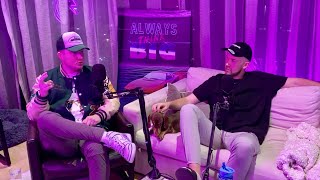
Transcript of Midnight Podcast episode 24 (host Matthew Kelly) — a long-form interview with Matt Burgess (founder of MB Customs) about his background, creative education, and the origin and scaling of MB Customs. Covers: early entrepreneurship (selling sweets), discovering custom sneaker painting at 17, using Angelus paints, growth via Instagram and pop-ups, college→Sheffield uni, studio launch post-graduation, operations (mum helping with fulfillment/ops), team-building, organic marketing vs paid ads, product sourcing constraints (base shoes), B2B/PR projects (Netflix/film tie-ins, Metaverse/NFT plans), and personal reflections on relationships, money, and founder life.
Questions this video answers
Episode 24.
24.
2019.
About 30 orders per week.
£250 per month for a studio above a Premier shop in Swinton.
Chapters
Right then, episode 24 of the Midnight Pod. Fuck me. That's nearly half to 52, which is obviously a year. Every single week we've got, I think the first ever Matt on the pod that isn't me. Matt Burgess from MB Customs, obviously, based on the name. So you said before we're speaking for like a fucking hour nearly, maybe an hour before you start recording. Which is why this is the late one. You found me in like December and I found you in December as well, I suppose. And I was looking at your. And like this is pretty cool. Obviously custom shoe brand from up north as well. So I'm pretty biased of people up north. Not been corrupted by the south like me yet. But first question like always, who are you? What do you do? And we can dive into your story and loads of things off the back of that and I think it'd be an interesting one.
Okay, so yeah, Matt obviously might be Customs. Yeah, yeah. Where do I start really? So initially kind of, well, from Manchester, from Salford, living in Worsley and then, yeah, just. Where do I start? Do you want me to go right from the very start?
Yeah. How old are you now?
24.
24, yeah. I mean like, I guess go back to school like. And then where it started to an extent.
Yeah, yeah.
So a bit of context and we're getting to like the actual business.
I'd say I'm probably the, the least educated person you've got on the podcast because at high school I did not do very well at all. Yeah, finished obviously got GCSEs but failed maths and yeah, just, just. I used it more as a social really high school and obviously that was like at the point where you're still quite young mentally. I'd like parents that were like fully supportive like always tried to like. I had tutors and stuff. They fully like tried to help and stuff. But I just think fundamentally I think I've got like attention defic. Like now I've come to get a bit older. Tick Tock has taught me that.
Yeah, 100. I feel the same.
And, and yeah, I just think it just didn't. Just didn't gel with me. Sat. We did 100 minute lessons at school, like so we did like three lessons of 100 minutes.
Oh really?
Yeah. And yeah, it's just, I think my school was a bit as well, I'm not gonna lie like that. It's now been taken over by the co op, you know, the cooperative. It got such bad like Ofsted rules that they've had to take it over. So that tells you a little bit into, like, what sort of school it was.
But.
But I think, yeah. So basically, like, going back to high school. Didn't do very well always throughout high school. Loved, like, pe. Anything physical. But I really love graphic design, so. Came from, like a really, like, creative background. My dad's a creative. He works as like a creative engineer. So he builds, like turbochargers for cars. That's like his job. And he's very creative but quite analytical. So, yeah, loved graphic design. Did well in that. So I had a lot of confidence in it. Wanted to do that at college because in my area you go to a separate sixth form.
Yeah.
And couldn't get on my course. Wanted to do a level 3B tech. Couldn't even get on a level 3B tech. So they basically said, like, because you've not done any art and. Or because you've not done any in any gccs in art, you can either choose R or it. And I was like, I'm not. I'm not really an IT guy. I'll do art. So I had to do A for a year. Had to do level one B tech in level two, sorry, B tech in art. But that also created might be customs, like in that year. It's basically just a year of, like, some people want to be there, some people are just doing it just to go to college. But fundamentally you just test in loads of different styles of creativity. So we're doing print, digital and it was literally like, if for me, I was like, fully committed because at that point my head had just gone. The whole time I just thought, I'm fine, like, I'm all right, I'll. I'll swerve through gcse, I'll get decent grades. And I just didn't. And then obviously from this, it kind of like changed my whole trajectory. My mindset changed so much much in that year that I was just trying stuff. And I've always been entrepreneurial, like, always been. But I think that year really, like, tuned me in. And then, yeah, obviously after that, got into my year, my graphic design course. Loved that. And then did it at uni. So then went to. Moved to Sheffield for three years and did it at uni. But in that first year at college when I was 17, that's when I started Matbee customs. And I've never stopped ever since. Been hard at it. Never. I've not taken. Other than when I've gone on holiday, that's when I've taken time off and maybe around Christmas and stuff. But, yeah, not stopped. Tunnel vision on that. I've tried to make other companies alongside it, but I just find that I work better when I've just got one project just in front of me and I just go hammer it. But, yeah, like I say, I've always been entrepreneurial. Like, when I look back at it now, because obviously as you get older, you get a bit more introspective. Like, why was I like this? Like, why did I kind of. Why. Why was I like, that high school? Why did I kind of set myself back a year? But what I've realized is any passion that I had, I've made a business around it, like, within it. So like, going, like, way, way back. Obviously, the classic thing is I sold sweets at school, but I, like, genuinely did sell sweets at school and, like, at Wharton. When I went to high school, you got in isolation and you got in quite a lot of shit. So you had, like, two warnings and the third you could get kicked out of school. And my mum and dad knew that. But basically what they said is, if you create a P and L, like, and we'll give you the Costco card as well. So there's a basic Costco. You could get, like, Galaxy cookie crumble and shit. You know, when people are bringing in, like, KitKat chunkies, I was coming in with, like, decent stories. Well, they basically said, like, if you do a P L, like, we'll allow you to get isolation, so we'll allow you to get that first mark And I went to a big high school, so there's a lot of people to sell to. And, yeah, just literally that was my first, like, inkling at. Just, like. Yeah. Utilizing a bit of money that I had to make a little bit more. And it wasn't. It wasn't a lot of money, but it's understanding that meant, like, business mindset. And, like, my mum and dad have never been business. They've never had businesses. They've always been just like, normal nine to five jobs. But they have definitely helped me, like, bring it out of me. I think they've kind of, like, lived through me a bit at times. Yeah.
So in that first year, when you're 17, doing the BTEC, what was the business at that point and how did it, like, physically start? Was it literally you had a pair of shoes yourself, you started drawing on it or what?
Yeah. So how. I know exactly. So where I went to, like, my local area, there was a guy called Dave o', Howarth, who was like a Instagram artist, and his Mum was my primary school teacher. So even though when I was in like year 7, he was at year 11 at high school, so there was quite a big gap between us. But so I knew of him in the local area and he was basically posting canvas art and doing it for like Joey Essex and like, you know, you kind of like towie people and a lot of like kind of reality stars. But also he had a website and he was selling prints and I knew that he was living in his own house. I knew he was doing really well. He had this like sneaker wall. Whenever I saw him around he was dressed in like sick shit. So I looked at him as like, I want to do what he's doing and then one. And I was constantly just watching his socials and stuff because he was really good on social media. He was quite innovative back at the time, looking back at it and then yeah, one day he was, he took a load of Posca pens on holiday and he was drawing on his Air max and I looked at him, I was like, wow, that looks so sick. And that's something that I could fully, fully like get involved in. And obviously I'm already in the mindset of testing all this shit at college.
Yeah.
So I just got on Google and I quickly found out you can't put Posca pen, Posca pens on shoes because it just comes off like it just doesn't stay, it's not waterproof, it, it's quite, it's not crack resistant, doesn't stay on. But what I then quickly found is Angela's paint. And Angela's paint is initially made for like chairs, handbags, stuff like that, but it's crack resistant, waterproof so it stays on. So it's really durable. Yeah. And then yeah, ordered in some of that, there's like a sample kit and just started painting on my own shoes. And at the time I was working at Clark's, that was like my part time job at the Trafford Centre. So yeah, so I was working there. I was there for like a year and a half and that was like, kind of was where, where I was earning my money. But I love fashion, always have it like, well, not from a young age but at that point when I started earning my own money, I've always double dabbled in whatever the latest trend was. And yeah, so I had a few shoes to hand and then I started painting them, wearing them around college and because I had a big college was people that come and ask about them. A lot of my friends, like kind of when I post about it because I'd worn a few pairs and so, so quickly did people like latch onto him that I just thought straight away, right, well, I'm just going to put them on Instagram and post a few photos of him. But obviously then once, like, my friends that weren't going college with me and stuff saw that, they're all like, what the is this? Like, yeah, painting on shoes, like a bit west. And I can fully understand why, to be fair, because there was a guy doing it called Virginia Ben and he was unreal. Like, he's like, honestly, bro, so sick. And even, like, I don't really see much of him now, but back in the day, bro, he's. I had a few people that I just almost obsess over, like just watching what they're doing. They're obviously a lot older than me and yeah, he was one of like the big dons, like, doing it. Yeah. So just started painting on my own shoes. People asked, started collecting on Instagram and luckily with like the. The scene at that point, there were quite a few, like, independent sneaker pages on Instagram and I used to just hammer them, like, hammer them with images like tagged hashtags, everything get reposts. And the following quickly built and people at that point were giving me shoes to rework. So I wanted it to be like something where it's like, I know we've all not got money at this stage, but you can give me those and I'll do some at sick on them. Even if at one point it was just me freshing up shoes. So I was just taking anything I could in terms of orders to make some money. And then basically I got to the stage where I was like, everything's used, everything's grimy. Like, let me buy a pair of shoes, let me paint a design on it and then let me put that on the website. But put it in every single size and then someone can come on there and order it.
Yo, fellas, quick one. First bit of promo for the pod. You may or may not have heard I released a fucking E comm course a few months ago. Basically spent like six months making it because I was in between businesses. As you probably know, if you follow my shit, I must say, 12 hours long. It's fucking quality content. I was gonna drop it like 1500 quid with some bullshit guru y webinar and all that rubbish. But as you know, it's not my main thing. I'm working on a new brand right now. Very, very much in the trenches, which is why I think is actually a better course than everything else out there because it's built on real experience of my brands in the past and my current one. I think it's super, super valuable. If you're interested in E Comm, you're already in E Comm and you wanted to get into e comm 0 to 1 starting a brand from scratch, then definitely worth investing in. Link is in the bio of this video or podcast, Spotify, Apple Music, wherever the fuck you're listening or watching and enjoy the rest of the podcast.
And obviously now you'd say that's dropshipping, but at the time I just thought it's the way of me leveraging like different designs. They can be my shoes, so I can wear them out, people can ask me about them, they're on the website, there's a brand new sample image on there and that's how it started, really. And then from there it was more. Just once people saw one design, I try and push them away from that design and say, no, I've got more ideas. And that obviously build the catalog up. So at the start, it started off as like Adidas superstars were popping and Air Force Ones weren't really that big in my area, to be fair. I think they were big in London but they weren't big in Manchester. So I didn't touch them for like two years. It was all Adidas superstars. It was, yeah, just anything that, that people were wanting at the time. There was a lot of like Tiempos and stuff, but not Tempos, Roche runs and like that. So anyway, so that's how it kind of built up. I'd built. I built up a website basically just offloaded drop shipping products and people then go on and order them. But then I'd also do a custom service where I've got this shoe or I want to do something on here, but I want something to go with an outfit. So that's kind of how it looked over college. And then I was doing my three years, or my two years, sorry, doing graphic design, level 3B tech. And I got a good few opportunities within that time. I think it was about, about 10k followers at that point. And my girlfriend worked at Selfridges in Trafford center and she basically just put in a word one day and was like, oh, he's doing this. And then one of the managers about two months later was like, oh, you know, like your boyfriend's doing that, like, would you do it in here? So they were like, right, well, I'll pass him on to like the Marketing people. So When I was 17 I went and upstairs, there's like upstairs rooms in the Trafford center that no one really knows about but the light offices and pitched like basically I'd do an NBC pop up in the Trafford center store. And then. Yeah, so that's how that the first NBC pop up started. And at that point it was just like live it like in store. The, the first one, they did it over a student night. So it was, it kind of threw me in it to be fair. They did 10 discount for students and a free custom. So they paid me to be there. Obviously you can imagine the amount of kids that then wanted that because they could go in, buy a pair of Air Force or whatever shoes for the a 10 discount and get something unique on him. So it did really, really well. But obviously I was fully like, I think it was the first like hour I just got fully, but couldn't do anymore was there for the rest of the night.
Just you making.
Yeah, yeah. At this point it was just me. And don't get me wrong, the, the right, the way through it because I've had education on the side of things. It's always been like, like it's worked better for me now when I think about it because I didn't ever really have to take the plunge and say like, I've got bills to pay. Yeah, I need to do this because I was so, so young. So there was times back in the day where it dipped out and I'd have like five to ten orders in a week. So I wasn't like one of these guys like fucking Imran who's on like millions when he's like 18. But the good thing was, was it was constantly building and I was constantly seeing growth and what was then finding at times or quite frequently is I'd get fully booked where I could mathematically, mathematically look at it and say I've not got enough time to go create these in a decent amount of turnaround time. So I'd stop taking orders. But then what that then did is that then gave a little bit more hype to them because people had to wait. People did wait. So then obviously from there I was like, right, my price is going up. So etched it up a little bit. And yeah, throughout time it's just kind of continued like that and, and I really did grind right the way throughout college just on my ones it was just me and I don't know why really now I look at. I think I just wasn't in the right place. Business mindset. At the time to think of like scaling, I don't think I was old enough. I think I was happy with the amount of money I was earning because it was good. It really did get that get good because obviously the profit margins was bigger and bigger. I had no overheads and my mum and dad at that point weren't asking for rent. So yeah, so it kind of set me up well. And then it wasn't at the stage where I could leave college and be like, right, this is what I'm doing full time. Because I fundamentally didn't have any skills outside of that. And what I'd also taught, like showed myself is that education. It actually is for me when it's something I'm passionate about. So like got a distinction star at the B tech and I know that like people say like YOA levels are well at it. I fully agree. A levels are well added. But for me I was looking at that thinking like, no, I actually like, I'm good at this. So I went to uni and did it. I had an interview at like Sheffield Hallam, Nottingham, Trenton, Leeds College of Art, got in all three like interview stages and basically having looked at them, Sheffield was just the obvious pick. Like they just made this new building so moved to Sheffield. Fortunately, because I come from like an area with so many people, there was pure people going and they just happened to be like close friends that were also going. So like one of my literally best mates from like primary school was going like, well two of them. Like yeah, there was, there's pure people basically moving over from, from Salford to there. So we instantly all moved into halls but relatively close to each other. And yeah, I'd had sick three years but then on top of that the business was still growing as well. So yeah, pop ups didn't ever stop. We'd started doing it. Tommy Hilfiger took on Ted Baker for a bit. But just because I was just saying yes to anything and everything we did, we did a bit more B2B stuff. We got a lot of celebrities in them. So even though I was like, that was another thing as well, like obviously university, I don't know how your experience was, but when you do graphic design at Sheffield, it's like a studio environment. So you've got to be in for register at 10am and then you're until 3, which I just didn't think that was the case. So like I thought I was going to be able to leverage my time quite a lot and it was full on you like uni, even first year Was like, it was a lot of hours. So, yeah, late nights. One of my close boys, we'd. In college, we'd set up a clothing brand called Roulong. We doing just like loads of like cut and sew pieces, T shirt printing. And he was like my boy for like fashion. So I, like my close mates from high school didn't really have that kind of thing in common. So he was like, we just back and forth all the time about like fashion entrepreneur, like just the whole journey, you know. You know when you're just feeding off each other, you learn something. I'm gonna tell you. And it was a sick relationship. So because we were so close, he was working at Office in Unique. So I was like, do you want to do this with me? Because I've got enough orders for you and obviously you're already in. Into this sort of stuff. I can teach you how to do it. So then, yes, he was. We were living in the same like uni flat. He was doing it with me and then he'd come to pop ups. Tom Watson, his name is. And yeah, shout out Tom Watson. And then, yeah, it was just a case of like having someone there almost to like feed off at all times. When I had a new idea, I'd say stuff to bounce off. And I fully loved that because at the time, because I'm living away from my mum and dad, they don't really know too much of what's going down. They know that I'm doing selfishness and stuff because I wanted to tell them, but they didn't really know, like what was going down. So, yeah, just literally grinded through uni, managed to get a 2:1, which I was like, proud of. But looking back at you now, probably shouldn't have spent so much time on the coursework because, like, realistically, I learned more in college, graphic design wise. Like, bro, it's uni for graphic design. It's just like they don't. They're not physically teaching you. It's all about, like.
I ended up doing advertising, which was ironic.
Yeah.
I dropped out.
Yeah.
When I was running Facebook ads.
Yeah.
So it's like. Yeah, it's a weird one.
Just.
Just going back slightly. You're good at telling the story. So when in the early days, just to clarify them, were you doing more of people bringing their shoes and you were drawing on them?
No. So that was really early on that college level.
Right.
So once we started to build up a catalog that. It just didn't make sense to me anymore because people would give you up shoes like, and I mean like when.
Someone orders though, would you literally go to the shop and buy it or are you dealing with suppliers online?
No, online and even to this point it's still like that. So like that's the major downside of the business because it's literally people's full time jobs might be customs to buy in base shoes. Because the only problem is, is like the whole business model is based off the shoe that you rate and you want to wear all the time. We're going to create something that you can't buy on the high street and we're going to make it super limited. And the downside to that is we're only doing, working on shoes that are hyped and have hype. And for years Air Force ones were easy to get hold of so I could buy 20 online. One one transaction. Boom. Now there are a lot more turned up like turned on to the whole. Why you order in bulk so that there's not a resale market.
Yeah.
For resellers and that comes under us as well because technically we are a reseller. But the thing for us is, and I know this from speaking to the brands, they appreciate what we're doing because we're buying their product at rrp, adding.
Artistic expression to it and you're not getting any discount.
We do, we do now. Yeah, we do now. But, but yeah, but for so long we so long we didn't. So yeah, so it just came to a stage where ordering in just became like that was just a done thing. That was like part of my job at uni, ordering, getting them made. So, so yeah, but it was only really on at college that I actually was working on new shoes. I quickly came away from that model.
Yeah. And how big was the business then when you got to uni? Because like my question would be why did you even bother going to uni? Or was it just like a cool environment?
Yeah, I think, I think it was a mixture of everything because the scene wasn't what it was at the time. So I, I wasn't looking at anyone above me and being like they're doing it better, better than what I'm doing. And I, I was at full capacity, full peak with orders and in, in my eyes at that point the RRP was expensive. But obviously this is before we were that registered. This is before we had overhead. So the RRP from then has changed loads. But that's also my business mindset. Like I'm very frugal. So like I used to, to think that like 150 pound for a pair of air forces is too expensive. So I would go into that mindset and never kind of go above that. And at the time, the RRP for a pair of air force is like 70 quid and the paints are pennies. So, like, if you want to work out, like, how much a custom takes to create it, the overheads on the spec, like the paints and stuff is not at all, not a lot at all. So I had no overheads, no real material cost when it. Because at that point I was just painting. So, yeah, throughout uni, I was just, just painting orders. I wasn't doing what we do now. So the profit would go was good, the money was good, but at the same time I'd reached the peak and I was looking at other people and that no one had scaled in the scene. No one had even built a brand. It was all just individual artists. And it still is now, really, we're the only people to really build a brand and actually, like, be able to scale this. And that's why we get all the beat in work when it's looking at scale, because there's no one else really to do it. But then, yeah, as I then obviously get going to uni, the reason why I was going there was because I didn't see that, like. Like, I've always had an entrepreneurial, entrepreneurial mindset. And I actually do want to become, like, very, very wealthy. And not just for the money thing, but just for the whole built. I want to see the big, big side of, like, business. And at that point I just saw a ceiling on the business that it wasn't like, it was a good side thing. Like, it was a good thing to, like, keep me going. So went to uni and I then got into the scale mindset once I taught Tom how to paint. And then that was the problem, that I'd already spent the money and going to uni, spent the money in the first year, but I was sick party life as well. So obviously you're thinking in your head, like, oh, do I really want to give up this for the next two years while all my boys are having a sick time? So I stuck with it and I'm glad I did, to be fair, because it showed me, like, how much you can work when you're really, like, got, like, when you've up against it and there's a lot of things going on. Taught me time management. It taught me, like. Like no one was out there doing it for me. I had to do it. I had to make sure though, because some of the projects, bro, at uni, you should like, in my final year we had to do five major projects. One of the, one of the major projects was bring a product to market. Well, you can imagine for people like us, you just want to absolutely go in on that. Like.
Yeah.
So I created this like cb, cbd, gummy brand and I buzzed off it. So I went deep into it. That was one of my five projects. So then all of a sudden I'm like, yeah, you can imagine how you. You're almost doing too much uni work. Yeah. And that was the downside to it that fundamentally I shouldn't have ever done it, but I'm glad I did it. Obviously I've got the debt now and, and I've got the experiences and I'm happy, like. And I came out of uni feeling like I'd have this like slingshot on me and then I could. I literally finished. My mum and dad had no questions of me setting this up because they knew how big it was at that point. And I was just looking for people to take on at that point. I was looking in my local area for people like, who's artistic, who's got like, even just in the fashion industry, like, who wants to be in it. And yeah, like, first four months, found a studio, this low key spot in Swinton above like a Premier shop. 250 pound a month. Month. No, no central heating.
Definitely not central London.
Yeah, exactly. It's. No, no central heat in, but it, but it was nice. It was like a relatively big box room with like a kitchen and a bathroom. And yeah, first four months we just started flying. But one of the key things in that was when I like finish unit, I obviously finished and I didn't want to have like, you know, some people go traveling and stuff like that. I didn't want to have that because I felt like my momentum was just fully there. I felt like I just wanted to go full fully into it. So I was looking for studio spaces and while I was off in like the summer holidays of like that uni, that final uni year, my mum got made redundant. So she works, she all life, she's been like a saleswoman and she worked in education and she basically sold. Sold books to schools as like a freelancer.
Yeah.
And then she like was doing really well at that and she's quite an operations person. So they then gave her a manager's role to look after the freelancers, you know, that are then selling into schools. So she almost got Like a promotion, but the company didn't do very well and she got made redundant. So it almost was, like, perfect. Then she was able to help me find studio space, help me with, like, all the tune and throwing and building the studio. And then we were kind of a few weeks into it, and she was like, right, I'm gonna. I'm gonna help you for a little bit, like a couple weeks. And then I was like, well, what if you were to not look for. For a job and I pay you and you kind of help me for a little bit longer than that? Because I feel like we're gonna need a little bit longer than that. Like, at this point, I had no processes in. In, like, at all. So someone would get an order and Shopify would be my organization. Like a list of unfulfilled and not fulfilled. So she very quickly, like, brought me down to, like, operations level. And she's helped me ever since because she is really good at that. Like, she doesn't. She's never, like, been one to do that as, like, a job, but she is really good at it. So. So, yeah, so that's how, like, my mum started working for me just, like, really early on. And she still works. Works at NBC now.
When did you finish uni then?
So I finished uni in 20, so I'm 24 now. Graduated two years ago. So 2019. Yeah. So 2019.
Yeah.
Went there.
And how many orders were you doing at the end of uni?
So at the end of uni, we were doing about 30 a week, but that was with me and Tom, and that was like, at that point, we were in the trenches, but it was doable, fully doable. It wasn't. It wasn't. There was even just with us too, there was more to be done at that point. Bearing in mind, though, as well, is the stuff that we were creating is nothing like what we create now. So, like, it was like illustrations and pattern work and stuff like that. So it's stuff that you can create in batches. So I wouldn't really try and do. Do any one design. I'd do like 10, and I do one color with multiple layers on each one. So you work it like a factory. So 30 to. Yeah, it's just not. Not a lot. But also that's in my turn, in my, like, mind. Not a business that you want to stick to either. Like, there's more money out there than that sort of scale.
Yeah.
And that's why I question sometimes some of, like, our competition because. Because I've been there at that level and it's hard, bro. Like the money's like, it's good but it's like.
Yeah, it's like where were the sales coming from? Is it all organic?
Yeah, so it's quite organically.
That's fair amount.
Yeah. Yeah. It's quite an Instagram Instagrammable thing though. And what we also got was a lot of like local people wearing them that had a fairly big following that would bring in sales locally. Then I do pop ups that I'd bring in locally. So those days I was very much like UK built, like it was a lot of Manchester, a lot of the surrounding areas and to be fair, mate, like even marketing wise, like I've always been quite frugal with it and that's been like a downside for me because I've always kind of not wanted to. Similar to your situation. No, go over that bit where you can't complete the orders because I've always been like very much like brand orientated. So even though it's called like Matt B Customs, I don't really want to be like the face of it and I never was for four or five years. But I wanted to make sure that this was a brand. I wanted to put a logo to it and I wanted people to associate that pair of Air Force ones to a brand. It's not just night shoes. Matbe Customs night shoe. So. And I did that in multiple ways, like branding it. We do like these like shoe charms. It's like it comes in proper packaging. No one else really does that. Yeah. I forgot where I was going with that to be fair. Complete time.
It's good, it's good content. Yeah. So come out of uni, focus on a business which is already there. So it's been there three years roughly. I think at like lowish scale.
Yeah.
What was the first thing to be like? Let's start scaling up. Obviously you mentioned your mum came in sort out operations and. Which is super important, which I think not enough people speak about. Especially like the whole E Comm sphere. It's all just about spending more money on marketing. What was the first thing other than that that you started to focus on.
In terms of how to build sales?
Yeah. Just in terms of like what was the next step to grow everything.
So I think one main thing to like point out as well is that I had a very, very like. I was very conscious at uni not to take too many orders on. So I'd used to shut off the website. But then what I'd also do is I'd go, I'd go relatively quiet on posts, but I'd still be active. And then I'd log up stuff and I'd kind of go out in like, drops, like the website's live and then post loads of shit, go back down. So I, I knew even at that point when we were getting that many orders, I knew there was so much more I could do to get more orders organically. And then it was just a case of building up SEO, building up, like people and different designs. Because another main thing is like, if you look at the team now and the team from early, like two, three, three years ago when I, when I left, everyone that came on is better, a better artist than me. So that up to the levels of what we're able to create, and because I'm so deep in the scene, I know what's kind of already been done. So I was very much like, had a lot of ideas, but I knew they could be created at a better level than me. So, like, say for instance, like Lola, when she came on. So she was a girl, a girl that was working at NBC called Ellie. It was her cousin and she'd been in my graphics course and she'd gone in uni, dropped out, and she'd been like a nanny for a bit. And then she'd. She'd posted up on Instagram her painting, like a pair of Converse and she'd give it to an artist. She gave them to an artist that she liked. And I've seen in that post on Instagram, I was like, yo, have you paid those f. Like, very, very sick. And obviously Ellie was working at the studio. So I was like, what, What's Lola doing, work wise? And she was like, yo, she's just literally lost the job. Like, oh, she's just left a job. So I was like, right. And this was in really early days of having the studio since you leaving uni. And now looking back, it's like, wow, like, you couldn't even write that because Lola still was. Now she's like such an asset to the team. Like, yeah, it's just mad out. Even though a lot of the team are local, our local people and people that have like, kind of grew up around. She's a little bit older than me, but it grew up around. It's mad to see the skill level that we've got even just from that. And obviously now it's changed. We've got people from different areas. It's not, it's not just the case, like a local company anymore. And it's not going to be long term either. But yeah, it is funny that the amount of talent locally that I have to me and even, even now there's still people that I've not tapped into.
Yeah. So many questions I'm into and like, did you start bringing paid ads then as well? Because obviously organic is massive. SEO is massive.
Yeah. So that was one thing. But all by myself, so I was learning that because even just one of the reasons why I went into graphic design design, like, it's always I wanted a digital trade. I wanted to like, use these key skills to build stuff. So as soon as I found out that there was a way of like marketing in that way, as soon as left uni, me and Tom got on that and was like learning that the only downside to that is is that because customs are so hands on, like, yeah, the painting hours. And I quickly realized that you can easily lose money on ads as well if you don't. If you're not on top of them, not good at them.
Very true.
So I just started to ease away from that quite quick, quite quickly. And we've only brought that back in in the past year. So. Yeah, even when I speak to like. Because I've gone and spoken to a lot of different agencies and like, even just freelance people that do ads. Funny. Actually one of them I met at a party and he messaged me like, when we graduated. He did your ads. He's called Joe, but he sent me Neon Beaches instead Instagram. So we e basically trained with General Aaron Branch, who's just been on the Apprentice.
So he's called Joe Marson. Yeah, off. He was on. He was on the episode, was it. Oh, my episode.
Yeah.
So like I met in your ads. Oh, he's not listening.
Yeah, so I met him at a gaff party in, In Sheffield and then.
Yeah, I know Ollie.
All right. Okay.
Who runs Thor? Right, right, Him. They were. They were. The episode just gone.
Right, right. Yeah. You know what? That when you didn't know about ads, I've always thought, oh, you know what? I don't even know if I want to bring it up in case you say something like, oh, he was dead shit. And then he listens to this.
No, I work with them for a while. Yeah.
But yeah, even back then, like, I was so frugal that like, I'd spoken to him and he was like, look, I'm doing this. And I looked at Neon beach and that's how I first came about the company. Obviously not knowing anything about. You saw Neon Beach. I was like sick. I can see how there's a similarity in this business that they're creating like custom stuff that's got to be manufactured.
Scale it to too hard.
Well, this is the thing though. And that's what I was always conscious of. So we were already doing well organically and I just was scared that I could fuck up my business.
Most brands I feel I wouldn't do anything organically. Like, especially like new brands. Now it's all start. You have to run ads to get sales.
Yeah, well, Instagram's different. Like seen now in it. Like so frustrated with Instagram in general at the moment. Just with how like your reach now is just so poor that not just. Not just does it make you look like you've not got like legit followers, but it's more that you've built up that following and they're not seeing your shit. And it's just like. And it's like TikTok. Like you have one post that absolutely bangs off and does like unreal numbers and you think, right, I'm on it, I'm on a roll. And then the next one just dies and it's like. But so, yeah, at that point I was relying so heavily on Instagram, like, it's unbelievable. Like I'd be on the store on stories everyday swipe ups, like heavy on Instagram, on SEO and just on influencer marketing. Like we've never paid someone to wear it, but I've asked a lot of people to for them for free.
Yeah.
So like all the people that you see, that's where it worn NBC we've never actually paid anyone to do, which I'm quite proud of to be fair. But I think that also is a testament to the product. But the fact that we're already selling something that's trendy and then on top of that we're adding something unique onto it. So people would bite your hand off for free with those sorts of things.
Yeah, it's unique as well.
Yeah. But even the scale of it, like my girlfriend works at JD Influencing marketing team. So yeah, she's like in that. That realm. And some of the prices that these influencers are charging, they're just mad. And like we've had like Jess Hunt and people like that do it for free and it's like looking back at it. Yeah.
Refi beauty or something. I don't know how you say smashed it. Massive.
Yeah, smashed it. So, yeah. So, yeah, so it's a weird one because it's like, realistically, like I could have scaled sooner, but I've not got that many people that can create like at the Moment the team's 11 with seven people that create orders. And at Christmas time, at the time just gone. It's hard work. Like it's a lot. And the only downside to it is, is I want to build like a proper team culture. And the only problem is like now when econ falls off a cliff, like in January, I don't want to be taking on people and then messing about that, like that, that you've not got a job here anymore. So I'm just now trying to find those perfect like people that can dip in and dip out. So like we've got someone like, like Kelvin who I'll speak about more because I've got to go into Kelvin, but. Kelvin, yeah, Kelvin's friend Alex, he's an actor. So like he. A drop of a hat. He needs to go out and go to an audition. Yeah. So I was able to teach him like relatively easy customs because that's someone who does. He doesn't rely on me solely, but at the same time can come in whenever needed because like he does like he was in a movie last month with like Dame Judi Dench. So he's like, he's like proper, a proper actor, but he's got a lot of free time. So I just try and leverage people like that. I know that I'm not gonna let down so that I can have the core team that live in the studio every day and feel like we're all in it together because the business wouldn't be anything without everyone else because of the fact that it's handcrafted, hand crate crafted customs.
Right. So obviously mad organic, which is kind of different to. I feel like every, well, every ecom thing I've ever been involved in, which has been heavily, heavily ad and media buying, led and probably 90 guests for that as well, to be honest. Which is sick. And I feel like that stuff takes longer to probably build up than kind of explode and crash. Like my neon beach thing for example. But obviously, like, how do you think you scale that? Like, do you. Is there like, do you find there's some. There's so many opportunities to scale and like people want stuff and you just can't. You haven't got the team or currently capability to make it or it's just.
This constant balancing act of, yeah. Having an adequate team to take on when it's at its peak, but then also when it's not busy not having too big of a team. So even like now, so like say right now January, it falls off a cliff. Like it's shocking how different December is. You can imagine for us like we are a craft gift when you deep it. So yeah, we get so many people that come around that period and order. But what you've also got to remember is like with the backlog that we have like this Christmas we took like 400 orders within the month of November. So we basically lock off the website in December. Well, I don't shop for my Christmas presents till like dead late in December. So there's constantly this thing of like we want to have enough pre made stock there so that when you come you can just buy a, buy a pair of them.
Yeah.
And that we don't have to what the time's already been made to make them. But then at the same time when, because out of how good the drop shipping method is that you literally like we have like a, an accountants and obviously whenever you're talking about them like you realize how, how lucky you are to have a business that the customer pays you up front and with that money you can then use it. So we've built up like a relatively large stockpile now of base shoes. So we've got, yeah, I won't go into figures but we've got a lot of base shoes. But then also we've got a lot of pre mades as well. And this is what we go to like Crep city and places like this with where we show our offering so you can just go on and buy it. But fundamentally we're showing you like look at the amount of different shit we do come on the website and buy it. So yeah, it's this concept of balance balancing act of wanting to just absolutely blow the top off it and just sell as many as we can. But like now we've gone through Brexit, we've really struggled with base shoes this year to the point where it's like even if you wanted to sell, you still, it's still like drawing back. Like we've got gaps in sizes like this Jan, that we've, we've not had that for years. You know, I mean like we've got.
Just because you can't get the base shoes.
Literally like can't get it. And what then happens is because we can't get it, the resell, because we work a lot with resellers that have bots to buy these shoes and they add a very small margin on. So it works for us that that fully is fine. You know, at the very peak of it, that we're not only just buying something at rrp, but we're buying it with a little bit on top. That's even with our mat, like with our costings, that's still okay, but it's not ideal. Do you know what I mean? Like it's profit that literally is there staring at you. That's going elsewhere. Elsewhere.
Yeah.
And that's also where like fundamentally my idea of the business is changing. Like we do a lot of B2B stuff now and that is like if you looked at it in term in terms like profitability, in terms of actual amount of work, it just shits all over it. Like completely shits all over it. So I just want this balancing act of like to take on young, like hungry creative people. Have a team that work on the business that are not so young, more, more experienced and that can really take it. Like not just like production wise but like even just in creative, like take it to the next level and then also work on, on B2B stuff. So we've got like three parts of the business. So we've got like the E comm side, we've got like the B2B side where we work with brands, collaborate with brands on like video pieces, custom shoes, custom accessories. But then we've also got the live pop up events and obviously for the past two years that's been very well just completely dead. Boy started to pick back up now like in December we did a pop up at size with New Balance and that shit's gonna pop off a lot more now. Like we've got plant, like we've already got stuff in the works, that stuff's booked. So yeah, that side of the business is coming.
How do sales split between custom and like pre design then?
As in so if someone's going on the website, how many more people are ordering? Just a lot. A lot. A lot of people are ordering that. We don't have the pre made. That just seems to be the way like we don't stop.
Is that because you don't stock it or is that like they're actually ordering a custom shoe?
No, so it's because one. Because we don't try and stock too many in one design. So you go in like the represent warehouse and they've obviously got multiple of one set thing. Whereas I'm really just looking to have like a light coating of all our product offerings so that we can show them people. If you want to take that one. Okay. But we'll replenish it straight away. So we don't have like a full size running every single design because if you go on the website, we've got like 125 products. So it's like there's no point in, in going to. I'd rather have a stockpile full of white Air Force ones. And with the scale of the team that we've got, we can turn it around for you quickly and like what you just got on there with custom stuff. We do a hell of a lot of one of one stuff now.
Yeah, that's what I mean.
Yeah. So like as the team's built, we, we offer like free mock ups. So like the, the social team will like reply to you. They'll get like a kind of understanding of what you want and if you don't know what you want, our creative team will help you do that if you've got a topic. And then obviously with the level of artists that we've got, you can do anything. Like say if you wanted your dog on a pair of shoes, we'll hand paint that. If you wanted something to like. I know you go to like Taboo London. You're the nightclub. We just did a load of shoes for their guests.
Been there once.
Right, okay, I've seen that on Instagram.
Because I'm definitely not like a nightclub guy person, generally speaking. Like, honestly, I still think I've got fucking anxiety from that weekend. I'm dead serious of saying to my flatmates five days later. But yeah, sorry, just a little side note.
So do you not drink a lot then? Because honestly, with the wine in the.
Pod, I'm always like, yo fellas, quick one. You may or may not have noticed there's been a bit of merch. So just speak. In recent episodes, we've got two different things. We've got some of the retro style OG neon beach posters that designed like four years ago. You may have seen that on my Instagram. And then we've got some of the best selling OG viral style neon signs that basically did start that entire craze about two years ago now. So yeah, if you want to add something to your home office, your living room, just anywhere sick basically that you want to add that extra thing to and support the channel, then you can check that out. Link is in the bio midnight.com co shop and yeah, just an aesthetic item to complement the process, I suppose. Cheers for watching and enjoy the rest of the pod. Am I giving up that impression? I mean, I don't, I don't go to nightclubs a lot like I used to A lot more. I don't really enjoy it that much anymore. Yeah, it's cool now and then. Wine on the pod. I do enjoy not drinking wine tonight because it's like a midweek one.
Yeah, I'm the opposite, me. I'm like a binge drinker. So I. If you go in my house, like, there's beer there, doesn't get touched. Wine girlfriend, doesn't get touched. But then when I go out, I go. I always get. So I'm like in this weird, unhealthy zone of like.
This weekend was the first time I've been like, heavy in a while. Obviously I was telling you before.
Yeah.
Won't go into that too much, but yeah, I just get like, it writes it right. Like it's written off my next few days this week. I don't know other things, but yeah, it's heavy.
Yeah.
I can't do it, like. Yeah, I'd like to think I could go fully sober for like a year. But I do like wine and I don't think wine has that same effect. It's more like when I go to a garden.
Are you drinking it to get drunk? Are you liking the taste?
I like the taste and mellow mood of wine.
Right.
I think it's conversational drink.
Right.
Whereas, you know, vodka, I find, isn't that. It's just like, you know, nightclub degenerate spec. But also, like, just makes. Makes me feel different. Makes you feel like, sad. It's not like a nice drunk. I don't know. Yeah, it's kind of different. But.
Yeah.
Where were we? You know, I don't know. I've thrown you off.
I don't remember.
Yeah. So actually on the customs. How much more do you charge for them? Because I guess it is similar to what I was doing with the neon stuff. Like. Yeah, I didn't charge much.
Were your margins like on the product?
On the product, it was like 60 product margins. So it's pretty decent. Yeah, but for the AAV, it was like 300 quid. Yeah, but I didn't realize it's gonna be like 85, 90% product.
I didn't realize the margins were that big, though, if I'm honest. That's really good. Like, ours are not nowhere near that. We've got some products that are 10, but then 10. Yeah, but we've got other products that are a lot more than that and they're the ones that are a lot more frequent.
But I think this is where the. Because I would. I expect on any Econ brand I've done it in the past to spend up to 50% of revenue on market.
That's the. Yeah.
See, this is where, like, mindset difference.
Yeah. And this is also where it works.
But, like, I just don't assume there's gonna. I assume there's me zero organic.
Yeah, bro. Honestly, like, that sometimes I do because I'm really into the figures. Like, I love that side of the business as I've got older and as I've, like, seen it build out and like, I know, like, we've done so well not to kind of go to that state it was choking then. Not. Not go to that stage where we're having to spend, like, money on ads. And don't get me wrong, like, now there's. There's less work going. So you do kind of think, I wish I had that momentum from November and December and all the other months to take you into January. So you are still getting a lot more ecom sales. But at the same time, it's this kind of balancing act of like, right, where do I be with the business? The. The E Comm side is the bread and butter. But I think, like, you've only got to look at our brand and now where we've took it to that people want to work with with us. Like, we're having to turn down work because of the amount of people that want to work with us and there's also so much untapped potential that we're outreaching to people to work with. So it's like this balancing act of, like, yeah, I want to have loads of E Comm sales, but I don't want to overflow it where we get a bad. A bad rep in the press.
Yeah.
And then also this thing where it's like. Yeah. And. Yeah, so it's like this whole balancing act of like. And another thing is. Is one thing that my mum's helped me with a lot is like, understanding costings and actually how to cost something up so that, you know, fundamentally what you need to earn. Because we've got quite a lot of overheads as a business. Like, because. Because we've got a big team, we've got a relatively big space because we've got the amount of, like, our cost of goods sold is a better. The. Similar to you. Like the cost good sold a lot because you're buying these shoes, you're buying in the equipment, like the materials and stuff like that. And over the years is we've tried to reduce that as much as we can, but we've Kind of got it to a stage now where you can't really lower anymore. And that's then when I've started to implement ads more because now I can understand what I can spend on the ads and then obviously once it gets to a certain threshold, if they bring in a certain amount of revenue, we can top that up.
Yeah.
When I was going into ads, we were paying the agency 1.5amonth and our original budget for the whole month was 1.5. Which to you is like, I bet you're looking at it like like hell, that's nothing. But like we just couldn't really at the time go over that. And that's the hard thing that like that's the frustrating thing for me anyway because I really do want to like, I want to see like multiple millions revenue and sometimes or at times I've realized that it's very hard to do it in the E comm side of things. And this is where like that is the bread and butter. But fundamentally the B2B stuff is mega and that the pop up events are mega. So it's like this balance and that's of getting all that right. And a lot of the things even while I'm doing this, like I do want to be a lot more like in front of the brand now because I feel like I've grown a lot. So I feel like I can be that face because back in the day I just, all the Instagram was, was just pictures of shoes in my hand. So for very, for a lot of time I have no intention of being it but I only look at like I'm. I love fashion so I love like small brands and I like the brands I like the most is where I know the owners and not personally know them but where they invest, where you invest into them.
Like, like represent for example, bro, represent Cole Bookston.
Yeah.
Trying to get them on the pod.
Yeah.
Really after messaging again.
Right, okay.
They won't be watching.
So many brands though. Like so many brands like even like Risa Bara you've got like. Yeah, you've got so. And to be fair as well, like most of those are ones that you mention that you can name a Manchester based. So like we've got it popping down on our sides. I love money.
But yeah, so it's true.
Yeah, so. So yeah, so it's one of those things where I was looking at those and thinking like I love this brand. So like solely because I know what it's taken to get to that and I know like what the sacrifices They've got. I can kind of appreciate it, whereas I can't really look at like a Gucci, a Balenciaga and, and understand, number one, the cost of it, but also, like, have any, like, want to wear it. I mean, like, I don't want to wear that. So I knew from looking at brands of what I want to wear that you've got to kind of let people in. You got to show people. And the good thing is, is we've got a sick creative team and we're all young, so we have loads of fun. So that's why now you're gonna. You do see a lot more of the team and me working, because we have got something special going on.
Yeah. And what is the biggest block right now stopping you from getting to 100 million?
So base shoes. Yeah, base shoes. Actual skilled artists to output the things that we've got. And I think that is it. But then what I'd also say is I'm not just like. Because I. I think so much in the future that this isn't like what you see. The business, business now is not sustainable in my head long term because, like, even now, like white Air Force ones, when I first started, there was 70 quid. This, like, because, because of Brexit, they went up to like 100 over time because of Brexit, now they've just gone up to 115. So, like, it's just creeping and creeping and creeping and. Yeah. So fundamentally what, what the plan is now is that we'll create a separate brand. Like, it's already in the works now. So talk Studio videos will be coming. And basically what that is, is it's a footwear brand that is solely owned by us. But then also that that has chance to scale. But then also we'll customize it as well. So we're already in the works with that.
Yeah. I was gonna say, would you ever think about actually manufacturing shoes?
Yeah, so, yeah, like.
Because that's where you can scale.
Yeah. So, yeah. So basically I did like a. A documentary with a Channel four and at the end of it it was like, what you think the future is to might be customs. And I was like having our own shoe. And then basically some. A guy called Nathan DM'd me on or messaged me on LinkedIn and was like, yo, bro, I bought. I brought mallets, you know, Tommy Mallets to market. I can do the same for you. And he's basically an agent. So. Yeah, so, so started going back and forth with him, but then also quickly realize there's a lot of other guys like that and we're like talking someone new now and that's just kind of ticking over. But we had a lot of ideas go going into it that basically like where the brand is at is we create like a lot of white leather shoes. White leather shoes are like usually crease and over time they look a bit. And like, if you're a sneak head, like you don't want your shoes looking. So we want to create something that like has that durability to it. So it's obviously not a leather upper, but he's still aimed at a sneak head market. So it's a bit more of a beta. And then we'll go full circle with it where we kind of bring in like, like the entrepreneurial side of things. Because I don't know about you, if you got the 247 range from. Bro, love this. Like, honestly, bro, that, that whole like market for me is just like so sick. Where it's something that you like, cherish and love and the quality is there. But you can like, I, I wear these to the gym but then I'll also wear them on a night out and it's just like, oh, they're too far. Yeah, these are 2000. Not this pair because, yeah, these are all. But bro, I love them. Like, I love them. So with that it's like I can see how there's a market for that and obviously that's got scalability as well. But I think like going back to like Matthew Customs and where I like see the future of it is the B2B stuff, like, it's just mega. Like, do you know a lot of you looked into like who we work with and stuff? Because I think like that sets us aside massively, but it also probably not enough. Yeah, so it shows a lot of like research. You can tell me, like, businesses can use us in a lot of different ways and that's like, we're kind of susceptible to anyone using us. Like space goods could come on and we could work with space goods. Yeah, so, so, so, yeah, so what you find is that a lot of people kind of take from what we've got going on and just bring it into their business. So we've worked with like loads of different brands and, and yeah, that, that's just like the future now. It's, it's working with different brands on different projects. Like, so, yeah, so like, yeah, that's where. That's where we're at.
So can you talk about that thing.
You showed me before, not that one. That's under NDA. That's that. That client's bare private.
Yeah.
I'll tell you about the, the. That project where that stem from. So basically got an email off a PR agency and was like, right, we've got this idea. There's a new film coming out on Christmas Eve called Don't Look Up. It's for now, it's going on Netflix. Basically what we want to do is buy a meteorite and put it on a pair of sneakers can do it. So it's like we want rang them up and got on this call and then at the foot at the start you're just like mad. But then as it started materialized. Right, right. Okay. So we had full creative control. So we had to speak to Nike. Knight didn't want to be involved in the project at the time because they weren't going to pay them. But New Balance came through and was like we'd love to be a part of it. So we went with a new balance 550 which is like an up and coming shoe. Anyway, it's something that you're going to see us customize a lot anyway.
Yeah.
And yeah, basically they bought a meteorite from Christie's auction, 4.5 billion years old, which is just mad.
How much they pay for that.
I actually don't know with that one. So the one that I've showed you today, that little piece was 1.5k and they've spent 18 grand on like the full bit. I can't really, I can't. I fully can't. It's under NDA so I actually fully can't chat about that one. But basically with that one they, they supplied the meteorite and then they paid us to basically work out how you're going to put this on a shoe. So that was like somewhere something where yeah, you kind of being given full creative control but you're working with a medium that you never worked before.
Yeah.
And yeah, like those projects I love because it's like that's when you fully get to like show off like where you're at in just understanding how the shoe's made but also what you can do with it. And then PR wise it was amazing because obviously all the hype, beast heist and bite, you know, like get behind it. That's how we got verified for. Although that, that PR it's all only recently verified. It's funny actually, it came about all in one day literally on like fright on Friday. In a Friday in December went when I think it Might have been like the 11th or 10th or something like that. We had the Channel 4, like the E4 YouTube series come out. Then we were at a JD event in London doing like a pop up shop for their Christmas event. So we've done like 60 pairs of custom sneakers for all this influencers there and like the artists that were there and like Anthony Joshua and that. So that was like a sick event. Then we had, so we had the, the, that, that and then the Netflix thing all to post, all wanting to be posted on the Friday. So it felt like we just had all these projects but then one day and it just felt like sake. You work so hard to build up everything and then all of a sudden just like loads on your lap. And then that same night we got verified as well. So it's like you have this mad high like euphoric day and then now we're in January and it's like about to back to square one again. Let's grind. But we've got some mad projects even now that we're working on. I can't say what brand it is because that's under India as well. But basically Metaverse Fashion Week is in two, two weeks from now. And yeah, so let's just say said brand has a shop on Decentraland. So basically what it is is on that day you can go in the store of the Fashion Week, buy the shoes and then what you're also going to get is we've created a physical shoe but that like integrates with the nft and that's something that we're looking a lot into now. Like we've had a lot of chats, most on a network level, but also just within individual brands that basically think that they can bring us into that space. But that's also something that I see a lot of legs on because I don't like it. I don't like the idea of like this Metaverse thing but, but yeah, it's gonna happen mate. And fundamentally like people want to show off what they've got in the physical life over there. So we're going straight into that world. Like, you know, like, yeah, it just works hand in hand. So that's something that's like popping off at the moment. At Christmas football agents did like a like Christmas gift to all the footballers. They've got 75 clients, so they paid for like a slot with us and everyone could get the, either the phone case, the Washburn bag or like some sort of like designer thing customized by us. So that's still ticking on into January.
Yes. I saw quite a few footballers in on the page.
Yeah. So that obviously it goes hand in hand on it like because we're creating stuff that is like limited, unique. Like those sorts of people have the money to be able to do that. So they do it and yeah it. I. I feel like we've got quite a good business just for everyone really. Like we try and appeal to most 18 to 24 year olds. Like. Like we've got edgy on there. We've got like. And we've worked with brands that are more edgy. Like we've just worked with a. A brand called off the Rails who are a Manchester based like creative magazine and we basically that they're bringing out. So they've got quite a big following. They're on like 250k but then they've got about 10,000 subscribers to their magazine and it's every month they do like this like create a sending and it's got a theme and it's quite a sick like visual piece of art. Well because of the following they've got. They're now going into clothing but they're going at like quite a high end and basically we're doing their footwear. So there's this app called Alvio and it basically allows you. Do you ever use a burlo back in the day?
Yeah.
So it's basically like a burlo for Shopify. So like say for instance I was working with you with stadium goods. You could like you have on your website, your signs. You could put a pair of custom Air Force ones on there and you'd have a set price for them in. In our back end joined R2. Two Shopify stores would be joined by. Through Alvio you get the order but it comes straight into our fulfillment. Will you keep your profit straight away but you also trickle the money down to us through the app. So we're working with a lot of brands now to do that. That we're basically working purely as a manufacturer but creating their. Yeah bringing like shoes or accessories to the market for them and that. And that is when you deep like how far you can go with that. That we're only to trying just really doing that now because of the technology that allows us to do it. But yeah it's just loads of stuff that we can still be working on. Loads of growth still to be had.
Yeah. What do you think is the hardest thing other than that then? Like obviously I think, I think I read you have 12 employees.
Is it 11? 11. So yeah. So we're all working from the studio but my mom, my dad works as well for me. So. So my dad basically, when, when it got good, he saw how easy it was just to earn a good living because of the people that he was seeing it like getting paid at NBC. So he quit his job because basically what he did is like going into like a little bit about like my mum and dad because I genuinely do, looking back at it now, think like I am a product of my mum and dad a lot. Like I fully do see that. Like I've got a very, very close relationship with him. And when I was like in high school school and they were like, I thought they were like the polar opposite to me. I thought that like they, yeah, just classic young. But as I've got older I've realized like they have fully like, yeah, just made sacrifices like work towards like they've never really hit like crazy potential in the careers. They've always had like, like kind of good jobs. Like my dad's got a good job but they're not like they've never really like experienced like mad. So I feel like they've kind of. Yeah, I feel like they've made a lot of sacrifices to allow me to do what I'm doing. And then it get into the stage with my dad where it's like, realistically I could have a more chilled out life working from home, doing some cut and glue customs. So he literally is at home working on shoes. So like he literally cuts up material. When that Netflix project came in because of his like engineering, like more analytical brain, he did a lot of the measurements for that shoe but he's got a lot more of like a chilled out kind of relationship with a company. Company. Whereas my mum's balls deep in it. Like she is like she every day she work like she's working hard. And obviously because it's your mum, I. I always think like when you're at that weird stage where the company's doing well but you don't know how long it's going to last, you've not really got any like anything to go off. You can't look at last year's figures. You kind of just like trying to just generate something. I was quite lucky that my mum was happy to take a low wage at the start but bring so much the business that like all those things now, like, I just so grateful for that and I just want to make sure now that I blow out the park so while they're still alive they can have like a sick life. Because I feel like they've. They've. My dad always says, like, you. You should always better your parents because they're like, taking you to a certain stool and you should obviously do better than that. And I just want to smash it now so that I can fully, like, do bits for them. Because they've not. They've never struggled financially. They're very, very financially sound people and they brought me up like that. Like, I'm very frugal, but at the same time, like, there's. Yeah, I want to give him. Good.
Yeah. So in that respect, like, do you have a specific goal. Goal for the business? Like. Like, do you think it's more. Is it more? I guess it doesn't have to be one of the other, but is it more a passion business or is it more. I want to get it to this so I can make this amount of money. So was it a bit both?
A bit of both. Think one of the reasons, like, why it's done so well is because I've worked so hard at it, because it's a passion. So it's not one of those things where it's like, it's never been difficult, it's not difficult now. And, like, I am actively, always trying to scale it. So, like, I'm very bullish and aggressive with that. But I'm also mindful that we do have a peak and that peak, like, constantly is, like, weighing like this. And I think at the moment, now we're a good size where when it's quiet, we've got a lot still to be doing. But fundamentally I need more people. The only downside to that is it's really hard to find those, like, skilled people. And, yeah, it's just a case of that balance that, but still scaling. So we're going to be taking those people on. We've done an apprenticeship scheme recently with Juice Academy and that's been amazing. Like, the girl that we took on, M. Yeah, just like she. She was a graduate, so she did a. A psychology degree, but then in the psychology degree, she realized that she wanted to do, like, more the market inside. So she came on. She then went down the apprenticeship route. She's from down south, but she's, like in money now, so she. She's like, come on. And even just seeing that in terms of, like, someone that's not an artist that purely works on the back end of the business and seeing how much that can help getting different eyes that are maybe not in the direct industry, I just think. Yeah, I just think the team that we've got is amazing. And I just think there's so much more that we can do and so much more that we can build that it's not a case of, oh, I'm happy with this amount of money because financially we're a very sound company and we make good profit. But I do think there's so much more to be done that we've not done yet. And it's just that balancing act of like allowing me to have enough time to see it all as a scope. Because I think one thing that I struggle with at the moment I'm getting really frustrated with is we're all in the same room. I'm like, I can go out into the meeting rooms and stuff and work, but I find myself like getting so distracted that like, it's just this whole balancing act of like making sure I've.
Said distracted by what?
Just, just everyone in there. So like literally all young people in there having fun. And like, I think one major thing with Customs, which is like a blessing but also like a curse now for me is that Customs is like you're painting and when you're in the flow, state of painting, you can be fully concentrating on it, but you can fully have a conversation. And that's why I was telling you earlier, before we started to pod, that I used podcasts to learn because I was able to literally sit, sit there forced to six hours a night after I'd finished uni and just listen to amazing minds like, like this, speak it like one to one and give like different bits of like, yeah, just different bits of advice and, and different bits about like their journey. And I think like, because I've had like four to five years of that, it takes you to like, yeah, you're learning is increased, but what you've also got to remember is then if someone's in the studio and they can just have a conversation. So it's like you're constantly getting like swayed into just like general conversation, funny like jokes and yeah, and, and yeah, it's just that whole. Because I'm quite self critical. So like, yeah, there's always these things that are important, improving the business that it's never, it's never fully perfect. And even when we've had our like huge months and our low months, I've still, there's still so many gaps that I want to like fill up.
Because yeah, it's funny you say that about getting distracted because I think one of the hardest things and I think a lot of my mates can relate because even like with big scale, at least the way I've always approached it is it's like fully remote. I've had an office in the past, but without him, actually from episode seven. But then we sacked it off because it was like, didn't really feel like we needed it. And now I work from home. Have done for like the past two years, which I love the flexibility of. But there's a bit of me. That's when I think, so me, like, definitely long term. I'd like to be in an office with 20 people.
Yeah, it's amazing, mate. Actually, because.
Yeah, I just think one of the biggest challenges of entrepreneurship, at least for me, is just the loneliness.
Yeah. See, I've never felt that because I've always had like, home in a house with everyone where I can bounce off Tom, like now, like. Yeah, I fully get that. So this is one big question. So when I've listened to the pod, do you know when you've had your, like, 500k rev months and you like, hitting big numbers?
Yeah.
What were your overheads at that point? Did you not have an office or anything at that point? Or even employees?
Yeah, so. So, yeah, when I was. The biggest months I've ever done in Ecom would have been April, May, June 2020, when I was running both brands, just before when tits up with Neon. So I would have been doing 1.5 million a month in total, which is mad.
That was like peak crazy figures for the team size.
Yeah. But just to get an idea on that, I mean, those won't be entirely accurate, but like, overhead wise, it would have been a team of people in the Philippines, which is probably like 30 grand a month, which is mainly like customer service, back end stuff. Maybe there were like ten grand on like software. So, you know, shopify, email marketing, all that sort of. But the biggest single thing was marketing. Like, I would have been spending 700 grand a month on marketing.
Yeah.
Which is where you get the MX points from at the time.
Yeah, I was gonna say that it's all. And then cost a good soul in it.
Yeah. It was literally me in a kitchen.
Yeah.
Me and Freddie.
Were they good? Was that. Was that like a. Yeah. So how did that work?
This is a mad thing, looking back, like, I reckon in that kitchen, like I said this before off camera, like, we were probably doing the most revenue, like per, like ounce of body weight in any business in the world in terms of like people actually in the same room. Room. Because it was literally just me from my business and then Fred. But yeah, I didn't have at that time didn't have a single actual employee. So I had like a lot of freelancers and agencies. It was very lean and very. Just informal I suppose.
Which.
Which has pros and cons.
Well that, yeah, it def. There is cons to the culture side of things, definitely.
Massively.
Even just motivation. Do you find you're very self motivating?
Yeah. But I think what it comes from is for me and a lot of like most of the like E Com guys I know, like E Comm communities on like Twitter and stuff, I think it's because you can literally quite easily, in my opinion build an E Comm business of some sort. So like seven figures revenue run rate with like literally just you and a laptop in certain markets. Because like drop shipping for example, you can do that. Like I was doing that when I was 22. Like like 500k a month drop shipping when I was in Bali barely working. Like that was back when Facebook was a lot cheaper. But yeah, yeah. So it's kind of weird and then gone a bit of a run here. But like I sometimes think back to it came up another conversation. I thought like, I think, I think it was Dragon's Den. I was watching Dragons Den or whatever it was and they were talking about. I forget the business. But the point was they had like a bunch of employees and whatever and they were doing like 500 grand revenue a year and I was like out. Like neon did like 9 million in the first year.
Yeah.
I mean that was ridiculous by the way. And it went very wrong.
Yeah.
But even Midnight, which is still a good. Never had any of those issues, was doing like two, two and a half million a year run rate and it has two customer service people and me.
When I was looking at it, literally I would have never have known that. Like I remember looking at it thinking so these got a similar amount of like so social following is us. The back end's probably similar I thought.
Because when Joe was way more scalable probably than a lot of yours.
Yeah, definitely, definitely is in.
In terms of like how easily I got those numbers. Literally just ads you were buying and content.
The. The you was buying this rope stuff. No, but it's not rope. The led.
Two very different businesses. Yeah, right. Midnight was a traditional buy. Buy a stock from a supplier, put it in a warehouse.
Would you design. Did you design that?
Yeah, I designed a lot myself.
So you set up costs and then it's just rinse and repeat after that.
Yeah, like literally.
So was there Neon? Custom.
Neon was completely different. Model.
Right.
So it was custom drop shipping, basically similar model to you. Yeah, but it was.
So how could you scale it to that level? Like, how did you do that? So internally, obviously you've got the Thailand team that are asking. Right. I'm thinking like for my bar. I want. Yeah. In the Philippines. Sorry, yeah. You've got like a bar that approaches you and say, right, I want. I want a sign saying it's gonna go in my bar. I just want one, but I want it to.
Yeah, it was chaos.
What was the process of an order?
Well, I mean, literally for the first month, I did it all myself. I mean, I would always do that in any new business.
What was that process, though?
I mean, it started off quite literally, I mean, from the first day, I mean, it grew super quick, obviously on the first day. And I mean orders. It wasn't big on the first day is what I'm saying. So it was literally me on DMS or whatever.
Yeah.
I would make a PDF, I'd make the design of Photoshop myself, make the mock up, send it to supplier, get the price, blah, blah.
That just be a vector file.
Yeah, that was the very basic. And then it became a Google spreadsheet with, you know, a CRM like Gorgeous with automated like flows. And Gorgeous is like help, scout, whatever people know if they're watching. And then it became like a fancier like custom spreadsheet, basically using Air Table, which is another software. And at this point it wasn't me doing any of that. It eventually became a team of literally, I think at max, like 25 people in the Philippines, which had like departments and shit.
Right.
I was gonna say customer service people. Fucking complicated. Yeah.
And how did you come across them? Because I didn't even know those things existed. I thought that's the whole, whole part of like going through that journey of having to build internal processes. Did they approach you? Did they realize that your business.
This is an agency called Go to Impact and there's loads of agencies like this. This is just an overseas staffing agencies. They're an American company and I'd used them for midnight customer service before and I just went to them. I've got this thing. It's growing ridiculously quick.
Yeah.
I mean, I already had, I think a few VAs I'd hired prior to that. And then I just went to this agency. I was like, let's build a team around this. But it was very scrappy. I mean, Jesus Christ. I think this is one thing that people forget as well. Even though, granted. Yeah. That Went tits up, blah, blah, blah, like whatever you can. There's a lot of shit still online calling me a scam artist, whatever. I'm over it now. Like, yeah, go watch episode one. But the point is like it's not just. And this is what's weird about a lot of like e comm communities and like content is that they just talk about running ads which is obviously the opposite to what you're saying. But like yeah, people forget that for anything there has to be a decent back end. And I think it's what a lot of drop shippers sleep on 100% and it was so hard for Neon. And I think that market is always going to struggle because the nature of the product is. I mean there are brands that are doing much better than I ever was in terms of like the fulfillment side of things when she went wrong. But because it's such complicated back end, like custom products. I mean to answer your question, it was about 6, 70, 30 like 70 were just like stock designs so like you know, quotes and they were still made to order though because that was the model because like it didn't make sense even at that scale or stage to buy stock because the amount of SKUs there were, there's, it's like a million SKUs on the website if you work out all possible combinations of like color, size, design.
Yeah.
And then the others were custom ones where there was a few different options. People would either send in like a design from like a bar and that's where you generally get your bigger orders from, like thousand pound plus. And then there was also the custom designer which was custom made for the website. So it was bloody complicated, I must say.
Like I'm so shocked that they did so much to be fair. Like even their backend processing, building out a team of designers to do that mega that. Did you ever go and visit them? Do you know anything about them?
Like never went to visit them.
What other brands do they work with? Is there anyone else that I'd like know about?
I mean go to Impact I use is an American company. It's just a staffing agency.
Right.
For people overseas with generally in the Philippines because that's where. Yeah, that's where a lot of companies find staff.
Yeah.
Culturally and yeah, a lot of them are educated for like a western audience so never went to visit them. Sadly. Yeah, it's kind of mad. I think it got like 25, 30 people at one point.
Yeah. But that's also the scary thing that like when, when it did come like bad that you Are on your own, aren't you? And pro had mentally, like I wouldn't even know what that feels like.
Not very fun at all. And that's why, I mean, yeah, going.
Forward, like you would like a team.
Yeah. I mean, well, yeah, I've got investors on board for this next thing which, which I spoke about a bit in the previous episode. But the main thinking there was to have experience and like people to speak to.
Yeah.
More than the money side of things.
Literally. I work so much better when I can bounce ideas off someone and, and I, I can give them what I'm thinking. They can dissect it and, and give me some. A question back. And that like everyone that you see around me is like, like no one's like a yes man. And that's what I think. Like I, I love that collaborative process of like what you think to this. I thought about this, but what about that? And then they've got. Oh, but have you thought about that like that collaborative process I've used throughout uni, like family, girlfriend, like Robin is like grow. Because obviously I've been with my girlfriend long term. Like I was with my girlfriend before I even started the company. So I've been with her like seven years. And like she's like amazing because she is just not a. Yes. What? Yes woman. Would you say? Yes woman at all? And like my mum's the same Kelvin who I work with on a daily. Like I just think that that whole collaborative effort of like pinging ideas back and forth is just so good. Like I love it but then obviously it comes with its downfall in terms of like when you get on with someone so well, how do you then not stop the conversation and crack on? I sometimes struggle with that.
Yeah, I mean I think it's, it's the. I get a load of messages off the back of this pod line and there's a lot of similar themes and even like people that I know but like not close friends because they live in the same place, whatever. Like, and they'll message me and like, oh. The general theme is like, yeah, being like entrepreneurship is lonely. Like particularly online entrepreneurship. Like, yeah. And everyone glamorizes and I've done it myself and there's great parts like the freedom, time and location freedom. Like there's a lot of benefits not having an office and an in house team which, you know, primarily keep your overheads lower. You know, you don't have to be in one place and so on. But as I get older you start to think like it's more about it's as much about like the memories and the community and like it is the day to day as it is about the potential end of year result or, you know, exit in the business. Because, like, I mean, maybe that's. As I've got older, like a few things I've realized, like, firstly, I don't want to be that. Don't want to be traveling in Bali all the time, which I used to do and I loved and I think there's a time and a place for that. But first I don't want to do that anymore. And secondly, I think, I don't know, like, maybe in the past year in particular I realized like, making the money is great, but if there's no one, like, yeah, I mean, like, if there's no one there to enjoy the process or the fruits of that potential labor, whether that's team members, family, friends, girlfriend, boyfriend, whatever, then it's all pointless in the first place anyway.
Yeah, like, that's one of the biggest buzzes I get in being able to. Because you can think of it as one way is like, I've got 11 people's mouse feed and rent to pay. Or you can view it as when you see that person then go out and get themselves something, buy something like rent somewhere sick. Get somewhere something sick. You. You look at it and you actually feel like I've, I've provided that. I've helped like get that.
Yeah.
And like that is like such a sick feeling to know that like, like saving for instance, in our team. Like, we're like a family because we've worked together now on such an intimate level. And like, it's not like a 9 to 55 job. Like we do grind and like, yeah, we're all going through it together. So like when we have a win, it is like a cultural win. It's not just like my win. I mean, and it is, I love that side of it. And that's also one of the things when we're saying about like having this balance, it's like, I don't want to mess that up. I don't want to scale too much and put people under too much pressure because we're doing sick and, and like we can. What I've done up to now has worked. And having this like rate of growth stuff is like working like. And I can. I fully look at like your situation just black. Wow. I would love to see crazy, crazy figures. But then I also think like, I'd, I'd tarnished the company and I've just got to grow but that I took a lot from the. What's the guy that you know from Unith with a part but the poor portraits.
Adam.
Yeah, Adam bro. Because his, his company is even similar to ours in terms of the back end.
Yeah, it is.
And like that's just amazing. Like what one of my boys, like one of my best mates who went to. At uni, he's an entrepreneur as well and he's, he's like does it full time. He's got a print to order service company but multiple rounds to it and one of them's like poor stuff. Yeah, he just started and yeah, the, the, the made to order customer but done at scale is just like the.
Beauty of what he's done and, and what differs between the neon stuff and the shoes is there are billion, literally billion dollar companies like Printful and Printify which have the infrastructure.
Yeah.
Designed for print on demand.
Yeah.
So his fulfillment is basically flawless because it already exists and you're, you're leveraging a massive. Yeah, right. It's not like he's hired a bunch of blokes in a factory to print stuff.
Yeah. Graphic design wise though.
Yeah, graphic design wise, yeah. I don't know his exact process but it'd be similar to what I had to do with Neil.
Yeah.
You can automate a bit of it but it's still like files and shit.
So that's another thing for us that's like you've got this dilemma of if I really, really wanted to, I could set up a factory elsewhere where the cost of living is a lot cheaper and the cost of work is a lot cheaper and I could teach them just like I've taught the team here and we'd make far more profit. But I think what I've, I love about it is that like basically how we work is the people that create orders are freelancers.
Yeah.
And they then work for the different brands that we work with when we collaborate. So they'll invoice them separate but then fundamentally they work on all our orders. And the great thing about that is as we scale and as we charge more and as we get more orders, they also grow too. So there's not really a cap on how much they can earn. It's just about grinding and getting your head down. And some people work on a part time basis, some people work on a tunnel vision. I'm gonna make as much money as I possibly can. But because, because of that we do give a lot to the artists. Like the artist is a massive portion of our like Rev. That comes in well, just even per order. So it's this balance and act of, like, are you greedy? But you've not got the culture. And I'm not saying you're greedy, by the way. I'm just saying, like, in terms of like, I'm meaning, like, I could be greedier and make more profit. But I genuinely think that, like, the culture and what we're building is also bringing in a lot of these brand works because we're creating, like a team that people want to watch, want us be involved if want to. Yeah, I think. I think we've got some good. And I just think that although I'm constantly this mindset of, like, scale, skill, scale, I think the way I'm doing it is right. I've just got to keep frugal and keep making sure that I'm not underdoing it, you know, not. Not taking the chances when they're there.
Yeah, yeah, definitely. And do you think having your parents involved, like, is that. Is that, like, is that challenging or is that.
Yeah, I bought a gaff last year, so I don't live with you, I live with my girlfriend. But when, When I was living with them, it is because I think one thing is I am, like, I'm not. I'm quite, like, confrontational. So, like. And you can imagine them with your parents. Bear in mind, it's mostly my mom, but my dad doesn't try and get involved too much because, like, my mum's doing a good enough job that my dad's kind of like, he's involved in all the chats, but he doesn't need to be a third person in, like, in, in like, the kind of debates that we go through because I'm very bullish and my mum's very not. So we're constantly this battle, battle of like, I want to do this. No, we've not got enough money, I want to do this. No, we're not going, you know, like that yin and yang. But at the same time, like, when I. Like, yeah, so. So going back to the questions, like with my mom and dad. Yes, but I think you've got to learn how to do the relationships. And you could say the same with, like, your friends. Like, I've literally got four friends that work at the. The business, so you could look at that and say, oh, that's problematic. And at the start it was. I used to pussy out of stuff. I used to not, not say things when they should have been said because of. I wanted to keep the relationship. But then what What I quickly realized in learning leadership is that there is a way to do it and there's a way to go about it. And the more you do that, the easier it gets. And I've had some horrible conversations. Like, I've had to let people go that are like close friends and shit. And we've had some. I've had some horrible times that made me mentally low. But at the same time about like, I come back and I rejig how we're looking at it. And yeah, it's like, it's just entrepreneurship. Like, it comes with these bad things that come from whatever route you go down. Like, you could say, oh, I want the culture, but I could say, yeah, but when you take on these people, you've also got to take on the stress of them. And then the day to day, the day to day relationship wants an element.
Of what they don't have in it because like.
Exactly, bro.
You know, there's probably people watching that I don't have a 9 to 5.
Yeah.
And they're like, oh, I wish I had the freedom. But then I genuinely look at some people I know, my brother included, who has a 9 to 5, like, really good job. But like, it's different. And I'm like jealous in hands of.
The ease and jealous.
Yeah, I think that'd be nice to have, like.
Yeah. You don't take it only.
Yeah. Because that's the hardest thing, I think, especially working from home, which I found I find very hard. I'm trying to give myself more time away from a screen. To be honest.
I couldn't do it.
Yeah, I couldn't do it because, yeah, that's been the hard. It's the hard thing of working. Everyone that works themselves can relate. I mean, at least I don't work for my bedroom or anything. It's like a different room and. Yeah. And your girlfriend.
Do you not work well, then you don't work well from home. You've always done it. I mean, clearly you do because you.
I do work well.
Yeah.
I probably work better in a way because that's the thing. I don't have to commute. Like, I would complain if I had to commute.
Then again, though, I bought a house that is literally like 5 minute walk from my house.
Yeah.
Kelvin, who's from Sheffield but moved to Manchester, he, he moved to a street opposite the studio. Lola is in a flat opposite the studio. Like, we live so close to it that there's only, yeah, three or four people that really have a big commute, like Em's got a big commute. She's on the other side of Manchester in Ashton. But we're still very like we're right next to the train station. It's really easy to, to get into the shoe. Yeah.
I mean if I was gonna.
Yeah, you'd have to get somewhere local.
Yeah. Like I definitely see myself in the future having like a Soho office and I get the tube in like.
Yeah, but it's local.
But yeah, I quite like the idea of going to an office now, especially after Kobe. I mean like the past two years, pretty much everyone, even people that are normally in big offices have been. Yeah, I think it's only just gone.
Back to like big change with that.
Has it gone back fully now? I don't know, like nearly there.
Well yeah, it didn't at all one at one point but it has now because Robbie, my girlfriend, she was working from home and she's mad productive from home. Like I don't know how she does it. I couldn't do it. But she works really, really well from home. But yeah, I just couldn't do that.
Yeah. Do you think speaking ice before is comes off my pods, do you think having that long term relationship has helped you 100% more?
Obviously you don't know it at the time because you don't know where you're going to take it and how much you're going to scale. But 100, like one thing is with like me and Robin is like we've grown together. So like when I met her, I met her at college. She'd been to an all girls school. I'd obviously been to like the local high school. So we didn't have any mutual friends. She was listening to like even like 1975. I was listening to rap music. Like we were pretty opposite people but like over the years we've like become so entwined like together and like she is obviously, obviously the person that I'm like right though she went to uni, I went to uni, we were seeing each other every week like making sure like I wouldn't be with someone if I didn't know that it was 100 like here. And I think she brings so much as an entrepreneur to my life because she just makes things calmer, simpler. Like I live with her. Like we bought a house together and like she does so much. Like we've got a dog, I only do the dog walks in the morning. Like it's like all, all these things where she kind of like builds like a cushion around me to look out for Me and like before that my mum did it. So it's like it's. You kind of look at it in different ways where it's like I'm quite lucky that I've got those people around me but at the same time you can't really just like expect that I've just got lucky with Robin.
Yeah. Do you know what it is? Because always bring this up but I think it's so relevant like I've found. I think it's maybe like there's definitely a difference in like central London culture compared to York where I'm from or just up north broadly speaking of like I think people settle down later here in London. I don't know if it's a central London thing, whatever but like other people have said that to me as well because I've got mates back home, they've got kids like, well not many of them to fair like one of my best mates from back home and I thought he had a kid early to be fair and whatever. But like. And like. And then I know people from school that have, you know, quite a lot of people that have like properly settled down, like bought houses and so on. Whereas in London I know like nearly no people that are in relationships almost. It's kind of weird one. But yeah, maybe that's just.
It's the culture that it brings though.
I don't know because I've discussed this with my entrepreneurial mate so many times and well I tell a lie because I was in a relationship which I'm still not over by the way like at all. My mate was in a relationship recently which ended so. But we've debated this and some mates are older, some are younger, whatever. But I mean there's no right or wrong, is it? I think it comes down to like.
There'S basically no right or wrong.
The debate situation, like is it better to have a girlfriend or not if you're in the trenches?
It's. It's all depends on the person.
I always end up bringing this up because it's therapy for me because I've just literally gone through.
I do think that with London like I grew up obviously wanting to graphic design and always in my head I wanted to move to London. I love London. Whenever, whenever I come, I love it, I love what it does to me as a person. Like the fast paced life. It works for me. When I lived in Sheffield, I lived in an apartment in the city center. I tried to be as city as I can and where I live now is very built up. Like I Said, I live in Salford, so Salford's like, it's a weird my area. So, like, you've got one. So in M28, like Worsley, where I live, on one side, one mile to your left, you've got little Houlton, which is known as, like, pretty, like rough, deprived area. And, like, you'll see a lot of like. Yeah, just. Just like, that's where like the Manchester riots and were. But then on the other side, you've got a mile down the road, literally a mile, sometimes even shorter than that. And like Fred Doane lives there, who's like the owner of Bet Fred and he's like the, like, what, in the top 50 richest people in the UK. And like, I've seen that growing up because I've kind of been in the middle. So, like, I've seen the super wealth, I've seen the low. So I'm very content where I am because I've not got that. I'm still a small pit fish in a big pond where I am.
Yeah.
Whereas I think, like, what you're stating in terms of, like, people living in, like, more suburban areas, I do get that, like. Like how people just naturally settle down. But what I. My personal opinion on London is because the cost of living is so high, people have got to go out and grind. So you. It's one of those people where if you're meeting, if you're in the trenches, a bird's in the trend in her trenches. It's like, when do you really get that time to actually, like, build something together? Because you're so deep in it that it's like, to be here, you've got to be quite solo because it's kind of like doggy dog and you just got to be lucky. Like, you found it. I mean, like, you found a girl that you wanted to settle down with and you moved in here with her. So it is possible, but I think that the likelihood of it is so much less.
Yeah. Do you think? Yeah, and then. Yeah, because, I mean, I definitely find. I think I was more focused. I don't know. It's weird. I've spoken. It's probably just a bad day to ask me. Like, I've spoken about on a few pods and I just say how it is because it's the fucking truth. I'm definitely not over that relationship. So if she's watching. Don't know how you feel. But yeah, like I think I said before, I was. I felt distracted having a girlfriend and like, now I could focus on my own shit. But. But then the flip side of that.
Is you're more distracted single.
I feel more distracted single because you feel like, yeah, you never win. Oh, well, I should be out going on dates, otherwise.
Yeah.
I mean.
Yeah. Yeah.
I have two sides to everything. But I think for me, if it's the right girl, which is ultimate. The question.
Yeah.
If it's the right relationship is what a man said in episode 14 as well. Like, the levels. So true.
Yeah.
If you're with someone that, you know, you mutually support each other and it just works. It doesn't feel like effort.
Yeah.
It doesn't feel toxic in any way.
Yeah.
Which then I think. Then I think it's the best thing ever. Like. Yeah, I'm definitely a sucker for. I say I'm a sucker for relationships, having had one serious one, but, like, it's definitely a nice thing.
Yeah. And I think as well, it takes the pressure off going out and meeting new people, because I think when you. When that side of your life is. You're fully content, you can absolutely lock in on work. And, like, I'm so fulfilled by what it is.
Yeah.
So fulfilled by Robin. Like, I don't. I don't. Like, I'm not active on Tinder. I'm not active in the dms. I'm not trying to pursue multiple people because I'm so locked in on her. And don't get me wrong as well, like, when. When we talk about, like, settling down and it's just because, like, Robin was sharing a bedroom with a little sister when she was, like, 22. So it's like we are. It was a ticking thing. I was working with Mum and Dad. We've got enough money that we can purchase a house. Oh, yeah.
I think.
Yeah. It's like that whole thing.
Would love to do that.
Yeah.
I just haven't. Yeah. Just finding a person, though, situation to.
Do that, you know, it's a. It's. That's life, though, in it. That's the whole journey of it.
Like, there's probably an element of people, maybe I thought the grass is greener being single and I'm single. I think the grass is green and not being single.
Yeah.
I don't know.
But even my issue, like, I've had it in the past where I've taken Robin for too much for granted because I'm so locked in on work that I just expect her to always be there. And, like, we have a really close relationship, so, like, we see each other a lot. We've not got, like, a. Even when we Were both at uni. Like, we see each other a lot and we talk a lot. A lot. But even then, like, I've been. I've been, like, very selfish because that's just what you do as an entrepreneur. Like, you're so locked in on something and there's so much stress and there's so much risk that you don't want to think of anything else other than that. So she's constantly at me for being on my phone too much, not giving her enough time and stuff. And that's just the whole balancing act of, like, being in a relationship.
I was so stressed last year. And, yeah, like, looking back now, can't.
Be good for her in. It can't be. You're not giving your all to someone when you're in that mindset. I've been in that mindset before. Yeah.
It wasn't even that different. I was a bit of a cunt sometimes because I was so stressed. And I don't think I was honest with her about how stressed out she was.
Yeah. Which is also probably eating you up inside, which is then making you.
Even now, it eats me up a bit because I think, oh, Christ, yeah. Geez. But you've got a lot of working.
Out to do, by the sounds of it. We've got a lot of thought, thinking to do and a lot of.
Yeah, definitely.
I think, communication with that, though. What, from speaking to you about. I think genuinely, like, the. The most you're gonna get about is communicating and then coming away and thinking about it further. Because it's. Yeah, yeah.
I mean, I don't know what I'm getting at, really. I'm just being honest. Like, it's quite confusing, especially when you live somewhere that you used to live with someone else.
And it's like, I got the dog as well. Yeah.
Yeah. But there's, like, a concert reminder. My relationship. I don't know. I don't know what happened. We'll see. I don't know if it's right for either of us, but, yeah, I think.
One thing, one main thing is, though, you've got a lot to think about. Like, you're in the trenches on a business, which is that, like, at the pinnacle of something so special. And then you've also got this, which is, like, think how quick this has taken off and got legs. Like, as soon as I watched that first one. Watched what? Like, I locked in. It came at a sick time, actually, because I was working on orders because of Christmas, and I was literally painting, just listening. It felt like the Good old days when I was in my uni flat just listening to podcasts of conversations and shit. I love this pod. Yeah.
I think this pod has started to build an audience because I'm just so honest about everything. And yeah, like this is a classic case of like, I really enjoy working on it. So that's why it's been so easy to be consistent.
Yeah. Yeah.
And it's obviously therapy for me, not just speaking about girls, but speaking about everything.
It's like what we said. The main thing as well is that you're doing a business related podcast. But because you have taken it to levels, you can ask the right questions and actually like understand what that means and stuff like that, that, that. I think that's why this pod so special because not only have you got a sick story, but you bring out good stories and you have sick guests. So it's like that whole thing of.
Like, sorry, that's the idea. But also the reason I bring up like, like family, girls, mental health quite a lot. It's because I think especially as an entrepreneur, but, but in life, like that is, that affects like the business performance. And I've learned that the hard way and the good way. But when it's been up and down and vice versa, and it isn't just. I don't think it's as black and white as you go to work, you know, you work on your business and like I've been in my head all week about what we were speaking about before and taking me off the business.
Yeah.
And it wasn't, that wasn't the case for two weeks prior. Yeah. I was laser locked. And I'm thinking, oh, because I, I also go through phases, I'm sure everyone does, of being like, I love like a few weeks like with girlfriend before and I'm single when I'm just like, like I feel like David Goggins or some. I'm smashing the gym. I'm like fully motivated. I'm a great week. Then I don't know what is like literally this week. I've just felt off, off, off it, bro.
That is literally how it works though.
And I just haven't. I felt like super anxious about everything. I haven't been sleeping properly, bro.
That is, I think the month says a lot as well though.
Like, even though I've been smashing the gym, like, it's just, even though, like this new business is going exactly where I want it to go in terms of like three months ago to now, it's like I'm not getting down about Other and like I'm getting deep now but I compare. Do you ever look back like a year ago I was like in your photos but also just like. And then it makes you think because like a year ago almost to the day was like the worst week of my life. Like entrepreneurially it was when like Neon was crashing down. I was getting literal hate messages on WhatsApp. Hundreds of death threats. It was fucked anyway. So I'm way I look back at that and think fuck. Well at least got through that. Like I'm in a much better position like financially and business wise and like lack of stress wise but it's almost like there's, there's. I haven't got that much stress in business right now because obviously like pre revenue as well. I'm sure the more stress when I start scanning up but now I feel like my mind's trying to make problems that don't even exist with like my ex girlfriend.
Yeah, that's one question that I had for you. So like in terms of like financial I. I've had some like really, really good years and I've always been financially very like frugal and sound. So like I like I know how to invest, invest my money and I know how to work my personal finance. Well this is what I mean. So like we're polar opposites in terms of how we like have like managed money and stuff and did you get. Did you leave Neon beach because of like the, the pro. The. The how the project turned turn out into. In terms of the salary, did that leave you in a position.
I don't know. I just hear the buzzing.
Did that leave you in. In like terms financially quite sound like are you living in London? Got this flat okay to be Pre rev.
Oh 100 now. Yeah.
Yeah right.
Yeah. I was just stressed last year because I didn't. Didn't know what the. Was going to happen because the business went. I mentioned this in the first part but I'll say it again briefly. Like the business literally went from having like 2 million quid in the bank in the business account which I don't think I said before but just full transparency which by the way I had like a MX debt and yeah of.
Course it's not like.
But I was pretty caked. Like I thought I'm a G. Like I mean I was getting a bit ahead of myself and I'm the first to say that looking back like I had a Ferrari and a Range Rover in the garage.
Yeah.
And I'm like I'm not saying that to glow. I'm saying, looking back now, I honestly feel like such a tick. I could afford it. But it's just the mindset was different. I don't know what it was. I was going through a weird phase. I really was. Like, it was a. Give me more, give me more. Like, I don't know what it was. Even if I probably needed humbling in a lot of respects, if I'm honest.
Yeah.
But even though I made it all myself and I grinded and I built, like, I don't know, looking back as a character then, like, I'm definitely not proud of how I portray myself in certain ways.
I think it says a lot about you as a risk taking, how you was able to. You take risks that you've got that, like, cutting edge where it's like, I want that. I'll do that. Let's go. Move on to the next. Move on to the next. I'm like, I find that I'm super, super anxious financially. Even went, like, now I'm like, if I. If I'd have known that, I would have left uni and be in the position that I am now, I'd be fucking so happy myself.
Yeah.
But what I've also realized is that, like, you buy a house, like, yeah, I've spent. Spent money. And what you then find is, like, if you've not got passive income, this project or whatever project you're working on at the time, if that goes to zero, where does it leave you? Because I'm so conscious now that, like, because of everything that I've been through, I'm unemployable in my eyes. I never want to ever work for anyone. And being 24 and having that mindset is really scary because it's like, I don't want.
So interesting.
Yeah. And so I'd look at you and be like, I don't think. Have you got a property portfolio? Have you got, like a big. A big stock portfolio? It's like, it scares me because I'm like, bro, I could never, like, spend.
That's such an interesting point. The second half. This pod's good because you just got me thinking about so many things.
Yeah. It's sick, though, because it shows the yin and yang. Like. Yeah, you're the scaler who's 100 mil.
Yeah, I mentioned, obviously, the. The neon situation. Yeah. It crashed out. It got bailed out by a private equity fund, which, by the way, was a massive learning experience in itself.
Yeah.
They bought 80 of the business, put me on a fat salary for six Months. And then I sold the rest of my shares. That's what happened. So, yeah, I ended up quite all right, given the situation. But, you know, if you'd have said that's what I was going to make a year prior, I'd have laughed and spat on the floor and said like. I honestly thought. Because something I didn't mention, I think with Neon, just quickly before I go on to my point is about a month before, went tits up, I'd been approached by this big private equity firm in Miami. Like, they came over to me and I was like, right, this is how you make 20 million quid.
Okay.
And they were interested in potentially buying.
Me out or the limited company that housed the two Cup. The two companies, yeah.
So they were really interested in Neon. And I started seeing pound signs thinking, all right, me, give me six months, we'll do a daily and I'll be set for life. Like, that was honestly what I thought. Anyway, so that didn't happen because all that happened and. But it's funny, I was saying you're like worried about like, maybe like more. More frugal. Because for me, I think you know where it comes from. I thought about this. It comes from when I go into the drop shipping space, I was doing like 500k plus a month when I was like 22. Granted it was like short term and stuff, but. But it always put in the mindset of like that scale is possible.
Yeah.
So then when I went into like, even with Midnight, which was like a proper brand and like first years in a million quid, because I thought if I do anything less than that, it's a joke. And I applied the same mentality and then with Neon, it was kind of even more.
Yeah, it's almost like a. I don't want to say like law of attraction, but you know, in terms of like your level, you're like kind of threshold and what you expect is so high that you almost just go straight to it. And because you've got that mindset, you then spend like that as well.
Yeah. I mean, what I will say though is because, and I said it before but like, especially in like the early dropshipping days where looking back, I probably didn't realize how good it was at the time in terms of like Facebook so cheap. Like it was like unusually profitable back then. And then. Yeah. Like, if, you know, I was 22 with a lot of money in the bank and I didn't. Did not spend it wisely.
Yeah. Like it didn't invest it. Properties that'll now, nothing.
I think I mentioned this in the end of the episode. 20.
Yeah.
I just didn't have the advice. I'm like, yeah, I don't know, like, who's gonna give it to me? This is what I can't wait. Gonna give it to me.
I found everything that I know I found out through YouTube, Google, everything. So, like. Yeah, it's one of those things where it's like, how do you feel long term now, though? Do you think when you get to that stage again, which you are gonna do.
You know what?
What?
Like, I don't even genuinely. Like, I don't worry about. Yeah. If this business goes wrong, I, like, haven't invested in property. I literally think I'm gonna make, you know, 50 million from an exit.
Yeah.
Because, like, even if this next one went wrong, which I don't think it would go as wrong, but even if it doesn't go as big, like, I've said it before, like, you can't lose the experience. And like, yeah, the obviously, like, I don't want to be. I don't want to be in the trenches so much when I'm 40. Like, you know, the plan has always been set for life by 30, whatever that is. You know, it's probably 10 million plus in my mind. Probably less, actually, but nicely set for life. So it's like, I don't know, like, I'm not scared to start from zero. Because now as well, if I had to. Because, like, there's so much opportunity and like, money in, like, private markets and I don't know, like.
Yeah.
The fact you're saying I'm unemployable. I wouldn't even cross my mind ever to go and get a nine to five. Yeah, I would. I would actually rather die.
But then, because you've had such a, like a taste.
Yeah.
What do you do, though, when you've got less. Less money? Like, if you were to then spend it all and go proper dolo.
Yeah. I mean, well, do you know what I mean? I just, like, I have intentionally, like. Well, I've cut back on in like the past year. I mean, still living six. I guess the only biggest difference really is I got rid of the cars.
Yeah.
But I don't really miss that, to be honest. I was never driving in central London, so. Yeah, there's not been any drastic change in that respect, to be honest.
Yeah.
It's probably just now, like I said in episode 22, I'm getting good with these episodes. I mentioned to Alex, who's actually made it A proper wedge. I probably just respect money more a bit now.
Yeah.
But I'm not. But I think that makes it more like I want to scale more but I'd probably just, you know, I'd be on top of every penny a bit more.
Yeah. I feel like I've, I've grown up.
Rather than like plastered together. Yeah.
Yeah. I feel like I've grown up in a household which has been very money paranoid and like I'm a lot more like bullish and a lot more of a risk taker than my mum and dad. But they've also taught me like, it's not what you earn, it's how you spend it. And obviously I've got to stage where I know NBC can't. I can't really get an exit out of that because it's kind of like, it's not like a Stella McCartney where obviously it's, it's person and name led. But at the same time it's, it's still very true trend orientated and obviously we can move with the trends. But at the same time I kind of know that in the back of my head. So I know like long term I've got to kind of keep leveling up and, and elevating but at the same time I know that the assets that I've got, the overheads that I've got, everything that I'll own is still not enough. Where I've got a passive income that will cover everything. So like I've still not built my father.
If you enjoy the every day.
Because like 100. I think it does. Yeah.
Because I'll never really affect you.
So I'm at my very, very most creative when I'm not chasing the bag and I'm like thinking purely creative. So if I have my foundation set where I know like that those seven houses, my portfolio brings in this. My, my passive income from my stock portfolio brings in this. And I know I've set, set it so my, my outgoings are pretty much covered. Imagine that what that does to you in terms of like your growth mentally that you've.
But I actually think a little bit on the flip side and I don't think that there's a right or wrong. Like my mentality has always been go all in on trying to make like 20 million. Yeah. Like big money. Because then you can put that in at 5% in anything. Like on a million a year. We're not talking like five grand a month.
I love that.
And like, like my argument potentially maybe it's probably not Right. I'm not definitely the right guys to give advice on all this, but, like, surely if you're you or one person is, you know, like in the back of their mind, they're always saying, I can't push this quite hard enough because I need to make sure this is covered. It's actually if you went laser focus, like, yeah. God mode for like, three years.
Yeah.
To get it to, you know, an exit where you can make millions.
Yeah. So.
And then. Then you are set for life.
So I. I love that. And that's where sometimes I think, like, right, I'm in the wrong industry because I know I'm not gonna have that yet. And I know long term that's where.
I could as well, though.
Do you think?
I think you think about it.
But what one thing I would say, though, is I'm not thinking, like, frugal. Like, I travel a lot. Like, I need. I was losing my hair at 22. My was looking today, got a hair transplant. Like, if I need this to spend the dough, I'll spend the dough. And like, it's not that, like, I'm too frugal that I don't live a good life. Like, I do live a good life. But what I would say is, like, yeah, it's not what you earn, it's how you spend it. And like, I could go and absolutely flash out and get something mad, like a mad whip like that. But at the same time, first thing I ever did. I know, and, bro, I can't wait for that day. But I feel like I'm just. I need to have my foundation set before I fully go and do that.
Yeah.
And. And yeah. And it is a paranoid mindset. And you could say I definitely see pros and cons.
Yeah, I definitely. Yeah.
But I think living here is mentally wise. So sick. Because you are, like, surrounded by people that are of that same mindset. Whereas, yeah, I've got a lot of people around me that aren't of that kind of mindset. So you've kind of got to have your network that is. That is kind of. You're having the conversations, like what we're having now.
Yeah.
And then you've got other like, you. You. Because I've got a lot of childhood friends like Ali who's like, who's an entrepreneur, who's got sick, sick business. Always been creative. Like, we bounce ideas off all the time. So I've got people that have grown up with that are in that mindset and do that. But then I've had to go and find my network of people outside of where I live because of kind of you, you get like this, like you can't have this sort of conversation with someone who's never done it because they don't understand the upset, they don't understand the, the issues that you might be going through. And not only that, when you're in like a relatively good situation, you also don't really want to talk about it that much because like, what good is that doing if they're, they're not in a situation that you're in that you don't, you don't want to have that kind of relationship. So you end up not speaking about it. And then it's like you've got to lean on your girlfriend. You got to lean on like Mumble. For me it was like my mum.
Yeah.
So I had to go out and find that network. Whereas I think for you, bro, it's fucking sick being here. Like.
Yeah, I mean, yeah, that was. I've very intentionally found that over the years though as well. But. And now it's just led me to being here. But yeah, I do agree completely.
Yeah, yeah. But yeah, I think, yeah, I think it's all, it's all relative. It's all whatever path you take. I feel like all this, everything we've spoken about has been like, kind of like we've had these little crosshairs where it's like. Right, yeah, both paths are kind of lead you to one or another.
Yeah, very true, very true. But I want to wrap things up briefly. We could probably go for three hours, but people get bored. It's good. The second half of this is definitely a banger. I can't ask you this before but like, where do you see it going then? Like if you have to say like five years, what is the vision? Is it clear? Do you have a clear vision for that sort of time period?
Yeah, yeah. So I think what we spoke about earlier in terms of the shoe, like a separate brand that can be scaled, sold. I think also like what we're doing now in terms of brands, those projects are only getting bigger. So that God knows where that'll take us. Potentially working with Nike and other brands directly, like we've worked with them all on small projects but like we can take it further than that. Obviously with the nft, you've got royalties, you've got all these things that can really build out like long term wealth outside of just you one bit of creativity. Because I think at the moment our issue is that we create something that takes Time to earn money. Whereas, like luxury for like what you. When you scale it is that like, obviously I don't have to make orders anymore, so I've kind of done that in, in my team, but at the same time I've not fully been able to take it there. So continue with that. Continue like pushing that. Obviously make the shoe and then just see where. Where else extra. I think, yeah, there's still loads to do. I think it's more just a case of like the team that we've got now, like, people like Kelvin. Like, I met Kelvin in my final year at uni. He was working at Sports Direct in the like graphic design team. He came into my unicourse but was able to join the final year because he's done like a foundation degree. He's quite a bit older than me, so like he'd been in industry anyway, hit it off, worked on loads of projects there. In the final year he ended up moving to Manchester to come and work full time for NBC and he's taken us to a next level in terms of visuals. So he does all our videography and stuff like that. And I think that now is where we want to go. I want to take him into more of. Because we have got something so special with the team. I want to kind of, yeah, I want to monetize that. I want to. I want to bring in those people and then also that will trickle down to them as well in terms of being like the.
The.
The part of the NBC team and people wanting to watch that of watch we get. Watch what we get up to. So, yeah, we've spoken about vlogs, we've spoken about stuff like that and that that will all build out the brand and then, yeah, just continue to take on really high level, like you're young creatives and just see where we can take it. And. And yeah, might be having this conversation in a year's time where it's in a completely different landscape. But yeah, yeah, for sure. I'm happy where it's going. Just obviously months like this where the E Comm side takes an absolute drop and you just like your pants all of a sudden.
But we'll January for everyone, let's be honest.
Yeah, but we run the company sound.
Like it's a shame.
Yeah, fully, fully. But yeah, but with the help of Mum, we run the company sound so we're nowhere near any financial issues. We run it sound. And yeah, so I think it's just more of a case of making sure that everyone just builds with us like Everyone that's working in the team making sure that we're taking on good people and just see where, see where it goes.
Yeah, yeah.
No thoughts to have physical stores.
Right.
Even when the shoe thing pops off the shoe brand, I'm not game for that. I just think like when I look at it, the overheads that it brings in compared to the actual like I could have a invest in a bigger studio that would have more benefit to the people that are working in the company than people experiencing it. And I think what we'll do from that is just pop ups. So you know like how represent do where they'll have like small little events that kind of have almost like activations, you know, where they've got a little bit of a culture element to them as well as just coming and purchasing.
Yeah, yeah, definitely. All right, last question which I've started asking everyone, one bit of advice for yourself. Looking back, if what three bits of advice. It generally tends to be one long answer. Three bits of advice for yourself when you started.
Yeah.
Based on what you know now would.
It be don't go to uni, full stop, don't go in the first year. So I'd say don't do that because I think it's going to save a lot of time and you can go, you can go and see your mates on a weekend, like go live in their gaff.
Yeah.
And party on the weekends. So I'd say that, that I'd say continue to not scale like too aggressively because I think now looking back at it, it's worked well and I think as well to have made earlier plays like this shoe earlier but obviously we're here now and I was just too deep in the business at the time to have other projects going on. Like I said at the start, I'm not very good at having multiple projects all at once. I ended up not doing one thing well enough. So yeah, and then yeah, retire my mum and dad and we'll be Kushti.
Yeah, all good. Yeah, sick. Right, well I enjoyed that. It's definitely therapeutic as usual. Particularly certain parts. Yeah. If you're enjoying the pod, drop us up, recommend it to a friend and yeah, just stick around because we got episodes every week and hopefully it's remaining interesting and getting better every time. I think we need an L shaped sofa by the way, for those that are watching. It's always. I get neck pains doing these pods.
I'm comfy here.
But yeah, whereas like, yeah, an L shape would be good but yeah, I hope you enjoyed. See you in the next episode. Cheers for watching. Peace.









