Building an 8 Figure £££ Viral Brand During a Pandemic - Ed Hodge | Midnight Podcast Episode 34
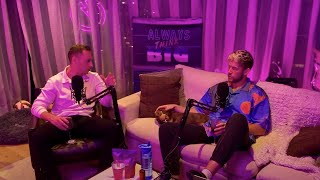
Podcast interview (May 1, 2022) between Matthew Kelly and Ed Hodge covering the founding and scaling of My High — a D2C portable infrared sauna blanket brand. Ed describes meeting his co-founder, agency and sales background used to select a product with strong unit economics and trend potential, launching in March 2020, a viral PR moment (Daily Mail) that produced ~£75k and rapid reinvestment into Facebook ads, early revenue milestones (approx. £1M in first months, per-chunk claims), funding via an £8,000 loan from a co-founder’s mother, significant logistics/3PL issues during late 2020, post‑iOS14 ad impacts, and reflections on team, lifestyle and exit strategy.
Questions this video answers
August 2019 (samples finalized by October 2019).
Beta launch March 2020; UK/Australia launch May 2020 (pre-orders).
About £8,000 (loan from co‑founder’s mother).
An article in the Daily Mail led to ~£75k in the first week/day (May 2020).
Ed states approximately £1M (A$1M?) in the first four months (claimed).
Chapters
Right. Then back with, I think like episode 32. I promised myself I'd stop naming the episodes because I always get it wrong with the first Aussie or semi not Aussie we've ever had on the podcast. Ed Hodge. I'll let him introduce himself in a second. Side note, I am wearing my outfit which just arrived for Ibiza for a four day trip, so excuse the outrageous shirt. And we are back on the wine because it's a Thursday episode.
Certainly are.
But yeah, another Ecom founder. Because I had loads of messages. Well, I've had loads of consistent messages saying please just get econ founders on. Definitely get or get less agency people on. Apparently that seems to like that. And you were put in touch with me by like a mutual friend. Like everything happens in this super small world. Yeah, I think it was. Has actually. I assumed you were English and I thought you were like 21, but then you were 28 and Australian or not Australian kind of. Yeah. But like with every episode, I guess first question is just what do you do? Who are you? We'll dive into your background and kind of up to now and then we'll probably get a bit weird with it as usual.
Let's do it. Yes. So name's Ed, 28. I run a company called My High. So we sell portable infrared saunas, which is bit of a niche. Yeah. So pretty much it's infrared sauna blanket and it allows you to get the benefits of like an infrared sauna in the comfort of your own home. Been doing it for about two years now. It's going super well. And yeah, first. First e commerce company as well.
Yeah. So. And you do that with a mate that's based in.
Based in Australia.
Australia, yeah. So how does that work? Like what. What's the backstory there? Like, were you in Australia? You said you moved to London recently.
In terms of how we met or I guess everything.
I mean, I usually try and go like right back to like your almost childhood and then fucking. Maybe a bit of context on the brand and how that started. Then we can go back to how you got to the position to start a brand, which is what we just spoke about kind of briefly.
Yeah. Yeah.
Cool. So run it pretty chronologically.
So Wyatt is my. We met in 2015. It was like a. It was a sales job for a small business consulting company. So we were doing like 50 or 100 calls a day to small business owners trying to sell them on, like. Yeah, this consulting package. And we. We had some really good bosses at the time who were pretty Successful entrepreneurs. And they were like our first mentors, so to speak. And we clicked. We both knew we wanted to run a business one day, but we knew that like E commerce was the space if we wanted to grow a business.
Yeah.
And we weren't learning enough about the digital side of things at this job. So I went off to go work in agency land, develop the skills. We ran probably thousands of ideas through a filter to like start an E commerce company.
Yeah.
Of which pretty much obviously 999 failed. Like didn't make it through that. That criteria that we had to launch.
Yeah.
And then we came up with this idea. It was pretty much we used to go to the infrared sauna all the time. Why? And I. And we would sit.
Fucking love a sauna. Yeah. Every day.
So good. Right. And we would sit in the sauna thinking of ideas. Ironically.
Yeah. Facts. That's what me and Jack do.
Yeah. The best ideas, best idea. Especially after you've done one cycle of a. Yeah, yeah. Then you get. Then you get going. And we were just thinking like, this sauna is sick. But we stopped to travel. Like, we don't have one downstairs.
Yeah.
We just have to travel to it, book a session in, you know, commute back and forth. And we were like, okay, imagine if we had one in our own home, but we can't afford one. We don't have the space for one. There's got to be a more portable option out there. Did some research and yeah. Rest is history.
So most people, certainly my experience when I got into E Comm, it was like very unplanned. Sounds like you meticulously. Well, you did meticulously think about what you could do. Like, what was the criteria? Because my. I had a similar approach when I started my new brand, Space Goods, but I don't think that would have fit the criteria because. Mainly because it's super expensive.
Yeah.
Would have been the first thing. So what was your criteria and where did that criteria come from? Was that agency experience or just genuinely interested in ecom?
Bit of both.
Like, way more calculated than me by the sounds of it.
And to be honest, that criteria might change for my next brand because I've learned a ton. But it was combination of working at the agency and so, you know, hundreds and hundreds of clients and you see what works, what doesn't work.
Yeah, true.
And you really start to develop trends and also learning and reading as much as I could about E Comm. But pretty much it came down to, okay, what's something with great unit economics? So we didn't want to sell something with, you know, crap margins.
Yeah.
Or something that a super low aov. And so this fit fit the bill. We've got great gross margins, high aov. Arguably, you know, we might want a little lower to. To be more mass market than our aov. We wanted something that was in a growing trend. So we were big into wellness and we knew that infrared saunas were just exploding in popularity. Um, and so to be early on in that trend was key for us.
Yeah.
Whereas if we went into teeth whitening, for example.
Yeah.
Like saturated as fuck.
Yeah.
Completely at the peak or the end of that. Mature. The trend is mature, put it that way.
Very true.
So this was at the start of a trend. We knew that because we had a good pulse on the wellness market. Unit economics were good. It was a very, like, viral, prable Facebook edible product. Like, we'll probably go into this a bit later, but, like, we had some great PR success to begin with because we knew that we could make it go viral in the media.
Yeah.
And there was also, like, hardly any competition. Like, there was only one.
I've never ever seen a brand in this space and I see a lot of brands.
Yeah. Like, there was only one other brand doing it. And we thought, okay, there's definitely enough room for us. Market's growing fast. Trend. Great unit economics. Let's give it a shot.
And how, like, balls deep into it did you go when you, like, was there like a testing phase, like an MVP or whatever? Like, did you quit your job and go all in? Like, what was the situation? Because you said you started two years ago.
Yeah.
So, like, start of COVID Yeah. Arguably like prime time for that sort of product.
We. Yeah, we started just as lockdowns kicked in. So it worked very well. We're pretty methodical about it, actually. Like, we got some clients from the agency.
Yeah.
So I became like self employed with these clients. And that gave me more time to build this brand while still earning some money. Yeah. And then we launched with just our own cash, bootstrapped. We got about like 50 units to begin with. Took us forever to build the website.
Why?
Because we just didn't know.
That should take two days now.
Yeah, we didn't know what we were doing. We like.
Yeah.
Did these designs. We hired the wrong developers. Like, just a lot went wrong with that website. Took us way longer than it should have. And then we. So we did a test run with some influencers that worked really well. We sold pretty much all of that. That stock.
Yeah.
Within a Month. And, you know. Yeah. I still remember, like, the first sale we got was from a Google Ad.
Yeah. I was gonna. I imagine this would pop on Google.
Yeah. And the feeling was just incredible. And then we got that someone from the Data Mail reached out to us, said, we want to feature you. And they're based in Australia and the uk. So we just kind of shut the website down after our first successful test run because we ran out of stock. And then we took a month to regroup, like, tweak the website a little bit, tweak the email flows, get everything ready for proper launch. Now that we had.
Yeah. Proof of concept.
Proof of concept. And then we launched again with pre orders in the UK and Australia. This article went live and. Yeah. Went from there.
So how long into the. The past two years was that? Like, how quick did that happen in terms of when you quit your job?
Yeah.
And then when you were like, oh, we have a proof concept. Okay, so let's fucking do something here.
Idea was August 2019.
Yeah.
Samples and stuff finalized and happy with by October.
And you were still working full time during the idea phase.
Yeah. Then in October, I'm like, you know what? I got enough people that love me that I can work with as my own clients. Yeah, I'm gonna quit.
Why?
I quit as well. And we went full time just on our own as, like, freelancers and started building the website. Started building everything.
Yeah.
That took forever. We got overwhelmed with our client work, and then we ended up launching in March 2020.
Yeah, perfect.
Yeah. That was 2020, when the whole world shut down.
That was when Neon started to go chaos before everything went wrong.
Oh, really?
Yeah.
We also had some logistical chaos, which we can talk about.
Yeah, for sure.
And so March 2020, we launched that, like, you know, beta launch and then took April off and then launched in the UK and Australia in May 2020. And we did that article. Got us like 75k in the first week. Reinvested that into Facebook ads. Immediately started spending, like, a lot on Facebook.
Yeah.
And we did offer. We did a million bucks in the first, like, four months.
Aussie or USD Aussie. I always feel like Aussie's cheating Aussies.
Yeah.
Yeah.
I need to clarify.
Yeah, it's still sick.
Yeah.
I feel like this is a.
To be a million US.
I want to use this episode to go like, deep E. Com. Yo, fellas, quick one. First bit of promo for the pod. You may or may not have heard I released a fucking ecom course a few months ago. Basically spent like, six months Making it because I was in between businesses, as you probably know. If you follow my shit, I must say, 12 hours long. It's fucking quality content. I was going to drop it at like 1500 quid with some bullshit guru.
Yeah.
Webinar and all that rubbish. But as you know, it's not my main thing. I'm working on a new brand right now, very, very fucking much in the trenches. Which is why I think it's actually a better course than everything else out there because it's built on real experience of my brands in the past and my current one. I think it's super, super valuable. If you're interested in E Comm, you're already in E Comm and you wanted to get into e comm. 0 to 1 starting a brand from scratch, then definitely worth investing in. Link is in the bio of this video or podcast. Spotify, Apple, Music, wherever the fuck you're listening or watching. And enjoy the rest of the podcast because. And then like obviously talk about like girls and life and at the end, because we always do. But this feels like a really interesting case study because I don't know, it just ticks all the boxes in terms of like, I don't know, you could write a MBA about scaling a business like this, but going back to pre brand for a second then just to set the story a bit more. Because you started it when you were 26 then, right?
Yeah, yeah.
So there's a lot of time before that. So guess like what Uni sales job. Then you went to the agency because you actually wanted to learn more about E. Com. When was that? How long do you spend in the agency? And also what was your co founder doing?
So I guess I'll rewind even further than that. Like when I was, I started uni When I was 18, I did a business degree.
Yeah.
Because I knew nothing better. And I thought business, that's what I did. Business, business, business.
Six weeks.
And then I got this like two year traineeship with a big accounting firm during university.
And I didn't got served the red pill.
Yeah, Pretty much got red pill. Yeah. Literally I did because I knew nothing better. And I'm like, I want to be a successful businessman. And everyone's like, you should do this.
Yeah.
And you know the shit they sell at university.
Right?
They sell the dream of the corporate life. Anyway, my first day at this company, I was like shocked. I'm like, is this the dream? Like there's these like 35 year olds that got no soul left and they hate their lives.
Yes.
Shitty small talk in the office and all that. So anyway, I quit there. Broke contract, had to pay them back. Money. Was the first person to ever like. Because I'm just like, fuck this.
And this. This is a grad scheme, basically.
No, it was before I graduated. So it was like a special scheme where it's like, you work there for two years during uni.
Yeah.
Fast track into the corporate slave world. Whatever.
Yeah.
And so then I'm like, okay, well, I need to find out what the actual dream is.
What.
What is what I want in life. And then I started learning a bit more about, like, you know, freedom and not being slaved down to a job and business. Having your own business is the best tool to get there.
Yeah.
Then read some books. And then the author of one of the books I read, I got a job for.
What books you read? And who was that?
It was Daniel Priestley was his name, and it was called Become a Key Person of Influence. It was a strange book. Strange title.
Yeah.
But the concepts in it were really strong. And he is still probably one of the. Yeah. One of the smartest guys I met in business. Ended up getting a job for him. And that's where I met Wyatt. So that was 2015, when I was 21.
Yeah.
And then worked there for two years. That's when I worked for the agency. So I worked at the agency for like three years, I think maybe two, two and a half. And that was very methodical. Like, I. I worked there on purpose to learn about econ, to look to, then launch.
Did you ever think before the agency, fuck it, I'll just start drop shipping or whatever. Like, do my own thing asap.
Yeah.
Because that sounds way more sensible than certainly me.
I did. But I don't think I was good enough to be honest. Like, I. Yeah, Like, I couldn't think of any good idea. I didn't. I know I knew fuck all about design or how to do it.
Yeah.
And I remember. I remember actually being at the agency and there was a guy, an account manager at the agency, that on the down low, was like a millionaire, like he had.
From what?
For Mecom.
I don't see an agency then that's like his own brand or.
Yeah, like he was drop shipping, making a ton of money.
Yeah.
And well, I later found out that he was at that agency because he wanted to start his own agency.
Right.
As well. Yeah, just one of those, like, cop out Serial, you know, wanted to start, like five businesses at once kind of thing. But I was. I remember, like, being at that agency. And I was there obviously to learn about E Comm. And I'm seeing this guy do all these things. I'm like, how. Like, how are you doing it? Like, what are all these things that you're doing? How are you sourcing these products? Like, how are you designing this website? How does everything work? And then it took me a while to figure it out, but everyone has their own wave.
Yeah. Just on that, actually. I think it's really interesting because sometimes it's easy to. It's easy to forget what you didn't know when you now know it. Do you know what I mean? Like, it's hard to transport your page. Like. Like, for example, me, I was. People ask me, like, how did you get started? And like, I don't remember.
Yeah.
Like, I can't recall having no knowledge. But obviously like with everything, you don't fucking know anything until you start.
Yeah.
And then quite quickly it becomes like a snowball effect. And that's obviously how life works. But yeah, it's kind of mad.
It is. Is mad. I feel like now and it's like.
Because of that, I'm more aware that I now. I now am aware that there's so much that in 5, 10 years I'll know that I don't know now.
Yeah.
But I consciously don't know what that is yet. Because I don't know.
Yeah.
And it's like fucking knowledge section or some shit.
It's a very cool state of mind to be of and to be aware of that. Like, I feel that we are so privileged right now with like Twitter, for example.
Yeah. Addict.
Now to the knowledge and like the network of like ecom. Twitter.
Yeah.
Is just ridiculous that anyone that is just starting out if it's better than NBA. Yeah. In my opinion, like by an order of magnitude better than NBA. Like if they can somehow stumble upon like that group of people.
Like.
Yeah, like, I'm not on Twitter. I'm more a follower at this point. But I'm sure I'll get published content soon. But like, if they were to like follow you, for example, and the people that you interact with, they can learn so much about E Comm very quickly.
Yeah. And for free.
And for free. And which is something that took me two years, two and a half years.
So. Yeah. So the agents then obviously. I feel like agency is fucking buzzword these days. But was this more of a like an old school, like office 300 people agency or was this like an. Was this a social agency? Like, where was it on that spectrum?
Yeah. It was, we had about 70 staff. It was very like we did a ton of direct response star marketing. Like we spent a huge amount of money on our marketing.
Yeah.
I was on the sales team to start with. There's about 10 of us on the sales team and we didn't do any outbound. We had eight qualified calls a day between 10 of us.
Yeah.
So 80 a day times seven.
Yeah.
And it was a high, high volume agency which meant a lot of churn of clients.
What sort of clients though? And these are big corporates or like star shit.
A mix of e comm and service businesses. A couple of. Yeah, a couple of bigger ones, but not many too.
In terms of service, was it like paid social, Google.
I mean so I want to say service, like service businesses, like a plan.
Yeah. But then in terms of what you provided for them.
We offered them everything. Yeah, lads. Facebook ads. Actually not organic because it was more direct response. Like ads funnel. Yeah, but we did Facebook ads, funnels, landing pages, Google Ads, SEO websites, you name it.
Yeah. So yeah. Who was the biggest client? Can you name any? Would it be any of the listeners would know like brand wise. Any brands that were like smaller than are massive now you running high smiles ads. For example, being Australian, do you know Koala Mattress? Maybe. Don't know. What's it like? Casper something.
Yeah, the Casper of Australia.
Right, okay.
Yeah.
Were they burning a shitload of money as well because they're selling mattresses?
They actually did really well, actually.
Profitable.
They were profitable. I think. I didn't know too much about the account, but yeah, they're huge now.
Yeah.
Australia.
So like how much did you learn being in sales? Obviously like I was in. You learned, I would say, I would imagine you learned the most the day you started working on your business. But how much did you pick up from that? Obviously consciously went into it.
Yeah, I, I pestered people in the divisions. So firstly, I think you learn a lot by repetition. So like I had the chance to speak to thousands of businesses and understand their top level data. You know like CPA figures, traffic conversion rate, revenue figures, things like that.
He always goes crazy in these episodes. Let's just fucking ignore him.
I love it.
It's a new tradition. He wrecks the sofa midpod.
And I think just like, you know, if you're playing like golf or whatever, over the course of thousands of rounds you start to develop patterns and things like that. So I noticed patterns started to understand sectors really well. Like I knew that, you know, okay, fashion is super hard to break into because it's super competitive. Yeah, blah, blah, blah, all this kind of stuff. So that really helped me with understanding the high level metrics. Understanding like from a top down approach what sectors were best and then from that top down approach of knowing which idea was best and which sector was best to go into. Then I started learning more about the tactics of like Facebook ads. So yeah. And then after I kind of understood the strategy of it from speaking to all these businesses, I then went into the tactics. So like I made good friends with the head of SEO at the agency and just annoyed the fuck out of him.
Questions?
I made good friends with the head of like web projects and conversion rate optimization. Annoyed the fuck out of him and her same Facebook.
Yeah.
Made friends with a guy in Google Ads and just forced him to teach me Google Ads. And then I left there to join. Where you going, buddy? Then I left there to join a smaller agency where I had more of a hands on role in all of that.
Yeah.
So I was actually a practitioner in all those things.
Then I'm like, okay, like, like actually doing leading accounts or.
Yeah, doing the Google Ads. So this was a startup agency and I saw pretty much everything. Yeah, account manager, even helped close some deals for the sales people, did the Facebook ads, you know. And then by that point, after like six months, I'm like, you know what, I've got it all now. I'm ready to go. And it coincided with the idea of the blankets.
Yeah, yeah, yeah. Six. So six months in the smaller place and like assuming were you like, did you ever think you could actually like pretty soon start your own thing or like, I mean, how entrepreneurial were you in your head prior to actually starting the business? Because for me at least, I don't know, I knew when I was 12 years old I was never gonna have a normal job and I never did park my burger bar shit when I was at uni. I just didn't know what the platform to do that would be. And eventually it was ecom because I worked out to some extent.
Yeah.
Like how was that for you? Because I'm always interested in like the psychology of people that particularly that go into like the matrix, so to speak. Like money, Twitter speak. Get a job.
Yeah.
And then quit. Because it probably takes more balls at that point.
Arguably it's a really interesting topic. I think it helped significantly that I had like a best mate and future business partner to speak to about it and we were both like, actually to be fair, I kind of left this out. We did start an agency.
Tried to, when Was that.
That was off. So we quit the. That consulting company, and we're like, we need to learn about. Yeah. Can't believe I didn't bring this up. Actually. We're like, okay, we need to learn about. We want to run our own business. We want to run an econ brand one day. So why don't we just, like, start our own agency and just start doing marketing?
And this is before you work for any of the.
Before I even worked for an agency, I tried to start one, and we pretty much partnered with our old consulting company. They gave us a load of their clients, and we started doing their marketing, and it worked kind of well, but we didn't really know what we're doing. He ended up going traveling in America for a bit. He had some lifestyle things he wanted to pursue. And then I'm like, okay, well, cool. I'm going to dive deeper and learn some more skills. But going back to like, yeah, did I always want to be an entrepreneur or how was it quitting the job? Like, we had each other. We both had the same shared goal, which is like, we need to make it. Like, we want to get.
Yeah. You know, get rich or die trying.
We have to get rich. We have to get free.
Yeah.
We're not gonna fail. Like, we can't be those guys that just talk about starting a business and end up.
Yeah, yeah.
You had the term wages.
Yeah, I've heard that term. I call them civilians, but I feel like wages is even more derogatory.
It's harsh. It's very harsh.
But anyone that hasn't watched this pod before, it gets taken out of context, it's flippant. It's a flippant term, but it's also quite accurate. Yeah.
But in also saying that there's nothing wrong with being employed. Everyone is.
Absolutely not. Yeah. If everyone I have a problem with is people like, you're saying.
Yeah.
That speak about it for 20 years and don't do it.
Yeah, exactly.
My own brother is a wagey, but he's probably happier than me.
Yeah.
He doesn't want to start a fucking business. That's great.
Everyone is different. Like, if everyone wanted to be a business owner, the world wouldn't function properly.
Yeah, exactly.
A lot of people. Yeah, exactly. Like, I probably would be a ton happier if I just had a mind where I just like, yeah, anyway, that's another topic.
But sure.
But yeah, we're like, no, we don't want to do this. Like, we need to make it. We can't be those guys that Talk about it and never do anything. We're not, like, we're not going to do it. And so we was continually. And we were seeing these successes of we're like, mate, like, this is gonna be us one day. Like, we can't let them other people succeed and we're not. So we. Having a partner that also shared that same desire was massive.
I mean, he's like schoolmates originally or what?
No, we met randomly at this consulting job.
Right, okay.
Yeah, yeah, like.
And you both hated it and shared the passion to leave.
Well, we both learned a lot there, but we realized it wasn't where we wanted to be long term. But it was kind of, it was kind of random. Like, yeah, I, I moved from Melbourne to Sydney for it. He moved from Brisbane to Sydney and we met each other like on the first day, like, hey, with only two guys that started.
Yeah, blah blah.
And then hit it off and yeah.
Yeah, I've got Sydney accent, to be fair.
Different from Melbourne.
Yeah, Well, I mean I've been to Brisbane, Sydney and Melbourne in Australia and they are slightly different, but yeah, I think Melbourne is probably my favorite in terms of like living in. Yeah, it's most like London.
That's where I westernised living. Yeah, I do miss it. It was good.
Yeah. Sick place. So how did it go? Like, you obviously you weren't working together at the agency then. You just previously worked together in the consulting stuff.
Yeah.
And then you were just like, what, mate? Speaking about wanting to get free of the system and make.
Yeah.
Make it, etc. Pretty much. And then did you quit at the same time?
Yeah. So we were running ideas past each other all the time. I had kind of everything I was learning at the agency, I was sharing with him.
Yeah, we're having calls and was he still working at the consulting stuff?
No, he went traveling for like. And then he went to work for a tech company doing sales. Hated it. And yeah, running ideas past each other. Came up with this idea. Quit our jobs at the same time.
Yeah. And.
Started with these clients so we could still keep an income and yeah, when, when we, when the brand took off, we were able to kind of say goodbye to our clients and.
Yeah, yeah, so, right. Loads of questions on the back of that. What was the, what was the final criteria that the brand ticked amongst the thousand other whatever ideas the others didn't? Like, were there like five categories of things? Like, what was it that made sense?
So it was especially because it's so.
New, like, or at least it was like super near the time there's obviously less references. So how did you come to that conclusion?
Well it was those kind of met like top tier criteria which was great unit economics, growing trend in a huge industry. Prable Facebook, Edible viral.
I already asked you that, didn't I? Yeah but just in more detail.
But it. And then something else which I forgot. Oh like no competition.
Yeah.
And yeah just hit all of those stronger than everything else. And I guess it helped that we.
Knew in saunas what else was on the potential table. Was there anything that came close to being the business instead of this?
Oh, I can't remember now. I do have an awful memory.
And I guess on top of that was were there certain things that were just like something you might have liked to do but you just thought wouldn't work because of xyz for example fashion. Because I'm not saying necessarily want to start a fashion brand but I feel like that's the thing that a lot of newbies so to speak like jump to let's start a T shirt brand. Which maybe is one of the easier things hypothetically to start obviously.
Yeah.
Beyond a certain point it probably gets exponentially harder because it's so competitive.
Fashion T shirt brands. I feel like every E Com person has one or two mates that's tried.
I used to have a T shirt brand.
Yeah. Yeah.
It's didn't last long.
No. I can't remember. I'm sure why. I could probably think of five or six of our ideas but I've genuinely forgot. Like I think we looked at like a red light face mask.
Yeah.
But thought there's too many, too many competitors at that point we looked at like some furniture brands but then we were like furniture man. Yeah.
I feel like big margins but who buys a sofa again?
Yeah, I mean yeah.
And all that.
So I couldn't tell you. We have, we've, we have a document somewhere of like all the ideas.
Yeah. Yeah. Cuz the reason I asked is because when I was starting space. Yeah. I don't want to keep plugging my fucking brand but it's relevant to conversation. Very good brand by the way. It's the first time I had some this morning. Yeah. Well I had obviously done a few brands before which I'd never been as methodical about. It was always very like oh this like I don't know, this idea came from somewhere. I want it, let's make it. Whereas with this I did go through that sort of like tick box process because I was like fuck it if I'm doing the next thing I'M getting this next thing big time, right for the long term. And for me it was like, I want a consumable, because I've never done a consumable. But it's like subscription heavy potential, massive gross margin, decent enough aav, obviously nothing like yours, still relatively low, but a potential for a big ltv. And again a trend like mushrooms, which I think, and beyond mushrooms, psychedelics, which could be like the next biggest thing ever in wellness, in my opinion. Yeah, but yeah, like, it was way more methodical. And then because the thing that kind of scared me a little bit, but not scared me, but a few people said it to me, I've only launched it literally a week ago, so still very early days, but early sounds are good. And someone says to me, like, oh, fuck, you didn't even test like an MVP of the product. And I was like, well, no, because I sunk like 70 grand into it, which I didn't have to spend that much. That was mainly like stock and stuff before I even launched it. And then someone on Twitter, like, I think DM me saying like, wait a minute, you haven't even got a proof of concepts. And I was like, ah. I mean, I kind of gone with my go and the other factors. And now it is working, granted by a weekend. But how was that for you? Like, how much, how much money did you, did you commit to it at the start? Particularly having not run a brand before, like, did you say like X amount? We just give it a shot. Yeah, we see what happens. And like, how scary or not did that feel? Because I think the hardest part is when you've got no experience, you haven't got the proof of anything yet. Whereas for me, even though my last thing up, I knew that I'd done it before. So it's like, obviously I can do it again.
Yeah, well, yeah, I mean, firstly to that point, I just want to talk to that a little bit. Like when you have a couple of runs on the board, you can follow your gut a little bit more and you can go a little bit more in as opposed to if you have zero runs on the board and you don't have a trained gut. So trained gut feel, so to speak, like you've been around the block a couple of times. You know how it works. If you have a good feeling, you should be. It's fine to go a little bit further deep.
Yeah, definitely agree.
Obviously not. You know, you hear some stories of people that like over invest themselves and they dump a million bucks into something and it goes tits up. Yeah, you know your point of, like, okay, I've done this a couple of times. 70 grand is fine. I'm not investing 500 grand or whatever. That's my number. Blah, blah. For us. We invested 15 Aussie, so 8 pounds.
Because I think a lot of people listening want to know the numbers on these things because a lot of people don't mention numbers.
Yeah.
So if you mention numbers as specific as you want to go, it's definitely useful for this.
So £8,000 to start, which was a loan from my business partner's mum.
Oh, shit.
Which. Which we had written a contract with her to pay it back with a little bit of interest if we failed.
Yeah.
And that went into purely getting some stock and the website. And so we launched the website we designed ourselves. We then had to pay a developer. We fucked up the developer. We chose the wrong guy, wasted a couple of grand on that.
I've got a good developer. That's $7 an hour upwork.
You don't want to be sending away. Don't want to talk about him too much. Mate, everyone's gonna be DMing you about it. We pay a lot more than seven bucks now for us now. Yeah, I can tell you that. Anyway, yeah. So we got the website live bought stock, and we actually launched with like Google Ads and some influencers. So, yeah, we did it very on a budget and really, really fortunate to have that viral moment which gave us that 75 grand in a day, which we immediately reinvested into Facebook ads. And at that point we still hadn't purchased any stock. Yeah.
So sorry, just going back slightly. So the eight grand. Yeah, decent amount of stock, but I would imagine not that much given, like the expense of the product, because margin might be good, but it's not a £1 necklace. Right. So it's pretty expensive to make still.
Yeah.
So you sold out those in how long was that, that initial period, the proof of concept, because you mentioned the Daily Mail happened after that, Right.
Month of March, so about 30 days.
Yeah. How much are you running in terms of influencers and paid and who was running that? Was it you, literally yourself or.
Yeah, we did it all ourselves.
Yeah. And how much you spend on ads in that? Like, first?
I can't remember, but not much at all, to be honest. Yeah, five grand. Ish.
Yeah. Yeah. And then the Daily Mail thing happened.
Yeah.
What were you planning on doing if that Daily Mail thing hadn't happened at the time? We actually, like, you sold the stuff, you made a bit of profit, but still not massive scale at this point we, I guess, double down on ads to some extent.
We were just going to be launching with ads and influencers and hope for the best. Yeah. It would have been a hell of a lot more difficult to scale if that didn't happen. Because at that point we had, you know, the payment terms with our supplier were all up front.
Yeah.
Because again, we knew nothing about negotiating with suppliers, which is a whole nother ball game.
Yeah.
So it was just one of those good fortune moments. I still think we would have done well without it. We would have figured out a way.
Yeah.
But we just wouldn't have scaled to that, you know, like seven figure revenue as quickly.
Was it entirely Australia at this point in that preview concept stage?
Yeah, yeah.
And then Daily Mail was uk, you.
Said Daily Mail reached out to us and we're like, hang on a minute, Daily Mail is an Australian and a uk.
Yeah. Business. So.
So we're like, I think we spoke to her and we're like, yes, you can, you can do an article on us, but can you make sure it comes out like in a month? Yeah, so we could. We had to figure out like a3PL in the UK.
Yeah.
Launch a website in the UK, all the admin stuff in the UK, and launched it just in time and. Yeah. One, one of the special days of our memories.
Did you plow more money into it beyond what you'd made in that initial period when you saw the Daily Mail opportunity, or did you just spend, you know, all the cash in the bank effectively on just make it getting ready for that? Because you thought it would be big. It scaled up pretty quick, like in terms of how did you facilitate the stock or was the margin just good enough that you had enough stock for that 75k day?
So 75k day was still on pre order. So if you talk about, like, I think that was the 9th of May, 2020, and we were, we said on our website, pre order for end of May, but it actually ended up being like end of June.
Yeah.
So had to go heavy on the customer support.
Yeah. Pre order is interesting. Just on the website then and the brand as a whole going back, like, how much? Because obviously now it looks super like D2C professional. I said before, it looks like a Casper mattress. Whatever it looks like legit, you can trust it. It's not some bullshit dropshipping, which not many websites do, in my opinion. How good was the website and branding and all that content stuff when you were right at the start you had the eight grand, was it way shitter.
I think it was very good.
And like, how did you do that? Because obviously, why?
My business partner is just a fucking good designer. Yeah, yeah, he's really good.
So did he do like the imagery? Like people lying in beds and shit? I mean, I don't know why.
We did a photo shoot. So we got a friend of his mum's to be our model in our house. We. A friend of mine was the videographer, did a photo shoot, designed the website ourselves.
Yeah.
And again like the whole strategy behind the website, strategy behind the design, the conversion rate optimization had come from like my past two years of studying the shit out of it at this agency. So that paired with Wyatt's just natural ability to design something good. Like I can say a good design and I can see what a good design is, but when it comes to actually getting on Figma and designing it. Yeah, different story. But luckily we can communicate that and. And he's gone. So yeah, the website was great. We designed, you know, we had Klaviyo up from day one. Obviously we like, it's a. I say we had Clavier up from day one. It's like a non. It should be a given. But like this was our first brand.
Yeah, yeah, true.
And we had those flows with just milk and money from day one. And yeah, works well.
Right then, you've probably seen or heard me speaking about space goods over the past few months. It's a new brand that I've been working on, essentially the next generation wellness brand. And our first product, Raymondust version 1 is an all in one super powerful daily powder concoction blend designed to unlock your supernatural self, get you into your prime creative state to do your very best work experience. Sharper focus, sustained energy and a Zen like calm throughout the day. Just like a psychedelic microdose. But it's legal. You're allowed to actually buy it in the UK and across the world. And this is really the first product and the first version of the first product in a much longer vision. I think I'm building a brand for an industry that isn't really even there yet. It's a large illegal still across the whole world, but I think that's massively changing and I really think spacegoods is gonna be positioned as the first UK brand in this space ready for a market that's gonna explode. So yeah, really appreciate if you go check it out. Rainbow Dust Vers. See, so daily mail happens. Yep, 75k in a day. Just fast forwarding a little bit. What did the business look like quickly after that like, did that tail off in terms of like organic? I mean, I imagine it did to an extent. But like, what was the ad spend like after that? Did you. How quick did you scale it, basically? And was it only Australia and UK we were selling to or just dedicated websites? That's a lot of questions.
Yeah. So we pretty much scaled to like, I think we were spending like two, two grand a day or something on Facebook ads.
Yeah.
In the uk. And Oz was going super well, like a great roas on Facebook ads back when you could.
Actually, I've got a daily spend limit right now of 200 quid. It's making me rip my hair out. Cause it's like I want to scale it to 2K tomorrow.
Yeah.
Trying to get that fixed.
So back in the days when you could actually trust the Facebook ads dashboard.
Yeah.
So that was going super well. We launched in America in August. So if you think may Daily Mail, we put. We got an Amex card and we paid for inventory on an Amex card, fulfilled all those orders in June. Facebook ad was going well, getting more and more PR articles because it was a new product. Influencer's going really well. We did Black Friday and that was our first ever Black Friday of our first ever business.
Yeah.
And we were like, holy shit, this is amazing.
So was that bigger than the PR day?
Yeah, yeah, yeah.
Nice. It was Friday's fun.
Like we're, you know, my brand's not big. Like you've had, you know, obviously huge brands on the podcast and there's way more bigger brands than this. But it was. Everyone's got to start somewhere. Right. And it was like, it was super cool for us. I don't think this brand's ever gonna be like a hundred million dollar brand just because of the niche that it is. And we can talk about that a bit. But like, it was just super cool to like launch our own company, have that initial success, expand it even more, have a cool Black Friday. And Wyatt and I were just like, you know what, we wanted to launch a business and we've done it and we've got it to a certain level of success and we just. Yeah, it was sick.
Yeah. So I mean, assuming you did seven things in the first year, then because you're doing 75k day.
We did seven figures in our first four months Aussie. And then like seven figures on our first like five months us. So.
So multi. Seven figures in the first 12 months like us.
Yeah, yeah, yeah.
So that is, that is a very good effort for a. Particularly for A first thing. So you shouldn't downplay it.
Yeah.
And how, how did the business look at the end of that 12 months? So you've got a run rate of a few miles. Well, in terms of like what ad channels are you running? How many people in the business? Is there any full time employees? Is it all outsourced? Yeah.
Still zero full time employees, which I think is a mistake of ours, which we're still working on. Found it very difficult to get the right talent. We had one. She was like half time. Oh yeah, she was like half time so to speak with us. Operations Jack of all trades manager. So she was like managing operations. So talks with our supply chain. So our manufacturer, our logistic company, our three plus as well as doing influencer work and affiliate work and things like that, which has just been amazing. It helped us a lot. And then we had some agencies on board for email and pr.
Yeah. Oh, sorry, I should have handed you that one. I made it very difficult to record.
But so December was a nightmare logistically.
December 20th.
Yeah.
We.
Black Friday before Black Friday. So November 2020.
Yeah.
We had the great idea of deciding to switch our 3BL.
This is when my life started to end as well. November 2020.
Yeah. So we knowing nothing better. And obviously during at that point, obviously supply chain has got much worse since then. But that point was the most hectic time in logistics history. And we're like let's, let's change warehouses.
Yeah.
So we were just unsatisfied with our current warehouse. Found another one and made the process of switching over. Wanted to get it done before Black Friday before like 27th of November. Delays, delays, delays. Our warehouse was supposed to transfer stock to our new warehouse.
Yeah.
And they couldn't. They lost like a significant amount of our stock.
I think 3 PL's churn must be so low because people are scared for this.
Yeah. Yeah. Literally changing. They lost a super significant amount of our stock. For some strange reason. We're talking material amounts of money here.
Just disappeared.
Yeah. And then delays in getting it to the warehouse as well. And like daily phone calls and like where is our stock? Where is our stock? Like just. You wouldn't even think this would happen. And then so that was an issue because that was how we were going to fulfill all of these orders. Then our new warehouse, there was delays in getting stock from China to that warehouse. Got held up at customs for a couple of weeks. So we're talking biggest ever Black Friday. Well, sorry, it was our first Black Friday, but huge Black Friday.
Yeah.
It's now the first week of December and we have zero stock to fulfill all these orders already going overboard on customer service, which was at the time.
And that was stock you already had and had paid for just disappeared.
Yeah.
It wasn't like you hadn't bought it.
Yeah, yeah.
Similar to me.
And then, yeah, the stock took forever to arrive. Finally got to our new warehouse from customs. And I remember Wyatt and I were meeting for the first time since we launched the business because of lockdowns in Sydney that weekend. And it was supposed to be a celebration. And it was like the Friday. And we'd been promised by our new warehouse that Friday that everything was going to be fulfilled. It's all good. And we're like, okay. Like, we've dealt with all the customer support, you know, done overtime and that. That space.
You doing that yourself, by the way, or do you outsource?
No, we had a team member on that.
Yeah.
But we hopped in for those that. Yeah, to go overtime. And then it got even worse after that. And then as we, like, got this, you know, we met up with a couple of friends, got a nice hotel, like, we're able to spend a bit of money in Sydney for the first time. And then we got it because this 3pls in the UK, I was like, midnight.
Just the UK one. That was fucked. Was it not Australia? Do you have to.
I'm assuming, yeah, just the UK one that was screwed. Australia was.
Can you name the company? I've had some bad experiences with Three plus. Probably not that bad to be fair.
Anyway, so it was like midnight on this Friday and we're pretty drunk, and we got an email going, like, we. From the warehouse going, we can't fulfill your stock. We forgot a piece in your, like, compliance work.
Forgot? What does that mean?
Like, there's. You need to get these certificates done. And we're like, you're joking. Like, we've been onboarding with you for two weeks.
You know what? There's actually nothing worse, I think, probably. I mean, a lot of people listening and entrepreneurs can relate to this than being in, like, what should be a celebratory or nice situation, having stress that only you or you and your business partner in your case know about. Because one distinct example, and I. Sorry to not change the subject, but I remember fucking. I went for a weekend away with my girlfriend at the time, and this was like, it would have been end of October, start November, I don't know, late 2020, just when all these problems with the fucking Neon supply chain started to happen. And I remember getting a similar, like finding out something and thinking, oh, I think it might have even been striped. Shut us down or something.
Yeah.
Holding like 300 grand or whatever. I was like, fuck. And that was on the Friday. The entire weekend was ruined.
Yeah.
And I was drinking. Just meant to be a nice weekend away. And that makes things worse, the anxiety. So, like E Comm. Anxiety. Like what's meant to be a nice situation. Ah, it's a horrible combination. Horrible. You rather not know almost.
Yeah. Yeah.
Which is why now, if I was doing something like that again, I would leave, you know, I wouldn't have my email on my phone, leave my laptop. But, yeah, I can relate.
So, yeah, so that was a panic attack, to say the least. And the worst thing was because of our custom stock had already been delayed getting to the uk, we'd been emailing customers going, like, sorry, there's been a. A delay with customs. It's going to be another week and then another delay with customs. We had like three delays with customs as we had sent all our customers that were waiting on orders, like four emails now going, sorry, there's been four delays.
Yeah.
And at this point they've been very forgiving. You know, we'd been well written, well written emails, but at this point people.
Were starting to call bullshit and chargeback, I imagine.
Yeah. And they're like, this is the fourth email now that you've given me a delay. Like, you're lying to me. Do you even have the stock? Like, I want my money back. This is like, what's going on? And so we had the, the level of support. Tickets in gorgeous use. Gorgeous.
Yeah.
Yeah.
I literally. I'm getting flashbacks here. I was getting 700 emails a day at one point. Yeah, we were similar.
Yeah. And so we, like, that was the Friday, the Saturday. Like, I got a phone call from our jack of all trades general manager who was doing our customer support. She called me and she was in tears. Why? And I woke up very hungover. And we spent all morning and early afternoon plowing through customer support.
I'm actually. I never related to a podcast guest as much.
Yeah, it was actually kind of fun like that, that hungover. This is why I'm so grateful to have a partner because, like, we made that experience fun.
Yeah.
We went through it in the trenches together. Like, you know, if we can make it through this, we can make it through anything kind of thing.
Yeah.
Anyway, and so the whole deal with this warehouse, like, they couldn't fulfill because of some issue. We ended up having to Hire an empty warehouse with our logistics company in the Port of England and redirect stock to this empty warehouse and manually fulfill it using like one of those, like. So not. We fulfilled it.
Not. Why couldn't the 3PO fulfill it?
They needed, like.
Sounds horribly complicated.
They were super strict with, you know, ticks that they had to have on products. And we need.
Is it because it was electrical?
Yeah, yeah. And so we got that sorted, but pretty much we had to do like. I can just imagine it as like a movie. It was like this, this empty warehouse where we were just fulfilling it using like those pay, same day delivery kind of option things where manually printing out labels and so we got it done. I was, I was. We're both in Australia and this was a UK issue. So I was up, you know, from midnight to 3am personally taking calls with our customers, having to calm them down. And my sales background helped a ton in that. Like, I'm used to these conversations. Yeah, they were fine. We got through it. But December, like, we toned things down a lot because of supply issues and then by January we were fine again and up and running, so.
So you went through all that. Which gives me horrible flashbacks to Neon Beach. Probably have PTSD for next week.
Sorry about that.
How quickly, like, did that do any, like, brand damage in terms of like Trust Pilot and stuff? Because I know for me, I mean, I obviously didn't recover from mine, but I had like 6001 stars in like.
A month or a few months. It did do a little damage and that's why we kind of toned things down in December because we were like, okay, let's just limit the damage. Yeah, we got a little bit of Trust Pilot hates. But I guess a side effect or a little bit of good fortune is that we are like a low volume in terms of order.
Yeah.
Company with. With an AOV of £400, $500.
Yes.
We're not doing huge volume. So, like, we don't get that effect of like thousands of bad, bad orders, bad reviews.
I guess the dark. And it's because neon was like 340 quid. So it's relatively similar.
All right.
But the downside to that is obviously when someone spends that kind of money.
Yeah.
They really fucking care.
Yes. I mean, if we were spending 20.
Quid on a T shirt, I guess we.
Yeah, we weren't doing the same volume that you would have been doing with that. That company. Like, we were pretty small. Ish. Back then, but we. Yeah. And we just got through it. Like we went ham on the customer support. I was personally phone calling a lot of customers.
Yeah. I didn't do that, to be fair.
Like, I. Maybe I should have, who knows? Like, we. We went hard on the emailing of them. We sent some pretty, like, hardcore campaign emails to our customers.
You know, please don't dispute the payment.
Just like. Yeah, we're real people. We are. We've had a lot of issues. Blah, blah.
Yeah.
You know, phone calls, phone calls, phone calls. Like, I was spending like half an hour on the phone with some of these customers just chatting. Just like, look, I need you to understand.
Yeah.
Like, what's going on? I will give you. I am the owner of this company and I'm about to tell you, like, exactly what's happened so you can empathize and understand with me. And I would happily do that, like, five times over.
Yeah. I think honesty wins in those situations, doesn't it?
Honestly? Always wins, man.
Most people have. Most people are fairly human.
Yeah.
When it comes down to it, people understanding and emphasis and. Is that the word? Like, empathetic of it.
If something has genuinely gone wrong and you genuinely explain it to them, more often than not, unless you've had a lot of bad luck, you can make your way out of it, I think.
Yeah. Did you get any, like, super bad trolls? Like, how bad did it get? Because, I mean, again, I'm just having flashbacks, what happened to me, which was probably an extreme example, but was there any of that, like, real bad hay online and stuff?
Yeah.
Yeah. And then this is in the first year of Ecom, though. This would put most people off for life.
Yeah. I think we're just, you know, maybe those stoic books you read back in the day.
Yeah.
Serve some use.
Ryan Holiday.
Thanks, Ryan Holiday, for getting me through. I mean. Yeah, like, we have to put up with tons of shit as business owners and I think we just were prepared mentally for something like this to happen. And having that support network of each other was. Was good.
Yeah, yeah, definitely.
We got through it.
Yeah. Sick. So coming on to after that, then. So 2021, I forget it's nearly halfway through 2022 already.
I know.
So 2021 compared to 2020, how was that? Did you continue to grow? Because I know a lot of brands struggled in 2021 compared to 2020. Many I know of as well.
Yeah.
Because obviously Covid was less of a boom. Like, how did you fare in that? And like, broadly speaking, what was the approach in 2021?
Interesting year, for sure. January through March was fucking huge. We had some really Good press articles. Like, we were featured in gq. Featured in some huge media articles in the uk.
Yeah.
A couple of really big celebrities got behind us in the UK as well. Like England rugby stars were using our product. Celebrities from all your reality TV shows over here. We're using them.
Love Island.
Yeah. Like some of the Made in Chelsea people were using them and. Yeah. You know, to all their millions of followers, blah, blah, blah. And we just skyrocketed. Then iOS 14 happened.
Yeah. Fuck.
And that hit us like a ton of bricks. And that's when we really realized, okay, like, we're a one SKU company.
Yeah. I've not just asked you that. Yeah. I knew people listening probably want. Well, they'll have Google it, but it's always been the one.
Same product, one skewed.
Which means that's great and terrible at the same time. Right. Because that's the same in me.
Yeah.
Kind of scares me sometimes. People don't.
Like you've got obviously bigger plans and.
Yeah, for sure. Yeah. Longer term.
So we had like, very small repeat business, you know, no other products with low acquisition costs or no acquisition costs, no upsells, blah, blah, blah. And we're like, wow, we've really just been riding on the coat coattails of Facebook ads this whole time. And we're very vulnerable. And so that. That rapid growth kind of just went like.
Yeah.
And even like that for a little bit. And we. You know, I guess that at that same time, you know, the. On a personal level, I was in and out of lockdown in Melbourne for forever and my mental health was struggling a lot. I didn't. The last time I saw Wyatt was the only time I'd seen Wyatt since we started the business was in Sydney, which is when we were having a panic attack because of that thing. So, like, we hadn't had a chance to. You know, the setup that you have here with like a brother with you grinding, like, we didn't. We didn't have that at all. It was kind of just over it. Despite the fact that we'd on paper achieved. Yeah.
Actually on that point. Where are you working from? Like throughout the first year and parts of the second year.
My apartment by myself.
Yeah, fuck that. Especially in lockdown. Yeah.
It was a real struggle.
I lived by myself for two months in Newcastle, like four years ago when I first dropped out of uni, before I went traveling. And I decided then and then never again. It's not for me.
It has its.
I need people around me. It does have its pros. Yeah. I Just prefer the energy of like flatmates and shit.
Something I'm working together with right now. And I think I'm. I've been doing solo living for like two years now and I think I'm done. It has its pros, probably for more like a personal.
I'll just set you up just here getting on the desk.
Have you got a spare room? I'll move in.
Well, he's talking about fucking moving out in June. I've got a two year lease here, so there you go. Could be an option.
So yeah, it was, it was a struggle. Like I'm like, Wyatt is very happy by himself. He's got a great life where he lives and he's all, all good. But like I was like any people with me, you know? Yeah, I feed off the energy of others.
Yeah.
Etc. Etc. So very much a struggle. Lockdown, lockdown, lockdown, all that crap. We didn't really, we didn't grow our team that much, which we should have. Like, I think in order to grow our team, like in order to. We'd skyrocketed to a point where we're a comfortable mid 7 figure brand within a year already.
Which is chaos, by the way. Like, statistically, yeah, it's fucking good.
We're also with this like. What's the word? I can't think of the word. But we're also like wrestling with the idea that we're not like a mainstream product. Which means what is the level of scale we can get to with this brand? We're not selling supplements, we're not selling clothes. We're not selling something with a total audience of hundreds of millions. We're selling portable infrared saunas. How many people?
I'm still convinced with one look at the website it gets 100mil revenue. We can get onto that in a.
Second maybe, but I'm happy with that.
And the reason I say that is again, slight side note, but I had a private equity fund approach me just before everything went wrong with Neon, which got me excited because I started fucking looking at fucking Lamborghini events. Dollars I could buy in like two months time. Anyway, they're an American company and they were like, we really like Neon beach, blah, blah. And they were like, I was just thinking maybe I could scale it to 20 million revenue because it was on that trajectory. And they said they took a brand called ruggable from 5 million in revenue. 300 million in revenue in two years. Yeah. Run rate.
Yeah.
And I was like, okay, this is the one thing I like about Americans that I think fucking big they do. And they were like we see neon lights. Could be a billion dollar revenue business. And I by the way still think it could.
I think it could do like.
I think there's no main brand in that space that done it yet. But sadly it's not gonna be me because I'm gonna do.
Have you heard of.
Yellow Pop?
No.
Custom Neon?
No. Australian brand.
Custom Neon is the Australian one. I spoke with the founder, he's the biggest in Australia. No, there's a few Electric confetti, isn't it?
No name escapes me.
Anyway, there's quite a few now.
I, I sold them into like a package with my, that agency ages ago and they're doing super well now but I forgot what they're called.
Anyway, I still have like flat. I still like that market. But anyway, what was I saying? But yeah, like the scale, I'm pretty convinced almost anything could get to 10 million in revenue and anything decent can get to 100. It's more about. I say that having never got to 100, but I just, I agree to build on that point. I actually think. And I said this to Alex, one of my investors the other day. We have like a monthly call. This is before I launched like a week ago. I'm pretty convinced absolutely anything can get to like multi millions in revenue. It's way more about execution than the idea. Yeah, I passionately believe that. I think way too many people and this is like good advice. So anyone listening should listen. I think way too many people obsess over oh I need to think of an idea, I need to think of my idea. No you don't. You need to fucking execute on a decent idea. But most people can't execute because they don't start any idea to build experience to execute on a good idea.
I think if you're good execution, trump's over. If you're good enough, you can create.
A market 100% and that's what I'm trying to do.
Yeah, I can. And creating a market is a long game. It's. It's not like a direct response running ads to a product page, getting a good roas kind of game. It's a creating a movement, it's creating a community, it's creating.
It's a tenacious belief in a market that doesn't exist yet. Which again is what I'm trying to do. Fucking like because I just, I don't know what it is. They say like gut instinct is like the 3 million receptors in your go some bullshit compared to your Brain. I've read about it and I just, I mean, I don't know if you feel the same way about your brand, but I've sold like 10 grams worth and I'm. I believe it's gonna be a billion pound brand.
Yeah.
And we've only sold ten grand worse because fucking out of cast, limited to £200 a day. But anyway, not bad first week, all things considered. But what were we saying? What was the point in terms of potential scale and. 2021.
Yeah, 2021 and the struggles that. Yeah. So, yeah, I mean we, I feel like could have done a lot of things better, could have launched more products last year, could have hired more team, could have been more efficient at work. But we still manage all right. And things are looking good now, but it's just like there's, there's lots of things that go on besides, you know, the market that dictates the success of your brand. Like, you know, hiring team, the founders.
Yeah.
Mental health.
Yeah.
All there's a reason why like 99% of businesses don't work because like there are tons of factors involved and.
Yeah.
What actually makes something succeed?
Yeah. So just on that, because I think a lot of people listening will be wondering, yeah, how are you actually driving traffic to be a multi million pound, dollar, whatever you want to call it, multimillion level brand. Because that's what I think most people struggle with is, you know, maybe they can get something. They've got an idea, they build the website, they can't even get the fucking first few sales. Or they can, then they can't scale it consistently. I get DMs like this all the time. I've like, I've got to 30 grand in revenue, then it's not working.
Yeah.
So like for you obviously, paid media, etc, etc, but what did I actually look like in terms of where are you running ads? What was working best?
Yeah.
And, and why do you think it worked for you in terms of the metrics in the business? A large aov. Etc.
Facebook's always been big for us. You know, we spend over six figures on Facebook a month and that's always worked.
Yeah.
Google is a consistent. Google just mops up the traffic.
Right, yeah, agreed.
Google, we're generating awareness via Facebook and PR influencers and that overall category of infrared saunas and influence on the blankets is growing. So that means that people search for it and we'll mop that up with Google Ads and SEO.
Yeah.
So really? Yeah, I mean it's, it's really just influencers. Facebook ads, PR affiliates, Google Ads, strong email marketing.
You haven't mentioned TikTok.
We just started TikTok. Just started TikTok, like because.
Yeah, that's the, that's the big thing where it's the first platform ever where I feel like I'm too old to get it.
Yeah.
So I've actually just hired someone from America which I found on Twitter. He's going live like next week to run the organic. Because in my mind TikTok is two things. It's paid and organic. And organic is effectively a paid channel because you're just paying creators rather than.
Yeah.
Impressions.
Yeah.
So I'm intrigued to see how that goes.
Yeah. Tick Tock is. It's tricky. Like some, some people get lucky with the product. Some products are way easier to do on Tick Tock than others. Like I've seen that guy sound like Sex Chocolate.
Yeah. I speak to the founder tabs.
Yeah.
So I don't know if you watches this, but yeah, seems like a fucking. It's fucking great brand, I think. But I think they're doing like multi six figures a month revenue with no ad spend.
Yeah.
Which blew my fucking mind by the way. But like obviously they're spending a lot on creators and influencers, but on TikTok.
Of like sex Chocolate, like sex sells. Right.
Sex Chocolate, two great things.
Yeah, yeah, yeah. Like anything that's remotely connected to sex is going to get attention and on TikTok that's everything.
So yeah, it's, that's a Perfect brand for TikTok, honestly.
So he can create. And it's chocolate as well as like to create a Tick tock's quick but for us we have an infrared sauna blanket where it takes 45 minutes for you to have the full session.
Yeah.
To start sweating and stuff and so.
To actually still think it could slap.
I do. And so yeah, we just need, we're, we're working on it but we just haven't cracked it yet. But yeah, nothing comes quickly in this game.
So I know like the past trailing 12 months as a percentage wise, like how would spend be split across channels? Even post iOS 14.
Facebook would still be 80% really fucking.
Oh, there's a lot.
Yeah.
I would Google be more as in more than 20%.
There's a ceiling to Google like it's not still not that much search volume for infrared saunas.
Yeah, true.
You know, so like with Google everyone, there's always a ceiling in your market to Google because it's limited by the search volume. So. Yeah. And even if we run ads. So we're a blanket. Even if we run ads on infrared sauna, it, it's really not. Doesn't move the needle much. Because we're competing against saunas.
Yeah.
So yeah.
And at this point are you running ads yourself? I assume not. You got an agency because. Yeah, I've had plenty of bad and good experiences.
Sorry. We run Facebook ads in house, but Google Ads we have, we have, we don't have an agency, we have a contractor.
So in house you, when you say in house, you've hired someone full time just to run Facebook.
I'm running Facebook.
Oh, you're running Facebook. So I was gonna say how the fuck is Facebook ads alone? How is that full time job?
Which is like we've tried to find people to run it. I really don't want to give it away to an agency.
Why?
Just don't trust agencies.
Because I've had this, this debate with myself and other people many a time because I, I spent millions on Facebook myself.
Yeah.
Never Google by the way. Only ever Facebook and Instagram like over the years, drop shipping, whatever. Did my midnight city ads myself and then did. Probably spent like a million quid myself on neon. Then I outsourced it. But my logic was always, if I'm going to build this nine figure brand, I can't do that by being. I actually said on Twitter earlier someone asked me this, like, how did you feel when you outsource ads only I tweeted about media buying for the first time ever. And I replied, it's quite a good analysis actually. I said something along the lines of I was caffeinated at the time, I'm trying to build a billion dollar brand which means I need to be the, the conductor, not the violinist. Yeah, I never had that metaphor before.
But that's great metaphor.
And it's almost like I think long term I realized that I would rather get hypothetically a 2 row ass with an agency than a 2.5 row us doing it myself. Because also if you're required to run such a significant part of the business, then how is it ever exitable? Yeah, obviously you can outsource it within a week, but you want to have a track record of it working without you being there. And if you, if you're required, then in my mind it's not a business, it's like a job. Yeah, obviously it is a business. But you know, I mean, yeah, like.
That'S one of the things that we definitely need to work on for sure. Like actually getting a lot more of Our of the stuff outsourced in our.
Business.
Just hate agencies. We've always tried.
There's a lot of shit agencies.
We've always.
Many agencies. That's the problem.
We've always like thought, okay, we can just bring someone in and hire them internally.
I tried that though, with Neon.
Yeah.
Like usually you can put more of like a performance basis in, whereas obviously an employee, it's kind of just like a salary.
Yeah.
So I've come to the conclusion the agency is best. But I was probably a shit client as well for many agencies because I had probably more experience than many of the agencies, which was the problem.
We've. We've interviewed like four agencies in the past, like two months and we're still like, we're getting closer to pulling that trigger.
I think it has to happen.
Yeah.
For the long term.
Yeah, I agree. I agree. But there's one thing I would say for people like starting out is that you need to have like an 80% knowledge of Facebook ads before you just.
Media buying in general, I would say.
Yeah. Like how are you gonna understand if your business is. How are you gonna understand if a third party is doing well if you don't even understand the work?
That's why I fire so many agencies.
Yeah.
Because I could call them out and shit. Probably other clients wouldn't have done because I'd spent more on ads myself than probably any of the media buyers and agency had.
Like we have an agency right now doing some media buying in certain area and like. Yeah, you can tell that.
Yeah, yeah. Because I think the problem with agencies not spend too long on this topic is it's become a bit of a meme. Like, you know, SMMA, there's literally like 18 year olds with zero experience starting agencies and trying to charge like legit fucking agency prices. Yeah. And it's like you have no experience.
It's because there's so many courses out there going. There's courses out there going. You can start an agency, it's this easy and then the course itself is easy. Sell someone and then hire someone from upwork to do the work for you.
And then get sales process.
If you're paying, you're actually paying for some upworker to do.
It's effectively media buying arbitrage.
Yeah.
That's basically what most agencies is, Media buying arbitrage. But there are good ones, I think. Yeah. I have mates that run good, good ones.
There are definitely some.
But yeah, they're few and far between for sure. In terms of scale then.
Yep.
Like you Mentioned earlier you already mentioned like your next brand or potentially another brand you want to work on. Where do you see get me. Is it get me high? Get my high.
It's just my high.
My high. Sorry. Yeah. My heart. Where'd you see it going? Like do you have a clear vision now for it and if so how has that changed since you started it?
Yeah, that's a great question. So pretty much we become known for getting an infrared sauna from the comfort of your own home and so we want to expand that into recovery products from the comfort of your own home.
So interesting.
We have quite a few products under the works right now which are similar high tech recovery products that you can use at home and so we. That's where the brand will go. It will be like similar to like the therabody Hyperice.
You've seen a brand called Current Body. What Body? Current Body. Current got acquired like 60 million in cash about six months ago. Actually know the guy that runs the fund that bought the brand and they sound like it just reminded me of it. They sell like high tech at home beauty products. So like expensive like face.
Yeah.
Lasers, whatever. Similar concepts.
Yeah.
You should look at it.
I don't have look at it but that's, that's the future. So we've got some exciting products and like you know the yoga space that we're working on which is, that's mass market.
Yeah.
So yeah the, there's a lot of health and recovery and wellness tech products like Hyperice, theragun, Peloton.
Yeah. It's massive that we can. I want a gun.
Yeah. And we're, we're not, we don't see ourselves as that kind of business. We don't want to go into the billion dollar territory.
Why.
That can that? Well firstly probably personal lifestyle reasons. Like we've never really had that ambition of running like a thousand person company because of just we would like to have freedom, run a lifestyle business and enjoy life.
But is it a lifestyle business? No.
Yeah, yeah. Like it's pretty crazy.
When did it become that? Because I'm back in the trenches with my new brand now.
Yeah.
And I've had plenty of nice lifestyle experiences in the past, you know the fruits of E commerce success. But obviously I don't feel that at all right now. Like I'm enjoying the trenches right now to be fair. I genuinely am because I'm excited by it. But like. Yeah, when do you think that became that? Because obviously at the start it isn't that. It's the absolute opposite. It's constant anxiety. Like every day is like hit or miss.
Yeah. I probably say within the first like nine months. Ish. Like, we could probably sk. We could have probably tried to scale it a lot harder if we wanted to.
Yeah.
Try to hire more team, things like that.
Not always a good idea.
I like that. But I think in terms of like, okay, if you wanted to. If you want to reach like nine figure status. Sorry, no.
What's that?
Eight figure status? No, nine figure.
Nine is 100 mil.
Yeah. You just has. Everything has to feel right, you know, the, the connection with the. The team, the products. If it feels right, we'll do it. If it doesn't feel right, we won't. But right now it's our first brand. We're probably going to go for like an exit first before we do that. So it might be another brand.
Do you know what the other brand would be, though? Because if you're already thinking about expansion opportunities, why would you be thinking about potentially selling this one and then starting another thing rather than being like, oh, it's working, let's see how fucking big we can go this one.
Because we can always do it with different products again, like they're. It's not like we're gonna do it again with sauna blankets, for example.
Yeah.
And I think from a personal level there's a great benefit and like getting a first exit under your belt. Getting like a financial event about liquidation event. Yeah. Liquidation.
Suddenly going by Rolls Royce dawn and fucking piss off everyone you went to school with.
Yeah, yeah. Rock up to the reunion.
Yeah. Do you think you're passionate about the business and the space or is it more? Fuck yeah. We escaped the matrix. It's going well. And that's maybe why you're alluding to wanting to kind of de risk through a potential exit rather than like, this could be my 20 year, you know, mission or whatever. Not that everyone has that, but I.
Think it's like a combo of both in the sense that, like, I love wellness, love health, love saunas, but I'm also in this part. Like, my first reason for getting into this was because I want to construct the best life for myself. So to be. I need to be sensible about that rationale, which is like, okay, if I can get a solid exit under my belt quickly, that ticks that box. And you don't want to be that person that has written something all the way up and then not got anything from it. Right.
Yeah.
So I think if we can just nail that, then that would be a good risk. Off scenario for us.
But how far away do you think that is? Is that something you're even actually pursuing now? Is there a plan in place for, you know, the certain scale you get the business to who you have a conversation with? Or is that just in the next few years? You'll see, you'll see. So something's happening potentially. Maybe that'd be pretty cool. In two years.
Yeah.
I think that is the, the power of building a brand and a what look? Well, again, I don't know the market very well, but what looks like a market leader as opposed to just drop shipping.
Yeah.
Which a lot of people that watch the podcast I know are in. Yeah, obviously, like I've tried to build like market leading brands and I think I did that with Neon, but then it went wrong. But yeah, like the intention with this next one is like, yeah, I mean, get filthy rich from it. But also I guess to be fair, like, I mean it's funny one, isn't it, because I speak about this in like this group chat we have. We call it like pursuit of greatness or some bullshit, which is probably a very niche group chat for young men, but I think a lot of young.
Men want to pursue. Yeah, greatness.
I mean, because I was saying like this space, like psychedelic wellness, mental wellness, whatever, is something I definitely could see me working on in some capacity until I die. But someone came along saying three years ago, it's a 30 million revenue run rate, which I reckon I could do. Easy, easy to say that a weekend, but as someone comes along, buys it for 100 mil, obviously I'd say yes and then you're out of the game, but you can start the next thing in a similar space. So yeah, I mean it's a balance, isn't it? Between, well, at least for me, between like saying, oh, I want to build a billion dollar company, but also someone offers me fucking 2050, 100 mil. That's a different conversation.
It is a balancing act because I think if you just zoom out from it all and the reason we got into this space in the first place, well, for me was like freedom. And freedom is financial freedom, time freedom, etc. Etc. And so like I have to say yes to, I have to follow that, that North Star, so to speak.
Yeah.
And if the, at the end of the day, if I'm 40 years old and I look back on my life like I would much rather have sold a business for a decent amount of money, invested it wisely, started another business with that security as opposed to like that high Risk of like trying to.
Yeah, I definitely see what you're saying.
Trying to ride something. I'm just trying to play the odds, to be honest. I mean, I look at a lot of successful people in their 40s that I kind of see as like a virtual mentor kind of thing. And I'm like, okay, well, what are my best odds of getting there? And that's just. Let's play that game.
What do you think the number is that buys freedom? Because I've not yet. I've not asked that explicit question before, but I alluded to it on the podcast and I think it's a lot less than people might instinctively say. I have a number in my head. But I'm interested to see what you say because again, we don't use numbers in this podcast. But I think people want to hear numbers.
Yeah.
And obviously we're not talking about actual acquisitions. Whatever.
Everyone wants to hear numbers. I think it's highly, highly subjective because everyone has different desires. Someone might be happy if they can have, you know, three, five million dollar houses around the world, which is already. And if they're paying cash, that's 15 million already done. Some people might be happy with just 20 million and putting a couple of that in a fund and getting a million every year. Hmm. Or 500 grand a year or something like that. So I. I don't know. I don't think I can answer that. Like, everyone's different. But I think the way. Way we're going, 20 million plus, it's like a freedom ish figure.
But do you think you need that much to be free? Because in my head I think the numbers. 5 million. Because the reason I say that is like 5 million invested. Assuming you keep a million to just spend on stupid shit. Four million quid invested. Pounds, you know, 5%, what's that? Nearly a million a year? Sorry, not a million year. 200 grand a year. Yeah, thereabouts. Which passively, aside from buying big houses and shit, like you could just rent somewhere sick and still have ten grand a month left over. If you bought.
I mean, that's what I mean. Like, everyone's different. Right? Like, if you.
Like the baseline in my head, I.
Think that is the.
If you were never going to do anything ever again, by the way, just assuming you never have any more income.
Yeah, that is the lowest baseline. But it also means you can't buy any property anywhere. You can't go buy a ton of nice cars. You would just be like, you probably could actually rent a couple of nice cars for that Amount of money.
Yeah.
And yeah, you probably could buy one or two, but it just depends on your habits.
I think that's the baseline. But I mean, obviously beyond that. Way beyond that, I guess. Yeah. It does depend, I think any. Any entrepreneur, though. And again, someone we were mentioning off camera before who had a big liquidation event, he basically told me they were fucking a bit like lost and unfulfilled at the minute, having made more than we were saying.
Yeah.
And it's like, fuck, that's kind of deep. Because if you don't have the people around you.
Yeah.
To share that with, it's kind of pointless.
I mean all. Yeah. People are the most important thing in life, I think.
Yeah. 100%. Which is why I think so important to have a good circle and network. Because I always say in our group chat, like, we always, like flipping it say like, we're all going to make like 100 mil. We're going to be billionaires and it's only going to be good because we're fucking be on the yacht together.
Yeah.
Or in the fucking Cullinan together. And then. And I'm convinced that will happen. It will happen. It's already happened. Yeah. In my head because we and other people on this podcast, whatever on that trajectory. But yeah, I mean, it would be a sad state to be like a billionaire and fucking have no one there.
It really would.
I mean, which is why I try and like just fucking be a decent person and make some friends. Yeah. And I make some friends because a lot of people don't like the fucking like online losers or whatever. And they might make all this money from NFTs. But yeah, it has like no mates.
It's like money doesn't buy you happiness, but it makes it easier to achieve happiness, in my opinion. But 100%, you need to have a social circle and friends and the people around you ultimately. It's like I heard someone saying this the other day, like, you could move to the. The greatest city in the world. Right.
Yeah.
But if you have zero friends there, it's probably going to be the worst city in the world.
I completely agree because I've traveled a lot in the past.
Yeah.
And been to sick places and like literally found myself in, I don't know, certain situations or scenarios or times at those places where I was just by myself because I don't know, whatever wasn't there with someone or anything. This.
Yeah.
I'd rather be at home with people I know. Yeah.
I'll be on my couch at home chilling with my mates.
Yeah, 100%. So that's kind of why in fact on that, that's actually why I chose to like set up shop, build a base in London like three years ago, because I was very aware, having traveled for multiple years. Granted there's loads of great people, including Aussies, that I've met, traveling, of which I still speak to in their close friends today, but I don't see them because that they're based in Melbourne and shit. And that's the downside of like the whole Nomad eat kind of online freedom, location, location, freedom lifestyle is that if you don't build the foundations and compound a social circle in one place, it's very hard to have that social circle. Yeah. So what was the logic, you moving from Australia to London? I just remember you said that mine.
Was more of a frustration kind of move. Melbourne had the longest lockdown in the world.
I heard about that, which surprised me because I always thought of Australia as quite a free country.
Reverse that opinion right now because it's not. Yeah, big, big nanny state. And I was just fully over it. Like I just. Two years of adventure built up inside of me, ready to let loose as well as a lot of frustration about the whole situation. So I decided like I was born, born in England, might as well try England for a bit, meet some people over there. But I'm still, yeah, I'm still figuring out where I want to base myself. I think building that community of like minded people is super important. I have a few people like that in Melbourne, but it's not like nothing's permanent. Like I don't know if I'm gonna stay in London permanently, but I'm here at least for the summer because it is, it is good.
How long have you been here?
Two months.
Oh yeah, yeah. Fuck. No, it's. I think it's the best place in the world in summer. I honestly do. And there's a lot of people that shit on London. Not in like the Twitter sphere, which I've said before.
Yeah.
But for me, great place. And it is easy to forget that like meeting people that are in a similar space, especially when you go to a new country or whatever, it's easy to forget that that's not that common because running an E comm brand, doing your own thing, particularly in your 20s, generally speaking, isn't that common. Like statistically it's probably 1%. It's probably actually less than that.
Yeah.
And yeah, it's mad because everyone that watches this podcast is kind of in that sphere or probably is trying to get into that sphere. And everyone I know in London, basically, is that I have, like, schoolmates and. But yeah, like, my entire circle is that really. And, yeah, I think it comes down to the whole, like, people thing. Like, if you don't have the right people around you, A, it's not productive and, like, motivating, but B, it's not.
Enjoyable because it's so strange, isn't it? Like, it's something that we. We grow up and we idolize and we're like, I want to get into ecom. And then you realize, hang on. If I'm not doing this, if I'm doing this by myself in a room with no one else around me, this is actually very miserable.
Yeah. I think what a lot of people that aren't entrepreneurs, I, like my fucking family and brother don't realize is, like, entrepreneurship is the most crippling. Can be the most crippling, cripplingly lonely thing in the fucking world. Especially when you're doing it by itself and it goes wrong. I. E. Me for about six months last year, like, it was hell.
Yeah, I can imagine.
And people, I was going around to end these pods, but, like, people see a snapshot of the 1% within entrepreneurship. Even so, like, the 1% at the 1%. Like, those that have made it entrepreneurship, but look like they're making it with these finance supercars and all this, which I've been the first to say, like, isn't fucking what you think. It's a lot cheaper to fucking finance the Lambo than people realize. Yeah, it's not that cheap, but it's like, you don't have to be 20 mil and they forget the, like, actual crippling level of, like, any fucking business. I have the utmost respect for anyone that has the balls to start any business, particularly, like, an econ brand, because I honestly think that's harder than agency, by the way.
Yeah.
And, yeah, that's why it pisses me off when people just speak about doing it for so long.
Yeah.
And yeah, anyone that's got the balls that's watching this to fucking start a business, I guess, particularly an econ brand, like, fucking Fair Play, because it's very hard. I've done it a few times before. And even starting this thing, like, I'm back in the E Comm trenches. The anxiety is real. It's fucking hard. Like, it's not a nine to five, it's a five to nine or whichever way you want to split it.
Another thing, I've heard you speak about this before as well, kind of diving back into tactical land is that the money's not that great.
Because money shit, being a brand owner.
Yeah.
Until you get a liquidation, all these.
Internet people are just ruining it for us because it's like, I made 100 grand this month.
Yeah. No, you didn't get me started.
No, you didn't. You made 100 grand revenue and your mod, your net profit might be like 10%. Yeah.
And so.
Shut up.
Anyone that's saying that, by the way, probably doesn't have a registered business. They've never paid about bill. They definitely never paid a corporation tax bill. You know, XYZ. They've got no experience and they're talking shit. 99% of those people, which, yeah, plenty of them probably watching this podcast. But it's just the reality, like, it's very true. I actually tweeted about it. I've been tweeting loads of shit recently saying, like, agencies and like, content creators. Because I've had these comments in the past, like, you're making so much money. Pay me more. It's like, no, you're literally taking home more money than I am for the next three years.
Yeah.
Until we sell the business. But granted, like, my net worth.
Yeah.
Might be a lot higher.
Yeah.
But I mean, that's just how it goes, I guess. Yeah. That's why I fucking monetize this podcast and shit, because it's just another source in it. Like, you've always gotta have cash flow. And like, E Comm isn't like, did you find. I don't want to go too much back into the E Comm stuff. So now talking about, like, fucking philosophical shit.
But yeah, let's go into the life stuff.
Well, I was going to say, did you have, like, any fucking cash flow issues? But that's something my. Well, one of my mates has been speaking about who's scaling very quickly right now. And it's a profitable business. And that's another thing that people not in the game don't realize. You could be making a million quid ebitda. But if there's cash flow problems. Yeah, the business stops.
Yeah, definitely.
So, I mean, yeah, I don't go too far into that.
We can talk about that.
Yeah. So cash flow then. Quickly, because we're in, like, I feel like once we go past an hour and 10 minutes, podcast listeners are fucking used to, like, there's probably people that skip this and, like, he's gonna start talking about girls and fucking, like, life and shit.
Yeah.
But, yeah, I think that's an element of Ecom that no one fucking speaks about. Yeah, because like I just said, you can have a proper profitable business, which in itself is pretty rare and still be fairly. Because like payment reserves, which are, which is why. Which was the biggest killer of Neon beach was payment processes.
Yeah.
Probably could have worked through it. I don't use PayPal anymore. PayPal accounts. Do you use PayPal?
Yep.
Still no still. So have you got like a reserve or what?
They still have some of our money.
PayPal is probably the biggest scam company of all time.
You know what we should do is we should gather the entire money, E Com, Twitter together. Even better. Start. Start a competitor.
Not even a competitor. Start a replacement.
Yeah, yeah. We should start with boycott.
I'm surprised they've got away with that for so long to be fair. It's just wrong.
But anyway, in terms of cash flow, Ecom, you're making profit, you're making a lot of revenue. But like let's say you've got 75% gross margins, 65% margins after freight inbound, outbound, 35% margins after all marketing spend, 25% margins after opex.
That's a lot by the way.
Which is a lot.
You're working at 25% net.
Yeah, that's, that's.
I shoot for 10% in my head with Ecom.
That's very generous. But let's say after that you, you then have to finance your next three months of inventory.
Yeah.
You know, so inventory is the cash flow killer.
Yeah, for sure.
But there are great tools out there like Wayflyer.
Yeah.
Clearbank that we've utilized. They, they come with fees but as part of the, part of the price of growth. Investment money, you can also be used for that. But I'd rather maintain more of the slice of the exit.
Yeah, for sure.
So yeah, there are tools out there that help massively.
On that note. Yep. What do you think's been the single most challenging thing in the roughly two and a half years Especially given it's like a really clean case study of first time econ brand obviously granted experience like as a fucking professional prior to that.
Yeah.
And obviously it's gone well.
Yeah.
So it's a really good case study. But what's been the hardest thing? I mean imagining maybe parts of what we spoke about earlier, but maybe not. I guess maybe not hardest time, but just the hardest thing. The hardest part of it, honestly, it's.
Been learning how to work alone.
Yeah. Fuck. You live by surf.
Yeah. Like the energy levels I have when Watt and I Were together.
Or if.
I'm working with another business owner for the day are just incomparable to when I'm by myself. Like, it's kind of very strange. I just feed off the energy of other people. So I think people. Yeah, agree. It's. It's a very strange thing, but learning to kind of harness that energy by myself.
It's been on the rainbow desk.
Yeah. Started this week on the rainbow Dust has been. Been tricky.
Yeah. I definitely. I don't think I could do it to be fair.
Yeah. How would you say your. What's your relationship and your setup like at home with your housemate and he's listening.
Huh. Yeah, it's good. I mean I have never lived ever since I left uni. I've never. Three years in a few years traveling, but then three years in London. Like I wouldn't live with someone that wasn't running any comrade. No. Just flat out no. Would not happen. Yeah. Because they won't be on the same page. But also.
Yeah.
It just wouldn't be any fun.
Like. No.
If you're pushing each other, it's like always friendly competition. And like I said before, like, luckily. Well, not luckily, but thankfully all my close mates are high level on. Well, high level entrepreneurs in their 20s. Like pushing seven or eight figures.
Yeah.
And that's normal. Because it's normal. It's like, obviously I'll do it again. Yeah. And then. Yeah, obviously you get to know people that have done that. Higher level, big exits, whatever. And then you start thinking even bigger. So. Yeah. I mean, like, to be honest, I'd rather live by myself than with someone that was an entrepreneur.
Yeah.
Like as bad as you can just.
Become persuaded and swayed in other ways.
That you actually think. Like it's been. It's been a topic in so many podcasts. I think it's the single most important thing for particularly entrepreneurs in their early to mid-20s. Just in their 20s, you know, getting started, whatever it is, or teenage years. Particularly 20s, because you probably finished union or moved out. Just who you hang around with. Honestly, it's the single biggest foundation to either setting you up on the right path or not.
Funny.
And you see it all the time go the other way as well.
Yeah.
I know people that had, I thought had potential to do something big and got on with the wrong crowd.
Yeah.
Now they're a fucking drug addict and they make no money and more importantly, they don't do anything interesting and it's just sad.
Fully, fully agree. It's. I wish we did a better job of it, you know, like I feel like there's so many people that want to make it or want to do ecom and I feel like I always have this dream of, you know, like the Instagram houses or the TikTok houses.
Yeah, that's kind of what I felt like we are with that penthouse over there.
Like a house. I remember me and a guy who's I used to live close to in Melbourne, super successful, runs like two eight figure companies. He's just moved to Los Angeles, but we were like, we were starting to talk about it in Melbourne. It's just logistically difficult to pull off. But always have this dream of like three to four people in a baller pad.
That's, that's what I had. I mean it's kind of what we still have now, but like we've got.
The, the makings of it now.
Did it in Bali for a while.
Yeah.
And then that's exactly the thought I had when I was in Bali and when I moved to London after that. And yeah, we lived in that filthy penthouse, like three of us with one mate in particular is doing like 25 million revenue run rate and he's 23. Everyone listening will know he is. But yeah, and, and I think so important.
Very, like very. It keeps that motivation high. Can you imagine if you like just living by yourself versus if you in that, like it's just night and day, the, the motivation levels that yeah, I.
Enjoy the competition, like the camaraderie.
Yeah.
And yeah, like I've been told not to speak about this in the podcast again because we're over it now. But I lived with my ex girlfriend for like a seven month period during COVID and that looking back now, yeah, that was not the right thing to do. No, it happened circumstantially at the time, whatever. But I'm gonna go too far into it. But like honestly if that hadn't changed and it changed, we obviously broke up for a reason and it was good things happen. But yeah, like now it's night and day, just, just even the atmosphere.
Yeah.
Because like this is actually one thing as well. Like, and again like non entrepreneurs probably can't relate but like work to me, like work, granted a lot of it feels like work, but I would actually like particularly like Monday's Friday, granted, like Saturday night I'm not grinding, I'm going out, fucking having dinner, whatever, getting pissed. Not pissed, but like whining shit. But like Monday to Friday. Yeah. Particularly Monday to Thursday.
Yeah.
Like me and Jack for example, it's literally like. Like my routine. I get up about 8. I'm literally working on the gym until midnight. Yeah. Every day. Then I go to bed. I don't. We don't watch Netflix.
No.
And there's nothing wrong with that, by the way. And I. I would love to do that with a fucking beautiful girl in my bed on a Saturday night if that's what's gonna happen. And, like, I'm not saying don't watch Netflix and not be one of these fucking Twitter cunts. That's completely unrealistic. But I'm saying, like, when you're that genuinely emotionally invested in the pursuit of something, it doesn't feel like work. Like, there's nothing I'd rather do than pursue building my vision. And I think a lot of people, like, I say my own brother because it's an easy example, but, like, probably don't even realize the extent to which a lot of normal things, I. E. You finish work and go home and have dinner, watch tv, just is not a thing.
Yeah.
At all.
Yeah.
In the life of an entrepreneur, if you want to actually be. If you want to actually have a chance of making it, there's.
Yeah, there's no. Like, you get to 4:30pm and you're like, all right, it's gonna make it through to five, then I can go to the pub.
Yeah.
I just honestly think you're with a.
Lot of people don't realize how different that actually is. And it's not even a work thing. It's like, my, my. And I don't know what you think on this, but, like, I literally. I would rather fucking work on my thing. Like, again, I'm not saying I do this Saturday night, like, whatever, all the time. Not complete virgin. I can go on Ibiza on the weekend and we'll have a session for, like, four days. But, like, when it's work mode, it's work mode. And it's not even work. It's like building my passion and my vision mode.
Some of my creation mode. Some of my most fond moments and funnest times have been like. We used to call them hackathons.
Yeah.
Even though we don't hack stuff because we don't know how to code.
But it's like the Facebook term in it.
Yeah. But, like, you know, in there with like, two of your mates in a room and you got some music going and you just grinding.
I fucking love that shit.
Until midnight. Until, like, one of you called music, like, I've got lights like this.
You.
Go to, like, 11:30, midnight, until eventually you're like, all right, my brain's not working anymore.
Yeah. I get to that before he does.
Yeah. And it's. It's a fucking great time.
And that's, that's what it's all about.
What it's about. It's not.
They're the moments when, when you're a billionaire or whatever it is that you'll look back on and say, you know, they were the good old days. Yeah. And I think an appreciation for the mundaneness of that, like, the beauty of that is so important.
Yeah.
In the game.
It's the same with any other high level skill, though, you know, like football players, I'm sure will look back on the thousands of free kicks that they, they do and they're like, that was some of my fun times. Or painters will be like, you know.
Yeah, it's facts.
It's like, it's the hours and in the practice. And as a, as an E comm owner, it's about, like, how do you create most. As many moments of those as possible so, like, get the environment sorted, get your friends sorted so that you can have as many of those moments as possible.
Get the setup right so you can fucking make magic out of the mundane. Yeah, That's a great way to put it. I'm good with those little terms.
Magic out of the mundane.
Yeah. So true though, because that is what will move the needle.
Yeah.
And that is truly like the most fulfilling anyway.
Yeah.
Like you, you can't enjoy like the celebration, like the sending Ibiza, for example, or any other thing unless you've gone through the weeks, months prior of like the, the enjoyable grind. A lot of it, but like the grind of moving the needle.
Yeah.
Well, you know that, you know, it's all about progression.
That's the best feeling when you get to bed after like a huge day.
Yeah.
And you're like, you know what? I crushed it today.
There's no better feeling than progression and like, knowing that your efforts are building something.
Yeah.
I truly believe that, like. Yeah, that's when you know it's real. It is when that shit, like, I have those moments every day. Like, I'm just a deeply romantic cunt, but, like, I listen to like certain music and it's pink lights on and just like, this is where I'm fucking meant to be.
Do you have a special tune?
I've got loads. I've actually started making playlists and putting them out publicly for like the space goods playlists and shit. I'm so eclectic. I'll go from death metal to hip hop to piano music, to jazz.
Me too.
To like romantic rock, pop, punk bullshit.
I'll go from, I listen to everything. Yeah. I'll go from like R and B to like Celine Dion.
Yeah, yeah, yeah, yeah. I just always say that I listen to the best music in every category. So if I like it, it's good and just like the whole aesthetic. But no, I think, yeah, there is magic in the mundane and that's a good bit of copyright I've just come up with.
You should definitely copyright that.
Right. I want to wrap things up because we could go on forever. But the last question I ask people, it's usually an interesting one. If you give three bits of advice to yourself starting out and I guess for you, I don't know, I mean, probably not two years ago, but like even just your 18 year old self, your 21 year old self and you started working that job, knowing what you know now, what would those bits of advice be? Life, business, the fucking world.
Make the move quicker before you're certain of it. So for example, I spent 18 months in that sales job before moving to learn about digital marketing. Maybe I could have spent 12 months, I spent two, three years at the agency. Maybe I could have spent six months. Yeah, because I feel like I'm quite old right now and I could have.
Probably definitely not condensed relative in it.
I feel like I could have been more aggressive in my timeline of learning all those things. And that leads actually very nicely onto the next thing, which is I would have been more aggressive if I was hanging around the right people for those entire, let's say eight years since I'm 20. So for example, like I lived with just my normal mates, didn't really have that friendship circle of killers or of super ambitious people around me, which if I did, it would have been normal for me to be like, you know what, I'm in the sales job, I've been there for four months, I already know how to sell. Why don't I try to move into something better? So the very, you know, environment dictates performance. You become a, you hang around, et cetera, et cetera, et cetera. If I had that circle around me, I would have moved way quicker. So, so then you can kind of take those two things together and it's like, make sure you hang around. It can be very difficult, but if you just ruthlessly apply it. Yeah, try to hang around with people that you want to be like. That will then mean you move quickly. That should help you solve all the.
Other problems that come up, that was two, right? Yeah. Give me three. Oh, fuck, I need three. I'm an odd numbers guy.
Things I could have taught myself.
It's hard on the spot, but it makes you think instinctively.
Don't work alone.
Yeah, that's probably good advice. It's solemn advice given. You are doing that.
Yeah, I know. Right. Work on changing it.
Yeah, Yeah.
I mean, it's like this whole game. No one. No one plays this game perfectly. Right.
Tell me about it.
Yeah, we've all. We've all had our fuck ups, so no one's perfect. Everyone's working it out on their own.
Everyone's fucking winging it, but we're all gonna make it. We're all on a spinning ball of rock. Yeah, like fucking do. I mean, like, yeah, I tweet. Fucking. I've been tweeting a lot. I tweeted earlier, like, if not me, then who? If not now, then when? I don't actually said then. I think it's just, if not me, comma, who? Yeah, if not now, when? Yeah, I think everyone should think that way because it's fucking true. Life is short. We're on a spinning, spinning ball of rock. And you know, if you want to do something, if you feel it in your soul, fucking do it. Because then what's going to happen tomorrow? On that note, on that bombshell, as Jeremy Clarkson would say, we'll wrap it up. I think that's been a super interesting episode again. There's many classic episodes, so to speak, that we could probably do three hours on, but people just won't watch it. That was super interesting. I learned a lot.
Thank you.
I'm sure the viewers did. As usual. If you're liking the pod, subscribe, recommend it to a friend, leave a comment. All that good shit. We're growing consistently. This is the worst shirt I've ever worn on the Pod, but it'll be an ocean beach on Sunday afternoon getting probably the wrong kind of attention. And, yeah, cheers for watching. See you in the next one.









