Corporate Wall Street to Multi-Million £ Agency in Dubai - Adrian Aidid | Midnight Podcast Episode 5
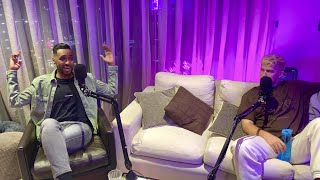
Adrian Aidid left corporate sales in New York and Miami to start LDX Digital, a performance marketing agency for health and fitness brands. He moved to Dubai in 2020 and scaled the agency by focusing on Google Ads and SEO, now targeting the MENA region as a growth market.
Questions this video answers
LDX Digital.
October 2020.
Mike Thurston.
Google Ads (AdWords and Shopping).
He mentions managing ~£6 million in ad spend and generating ~£27 million in client revenue; he also cites taking one medical client from 0 to ~£20 million in revenue in under a year.
Chapters
Right, welcome back to the midnight podcast and what I think is episode five now. And I'm already finding it fairly fucking difficult to keep these consistent on a weekly basis, even though we're five episodes in. But we've got a lot of bangers lined up and I guess this one was fairly last minute. We've got Adrian, who. I'll let him, let him introduce himself in a minute. But probably similar intro to that I've done on all the previous podcasts. Like, I haven't seen you for what, maybe a year and a half.
Yeah.
But I never knew 100% what you actually did. I knew you're in the agency space, etc, etc, lived out in Dubai. But like I was saying before, I feel like these podcasts are really just an excuse for me to fucking speak to people that I think are doing interesting things and just let them teach me shit for free and then hopefully go off on a tangent and just get into some interesting stuff. But yeah, episode five. How do I say your second name?
I did the ace. Silence. So I did get bullied quite a bit in school. So Adrian, Adrian, I did.
Oh shit. Because I've always been saying like a did a deed.
Yeah. And then people would make fun of me like Adrian, I didn't.
And haha.
If you have, if you've married Pakistani women, you have a kid called as if. It'd be like, as if I did.
And it's like, yeah, that's funny. Okay, so Adrian. It did. Right, cool. Yeah. Basically just I'll give you the stage, tell us your background, what you do, how you got there, and we'll just dive into conversation.
Sweet. So hi guys, my name's Adrian. I run a performance marketing agency called LDX Digital and we focus on helping brands in the health space online. So a lot of our clients are in the health, fitness and wellness space as well as medical is a big one for us. So I have clients like Mike Thurston, Cryptonary amongst a few others. And mainly focus is on Google Ads. 80% of our clientele, it's AdWords and shopping, but also we do Facebook and the other channels and SEO is a big focus for us and recently we've been doing analytics. We've just been trying to control the full circle and doing CRO and pricing experiments, the whole. So yeah, interesting.
You're a camera looker. I've noticed. Because when I'm doing this, I do not look at the camera at all.
I'm an attention seeker.
Yeah, it's the first part in three years. I did not know. So Thurston's a client?
Mike Thurston's a client, yeah.
And how'd you meet him? On Dubai?
Yeah, I met him out in Dubai. Actually was Christmas Day. And yeah, I wanted to. I mean, a year and a half ago I was like watching his YouTube videos. I thought, this guy's pretty cool. He actually made a video about how he moved out to Dubai and, you know, I bumped into him and I had a chat with him about ads and what we do and it was kind of 50, 50. And then, you know, I used my salesmanship, whatever it is, and yeah, we met back again. Now he's working with us, producing some awesome results and, you know, it's great to have a client like Mike because I mean, the guy's got such a strong brand and like how he is like in like the gym, like you understand like hanging out with him, you understand why he's got that frickin body. Yes, he has amazing genetics, but the guy is like so fucking damn disciplined, detailed and he's actually like a nice, genuine guy as well. How he is on camera, you know, you meet some influencers and like they're nowhere near what they are like and like they've got like this online Persona and then like when you meet them in real life, they're like twats.
This guy, that's kind of what we're speaking about in episode three with Adam and you made that assumption about a lot of people, probably from the outside.
Yeah. And this guy, like, you know, I was semi expect the same thing. But how he is on YouTube, he's exactly the same as how he is in real life.
Yeah.
So yeah, he's good lad.
Haven't been paid to say that.
I haven't been paid to say that. Yeah. So yeah, I should be working on his ads actually, not on the podcast. So Facebook went down.
Yeah, shit. Facebook has gone down right now as of recording this. We spent where it went down like two and a half, three hours ago. Facebook, WhatsApp and Instagram fucking everything. And even just communicating for you to get here. SMS and yeah, it's chaos just to go back then a little bit because I suppose I told you just like free flow. But I want to hear more about. Obviously you said the last interview you did was with Iman. Yeah, I don't know him on that world, but like friends of friends, etc. And obviously he's smashing. Fred kind of went to one of his events where she sang like three years ago and it's I think same around the same sort of time that you did that video? Yeah. Is that when you got into agency then, like, just go back to pre agency.
What are you doing?
And where did that come from?
Pre agency? I'm a little bit older actually, you know, I'm approaching My late 20s. So I. First of all, I'm born and raised in Bristol and I went into sales at pretty young age. So I did a year of uni, dropped out. And then for me, you know, I come from like quite a poor background, so my mum's a refugee, I lived in a council house in Bristol. And yeah, for me, the corporate route was where I thought success was going to be. Right. So, you know, I got in sales quite young, did quite well, corporate sales, tech sales, event sales. And then, yeah, I became one of the top sellers and they moved me to my always dream when I was younger, when I was to go to New York. So like, you know, at 22, 23, I was in New York, I got an option. So I was doing really well. Became a manager at a young age. Thought I was like smashing life. And I was like, what is the next step? And obviously living in Bristol at the time, I had like an apartment. Like I had like, even though it was like a studio, but like, you know, I had an apartment. I had like, I thought it was like Billy Big Balls. And then I was like watching football every weekend. Beautiful girlfriend and like, you know, great friends I grew up with, we go out all the time. But I just felt fucking empty, man. Like I was like, is this it? Like, is this my life? I'm gonna be earning X amount and I'm gonna get a mortgage, kids. Not that there's anything wrong with that.
And who are you working for?
Sorry, I was working for a company called GDS Group.
What do they do?
They do like event sales as well. So court conferences, exhibitions, technology. So they get like for example, an IBM to sit down with Coca Cola, put them all in an event space and make them pay money.
Interesting.
Yeah.
And then I think I remember you speaking about it was actually in the old flat B 151, which we were just saying, like nearly two years ago. Actually I think you came round, I was having kfc, which might be the first time I met you. And you mentioned Wall Street.
Yeah.
And I was like, is this guy just watched too much fucking Wall street or is that legit? Because I know nothing about Wall street culture, Wall street work. Like what was that and how was that?
So that was with the same company That I was in the uk, they had an office on Wall Street. So when the 2008 financial crash happened, they were doing really well. They got an office in 40 Wall street at the Trump building. And yeah, I remember sitting down with my CEO one time as appraisal meeting and he's like, what do you want to do? You're still pretty young, you're doing good. I said, you know, I want to move to America. I know you got an office on Wall street in New York. That's all I wanted to do since I was a kid, right. So it wasn't in the finance space, but was still on Wall street in a sales role. And yeah, he said, okay, no problem, I'll get back to you. So in my head I was thinking like, you know, maybe like a year or so.
Yeah.
My VP of operation sits me down like two weeks later and he's like, okay, Adrian, you can go to New York on one condition. You got to move next week. Yeah, fuck, like three, four weeks. And I was like, shit, I had my apartment girlfriend and then remember being like depressed that day, bro, and just I went to the park. There's a park in Bristol called Castle park, if any of you guys know Bristol. And yeah, I just sat down and I just, I read, I read the Alchemist and then I was like, fuck. Like this is my adventure. If I don't fucking do this now, like to have the opportunity from my socio economic background, coming from a refugee family, to move towards. If I don't do it, like I'm gonna be kicking myself. So I went and did it. And yeah, bro, those first couple of months were really hard. Coming from Bristol, my bubble, my nestle. Yeah, my nest. Having everything there to, you know, fucking people were making fun of me. They're like, yeah, who's this like dark skinned British kid? Like this Harry Potter looking guy? And I'm like, fuck, yeah. I had to get thick skin real quick, you know, I was in an apartment. Well, I was staying in a hotel in financial district, if anybody knows. Financial district of New York, it's like not much happening. It's like quite dark and dreary and. Yeah. But I was like, shit, I've got two options. Like I just need to up my game. Nobody in the office really liked me initially because they're like, oh, he's a spy from like head office and all this crap. We're a British company wearing a mask.
Yeah.
So I just, you know, I had to like work and I saw people, I saw some people with incredible Work rates, you know, you think you're working hard and then you see people, you know, traveling two, three hours a day, smashing it for 11 hours a day on sales, making ridiculous money. And I was like, shit, like. And I upped my game, did well there. And then after, afterwards, they were like, right, we've got something going on in Miami. Do you want to go there? So, you know, had a place in New York, had a place in Miami at 22, 23. I was in between the two. And then I eventually sailed to Miami, you know, going out all the time, you know, living a good life. And yeah, things were good until the company decided one day, you know, actually it's probably more cost efficient, looking at Brexit and everything, to have him back in the uk. So it was like the super high. And then it was like, are you coming back to England? So coming back to England. And I had a choice. I actually remember. Sorry, I'm just banging on, actually.
That's good. But we need to get content. You're too short to start.
Yeah. I remember walking into, you know, going to an influencer party. So I was trying to try and hit on this girl and I was just going, doing it for full transparent, going to influence a party I thought was Billy Big Balls, earning a lot of, you know, in Wall street and there's some guys were entrepreneurs and, you know, they had this fat house. And I was like, shit, never again am I gonna let somebody tell me what I can do and where I can live. And I was like, embarrassed because I built a life in the States, everything you settled there. And I was like, shit. And then so I came back to the uk. Instead of like putting that money towards, like, you know, they give you relocation money to get like a house and shit. I just put that money, you know, into my business, moved back in with my mum, the same bedroom I was out when I was 15. There's like so many people, like, when was this?
Sorry, so how many years ago? So 2018.
Yeah.
Yeah.
So moved back in, same bedroom as my mutt, like I was when I was 15. It was just so humbling. And everyone's like, oh, he was like, he thought he made it. Now look at him, he's back at his mum's, Fuck this guy. Blah, blah, blah. And I feel like six months I didn't go out, I didn't club and in party. I like changed my friendship circle. I just said, like, I just need to fucking go at this. I bought the chorus and then very quickly, I did quite well. Quit my job and then, you know, went to Qatar for a bit, came back, came to London, and, yeah, now I live in Dubai. And, yeah, that was the start.
I feel like that's a very long story that you've cut to quite, quite a short description. But I was gonna say, like, first just going back to the New York thing, then. So you obviously decided to leave because that was opportunity.
Yeah.
What happened to the girlfriend in life, home at home, did you just fizzle out or, like, did you just literally say, fuck this, I'm going?
Well, yeah, I mean, obviously my friends initially, like, of course, you know, I've still tried to keep friendly with everybody. And then obviously my girlfriend was hard on her because, you know, she. She loved me, I loved her. But I just, you know, at that age, I thought, I need to take this risk. And, you know, in life, you. You get what you sacrifice for.
Yeah.
And, you know, sometimes you have to make difficult decisions. And, yeah, you know, it was tough. It's really fucking hard, I'm not going to lie. But, you know, it's what you need to do sometimes. And, you know, I think if we'd been going out like, three, four, five years, it'd be different.
Yeah.
But it was like less than a year. I was like, this opportunity came up and, you know, it's all I've ever wanted to do at the time is to work on Wall Street. So I just did it. And I maybe could have gone things. I was a bit young, so maybe I could have communicated things better and set a better example. But, you know, in life, if you don't take risks, nothing happens, bro.
Yeah, true. Deep. No, it's true. That's the first nugget. So just staying on New York then for a second. I've been to New York once by myself, like four years ago, I think. I think I won down Wall Street. Saw the bull. That's on Wall street, right?
Yeah, the bullring.
The bullring. And then do you think, like, you mentioned, like, entrepreneurs at a party and so on? Was that like, the first time you'd seen.
Yeah, it's the first time. Lifestyle I got exposed. People doing that shit to that wealth.
Yeah.
Because I'm from Bristol, remember? So I've never been to Bristol.
Yeah.
Like, wealthy in Bristol is like, if you're earning 65k. Yeah, yeah, 70k. Yeah. You're like a baller in Bristol.
Yeah.
Like, you're like a don. You're popping bottles. So it just. I got exposed to people, you know, earning crazy amounts. I got Exposed to people living ridiculous lifestyles. I got exposed to super smart, driven people. And, you know, a city like New York, a city like London, they attract these sort of people and I think environments really, really, really, really important for me anyway. I mean, I know there's a lot of people who are super successful and, you know, they live in, like, Southampton or something. That's not that I'm shitting on it. That's fine. But I think, you know, for a period of your life, it is good to get out of your comfort zone, you know, get out of your hometown, especially in your 20s, like.
Yeah, agree, definitely. I think we touched on this a few times in, like, previous episodes. But yeah, it's kind of. I feel like it's probably that, like, that 60k, like, popping balls reference. I feel like that's the same in anywhere in the UK outside London, like, as a general stereotype and probably similar, like America outside, what, LA, NY, etc. But it's so true. Yeah. I just think getting around, like, being exposed to that shit for the first time because I had a similar experience. I did work experience in a place in Mayfair in M and A, some mergers and acquisitions when I was 19. When I initially dropped out of uni, ironically studying entrepreneurial business management back in, like, 2014, I dropped out to, like, six weeks and then managed to blag this placement. Like, I got paid, like £600amonth. Some bollocks. But, yeah, that was the first time I'd seen, like, entrepreneurship. And I was like, oh, wait a minute. You don't have to be a footballer to make money, to make, like, a lot of money potentially. So I think, yeah, everyone probably has. There's a time or an experience where you suddenly think, actually, yeah, fuck, maybe I should, like, do my own thing. Yeah, that sounds like that was yours. Yeah.
And also, you need space to become your own person, right? Like, when you live alone, you get to know yourself better. Right. When you get out of your comfort zone, you got to grow as a person and you. You need that exposure. Right? Human beings, whether you like it or not, we are social creatures, right? We will act and imitate and whether you like it or not, subconsciously or unconsciously, you will act, you will imitate, you will be around the people that you're in. So, you know, when I look at certain friendship groups, like, you know, you guys with, like, Fred and Billy, Tyler, there's a reason, you know, you guys are all good friends and you're all done pretty well, right? Yeah. If you look at I guess us and Divine, me, Aziza, we all kind of hang out and we're all doing pretty well. So, you know, I'd even go as far to say that, you know, you are a product of your environment. And I think when I was younger, you know, living in a not so nice area, like, you know, where there was a lot of refugees and were really young and they're moving to a little bit of a nicer area later on, I saw how that effect has. You know what I mean? Like, your environment, you're a product of who you hang around with, where you spend your time.
Yeah, stereotype. But it's so fucking true in it.
It's pretty fucking brutal to say. And, like, that's. And I think in British society, we don't, you know, we don't like confrontation. Whereas when I went to America, when you go to New York, fuck me. Like, everyone's just in your face, like, what do you want? How much does it cost?
Yeah, different culture in it. You've even got a bit of the American accent was coming through a few times. Just a little bit.
Yeah.
Yeah. Cool. So coming back to the agency, then, because I feel like that's probably why a lot of people will want to watch this. I mean, I don't know what you think, but I feel like agency. I know a lot of people that run agencies. I feel like it was the slightly more professional and next, like, online marketing opportunity after, like, drop shipping, which is kind of bigger, maybe a few two years before, like, obviously not the exact same, but, like, generally speaking, people that are in, like, the online space, in my experience, either run, like, econ brands or drop Shipping or, like, have an agency. I've never done agency. I feel like agency is probably a lot better cash flow in many ways. Like, I was speaking to my good mate, actually has run a lot of my ads in the past. And, like, yeah, just like the fucking cash flow and profit is just insane. Especially because it's, like, pure profit.
Because, you know.
Well, I think it is. But see, obviously you mentioned you came back from America. Like, had you planned to start first a business and secondly, like, an agency, and where did that come from? Because obviously it happened, but it's not that obvious to a lot of people.
Yeah, good question. So I was one of those people that I always knew I wanted to be an entrepreneur, right. But because I was, like, earning decent money for my age at the time, I had a flat in Miami and I remember, like, living alone in that apartment on South Beach, 8th and Jefferson, still Remember it? And I remember, like, I'd go to the bookshop, like, every week. So there's a bookshop in Miami called Books and Books. And I can't remember what was the other. The other branch name. But anyway, I used to go to that book bookshop. I used to read books about entrepreneurship. I canceled my Netflix subscription. Literally. Like, I had, like, you know, those Google Play things. Yeah, it's pretty. And I literally plugged it into my tv and I'd watch, like, every week, like, Impact Theory, Tai Lopez fucking ever. I just. I just. I just love consuming knowledge. And because I lived alone and, like, you know, I was, like, recently heartbroken. I just, like, would just read every day. Like, literally, I would, like, read a book a week. Yeah, I was like. And that's kind of what I interested. And then, you know, I got into the habit of gym reading. So I had, like, a year of, like, just doing all that, taking in the information. But then I realized that I was one of those people that. Because I still had that, like, you know, good paycheck coming in, and I was living in the States and, you know, maybe I was a bit more obsessed with other things and, you know, building myself. Because there's a lot of distractions in Miami Beach. I'm not sure if you've been.
Yeah. In the end of Tyler's episode, actually, we got into Miami. I was just thinking that. Yeah, a lot of distractions.
There was. And, you know, I think there's two things. You can either get pulled or pushed. And I guess you could say that, you know, I was pushed. I was. You know, I remember sitting in my apartment thinking, what's the worst thing that could happen to me? And at the time, the worst thing that could happen to me is that I have to move back to the uk.
Yeah.
And that pretty much transpired. And I thought. I remember, like, just, like, not wanting to talk to my friends. Like, when it happened and the company made the announcement, I, like, didn't want to talk to anyone, bro. Like, I put my phone on, like, airplane mode. Everyone was imessaging me. People wanted to check in on me. I felt, like, embarrassed. I felt, like, ashamed. Ashamed. You know, my visa thing. I've got, like, you know, 30 days or 20 days to leave the country. Yeah.
Just that.
And it's like. And then it's like, you know what? I'm gonna go back to my hometown. Which, you know, I thought I progressed from. And, yeah, it was. It was a really, really, really dark time. And it was a really, you Know, I'm in a foreign country, I'm all alone, I'm in this empty apartment and, like, pretty much my future's just been pulled out, it feels like, anyway.
Yeah.
And I remember, you know, reading Ryan Holiday's Obstacle Is the Way.
I've read that. Yeah, classic.
And I said, you know, the, the path. I think the obstacle to end impediment is the way. What stands in the way becomes the way.
Yeah.
And I remember reading that quote and doing my walk on South Point park, and I was like, look, like I've got two options. Like, either I can just fucking, you know, go on benders and, like, drink everything away, or I can like, use this opportunity that, you know, if you believe in a God that God's given me, that, you know, the universe, whatever I have now, and I can really try and aggressively grow after my dreams because I always kind of knew corporate life wasn't for me, but, you know, I was one of those people that would always talk about it and be like, yeah, eventually I'll be an entrepreneur. Yeah, yeah, eventually I'll do something. But I wouldn't have. Yeah, you know, I'd probably still be working at that company, happy with my wage, if that shit didn't transpire.
So did you. Could you have stayed in America in a different job? Or was it like, because of the way the visa worked or whatever?
I mean, I could have got another visa, applied for, but I'd have to go back to the UK and it'd be working for the competitor and it just, it would just be. At the end of the day, I'd be doing something that wouldn't fulfill me again in the day to day.
Yeah.
So I thought, right, you know, I'm in my early 20s, I'm never gonna get this chance again in my life. You know, if I'm gonna start a company, it might as well be now because, you know, when you do it in your 20s, like, there's no, there's less risk. But, you know, if you're older and you've got kids and you've got a mortgage and you've got fucking dog and whatever, it's. I'm not a dog. But, you know, you can't, you can't be as risk averse. Right?
Yeah, yeah, definitely. So I don't think you answered the first question. Sorry, bro. No, it's good tangent, but. So when did you decide, like, so did you come back assuming you'd be working for the same company in the uk?
I was still working for them, but in my head I was like looking at courses, you know, I was looking at identifying the business models and it was between drop shipping and smma. And then I was like, you know, I've got the sales experience, you know, I like, I'm in the B2B space, so I just pressed out with the agency, you know. And then when I was in, when I was back in Bristol, I would like work the normal hours, my job. I'd probably be annoyed if I says and. But then like in the evenings and weekends and my lunch breaks, like, I was trying to like meet clients, sign them up like retainers, do that sly thing.
So how long were you doing it alongside your job in the UK before I went full time?
Like two months.
So not long ago.
Yeah, I was motivated.
Yeah. And that was that off the back of a course.
It was a boss. Yeah, yeah, it was a back. It was a back office off the back of a course, bro. Like, I did a coaching session as well with Iman and basically I was like, right, I know what I need to do and I did it. And then I got the chorus and then I was like, just let me go. I like it because I put myself in a position. I was moving back in with my mum.
Yeah.
You know, back against the love. I love my mother. But, you know, from having your own apartment, living in New York, Miami, going to the Hamptons every weekend to like now you're back in your mum's room in Bristol, I was like, fuck, that's.
A wake up call.
I was like, I just. That that was my only and entire focus. Everything else I really wasn't interested in.
Yeah, shit. And then who was your first client, you remember? And how did you get them?
My first client was actually a local grocery store. Actually it's like a vegan shop in my area. And I remember like just telling her about ads and everything and like she's never run ads before and was this.
Like Google Ads, Facebook ads?
Facebook ads Back in the day, actually. Social media and content as well. So I was doing search for media management and content.
Yeah.
And doing Facebook ads and it was so freaking easy back then.
Yeah. And just like targeting businesses that knew nothing about it.
Exactly. Just, you know, offering. I remember like one day, bro, I literally just got like, I just literally went to every store, unlike the local Bristol high street, and I like bought like a coffee or a small meal and I just said, hey, like actually really enjoyed this meal, you know. I found it really hard to find you. Do you have Instagram, Jeff? Facebook?
Yeah.
Like, oh, no, I don't really understand. I was like, well, you know, I know advertising, let me do it for free. Like, you know, let me give you a free audit. And did that. And like, I just remember, like, getting appointments daily. Daily, daily. I was just, I guess that previous sales experience where, like, I was just. I didn't really care about rejection. I just go, go, go. Next one, next one, next one. That's how we were trained.
Yeah.
So that helped. And, you know, very quickly, you know, applying it to the agency knowledge and the knowledge I got in courses and of course, the massive, relentless action. Yeah, that was the foundation for my agency.
And then when did you. What did you hire people? At what point? Like, freelancers?
Yeah, I hired media buyers, you know, freelancers to fulfill the work. Because I always knew that I wouldn't know Facebook ads super well, very quickly.
Yeah.
And I'm like, if I focus on sales, I can get cash flow and revenue, then I can get the media buyers to fulfill the work and then I can hop on the calls and everything. And then, you know, I was doing. I was playing to my advantages, right?
Yeah, exactly.
And, yeah, that was the foundation.
Where'd you get those media buyers? Because, like, I mean, geez, probably a whole episode talking about how to hire media buyers.
Crap. God.
Like, where did you start with that? Was it like upwork? Yeah, upwork.
Facebook groups as well. And then I'd find people who, you know, maybe weren't as far along in their agency journey, but maybe knew a bit more about ads than me. And, you know, I make them do some test ads, I just interview them and I'm like, right, cool, you do it.
Yeah.
Pay them per client so it didn't affect my direct cash flow.
Yeah, nice. And then when did you move out of your mum's house? What was the next move?
Yeah, I guess the next move was I went to Qatar because I have some family there. I thought I'd get some clients out there and meet some people and did a few consulting gigs here and then. But then I came back and I was like, get focused. And then, like, it got to a point where I was like, I was getting the train to London. Right. So, you know, the first. Great. Actually, I was getting coach because I couldn't afford to train.
Yeah.
So I was getting that National Express. You've ever been on the National Express coach?
Well, actually, not to be fair, it's.
Yeah. And then when I was doing a little bit better, I started getting, you know, the train and I was going to London like every other week to like meet with clients because obviously clients in London can pay more they than in Bristol and they believed a lot more in online marketing at that time than, you know, the ones in Bristol. And then I was like, I need to be in London. So spoke to some friends, they had spare room. I moved to London. And then it's like when I moved to London, bro, I was like surrounded. I had like other people who are entrepreneurs, I could talk to them about stuff, you know, it just felt like anything was possible.
And when was that exactly?
I think it was like six months later, seven months later.
No, so like 2019 moved to London six months later. And that's probably actually a very similar time to when I moved to London. Like April 2019 I think it was, which, like two and a half years ago, which is absolutely flown by. Yeah, but it's interesting you say that because I've started getting a load of dms off. Like, I mean I used to get like, I don't really have a personal brand but like, well, I don't at all, but still used to get a lot of DMs. I mean I think it just attracts that like if you have do anything and there's pictures of anything online, like 16 year old boys message you saying how do you do it? But recently since I've been back on Instagram, started getting a load of stuff again and like one of the key questions is, and actually a guy asked me, I think the other day, he was just like, don't know what his name is, I don't actually know what he does, but clearly some guy like maybe 18, 19 years old and he was just like, I'm feeling really stuck. Do you think I should move out of home? And I was like, well, I don't know your situation but as a general rule of thumb, in my experience, and you'll probably agree, like living well first, like staying in your hometown in general. I'm not saying it's because you shouldn't by default like hate where you're from, whatever, but I mean I come from York, you probably had a similar experience.
Unless you live in Birmingham or some shit. I'm joking. But yeah, you should.
But then you should never leave. You shouldn't pollute this city with your accent. But yeah, I just think, I mean London's the obvious one in the uk. Like yeah, by far, of course. But yeah, what I'm saying is it's not a stereotype, like it's fucking facts. I think particularly for entrepreneurs, I can't Speak so much for like, you know, maybe a bit more traditional route, like if you've got a grad job, whatever. Because in many ways then I would think it was kind of retarded to want to live in London because especially now, like, your rent would be so.
Much and you get paid the same.
You can do it online, but like, yeah, e commerce space, digital marketing space. Just generally, if you're like, actually want to be an entrepreneur, it's like, yeah, fuck, if I didn't move to London, like, or initially go to like an event in Singapore like four years ago, which I credit is like the first butterfly effect. It's actually mad because, yeah, like, what would I be doing? And some people, it's weird because, like, you have to be self aware to realize that you want to move. Especially when you don't know anyone else in that place yet. And it's scary, yeah, if you don't.
Know anyone but you're like so out of your comfort zone and like, yeah, it's, it is really hard. But then also it's like the potential costs, right? It's like the opportunity cost of you not living in. That's the thing. A lot of people, like, you're like, yeah, yeah, I'd move to London, Adrian, but like, you know, this, but, you know, like rent, but like this. But then I'm like, what about the opportunity costs of you missing out on opportunities or on clients on like maybe dating an awesome person. There's so much people don't consider, like the upside, loss as well of not moving.
Yeah, very true. I think that's just, that's kind of a deep point actually. I think that comes down to, like, certainly in the uk, just like culture, doesn't it? Like, people point out, like, it's very much a pessimistic kind of tall poppy syndrome country.
Yeah, it is. It's like, you know, if anyone's. Oh, yeah, it's like, get back in your fucking box, mate. Who do you think you are? Like, yeah, you say Bristol, like, so, yeah, it is that culture and it, it's hard and it's, it's a lot of negativity and whereas I feel like in other cultures, you know, it's, you know, in America you're encouraged to go out and take risks, bro. Like, yeah, you know, everyone's trying to do something on the side. You know, Americans learn from a young age how to like invest because they have to because the government's not going to support them later on.
Yeah, very true.
You know, there's no, you know, college. Colleges are like 200k, you know what I mean? Like.
Like no health care.
No health care, bro. So like, you know you're gonna get a fat bill if you lose your job, you lose your insurance. So, like, people are like scared to go on vacations and take vacation days.
Yeah. Fuck. We probably a whole episode about like controversy of American politics, but probably get shot. Yeah. So move to London. Yeah. Where did you live? What was the first step? Did you. You mentioned you just got room with a friend or.
Yeah, I got a room with a friend in Shoreditch, kind of where I was in Old Street. So initially that was pretty cool. And, you know, stayed there for a bit, which was cool. I really liked it. But you know, Clark and well is great. But I was a little bit further away. Everyone seemed to live like over here, this sort of area. So then I moved again to just at the end of the day, border between Battersea and Wandsworth. So I was like in the E comm zone. Because you guys were here.
Yeah.
Fucking everyone's in Eston.
Yeah. I don't know if that's just like, I was small, like friends of friends circle or whatever. But yeah, I feel like maybe it's just because everyone I know lives in Southwest. That's it. Like either like Kensington, Chelsea, like Fulham at a push, like Battersea. Pretty much.
Yeah.
I just don't really know anyone that lives outside of that. Maybe I should get to know more people, but.
Because everybody was going here and everybody would meet here and then we'd all play tennis like in Battersea park. And then lockdown and everything. So it was just. I don't know, I thought, you know, move to this side of town. That was great.
Yeah.
And then, yeah, we had the good old Covid, man.
That did mess things up, to be fair. Well, like a year and a. Nearly two years. Yeah, well, year and a half.
I remember went for that bicycle ride that day. Do I remember me, you and Fred.
Oh, shit. Yeah, yeah, yeah. At the start of COVID and going down Sloane Street. Yeah. And that was like fucking quiet. Yeah. Shit. Interesting. Right. Just bring it back to the agency then for a second. So client wise, were you targeting specifically, like you mentioned, like shops on the high street and so on?
Yeah, I started off with lead gen.
Was that just easier to get?
It was easier to get and it was easier to fulfill. Yeah, it was easier to get them as clients and it was easier to fulfill. And so, you know, that's what I started with. And it was lower ticket and it was great for cash flow. So did that. And I got my teeth wet into, you know, understanding how ads work, understanding how, you know, online. And then it got to a certain stage where I was like, shit, if I want to grow, I need to, like, you know, go into where I can get, where I can charge more. Because, like, you know, if you're charging, you know, a local restaurant a grand, two grand, you know, in Bristol, that can eat into their cash flow. Right.
Yeah.
So then I was like, I need to target businesses that have more money. So I slowly start transitioning into E commerce. So when I first did it, I did a few free gigs just to get experience.
Yeah.
And then, you know, just to get that brand on there. And then, yeah, started going after e comm companies. And initially Bennett Winch was one of the first clients that were pretty good. You know, they're in the new James Bond film, their suit holders.
Oh, shit.
Yeah. So it was. Yeah. And then once I got that one, it was like, momentum. Other clients. And then helped. I helped a startup company go from 0 to pretty much 2 million ARR. And, you know, they had a great product, but we switched them to a subscription service, a monthly one. Yeah, that just helped. Blew up. And then it just kind of like. I feel like the work of the last two years just compounded and I started getting better and better and more clients. And then, yeah, I remember sitting down with Arslan in his apartment at Mayfair and we were like. I was like, bro, I need to move to Dubai. I don't know, I just woke up and I was like, I just know I need to be there. And I. Having lived in a sunny country in Miami, yeah. I realized how much effect the weather has on me personally. And I just thought, you know, it is a risk because I've got a good thing in London. But then I just felt myself getting comfortable, you know, doing the same things, going out on the weekend, you know, going to the same places, which isn't. It's not anything wrong with that, but I just. I could feel myself just, you know. You know when you just. You can feel yourself being comfy.
Yeah.
And I was like, shit, I need to. I need this change. So there's after my birthday and I said, yeah, like, let's let me and our son, basically, on a whim, decided we're gonna go move to Dubai. And pretty much everybody fucking followed us.
Yeah. So when was this then? Sorry? So just before lockdown or just as lockdown started?
Before lockdown, I think we decided that we Were gonna go to Dubai regardless.
Yeah.
And then, you know, we wanted to wait until it got cold in the uk, September, October to go. So I think I had my birthday and then I was like, right, we were gonna move and I was gonna move. Then I got Covid, so I had to like. I like, disappeared for like three weeks.
So. Arsalan, is it? Arsalan Arslan, Yeah. I know him from Instagram. I've never actually met him personally. So you were both living. We both living together or just friends in London?
We were friends in London.
Both running agencies.
Yeah, both running agencies, yeah.
Same with like, me and all the guys doing E Comm, I guess, similar dynamic. And then. Yes, I was going to say it's like, where was the agency at just before. At this point, before you decided you want to go to Dubai? Like, how many members of staff?
Like four people, but mainly contractors, you know, graphic designer, two media buyers, an assistant helping me out on sales. So it was like doing good, but it wasn't, like, doing really well. Yeah, right. It was like, okay, you know, it'd have some great months and then we had some slower months and then it would. It wasn't like booming, you know, it wasn't like, consistent. And that was because, like, I wasn't like, booming. I wasn't like, consistent.
Yeah. And then Dubai was what, September 2020? Pretty much a year ago.
October. Yeah.
Bang on a year ago then.
Bang on a year.
Actually, I think I remember you messaging me. Well, I don't know what the context was, but there was a conversation. You said, we're going to Dubai. I think it might have been about, like a flat or something. I think it was because we said Connor was moving out.
Yeah.
Of the old flat. And you saw me, the Pomeranian, who we called. We called him Goose for the. If he's watching this, I don't know where the fuck that came from, but it's fucking funny. And then you're like, yeah, we're going to Dubai. And I don't really know Dubai too well. I definitely get the appeal of sunny weather. Like, particularly now, like I was just saying to you before you start recording.
Like, yeah, it's fucking horrible outside.
Jesus. Yeah, like when London goes well, when the UK in general just. Yeah, like, winter's not nice. I fucking hate winter. Like, goes dark at like half four. Obviously we're not quite there yet, but yeah, I mean, I've been to Dubai three times. Maybe. Last time was in March 2020, just before COVID And I remember being scared thinking, like, this Covid is this. Well, not being scared at the start and then thinking, fuck, is this Covid thing, like, actually, like, gonna kill us all or what is. Yeah, just before, kind of everything kicked off and we came back just in time. But, yeah, like, how's the Dubai been? Like, what are the pros and cons, do you think? Because a bit amazed sometimes thought, like, fuck, should I mix it up? Particularly when it's winter in London, as you said, and just go to Dubai? But I don't know.
Yeah, I mean, Dubai, I've been before, so, you know, my family's from the Middle east, partially. I always used to go there when I was younger, so I was aware of how good it was. In my old job, I used to look after the Mena region for a couple of projects. So, you know, I would go to conferences in Dubai and do things and meet people. So I always knew that it was good, it was safe and, you know, having family not too far really encouraged it was. It kind of made it easier for me, right, Because, I mean, in the winter here, I don't really celebrate Christmas. My family's Muslim, so I was just like. I knew. I knew it was good and I didn't really go in there with a negative mindset. I just thought, let's just go for it. And honestly, for me, I mean, you can see the effects. It's been great. You know, I really. I think, again, it's like the environment thing, bro. Like, you know, I'm in Dubai, I'm at a dinner. That guy, you know, has $100 million company that has petrol stations, which maybe the UK could do it. That guy has a shipping company that is 20 million a year. That guy does this, that, that, and I'm just, you know, I'm like, shit. Like, I need to raise my game. You know, my rent's more than it was in London. You know, the lifestyle costs more. What I want to do, everything is more. And, you know, living with Arsenal as well, at the beginning, you know, I saw his work, what he's doing, and I was like, shit. Like, you know, it's like when you and Fred live together, yeah, you just.
It just a healthy competition.
Yeah, healthy competition. But, like, also it just, you know, the environment just kept pushing each other. We just wanted to grow. And, you know, I was, again, I was in a position where, like, shit, I really, really need to up the stakes. Like, you know, I. Not cheap, as you all know. And, you know, I wanted more. I wanted to do these experiences. I wanted to meet people but you know, Dubai, the network effect, it's just ridiculous because it is somewhere that attracts a lot of successful wealthy people. And so, you know, you get to meet some really interesting people, some really lovely people. You can meet some not so lovely people as well. Yeah, same with anywhere, you know. You know, it's great. And it really helped my growth. And I fixed a lot of the things in the agencies. I got better staff, better media buyers, you know, who actually got real credible experience. And then. Yeah, that's when, you know, kind of the agency took off and started rapidly growing.
Yeah. Shit. So you planning on staying there long term?
Yeah, I know.
A year now.
I. Yeah. So, you know, I'm gonna be in Dubai, I think for the next three, four years. Definitely. I'm a little bit older, so I'm not sure if like settling down that would be the place just because, like, you know. Yeah, it's different like, you know, coming from a working class family. And then I go to Dubai mall and kids are wearing Balmain like Gucci and bourbon.
Do you think I. Dubai compared to London then obviously both like very wealthy, successful places. Like, which one, like, is Dubai? Even more of that. Do you think there's like a percentage of people?
I feel like there's a higher concentration of high net worth individuals in a smaller area. So for example, my neighbor downstairs, like he owns the two floors next to us.
Yeah.
So he's literally next door and he's got the bottom floor. He's a Singaporean Chinese billionaire. Right. And he's just knocked down walls, got permits. He's building like a pool in the area, like on the actual apartment block. Like, he's got like a huge balcony the size of this apartment. You just get exposed to people like that.
Yeah.
You know, and there's a lot of it. And because it's safe, I feel like Dubai is really safe. Like, if you get caught stealing in Dubai, like, you're like, so people don't mind wearing Rolexes.
I think it was my uncle, actually. I had dinner with him last week. He's like entrepreneur. I don't know where this came up. You just reminded me because I think he met. I think the conversation was Dubai, something about Dubai. And I was like, ignorant. He said, oh, is it safe? I don't know. And then he was like, was it him? It was someone telling me some story of someone leaving a really expensive. Losing a wallet or a watch in a nightclub and then it being in the same place three hours later.
Yeah, because people don't steal because people don't steal. I mean, there's so many CCTV cameras in the country and like, if you steal, like you're gonna get fucked. Like the police do not fuck around. Yeah, so like people are so scared that like, you know, everyone just obeys the law. But like, it's great because, you know, if my girlfriend's like walking home for him, I don't really worry. You can like leave your doors unlocked. Like it's that kind of safe.
Yeah, yeah. Interesting. I really thought about before. I suppose it's safe because people are going to lose their arm if they get caught stealing.
You make the penalties high and it's just, you know, things like drugs and all that. You don't see that a lot in Dubai. It's because, you know they will just deport you, you know, if you're. And it's guilt by association over there. So like, you know, if you're friends with somebody or you're hanging around somebody that's doing that, you're almost as guilty as the person doing it. Yeah, there's no. So people just like, you know, they stay away from all that shit.
Yeah. Interesting. And then the weather then, because you mentioned you like, you like to feel better in the sun. I mean, I definitely agree, like not necessarily heat, which is why not so sure about Dubai myself, but certainly sun. But does that get old though? And like, do you think it's productive? Because I read somewhat. That said, I don't know why it was like, I'm citing all these made up studies but like somewhat about colder countries being like economically like more productive on like a statistical basis. But I mean Dubai is probably an outlier. But like, is it better? Do you think it. It helps a lot or.
It depends on the person. I mean there is a site to Dubai. I mean you got a lot of people who party, go to beach clubs and all that. So like, you know, your typical Brit who lives in like Sheffield or some shit, goes to Dubai, goes to the Five Palm and like, yeah, that's me, you know. Yes. But then also there is a side to Dubai where it's like, you know, if you're an expat, you do work hard and we start Sunday to Thursday. But then also, you know, if you're working with international companies, they're Monday to Friday, so you end up working Monday, Tuesday, Wednesday, Thursday, Friday and Saturday is your only real day off because the week starts on Sunday. Oh, officially, yeah, officially the week starts on Sunday in Dubai. So it's Sunday to Thursday in the Islamic calendars. Because the holy day is, in Islam is Friday.
Okay, right. I didn't know that.
Yeah. So it's, you know, and you know, when people do work, you do, you do have to work there. You know, the life is expensive, that. Okay. Yes. You don't have to pay tax, but, you know, they say you divide, you get taxed. Otherwise.
Yeah. I mean, do you think if. Controversial question. Well, not really, but do you think it was the same tax rate as the uk? You see the appeal as much.
Look, it's a big factor because it's.
One thing that a lot of people talk about and it makes a lot of sense for certain people.
It's. Don't get me wrong, it's a big, big, big, big factor. And anybody who says, who doesn't and is living in Dubai is pretty much full of shit. But, like, yeah, also, I don't know, I kind of. I just like the environment. I like if it feels familiar for me because my family's from around that region. Right.
Yeah.
So going to Saudi Arabia as a kid in the summer, going to, like, Kuwait, going to Bahrain, like, it just, it felt a bit more homely for me. And it's just opportunity, Right. It's a newer, It's a. It's obviously a modern country, but it's like the UK in its. You know, when Britain was building the empire, right. Everybody wanted to come. You know, there's. Everything was happening, it was on the rise. They wanted to take risks. There's easy access to credit. Things were getting built, you know, the infrastructure. There's just so much opportunity and people want to do things, right. Like, you know, it's okay, go start that fricking business, go do this, go do that. Anything's possible. When I'm there, I genuinely feel like anything's possible.
Yeah. Do you think there's a. I don't know, I'm going to, like, a dark fucking tangent of Dubai now. And I like Dubai, but I've been there a few times. Like, I'm probably not the biggest fan of it, but I don't think. I haven't lived there any, like, holidays.
He's going to be moving soon. You heard of us?
Well, maybe, like, have you ever seen a darker side to it? Because obviously, like. And again, this could be complete propaganda, but, like, you see it in the newspapers. Like, you know, Dubai has all this great stuff, but then all these fucking Indian workers are getting paid 20 pence a day to make all the great things.
Yeah. You know, there is all polished, pushed under the rug.
So to speak.
There is that. But then also, the nation of the United Kingdom of Great Britain was built on slavery.
That's a big thing.
If you want to. So if we. If you want to go into it, if we were honest about it, you know, people. I mean, the Indian workers, there are definitely some people from India, Sri Lanka, but there's some people that don't get treated well and get taken advantage of. The vast majority of them, though, they get paid their set amount and they send their money back to, you know, international remittances. And, you know, in India, you know, they have two houses, they have cars, they're supporting their family, they're doing really well. And, you know, these guys will have free health care. You know, they all have access to all the services, and they're doing a lot better life, and they're actually able to support their families. And people are back home. You know, the uk, when they were building empires, you know, the. The French, the Belgians, the modern empires, you know, they would literally slaughter Africans. They would put them on ships, chain them, rape the women. It was awful. So I don't like the. You know what I mean, the comparison. It's like, you know, of course, in any nation that's up and coming, there is a bit of that, but it's just different. Right. You know, poverty in the United Kingdom is. You have an iPhone.
Yeah.
And you can't pay your bills.
Very true.
You know, that's what's going on at the moment. So it's just different perspectives. And of course, you know, if you see the press, everyone's always trying to demonize someone else. And there are negative.
Yeah, I definitely see that. That's a good answer. Because there was that just, like, picking up on that then. Because, like. Yes. And again, this is probably, like, just press propaganda to an extent. So I want to get your opinion. But, like, there was that famous story, I think, maybe two years ago, whatever, something English bloke that, like, was in a bar.
Yeah.
And whatever, accidentally touched a prince or something like that, and then he, like, was locked up for, like, six months. Like, is that legit? Like, does that stuff happen? Or is that just one thing that's been taken out of context?
And just look, if you go out looking for trouble. Yeah, you're gonna get trouble. You gotta remember, look, number one, it is an Islamic country, right? So, you know, wherever, whichever realm that you're in, whichever city you have to. The laws. And, you know, the laws in the United Arab Emirates, you know, in certain states, like Dubai, Abu Dhabi. You are allowed to drink. There are bars, there are nightclubs, there are beach clubs, there are yachts, look at models, Instagrams. You can do anything there.
Yeah, very true.
But, you know, if you're gonna get drunk next to a mosque or like, like, you know, shout or confront an Arab family, like, you know, or some kids, like, then, you know, looking for trouble, then, yeah, like, you know, you will get arrested. Right. But that's just the law of the land, you know, in the uk, you know, people are allowed to say whatever about whoever, freedom of speech. Right. And that's the laws, and you've got to respect the laws. Yeah, it's culture of where you. And it's just. And it's not that one's better than the other, it's just different. And I think, you know, we need to do a better job of. I mean, for example, when I lived in the States, bro, everyone's like, oh, I wouldn't live in America. You guys fucking. There's gun crime and all this, blah, blah, blah. You know, it's not safe. And then when I actually lived in America, I remember my Uber drivers are like, where are you from? And I'm like, I'm from the uk. I'm from Bristol. And people like, oh, like, you're from the uk. You guys, like, let immigrants in and you have terrorist attacks all the time.
Yeah.
So it's like you don't know until. Number one, you don't know until you actually live and experience it. And I always implore people to get firsthand data. And number two, it's like, normally it's not as bad as you think. It is what is said in the press and it's their interest.
Yeah, ultimately. Yeah.
And just test out for yourself, you know what I mean? Obviously, if there's like a war going on, you know, if you go to North Korea, it's probably true what happens.
Yeah, I went to South Korea, like a year and a half ago. We went to the border. I think we were talking about getting. Doing the day trip over to North Korea, but I just think with my character, if we were to, like, I don't know, get drunk and go to North Korea, might not end well. It's a nice. It's a good, like, high risk concept. But.
Yeah.
Jesus Christ. Yeah, there was a few stories about, like, American students going missing or something.
It's getting very steep and.
But that might be propaganda, though. Like, you have to be open. I mean, I don't think it is, but not. Not that story. Not just that story. But like, what we just said, you know, North Korea might be a really nice place and the west, like the uk, America particularly, are trying to just demonize it for whatever reason. We don't actually know. So, like, if you.
Yeah.
If you want to have. Yeah. Like, I'm not saying that is the case. Fairly controversial, but yeah, you've got to be open to ideas, haven't you? And just look at everything with a pinch of salt, I suppose. Yeah. In the news about countries and so on.
Exactly.
Because there's probably a motive somewhere.
I mean, I stopped watching the news, bro. It's just so negative.
I don't watch these.
You know, you switch it on and it's just. I mean, it's always something. It's that it's like terrorists, then it's like Covid, then it's like fucking Syria. And it's just like this. And they're just finding this new thing. And I'm like, I just don't need that in my life.
Yeah. It's actually so true. Fucking hell. Like, you probably speak about half an hour itself because, like, I don't know if you found this, but, like, I'll, like, see my parents and I probably don't say enough, but. And then do you not watch the news or whatever? And I'm like, no, I don't watch the news. I intentionally don't watch the news. Why would I want to? Like, particularly stuff about COVID Like the amount of arguments I've had with my parents, genuinely my parents and other people, but particularly them about COVID And it's like there's a correlation between, like, fear of everything and watching the news and people that don't watch the news and are genuinely more like optimistic about the world. And. Yeah, I just think whether it's truth or propaganda, if it's making you that scared of everything, which I feel like the people that watch the news religiously, are they just fucking scared of everything, Then you should probably start watching it.
You got to control your inputs, bro.
Yeah.
Like, you gotta really look at. Not just a lot of people look at their diet for, like, food. You got to look at your mental diet, you know, you following, like, useless influences that are like, making you feel shit about yourself. Are you watching shit TV or are you reading good books? Are you having good conversations? Are you doing knowledge? Like learning the right knowledge. Positive stuff. Obviously, mindset is a big thing in entrepreneurship just as much as action is as well.
Yeah.
Like, which I think this podcast helps with a bit.
Yeah, true. Yeah. It's actually, I think that is probably one of the like, I guess like with anything like people fall into one of two categories. Like obviously in like entrepreneurship and non entrepreneurship, it's probably like 99:1 to draw like, I mean not exactly, but like a rough line and yeah, it's just. It's a different conversation about the world. Yeah. I always find it funny and like, I feel like people that watching this fall into the 1% or trying to be like the 1% in terms of people that actually pursue stuff not just like financially but like just making their own shit and so on. And you have a conversation with someone that is a bit more normal or whatever. Just I don't want to call like a fucking civilian, but like. Or is it that it's no better or worse. But it's just. I used to say civilian like frivolously. But it is fucking true. In terms of wages.
Yeah.
Normies or civilians or whatever. And, and, and what I mean by that is it's not about making money or not. It's just a way of thinking and outlook on life. Like in my opinion, you could be a fucking artist that lives in an igloo, but you're not a civilian. If you look at the world in a productive, like go, get away I think is kind of the point. But everyone that falls into that civilian inverted commas category, like they'll have the same view on Covid, generally speaking. They'll have the same view on everything. Maybe.
Yeah.
Money, like just everything is basically the same. And it's like. Well, there's a. You probably have that view because it's like the her mentality and it comes from like ultimately like the source is like the news, everything the government puts out. And like I'm not trying to be a conspiracy theorist, but like there's a clear pattern.
Yeah. And it's. I think people don't want to take responsibility for things. You know, I love. I'm British, I love my country. I love what it's done for me, my family, how, you know, the UK took me and protected me, gave me everything. You know, coming from a single mother. But there is a big sense of like entitlement in this country. Yeah, it's huge. Like people. But I love the. But it's that mentality. Right. You know, we have free health care, which is great, and 100% support. But it's like people want things done for them. Like, you know what I mean? I am entitled to this, I am entitled to that. When the reality in life is you are Entitled to nothing. You have to go out there, earn it, make it, whatever, Right? The world's a black canvas and you got to go out there and paint the picture or the masterpiece that you want. And it's gonna be painful and it's not gonna be easy. And there's gonna be peaks, there's gonna be troughs, there's gonna be each. And everything that you do is learning. It's that hero's journey. You know, Joseph Campbell, the book don't actually Citizen Ray Dalio's Principles.
Oh, yeah, I've read that. Yeah.
And it's like, you know, you got to go through that journey of, like, everything goes to shit. Then you have a big thing, then you got to, like, slay your dragon to, like, understand who you are. Then you become a boss and then you go through it again. Ups, downs. Ups, downs.
Yeah, Fuck, there's ups and downs. Definitely. Yeah, yeah. Shit, that's a good quote. Like, blank canvas. I like that. I need to read more. To be fair, I just. I find it hard to. It's probably why I started the podcast because I feel like I'm a conversationalist. I like speaking and listening to podcasts and shit, but, like, sitting down to read, it's not really my forte.
It's hard. And the only reason I did it, like, is because I was just like, I had nothing else to do, bro. I was, like, bored.
You came back to Bristol to stop build the empire. So obviously we spoke about Dubai a bit. What was. Obviously, you said, like, the. Obviously good weather's one thing, like being exposed to billionaires, etc, etc, etc, whatever it is. And I think that's super important. Like, what was the change in your business, though? Just bringing it back to the actual agency, like, day to day. What changed? That obviously sounds like the last year has been really good. Have grown a lot. What was the biggest difference?
The biggest difference for me is that I had a look at the services and, you know, there were some services that were offering that weren't really playing to me or my agency strengths. You know, we were heavily reliant on Facebook and I could see this switch coming. I could see what was going on with Facebook. I could just see the problems that were happening. So I made a choice to consciously, you know, double down on Google AdWords. And it just happened when all this shit with Facebook was happening. And my main concerns were getting AdWords sorted out, getting Merchant center, getting shopping done, and then also looking at SEO. So doing SEO for our clients. And then also, more importantly, CRO Hiring analytics executive just to understand what the hell is going on in the conversions. Right. Because coming from the agency world and I think the online space as this, people are obsessed with Facebook ads and obviously it's great. And I love Facebook. What it's done for me. What it's done for you. But when you have AdWords, the high intent data, intent driven purchases, the analytics, when you get the UTM sorted out and the tracking and you put it all in analytics and you can give your customers better visibility, better data.
Yeah.
And you can prove it to them and you have better media buyers and you're just. It's the details. I became more detail oriented. I was looking into everything. Right. And doing that. It just helped. We worked with some clients and we really, really, you know, he's a good friend now. I'm actually staying with him in Knightsbridge. I mean, we.
Handy friend.
Yeah, handy friend. I would drive his Porsche, but I can't drive, so I need to learn that drive. I know, mate. Madness.
Sorry. That I get driven.
You can't even rent a Lamborghini. Rent a Lamborghini and post it and be like five pound, come meet me.
Yeah, legit.
So, yeah, I worked with a big client. They started off small actually, so they weren't really making too much online revenue. They were in the medical space. And yeah, we took them from 0 to 20 million pounds in revenue in less than a year.
What are they selling? Face masks?
It is Covid related. Yes.
Yeah. Okay.
So obviously it was right time, right market. Yeah. So we did that. And, you know, I mean, I just learned so much, bro. Like, suddenly I went from, you know, managing less than a mil and ad spend to now, you know, I've managed like 6 mil and AD spend.
Yeah.
You know, we were pumping it in the guy. I learned a lot because we were like, we were AdWords, we were SEO Analytics. I was doing Bing ads.
Bing, yes.
You know, I was looking at everything. I. I gave up because people get attached to, you know, this is an E commerce owner. People get attached to businesses. Right. They get attached to like channels.
Yeah.
Like, oh, Facebook. Facebook. There's Facebook. Well, how the fuck do you know? Like, look at the data. Right? You know, okay, yes, it does get some. It's good for the brand building, but is actually good on conversions. It depends for each product. Right?
Yeah.
But AdWords shopping, you know, SEO, I definitely think AdWords.
Yes. I spent a lot in the past on both, but yeah, I think now I'm about to launch a new brand in like two Weeks. And I don't think I'm even gonna touch Facebook to start with. I'm gonna get AdWords and TikTok is the plan. So are you not running Facebook on Al, then?
No, we do still do Facebook, but it's like 80% is AdWords at the moment.
Yeah. Interesting. Yeah. I feel like. I don't know what your experience. You'll have way more experience with me, but. But AdWords feels. Well, it was more consistent for me when I was running it.
It's the consistent spend. Yeah. It's the consistency, the support. And it doesn't go Facebook and go. And then you don't know what's going on. And then. But whereas AdWords, it is super consistent. Right, Yeah, I know. And I can make great expectations with my clients. I can deliver great results. You know, it's. The customer support's excellent. It is more boring to manage and difficult, though. That's the annoying thing.
Yeah. I've never run Google myself, whereas I did a lot of face for myself in the past.
With Facebook, you can, like, set the campaigns every day, check in on them, optimize them, and, yeah, you can kind of, you know, manage and then the scale of the spend, you've got these techniques, but, like, you can. It's not too much. Whereas Google, if you spend more, bro, the work goes through the roof.
Yeah.
If you're managing like 3,000 keywords in one account, it's just like, fuck. And it's not nice to sit there and do keyword analysis reports and do negative keywords and shit. I mean, I enjoy it now because I'm good at it, but.
Yeah, getting paid for it. Yeah. That's interesting. Have you run Tick Tock at all, then?
We've tried TikTok a few times, but I tried printers. That's been quite successful.
Yeah. I've done Pinterest in the past and Snapchat less. So TikTok's interesting. I've not run it much myself, but, yeah, just speaking to people saying it's like 10 times cheaper than Facebook, but it's obviously when you're. When you're a platform, so it's kind of pros and cons. Younger audience on average, although he's getting older. I probably spend too much time and say to myself, but it's interesting where Facebook's going, actually, because Facebook as an app has become like, at this point, like MySpace. I feel like Instagram is now going where NewsFeed went four or five years ago, and Tick Tock is now, like, replacing Instagram almost. So then it's like, fuck, what's coming next?
Well, that's the thing. You gotta, you gotta stay consistent, right? Like, you got to be testing new channels. You got to be even like organic SEO. People fucking ignore it.
Yeah, people sleep on SEO 100%.
And you know, if you spend a lot at the beginning on AdWords, you know, SEO, you don't see the results until four or five months from now. But then once you do, bro, you don't have any ad spend.
Yeah, fuck.
So you know, a lot of people, and I have this conversation with clients a lot where they're like, oh, Jim, we don't do SEO. We're not gonna get results immediately, blah, blah. I'm like, you won't. But then fifth month, sixth month, you know, if you're generating great results and it becomes your number one channel because you've got to optimize. And obviously it depends on search volumes, etc. But if you've got it optimized, right, you know, you've got, you now have got a number one channel organic, that's generating most of the revenue with zero ad spend.
Yeah. To be fair, like, I've never really. Yeah, I've. I've neglected SEO and organic in the past, but like, because my logic in my own mind, without really knowing the about it, was. And correct me if I'm wrong, like, yes, say I get to fucking number one listing on X products, which is, yeah, might take months or whatever, but there's still gonna be all the ads above that.
And then when you're doing Facebook ads as well, bro, like your visibility, that's going to organic. Somebody will see a Facebook ad and then three weeks later they will buy.
But I mean, like, is there any point in focusing on organic when I could spend months getting it to the top of the organic section, but there's still ads above it. Are you saying if it's on like the first page?
If it's on the first page. Yeah, exactly. If it's on the first page. Because a lot of people do scrutiny, you know what I mean? And they'll skip the ad. Sometimes you do have those skip the ads and they just want to go through the number one thing.
Yeah, true. Yeah, that's interesting. I was doing that earlier actually because I was looking to sell my app. I've got imac that's fucking broken. So I got a monitor. But sometimes I'll do the opposite. Like if I'm looking for a supplier for something which I'm doing recently, work on this new brand, I'll only click on stuff that is running an ad because then I'm like, there must be a legit business if they're running ads. Whereas the ones that are just like coming up below, it's like, well, I don't know if they're not running ads behind it, I think they can't be that big or reputable as an organization. So it kind of works both ways.
Yeah, it works both ways. And I mean, getting the backlink sorted out, ranking number one. I mean, I think it's one of the most powerful ways. And then another thing we've done is we're heavy into YouTube ads right now. Obviously, it's easy because we're doing AdWords again. YouTube traffic, so cheap. And you know, YouTube, when somebody. When you're running YouTube, somebody's sitting down, they're watching a video, they're engaged.
Yeah, very true.
It's intent. Whereas I feel like with Instagram, people flicking through and. Yes, it does. It's still a powerful platform, don't get me wrong. But that's the thing, I think, you know, working with bigger clients, and obviously once you get one big client, you get introduction to others. Now, you know, we're working with some crazy clients and, you know, generated what, probably 27 mil the last year for our clients and revenue, which is. It looks like a big number, but it's just about managing it and, you know, growing and testing and everything compounds. Right. So maybe Matt, when we first spoke, I was still, like, working hard. It just didn't. You know what I mean? But now everything's compounded and you stay consistent.
Yeah. So do you think you work more or less now than you did when you first started the agency?
I think I work more now because, like, employees and like, the time zone difference and it's just a lot more spent. So it's like, you know, when you're managing that much mammoth and spend and like AdWords goes down on Friday or Facebook, it's like. But I'm, you know, focusing on more of the things that, like, I'm good at. Right. Which is cool. But, yeah, it's still, I think, the same work rate.
Yeah. Interesting. I have a question then, because I've worked with, like, I reckon, I think literally seven different agencies, which is probably not. That's probably too high. That's not a good number.
Number eight.
Yeah. Like, literally probably seven different agencies across Facebook, Google, whatever, over, like the past three and a half years. Maybe the fact it was seven obviously meant I had six bad experiences. But like, and it's always. And I feel like I know the drill with agencies now. So I was actually speaking to a new agency the other day about this, this new brand I'm working on. Like, and instantly I'm just telling him, like I'm not doing a fucking retainer. Like I've been there, done that and I know your tactics. Like this is what I want to do. If you're interested, let's do it or not. So yeah, like, what's your experience with that? Like how do you price for clients? Because I feel like a lot of people watching this probably want to start agencies or they're just genuinely interested in how agencies work because they don't know how to run their own ads. But they're not sure if what agencies are telling you is bullshit because they haven't been through the MIL yet and have bad experiences, all good ones. So what do you think works best from your end and the client's end? And like how do you do it? You have a mix of different. Is it just really case by case or what?
I think it's got to be case by case, right? Because each business is different and obviously performance, when you got a performance retainer, it's great because obviously if you make more of the clients, makes more, you're incentivized. But then it gets to a certain phase where like a client's turning around the light agent. I can't pay like 100k man. Like you're making them, you're not paying you like. Because then yeah, you know what it's like with cash flow and econ. So it depends, it's, you've got to mix it up, you got to really sit down and be honest with the client. And I'm like, okay, as you sign a three month six. But you know what are you happy with paying each month consistently, right? So it's going to be different and you got to review it sometimes with each client, right? Because you know how E Comm is bro. Like some something fucks up in China and then all of a sudden you're not getting inventory or you know this. So it's tough. So for me I do a mix, I do, I can do a higher flat fee and lock it in or we do a percentage of ad spend, manage. And that works really well with Google because you know, the more work we're fulfilling, the more etc. And you know, it's much better that way. And then obviously you got to customize it a little bit because every business is different. You know, you have some businesses, like app businesses, where there's high, you know, there's no fixed costs.
Yeah.
But you know, if you're like a, a pure E commerce brand and you've got shipment, you've got fulfillment, you've got wages, you've got, you know, you're waiting for cash flow, payment processes to release funds, you know, you got to work with something is consistent. And the thing is that you have to communicate with the client. You can't just. Yes, we are an ads agency, but it's not just about the ads, bro. It's about fucking everything. Right? We have to look at everything. The customer experience, the website speed, you know, the time to shipping, the delivery. And I have to be involved in these conversations, you know, and I become so involved in the client's business and because I actually genuinely care.
Yeah.
Then, you know, you will separate yourself out because, you know, if you're in it just to make a quick buck or just to like, you know, you'll get found out. It's not fun, right? It's really hard, grueling work, but it's rewarding, you know, to be able to take business from 0 to 20 million in a year, it's great. You know, another business to 2 million are great. It's great. You know what I mean? But it comes with sacrifice.
Yeah.
And you have to be open, you have to be honest, and you have to be willing to compromise as well in the conversations. And you've got to be fair. Right? And this is why we say to clients is, you know, I want to be fair with what it is, you know, so there's been cases where, you know, I could have clearly overcharged a client. Like, clearly they wouldn't have known the better, but I just wouldn't have slept well at night personally, you know, I know some people can just fucking rinse people. I'm not one of those people.
Right.
And, you know, I, you know, I undercharged them or, you know, a client had something happen the other day, I just said, you know, don't worry about this month's retainer, just come back to us when you're good. And I know that's like the wrong business thing, but like, I think it's.
The right business thing because, like, I've had bad experiences with agencies where they have just clearly I'm giving a fuck about problems that were happening or whatever and it's left a really bitter taste in my mouth and then they're not getting a referral.
Exactly.
Whereas good experiences, you get Referrals, you.
Know, leave everybody with a positive note. Right. So, yeah, okay, yes, I give a good, like, you know, if I give a month retainer, but then two months later I get a big referral from a big client that they worked with. Right, yeah. And you know, people remember that last effect that you had on them. And yeah, you know, as long as you work hard, you're honest and you're fair with people, you can go far. You're gonna have to make compromises and just own up to mistakes. Right. I'm not out here saying, yeah, LDX Digital doesn't make any mistakes. The best. No, we make mistakes, you know, but you got to own up to it. Right?
Yeah.
And you know, say, hey, look I up, it's my bad, I'm not gonna charge you a retainer this month. Or hey, it's a bit mad, we're in a bit of a situation, let's just pause or end the contract for you.
Yeah. Because I actually had a. This wasn't an agency, it was a freelancer. And I'm not gonna say his name, but he's not watching this. But I don't think highly of him and I'll tell the story so. Well, long story short, so he was running the. He was just a freelancer, so it wasn't an agency. So he must have been making a ridiculous amount of cash, to be honest, which, I mean, fair play to him. Like, at the end of the day, he was doing a good job. He was really good at Google. I'd never done Google myself, so I'd worked with him on previous brand Midnight City. Then he spent like, I think 2 million quid on Neon beach over like whatever it was a year, year and a bit. I then referred him loads of clients. Like, I was probably paying him consistently. Bear in mind he had 10 plus other clients, like at least 8 to 10 grand a month for like at least 6 plus months. When it was like a peak scale and it was like a percentage of spend based on roas, like a tier deal. So it was like. Because I think like you touched on it like originally it was going to be like, now we're at the scale we're at, I think spending like, I think it was 200 grand a month on Google. At one point he was gonna be getting paid like 25 grand just to run Google. And I was like, mate, come on. Like there becomes a point where granted it's a percentage, but like I can literally hire seven in house people for that.
Yeah.
And they get them from Apple. So he was pretty fair with that and we tweaked it a little bit, whatever. But then when, when all that started going tits up. Watch episode one. And I basically told him like, yeah, gonna have to fucking like cut the fees, whatever, etc. Etc. He just wasn't having any of it because we had a contract and it was like minimum three month notice period. And I was like, it just felt really unreasonable because first I'd work with him for over two years at this point I reckon my business had paid him personally 200k plus maybe not turning k, like at least 6 figures, like personally. And he's a fucking freelancer for God's sake. So it's crazy money. I'd refer to him probably four people that were actually paying him at this point all decent amounts and he just could not give a. Like I remember him just sending me like, just really corporate like this is our contract, blah, blah, blah. Like basically, you know, I'll take you to court if you don't pay me like all this crap. And I'm there like the business is getting in the ass right now. I'm trying to be like reasonable here. I'm not saying let's sack it off. And he just wasn't having any of it, so. And yet to this day, like there was never an amicable resolution. I think, yeah, I think he went to court in the end and I think it's still pending actually, but I haven't heard from him and. Yeah, but, but the thing is like, I just think that was a really bad way to handle things from his end. And I then told all my friends that I'd referred to him like, you know, sack him off.
Yeah, that's what happened.
Make a fool of him, psych him off. And a lot of them I think.
Did, yeah, they did.
Of course if they didn't straight away, they suddenly thought, oh Christ, you know, this guy's a. No, I don't want that to happen to me.
I don't want him involved in my business.
Thought it was really bad way of doing things and it just. Because obviously, yeah, there's a line between like personal relationships and business or whatever, but at the end of the day it's people transacting, it's humans, it's humans like everything on a screen or whatever. It's the end of day, it's two people, a group of people trading, like fucking giving one thing, getting the back. And I'd been really good to him. I thought over the year or two we've worked together and he just couldn't give a fuck. And to this day, it leaves a bit of taste in my mouth.
Exactly. And you know, that's. I think that's the case a lot with agencies is they don't have that human touch. It is still a business, you know. And, you know, people remember the effect that you had on them. People remember, you know, your brand, how your business feels, you know, what you've done for them. The effect, that feeling and, you know, doing the right thing. Doing the right thing when no one's looking. Right. Like, I've had periods, you know, my business, where I couldn't afford to, like, not let him pay that retainer. But I just, I was like, you know what? If I was in that position, I'd do the same thing. Like, you know what I mean? I'd like the same thing. And then all of a sudden, out of nowhere, I'm getting this huge deal for X Amount because that person. I left a good time. We all talk, bro, as well. So, like, I think I remember there's a guy who did like admin work. He like pitched me and I think he worked with you and Tyler.
Yeah, I'm not gonna say his name. I know he is.
And you know, the first thing I did, I did need help and the first thing I did is message you. I think you're busy. Then Tyler, I asked him, I was like, he vouch for him? Is he good?
Yeah.
And then Tyler said, yeah, like, I can vouch for him. And then I was like, cool, sign him up.
Yeah, so true. Yeah. It's funny because my mates agency, who I worked with previously, I like, jokingly, I've probably said it a few times to him now. I've like referred him. So many people did him a fucking really good video testimonial. And I was like, come on. Like. Well, he's probably all fucking watching this. But do you think in that scenario if you're getting loads of referrals from the same person, you should be giving them a cut? Is there a point? Maybe not a cut, but like X amount, just, you know, fucking, here's two grand or whatever. Because. Is that fair? Yeah.
You've got to incentivize people. Anybody, any one of my clients that refers people, I either give them discount of their next month's retainer.
Yeah.
Or I give them extra services or I just give them a referral fee. And you just got to incentivize fee people in the right way. And, you know, that's how business. That's the fundamentals of business. But before we even had, like, laptops and this and that and wi fi money, you know, we were like caveman. You know, somebody would do something and then you give them a cut and then somebody would help you. It's like we're a caveman. If I went out and hunted food and then I got it here, and then, like, you didn't have food, I give you the food. But then next time you went out and hunted food, you'd remember that I give you food and you give me food, and then it's like a network effect.
That's so true.
You know, it's.
It's.
It's built in our DNA to be like that.
Yeah. This could be a whole lot of discussion, but I do feel like, because of, like, the whole wi fi money thing and, like, obviously it's true, but, like, everything's so accessible now, and people were wanting to start businesses online almost so they can, like, avoid speaking to real people. And I was definitely probably guilty of this. And still I remember to an extent, because, like, my experience of I'd never had, like, a corporate job previously. Obviously you did. And it's weird because that there's so much opportunity now. And I, like, you can literally start a business at like, 18 or even younger, like, on your fucking laptop. But at the same time, everything's so accessible to the point where people forget that, like you just said. Yeah, it's just people. If you take away, like, the last.
Yeah, there's a human being at the end of the screen. I know people in Dubai who've legit made, like, 5,6 million by not talking to people, just doing crypto. And, like, they don't leave their apartment and shit. And they're just happy doing that.
Yeah, it's mad. I mean, obviously that works for some people.
But.
Yeah, I think the problem is, yeah, I was definitely worse at it before, but, like, you know, you say you get to, like, drop shipping, like I did back in the day. Like, you make all this money online, but then it's like you buy click funnel shirt. Yeah, exactly. But then you want to, like, fucking grow it into, like, a more legit operation. You got, like, hire people. And I wasn't bad at that, like, speaking to people. I think I've always been decent that. But like, some people. Yeah, it's just weird. I think it's gonna become more and more of a problem for the next generation because people are growing up only online. Yeah. Particularly because of COVID It's got even more exasperated and people Forget that, like all this social media, like all this online business and everything's moving online to an extent. It's still just people with technology between them. Literally technology without people jamming.
You're managing people online, you know, they're still a human being. And to that, you know, point, my business didn't like blow up until I hired awesome people and I had to accept.
Yeah.
That, you know, I'm not gonna take all these personal profits. I'm gonna like, you know, make sure that I hire good people and pay them. And there was a point where actually some of the people were earning more than me. Yeah, right. And a lot of people wouldn't do that because if you go, whatever. But like it was a short term pain for a long term gain because then, you know, they felt good and they helped bring on even more business. And you don't want to be the smartest person in your business if you really want to scale it. Right. You want to have better people around you.
Yeah, very true. Yeah, hiring is fucking hard.
Oh, bro, don't even get me started.
I've got some nightmare stories about that from like the past year in particular. But it's probably not, probably not the right time to speak about them. There's one in particular, it's in my mind. I want to just talk some shit about this person. But yeah, anyway, this person blocked me on LinkedIn after I got rid of them and like, yeah, they burnt a lot of bridges.
Very mature.
Yeah, they burnt a lot of bridges and I just still pisses me off a bit, to be honest. But I'm not going to speak about it on this podcast more than that. Yeah, hiring is fucking hard. Like, I have not figured that out.
The thing with hiring is like, you can read all the management books, you can do all the courses and you know, in my old job I was like managing people and that helped a lot. But like, until you get someone through the frickin door, you are not gonna know. Like they. I've seen people who've interviewed so good, spoke so well and they just weren't producing good work. And then I've seen other people, bro. Like, I've literally judged them. I'm like, this guy's dressed like shit. Like, you know, honestly, he's got a haircut from the 1950s and then like, he just smashes it. He's like a workaholic and he's detail and process. It's. And I mean, obviously what I think I was, I was with Tyler and Fred the other day and I Was like guys, I'm having fucking staff problems hiring but they're like literally all having the same thing.
Yeah, it's fucking stressful because like, yeah, geez, I'm just. Yes, I had some nightmares like in recent months with that but like with anything you learn from innit? Because I think as well when you're getting started like agency, econ, whatever, like you can do a lot yourself. You can like leverage obviously by definition leverage the Internet and like you know, you're not trading your time for money but. And you can also like automations and stuff. I reckon you can do like a few million a year. Oh yeah, like by yourself basically. Maybe not as much with like fees with agency, I don't know, but like the same premise. So you can definitely scale like ridiculously by yourself. But then yeah, it becomes a point where you gotta fucking hire people and it's very, very, very hard. And I definitely, I'm pretty inexperienced with that to be honest. I've had a lot of like freelancers and more like casual roles. But like when it came when it comes to like trying to hire like, like this person I was talking about was an in house media buyer which is why it was a bigger nightmare that is. Yeah. Anyway, I won't get too into that but it's, it's hard hiring for like roles that are like really important and obviously everything's important but like say it's like just you know, customer service agent, it's like slightly less critical. Like you can step in easier, like you know, you can change it easier. But yeah, this was after I'd worked with like seven different agencies, I suddenly thought I'd go in house media by employee. Wouldn't do it again. But again you live and learn.
Yeah, you live and learn. I think that media buy roll is the hardest thing. I've spoken to other people and managed that. That it's just that is one of the hardest things to hire and then when you do have a good one keeping them happy or they want to start their own agent, like that's so it's, it's thing is though bro, people think things on social media looks easy. You know, you look at my Instagram, you look at your Instagram, you're like oh yeah, this guy smashed. What they don't see is like the hours of and people and yeah of course things not working and hiring issues or like Google going down or shit like that, we have to do the.
Reality of it or the entirety of social media going down entirely.
Social media coming down and Then, like.
I don't know if it'll be back. We've been recording for an hour and a half. It went down, like, four hours ago.
I had a guy called me. It's like, Adrian, it's down blind. I'm like, what do you want me to do? Call Mark Zuckerberg and be like, yo, listen to me. Like, fucking.
Yeah, I saw that the Facebook domain was for sale, so I don't know what's going on there. Like, people are saying, we've seen on Twitter earlier that this is like the biggest outage, so this could be the next Covid. Like, maybe the government's planned this. I don't know. Maybe social media is gone for the next two years now. Imagine that would fuck up everyone.
But, yeah, there's no point getting a Lambo then, right?
Yeah, exactly. That's probably an interesting debate, like, how many people would actually do that if they couldn't put on social media?
Yeah, it's a weird.
You need to learn how to drive first. I know.
I need to learn how to drive. I think we should do a podcast of maybe like, no carpool, karaoke. Like, when I'm driving.
Learn how to drive in Tyler's Lambo.
In Tyler's Lambo, yeah. Yeah, I should do that.
I might have to get, like, some special insurance.
Can you imagine? That'd be crazy good clickbait for everybody to watch in it.
Yeah, definitely. Right, to start. Wrap things up then, because I kind of. This is a simple episode five, but I've started asking a similar question at the end, like, where are you going with. Is ldx LDX good at the research? What's the plan? What's the vision for this? Like, how long do you see yourself doing it? Is there, like a grand vision or is it really just playing it by ear at the minute, like.
Yeah, so for. The goal for LDX is I really want to grow it in the mean region. You know, I feel like that Middle East, North Africa region, it's ripe for growth. We're working with Arabic clients now. We've got Arabic media buyers. We have our new Arabic website coming out, and I really want to build and grow that, and I want it to become a force in that Middle east region.
Yeah. So.
And then obviously, that could lead to an exit. It could lead to other things. That's the focus, mainly. And I don't think this will be, like, my only business. I will transition into other businesses, but I feel like there's a lot that I can learn, you know, and I can Use other things that I've learned to transition into another business, which will most likely be like, a fund or, you know, something along that lines. And I want to. I want to be working in the Middle east in some capacity, you know, on different. I'm like, just being in Dubai has exposed me to, like, you know, physical businesses. Right. You know, once you've built that cash for, it's like, you know, you can really make money doing anything. Right. But it's just, I don't know, like, you know, people watch YouTube and they're like, oh, yeah, I've got a. Wear a fucking aura ring and like, you know, do this.
Yeah, so true. I think. Yeah. Like, physical business. Like, yeah. I feel like our generation, it's probably forgotten that they exist. Like, yeah, you can. You could. You can actually start a restaurant. Doesn't have to be like an SMA agency or an econ brand.
Yeah, you could. You can. You can start a restaurant. You can start there. But that's the thing is I feel like I think the world wants original ideas and there's just not enough people with original. It's the same problem. Like, one person does something. It's like when people say, I help X do Y Sam ovens thing, and then everyone fucking does it. But then it's like, if everyone does that.
Yeah, what is it? Some of them says, I help. Yeah. X make wildly profitable. That's what everyone fucking uses on their landing pages. Wildly profitable without doing X.
And then they have, like, the same profile picture and then they, like, wear the same clothes and they buy an aura ring. And then, like, they post the same motivational quotes and I'm just like, what you doing?
So true. Actually. Fuck, that's funny. Speak about that for a whole episode.
And they have, like, the same messages. They message everybody.
Yeah, true. Yeah. So focusing. I probably shouldn't go on a tangent now, but are all your clients now in the. Is it the MENA region?
A good majority of them are in the MENA region.
Yeah.
So, like, I'd say 30%, and I think 70% are like, UK. US, UK.
You want to bring it to, like, 100% eventually?
Yeah, I want to.
Yeah, that's very true. I wouldn't even think about that, like, North Africa and stuff, because I think I was reading about, like, Stripe acquired some, like, African payment processor, like, a few months ago or whatever. And it's just like. Yeah, you kind of forget that there are markets like that that are only going to grow. Like, yeah, India and Africa.
India and Africa. Like, China, 10, 20 years ago, high growth potential, you know, so, like, you know, and I've met a few people that, you know in Dubai and few close friends that, you know, they got into these markets at the right time and, you know, there's no competition. It's Blue Ocean territory.
Literally.
They can really dominate. Obviously, it's hard with regulation, and there's more barriers to access and you're going to have to put more capital up front. But then once you do, you know, I've. Having worked with a client that pretty much had no competition, I saw firsthand, I've seen the potential of what that can do and, you know, working in a market and obviously, if you. Blue Ocean strategy, which probably most of you watch this will, you know, you want to be working in markets where you can win. You know, like Naval Ravikant says, have specific knowledge. Right. Specific skills and skill stacking. So, you know, that's kind of my aim. And I don't know, you know, life's a journey. I've been, you know, New York, Miami, Middle east, back to London and Dubai. I don't know what the future holds, but, you know, I see.
He's full of good quotes.
I know. Yeah.
You got a good voice for a podcast as well. Yeah, I was gonna say got a face for radio, but it's not that bad. Yeah, no, that's interesting. I'm excited to see it. I've definitely learned a lot in this episode, and I feel like we'll probably wrap it up there. Nice. I've learned a lot. The viewers have. I feel like this one thing I've started saying at the end of every episode now, which I'm gonna keep saying is like, comment, subscribe. But I guess just listen to it wherever the fuck you want to listen to it. Whether that's Spotify, Apple Music, YouTube, and, yeah, this is episode five. We'll get to episode 50 and see if I'm consistent with this. But every week there's a shitload of guests actually lined up. To be fair, I'm just enjoying the process of forcing myself to sit down, have conversations. It's like, yeah, people can't say no to coming on a podcast. Whereas most people would say, like, fuck off if you just said, come. Come and sit in my flat and speak to me about what you know about for like an hour and a half. Yeah, exactly. So. But, yeah, hope you enjoyed episode five and we'll see you in the next one. Cheers for watching. Peace.
See you guys.









