Dominating the CRO Agency Space, Twitter Growth & Life - Carl Weische | The Midnight Pod Episode 66
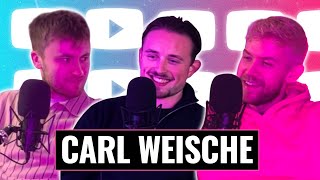
This content was created by Matthew Kelly. This content was uploaded by Matthew Kelly. This is a YouTube video titled "Dominating the CRO Agency Space, Twitter Growth & Life - Carl Weische | The Midnight Pod Episode 66". It features a conversation between Matt Kelly, Carl Weische, and Oliver Hudson discussing topics such as the growth and structure of Carl's CRO agency, the importance of personal branding, and strategies for scaling businesses. The discussion also touches on the use of social media platforms like Twitter and LinkedIn for business growth and networking.
Chapters
I don't want to say like a lot of the E Com founders, but some of the Ecom founders they live in like a fairy tale world where they just think I just put in money here, I have this agency here, they don't going to take care of it and stuff. So the most sophisticated people, they have the most understanding. So for example like a Davey from the audio stuff like people that have been in the game for long, they understand everything. They understand like ups and lows, they understand where to invest, what to do and stuff. But people that haven't been in the game for so long or it's like the first brand and maybe they've been a bit lucky and now they're at 8 figure run rate or something, they don't really know what's going on.
Yeah and they haven't paid a VAT bill and they're about to get fucking audited and ended plenty of those.
If you're a media buyer, creative strategist or brand owner and you haven't tried.
Foreplay, you're missing out. And no, we're not talking about that kind of foreplay.
Foreplay lets you save Facebook ads and.
TikTok ads in a super easy to use board forever. So if you've ever sent a client or a team member or just a mate an ad link from the ad.
Library and you click the link and.
It disappeared, then this is for you. So a few reasons why I actually.
Use this myself and love it. First reason is discovery. The discovery tool is actually genuinely better.
Than the Facebook ads Library and the TikTok Ad Library Native platforms you can.
Search by keywords or even search by brand or industries and when you save those ads you can actually download MP4 files of them.
So.
So for example, if you're creating a lot of presentations and examples in your day to day work, then this makes.
That a shitload easier.
And as well as that you can actually save all the ads into super easy to use and navigate boards. So you can organize things however you like. For example myself I organize brand ideas, I've got so things I'm seeing from other brands. If you run an agency, for example.
You could do ideas for clients, you could send things to clients, you could have ideas with your team however you like. Super easy to use and super intuitive. So if you're curious about how you.
Can use foreplay and start getting into your day to day life and business like you should be, cause I genuinely.
Have been using it for the past six months and in one of maybe.
Two or three Tools that me and the team actually rely on to scale spacecraft to the moon and every brand.
That you're working on. Then you should click the link in the bio to sign up to a trial and you can sign up to.
A one week free trial. And if you love it, which I think you will, because I do, and loads of my mates and colleagues and team members use it as well.
And you can sign up for 15 off the first three months with the code midnight. Cheers. Right, we're back with episode, I think 69. You'll probably know of the midnight podcast with the semi not co host, sometimes co host Oliver Hudson. And our first German guest, I think ever, Carl. How do I say the second name?
Weisse.
I was gonna say we sha something previously. So. Yeah, I'm not gonna say that. Yeah. Good to have you on. Good to have you on. As always. I've done no fucking research. I'm wearing a fully head to toe sponsored Sanichi outfit which was sent to me very kindly by Fared. I don't normally wear space. Good signichi, but tonight we're doing that. You. You've done some research. We know each other from Twitter, which I feel like everyone does that's been on the pod and they're like Internet friends. And then they become in person people that you actually meet, which is always good. I guess the first question for me, and you'll have loads more specific ones, is just what the fuck do you do and how did you get into it? I know you're in the CRO space, but that's like, honestly all I really know. Yeah, good question. I'd love to know the story.
First of all, thanks so much for having me.
Really start enjoying these like in person pods and conversations. Cause it like flows way more than it's like online zoom shit. But so basically, yeah, my name is Carl. 24 years old, born and raised in Germany. I started with this whole like online marketing, e commerce thing when I was around 16. Back then I just wanted to like make some money on the site. So I like started buying and reselling Yeezys, Supreme Johns, all that shit. And then I also got into like this whole topic of psychology in the beginning because I wanted to understand how can I be happier, how can I motivate myself and all that. So I kind of fell into like the rabbit hole of Tony Robbins videos, these like motivational videos on YouTube. And then I also started like reading books about psychology and everything. And I found it like quite interesting because I always used to read something and then apply it and kind of see like an impact from it. Same with, I don't know if you guys are familiar with like the books, like how to win friends and influence People or that kind of books, right? And then you apply it and you're like, holy, this works, right? So that's what I did at like 16, 17, 18. Then I went abroad to New Zealand, came back, didn't know what to do because I wanted to be like an entrepreneur, but I didn't know how can you start that. So I started studying. So I started my bachelor at the Lefana, which is like a small university close to my city. And I started studying business administration and E commerce. So you could actually study E commerce, right? But then you would never heard of that before.
It's crazy.
But. And then you like in the lectures and they talk about stuff from like 2014, right? Like Shopify wasn't even around and shit. And then they talk about some like really outdated stuff, whatever. So I still wanted to kind of become an entrepreneur. So I took one of my friends at the university and we would found an online store, right? Because we just wanted to like get started into E Comm. So we would always buy and sell these like phone accessories, like wireless chargers, phone cases. And then we had like an online store, did some influencer marketing, tried out everything like Google, Facebook, Pinterest, SEO, whatever. And then we would go on Amazon and then Amazon fba and then that's basically what we did for like two years. And at the end of that period I met Lars and he's now the co founder for my agency. And back then he was a freelancer for conversion and optimization. So he also had like his fashion brand and he was also like really deep in psychology, NLP and everything. And he used to be a coach, right? Coach for like CEOs, entrepreneurs and all that stuff. And then he got into E commerce and basically we worked together on my store, right? And I was like, yeah, whatever. How the fuck is this supposed to work? You switch around some stuff on the store and then you sell more. You switch designs in the email and then you sell more like, okay, whatever, let's try it out. And then it was really fun and really interesting and it felt like two things that I really liked were coming together. So like selling stuff online and then like psychology understanding of how people work in like conversion and optimization, which is basically just applying this understanding of human behavior and how you can influence that to get more sales. And yeah, now I'm sitting here on the pod with you too. And basically run an agency where we deliver that as a service.
How did you get into being full time? Like you said? He said you were 16, now you're 24. That's a long period. When did it go from being something you were interested in to like you actually. Were you going to uni? Was that everyone? You mentioned uni, but like did you drop out? You finished that?
Interesting question. So we started the first thoughts about starting a service based business together early 2020 because we started working together end of 2019. Right. And then 2020 Covid happened, lockdowns happened. Yeah. So we basically spent 24, seven together on FaceTime and Zoom. Right. Just like hanging out, talking shit, working together. And then we had the idea to turn it into a service because he was always the brain and I was always the executor. Right. So it worked like really well, us working together. So we had the idea of turning it into a Service. And then August 2020. So around two and a half, three years ish ago we had our first client. Right. And back then we would build websites, do copywriting, do landing pages, do audits, basically everything that would make money in the beginning. And I was still in my third semester back then, so it was kind of like a side hustle thing, but it paid for everything. And then I decided to still finish my bachelor because I don't like canceling stuff I don't like. Whenever I start something, I have the mindset that I need to finish even if I don't like it anymore. So that's why I decided to get clipped. So that's why I decided to like pull through and still finish it. And yeah, during that period we just like continued everything that we were doing for like one and a half years. And then early 2022 it started popping off and then we switched the service from like doing everything for everybody to having like a really niche down service which is like a B testing for big, big brands. So we really niche down on our audience and clients and also like the service that we provide. And that's how we were more able to kind of turn it into a factory service. Right. So nothing like a one time all over project, but like a really step by step approach that you have to do. Same with like what you guys are probably doing like every time you have somebody for TikTok ads, you have like a strategist, then you have somebody for the scripts, then you get the video, then you have an editor, then you cut it and then you have a media buyer.
Yes, right.
That's so we basically built those kind of processes and that's what enabled us to like scale up them. And I finished my studies August 2022, 2021, and after that basically was full time with the agency.
How far did you go with actual like e commerce yourself before agency? Because we, I always debate like, he's an agency owner, he's an agency owner, you're an agency guy. Like, why did you go into service stuff instead of sticking with actual building stores, building brands? Because I guess you're on the other end of the spectrum now. Or is that just how it happened? Or was there like a decision where.
You just saw more opportunity, multiple factors playing into that. So if I go into the store that we ran, we had the benefit that the bigger sister of my friend was an influencer, right? So she always helped us with like doing stories, doing influencer marketing, and that's how we would sell for the online store. But back then was the first project we didn't know shit about marketing, running ads, whatever. So we wasted a bunch of money on Facebook, Google and basically everywhere. But we never really scaled it on the online store. And then we got into Amazon and that was the first time that we consistently made sales, right? And then we scaled that up. That was pretty good to like, to the part where we sold out mid December. So basically in the highest point in like Q4, we sold out because we obviously also didn't know how to plan ahead and forecast and like get new, new units from our supplier from China and send it to Amazon beforehand. So we sold out mid December and we completely lost all the rankings, the best sellers batch and everything. And that's why we completely lost momentum on Amazon. And it took us like two months to get back on the platform again. And by then like the competitor took over the niche. So we never were able to like kind of scale it back up to again where it was before. So we lost momentum. And I was also annoyed from that. And also to that point, to be fair, we never made any money that we took out of the business. So it was always like, really? We sell a thousand units, we buy 2,000 with the money, right?
So it's been about.
It's crazy. I respect everybody that's doing it, but I was like, so it was so capital binding. Yeah. And like we did it for like two years and we never took like a cent out of the business, right? We went like to dinner like three times or something, right? So basically like $150 over like two years. So he never paid us out and stuff. And then I saw the opportunity to like start the service based business with Lars where I was like, okay. He has like a two track record working as a freelancer for that. It's like zero capital and it's like straight money because we don't have employees, we don't have an office, we don't have shit. We may have like two softwares for $50, but we have like a 99% margin on like every dollar that we make. So it was like a pretty easy decision kind of from like losing the momentum in the Ecom brand to just like selling the stock off to then transition to the service based business.
So I met you in, I met you in March 2022.
Yeah, yeah, March in Dubai.
Was that just after it started to really get momentum?
Yeah, yeah, yeah.
Where were you at? Because you, you had about between 15 and 20 people I think then, didn't you? Something maybe that around there.
Yeah.
And it's now, it sounds like you've now like doubled that. Well, probably more than double that in revenue, but double the head count. How, how fast did it go from like how fast did it kind of reach that point of the 15, 20 people and how like what, what was the key parts of that journey? Like any kind of key tipping points to.
Good question.
Momentum.
So from August 2020 to around September, October 2021 it was pretty, pretty slow. Right? So around September 2021 was like the past point where it like grew a bit. Before that it was pretty, pretty consistent.
Right.
So around that time we decided to switch to service from doing everything as like one time projects to retainer based service. So if you do one time projects, it's like month to month to month and the first of the month. I don't know how much money we're going to make. It's based on like how many clients we get in. So we were like, we, we cannot grow an agency, we cannot grow a company if we don't know how much money we're going to make this or next month. So that's why we decided to switch to like a retainer based service which is like this a B testing for bigger brands, which enabled us to have like kind of foreseeable income for like the next three months or like next three to six months depending on the contract length. So based on that we were able to like put employees in and basically hire people for the first time. And then I think we had around like five people like end of 2021, beginning of 2022 and end of 2021, I started going on Twitter and I basically, for the first time, is everything, bro. For real.
Especially that period. It's a lot more saturated now. But like, yeah, early 2022, yeah, Twitter got saturated.
I didn't know what Twitter was until September 21st.
Yeah.
And then Nima retweeted my first ever thread and I got like 3,000 followers. And then from then, I mean, I don't have an agency, but if I had something to sell, I'd have made a lot of money from it. Yeah, it's a crazy platform.
That's insane. So it got really satur because wizard of Ecom made it really big for service providers. But that was only from like Q3, Q4 last year. But before that it was amazing. Huh?
You're ripping those threads.
Yeah.
Called the Sierra.
Yeah, yeah. And it had the perfect window of opportunity for us. So it's also a bit due to luck and like taking this opportunity because there was no like one big person who was owning the space. It's not like there was a Nick Shacker fought for like Facebook creatives kind of. There was nobody owning a space. So we saw the opportunity in like going in there and growing a big following to be like the main person for CRO.
We did the same with TikTok. Yeah, I stopped doing it after a while because I still haven't had time. But yeah, we did the same.
You now have a ghostwriter on LinkedIn. Shilling LinkedIn is just Twitter as well.
LinkedIn's now Twitter, the new Twitter.
I think I saw your post the other day on LinkedIn about dusk and I was just laughing.
That just wasn't written by me.
Yeah, definitely wasn't. Because it was all wrong.
Yeah, it was. I feel like LinkedIn is the new Twitter though. Yeah, Twitter did get too. So it's. There's more. There's so many people putting content out there now on the topics.
Both platforms have crazy reach though, compared to Instagram.
Yeah, it's insane.
Yeah, it's just. It's mad. Like I've had a fucking tweet get a million impressions. I think it was about a girl or some bullshit. It wasn't about E Comm, but it's.
All the red pill stuff that gets.
A lot of impressions.
Yeah, yeah, yeah. Money twists side. Definitely. But we saw the same thing. Like it took us ages to get saw to six figure monthly run rate. But it was so fast to get for you there because it was different. Like, like doing out, like doing inbound, getting inbound leads is such an easier sell sale process as well compared to. Because they're already on the call with you. They're ready to go pretty much all the time unless they can't afford it.
I've just clocked that 4U is called because of that. Because of the 4U page.
Yeah.
I never understood why before. I thought it was a shit name.
I've had multiple people now.
It makes sense.
It's just clicked before you page. But yeah, it was a golden era. Just around that geek out of the period.
Yeah, exactly.
So yeah, you just obviously ripped that and then I guess you just connected and you do a lot more speaking things, are you.
So yeah, the networking and Twitter both together were like brother and sister working for me.
Right.
So they went like really hand in hand. And that's happening sin that's like the main driver for business. So until this day we still get our clients inbound. So we never outbounded clients. Like the only thing was just like if I was doing zero for brand XYZ on Twitter, which still led to them dming me and wanting to like book a call or something. So it's only inbound leads coming from like social media like Twitter, YouTube or whatever or like the network. So us starting that like end of 2021, early 2022 really was the game changer because before that for like two.
Years we basically just sat behind our computer just like working, not doing LinkedIn.
Not doing social media, just like, yeah.
Why the should I be on Instagram? Because we didn't understand the value that personal brand had.
Yeah, I think I never wanted to have a personal brand. I still don't consider, I still don't intentionally have one. But like, I think it's just a net negative to not have any. Like everyone should have some sort of personal brand now. It's just, it's just an online CV really. And like, yeah, I don't know, like even people I know that used to say they would never put themselves out there have started to clock onto it like, ah, wait a minute. Like if it's not for new business, it's like, I don't know, investors.
The craziest real estate that you can have for anything that you want to do.
Yeah, literally. Because like if you've got a decent Twitter or YouTube or just online presence, someone just googles you, they can just, they, they get it, they get who you are in like 30 seconds. Yeah, it's credibility. Exactly. Like even just people that follow you mutuals, it's like credibility and it's really.
Weird when you think about it, but you yourself instantly have more respect for somebody if they have like 20, 30, 100k followers, even though it's just subconscious number on like an Instagram profile. But you're like, holy fuck, he's like special or something.
Do you think with that? I thought about this. I think some. Do you think some people, not you, but just anyone, they just. Because they convince themselves that they are not an authority, they act like they are even if they're not. They're not necessarily one. And then by default they become one because they're. Do you know, I mean, if I like. I don't really put that sort of content out, but I guess if I started tomorrow putting content out about claiming X numbers and on a certain platform and no one was talking about it, but you just, if you're willing to say shit that people aren't kind of like the people who are speaking about off camera, like there's a tactic for everything. Like you own that.
I mean, I think like you can do it, but you cannot sustain it for long because the. The community is always going to cleanse itself. So I'd like an interesting conversation with another friend about this. Like the same. We talked off camera and he was like, you always see this over a time period of like one to two years that people come out of nowhere. They are an authority in the niche. They make a lot of waves and noise, but the real people who are in the business for the long term talk behind the scenes and at some part, like, everything will crumble.
So true. I've seen it happen a million times.
Yeah.
So many people that were an authority that I used to look up to, like in the Ecom DTC community that I just. You couldn't find on the Internet.
Yeah.
And the interesting thing you also see is that if you connect the network with like real entrepreneurs that are like in it for long and they want to achieve something for long, they are like the most humble, genuine, nicest guys ever. And that's kind of like one thing that gives it away for me.
If somebody is too pushy or weird.
Or flexing on everybody, stunning on everybody, it's like a general rule of thumb.
Red flick for like money. Twitter is actually rich. People don't talk about how much money they have all the time.
Yeah.
And a friend of people that are doing that. Yeah, it's a big red flag.
A friend of mine said this too. Like, why the fuck would you want everyone to know how much money you make?
It's pure Cap. The amount of cap on Twitter is shocking. And I know for a fact some people that claim to be multi millionaires are just so far from it. Which is fine, but just don't pretend you are because it's who you impressing. It's just crazy. There's so many stories. I'm ready to expose everyone, but it's just. Yeah, the amount of shit we speak about this in like group chats all the time and be like, this guy is pure cap. It's just this strange culture. But yeah, you are right. I think it works for a year or two. Particularly like course sellers, people that have like paid memberships or whatever it is. Again, naming our names. I'm thinking of a few because they.
Go deep or below surface level and they always run out of things to say after a period of time. Like if you actually.
The shock tactics in it.
Yeah, like they can go surface level and they can, they can give like generalizations or platitudes on something, but when you dig into like actual the weeds of the technicality of things that you just expose.
And it's also that maybe like the. The regular audience falls for it, but the people who have reached the success that they are claiming to have can call out the bullshit. Because you know what it takes to get to point X in the business with like what you have to know the employees, the management or whatever else. Right. And the operations. And if they claim it, you can call it out. You know what I mean by people that haven't been to that point in.
The business, how are they supposed to call it out?
Yeah.
And what I also find is that a huge red flag is if they make money with the information. So like course sellers, coachings, all that stuff. If they make money with the information, that's like a huge red flag because like why not implement it yourself? And the other thing is, is that if they're what you said, never really technical or really in deep about like what they're doing, then it's also like if they're always keeping it surface level, then it's also a red flag.
Yeah, that's how we got growth on there. Just giving away the strategy in depth. Like really in depth. And then selling the implementation to the people who want to.
Yeah, like the hormozy model, it's just.
Like such a good way to grow. People you sell into don't have the time to implement what you're telling them anyway. But yeah, there's a lot of.
Do you get clients for a personal brand?
Yeah, loads.
Because you started pumping that in like the past few months.
Probably like 30, 20, 30% of our leads come through it, I'd say. But we get clients from all over the place, we do loads of things.
And you do outbound now?
Yeah, we've done outbound from the start.
And you said you don't do any outbound at all.
We just try and treat an agency like an ecosystem. Like nothing happens in a vacuum. You wouldn't just run Facebook ads for an E commerce brand and then not anything else. You wouldn't just run tick tock ads for an ecom brand and not do anything else. So we just try and do everything. Like we need a new website. We're gonna start doing massive content strategy newsletters, all of these. Like, it's like building a moat around your business as well. Guess a moat for an agency is harder to establish by default. It's kind of a productized service that other people can do. So it's like, how do you make the service better? How do you have a better track record and how do you have like higher front end perceived value than other people in the market? I think that comes from doing it and like going, being everywhere almost.
I really think of it the same way. Like you got to have this ecosystem of like stuff that fuels each other. And same with like, you need to build it to the extent that if people are looking for something like your service that you're providing, they cannot go in there without seeing your name mentioned anywhere. Right? That's how like I like to think of it. And that's why for example, for me with like the. I don't want to give all the sauce away because you have it too, right? But like you have different channels for different intentions, right? So for example, you have stuff like Twitter, LinkedIn, which is more for like prospecting, like reach to new audiences. You have Instagram for like more building the relationship and connection to people. You have stuff like YouTube or community or Back End for people that are like really, really engaged.
Right?
So there's like, you cannot only do one channel as like a personal brand. Same with like Alexa Morzi. He did shit on every single channel.
Yeah, yeah.
I think there's also different people. Some people just won't buy from your ads, some people won't buy from like, some people don't read their emails, some people aren't on LinkedIn. It's like being everywhere. You reach the maximum amount of people you possibly can.
Quick one, fellas. You probably heard a few months ago I dropped an E Commerce A very fucking guru of me. But it's not that. I promise you. 0 to 1 how to start a brand from scratch with no budget. Some budget, a bit of budget. Take your idea from a bedroom to reality to potentially 7, 8 figures in sales like I've done a few times based on my seven years of experience in the trenches and my current experience building my current brand space goods. It's no bullshit, no frills. We've had like 75 people go through so far. Not a single person has asked for a refund. Plenty of people have actually built some seriously impressive shit. Covers every aspect of the business, not just the front end stuff like Most gurus on YouTube and Twitter are talking about. Not just product market and all that shit, but the real shit, the logistics, the back end, the supply chain, the customer service, the finances as well. This covers the whole spectrum, every part, 12 hours of video. If you're interested in scaling a brand zero to one, actually turning our idea finally into a reality, then click the link below, go check out Learn Real Commerce course and let me know what you think.
I'll be glad to have you in there. Let's go. What do you think about specializing then? Because you mentioned you decided to focus on CRO.
Yeah.
You seem to do everything and you want to do more.
So you were specialized.
What's the logic in that?
For Saw like we're trying to specialize to be like the number one D2C agency in the UK by doing like broad scope acquisition and retention for e commerce brands. Like that is a specialization. You just have to be really good at it to be, to be able to command that position in the market.
What's the media buying and landing pages and creative.
Yeah and then with email, sms because that effectively you can, if you can do acquisition and retention and then a bit of like we also bake into like that consultancy. So like forecasting creative strategy. Like, like a lot of like data analysis and it's. You don't really. We don't just CRO and everything like that obviously that's probably another thing you need.
For the record is running my ads as of two weeks ago and we've halved our ncpa. I'll put a referral link down below.
Yeah, you just have to be like we have, we have specialized, we've specialized into a niche and then we have gone broad. We're trying to be like a, like the idea of for our agencies were outsourced CMOs for the brand. So like a lot of e commerce owners don't really want to be in the weeds of ad accounts, emails. They just want someone to advise on that strategy and then execute on it as well.
Yeah, that's true.
Whereas you have got more specialized. I think there's like the position we've taken. There's probably more agencies doing what we do in terms of competition.
Yeah.
Defer CRO is obviously CR is a very specialized skill set as well. I feel in comparison.
Yeah, it's a crazy blue ocean.
Yeah. To be fair, about a month ago I just looked at what I was doing. I was like, hold on, we're doing all this shit with ads. I've not once looked at the fucking website and I post click. It's stupid, huh?
No, I just got everything. Post click.
Yeah.
After the ad.
So we started looking at it more and yes, it's helping a lot. It's crazy. It's definitely something that I think people love broad like just in entrepreneurship, but particularly indeed people love speaking about ad spend. Ad spend, ad spend. It's not sexy or cool to speak about like split tests. I mean.
Yeah, I think it's because the, the stigma that's connected with it is that it's so complex and like so nerdy. Almost same with like talking about high level media buying strategies with like, yo, he had like a. I have an.
Ad set with like 95% video view.
Retargeting with like that social proof and.
Then I'm gonna get them to buy, right?
Yeah.
So it's like most of the people are like, they come from a data background. They don't come from the kind of psychology background. And I think that's why the, the main content you see about CRO is like really technical and really nutty. And that's why I think for most of the entrepreneurs, and all of the entrepreneurs are shiny object syndrome driven to some extent and they want to see something sexy. Right? Like for you, it's not sexy if somebody talks about yo, you need a statistical significance with that a B test and then you have like 50,000 users in like the second variant and then we have like a 3% conversion rate increase. You're like, bro, that's fucking boring. But if somebody more talks about, about like a sexy landing page where you can drive traffic to or talks about like the consumer psychology and how you can influence that, then it becomes like more sexy and more attractive for people to like actually do it.
I like CRO. I like even just coming up with ideas for it. It's fun. It's just like problem solving in it. Like yeah, how to get extra, like 2% here and there. What sort of your organizational structure now when you've got to the size you are like, we've just gone through a big, like, I feel like every time you add about seven to 10 employees to an agency, you kind of have.
To rebuild it, fire everyone and start again.
I just like put more tiers of management in because you get to a bottleneck of management like you get by. Our COO was having too many people reporting into him and his time was just too like dissipated across too much. So we've had to put like another layer in below him. It's like, where's you? Where are you at in terms of that structure?
So I have to give some shout outs to my co founder because he has been building all of the operations so I can just like report what he has been doing. But he's a. He's a. He's a freak. And he is really smart. I have like a running gag that I like to call him an autistic because he's like so smart and how he builds it. So when we were thinking about building the teams in the beginning, he was reading a lot about like how Navy Seals structure the teams because he is really in like Navy SEALS stuff and fighting in MMA and everything. So he always found it like really interesting how the army builds the teams, right? The soldiers and the structures.
Pretty sure I saw a picture on his Instagram with like, yeah, yeah, he's.
Like in there, bro.
He loves that. So basically the way that the agency.
Is now structured is modeled after the.
Army, which is you have a couple of smaller unit teams which are independently working from each other. So think of it as like, we build this process and we basically have like six people for the process. It's like one project manager for strategy. Then we have one data analyst in the beginning to analyze data. Then we have a CEO specialist who has like the sales psychology, consumer behavior background. Then we have design and copywriter and then developer. So it's always like a factory where you build a car. It's like you build a landing page or you build an A B test or stuff, right? So it always goes from the project manager and then through the factory line. So that's basically how we build it. And now we operate with like multiple of these teams, so of like six persons. And then we basically put six to eight clients on these teams, depending on like how big they are, how much we do for them. Right? And then it's like they can all work independently from each Other So that's like the way that these like small unit teams are set up and then the way of the whole organizational structures like we have the whatever you want to call them, like regular people, like the execution people. Then we have team leads above that, then we have C level above that. And now we are building like one or managing director above that. Right. And then it's like last of me kind of overseeing everything. But we want to have like these kind of four levels in the hierarchy.
Do you think you have to hire to grow in an agency or hire once you've grown? Because that's always the debate for me. With a brand I think it's a bit different than agency because it's a bit more predictable in terms of the people you need to do certain shit.
Maybe you should always try and hire before you need them. Definitely. Because you've got an on ramping period for the employee that you've got to account for. They're not just going to start and then be good enough to just execute instantly. I think that's one of the biggest challenges for an agency, to be honest. We find it to be. Probably one of the biggest challenges is forecasting demand because you've got, it's easy to forecast demand for an E commerce business because you have a really high amount of data points to do that from.
Yeah, true.
Massive amount of traffic, you've got a huge amount of customers. We've got like lower volumes. It's also you're dealing with people making decisions on like a high ticket product service. So it's like that those decisions don't happen on like a predictable cadence. So we just get with like January we had a really big month. February, bet we had a really small month. And March has probably been our biggest month we've ever had as a business. It's just like it's really hard to keep that like predictable and like know when to start. We're trying to, we're transitioning towards like an always on hiring process where it's just like we're interviewing people on a constantly. So we can just pick people up when we need them.
Yeah. Like in the same way I would look at triple whale every day, you know, roas, cac, whatever. Are they like key things as an agency owner both of you look at. Because it's so different. I know nothing about it. I don't know about what is there, is there a, is there a North Star metric in an agency?
Well I, I think our North Star metrics ltv, LTV grows not, not New clients. Like how do, how can you keep and maximize client value over like a 12 to 18 month period? But then below that it's like profitability per account, profitability per employee. Then on like demand side we, I focus on like leading versus lagging indicators. Like I don't know, you, you might do different things, but I'll pass over to you after we do. Leading indicators is like how many emails you send, all things you control. Lagging indicators would be sale calls, volume or closed clients, which you actually, you do have control over that, but only by increasing your like your front end work. What, what you do like two, three, four weeks ago is gonna impact your like sales call volume today, not what you do today, if that makes sense. So we kind of track those and then the other KPIs. What about you? I guess you probably do profitability per POD or whatever.
For me, the North Star metric is like the overall cash flow with the profitability and like the ebit. Yeah, obviously, because like with that I can grow the business, I can invest and I have like free cash flow to invest. So that's like what Larson. I like to look at most the KPIs, we have different KPIs based on the hierarchy that they're at. Right. So for example, with the executional team members, it's mostly about the KPIs on how many deadlines are they meeting, how on track are the clients and how are the results? Like really, really KPI driven? Like let's say we run whatever five split tests a month for client X, how many of them were a winner? Right. Like what's the win rate, how much extra revenue did it get and all that stuff. So those are kind of like the lowest metrics. And then for example, for the team leads, the metrics is more about this one team lead has like six straight clients. How many are on track, how many are happy, how many have a high like net promoter score, how many have like good results? Right. And then it's like different to like.
The C level again.
Right. But for me the way that we are steering the agency right now is obviously with like the kind of profit, cash flow and then also the growth that we plan over like the next 12 to 24 months.
Yeah, very different. Well, I guess it's.
But it's like for E commerce, like you can increase your ad spend by 20% and most likely your revenue is going to increase by around 20%. Right. So what is for agency? It's like one month, you maybe acquire like five clients. The next month maybe six. But then maybe in the first month like two churn and next month like zero churn.
So how many clients leave you. You probably say that now but like a churn metric I guess. Like how many out of the ones that join like in the lifetime of.
The agency, we have a really low churn rate. We've our first four clients ever from 3.3 and a half years ago still work with us.
I can't.
I actually I should know that number off the top of my head, but I don't. It's pretty bad. Yeah, but it's. It's a low volume, very low volume.
And why do they leave if they leave.
We've currently started. We've varies really. Sometimes we've.
They went to akm.
Yeah. Been happening the other way recently.
That was a bad jam, bro. Funny agency banter.
We for various reasons depends on the service, depends on the business. Like there are.
It's also based due to like the recession, like how they run the brands.
Right.
So for example like Germany, a lot of brands are struggling. So for example like one of the first clients that we signed, they have been with us for like 18 months or something. But then like their whole business is going down due to the recession in the market and now they're like cutting everything. They're like dropping like 2/3 of their team and they're cutting all agencies and stuff. So it's sometimes also a lot of people in ecom thing, it's like yo so easy.
I increase ad spend, I can scale to the moon.
Like some people have like a weird mindset or like growth or idea of like the growth and think it's just like linear and they think about like the.
That's what all the cap artists on Twitter think. Yeah. Because they've never actually. And then doing it for about six months.
Yeah. And like as an I don't want to say like a lot of the ecom founders, but some of the ecom founders they live in like a fairy tale world where they just think I just put in money here, I have this agency here. They don't going to take care of it and stuff. So the more sophisticated people, they have the most understanding. So for example like a Davey from the audio stuff, like people that have been in the game for long, they understand everything. They understand like ups and lows, they understand where to invest, what to do and stuff. But people that haven't been in the game for so long or it's like the first brand and maybe they've been a Bit lucky. And now they're at 8 figure run rate or something. They. They don't really know what's going on.
Yeah. And they haven't paid a VAT bill and they're about to get fucking audited and ended. Plenty of those.
People did that through the COVID period as well.
It was literally a gold rush. And no one that's paying the price.
Just unlucky.
No. And especially now we've seen that like a lot of people are getting squeezed on a net profit margin. Just like growth rates slowing down into the start of this year. So a lot of business, a lot of ecom businesses are like when we. When you like look under the hood and you. If you do like an in depth audit and like you have a look at your cogs, like Neon beach was.
An absolute shit storm.
It's like. Yeah, there's a lot of businesses that I look at from an audit perspective. I'm just like, I just wouldn't even want to run this business. Not even like, not even mildly tempting set up with like 4 or 5% net profit margin. Like horrendously complex.
There have been like a lot of things I feel like in the past couple of years that made it hard for ecom brands.
Yeah.
Also stuff with like Ukraine. Russian war, bro.
Yeah. I think it's like the hardest business you can run.
Yeah.
Like if you're doing it properly. There's like this delusion again on Twitter from like a lot of dropshippers that think like 50% net profit is like a thing. But that's because they, they're not a registered company, so they've never paid tax. Like they probably don't fulfill half their orders because they're like gray hat. No shippers. Like real brands. Like if you can make 10% profit consistently, that's like good. I look at Gymshark, they go on their accounts. It's a unicorn brand and they make like 8% net profit. Granted at 600 mil rev, but still.
Yeah.
You can see it from a lot of the companies. There's, I think there's been eight IPOs or maybe nine IPOs for DC brands.
It's very rare.
Pretty sure. And the only one that's up on its valuations. HIMS.
Yeah.
And that's because they have this ridiculous LTV. All the like, all birds, all of those big DC runs. IPO.
Yeah. It was just 2020 fluff.
What I see right now is like the. Also, for example, when people have been working at McKinsey for like 15 years and now they go out and now they found an E comm brand. They have all of this like 15 years experience of like operations, financials and everything. And I feel like what you just said is that a lot of people on Twitter or dropshippers, they just think, yeah, I can just run some ads, create a good offer, I can scale.
This brand to the moon.
But they forget that running a D2C brand is like 70, 80% operations, like the back end stuff that you have to make which no one talks about everything.
Right.
Because people expect it's difficult part.
Yeah. 100% sod.
Yeah. And then I also think the people who come from big companies into it also, like the other side, like they can't do the fast moving front end like we were with like the more traditional business. Individuals that enter the space see that with VCs as well. Like the VCs when they were allocating loads of money into D2C, they had no idea how to like audit a really strong business and then just ended up throwing cash at loads of companies.
Same with like Thrazio, bro.
Like, yeah, just like throwing cash at businesses that have like really good revenue and then like just look, actually pull it back and you're like, this business is horrendous and it's. You're set up well because you've got good margin. That's the key. I think, like I've said this, I might have said this on another episode. Like the last 10, 15 years of online business has been very like, you'll get all of your leverage through front end marketing. The next 10 to 15 years is probably going to be operations, product, supply chain logistics is going to be the point because you need. Without those, you set yourself up for a more difficult and I think also.
Like the obsession of the product. I feel like a lot of people are missing the obsession. They're like, no one talks about product or something.
Classic tees are a really good example. That 200 million and they just perfected this blank T shirt. Yeah, it's beautiful across every market. Like it's just a ridiculously good product.
Experience because like you can also go into the market, do like a quick cash grab. But then over time, more and more customers are getting a product and seeing that it's like a shit quality or something. So it's not like built for the long run.
I've seen quite a bit few people on Twitter arguing about like whether if you like, do you need a brand if you've got a very good product, which I think is quite an interesting question. Can you just. I kind of think you can just. You don't need a brand if your product's that good.
People.
How do you define a brand then in that context?
So you're good question.
Because when I say it's always turning into a brand, beneficial to have a brand.
But I think ESSENCE was a good example. I wouldn't say that's a massive brand at the moment.
Yeah, I suppose like this brand is like when people say brand on most people mean. And I mean when I say I've built brands, I really just mean visual identities for products. An actual brand is way beyond that and takes years to build. It's the emotional association with a product and that's way more than the product. It's like the community, the fucking experience.
It's net beneficial to always build 100%. Like you're going to get better results if you do.
But I also think same with like the personal brand for the service.
Yeah, it's the same thing.
It's like bro, like this. I've been analyzing the way that Alex or Mozzie did it a lot, right. And it's funny because I was watching like a one hour master class from him where he talked about like his business and stuff and everything started with him having a consulting called Grant Godon and Grant was putting up his IG and said Bro, obviously I'm like 10 times bigger because my input is 10 times bigger.
He paid like 200 grand for the call.
Yeah. And then like, like he shows his like growth on all socials and then.
He, he mentions and puts an error.
To like this is where 10x the input, right? Of like how many content pieces he puts out. He went from like 11 to like 80 or something like tick tock shot tick tock, YouTube, Instagram reels, everything like IG live stories and basically his following rule like crazy, right? And now he has like he has a company. Company acquisition dot com.
Right.
And it's I think like the people, the thing that people don't understand. It's basically a group coaching. Yeah, right. You buy, buy the buy like they, they get equity. But it's basically a group coaching of how do you grow your brand. Yeah, but like from the outside everybody's like you all want to work with acquisition.com because Alexa Moz is such a big personal brand and now he has like hundreds of offers of companies that throw money at him because he has been providing so much value. So I think like the, the brand slash person brand is always going to be a Huge driver. And what I've also seen with that, you cannot measure that in like new clients, new leads, monetary or something. But like the network that you get access to and the opportunities that you could access to is crazy.
Yeah, yeah, he's, he's. I remember watching that call as well. It's like a 35 minute video, isn't it? Just uploaded.
Yeah.
And he was just, it was just like. So it's one of another one of those. I find this a lot. Like things like that are just like so simple. It's like, how did I just not think of that? But then someone just articulates it to you. He's. His contents like changed so much. I still watch a lot of his old concert, but I don't really watch much of his new stuff. He's just old form stuff.
It's just a new stuff that's like really beginner stuff.
Yeah, it's properly. But that's. I guess that's what he's very like.
Sam Ovens. I think Sam Ovens came out of the fucking bushes like two weeks ago because he went quiet for like three years.
Yeah.
But he's one of those guys that's just so simple and the opposite of Guru Flash, but is way higher level than any of the gurus.
Yeah.
And it just goes to show, it's like the same thing.
So with Sam Ovens, like, I have the biggest respect for impression, but I feel like if you compare his content from what he did to what he's doing now, it like changed. Like he grew consulting. He went like one year away, two years away. He grew like long hairs and everything. And now he's coming back.
He dropped concise psychedelics and then came back.
He dropped the podcast and now he's going in sass. And now it's like new way of doing stuff. I feel is more like, like fun playing around. Right. From like how he portrays himself.
Yeah.
But like if you look at the.
Old videos, like this monk, like discipline.
Basically, like every single old video from his coaching that's on YouTube, like, the value is insane.
But now like the new videos, it's.
Like something happened to Sam over this period.
It's the same as Alex Beckett.
He got rich before he got lazy.
Have you ever watched Alex Becker?
Yeah, bro. I love Alex Becker.
He's another one of those homozy Becker.
If you go to like three years ago in his YouTube library, Alex Becker's videos are insanely valuable. And now he just like raised at.
The whiteboard with like the mouse, like drawing Some ugly and explaining.
Then he just, now he just sits there and talks about crypto coins for like 40 minutes.
Because then you sell High Ross for 100 mil. I think everyone's got a peak at some point, don't they?
Just like once you got the test at that point it's just like probably just what he's interested in now, isn't it? Like he just doesn't need to do that.
That's why my podcast is getting. I reached.
Reached the pinnacle at 7k subs.
It's just a piece of shit.
Like he, he kind of did the same as like what Alex Emoji's done. Like his content. He, he, when he was putting that high level content out, his following was small as you. He's moved to more mass market generalization. He's now got like 500,000 Twitter followers. Like to get to that sort of size you have to generalize more to resonate with more people. Like we would all enjoy consuming the high level content, but a lot of people would sit down and just like, I have no interest in this. No, I can't understand it.
Yeah, it's like Tai Lopez in it. He's like the ultimate mass market. He's got even Gary Vee, he's going bankrupt now.
Ty Lopez.
Is that true?
Well knows businesses.
Yeah.
It is an interesting space. Like the simple people that know what they're actually talking about versus the real flashy guys of which most people are.
That's the biggest sign of understanding something, I think.
Yeah.
100 put something really complex into a really simple explanation. And that's a really good way to understand if someone actually knows what they're talking about.
So true.
Like you're old. The guy who used to blag you out on your calls.
Which one? Oh, fucking hell. Yeah, well we're not going into that.
Giving a 25 minute voice note to.
Answer a one line question. It's like bruv, just tell me.
Confusing you.
Yeah.
Where do you want to work? What's the. You've mentioned that you have a kind of a 12 to 24 roadmap month roadmap for the agency. Now is it just kind of linear scale the service offering that you're currently doing or is there anything kind of. Firstly, is it planned out that far? Like what do you.
I'll give you the whole rundown after the pod because I don't want to like publicly announce it yet, but we.
Have like Carl exposed on the midnight pod.
No, but it's like what I see right now with Everything that we do is it takes a three to six month timeline for everybody to just rip it and do the same stuff. For example, with like Twitter, it's so saturated now. Right. Basically what I would say is that we have a roadmap. What takes us from being like the kind of dominator and like the CRO space to like broadening this up. It's pretty similar to like Nick Shackelford, right. He's like the Ecom og, but he's and respectfully has just a Facebook agency. You know what I mean? Yeah, but it's like the he the way that the person brand is built. Everybody respects him and he looks like the ecom gold for like everything. Right. But like you started with the background of the agency. So basically our roadmap for this year is kind of to lay the foundation to next year, really broaden what we are doing. And I don't want, I don't talk about like we want to have other services.
Right. So it's always going to be super.
Niche down CEO agency for like big brands. So we're never going to have any other services. But what we're doing like in the ecosystem around the agency with like for example the community that we just launched and SaaS is going to have kind of put that into fruition. Nice.
Yeah, I saw the community launch. I've actually hopped into it. Yeah, but is that, is that like a. I guess that's a macro play to drive more business for the agency.
And some, not necessarily only for the agency, but the main frame. And I can say this because we've said this on like the other videos too, the community. Basically what we're doing is we collaborated with like another guy for like the ad side of things and stuff because I'm not the person to talk about.
Media buying, creators, whatever. Right.
I can talk about landing pages CRO and all that shit, but not about like that stuff. So basically we have collaborated and we've built a community where we are just going to give all of the curses products videos away that the drop shipping gurus are selling right now. Right.
All of us. Are you just illegally reselling people's courses?
No, no, no, we produced it. Yeah.
Okay.
So like obviously our content but like the, the value that you would buy in like a high ticket beginner curse is what you get inside of the community for free. So like the whole purpose of the community is kind of like the E commerce perch, like cleansing the market from like bad actors, from like drop shipping gurus, from coaches, from bad agencies. Because we're giving all of the value away for free. That's like the literally the whole premise. So like people can go from five figures a month to six figures a month just from the stuff that's in the course with like creative rundown, media, buying rundown for all platforms, landing page templates, product page, the whole store offer product market, fit, retention, hiring every single piece that you can imagine for free. Pretty similar to like the Alex or Mozzie grow mindset. Yeah, you give them for free, they grow and then they can work for you with you. So yeah, it's like the, it's like the foundation, the roadmap for like the major play nice.
It's a, a net beneficial for the community as well. To cleanse.
Yeah, because it's like what you said.
There are like so many bad actors and they're like so many big kappas in the community that we just want to do our part of kind of cleansing it.
Yeah, that's very true.
I think the space that will be a trend for the next 12 months is especially. I think there'll be a lot of agencies. There's always a lot of agency owners. Like there's a lot of ecom store owners struggling. There'll be a lot of agency owners that think in that slower like lower bracket like sub 50k a month that probably wind up or can't get past that or cease to exist through this year.
Yeah, yeah.
I feel like on a recession every time it's like weeds out the all.
Of these like agency owners that help brands with like 5k ad spend scale to like 30, 40k ad spend. Right. Like agencies that take a brand that does 10k a month and gets the brand to like 50 or like 100k a month. I feel like all of these agencies should go to like a high level because as a brand like if you cannot manage yourself to go to like six figures, then you shouldn't have a brand. That's kind of like my premise because like you, you started the brand and you get it to like 10, 20k and now you all outsourced your responsibility to like grow it. Like how the do you want to reach 7, 8 figures if you cannot manage to get like past 10, 20k a month yourself?
You also have, if you're not doing that, you have no ability to call people out on the quality of the.
Work they're providing you either like you don't learn anything, you don't have any experience or something.
It's not that hard to learn to media by either it is at a really high level.
But to do at a certain stage, yeah, let's say you like 100, 200, 300k a month. Obviously it's like. And that's why I think you should give the information for free so that the people who are smart can apply and then at a certain stage they can work with the specialized agencies. Same with like Marin for example, right? Marin from like Croatia. He's working with like Davey or like with Vessi and stuff. Like he has his place as like really high level media buyer, but he only starts with budgets of like multiple six figures or even seven figures a month, like ad spend. And then he's like highly specialized with like his knowledge and like he's supposed to be there. Right. It's not like he's taking an ad account from like 3k to 5k. So you got to be so fucking smart with like media buying that you can manage to scale an ad account at that size.
That.
Yeah, like you, you have your place.
Yeah, right.
But it's like you're not necessarily providing value at like really, really low level. Like let's say there's a brand doing 20k, why would you as an email marketing agency come and charge them like a 3K retainer to set up like a Wacom and abandoned checkout flow, Right?
Yeah, definitely. Yeah. That's where we're moving, I think. It's hard to get to that position in the market when you first start. You have to kind of grow to it over time. We just increase our minimums like every quarter.
Who's the biggest client you got now?
Tev, probably, to be honest.
Do you consider them a client or are they your personal?
They work through. I work with them on them personally. But they're also, they use agency, user agencies as well. They're probably the biggest, yeah.
In terms of revenue, how about you? Like how is it, how many clients? Well, don't know if you can say that, but like how is it split between? I guess you focus on bigger brands, but what would be the smallest you would work with and what is the biggest you've worked with and how does that affect how you work with them? Do you personally deal with the biggest ones and more bothered about retention?
Pretty open question, but I'm gonna answer like that. We have a pretty niche market and our ICP is between 15 to 50 million a year. That's where most of our brands also in. Right. So at this like growth stage of 15 to 50 million a year, we have a handful of brands that are at 5 to 15 million and we have a handful of brands that are like 60 over 100 million. But that's at both. It's kind of like this normal distribution, right, from our ICP to like, some that are a bit smaller and some that are like a bit bigger. For example, like the UDI or Vessi, right. They wouldn't fit in this, like, ICP because they're like, way bigger. I personally don't do the execution for any of them. I only sometimes jump into the strategy and if I really like it. So, for example, with the ODI guys, I talk a lot with like, Matt or something, right? We jump on calls. We talk off, like, for example, with Kino Buddy, right now, just because I'm.
Yeah, same as be. There's some, some.
Just some, like, where you really want to do it. So I. I built like the landing pages for like a new offer that we are running with Kino Buddy, but just because I. I really wanted to work on that, right. Not because I have to, but more like I've been watching him on YouTube like eight years ago when I was 16, right. And now he's our client and working on it together with, like, another agency. And now we were like, yo, let's run a new offer. And then I was like, yeah, I'm a bit of a landing page, but just for, like, fun, you know.
Yeah, same as me. I'll dip into some things, some relationships here and there just because I want to be there and I enjoy it. So I'm closer to you at the moment because I was like. Because you just needed a bit of help.
Yeah. And you fucking got skin in the game.
Yeah.
Yeah.
But, like, I'll. I'm working, like, closer with you and then I'll just phase myself out of that one. So are really moving and, like, it's just like an extra person on me. Me coming in, like, does help.
You can go sell more perfume. Do you think you are better than anyone in your team at the core skill sets that I CRO and media buying? I mean, you're probably not, but, like, do you think you were originally because you have to be in the trenches to understand it or what?
I think I wasn't media buying originally. Yeah, I think I am. My team are way better than me at media buying.
Is Chris better than you? Yeah, he's always running the ads.
Jamie, Sam. Jamie and Sam. I'd put Jamie and Sam as like those two against pretty much any other media buyer.
Why are they not on my account?
Because they don't have any capacity. Keith, I can't just put them on your account. It's not how it works. But yeah, the people in my team, I see myself as more like T shaped. I think there's a way that I'd explain it.
Like they have all these terms.
It's just a good term. It's like having you have like knowledge across like a large like top level knowledge on like how to grow an E comm brand and then depth of knowledge in a few areas. Like so mine is probably more like operations and processes and then like acquisition is a broad thing I'm pretty good at but like less actually doing it and more like putting that whole system together that allows us to incrementally improve our customers acquisition results over time. But like I'm not someone who could jump in. I can jump into a TikTok account and probably media buy better than most of them but I can't do it on Facebook because I just haven't done it in 18 months. Plus yes, I know what a good Facebook metrics look like. I know what good content looks like. I know what like how it should look in an ecosystem and how to like critique its performance and put inputs into that account that will improve things. But yeah, they're all a lot better than me at what they do, which is good what you want. You'll probably be the same.
Yeah. So we, because we like separated the process so much like the people that we put in a place are like all specialists. So for me the only thing that I would say is like my strength is like the experience and then also like the psychology just because I've been like investing in that or like obsessing with that over like years and years and that's like the only thing that you can exchange. Right. So like the high level strategy of okay, let's come up with like a new offer like let's do XYZ for the brand that's like outside of like the CEO scope for example but we have like data analysts from like the military or some shit. And bro, like I don't understand data at all. Right. Like I can look at data and I can say conversion rate is good or here you have a drop off or something. But like the that they are doing is insane. So that for example also with like the designer stuff, like I can design and I'm like a generalist at like a lot of things but not like a specialist.
Yeah.
So they would outperform me in like all of those.
Yeah, that's a good place to Be though you want to hire people just fundamentally better than the things that's the whole part of growing a business in it. Do you think?
Still waiting for him to speak. But this dog, two and a half years, he still hasn't spoke a word. So annoying. Yeah, I'm finally getting to that point. I mean I've definitely always been a pretty good generalist. Like 0 to 1, I always say lock me in a room with a laptop and I'll scale to seven figures, which I've done like four times. But my problem has been staying focused and then putting the systems in place to get to that next bit. Because I'm like the opposite of you. I'm just not very organized. I don't have that head on. But I'm just really creative and fucking good with that shit. So, yeah, more recently, yeah, done that with that new hire and shit. So I think you have to. But I definitely think it's beneficial to you, especially as a brand owner. You got to be good at everything. So then I also feel like I'm qualified to fucking tell people when they're not being good because I've done it myself.
Yeah.
Otherwise I'd be like, yeah, hope my high horse giving feedback. But especially with media buying, it's just.
It changes so fast if you're not in there. That's the thing. Like it's a very fast moving service. Like what works especially over the last like 12 months. So it's like if you're not doing it for six months, like I could, I could probably learn it again. I definitely could learn again if I wanted to. It's just like that is a really low leverage ROI task for me. Like, why would I do it? I'd use TEV as a lot of like. And the E Comm group that we're building is like a test bed for like some things. And then if, obviously if it works there, then it's. It's worth then pushing to the team or sharing that with the team or sharing that with the clients. But I went into that because I was just like, I got to the point in the agency where like the what I was. I kind of what you said, like the psychology is what you enjoy. Like my leverage in that business is not what I enjoy doing now. It's like I still do it because you need to do it to grow it. And it's still, I'm still like very involved in that business. But it's like I enjoy being deeper in the E Comm businesses but for me to just jump on client calls is such a waste of my time. If it's because it's just like. Whereas the E. Comm Group, obviously there's a bigger ROI on my time. Next, it's business that I have, like, vested interest in growing because he pays you a load and the brands will launch and get in equity. The brands were launching, so it's like, worth doing because I also think that's undervalued. Like, should still try and position yourself where you enjoy being. Don't be in this position where you just do it.
You're like the opposite of these Twitter gurus. You're, like, very wholesome and shit. Like you said, you're not that bothered about. You just like, working with good people. You're like a true honest entrepreneur, I guess. The picture of British fucking authenticity. Not that bothered about all the money. Just wants to work with good people, does what he likes.
You obviously want an outcome. Like, that's not fully true, but I do think the marginal utility of money beyond a certain point becomes pretty, pretty low.
Yeah, it's true.
I just. I'm not asked about buying watches. I actually think watches are just fucking waste of money. That's good for me personally. That doesn't mean it's a waste of money for someone else. It's like very much.
I mean, they go up in price.
Yeah, true. That's the side of it that makes sense, I guess. But, like, it's just not something I'd ever want to buy. But, like, there's some things that I do enjoy spending money on.
It's like, what do you think? Are you motivated by money? I mean, everyone always is, particularly when they get started in anything. But then I guess, like you said, you realize maybe the. It has diminishing difference, you know, as the numbers get bigger or whatever thinking returns.
Because if it would be about money, you would be good with like 10 GS a month. Because if you think of it, bro, like, you could live at like 90% in the world with like 10k a month as like a king, bro. Think about, like Bali or like Southern America or like also almost most places in like Europe, right?
Also in London. This is a complete myth. Just a side point. I've seen some don on Twitter, like 16 or some bullshit saying you need like 100 grand a month to live good in London. I'm there living in London, fucking three million pound flat, and I spend about five grand a month. Like, shut up, bro. Like, where do people get this from? It's just such bollocks. It's all cap.
So that's why like I don't like, if you simply do it for the money, then 10k a month would literally be enough. Right. But then you would still like work month on month on month. So for me, I really enjoy spending money. So I like spending money on traveling, on like nice clothes, on eating. I love eating, bro. For me, like eating, dining out. I really enjoy that. I spend so much money on that. That's like 50% of like what I spend a month is like for eating out. Yeah, I was thinking about like watches and stuff a lot. I'm, I'm really down to buy like one really nice watch and like one really nice car. But that's probably almost going to be about it because what would you want to do with like two, three, five watches? But it's like I'm not, I'm not like you, where I would say I don't want any of that. But it's like I enjoy, for example, looking at that. I enjoy looking at like, yo, I bought these shoes. These are nice. Every single day with a watch. I can imagine it being like that too. Like you're like, okay, I've reached a point in the business of success and this is going to remind me of that every single day. And it's like nice to look at. If you think of the real utility, bro, I could run around in like H and M, it wouldn't matter. Or uniquely close if we just talk about utility. Same with like eating. But if it's like about your mindset and your happiness, I think then it's a bit different.
Right?
Yeah, I'm very unique to each person.
Yeah.
I think getting a watch for milestone is cool. To be fair.
That's what I've always done.
Yeah.
Yeah. It's just different things for different people.
Or you can buy a shitting machine for four and a half grand and it'll cuddle you all day, every day. Are you this little dog? Best thing I ever bought.
What the fuck is this? Space goods spacegoods.com Rainbow Dust version one. My newest entrepreneurial econ brand venture. I spent six, six months in the trenches building this from scratch. We launched six weeks ago. What's it all about? The next generation wellness brand with a long term vision to essentially consumerize the pending psychedelic consumer goods market. Which might sound absolutely ridiculous. We're not quite there yet. The market's massively illegal. But what is this? Rainbow dust version 1 is an all in one mushroom and adaptogenic blend designed to unlock your supernatural self. Essentially experience a sharper focus, sustained energy, Zen like calm throughout the day. It's an all in one powder. Tastes like fucking hot chocolate. Tastes delicious, works great, looks great, feels amazing. Essentially the broader concept here was to legally imitate a psychedelic microdose and like I said, experience those symptoms. You can mix it with anything, brownies, bake brownies with it, mix it with your coffee, have it without coffee, replace your coffee, put it into a protein shake. It's super fucking versatile, it tastes great. It replaces the stack of supplements I was previously taking. But you need to try this shit. It would definitely change the way you work, get you into that deep workflow. Obviously think that myself, plenty of a thousand plus first customers think the exact same shit. It's not just a pretty packaging, it actually works really fucking well. Keto, vegan, all that good shit. Trust me, you need to try it for yourself. Let's scale this shit to the moon. Spacegoods.com get on your rainbow Dust subscription.
And see how you fucking feel. Let's do it for the boys. Spacegoods.com.
Have you got anything? You said that you shut off camera, you said that you shut a couple of side projects down. Obviously you've got the community, you've got some of the things that we're going to talk about later, things. But like is there anything that you're moving, like you've obviously optimized the business for cash flow. Is that just being reinvested into those elements right now or you kind of moving that into other vehicles? Is there anything there?
No, the. We are reinvesting everything into the business. And what I was talking about earlier is that we had some side project really outside of our like organization in realm being like consulting other agencies. We are thinking about taking equity and ecom brands and all that shit like really outside of what we were doing.
What we are planning on now like.
The agency just like scaling that obviously is the exact same stuff.
Community.
For me it's like another like social media channel.
Right.
Because I put content in that like running YouTuber stuff.
Yeah.
And the SaaS, we've already been building a software for like the past 14 months or something. So it's basically still all kind of the same business.
Right.
And it's not taking my focus away.
Right.
Yeah. Hope that answers the question.
Yeah.
Staying in one vehicle, I guess it's.
All in the same, super, super focused.
That's legit. Like the most important thing to actually be like massively successful long term is to pick a vehicle and just get better in that vehicle. Yeah, like you can do. You definitely can do different things within a realm. I've always been in E commerce broadly or D to C. I mean I've never. I'm focused enough which is. I'm very self deprecating in that respect because I'm fucking first call myself out. But like I know so many dons that like literally guys I used to live with that would be doing E Comm for two years, then they became obsessed with crypto, then they were on to fucking Airbnb, Arbitrage or some bollocks.
And it was always like they were.
Just avoiding working hard rather than trying to actually build something legitimate.
Do you know what I mean?
There's such a. Again, it comes back to the cap artists on Twitter. There's a big difference between actual entrepreneurs who fundamentally is about building something and then the money is like almost like a side thing. If you're actually about it, you'll do it because you love doing it. Then you get the ones that all they fucking care about is how can I flex in Dubai every single day. And it's all about like all of.
The areas of like one person's life. Either way, they're made for the long term and they have like real values and they want to build. Then they usually watch out for their health, they have like a long term relationship, they have good relationships to their family, friends, they have hobbies, everything. And they're building one thing for the long term. Like these cotton artists, they churn through girls, they fly around, they flex, they go clubbing every other night, they pop bottles. It's like how they do one thing is how they do everything.
Yeah, we've just spent the past last hour just calling out people on Twitter without saying any actual names.
I think that is true. Going deep. But you also have to have a bit of like self awareness or like ability to analyze whether you are in the wrong vehicle. Because yeah, it doesn't matter how fast you try and how much time you put into something, if it's just a net like low ceiling opportunity, then it's worth pivoting. But then once you found that, yeah, it's like just going all in, like at least going all in within one vertical or one like niche or one, one like subject matter or debate expertise, then you can kind of or one brand here.
That's what I'm trying to do now. That's what you are for the next 10 years working on psilocybin because it just. Yeah, I just think it's so cool if you can actually just build one thing for like 10 years. Everyone I actually look up to has done that pretty much. But by definition you can't do that when you're like in your mid-20s because you haven't spent 10 years doing it. So people just aren't patient enough, are they? With one thing, no patient.
I think they're really fucked by social media nowadays.
Oh, so true. Everything's fucked. Relationships are fucked. Like we're probably going to be the first generation where there's like less humans born because no one settles down and does anything.
Yeah, like, like I said too much. It's like every single area in life, like business, you think like, oh, if I'm not at eight figures in like two years, I'm a fucking brokey. Relationships, you're like, oh, I see like hundreds of girls on like social media with like whatever. It's like you almost have to put on these like what they put for horses.
Blinders.
Blinders. Like long term, don't get distracted.
Yeah, like long term. Patience that you, you have that saying.
Impatient in the mic, impatient in the micro patient in the macro or something.
Yeah, that's a good saying.
I don't know if I came up with that, but it's very true saying.
One of your statements that stuck with me.
Yeah. Get that tattooed.
One of the few.
Yeah, legit. One of the few that made sense.
Yeah. SAS pivot sounds interesting. I imagine that's just kind of productize your service even further. Or is it catering for a different ICE cp, obviously.
What did you say? Software.
Yeah, obviously. If you don't want to kind of dig into it, that's fair enough.
I can kind of dig in. It's basically in the beginning it was just to like make our process more efficient.
Yeah.
Right. So you've seen this with like this cap, they've basically centralized everything that they're doing in like one tool. Like the Google spreadsheets. The like upload files so like the editors can download it first. It's like centralizing everything that we have been doing in like one tool. Have a dashboard, have like APIs to Google Analytics, shopify, whatever. Just to make our life more easy.
Right.
And now just like the next step is going to be to like make it available for brands and that's just for like our clients.
Yeah, that's what we're probably going to move towards. We, we've done similar to that. Like we've got moved it all into just a spreadsheet. There's a few. I find it, I find it harder to productize and almost like debate whether it's worth it doing it from like media buying as a service because it's. See a lot of those tools that like SAS tools for it. The I've tested and aren't great but I can see for your service how it'd be really good. A lot of people pivot.
I mean for you it would be like a attribution to maybe connected to something like project management, UGC briefs, video upload, downloads, editing and everything. And from the software you can plug it into like the ads managers and stuff. Just making like everything centralized really efficient vstar idea.
We don't spoke about this in pod but it's such like a my trend topic. Have you started using AI in your business at all?
Yeah, yeah, yeah. We're gonna go down a rabbit hole, not have time to go deep. That's the problem this episode. I want to go down a rabbit hole but I know I'll be there for two hours.
We've started as well. How have you found that like again I don't want you to.
You're writing my copy of the chat GPT.
No, I'm not. I know some people I feel like I use it. I use it personally heavy for like ideation and just like I use it quite a lot to be honest daily. But it's got. It's. I can see how it worked really well for like coding things like that. It seems to have massive.
I feel like you can use it really nice to make process like implode the time it takes to get something done. Yeah, I wouldn't. I don't like using it for like high level stuff, high level strategy but like imploding the time that you need to get something done like writing an article, writing a brief, getting ideas or whatever. But it's like you still need to be in control of what you want to achieve and what you want to do. So people go into like ChatGPT. Write me a LinkedIn post about how you can scale on Tick tock bro. Like the output is.
Yeah.
You know what I mean? So you can use it to like make everything more efficient that you have. But. And I think they're going to like optimize it over time but right now just use it to like make everything way faster.
Yeah, that's what we use it for. Like more to me some people I've seen have been using it to replace people but like we like that's like the goal. Whereas for me it's like no upskill everybody on how to use it to increase their efficiency by like 30% so we can then each team member could potentially service another client. It doesn't take as much time to do things. But did you see Italy banned it yesterday?
Really?
Huh.
Italy banned it as a country. Like just banned the further development which is pretty mad.
That is crazy. Hell, why?
Because.
Why would you do that?
They wrote a massive open letter about like stopping the continued development of Org of AGI, which is generalized intelligence before they regulate it. Because it could have like, if they get it, it's. I can't remember that principle where like it's a bit like computer software capabilities. Like it's exponential.
So like become so smart it can just learn to.
And it teaches completely remove a lot of people from jobs very quickly if it gets to a certain point. So it will. I think it's pretty scary. Is actually a really like good example of one that's very exposed to that. Anything with high data points where you can automate that decision making process with something that's sophisticated. It's very. That's why.
Yeah, media buying is perfect one. Really? Yeah.
Media buying is a good one. Like they've tried to do it because there are AI tools for it, but it's not sophisticated enough yet to have. Like it needs more context, has no nuance or like. Yeah, nuanced. And like it needs more context, like cultural context and like macro context of the store and more data points beyond just the ad account data. Because I think that's still important. When it gets to the point where it can have that. I think it can be like have a massive impact. That's why I really want to. I really want to do some boring business in the next few years just to own like a fencing company. So you can't.
Yeah.
So you can't get rid of it. No one can.
No one can.
AI putting up fences.
Yeah, they probably can. They can robot them.
Yeah, probably. But it's interesting when you actually think out like 10 years further from now it will be like pretty mad the impact of that because it was. It's pretty like reasonable to think that you could plug it into your website and it could just. Aicro for you, bro.
So like.
Oh yeah.
One thing that's really up with AI is that the. And the. What's his name? I think like the founder, Sam Altman. Yeah, yeah. So he was on an interview and the host asked him about like AI in the future and he was like.
Yo, the thing with AI right now is that ChatGPT is just operating on its own. So they limit it to not work with other AIs. But that's like the exponential effect that you've been talking about. Think of it as like, you have one AI, it connects with other AIs, and like the exponential effect is insane because, like, you tell it to do a prompt and it's not doing it just by itself, but it's like connecting with this network of AIs that can basically work together. So something like you said, ChatGPT, build me an e com brand. And then ChatGPT goes to like this one image AI, this one other AI, this one other AI. And boom. And that's, I think, where it's like going really exponential. I did a tweet about like technology and all that shit the other day and I was like, bro, in like a couple of years, the real wealth will be living completely detached from technology, from Internet.
And it's already kind of going there. There's like this brand called Unplugged. I actually know the founder. You've probably seen it. That's one relatively small example. But like, people going offline, it's like fucking electric cars. And it gets the point where petrol cars are almost like a rare painting. And like a supercar will be like, people won't drive it, they'll put it in a fight. Like, everything comes full circle. It's weird, bro.
In like 10. I don't know about you guys, but like 10 years, I would rather live somewhere like a farm in New Zealand without any technology, with my own like animals on like plants or like now.
You really sound like Twitter, huh? That's off grid, like esoteric health Twitter, guys.
No, but like, not because I want to tell anybody, because I just don't want to be attached and like reliant on that. You know what I mean? I just want to like, live in peace apart. Not like right now living in a busy city with my phone 24 7, all social medias and everything. And you're 100 reliant on technology because what would you do without Internet Pro?
We would all be broke.
Yeah, yeah, it's interesting. I think that that whole, like, it's just hard to think how it's going to change everything, but I definitely think people should. We've started using. It's just kind of terrifying when you actually start thinking.
I'm like, bro, did nobody watch iRobot?
Yeah, 20 years ago.
Yeah, the whole founding that company is pretty mad as well. Like Elon Musk put a load of money into it on the basis that it'll be non profit. And now it's a massive profit based company.
He tweeted about it.
I think recently they all put a.
Massive letter together saying it can't be. It needs to say democratize or something.
Yeah, they need, that's what he's saying. Basically like thousands of people wrote an open letter saying that they need to pause it until they've regulated the progression.
Yeah.
Because if you just start disrupting industry at scale like it completely changes like the makeup of society in terms of like loads of people lose the jobs.
Then you have to introduce universal basic income. Yeah.
It's just like that can't just happen through like one company's decision making. It needs to happen at like a very top level with like intense.
And that's like decisions that you make that affect the lives of millions and millions of, of people.
Yeah. And then like the, the future like road map of where society goes, which is pretty nuts.
All these lizard people making these decisions.
Probably worse for society.
I think it's, you're gonna lose your job. You're gonna lose your job. You're gonna lose your job. I'll probably lose mine.
I think the, the jobs that were and the professions that will always be independent from that is where it's coming down to. How do you call it, like interpersonal stuff.
Yeah.
Like nursery.
Yeah.
Or like like treating children or like teaching children or taking care of somebody or like.
Yeah.
Helping like a psychologist or psychiatrist or doctor. That stuff. Like everything where it's like really focused on like the human interaction. I think that's where you're always going to be ahead of robots and AI but everything that's like really like data or something like that, that's going to be automated.
Yeah. Which is kind of scary.
On that bombshell, it's same with like.
The technology revolution, like the 50s, 60s, like people weren't doing the jobs anymore. They were just like kind of eye keeping the machines.
Yeah.
Same with AI. Maybe it's not about like you do the job anymore. It's like you oversee the what the AI is doing and kind of like fine tuning it.
I think then there is that test that they do whether it could get to the point where it's so you can't like if you had it in front of you and it looked like a person, you wouldn't be able to tell it wasn't a person.
I mean you see it already with like deep fakes. Yeah.
Could get to the point where you can't even tell. And then Even that changes. Did you want to wrap it up there, chief?
We're gonna have to. We're on a schedule with this episode. We've gone about this all night. Final questions, ask everyone. I'm gonna put you on the spot. If you could give three bits of advice to your 18 year old self or even 16 year old self, maybe in your case being only 24, what would it be? Upon reflection.
It'S funny, the first one I wanted to say is literally the one that you have on the poster. So you should say, yeah, always think big. Like you can achieve anything that you put your mind to. Like anything that you can see or think of or dream of, you can achieve. Because otherwise like you couldn't envision it. That's like the first thing. Second thing would be to always have trust in the process because there are like so many ups and downs in this journey, but at the end of the day you're going to achieve like what's best for you. And you know what I mean with like trusting process. And the last one would be to really focus on being happy with what you do and being passionate because I feel like a lot of people start the journey of entrepreneurship because they want freedom and they want to decide what they do and money and everything and they want to be happy and motivated and do what they love. Then they start, then they fall into a rabbit hole and two years down the line they're like robots getting up at 5am, cold plunge, everything is ted through a minute. They're like money obsessed and they don't have any relationships anymore, don't spend time with friends, family or themselves. So I think it's like really, really important to be true to yourself and also like stay in contact with yourself.
Beautiful. Point number four would be subscribe to the midnight pod. And as always, it's been a pleasure. We could probably go for three hours as is every episode, but we have to go subscribe to the pod. See you in the next one. Cheers for watching.
Thank you.
Peace.
Sa.









