From Uni & Banking to Global DJ Touring & Entrepreneurship - Kim Sane | Midnight Podcast Episode 33
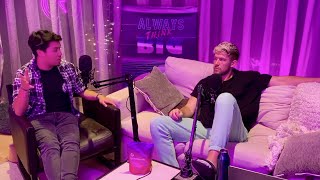
Podcast episode (Midnight Pod) featuring Matthew Kelly interviewing Kim Sane (recorded April 24, 2022). Kim describes an international upbringing (born Montreal, raised in UK; lived in Paris, Hong Kong), early music/DJ beginnings (teenage Deadmau5/EDM influence, learned decks, threw parties), undergraduate study (University of Kent — International Business), a year-in-industry that led to an investment banking internship and work in Hong Kong, subsequent return to music and event promotion, postgraduate study at Imperial (Innovation, Entrepreneurship & Management), early roles at startup-rating firm and a blockchain/digital transformation company, then being let go during COVID. During the pandemic he pivoted to start growth/lead-gen services which evolved into an appointment-setting agency and a PR agency (now ~25 employees, largely remote). Conversation also covers mindset (triggers, self-reflection, progression), the value of transferable skills (sales, networking), and three pieces of advice for his younger self.
Chapters
Right, then we're back with. I was gonna say episode 34, but I'm not actually sure. It's like 32 or 33 of the Midnight Pod. And it's getting a bit bright because it's coming into summer. So the Midnight Pod is soon gonna be the fucking daytime pod because we generally record these at like 7pm and we have Kim Sane, who is a very interesting character, apparently. Your first pod. You've ever done.
First pod? Yep.
I met you probably like a lot of people that have been on this podcast through friends of friends of friends, and then you become friends and then it's a very small world and this like whole entrepreneurial musician sphere, which I guess you're kind of both are, which we can dive into. But yeah, super interesting character. I was. Again, I don't do my research on guests usually I just try and have like, a legitimate conversation, put it on camera and Seems to. Seems to work. But first question, as usual. Well, dime's loads of shit. It's just, who are you? What do you do? What's your background? And yeah, we can try and keep it, like, chronological, I guess, from, like, when you started getting into the shit you do now, because it's a. Interesting life. I'm still trying to piece together, manage all the shit you do.
Yeah, it's been. It's been a ride until now. Yeah. So, like, I. I was born in Montreal in Canada, so I've always been a re. International kid because, like, you know, my parents traveled a lot.
Got accent?
Yeah, my. My accent is really weird. It changes when I speak to someone in English. It's got a British accent. And then when it's like, I was speaking to someone like, who's from America. I've got an American accent.
Yeah.
But, yes, born in Canada. I left there when I was like three years old, arrived in the UK and yeah, just like, you know, like normal childhood and everything, you know, went to really good schools. And then, like, I traveled to, like, I lived in Paris, Hong Kong and different places, like, really getting that international culture. It really helped me, like, you know, connect with a lot of people really easily because I was like, you know, always, you know, I knew a lot of new stuff really fast and how to adapt to people and that. Just different situations.
Yeah.
And then, yeah, my journey. So, I mean, I started in music at first. That was my whole entrepreneurial journey. And it was at school, I was like. I think it was like 15, 16, and I discovered like, Dead Mouse for the first time. I remember that classic and Mate, I love that song Strobe. I got into like, you know, such a track. It was just a long track as well as eight minutes. Yeah. You know, and, you know, classic journey and everything.
Yeah.
And then from there on I really got to like learn about, you know, what was music started actually, you know, like, you know, playing the guitar, piano. Just trying to re immerse myself, not only from electronic music, but from a classical kind of like music side. So I did that, played in a few bands, you know, and then the whole electronic thing really got into play when I bought these pair of decks, you know, and what happened was that like, I don't know if you remember, but like, you know, back in the days you had the ipod.
Yeah.
And like you had to like switch songs and it was really annoying.
Change quickly.
Horrible. Right? And then I was just like, fuck, like, can I just record everything into like one thing? You know, like just a podcast, like my own podcast, you know. So I bought these decks and I started scratching, trying to put my favorite songs together. It sounded horrible, but I did the job. I had everything like one hour, so I had to skip through songs, you know.
Yeah.
So I practiced that a lot. And then, yeah, I went to uni and all the entrepreneurial stuff came out because, you know, when you're starting off to dj, make music, you need to hustle.
Yeah.
It's a hard industry, you know, and.
I nearly wanted to be in a band. Sorry. Just to like. It's interesting. It's like fairly similar in that respect. I think a lot of like entrepreneurs had like some sort of creative outlet.
Yeah.
Which was like the initial trigger for them then getting on a certain path and getting into like right then. You've probably seen or heard me speaking about space goods over the past few months. It's a new brand that I've been working on, essentially the next generation wellness brand. And our first product, Raymond US Version one is an all in one super powerful daily powder concoction blend designed to unlock your supernatural self, get you into your prime creative state to do your very best work experience. Sharper focus, sustained energy, and a zen like calm throughout the day. Just like a psychedelic microdose. But it's legal. You're allowed to actually buy it in the UK and across the world. And this is really the first product and the first version of the first product in a much longer vision. I think I'm building a brand for an industry that isn't really even there yet. It's largely illegal still across the whole world, but I Think that's massively changing and I really think spacegoods is going to be positioned as the first UK brand in this space ready for a market that's going to explode. So yeah, really appreciate if you go check it out. Rainbow Dust version one. Building an actual business. And so yeah, it's, I, I, it's.
I think it's transferable skills. You know, you get a really young age. I mean I was like every kid, you know, like selling sweets at school, like getting that sales, like craftmanship, you know, adapting to people, that's situations. And then the hustle came in and you know, the hustle at the very beginning is you have to like sell like tickets for nightclubs to get your first DJ set and all that kind of stuff. So like I did that at all and I realized that like one of my strong skill sets was sales. I was able to like, you know, sell a bunch of tickets and all that kind of stuff and I really enjoyed it and I got my first gigs and then after you get your first gig, you have to hustle to stay there.
Is this while you're at Unique?
Well, even before uni actually. So when I started music I was like 15, 16 at school. Yeah. So what used to go out like 16 clubbing and stuff like that. And yeah, getting my first gigs, I think like half an hour. I was like 16, 17, just getting into there and then at uni really, you know, pushed because I didn't have like the pressure like school and stuff like that anymore. And I wasn't always like the best student at school. Like I was always like a kind of a doer rather than just a learner. Yeah. And like figuring stuff out, hustling, you know. And I realized today like that's like my main skill set that got me where I am. And yeah, at school I just felt that like sometimes, you know, I was kind of the outcast because I wasn't like the learner. And, and yeah, so did that, did music and then worked in corporate for ages. Did investment banking and like, you know, other jobs, SaaS, sales, you know, really corporate. I went to like, you know, a good uni on to like, you know, Kent, the Imperial College and stuff like. But then everything changed for me during the pandemic. I got let go from the job, meaning you could restructuring because of COVID And it was the first time in my life where I didn't have a plan. Oh yeah, really didn't have a plan. I sat there in my room, made tons of music. It was actually the Worst kind of situation that could happen to me. Like, I. Like the world stopped. There was no more gigs, no more shows. We were throwing like crazy parties. Before that. I realized that, like, you know, if you're working for someone, it could happen today to another. Like a Black Swan event could like, really impact a lot of things. Yeah, my ex, she was like in Belgium. I couldn't go and see her and I was just stuck in a room with nothing, you know, like, no job or anything like that. And I felt really weird, you know, I was just like, what the hell do I do now? And then. And then. Yeah, then like. Yeah, from there I. You know, one of my best friends, Josh, helped me out a lot. He's one like one like, you know, a great guy for me in terms of like, mental mentoring and just different opportunities and stuff like that. And then things snowballed. I started like an agency that went well. A growth marketing agency. Then an appointment setting agency, and then now a PR agency as well. So.
So much.
Yeah, a lot of stuff.
Wait, so go back then, because that was a good intro. But where'd you go to university first? You went to Kent?
I went to Kent Uni.
And what were you studying?
International business. And yeah, I was really lucky to get.
And prior to that you just, you were just into music? You didn't really have.
Yeah.
Necessarily business or like uniquely aspirations. Was it just like, I'm going to uni because that's what everyone does.
Yeah. Like, man, like, I was so crap at school and like, I just need to get the grades. Yeah. I was so bad that I repeated like my year 12.
Oh, shit. Really?
It was just like, I would not.
Be keen on that.
Like. Yeah, like I was just messing around so much and people were just like, like, he did. He had to reduce he. At 12. That's crazy. You know, and, yeah, redid it. Like, I messed up at that point. I just knew it was an academic, you know.
Yeah. But like, big difference.
I've got traditional parents, you know, So I was just like, I gotta do this, you know? Yeah. I didn't have aspirations to anything else. And then. Yeah, I just, I did, I did my year 13, which was actually mad because I had to redo My year 12 because I actually. I forgot to tell you, I messed up my year 12 twice. But like, I did three times. I did, I did twice. But like, they finally let me into year 13. I still had bad grades for it.
Yeah.
And they're like, it, they're like, just like, you know, like, you know well, the best case scenario is you have to redo your year 12 in, like, in January. Yeah. And then do your year 13 in June. So, like, two years in one, like, maths up. And that went really well.
Yeah.
Came out with, like, three days. No. So it didn't. Didn't get that bad. And then I got accepted into Kent Uni with a scholarship, which is really crazy at that time because I didn't think that would happen. And I did get, like, other offers from other unis, but I took Ken because the only one that believed in me, like, this guy will probably get the. Maybe not get the grades, but we'll just give him a shot. And, yeah, it happened. So I went to uni, and then, yeah, the music thing came from there because I had so much free time to reconstrate on it.
Yeah.
And I came to uni as, like, the dj, Right. You know, Just kidding. I was like, I'm the dj. And that worked out really well because, like, first. First day on campus, I used to dj, you know, just like.
Yeah.
Going around stuff. So. Yeah, did that. So it went really well. Yeah.
So up to that point, like, how. How professional would you say the music side of stuff was? I guess, like, were you making, like, money from it before you went to union stuff?
No. No, no.
Is it more just, like, you just love the hustle?
I love the hustle. I just love the fact that, like, you could rebrand yourself. You can, you know, like. Like, you could really focus on something. Just believe you're there, you know? You know, the. The. The law of attraction. Just go, I'm there already. I'm getting there. Even though that no one, you know, but I just feel so confident about everything. And everything just came, like, fell into place slowly. It was really hard. But, you know, after a while, like, you know, I realized that I didn't know I was an entrepreneur until I realized that, like, I had to pull a lot of strings to get things happening, you know, and, like, gigs was one thing. And then I realized that I wanted to do my own events. I started, like, throwing, like, loads of parties and events, getting people together, managing people, doing finances, you know? But I never took it as a business. I really didn't take it as a business. That was just all fun for me, really. Yeah. Yeah.
And how often were you spending more time doing this while at uni than you were? Obviously uni work, I assume.
Yeah.
That was, like, a passion.
Yeah. Yeah, definitely. Yeah. I was smashing out uni work, but, like, no. Music was, like, all of it from the beginning. I mean, some people could tell me, like now where I am. I do not regret doing this earlier. And I said no.
Yo, fellas, quick one. First bit of promo for the pod. You may or may not have heard, I released a fucking E Commerce a few months ago. Basically spent like six months making it because I was in between businesses, as you probably know. If you follow my shit, I must say, 12 hours long. It's fucking quality content. I was gonna drop it like 1500 quid with some bullshit guru y webinar and all that rubbish, but as you know, it's not my main thing. I'm working on a new brand right now. Very, very fucking much in the trenches. Which is why I think is actually a better course than everything else out there. Because it's built on real experience of my brands in the past and my current one. I think it's super, super valuable. If you're interested in E Comm, you're already in E to get into e comm. 0 to 1 starting a brand from scratch, then definitely worth investing in. Link is in the bio of this video or podcast, Spotify, Apple Music, wherever the you're listening or watching and enjoy the rest of the pod.
Yeah. Because like. Like everything, like, for me right now is accelerated so fast. Going off like zero to 25 employees in a year and people. You could have done that like at uni. Not done uni in general, you know, but I was like, no, I enjoyed every bit of it, you know, like the music, the late nights, the working and everything. Yeah, yeah.
So you get to the end of uni because you mentioned you were like, in corporate jobs and shit, which is something else I didn't know. So you finish uni, where are you at? Like, how's the music going? How did uni go? Was there a plan in place or did you just jump into something you didn't want to do?
So, like, I live like a really weird life. Yeah.
This is what I'm figuring out. There's a lot of moving parts here.
So we're like, weird stuff. So it's still everything. Like, uni was like, kind of the pivoting point for me. I learned a lot of stuff and that's why I didn't regret it.
Yeah.
So what happened in like, my. At uni was like, in second year, you got to do this like, year in industry thing or like year abroad. I wanted to extend my stay at uni is like, as long as possible stay on session. Right. Like, yeah. And I was like, I'LL do a year in industry because, like, I was going to prove myself I could get a job before getting a job. And it was such a show, like, so messy. I applied for so much stuff. There was, like, so much competition. Like, I applied for Disney, got the fight to the final round, didn't get it. I was actually gonna give up, but my best mate, Julian, he was getting an internship anyway, and I was like, no, I want to be with him my final year. So then I got this, like, digital marketing job in the buttfuck of nowhere, like, in Kent. Like, I forgot where it was made. Soon at Ashford.
Yeah.
Like, I think I even had to visit. Like, I visited the house, just my parents just before, like, doing the internship. And it was like, I was like, oh, my God, I'm gonna be here for a year. Like, fuck that.
Yeah.
So I go back to France and I meet with, like, one of my really good friends called Marion. And, like, she works as hr. There's this French investment bank. She was like, oh, this is like, new intern position in global transaction banking. You know, it's part like, you know, the. The global transaction banking. Banking division, wherever it is, you know. And she was like, you should apply for it. I was just like, this was your.
Your year in industry while at uni.
Or after this is. Yeah, well, I was at uni.
Yeah.
And then it was really funny because, like, she was like, yeah, you could, you know, show you what corporate life is all about. And I was like, this is the shot to try out corporate, how it's going to be like, you know.
Yeah.
So obviously I applied and my interview was terrible. Like, I think on the first call, like, the guy was just like, do you know anything about investment banking? And I was like, I know something about accounting. And he was just like, nope. And he was like, how many languages do you speak? I was like, oh, I speak French, English, you know, Vietnamese, fluently.
Speak three languages.
Yeah.
My strong point.
But it's really weird because I never thought it was a strong point. You know, I just. I was natural for me and everything until, like, they. I did that interview and then she called me up and she said, do you pass it? And I was like, no, way past that interview. Like, you know, what are you talking about? Anyway, I got to the second round, randomly asked me a bunch of you questions. And then I went to Thailand to, like, play music and. Yeah. With my friends and everything. And then before I went out, like, I got. I was accepted for the internship. And I was like, what? Like, I can't believe in me. Investment banking. This is crazy, you know?
Yeah.
So I go out there and like, I. The first day there, corporate, you know, wearing a suit, I loved it. It was nice, you know, like.
Yeah.
Good food, good people, smart people, you know?
Yeah.
But the job was like, the lifestyle. The lifestyle was great, but the job was just like. I hated it. I was just like. At this point, I remember, I was just like, analytical. Job's not for me, you know? And that started my journey of thinking about, you know, I should really think about what I'm really good at, which is sales, you know. But then what really opened my eye during that part was so at uni, you got one year in terms of your year in industry, and if you do six months, it doesn't count. So you messed up the whole entire year. And in France, the internships are only six months. Right. So the woman was just like, if you take this internship, you have to find internship whilst in your internship.
So you have to do two to fill up the year.
Yeah.
Right.
But. But the. The internship I had in the UK was one year, so I was chilled, you know.
You know? Yeah.
And she was like, do you really want to risk this? And I was just like, it is banking, you know, like, yeah, this is like my dream. I want to try out, you know. So I did it. And during my internship, I had to hustle for another internship.
Right.
And the craziest thing happened. Like, I hustled again. Power hustling. And this is where I realized that my. My, like, I'm very good at speaking to people as well.
Yeah.
I don't know how this happened, but I landed, like, two internal interviews in the bank for a position in Wall street and Hong Kong. Oh, like, it's so random.
Did you want to be in banking, you mentioned just then, like, banking, it was your dream, whatever. Was that just, like family pressure or did you actually genuinely want to be in banking? It sounds like you didn't want to be in banking, but you said you did.
It was my entourage, like, you know, like. Like where I was, where I grew up, it was always the same, you know, route in terms of, like, good education, good degree, traditional, traditional re. Traditional, like consulting, investment banking kind of background. And I was never that guy. I was never that guy. But when the shot came, you know, going, like, the opportunities there, I'm like, you know what? Maybe I am that guy. Like, yeah, let's try it out.
You know, everyone watches Wolf of Wall Street. I certainly did when I was 18. At the time And I went through a period of wanting to be, like, in banking.
Yeah.
I did an internship in Mayfair, which I've spoken about on this part before, when I was like, 19, and then realize every six months I never fucking want to wear a suit ever again. And then I went down the E. Comm. Entrepreneurial, more creative route.
Yeah.
Sounds like you had a similar revelation to some extent.
Yeah, literally. Literally. Like, but that's the thing, right? Like, a lot of people kind of like, skip it. But, you know, I'm the type of guy where I'm like, try out. Yeah, it's not good. Get out of it, but try it out, like deep as you can, rather than.
Don't try it.
Exactly.
Anything.
Exactly. Like, I'm the type of guy, like, I'm a very happy guy. I obviously, I've like. I'm like everyone. I've got emotions. I got FOMO and everything, but I learned from mistakes. And it's always like, oh, that happened. So what, you know, I learned from it. You know, banking was like. It was crazy because, like, the job itself was, like, hard. It was really interesting, by the way. Really, really interesting, you know, dealing with, like, any other banks, talking to, you know, you know, really, really important people, you know. You know, investment banking is crazy. You know, there was compliance, you know, kyc, all that kind of stuff, you know, like. Yeah, it was really interesting. But the problem, investment banking is that, like, when you start working as an analyst and banking generally, any sort of, like, you know, financial institution, you start really, like, at the bottom. Right. Because you have to be an analyst, understand how everything works. Exactly.
Yeah.
And because of that, like, I didn't want to. I was. I'm a fast guy, you know, I was just. This is too slow for me. But anyway, so I got those two opportunities. I. I got the Hong Kong one at the end. Random story. Like, a lot of random stuff happens to me, but I don't know, like, I passed the interview somehow. And then they got. They sent me there and I got to Hong Kong. From France to Hong Kong to Paris to Hong Kong. During the internship, I somehow bagged it in, you know, kind of.
What.
What is going on? I got there and wow. Like, completely, you know, complete change of scenery.
Yeah, I've been there a few times. Cool place, crazy stuff.
2014, you know, so it was the time where, like, you know, thing was popping. The thing. We're popping, like, you know, everything's popping hard. And, like, what we did was we. I go out there, you know, and one of my really good friends. Gaiton had a really good friend out there who's like a DJ as well. I didn't go out there thinking about DJing music, what. Wherever it is.
I went out there, the whole DJ thing. And I wanted to be an investment banking of polar opposites.
Yeah, yeah, yeah.
Or maybe there's some synergies.
No, proto opposites completely. If like even at the bank they'll just say what the hell.
Yeah.
Actually during that time, during my first internship, I was doing a lot of shows as well. Like really big shows. I was starting to getting, you know, getting, you know, in Paris. Yeah. Played a lot like one of the biggest like student electronic festival was like 4 4, 5k people.
Yeah.
And like whilst doing the internship at the same time. But so like the music was getting there, you know, like, like, you know, first, second year, now doing this and everything. And then getting to. To Hong Kong. I got there and I was just like, let's work. Let's focus on work. Because now I'm in Hong Kong, like it's getting really serious. And if I do well, I probably will land a job here in Hong Kong, like the dream city as an analyst, you know. And I was like, let's focus. So I got there, started work, you know, it was insane. I worked in the ICC tower.
Yeah.
Like crazy. I think it's a tall building in Asia or something in that.
Like y.
Crazy huge. Like a 74 floor. Like I went to the cafeteria and I was just like, what the hell's going on? You know? This is crazy.
It's like a simulation out there. Hong Kong, I swear.
It's crazy, right? It's crazy, dude. You know, the craziest thing about that place is they're so advanced. Like from the ICC tower to the airport, you literally take an elevator from the 74 floor where it was all the way down to the. To the train station, check in your bags there, go into the train half now to the airport and you're off. I guess at one point. At no point you were outside.
Yeah, it's crazy. Hong Kong to me feels like. Because I've been like Singapore, another place in Asia. It feels like kind of London in Asia.
Yeah.
It's like a very west, obviously is like it was western occupied, right? Yeah. Fishing until recently. Yeah. Am I right? My history is very crap. It feels a lot more western than like Singapore, for example.
Yeah.
I could definitely live in Hong Kong more than Singapore. My uncle actually lives in Hong Kong.
Yeah. It's crazy.
Yeah, it's a Cool place. So were you still working on the music? Like, thinking, I want to make music work, or is that just, like, a hobby? Because obviously you do.
Always a hobby.
Did you never even think I could do this, like, as a career?
Like, I did it, like, it did come, like, during the Pandemic when, like, I lost everything. I started playing actually, pre Pandemic actually did. There's a lot of stuff going on, but people that I was doing that as well. I was doing it full time for, like, six months, but at that point, still not because I was such a great opportunity compared to everyone else. Like, you know, I'm here, you know, I've got this analyst role. Like, this is great, you know. So at that point, the focus was always on work. And also, like, you know, no big opportunities came, you know. But then the big opportunity came. That's where everything changed in Hong Kong. So with my mate that I met through my other mate, he told me that, like, Hong Kong was, like, dead for, like, raves and techno parties and stuff like that, you know, at that point, I was. I was starting to get into the techno scene really slowly. But he literally showed me everything about techno scene and through series of, like, random conversations. This is not Europe, right? Like, if you go to Europe and you speak to a club manager, they probably, like, laugh at you. Who are you? You know?
Yeah.
Whereas in Hong Kong, I didn't realize it, but, like, it's full of expats. I mean, I realized when I got there, but I didn't realize everything before I got there, you know, and because it was full of expats, if, like, you tell the club owner you're gonna bring a bunch of white guys, you know, coming in, he's like, hell, yeah. Because the Asian kids love it. Like, you know, interesting. It's a mixture of everything, you know, and they love, like, mixing everything up and like, yeah, yeah, let's do party. And I was like, really? He's like, yeah, yeah, you can have this club. It was a small basement, you know. Yeah. And then I was just like, okay, let's do it, you know, so bam. Like, with the guy, my other ex that was there, me and from my.
Friends, yeah, all these exes coming up.
My friend Derry, like, crazy photographer, now he's cleaning in Hong Kong, by the way. But all four of us, just, like a small crew got together and we threw like, a Pali Kutaganat, which is, like daily night. And the first party we did, this is like my first kind of, like, events management thing, you know? Before that, I did a bit of it. I knew how it worked. I worked in it with other people, but I didn't really lead it. This. This one, I was leading it completely.
Yeah.
With Teva, you know, as one of my founders. And like, you know, Debbie, awesome photography guy. You know, Max, she was like, really good, you know, bringing people, speaking to people. It was crazy. It was like, you know, that. The team stuff, you know, I was like, whoa. You know, and then, then, you know, we did that party and that one, that was. That was the funniest party ever. We did it in Hong Kong, like, basement. At midnight, the owner comes down, he said, the cops are coming.
Oh, shit.
And I'm like, so this is your club, you know? And he's like, yeah, but they're gonna kick everyone out. So I was just like, what do we do? And he's just like, I've got a bigger club opposite the street, so how about you get everyone from this club to the other club? And I was like, you gotta be joking.
On the same night?
On the same night.
Fucking hell. So were you. Were you playing there? Was that the setup or did you get other people into play?
No, so, like, I was playing there, like, with my crew, and, like, the whole party was down there in the basement. So we were all managing it and we came down. He told us that. I was just like, what do we do? And he's like, well, someone should put the electricity on the other club. You know, hurry up.
And then.
So my friend runs the other club, like, switches all the lights on. This club is humongous, like, huge. It's like three times the other place. And I was like, why didn't you give this club at the beginning?
Swear clubs are bigger in Asia as well. Crazy. I went to one in Phuket. Yeah, it was fucking massive crazy stuff. Yeah.
But then, like, the guy, I was like, why didn't give us this club at the beginning? He was just like, well, I didn't realize how many people you bring. Like, you just started off.
Yeah. So was this like a business then? You actually charging people and obviously, like.
Yeah, charging people free for all. Well, that's the thing that when you're events at the very beginning, you do redo it for the music. You do it for, like the people.
Yeah.
So we weren't like, focused on making money. We're focused more on, like, you know, let's put some. Some good show on, let's play some good music and stuff like that. So I never, like, treated like a business. So this is why like everything was really slow for me for the entrepreneurial thing. Without realizing I was entrepreneur until I was actually doing it. Yeah, yeah. It was all for the love of the music. That's why I said music was always been like, you know, I'll stay on it forever.
Started with a creative passion.
Yeah, yeah, start it. It helped me with all my transferable skills basically. And yeah, so that party, like, yeah, put the lights on, we transferred, we like, we stopped the music from one club. I yelled at the microphone like, guys, we have to move out. Just like, what the hell?
Like five minutes of awkward silence, literally.
And for some reason we lost half the crowds that went from one club to the other. I don't know how that happened. Yeah, but everyone's in there. And then we got out and then we finished the night at seven in the morning. We just came out. We're so happy. Everyone went to the peak, mate. It was, it was insane. And I was there going like, wow, that just happened tonight, you know, And I was like, what else could happen right now? You know?
Yeah.
And that learned me how to adapt to really crazy situations. A long story short, we just threw loads of parties and they went crazy and like my focus was not in banking anymore at all at that point.
But did you finish the year?
Yeah, yeah, I finished the year. Really happy of it came out for my final year. When I came up for my final year, I knew that point that like, yeah, corporate stuff, you know, it really wasn't for me. And like, you know, music, entrepreneurial stuff, creativity, you know, all that stuff, I loved it, you know, and I was just like, how do I get into that again? But I didn't really have a plan, you know, I was always at uni, doing stuff at uni my final year and then, yeah, then what happens? I wanted my masters in Imperial in innovation, thinking that like, you know, I could like find some co founders and stuff like that. Yeah, you know, it helped a lot actually that, that master's course when you.
When you went to that master's, had you decided that, that the whole banking thing wasn't for you? Yeah, haven't done the year, decided completely.
I just. But that's the thing, right? Finally you're supposed to apply for jobs, right? Yeah, I didn't really apply for jobs in my final year. I just decided to 1. My plan was to take a year off.
Yeah.
Hey. To just think up my life and, and travel and like dj. Like I never took a break in my life, you know, Like I don't know, loads of people took a year break. I haven't taken a year break since. And yeah, like what happened was that I was supposed to do that and then based an incredible, like, story. I got into Imperial, which is like, yes, it was the most random story.
Ever, like to study innovation.
So Innovation, entrepreneurship and management. Yeah, it's a course about how to like, understand how innovation works, understand new trends, build companies. So useful. Like everything in that course was so useful.
Yeah, yeah.
Like the, the thing of that course that I reached it for granted was project management and like that shit, like when you scale your business, you realize that project management, like, never take that for granted. Any entrepreneur, they'd never take that for granted, that stuff.
Like, I'm not very organized, I should protect that course online or something. So when Was this?
So 2016. 2016. I just finished uni. Still not being an entrepreneur. Still, like figuring out what I was gonna do.
I don't know.
Just like the law of attraction was always there, you know. So what happened was that like in that during that summer I was gonna have a bang. So booked out, all out, going to Batty DJing there, you know, it's gonna be sick, you know, like, don't know what I was gonna do afterwards. I mean, I applied for a master's at Cast, but I didn't know if I was gonna go to it at the end. And then before I left, my dad was just like, you should probably apply for Imperial. Because my dad's dream was always for me to get into Imperial. And I was just like, yeah, you know, there's no point, you know, they've closed the application since January.
Yeah.
And he was just like, send, send, send an email. You know, I'll pay for like the hundred pound, wherever it is, you know, fee. And I was like, yeah, I'll do it. So I sent it off. I left to Bali. I brought an iPad with me, actually. That was it.
You certainly sound foreign when you say Bali.
Yeah, that's funny. The French twine comes out. Yeah. Bunch of USB keys playing a few shows and everything. And then as I arrived in, like, I thought I think it was KO or badly or like some. Someone like that. I received an email by Imperial going like, oh, yeah, we want to interview you. And I was just like, like, no way. I was like, seriously? Like, yeah, like, yeah, yeah. Like it's through this app, you know, you know, it's gonna be a video, video call and everything. And I was like, oh, great, you know, so then I get to Valley and then Like, I think it's like 24 hours before the call. Probably the most important call of my life.
Yeah.
You know, because literally I didn't know what my plan was afterwards, my life, you know, And I was like, this could be like, it. And I go on my iPad to download the app for the video thing, and it didn't work. And I was like, no way does that adapt to it. What the hell?
Yeah.
So I run down to, like, the concierge thing, like, the hotel, and I was just like, yeah, like, it's not working. I need a. I need an Internet cafe. He laughed at me. He was just like, mate, it's 2016. Everyone's got laptops.
Yeah.
Like, there's Internet cafes here.
That's the downside of, like. That's one of the only downsides of, like, the whole traveling thing. If you get to a situation where you're like, oh, we're going to live in this bitter in Bali. And I've been there and done that, but, like. And then, like, the Internet shit, and it's, oh, fuck, I can't get anything done. I can't do this zoom call because the connections, like, 1 megabyte or some bullshit. Right. It's definitely got better, but, yeah, literally. That's funny.
But 2016 was, like, even worse than that, you know?
Yeah, it was like the whole, like, Nomad thing, I think, has happened kind of since then.
Yeah, definitely.
So, like, obviously, like, not Internet cafes, but shit, like dojo, barley, like, co. Working spaces. Yeah, like that. Which are just abundant now.
Yeah.
Places like that.
Literally. And, yeah, I mean, I was literally like, 24 hours of the interview, like the most important interview in my life. Nothing's working. And this is where the real power of an entrepreneur comes in. You know, there's certain entrepreneurs, like, sit down and then they, like, they breathe out and they just map out stuff. That's how I do it when I get, like, you know, I just map out, you know, whiteboard and everything. Just like, you know, type thing. Like, again, like, my. My friend Josh told me was just like, you can't be, you know, you can't be sad or worried about anything. You can't control. I mean, technically I could control this, but I should put my laptop. But still, I was just, like, going around, like, you know, putting dots together. And then I sat down, I was like, okay, I need a laptop. How do I find a laptop? In ballet, who do I contact? Right, yeah, I'm a DJ, you know, I probably should speak to other DJs. About this situation.
Yeah.
And then I sent, like. I got, like. I just hashtag DJ in Bali. That's the weirdest message. Literally, like, hey, I'm Kim. Yeah, you probably don't know me. I got an interview for this uni tomorrow. My master's degree. It's not working. I just need a laptop.
Yeah. This is a really random combination, like Bali, DJ interview for a uni in London.
Yeah.
Probably think, what the fuck's going on?
Literally. And like, I was like. I was cheeky. I was like, preferably a MacBook as well. Yeah, yeah, if you can, you know.
With 16 gig RAM.
Yeah. And that night, all my friends were partying because I was in there preparing for my interview tomorrow. So they didn't know what's going on. And then what happened was that out of like, 50, 60 people, like, I messaged, like, literally a copy and pasted copy and pasted fast one way, answered. And I was like, damn. Some guy answered. He's like, yeah, where's your hotel? I'm there, you know? And he's like, can I come? And I'm like, oh, my friends are out. I'm not it yet. Come, you know, what am I talking about? Come, you know, I need your help. The guy comes, this guy, amazing guy called BN and just gives me his laptop. And I tried to use the Internet connection where I was in the hotel. Crap, Internet connection didn't work out. So then I left. He was just like, let's go and find somewhere else to do it. So we went to the Bali radio station. We got there, it still didn't work out. The radio station guy was just like, do you want a gig? And I was just like, yeah, no, like, interview, you know, so go around Bali trying to find really hard, you know, strong Internet connection. Couldn't find it. And then he finally was just like, yeah, come to mind tomorrow to do this, you know, to do the interview at 9. And he's, I'll give you a shirt as well, because I didn't even have a shirt, you know, and then I was just like. I was like, man, like, you know, why are you doing this? He was like, honestly, like, I thought when you. When I was in, come over, you're gonna mug me. But I saw you. I was like, no way. You know, he's like a nice guy that really genuinely needed help. And then I was like, yeah, let's do the interview tomorrow. So the next day, I do the interview at 9am, mate. Like, I was wearing a shirt that was way too big for Me and everything.
Yeah.
And then I pull up the laptop and I realized that the video interview is not a video conference. It's a robotic interview. It's one of those that, you know, like there's a robot speaking, like 30 seconds to think about the question and.
Answer after all that.
Yeah, yeah. And I was just like. I was like, oh. I was like, man, I didn't prepare for this, you know, like, you know.
Yeah.
So then I do the interview like that. But it's a really awkward interview, right, because they throw in random questions left and right. You go and like, you know, you need to answer these questions. And again, real panel of entrepreneur come out. And I'm just. I'm just gonna wing it, you know, do the best I can.
Yeah, yeah.
Literally always wing it. Figure it out somehow. Being yourself, that's the most important thing. Don't wing it in the way, like, it's not you wing it where it's you. So if you get out the situation, you. You feel proud of yourself because it was generally you doing it.
Yeah.
You know, so I was just. I was gonna be trying to be someone else. I'm not gonna be genuine me, you know, like on this, like, interview. And then whilst I was doing the interview, the aircon was turned off, so I started sweating and I started sweating on the camera and I swore on the camera. I went and it was recording. So I was like. So I pulled on the screen, like peeked up and it was still recording. And I was like, I'm so sorry, you know, like, anyway, I finished the interview, I came out. Bian was just like, how was it? I was like, mate, don't speak about it, you know, like, probably failed it, you know. And then we realized at that point also we were playing a show together, we're on the same lineup. Like, crazy coincidence. Played a huge show in front of 5, 000 people. It was insane. It was. It was like. It was inseminac. It was crazy, man. It was next to. I forgot the name of it now. It was on the beach really big and played that show. And then I left. And then as I was getting to Kuala Lumpur for another show, I got an email from Imperial saying that I got accepted on the court.
You're basically like a touring dj, but you're still stressed about getting into uni.
Yeah.
Because there was no money in music or what?
Not really.
What was the logic to still be like going after the uni stuff when, like music was clearly a solid something there mindset? We just didn't think you didn't think you could make it work?
No, it's not. It's more about the world. This is crazy, right? It's. I think it's. Your entourage is a lot of stuff, but it's where you were, like, brought up, like, where I was like, you know, as a kid, I told you before, I lived in the areas where like, you know, there was a lot of, like, you know, posh kids going to like, really good schools.
Yeah.
A lot of posh things happening and like. Yeah, you know, like posh parties between, like kids when they're 15. You know, like family's trying to get them married together and stuff like that. I wasn't really part of that, but I was always there, you know, and for me, seeing these people being successful in a traditional way, it enabled me to go. I could be really successful in that way as well. So the fact that, like, I had these opportunities to be successful in that way, I was. I'm gonna take it. Investment banking, Imperial, you know, like, top stuff, you know. Yeah. And I never thought about, like, doing anything else. And music was great. You can make money in music, you can go far in music. But for me, it wasn't prestigious enough. Until I can get to these things, right. And then. And yeah, I got accepted into Imperial, went to Imperial, and this is where, like, I discovered like, another world of like, like, like people that were so motivated to like, succeed. Crazy mindsets, like, you know, really, you know, like young entrepreneurs already on that course and just an abundance of energy, really. And I was still DJing that time, still, you know, like. Yeah, but that really taught me a lot of things in terms of like, whatever you wanted to do later. At that point, I remember I decided to, like, I had a choice. I got an offer to go into consulting or working for early stage startup.
After the course.
After the course, yeah. And I realized that, like, I wanted to build my own company and I was like, I have to work in the startup to understand how everything works, you know, like, you know, like sales, marketing, operations. I literally was. I was working that start out like this. She looked around, asked loads of questions. How did you do things? How does this work? What's the software called? And stuff like that, writing everything that one by one, like, really focusing on that, you know, and that was like, during the time where like a lot of people, like, I realized, and this is the craziest thing about music is that it brings people together and you build a really, really big network just because you're a musician and a dj. Yeah, So I leveraged that a lot in my life until now. Being a dj, being a musician, enabling things that people can't get to, you know, to make it happen. Smaller things like people getting people on guest disc, gang, you know, people at shows backstage telling people, you know, what music is good. Small things like that. Because the things at end of the day, like, a lot of people, like, they're very traditional, like, they do. Everyone works, you know, But I like, when I meet someone, I like to know, like, what. What gets you going, you know, what you like in life, you know, the fun stuff, you know, and, you know, like 90 of people, like, love music, they love going out, they love doing things. So I connect with them on, like, a different, traditional, like, standpoint, going like, oh, you do this. You know, like, I'm a dj. Oh, you're a dj. You know, like, it breaks the stigma, you know, and the conversations flow much faster because then they see me as like, this guy is, you know, this guy's weird. Like, funny, but strange, but we're. But crazy. I like him, you know, like, different.
Yeah, different.
Yeah, that's the word, you know, Right?
Yeah. The usual halfway point break, piss break. Even though we're not on the wire today because you don't drink, which actually surprised me. We can come on to that in a second. But a load of fucking interesting shit. What you're just saying is super interesting as well. I definitely agree. Just come back to Imperial. So you finished there? You said you got a job in a startup then, or.
Yeah, yeah. Like, when was this? 20, 18, 17? Yeah, yeah. Comment? Got the job in the startup and then I got a job in the startup as sales. Really?
What was the startup?
It was. It was. Yeah, it was like the first rating agency for startups. It was actually crazy.
All right.
Yeah, yeah. Like startup.
That was a rating agency for startups. Yeah.
It's really funny, I can't remember, like, once one of the companies was like, how much you rate yourself then.
Yeah, legit. What is in, like, employee ratings, where it's like Glassdoor and shit?
No, no, like company ratings. It was called early metrics. And it was. It was. It was really. It was really crazy. What they did. They used to. So what they did is that they would analyze and rate companies based on three pillars, so the team, the technology and the ecosystem. So at very early stages, like seed Series A, you know, so, like, you know, those are the three factors that investors kind of look at when they build a company. And I realized it was really interesting as A job because I realized and learned everything about startups. The very early stages, what investors looked at that team, how powerful is the team? That's the main thing I realized the party technology, how do you identify proprietary technology, you know, IP patents. It was a 360 job. So it was really crazy because I was selling these ratings to head of innovations at really big companies. Like I, I sold to Barclays, Dai Chi Live, Prudential, you know, like I went to events, speaking with these really big, big corporate guys and saying these ratings that we made, you know, and they would ask me technical questions about how's this done, you know, what you rate in the startup. So I had to learn about like everything about startups in general. So it really got me going on the entrepreneurial side. And I specifically took this job to learn about startups, to understand how like, you know, how do you build a company? But also really looked at, you know, what startups were coming in, what people were building. You know, it's really crazy because people would come to see us to get rated because they know that they'll probably get their ratings, you know, transferred or given to like a large corporate, they'll probably do like a joint venture with them. And I work on specific technology. So all these ideas came one by one. I was like, wow, you know, like this is insane, you know and yeah, that went really well. That really well. Went really well. Then I got, I worked for like a digital transformation blockchain company and yeah, 2018, so the first bull run and I was head of sales there. But that was too early to be head of sales. It didn't really go well, to be honest. I was put in a position that was a way too senior for me because like I'm a sales guy but I'm not a manager. Yeah, at that point I was managing stuff and it wasn't, it didn't go well because of that.
Yeah.
And then, and then, yeah, then I didn't took a break for a year there where I did music like 6, 7 months where did like pure music. And then at that point I realized that like that was the point where I was just like, oh, let's do it full time and everything. Right. Horrible. Didn't go well.
This was still pre covered. Right?
This is still pre covered. This is like doing all the sales jobs and you know, kind of. Oh, you know, like I'm good at sales, I can sell.
Yeah.
And once you know you're good at sales and you can sell to people, especially large corporates, enterprise deals and Stuff like that, you go, like, I can do anything. Like when you know how to sell. And this is advice to anyone listening to this. Like, if you know to sell, like, just that skill will get you very far in life no matter what you do earn your money.
Yeah, it's true. In it, like sell yourself in like a social sense, like the ability to sell your skills even like just to mates, like to get. Become friends with people. It's ultimately selling right.
Like all the time.
People that have no social skills but have like a degree from Oxford.
Yeah.
Fucking useless, in my opinion. But if you have no eq, which I think so many people miss because everyone's glued to screens and shit these days, it is definitely. See how being like in the music scene, like the whole DJing.
Yeah.
Helps with that massively.
Yeah.
Because a lot of people just don't know how to speak to people.
Exactly. They like, they don't know how to like interact and start conversation, let alone.
Like speak to girls. In Chile, he's like Silicon Valley esque entrepreneur types where they're just like on a laptop all day, which is like me as well. But, you know, you don't want to be that guy that can't speak in a social situation.
Yeah. So the end. And I, I mean, I'm lucky because I was in like different situations like that, you know. But there's one thing I realized in life, and this is why, like, for me is that you're always constantly doing like, you learn things that realizing it. And I didn't realize that I was in the music scene. They're getting all these like, skills and everything.
Yeah.
And yeah, at that point I remember I was like, I can sell. So I was just like, I'm gonna just, you know, take a break and do DJing like full time. That was horrible. That was horrible because, like, I did. Wasn't what I was expecting.
Why.
First thing, you work at night all the time.
Yeah.
You got a different life to everyone around you. Like, you wait, you're working whilst there's partying and sleeping. Like you're at the party but you're not partying.
You're.
You have to do the music, you know, I mean, people behind you.
Yeah.
You're awesome and everything. It's great.
Yeah.
But it's not, you know, at the end of the day, you go back to your hotel room for the morning. So by yourself, you know, making music was great, you know, but again, you're just a hermit at home making music. It's great, you know, don't get me wrong, I loved every bit of it, but I'm a social guy, you know?
Yeah.
So that point I used, I knew that like music, if it happens one day where I can make a song and it goes crazy, I love to do it full time. I'll do it, you know. But music as like a resident dj full time, to give it money to get work. Because I was playing a W hotel in London, residency there for like six months.
Oh, shit. Yeah, I stayed there a few times. It's cool.
It's great. It was really good. Every Thursday, got paid and everything was great. I toured Colombia, like South America. It was great as well. But again, you know, living that different life.
It's a wild life.
Like so, so random. And then. Yeah. Eventually got back into sales again, like in between. I did like a bunch of random other stuff as well. Because of my startup knowledge. I used to work for a family office as well. Yes, I did that. And I didn't enjoy that too much.
Such a weird.
Yeah.
Interesting combination of things.
Yeah, it was like, just try like this thing. I wanted to try like as many things as possible.
Yeah.
Not really knowing. Well, end up. I didn't have a five year plan. I was just like, I'm gonna try this out, try this out. I then eventually got back into sales. Eventually. At that point, like after doing like, you know, back being back into the startup rating thing, work for the family office, helped help to build the fund and everything, I was just like, come on, I'm gonna go back to make money, go back to old Kim live going back to nine to five. You know, it's time to settle down and chill out, you know. And that was the turning point because literally at that point, like I got the 9 to 5, got really good salary, a really good company.
When is this still pre covered?
This is like pre covered. Yeah, this is 2019 now.
Wow. Okay. Yeah, I'm up to date. Yeah, I'm following.
So like the whole entire time, still no plan. And then 2019 happens. And then what happened was that got into sales, did really well. Then, like, it was a really good company. Got got, you know, the ex and everything. Like the girlfriend that time.
Yeah.
And then settled down, you know, I was like, that's it. I'm in London 2627. I was like, yes. You know, like, I'm ready. Go up the ranks. People sick there. Enjoyed it and everything. And then Covid happened.
Where were you working?
I was working at this.
You mentioned sales, but like where.
Yeah, yeah, it was, it was A SAS company, really interested company as well. Like a patent company called like Pat Snap. It was crazy. Like, patents are really boring in general. And what they did was that like they basically got all the patterns. Like, you know, patterns are actually free. Like you can look at them for free. Like you can look up them for free around the world.
I don't know much about that space, to be fair.
It's crazy.
So like I probably need a pattern for fucking rainbow dust.
You probably do some. Look into it. Yeah, yeah.
Get ripped off.
It's crazy. But patterns are like so not sexy, right? Yeah, patterns are like. And it's so important for any investor to have a patent on the idea, the party technology, propriety, you know, mechanism, wherever it is. And like we need a patent on that, you know. Yeah. Again, like really interesting stuff, random interesting stuff, you know, got onto there and then, and it was crazy. What they did was say all the patterns around the world are free. They're around. Like there's millions and around databases all around the world. You got like, you know, USPTO and like the States. I think that's what, that's what it's called. I forgot now, Asia, all these things, right? Yeah, but they're so boring, right? Because like, you see, it's just like you scroll through them, the citations, all that kind of stuff, you know, and it's really important to have that, you know. And the craziest thing, what they did was that they basically took all the patents, put it all together, use AI machine learning to create a database of patterns. So any innovator, anyone that wanted to create a new product, anyone that wanted to understand what the competition was doing, will literally go into that software, type down keywords they were looking for, and then they would tell what people are building a real time because they're filing patents. You're able to spy on the competition like in advance. You can also see like what we call like it was the crazy like blueprint map with like arrows, white spaces, or freedom to operate. Well, you could make new products, you know, it's crazy. Like you I found like Nike father blockchain application 2017 and no one knew about it, you know, because who looks a patent is boring as hell.
Yeah.
You know, and this software, I go into it and I was just like, whoa, you know, this is easy to sell. Like, you know, people would love to have this and they're unicorn now. But yeah, that's where I realized the power of data.
And you ever get any equity in these? These doves?
No, no.
No, no, no, too late.
Too. Too early. Left.
Yeah.
And I left too early. But it was always, for me, like, it was always learning, you know, like, about what people were doing. And I was gonna say the other company for longer, but then obviously Kobe happened and everything. And then, yeah, like, I got let go. Restructuring, you know, the sales team.
Yeah.
And yeah, because, you know, it was a black swan. No one was gonna. Knew was gonna happen. Yeah.
It's been two. Over two years now in it. Yeah, it's crazy.
It's crazy. Yeah. And then that happened and then like, yeah, then this is where I stuck in my room for the first time with like. I was like, I'm not gonna be a DJ because there's no shows going on. You know, I could gone back to that for a second time at that point. Yeah, I'm not gonna, like, I can't find another job. No one's hiring. And I sat there, my own thoughts, you know, and this Will Entrepreneur stuff came out. Basically, I'm really good at like, Legion. I realized that, you know, really getting meetings really fast and everything, obviously closing deals as well, you know, And I realized at that point, like, because the whole entire world stopped, people can get business. And like, people are trying to figure ways of like, generating new leads, you know, to get business and everything. And then I. I think my friends watch was just like, yeah, you should probably give it. Give that as a service to multiple people. Like, you know, how you generate leads online by using LinkedIn and email automation and like, you know, cold calling and stuff like that. And I was like, who's gonna buy that? Like, seriously, who would like, you know, like, it's. It's. For me, it was basic.
Yeah.
You know, I was like, everyone knows how to do that.
I don't.
That's what I discovered. I was like, not a lot of people know about it. And I was like, oh, you know. So then basically I got my first client through him. He was just like, this guy needs lead gen. Just connect with him. So I called me up and at that point, I didn't have a company or anything, you know, to do this. And to my. Well, one of my really good friends and his business partner were creating this, like, starting this growth marketing agency, growth division, which is like crazy as well. The concept is basically, you know, when you scale a company, there's like different channels to market to grow it. Yeah, there's like, there's like, they would use a bullseye framework, like this framework, which is kind of like a bullseye.
With like, Is this the thing you told me about when we first met?
Yeah, yeah, yeah.
Because I feel like we spent like 50 minutes. It's super interesting. And now we're coming on to the bit that I have some context on. Yeah, I think.
Yeah, so that was like. Yeah, so that was all my, like how I got there. But like, I'm not the traditional guy going, I know what I want, you know, like all that stuff. Or like, you know, tried a bunch of trial so much like, literally. And then, yeah, got to that point and then like, yeah. So they started the growth marketing agency and. Yeah. Channels to market. 19 different traction channels to market. Crazy framework created by the founder. Go or duck Go. Go. I forgot the name of the search engine now.
Yeah, I think it's DuckDuckGo.
Yeah. And. And basically in this framework, you have like inbound, outbound channels. So inbound channels, you've got like SEO content, you've got like, you know, ads, you know, and then outbound is like, you know, sales, partnerships, business development, stuff like that. And what they did when they grew their company, which they think they sold to investors afterwards, what they did was that like they tried out multiple channels with different experts, because it's impossible to get an expert at that very early stage, you know. And what people generally do is they get the. Hiring a normal marketing person and they go, do this, do that, do that, you know, and the guy ends up doing tons of stuff about ring. Like specializing in one thing becomes a shit show, you know, so they. What they did was they got like loads of experts and just like source experts for each of these channels. And basically the clients would test out each of these channels to see what works for them. Obviously if you're direct to consumer, you know, there's like channels that make sense straight away.
Yeah.
You know, like, you know, SEO and all that kind of stuff, you know, paid ads and stuff like that. But if you're B2B outreach, is that, you know.
Yeah.
And what happened was that at the very beginning, they had like one or two B2B clients and needed outreach. So they came to what? We didn't come to me, I came to them. We had a conversation and they're like, yeah, do you want to join as a partner to like scale up the. The outbound side of things to teach clients about this? And I was, that's perfect. I've got a client that needs that. I mean, a guy that I know that needs that. So can I do under your brand? Like, yeah, do it. And you come on as A partner. I'm like, this is great. Still no money, obviously, like, very early days brought him on, charged him, like, literally nothing. Like, so, so low, but just to get the ball going. I remember that day, I was. I was with my two really good friends by the Thames and I was like, I got my first client. They're like, first of many. And I was just like, I really hope so, you know? Yeah, that was the first time freelancing. Consulting first is always the sweetest.
It's like even getting the first sale on this shit, like yesterday.
Yeah, yeah.
Like, I've done shit to much bigger scale, but the first bit is always like, ah, okay.
Feels so good, right?
Made something.
Yeah, literally. And then, yeah, it was all hustling from there. Like, I worked with the client, I didn't know anything about operations and processes. I just did the work, you know, and then, yeah, then everything just kind of like went through there. So I leveraged them a lot on their knowledge. My two ex partners, like Tom and Tristan, like, they were, they're amazing founders. Like, you know, like they knew everything operationally, tools to use and all that. And then I obviously brought some of my knowledge and the past startups I worked in as well, you know, what to do and everything. But it's really scary the very beginning. Very scary when you start, like, you know, any sort of route because, like, you, you put so much energy into it at first in, like, I would say in the first two, three months, you have no idea what's going on. Money's coming in, but it's really low, especially when you're starting off at the very beginning. So even if I was like living like 500 pounds, like five, six months, like begging, it would work, you know. And the cool thing was I had nothing to lose at that point. Pandemic, everyone's at home. I was at my parents, like, you know, just like figuring out what to do. I had this only thing that was going on, so I put my full focus into it. And then the craziest thing happened was that this is why, like, entrepreneurship is all about timing. I think it's all about timing. You know, you've got the best idea, you know, it won't happen if the timing's not the right time to do things, you know? Yeah, every business was fucked. You know, like, people wanted to grow, figure out how to grow, like, fast, even during the pandemic, you know?
Yeah.
So we started, like, getting a few requests to, like, try out, like, different growth marketing experiments, but everyone wanted, like, appointment setting, Straight away, Sorry, just to.
Clarify, was this you as part of the previous business that you became partner on or did you start your own thing?
So this is like still like the business I was on to, working with them as a partner.
Yeah.
And yeah, just building up slowly, you know, getting clients in, you know, for all of us, you know. And then what happened was that like, because they were focusing one part of the company, I was focusing on the other part of the company. What happened was that my part of the company started growing massively by itself because timing pandemic, people were like, we need these, we need leads, you know. So I started getting requests from like tons of other people going, like, how do we put meetings online? You know, how do we do this everywhere? Like, I did, I started sending out emails and stuff like that, but a lot of like, you know, word to mouth, yeah, they helped out a lot from their clients have brought in, but I got my own clients starting to come in as well. And then that part of the business scaled really, really big, like massively on that side. And then it grew like, like a lot that so much that we kind of like not fell apart, but like, you know, the. They. They didn't know what I was doing and didn't have any oversight what over what I was doing. And I wanted to get them involved a bit more what I was doing as well. But it's just naturally grew apart, you know, and they also wanted to take the thing in the house as well. So then I just became like there, like starting with an agency, like, you know, with like, I was like 15 clients at that time, and all for myself, I was drowning. I was in Dubai at that time. Yeah, mate, it was horrible. And then I remember, like, I was, I need a CEO. I have ops, you know, interviewed tons of people. You know. At this point I realized that, like, if you need someone in your life at that point, find a one of your closest friends like, that vibes with you and like, you know, that, you know, will like take. Take a bullet for you, like, you know, to try out with you and. And you're able to sell the dream, obviously, you know.
Yeah.
And at that point what I did was I literally picked up the phone, I called my. One of my really good friends Jamie, and Jamie's really like, he's an awesome guy. Like, he's still my CEO at the moment. We run the two agencies together. And it's really funny because we hire people, you know, you look at like degrees, you know, MBAs or whatever it is, you know, like, like where they came from and stuff like that, you know. But I looked the massive thing for me when I hired people is transferable skills. I don't care what you do, where you're from, but yeah, in your job, what are the biggest transferable skills that can help you like be in this position today and how you elevate to like that, that position where you want to be in, you know, because this is where, this is where, where I came from.
Yeah.
All my transferable skills like DJing, events management, all that kind of stuff was always networking and getting there. So I'm like the person I have to hire to speak the same mindset, you know.
Yeah, yeah.
And then yeah, basically Jamie like at that time he had a marketing company as well. But he was like, he still does it today sometimes he's like a nightclub promoter but like for like the really big clubs, you know, like, you know, tramp and all these other posh bases and stuff, you know. And this guy has to handle like, you know, just like five, six other promoters, you know, like sending him WhatsApp messages all day, you know, like almost horrible thing to deal with, you know. And I'm there going like, he's perfect.
Yeah.
Like he can be organized. He has to handle like dumb requests all the time. He keeps his cool. Perfect guy.
Yeah.
You know. So I called him up and I'm like, yo, this is that. And he was just like, mate, don't worry about it, I'll help you out. Like I'll help you out. Like just give me what you can give me. I'll just try and figure out, see how it goes, you know. And there was a lot of ups and downs and we finally got there finally today and like now we've got the appointment setting agency and now the other part which has gone really well was the PR agency as well.
So see, full time now he's full time. Yeah. Thanks for co founders then.
All so well. CEO and CEO. Yeah, yeah, yeah. Like he, he's like. Or he manages all the day to day. So we got like, we've got like, like 10 clients on, on the like appointment setting side. We calm that down a lot. Very hard to scale as a business by the way. And then the pr, like yeah, we've got a lot of clients with that, like 20 plus clients with that and he, he manages like, like both agencies really well. Like 25 employees. Like we're managing left and right and.
There'S a lot of people, 25 full time employees, so.
Full time. Yeah, there's A lot of people. Yeah, yeah.
Do you think, obviously your experience in, like, startups, and particularly startups, but like, investment banking or all the. That maybe seemed irrelevant at the time. Obviously added up to the ability to do that really well. I wouldn't, because that's pretty quick to scale to, like, 25 employees.
Yeah, I would say that, like, in some instances, yes. But, like, no is the same time I would say that, like, in part because I was doing things randomly and didn't really have a plan. Like, it helped me cope with a lot of, like, hurdles when growing it. So we need to get this, we need to get that. We need to, you know, speak to these. These people and all that kind of stuff. But what really got me in, like, going is that, like, because I'm a guy who's got, like, I'm very energetic and, like, I like doing things really fast and all that kind of stuff, I'm able to, like, you know, figure out also solutions on the go as well. So there's two sides of it, you know, like, you know, just being like a Swiss knife, really, I would say, you know, but at the same time, not really, because they know what I was doing. I was just figuring out. Still on the spot. But yeah, no, it worked out really well. And, like, timing as well, you know, we started doing PR for NFT companies and, well, we worked a pretty big one at the very beginning, you know, and that went really well. And then everything just came in after that, you know, again, and that was like, again, through just who you knew and just friends, you know? Yeah, like. Yeah, the guy was like. He was a cto artifact studio, Samuel Cardillo. And he just talked to me about what NFTs were and, you know, we did, you know, work together and stuff like that. And like. Yeah, it's just. It's just insane because when we realized what it was and what. Where you could bring people, you know, and like, you know, at that time, it was the bull run, you know, we did that and then everything just came in after that, you know, so, like, it was really good. And yeah, today, like, we're just in a very fortunate position. Again, keep saying it three, four times, but timing.
Yeah. Is that fully remote, then?
Everyone. Everything's fully remote. Yeah, we've met. I've met, like, probably like two clients in my life.
Oh, shit.
Yeah. I've never met any of the clients.
How about employees? You ever met in that?
No. One. One. One employee, I think, you know. Yeah.
Yeah. The world has changed.
Yeah.
And that's Been going two years, pretty much.
Two years, yeah.
And where do you want to take that now then? Because, like, obviously you're doing a lot of music still. Like, when did that come back in? Obviously Covid everything.
Yeah.
The music not really got, obviously.
Yeah.
Legitimate business going.
Yeah.
Scaling.
Yeah, yeah.
Do you still have plans for music though, like, always just chopped in and out of your life?
No, no, the music's still going. I'm not focusing it on as like that much in terms of like, you know, like, I'm gonna put everything inside one basket and just. Just go crazy with it. I still do it, I still make music. I still, you know, play events. I'm actually, you know, doing a duo of my mate Stone, I've broken and like, we're playing an ultra music festival in Croatia in July on the beach. So, no, it's still there. But, like, because this company is scaling, I told literally everyone, like, you know, my business partners, like, music wise, I'm like, this is it. This is like what we're really good at. And, you know, people are really enjoying the work that we're doing. Got a great team, We've got a really unique USP as well. Get to that point. Like something that we just invented, and it's not really invented, but like some. Some crazy stuff that we're doing at the moment that people love. We actually working with the former Chief Security Officer SpaceX on this, that he's one of our clients.
Fucking hell. Yeah, it's a very varied episode.
Yeah. Random, but, like, you can see I've got adhd, but like, you know, like focused up. But, yeah, the music's still there. Music still there, but like. Yeah, the concentration is on the company at the moment. You know, if I get gigs, if I get good. Oh, do you want to play? Do you want play there? Trying to do this event with us. I'll do it. You know, I'll be honest with them. Like, this is how much time I can put to this.
More of an enjoyment pursuit at this point then. Yeah, yeah, the company started going.
Yeah, yeah. But like, where do you see it.
In like five years, then this sort of thing? Because, like, I'm always interested. I mean, there's so many new kind of like agency, like B2B stuff that's cropping up because of like. Yeah, NFTs is one. Like just the changing landscape and everything. Like, how scalable do you think it is? You said this. There's three agencies, two agents, so.
No, well, the first one was growth division, which I left.
Yeah.
And it's got, we've got the appointment setting company and the PR agency but in terms of scalability, yeah the PR agency is going to go for me like really far. We found something and this is what I tell loads of people. The, the most fun part about like being an entrepreneur, what should I tell most people is that like you when you figure out a problem, sorry a solution to a problem and you take that solution that you found and you merge it with another solution that you found because what you see is that you always see reoccurring problems, right. And you take these two solutions together and you put them together becomes Blue Ocean. Like you know, the craziest thing is that like a lot of people or like this is the thing, right. For me scalability comes from the fact that like if you are competing in the Red ocean, you got no chance. Because when competing in the red ocean, like the problem is, is that like you're competing on maybe on price point most of the time.
Yeah, it's race to the bottom.
Exactly. Or like you get first move advantage and you're like you're there, you know. But most of the time you can try, let you move with advantage but your competing in the red ocean. Marketing agencies, pointing setting agencies, they're all the same.
You know, so many market agencies, so.
Many smma, so many.
But it's common thing. Everyone watching this has a smma.
Really?
Yeah, it's like the most, well not all of them but it's the buzzword I guess for like young entrepreneurs. It's like a social media marketing agency.
Yeah, it is.
Yeah, you're right. Most of them are the same and most of them are exactly.
I mean if, and if they are good, like they're good. But does that mean they scale like, you know. Yeah, they do to like maybe seven figures, like maybe eight figures sometimes because they've got that branding and stuff like that, you know.
Yeah.
But most of them don't get there. Most of them get to that sweet spot where everyone's really happy with it, you know, and all kind of stuff, you know, the end of the game is that like how much value you're providing and are you providing value from a Red Ocean and Blue Oceans perspective? Because the thing with Blue Ocean is you've got not, not so you've got no competitors. I mean literally sometimes it is, you know, but also you're creating something completely new that no one's thought about, you know, and the NFT side of the agency that we're doing at the moment it is one thing. Like, you know, it's, it's. And we're like, the thing with PR and also realize in the world is that like, lot of traditional companies out there, like, you know, especially in like, pr, they're not very good and not great in general, but once you are good at something just the slightest bit, industry has kind of broken down. You're amazing, you know, so we, like, we do get people into Forbes. We got, you know, we got like a client the other day, Coin, Telegraph, contributor account, you know.
Yeah.
Like, because, like, you know, we know people and we know, you know, we're very fortunate to have a really good team.
You probably help me with that actually, because I want to go down the PR route. Well, just slight change, but change the subject slightly but. Because I want to get my fucking personal Instagram verified.
Yeah.
Just one thing, which I've been trying to. I paid some guy like five grand like two years ago, and it was a complete scam.
Yeah.
Never saw the money. But then also with the new brand, because I feel like PR is quite an interesting way to position a brand as like the next big thing. Even though, you know, like, there could be brands that are doing bigger numbers.
Yeah.
But if you're in the right publications. And this is what some of, some of my investors have told me because they're fucking smarter than me. And I never thought about PR, like, ever. I just thought Facebook ads, Google Ads, TikTok.
Oh, yeah, yeah. It's.
It's PR seems like another flavor of marketing.
It is. It's people's perception of you. It's. It's like, it's. For me, like getting into Forbes today, it's really cringe saying this, but it's actually true. It's like getting a degree from Oxford, like, hey, mama made it, you know.
Yeah.
The end of the day, it's a piece of paper, you know, like, you know, who cares? But it's just the branding, you know, like. Oh, you know, Forbes under 30, that guy, you know, like. Yeah, and helps. It helps you to get into doors, you know, and it's just the way the world is today. Well, why tell. What Tell people is that today, like, people consume content faster than ever. Yeah, I saw. I tell people. Do you really. Do people really read Forbes? You know, I asked my. Sometimes, like, clients and stuff, like, do you actually sit down, just open up the magazine, read it? Like, when you have the time to do that, tell me.
Yeah.
You know, and if you do, honestly, between you, me, do you skim through it? Like yeah, skim through it, you know. But why do you want to get? I want to get because I want to show to people that my stuff is great enough to get into credibility in it. Credibility. And it's great because editors there, they're very credible and they do their jobs, you know. And some people do read these things, you know, like publications and stuff like that. I do. You know, but the majority of people, like we live such a fast life today that a lot of people do on their phones maybe on the way to work. But I know a lot of people like for maybe from you know, my age group of like, you know, late 20s and stuff like that, they don't have time then, you know, they got other stuff to do, you know. But it's just the fact that guys.
Too busy scrolling tick tock.
Literally. Literally. But, but yeah, but the thing with PRs and this is what I realized about PR, right? This is where like the whole entire thing came into place, right? So we do something which is like very much different. So the nft stuff, like web3 stuff, the crypto stuff, we're doing really good in that. And we got a lot of like really big clients in that space, like Yellow Heart NFT which is like the world's largest.
So NFC projects come to you to do their pr.
Yeah, yeah, get, but like to get the projects out, to talk them into tier one media press, you know, we've done that. We did, we got like diner, there's a luxury dining NFT into like Forbes us like probably like two weeks ago. Yeah, but that's great. I love getting people featured, you know, it makes them happy, it gets a company out. Investors love it, you know. Yeah, but I always thought about what is really PR in the day, you know, and the other side of PR that no one really talks about is market intelligence. This is what people tell me like what do you mean by market intelligence, Kim? You know, and I realized something really crazy. I realized that like pr, you can leverage a lot of it to speak to the right people. And these people tell them what they think, their quotes, you know, their, you know, their ideas and stuff like that. And if able to create roundtables, you know, and you know, you know, get this information across into the press and then use that as market intelligence and data, you know, for other people to read it, it becomes really strong, you know. And this is what we do like as part of the company. I don't like revealing it too much because like, you know, it's very secretive still and we work with like the other former CSO of SpaceX on this.
You know, SpaceX documentary last night. Really? That Elon Musk one? There's a new one on Netflix.
Oh, really? Oh, wow.
It's fucking chaos. To be fair. It's good shit.
But let's say that we've organized him a bunch of roundtables are like really prominent, like people he wants to speak to for his like, own startup at the moment. And let's say that like, yeah, he, he got the information that he needed and that with that information we didn't create content for him into the press. So yeah, he's gonna get like articles into like Business Inside and yay finance. Talking about these interviews that you had and conversations that you had with the people that we introduced them to, you know, so it's a diff. It's a very different way of doing it. You know, it's leveraging it in a smart way where like, it's good content, people want to read and at the same time, you know, our clients are able to gather really good market intelligence from it as well.
Yeah, sick. Yeah. This whole NFT side of things I'm not cleared up on, to be honest. This whole market I've just like focused on E Comm the past few years and I think there's definitely scope to like. I mean, do you see like a lot of crypto Web three projects that are just massively inflated? Yeah. Valuations, it's just like borderline rug pulls. Because that, I mean, that's my opinion on a lot of that. The Web3 stuff. Entities now. But I'm not an expert.
I mean, the thing is, end of.
The day, actually have like utility. It's kind of debatable, right?
Oh yeah, 100. 100. Who can actually like, you know, like execute upon it.
Yeah.
But I mean, at the end of the day, you know, like we select the projects we work on, you know, that we really believe in, that can make a difference based on the founder. Again, you know, it's all my analytics about working in the rating agency for startups previously. I see projects, you know, I see, you know, things are going to happen. But yeah, it's a very big bubble at the moment. I think right now there's actually a bear market coming into the NFT industry right now. The projects are not selling out anymore and people are realizing it, you know, like more and more. But yeah, 100%, you know, as you mentioned before, utility, you know, if they have the right team to execute upon it, if they're at the right funds.
Yeah.
It's unfortunate, you know, but this is, you know, what happens to innovation all the time. You know, the curve of adoption, you know, you always have the crazy curve, then goes down because there's a lot of like, you know, scams and things that happening. Things don't work and you know, you know, people get hyped about stuff and then you have the correction. Once the correction happens is what I tell most people. A lot of people are doing a new innovation at that point on user experience and adoption through education. It's completely different ballpark, you know, and that's what we saw Web two and obviously web three is coming now.
Yeah, yeah. Do you think you'd ever go back to. Because obviously, like, you kind of like a traditional upbringing and then kind of push down a traditional path. Like a lot of people are like, I was as well myself. But do you think you could ever or would ever like go back to the Matrix now you've like fucking escaped? That's like a more like philosophical question. Because your route to entrepreneurship is pretty unique, I think. But the thing that's similar is ultimately like, people have to. To make that leap and start something. Right. And you obviously did that mainly when covert happened. Yeah, that was like the opportunity.
Yeah.
And now it's going. When you were.
Yeah, because.
Yeah, I, I just find it interesting because a few people have been on the pod started stuff during COVID because it was like, like you say a big black swan event, but it's like. Yeah, I don't know. I feel like a lot of people watching this or are not watching this would love to do like their own thing. And there's never been a better time than now. Like it's the whole creator economy, like online, blah, blah, blah, just presents so many opportunities. Like all the stuff you've said, like, I don't even know about half this, but there's probably like a trillion pound market that I've never heard of. But people are just, I don't know. I think it's hard for people to get out of like the routine or the upbringing they've had unless there's like they're given a reason, which for you is like covered. Right? But yeah, yeah. I don't know. I don't know what the question is, but yeah, I just think it's interesting.
It's, it's. This is what I'm saying. It's like for me, there was always like a. I've always wanted to be an entrepreneur. I didn't think, you know, this way, things will happen this way. In general, my advice of most people on this thing is just that, like, just be happy what you're doing in life. You know, like, I was happy having nine to five, really happy. I didn't, I didn't. I was doing my thing, you know. So be happy what you're doing. If you're entrepreneur. Not on entrepreneur. Right. But the most important thing is two things. You need to adapt to really fast, like situations that you're not comfortable with and then learn from that a lot and then take things from that to think about it deeply, you know, why that happened and how, you know, you could maybe, you know, collide different things together of like solutions. You found different problems together. It's a lot of thinking, you know, But I always sit down and think sometimes, oh, I got over that situation, how that happen? You know, write it down. Like, oh, you know, so a lot of thinking about how you overcome hurdles. That's what I would say. And the second thing is because this is what happens because sometimes, like if you get my situation where you get a black swan event and you have to overcome it, at least you're adapt, you know, you can adapt to that really fast because, you know, you have adapted to some of these circumstances in your life, you know, that's one thing, you know, so always be adapting to like, you know, multiple hurdles and because like things can come left and right. And then the second thing I would say, which is really important, it's making sure you're always open to do a lot of things. Never say no to anything, even if you don't know what it means because the other person know what it means and dip your toes in it for like a bit just to see how you like it. And even it's entrepreneurial. Entrepreneurial. That thing could be insane for you, you know.
Yeah, just like opportunities in it because like, yeah, one of the most common questions I get off the back of this pod all the time, like, damn, so some young guy generally because 99% male audience like messaging me saying, oh, I'm interested in entrepreneurship, but I don't know how to meet like minded people. And I always just tell them, yeah, cool, like do what I did. Get on a economy flight to Singapore to an event which I saw on Facebook group. And then like little things like that become a butterfly effect.
Yeah.
Like if I didn't go to that event, I don't know if I'd be sat here because I wouldn't have met certain people that then inspired me to do Certain things. And, and, you know, xyz. But that's how the world works. Like, you can change your circumstances if you change what you do. Right. And, like, take up different opportunities.
Yeah.
And it doesn't always require the money, because the money's often the excuse. Like, oh, I don't have a lot of money. I can't do this. Yeah, but you do have time, and you do have an Internet connection. Like, everyone watching this at least does.
Yeah.
Do you know what I mean? Like, even you just saying you messaged Those don, like 50 dons in Bali to get a laptop.
Yeah. Yeah.
It's kind of like the same principle. Like, I tweeted something similar about this the other day. Like, if you. If you don't shoot your shot in whatever capacity, like, you'll never know, never. Whether that's, like, I don't know, girl that you want to speak to and you've been a little.
Yeah, yeah.
Or like, I don't know, some investor or someone you follow. Because, yeah, it's mad. It's just I get like, like existential crisisism when I think about. As I have nowhere, but when I think about this sort of, it's like the butterfly effect of certain things. If you do or don't do them.
Yeah.
And if you don't do them, you'll never know.
Exactly. So, yeah, I, I. Yeah. Like, yeah, it's literally that, like, I think out of everyone from, like, when I was young at school and just enjoying my family and stuff like that, like, I've always been the guy who's just like, I'm gonna try it. I'm gonna try it. I'm gonna try it. You know, I failed a lot of times. You know, I've just been very lucky. That was. Timing was right when this happened.
Yeah.
And I was very lucky that, again, I keep saying it because, like, I didn't even know how messed up the PR whole industry was, like, in terms of, like, you know, people not, like, getting what they need and stuff like that. And from my experience about market intelligence, from working at the specific startups I worked out, I realized that, like, I created something completely different, which, unfortunately, you can't say too much on the podcast about, because, like, you know, we're doing really good work in it, but, like, yeah, we. We use those things and just adapt to it and just scale through that. And I think my business. When you say, do you have a business plan next five years? I'm like, yeah, kind of. But at the same time, not really, because, yeah, it's so new out there, you know, it changes so much. But there's not one point where I was like, I'm gonna stop doing this. You know, I've always continued doing it, you know, I think obviously there's a point where, like, you know, if you don't get money from it, like you're eating pot noodles and stuff, you should probably change.
Do you think you're motivated by money because you've done like some fucking weird. Not weird shit, but like very unique stuff, obviously. Fucking DJing, traveling loads, hustling on shit that wasn't necessarily paying you at the time. But like, do you think that is a motivator now or is it more about enjoying what you do? And like the freedom aspect kind of touched on freedom.
Definitely freedom in terms of, like, I can go wherever I want now, travel wherever I want, speak to whoever I want, work with whoever I want. That's definitely the main motivation. And the thing with money, you know? You know as well, you know, it's like you do what you love the most and you enjoy what you're doing and it'll always be there because you're good at it, you know?
Yeah.
Like, it shouldn't, money shouldn't be the main motivation because the problem is in the day you'll burn out. Like most businesses, you'll burn out. I mean, everyone would probably burn out. Like when you're on growth stage, you'll burn out like that. Everyone knows that, you know, and if you burn out and you burnt out really badly, you want to stop at that stage. You were doing it for the money, you know, and that's where people kind of abandon at that point and try and like lay off and stuff like that, you know.
But yeah, that's, that's why I often, like, it's definitely not the case for everyone, but I've said it before that like, I think that the most interesting or like long term successful entrepreneurs tend to, in my opinion, come from like an initial creative interest. And like, even for you, it's like, it was like music was like the one thing that you're into and then you hustled on that and lead you down the road. Whereas, like, you can tell like fake entrepreneurs or whatever you want to call it, where they're just like, they see their mate doing well and they're like, oh, how can I do that? Yeah, Even though they had no interest in it in the first place. Yeah, they just assume that the potential outcome of like the financial outcome could be great. So, yeah, then they're like, oh, jump on the bandwagon. But like you say, yeah, the second it gets difficult, they won't give a. Because they're not actually in it for the right reasons. They're not actually passionate about it. If you would do it for free. Yeah, basically, then you should. Then you should probably do it and actually you'll make money from it.
Exactly.
Eventually.
Yeah. But that's the thing. Like sometimes it's. It's unfortunate, sometimes it gets too late. You know that point where you're burning out. So you're right. Like, you know, but like, I mean it's hard also to enjoy most things. It's like, does people. Do people really enjoy E Comm. Do people really enjoy doing marketing with other people?
I always say this as well. I think you have to net enjoy something. Like if, I don't know, say 90% of it's just a bit of a grind. And by the way, like most of any businesses as you know, anyone that's on the pod knows but a lot of people that aren't in the game just assume that the second you work for yourself or freedom. No, it's like fucking less freedom. Because it's like 24 7. That's why you have to enjoy. But yeah, yeah. I was thinking if 90 of its say but the 10. That's amazing. I like when stuff goes well, you release a product, whatever is worth it, then it's like net worth it.
Yeah.
I mean it is still do it.
Yeah.
Whereas. Yeah. I'm not sure a lot of people could say that truthfully about what they currently do.
Yeah.
And then I also saw another going down a tangent because I was trying to make this philosophical and like delay a bit. But I saw a tweet the other day and it went like mad viral and it said it's like some random account and you got like a million likes. It was like, are you happy or are you just distracted from sadness? And I was like, that's like. I feel like that's so. That's so applicable to like this generation.
Yeah.
Because I don't know. Yeah, maybe. I feel like I've certainly like. Like kind of realize the stuff actually makes me happy deep down as I've got a bit older. But you have to try and stuff. But I don't know, like, what am I trying to say? I just think like people that work jobs that they hate and then their outlet is gonna get paralytic at the weekend in the pub and they do that every week for 20 years. Like if that's what makes you happy. That's cool. But I don't know, are a lot less people happy? Or they're just waiting for an outlet to get away from the shit that they don't like doing because they never had the balls to pursue somebody they actually cared about.
It's hard.
Yeah, I think about that.
No, it does. I think about that when I speak to most people as well, that, like, you know, sometimes depressed and stuff like that. And it's really hard because I realize sometimes is that, like, I've got such a different personality, some people that they don't understand me. I don't understand them as well. And that, that, you know, is a big barrier to encouraging people, motivating people to do what I'm doing, what you're doing, stuff like that, and entrepreneurs in general, you. Because I feel that, like, when I speak to, like, people like that you've interviewed in the pod, like, a lot of my friends, we all have the same similar lifestyle mindset. It's, it's. And it was crazy when I moved to Dubai, I didn't. I met all these guys. Like, you know, one by one, I'm like, wow, like, yeah, you're like this. We're the same, you know, like, page, same page. But you guys do things differently. But, you know, we're within the same thing, you know? And, like, it's crazy because now, like, you know, some of those guys are my clients. I'm their clients. It's crazy, you know, we're all teams, you know? And then when people from outside my circle like, trying to understand what I'm doing and stuff like that, I try to. I just don't have time. I'm just like, I do business, you know, like, you know.
Yeah.
Like, I, I, I, Yeah. And then, and then I realized there's two separate worlds out of that, you know, and to get someone from that separate world into my world to explain it, you know, his, his ideas are just an agency guy, you know, like, you know, like, you know, it just collides, you know, and if I had the time to really, you know, show him, like, what I did and tell him that, like, you know, are you really happy where you are? You know, are you happy where you are? Because you don't seem really happy. Look at your calendar, the way you work and stuff like that. I'm like, I'm really happy, you know, but then at the end of the day, that's what I mean. Like, happiness is two different things, but I don't know what happiness means. To specific people, like, yeah, but happiness for us, I think, is the same thing for all of us.
I think the one thing I realized, again, I've spoke about in the POD before, but, like, because I went through, like, a really shit year last year and everything, and I kind of of, on reflection, like, worked out what at least gives me fulfillment. And I feel like it has to be similar for a lot of people to some extent. I think ultimately, like, fulfillment for most people, and certainly for me, comes from progression.
Yeah.
And like, a sense of purpose, working on something. Because. Yeah, I've had times my life, I've been very open about where I've been incredibly, like, depressed and just in a bad mental space. And I. And then looking back, it's always been when I've had less of a clear mission or, like, I don't know, there was a lull between projects or whatever it is. But I just think get busy doing something that you can progress, whether that's the gym, running, like, simple things, building a business, whatever it is, getting better at your job. So, I mean, I think to me that that's what, like, fulfillment is. And happiness probably. I don't know if they're the same thing, but, like, happiness is part of that.
Yeah.
And, like. Do you know what I mean? I don't know.
Do you know what's crazy? You know, like, when. I mean, I know maybe this is just me, but I just realized that every time that's happened to me, it was after a breakup.
Every time?
Yeah, every time that I. I had that, like, that. That. That point of my life where I was just like, I need to focus on something, be happy progression. Be happy where I am. Because the problem is, is that, like, it's the comfort zone. Right. The comfort zone is so toxic. Because. Comfort zone for me. I mean, maybe for me, but most people is, you know, nine to five, the girlfriend and stuff like that, you know? You know, when that bubble pops. Covid breakup.
Yeah.
You know, that is where you realize the people that start looking at specific things in terms of how they progress in multiple things. Because you said something really interesting. There were, like, some people, like, progress in, like, you know, maybe business or other parts in life, like going to the gym and stuff like that. Like my first bubble, like. Like kind of like big breakup.
We're talking about breakups again. I'm gonna get in trouble.
Yeah. Yeah. But this is. This was really random, interesting. This was really random. But, like, I do, like, I joined the university rugby team after a breakup. Stupidest decision ever. Yeah, because I was just like, I.
Know you don't strike me as a rugby player.
Exactly. Literally, you know, like, I was just like, I. Like final year at uni. Yeah, let's just do this. Like, it, like, what's gonna happen? What's the worst that can happen? You know, I don't get stomped up by a bunch of big guys, but at least I can be accepted by, like, people that I've never really interact with.
Yeah.
Bunch of lads, you know, like, you know, and, you know, play a game, which I'm not like the caliber for at all. But the sense of progression in my head was just like, I can do this if I can, if I want to do anything in life, you know, they did. This could be like incredibly in terms like physically, mentally progression, not building a business, just myself.
Yeah, I know completely what you mean because, like, I went through breakup and I fucking spoke about too much on the pod and whatever. I'm definitely over it now. But I think, yeah, it's like that change from comfort to, oh, shit, a big change in my life. And then I had that fucking business issue and I was like, fuck, almost. Almost like a blank slate, but with the experience that I had from the years prior then I was like, fuck it. Well, we better go all in on progressing. And like, I've probably got in some of the best shape of my life in recent months. I've been running a shitload. I've been reading David Goggins and shit. And then obviously, like building a business and stuff. And yeah, then like momentum becomes addicting. The fucking dogs running, like. Yeah, it's so true because I was in like a really dark place and I was like, fuck, like, I've put on weight. And like, looking back, I was like, fat. For me, I wasn't like fat fat, but like chubby.
Yeah.
And then, yeah, like, fucking wasn't working on anything. I was excited by, wasn't doing the podcast. Then I started the podcast and I started the new business. I started getting in shape again. And then it becomes momentum and then that process of like self betterment and just like chasing new becomes addicting. Because, yeah, like, even launching this brand, it's like, yeah, now it's launched, now it's real and it's quite. I mean, I've done it a few times. I've done it a few times before building brands and shit. But it's always cool when you can, yeah, do it again. It's like fucking like there's a real, like alchemy in like building Cuz I think I was, I was writing this down on my iPad the other day. I've got into the habit of like trying to write down like affirmations and yeah, it kind of helps.
That does, it does, it does though.
And yeah, I wrote something. It was like the alchemy of like combining my skill set, my self belief and time to build something. And I think that's like ultimately in my mind what life is about.
But that's the thing, right?
Like where the fuck I'm going with this?
No, but that's the thing, right? Like this is crazy because it's become like kind of like our new reality now. Like that our comfort zone is doing this right now. If like I stopped doing what I was doing and I, you know, like go back to nine to five and everything, that like it'd be out my comfort zone because this is my comfort zone, you know. But the company that we're in right now, I realize it. Like it's not really comfort zone because it changes every day, you know. So it goes to the point where people ask me, do you like, what do you like the best about your job? I'm like, literally obviously the entrepreneurial part, like creating new ideas and like, you know, launching stuff. That's the best part, you know.
Yeah.
But the other best part is like, you know, that the sense of fulfillment when you solve the problem, you know, for the craziest problems that people will in the nine to five would never face, you know, like I, I, you know, things that like, you know, one of your best employees leaving, how the hell do you replace that guy? The business going operationally just messed up just based on that.
You know, entrepreneurship is just problem solving and like shit storms, isn't it? It? But yeah, like even like you said before, like you were happy doing, doing a 9 to 5 and obviously not everyone is an entrepreneur. Certainly the audience this podcast mainly is. But like, yeah, you just, I think, yeah, the one thing I've realized about life is just find something that you not even necessarily enjoy, but like get fulfillment from doing and getting better at. And I think that's just like key. And I've never, I've never really related and I've never really understood people that just aren't driven to do anything almost.
Yeah.
And yeah, I always end up talking about this sort of shit on the pod because it's like fucking philosophical and shit, but it's just like the sort of stuff I ponder. But I mean obviously everyone's different and everyone's driven by different Things. But coming back to that tweet, which just like struck a chord with me, obviously a lot of people, because it went fucking viral. Beside. Yeah. I don't know, I think if a lot of people actually look to themselves, like, deep, deep into themselves and try to answer that question, I'm not sure many people would say they're actually happy.
It's. It's hard because, like, oh, I'm just.
A really overthinking cunt. No, no. Ponders life too much and everyone's actually really happy.
Everyone's happy in their own way. I just. I don't judge people when they say that what they do and where they are. I'm like, if you're happy, you're happy. You know, it's Is great. I mean, obviously, you know, we're in different situations and stuff like that, but I just would say, is that like, at the end of the day, I don't. A lot of people say, do something you love. Like, do I love, like, appointment setting, pr? Like, you know, is this like. Oh, my God, like, no, I didn't like it. It wasn't my thing.
Yeah.
But there was parts of that that I loved.
Yeah.
Like the, The. The fulfillment of, like, you know, speaking to important people. The fulfillment of being someone finally, you know, I wasn't saying that I wasn't anyone before that, but like, final. Like, I built something that I'm really proud of. Yeah, that's a fulfillment, you know, So I just tell people that, like, cheesy as hell. People always say this. Don't think about the end goal. Think about the process.
It's actually fucking true.
Enjoy the process. Enjoy that pain. Enjoy the fact that, like, you will be secluded from your friends for a lot. That, like, you would do things that you won't enjoy, but enjoy that. And if you can't enjoy that, you know what you're doing right now, try something else until you figure it out, you know?
Yeah.
But again, to sense. Sense of fulfillment. You're right. Is progression. And no matter what you do, the gym and stuff like that, you know, and it will always happen in your life. This is what I tell people. A lot of people, they ask me this question as well. They are like. They asked me, like, what's it like? I tell people that triggers happen in your life, which enables you to go in different paths. Now, people always ask me, what's my trigger? My trigger for me, really simple. When people tell me I can't do it. Yeah, no, that's because I've been always in that situation since I've been a kid. Kimmy can't do it. Kimmy can't do it. I'm like, yeah, I can do it, you know, and I've always overcome it to do it. You know, getting to banking and to do my master's stuff. I did it. I did it, you know, overcame it. You can't get into this uni, you know, and then like, you know, and then that's the thing. And then the other thing, but I would say is that like, yeah, just, just really enjoy. Also the part about, in terms of the owners of the triggers, like the second trigger would say is that, like, what enables you to think differently, you know, because people have different triggers. So my first trigger, as I mentioned before, was that people tell me I can't do stuff. The other trick that people tell me was like Black Swan events, you know, like, you have to adapt to it. Breakups is a trigger, really strong trigger. Because at your comfort bubble, losing a job was a trigger. You know, these all different triggers you need to identify in your, in your life, how they shaped you. You know, a lot of people don't understand triggers really well, like, yeah, I.
Think one, like, mindset thing that I've got better at when coming from like a really bad place I was in like a few months ago is like trying to view triggers like that or like life events is like shit happening for you rather than to you. And I know it's like very Tony Robbins esque and stuff, but it's very useful.
Yeah, it is.
Because if, and obviously that's not applicable to everything. Like if you fucking ran in front of a car and got hit and broke your leg and it could have been avoided. It's probably not the. But like, I think people deep down know when, like your, your gut usually knows whether it's a relationship or like, you know, a business went bad like mine did, and then you start something new. Like, you usually know if something's right for you. Like, there's some weird fact about, like, gut instinct having like 3 million more neurons or something than like us thinking about something. Yeah, yeah, because it's a weird one, but yeah, everything that's happened in my life, like when I thought, oh, that was sad or whatever, like, my gut instinct probably knew it was the right thing to happen. I like, break up.
Yeah.
Choosing a certain new venture to work on, like, you know, deep down. And yeah, I think you just got a fucking trust yourself.
But you need to also be like, self aware. Like, a lot of people are not they're not like self aware of things. I realize that like they're just, they just, just do it on the go. I mean a lot of my friends are software because I've been fortunate to like live in like a place where like there's a lot of like people doing important stuff. But in general, you know, like I just see a lot of people just. Yeah. Just not. Just not understanding what they're good at. Not understand just that, you know, just not being true for themselves. And then when trigger events happen, they didn't really, you know, say it's a trigger event. They go, oh, that happens. And I just did this instead of.
Yeah, interesting that. Yeah, I feel like I've definitely become very self aware. Yeah, but it happens over time. Happens through like good and bad shit happening and then time and age and reflection and. Yeah, I don't know.
I really think like that everyone should just have like when really like bad stuff happened to you, like really sit down, think about who you deeply are as a person. Like what? Like being truthful for yourself. Always at what you're very good at and you know you're good at that. How can use, how you can use that to then do multiple things. If it's not a venture, then like maybe a new job or like new activity. Yeah, but that, that deep self awareness, I think you should have it on a constant basis like you know, like self reflection. Every like I would say like, you know, be every quarter. Like you know, when you have the time to be by yourself. And like this is what I usually tell people. Like I'm the type of guy, I love being around people, but I never took like being lonely for granted. I always took being like. Well, I want to say about that I've always seen people that have like been alone as like something like I, I would hate to be in that position because I always like to be around people.
Yeah, I'm the same to be fair.
And, and what? I was just like, I was like, now that I'm alone for once in my life with the whole Covid thing situation happening. And I was just like, let's just sit down and just kind of process what's happening right now. That was the first time we start reflecting on myself and I realized that I was like two to this is what I want. Where do I want to be? And I wrote things down, watched tons of YouTube videos, like tons of TEDx talks, wrote those things down and then keep writing things down. I did that for like so long in the pandemic and Every time I did that, you know, came up with new ideas all the time. Like that's who you are. Really.
Yeah.
You know, and that helped out a lot and a lot of people don't have the time to stop and to self reflect.
Yeah, you definitely need to like sit with your thoughts now and then. Yeah, because yeah, I'm the same. Like I naturally thrive off being like. I like having conversations and shit which why I did the podcast. It's like therapy for me. And then yeah, like when I was younger I used to hate being like by myself. I don't know, I felt lonely because I probably couldn't deal with my own thoughts. But then I've got better at that and like, yeah, you are right. You need to fucking listen to yourself when you're alone and when you don't have, you know, third party inputs and that's when you come up with the best ideas and figure out, you know, what you want to do. Yeah, because yeah, and that's the thing with like relationships and like this. If you're in a relationship with like the wrong person, which obviously we both were, hence why exes, whatever. And a lot of people have been, you'd never have the time to think for yourself especially if you like live with them or whatever. It's the same with like friend groups. Yeah, like, like hell, I'm going on a very long tangent but like I've come to realize that my most valuable asset in life is the people I know. And like again it's stuff I get questions about all the time on DMs. How do you have such a good circle? Blah, blah. All your mates are entrepreneurs and yeah, like 95 of them are apart from like my brother and mates from home which isn't that many anymore. And it's like, I mean it comes from like an initial trigger. Me was going to an event and meeting two of them and then I'm at met their friends and yeah, put yourself out there. Like if you sit with no social media profile and you know, sit in your flat by yourself complaining that you don't know anyone, then you're not going to meet people. Yeah, I don't know, it's just. Yeah. And I've realized how I'm like how fortunate I am to know the people I do at the age I do, I guess. And like we have a lot of like mutual friends and. And yeah, yeah. That they're all on the same page I guess even in different benches and stuff. But yeah, I don't know where I'm going with that. But yeah, I guess that's also super important thing. If you're around the wrong people, you never get the time to figure out that maybe that's not you or you want to do something else because you're influenced by other people's.
Yeah, life is too fast. I've realized life is way too fast these days.
Yeah.
So much going on. Love this podcast. I need to go to dinner, then the event. I have time to breathe, you know, and then like. And most people have this like people, because life is going too fast. People consume things. Tick tock, that kind of stuff. And if people don't stop, just stop for like one day, one weekend, sit down, go to the park, open up that pad, watch a bunch of YouTube self reflective videos on TedX. It does help. It's kind of cheesy, but does help because they do, they do talk like, you know, a lot of relevance.
Yeah.
Speak to as many people as you can from different circles because they have different thinking. Different thinking is great. Like the. If your entourage is like, like, I mean full entrepreneurs is great. Full of corporates is great. But if your entourage is a lot of different people from different aspects of life, they come in with different ideas and because they come in different ideas, you're able to then self reflecting yourself. I look at the different opportunities that are out there and if you're a creative person, you can either mix things together, speak to different people, but it all goes down to the root. And this is crazy. The way I see it is trigger, self reflection and action.
You know, that's so interesting. Yeah. I've never actually really heard anyone talk about the trigger, but it's so true. That's a really good way of putting it.
Literally, if you ask them, what's your trigger? What do you mean?
I'm like, you know, like how life happens is a set of triggers. And like you just said, yeah, trigger thoughts, action.
Literally. And yeah. And I just realized from that point, like, you know, like where I am right now compared to all my friends, you know, like back at school and at uni, like they've gone to like crazy places and doing crazy stuff, you know, but like, you know, I remember like when I was like in my mid-20s growing up, I was just looking at, I have to be like them and you know, that kind of stuff, you know, because it's pressure. Like maybe loads of entrepreneurs maybe look at you and like make me look at other people. I want to be like them and then just be yourself.
Be yourself, you know, you agree?
Exactly. And, and you know, money, you know, all that kind of stuff, you know, like it's just, it's just a facade, you know, happiness by being by yourself, you know, understanding who you are and obviously those triggers enables you to like, you know, like forecast a lot of things down, down the line, you know. And this is why for me, this is like ironic. I'm like, are breakups that bad after all? You know, like, yeah, facts, they're horrible. But I wouldn't be here today if like some of these breakups didn't happen, you know, that's one thing. And then the other thing would be like a black swan. Events, they're pretty bad, you know, they're pretty bad for most people. They're really bad, you know. Yeah, but they, they exactly. But if your person can adapt to things after a trigger, really well. Yeah. And just, you know, you know, taking critics and don't take it as a criticism, but like take it more as like, you know, like a motivational thing, you know, then you're really good at where you are in life, you know.
Yeah.
Because a lot of people have self doubt and like, you know, people criticize people and like when these triggers happen, stuff like that, you know. But that's why I see it.
Yeah, but super interesting. We could probably, if we had, I feel like if I had red wine, we'd be going on for three hours as well. This is a sober one for me. It's fucking philosophical.
Yeah.
I want to wrap up with a question I ask everyone now and I feel like you'll give a very good answer if you give yourself three bits of advice going back to, I don't know, maybe when you're 18, something just about life, entrepreneur, entrepreneurship, whatever. What would they be on reflection, three best bits.
Three best bits. Myself, if I did more. Do not care about what people think about you. You like, do not. Do not. Like in one hand, like first thing, don't portray yourself as someone that you're not. And don't think about it from a different perspective about how people look at you from that point, you know, it's really important to understand that you are who you are, you know, and don't be, you know, fake. And if people, if you try to be some, someone who you're not just to make people happy, like that fight club, you know, and also caring about because, you know, you're that person, people love you because you're that person. Just don't care about that stuff. You know, People get in this at the age of 18, like, too much into this kind of stuff because of social media, because of, like, you're being caught at school and stuff like that. It doesn't mean anything whatsoever when you grow up and you. You then lose a lot of insights on things that you probably would like, you know, be good at down the line. So that's the first thing I would say that I just don't really care about what people. You know.
Yeah.
About you and, like, don't be like, a fake person. And second thing I would say is just that, like, watch YouTube videos. YouTube is a great. They're great source of knowledge. You can literally find anything on the Internet. But YouTube is the best thing because I'm a guy who likes watching videos and I take notes and, like, diagrams and stuff like that. They bring great ideas, you know. And the third thing is, is have the most, like, an entourage that's like, you know, full of people, like, just something. A plethora of, like, different characters, personalities, you know, just like, and. And different people from different backgrounds and ideas and concepts. Because my advice, a lot of people there is that, like, if you're operating once more in the red ocean, you will see that, like, it's gonna be really hard to, like, scale. One point.
Yeah.
But if you're able to speak to loads of people, have good friends, not only do you get contacts in different places in life, but you're able to, like, put together ideas, which enables you to create new innovations, new ideas, new ways of thinking, new ways of doing, which will, like, enable you as an entrepreneur to, you know, be faster creating new products and services, you know, and that's why I would say the three. The first two are kind of nice.
Yeah. Super interesting. This was a fucking interesting episode. Def. I think probably the most varied story and background we've had from all 35ish guests now. But, yeah, fucking hell. Yeah, you've seen some shit, you've seen some parts of life. But we'll wrap it up there because I feel like we've nearly done two hours, which actually, really well.
Okay.
Flies by. That's crazy. Yeah. As usual, if you're enjoying the pod, subscribe, recommend it to a friend. And we're actually growing quite well. Like, the amount of messages I get now off the pod, people saying it's like, change their life and shit. It's mad. Which is, yeah, definitely motivates me to keep doing them. So, yeah, as usual, drop a. Like, drop a comment, subscribe and we'll see you in the next one. Cheers for watching.
Sam.









